


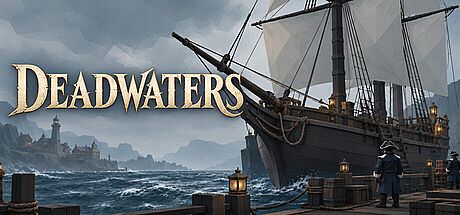


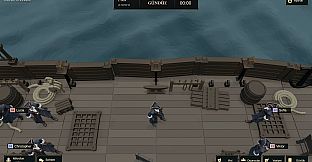
Deadwaters is a 16-player social deduction strategy game set on a dark 17th-century ship. Players take on hidden roles with distinct abilities and personal objectives while navigating suspicion and limited information among the crew.
Gameplay
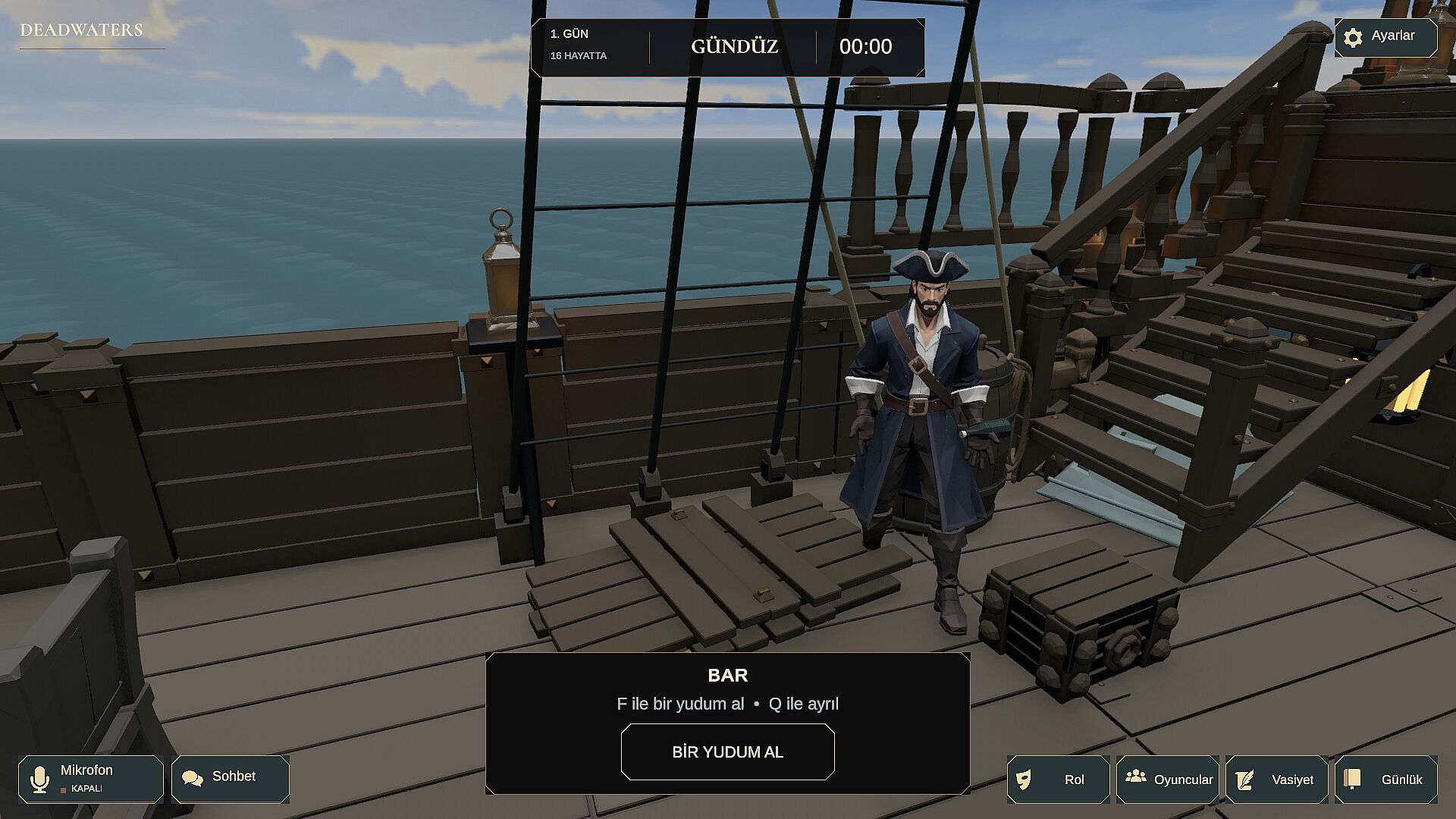
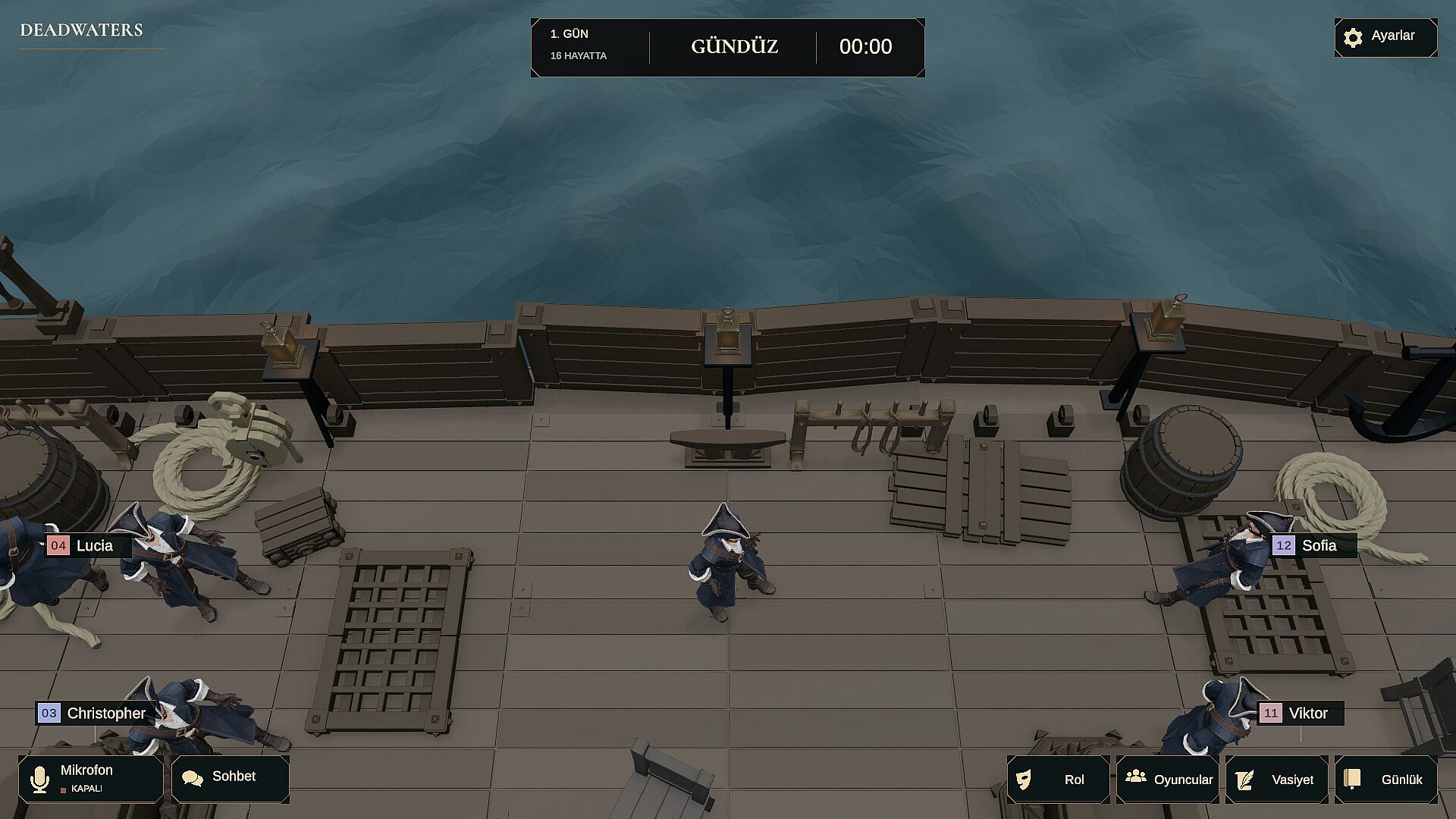
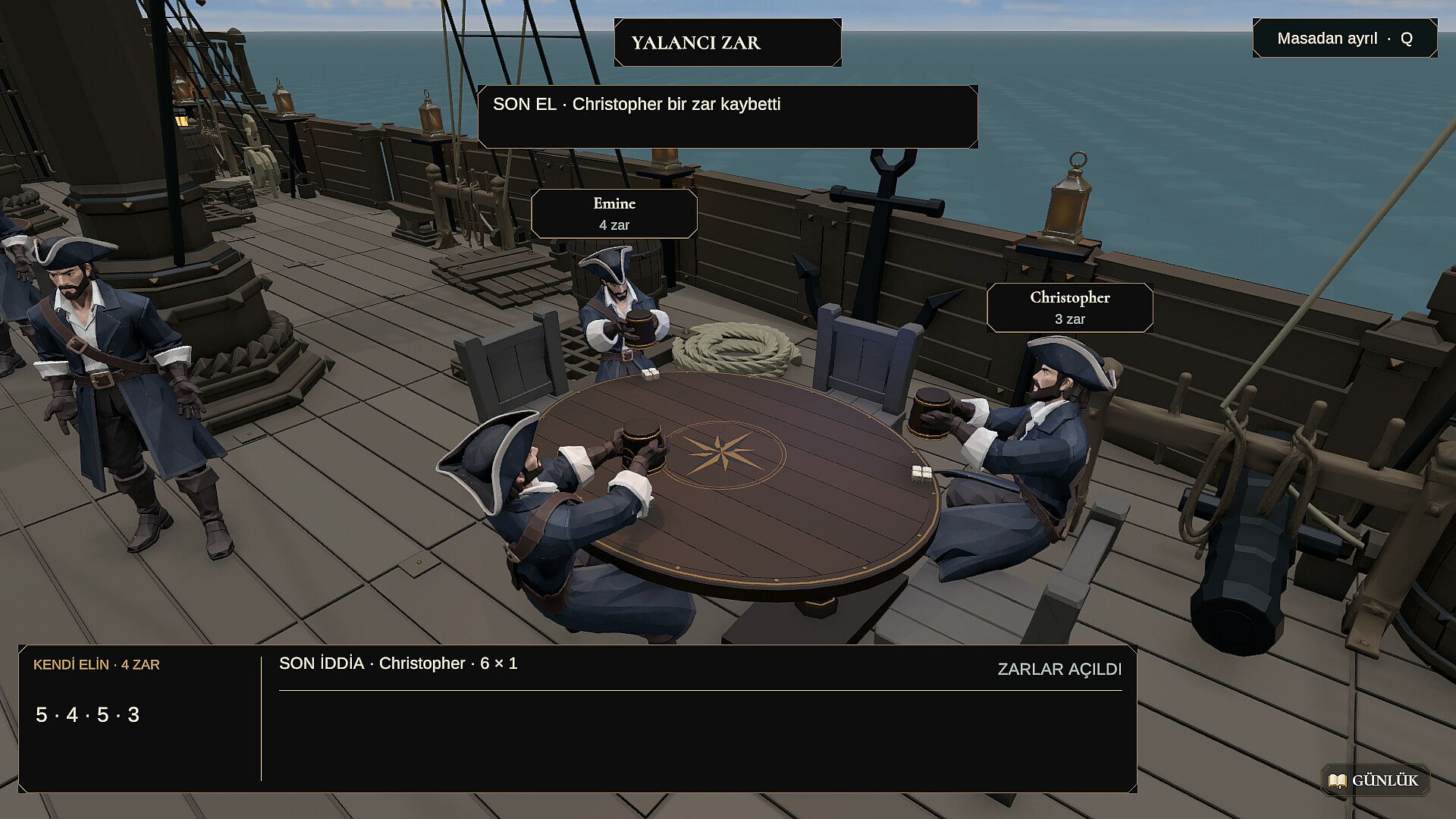
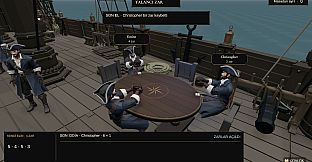
The core loop centers on information gathering and decision making during daylight hours. Players move freely across the vessel in third person, entering cabins, speaking with others on deck, and observing behavior to separate truth from lies. Downtime activities such as playing dice or gathering at the bar provide natural opportunities to build or break alliances before the next cycle begins.
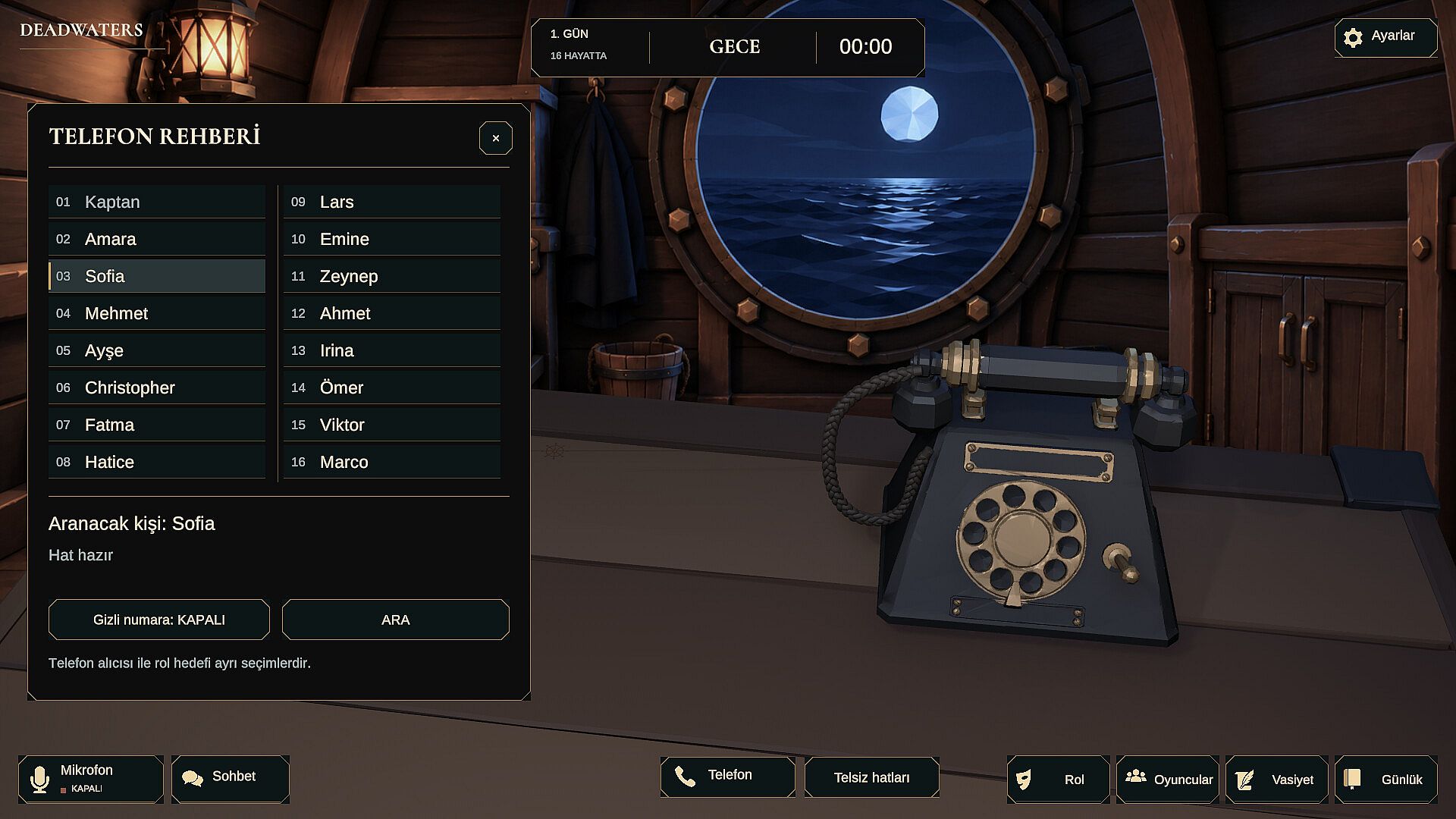
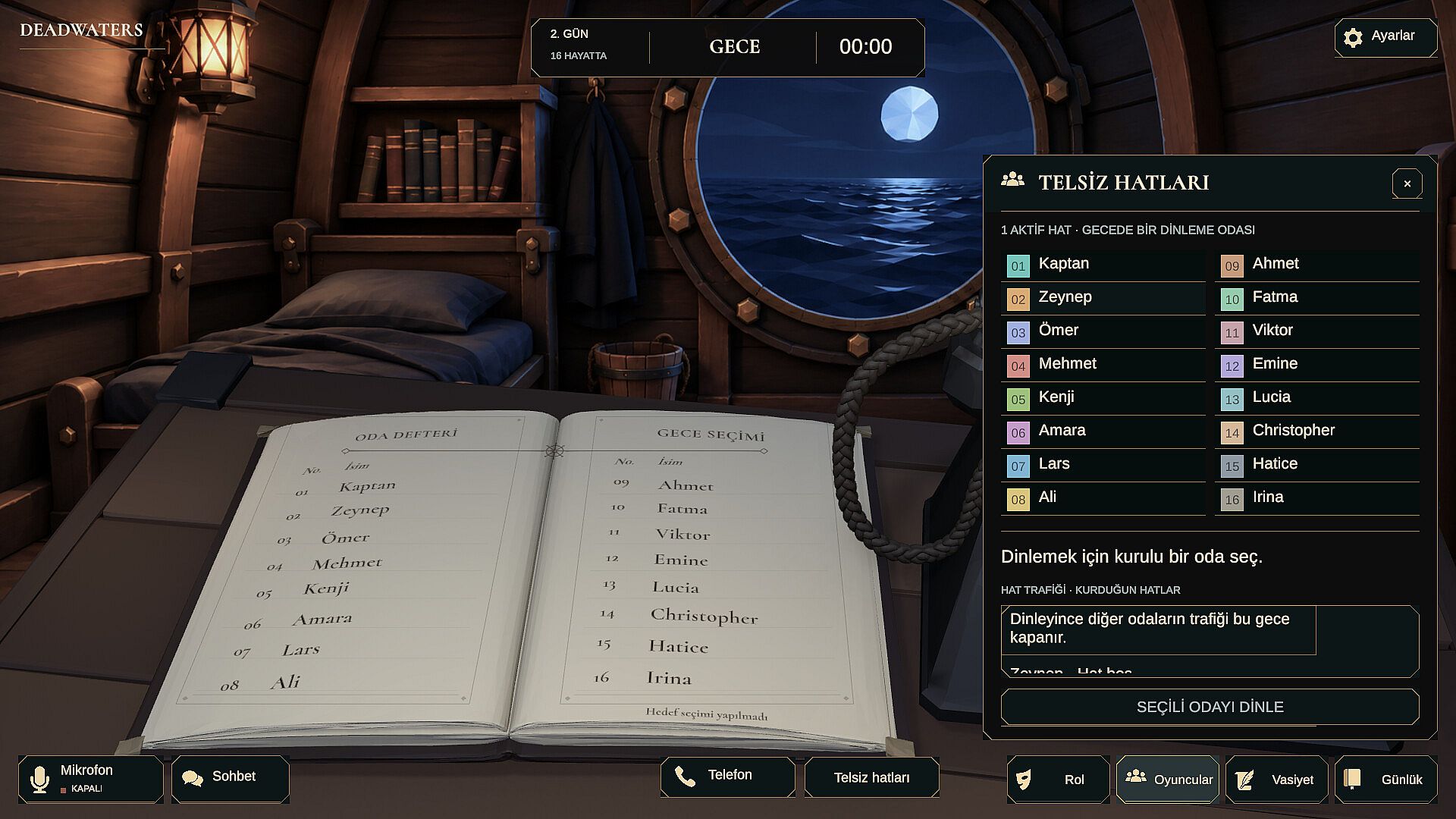
When night arrives, hidden roles activate their abilities. These actions can include investigations that reveal details, protective measures that shield targets, manipulations that spread false information, sabotage that damages the ship, or direct eliminations that remove players from contention. The morning reveals the results, forcing the remaining crew to interpret what occurred in the darkness and adjust their strategies accordingly.
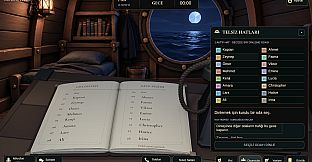
Each role carries unique tools that alter how the game unfolds. Investigators focus on uncovering facts, protectors work to keep allies alive, criminals twist narratives to their advantage, killers pursue specific targets, and neutral roles chase independent goals. Success depends on using these tools effectively while convincing others of your reliability.
Game Modes
Deadwaters structures play around a repeating day and night cycle that governs when information flows openly and when secret actions occur. Daytime emphasizes conversation, observation, and public discussion as players share findings or deflect accusations. Nighttime shifts focus to private role abilities that can shift the balance of power without immediate visibility.
After each night, the crew reconvenes for open debate. Players present what they know, form temporary alliances, and vote on who poses the greatest threat. The process repeats until objectives are met or the group reaches a final decision on who remains aboard.
Exploration and Interaction
The ship itself serves as a living space rather than a static backdrop. Players explore cabins, move between decks, and engage in everyday shipboard activities during quieter moments. These interactions help establish patterns of behavior that later become critical when accusations fly. The third-person perspective encourages movement and direct encounters instead of relying solely on menus or text interfaces.
Is It Worth Playing?
Deadwaters suits players who enjoy social deduction experiences combined with physical exploration and role-driven strategy. The emphasis on movement around a shared environment and downtime activities adds layers to the usual deduction formula, rewarding those who read body language and conversation patterns in real time. The indie strategy focus keeps the experience tight around player choices and hidden objectives rather than large-scale systems. Those drawn to games where trust and deception drive every round will find the ship setting and role variety a strong match for repeated sessions with the same group.











