


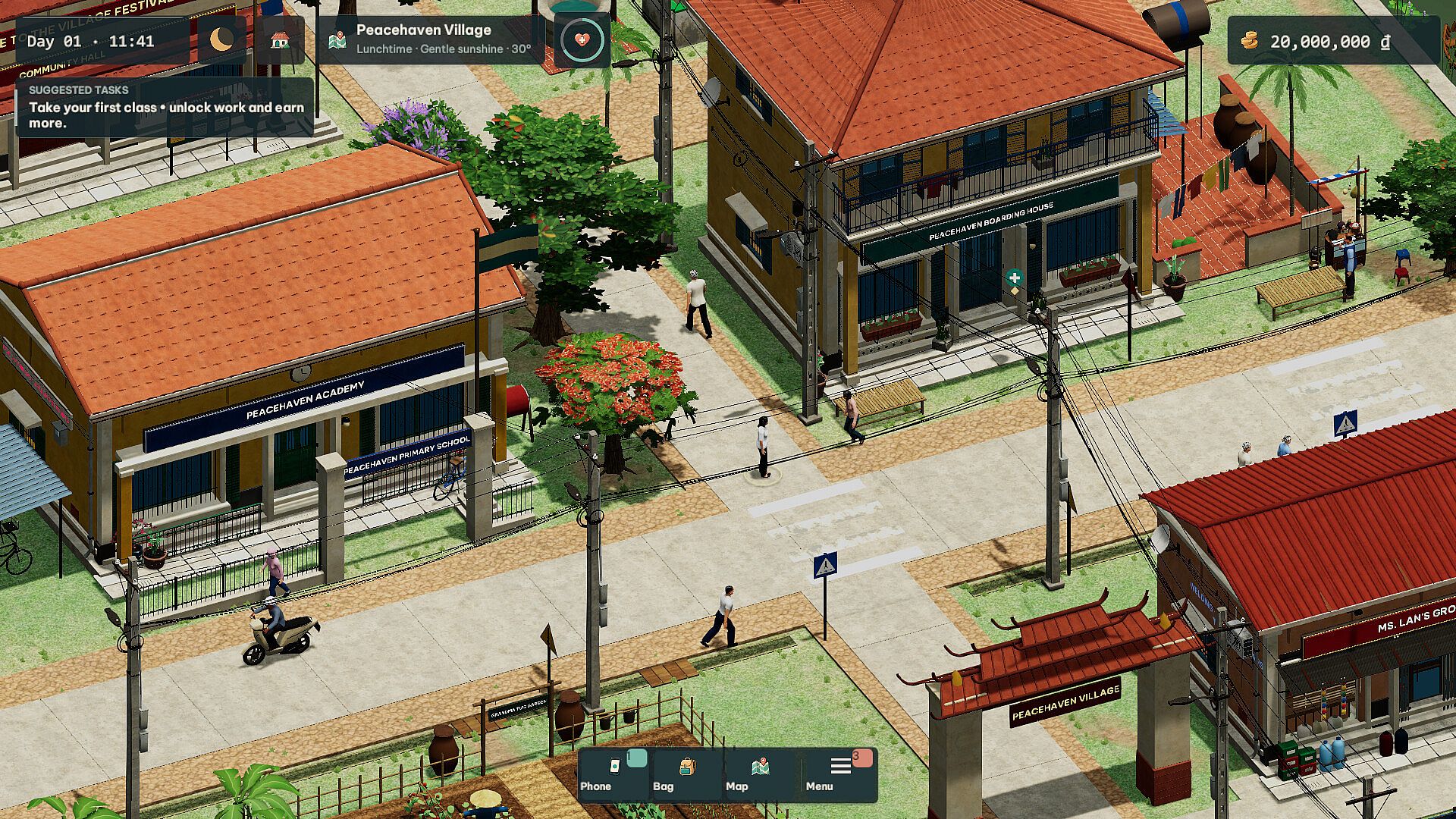
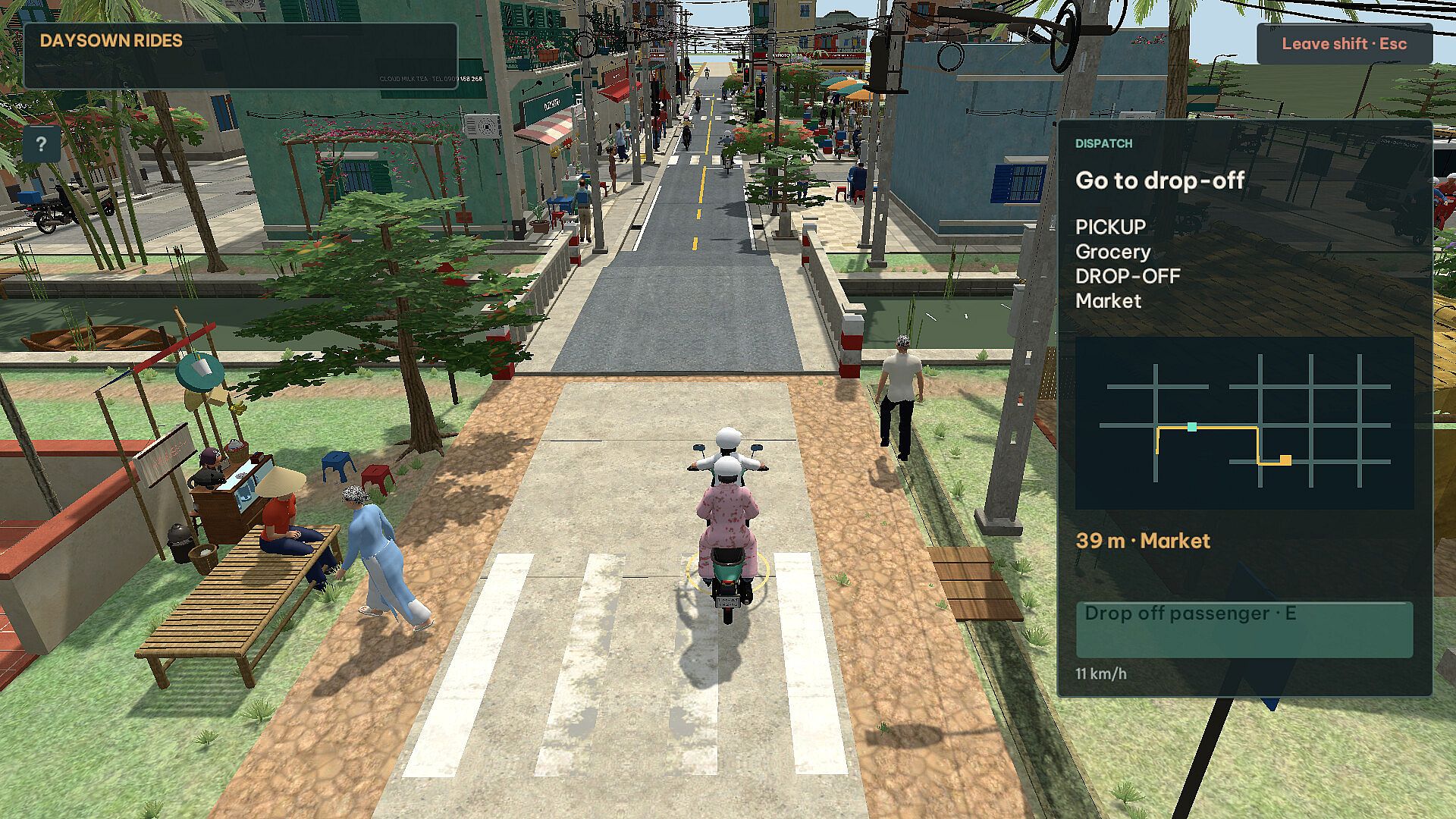
DAYSOWN is a single-player life and work simulation game that places players in a quiet village setting where daily choices shape long-term progress. The experience centers on hands-on labor, skill building, and careful resource management as characters work toward personal goals like owning land or a workshop. Indie in scope and focused on simulation and adventure elements, it emphasizes realistic routines over action or combat.
Gameplay
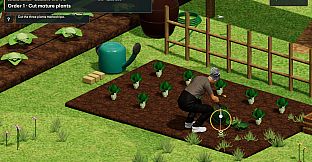
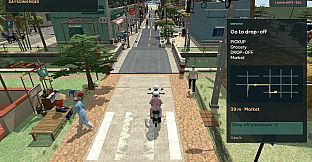
Core play revolves around managing time, energy, and money across each in-game day. Players take on varied jobs that require following steps such as measuring ingredients for drinks, sorting goods, or assisting with harvests. These tasks build practical experience and open access to certificates that unlock higher-paying or more specialized work.
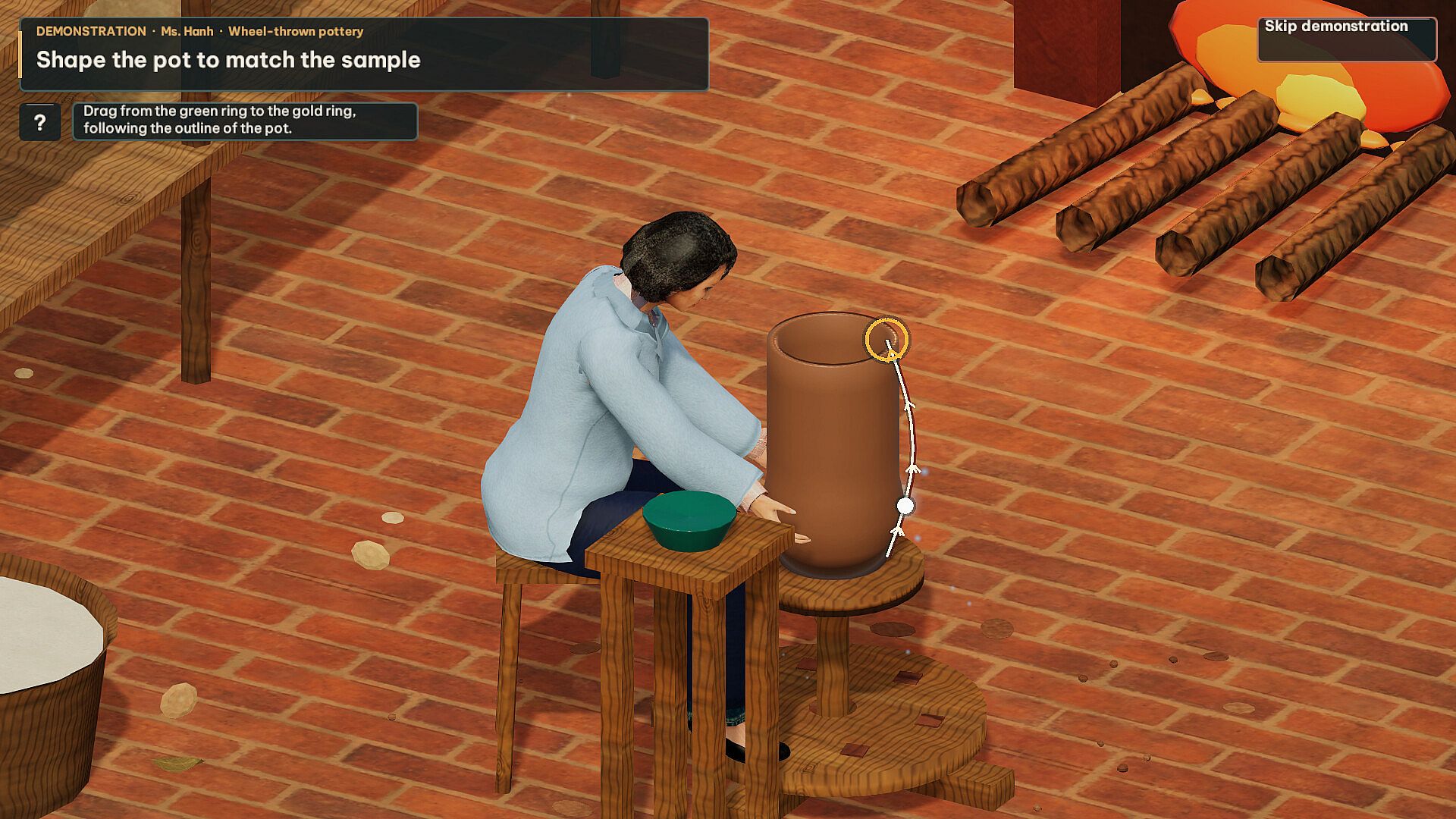
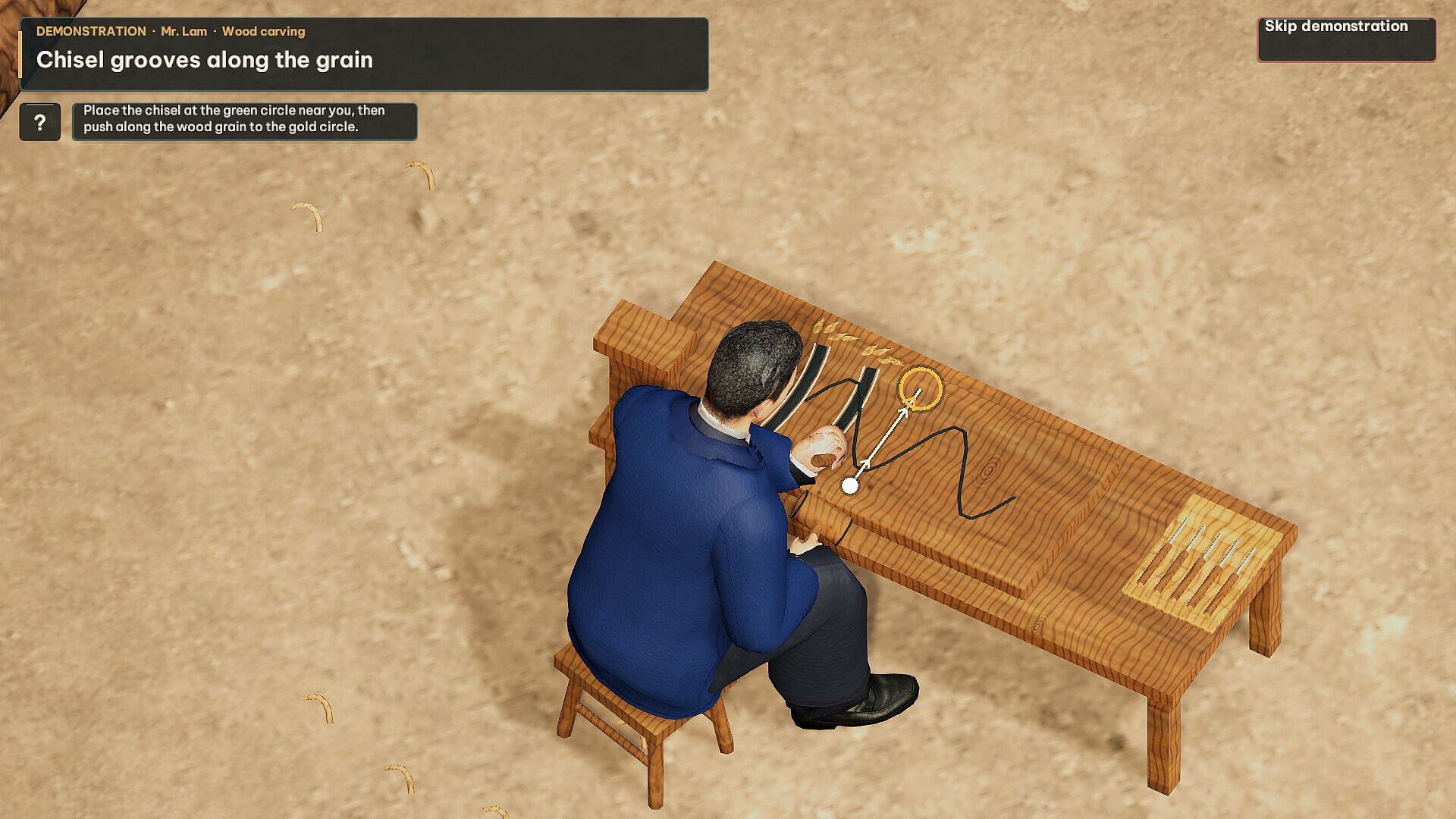
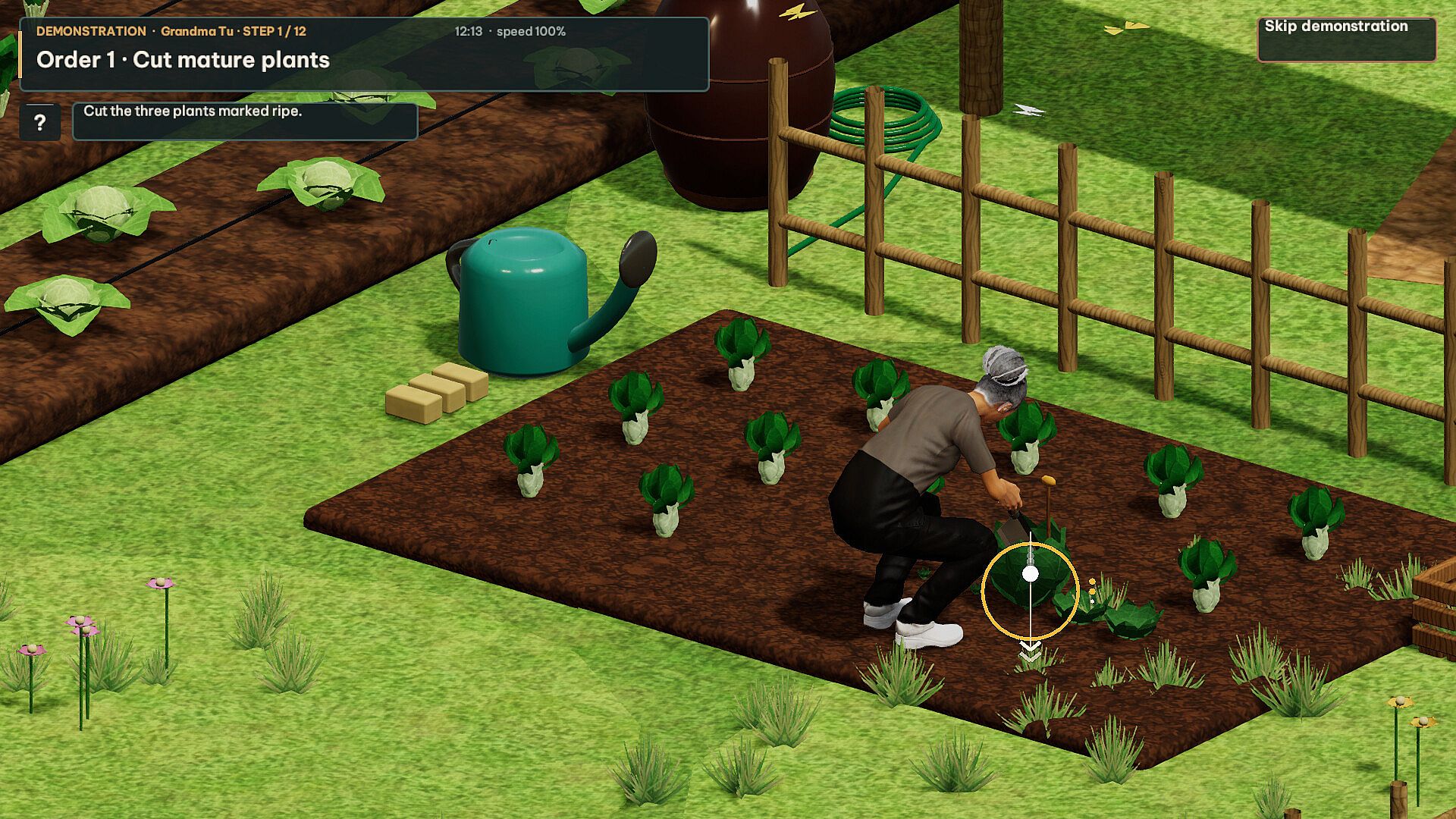
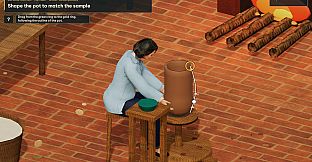
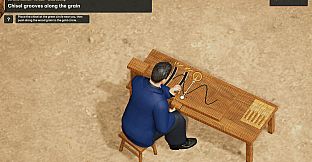
Crafting forms another key system. Players visit different villages to learn techniques like shaping clay, weaving materials, operating looms, or assembling frames. Practice turns basic resources into finished items, supporting both income and personal projects. Farming adds depth through planting crops, raising animals, and selling produce to sustain the household.
Progress ties directly to spending decisions. Earnings fund lessons, home improvements, seeds, tools, or workshop materials. Players also handle daily needs like meals and rest while responding to neighbor requests, which can influence relationships and opportunities. The loop rewards consistent effort balanced with self-care to maintain productivity over time.
Game Modes
DAYSOWN operates as a single-player experience with no separate multiplayer or competitive modes. All activity unfolds through the central daily simulation, where players freely allocate hours between work shifts, skill training, farming, crafting, and personal interactions. This structure encourages repeated playthroughs focused on different career paths or home-building priorities rather than distinct game variants.
The absence of branching modes keeps the focus on steady, hands-on progression. Every session builds the same core systems, allowing players to experiment with job combinations or resource allocation without switching between unrelated formats.
Progression and Daily Life
Skill development happens through repeated practice and formal lessons that grant certificates. These unlock new jobs and improve efficiency in existing ones. Home and workshop upgrades provide lasting benefits, turning initial modest savings into more comfortable or productive spaces.
Players must balance work with rest and social elements. Shops follow set hours, the body requires sleep, and family or neighbor obligations add decision points. An extra shift might cover immediate costs, yet sustained success comes from maintaining energy and connections over many days.
Is It Worth Playing?
DAYSOWN suits players who enjoy deliberate, management-focused simulations where small daily actions accumulate into meaningful change. The emphasis on tangible crafts, farming, and job variety offers a grounded alternative to faster-paced games. Those drawn to life sims that reward planning and patience will find the systems rewarding.
As an upcoming title with no released player data or updates available yet, its appeal rests on the described mechanics matching personal preferences for relaxed, self-directed progress. Fans of similar indie simulations should monitor its launch for a closer look at how the routines feel in practice.