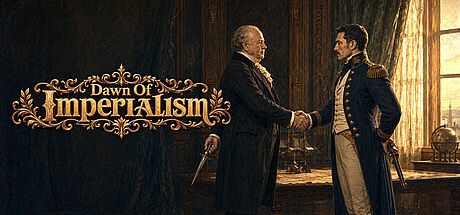


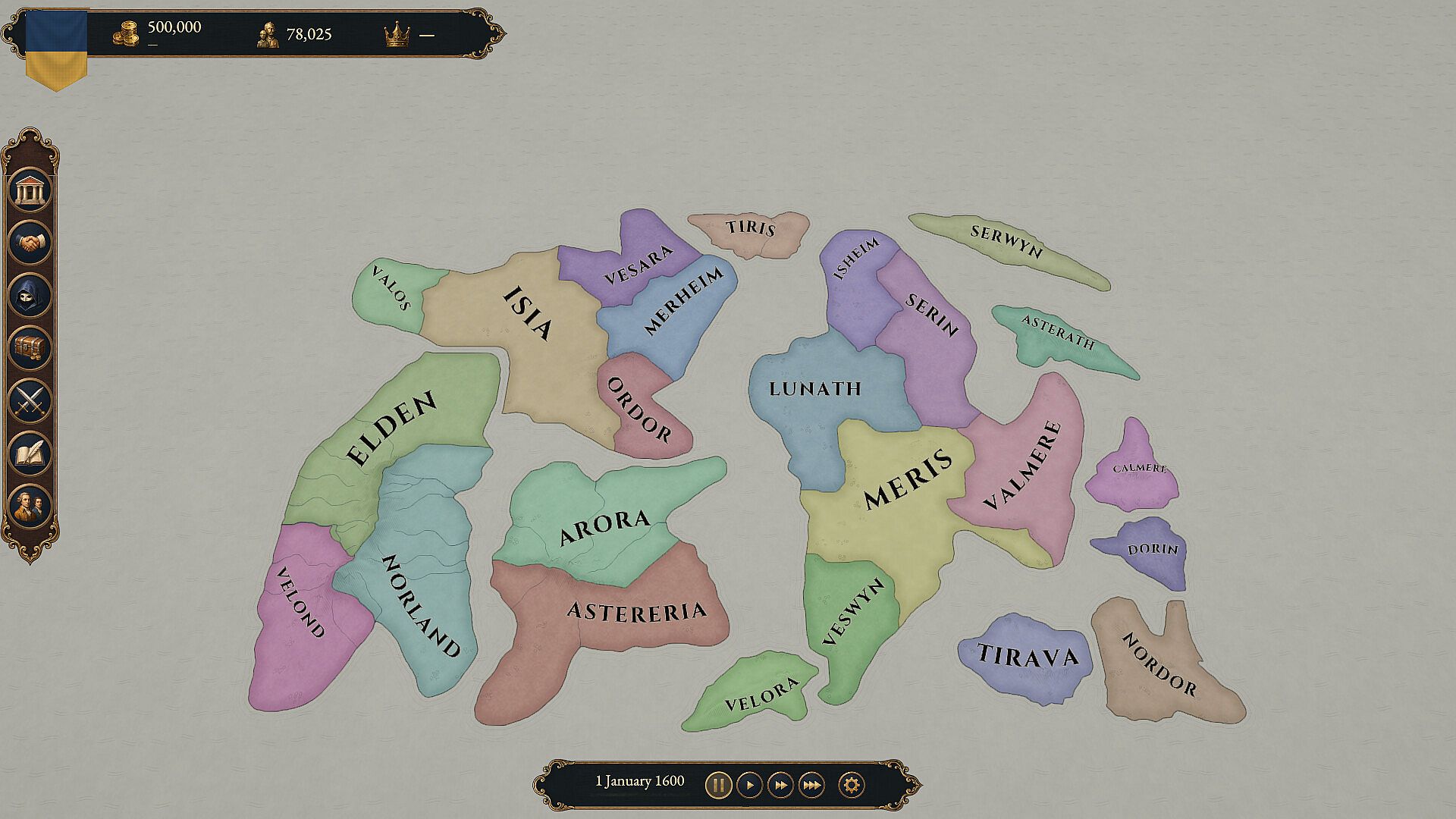
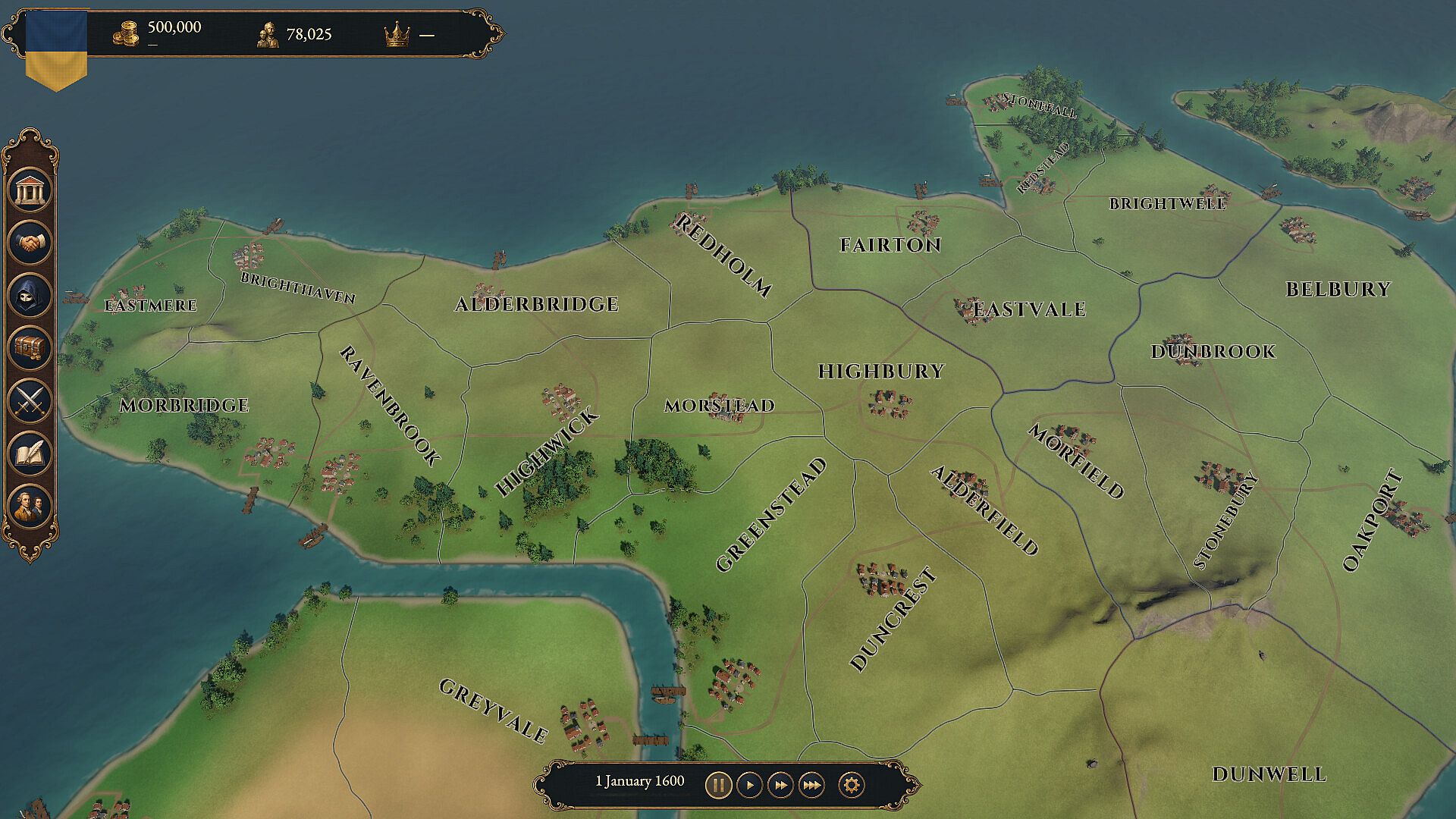
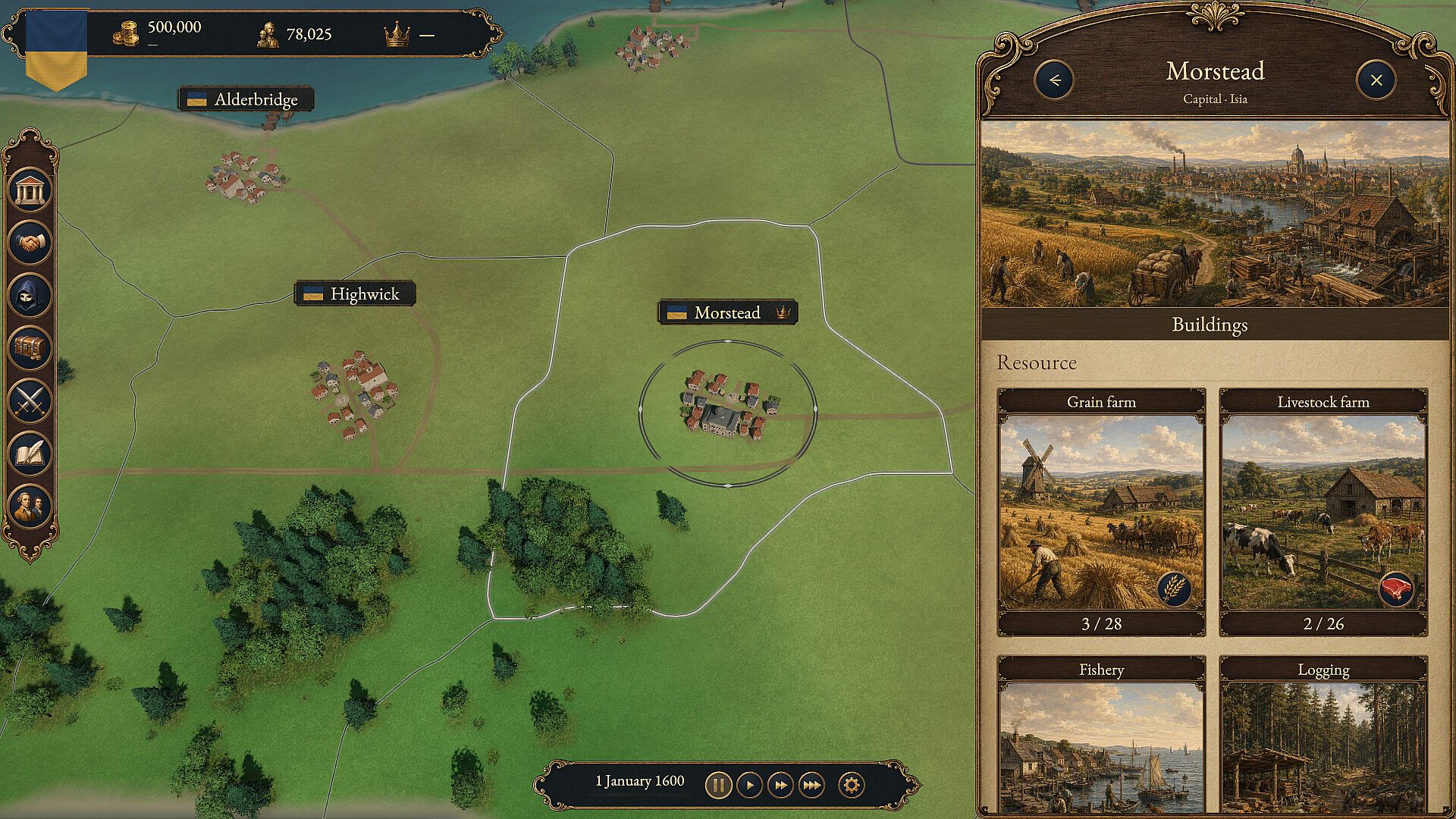
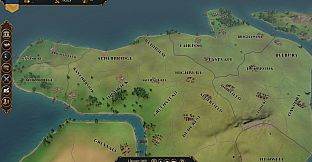
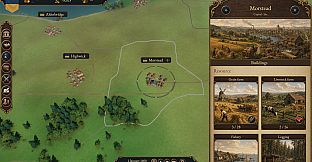
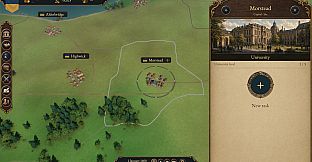
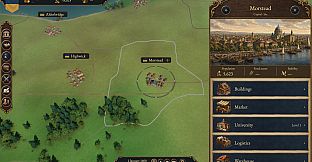
Dawn of Imperialism is a real-time grand strategy game set in a fictional world inspired by the Industrial Revolution. Players guide a state through economic transformation, where factories, trade networks, and merchant influence shape global power more than territorial conquest alone.
Gameplay
The core loop centers on managing the long-term interests of the state through economic guidance rather than direct control of individuals. Merchants establish companies, build factories, accumulate capital, and create trade networks that extend influence abroad. The state can encourage specific investments or market entries, yet merchants operate with independent ambitions and may reject requests or align with foreign interests over time.
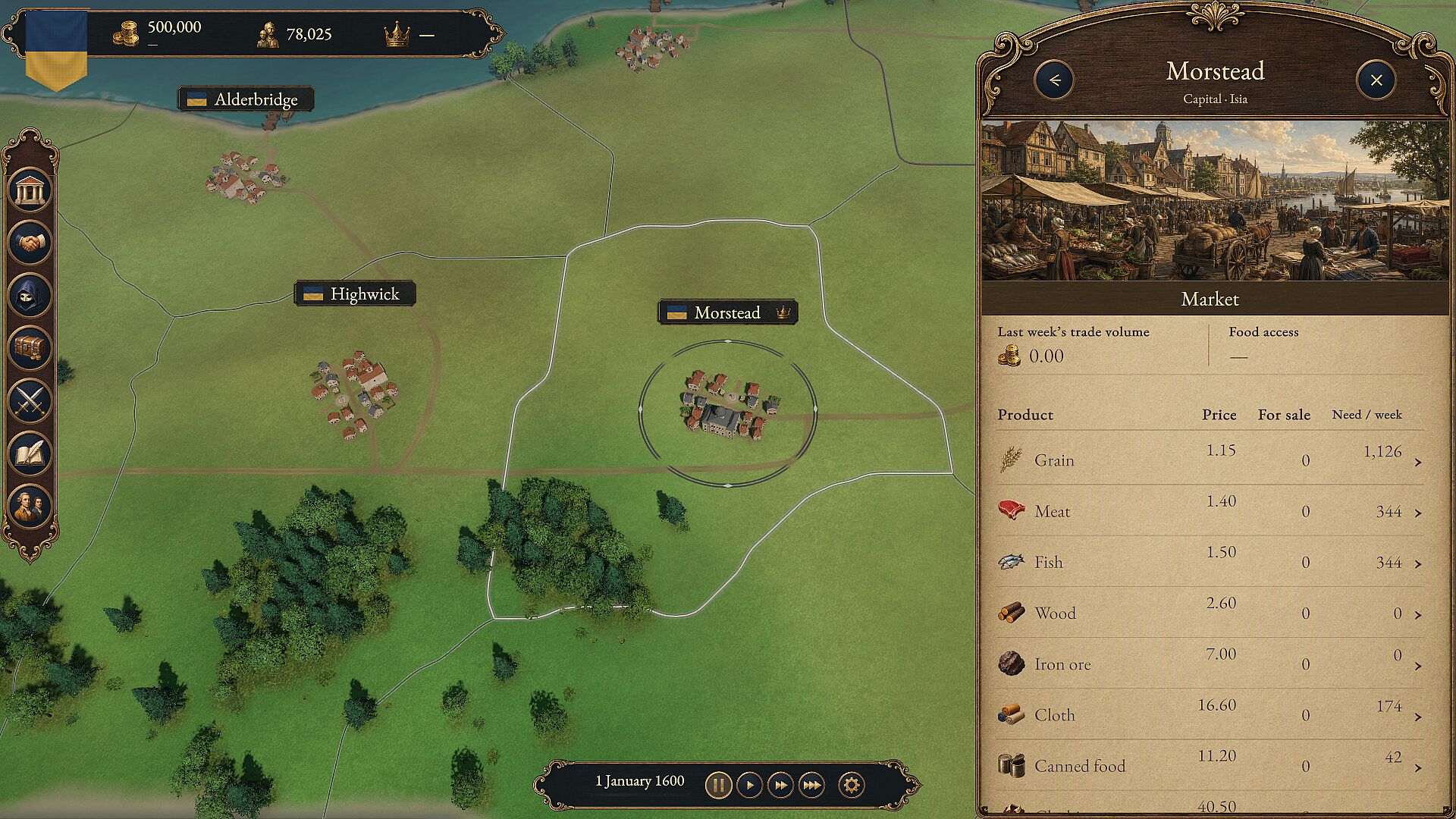
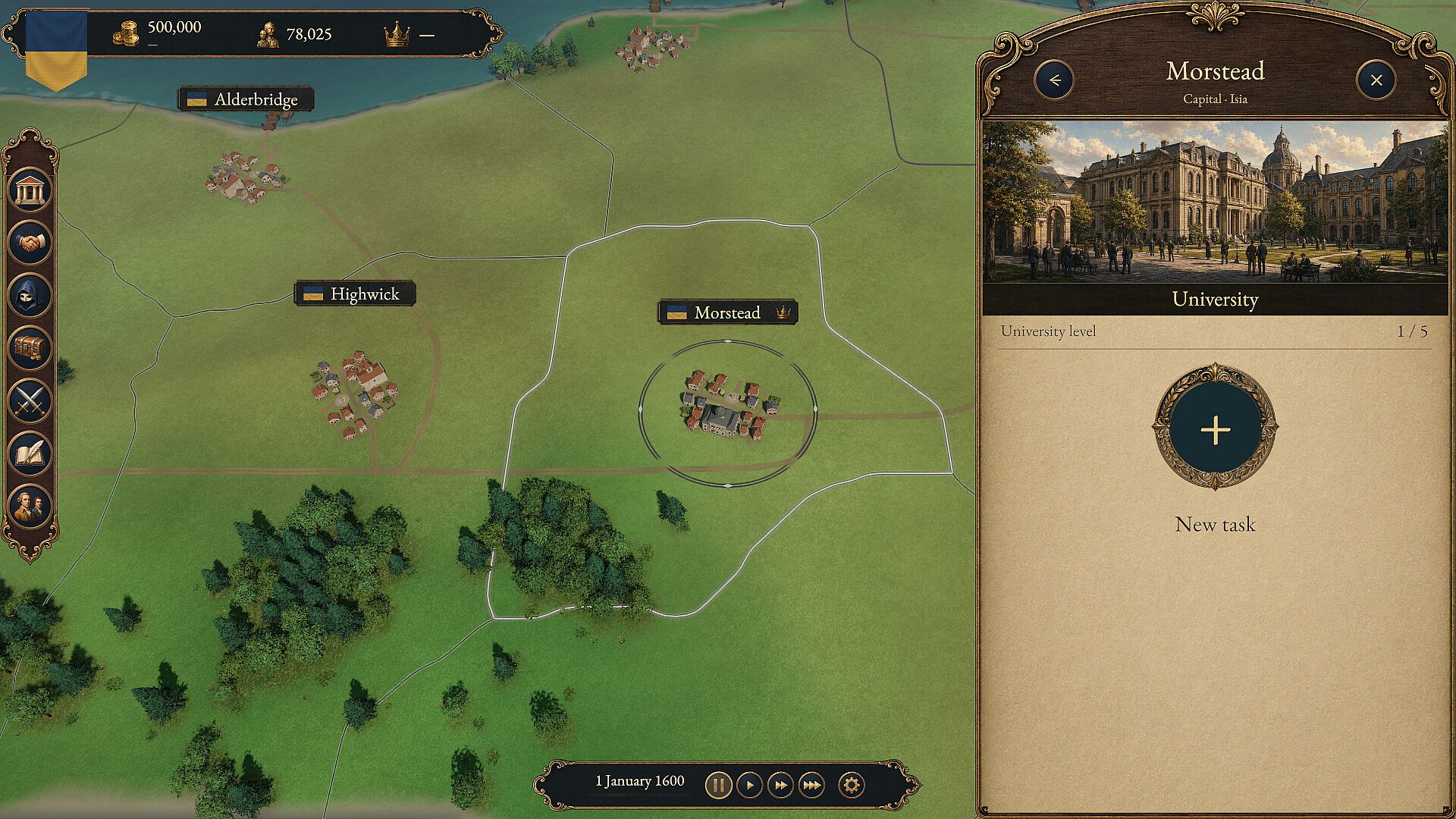
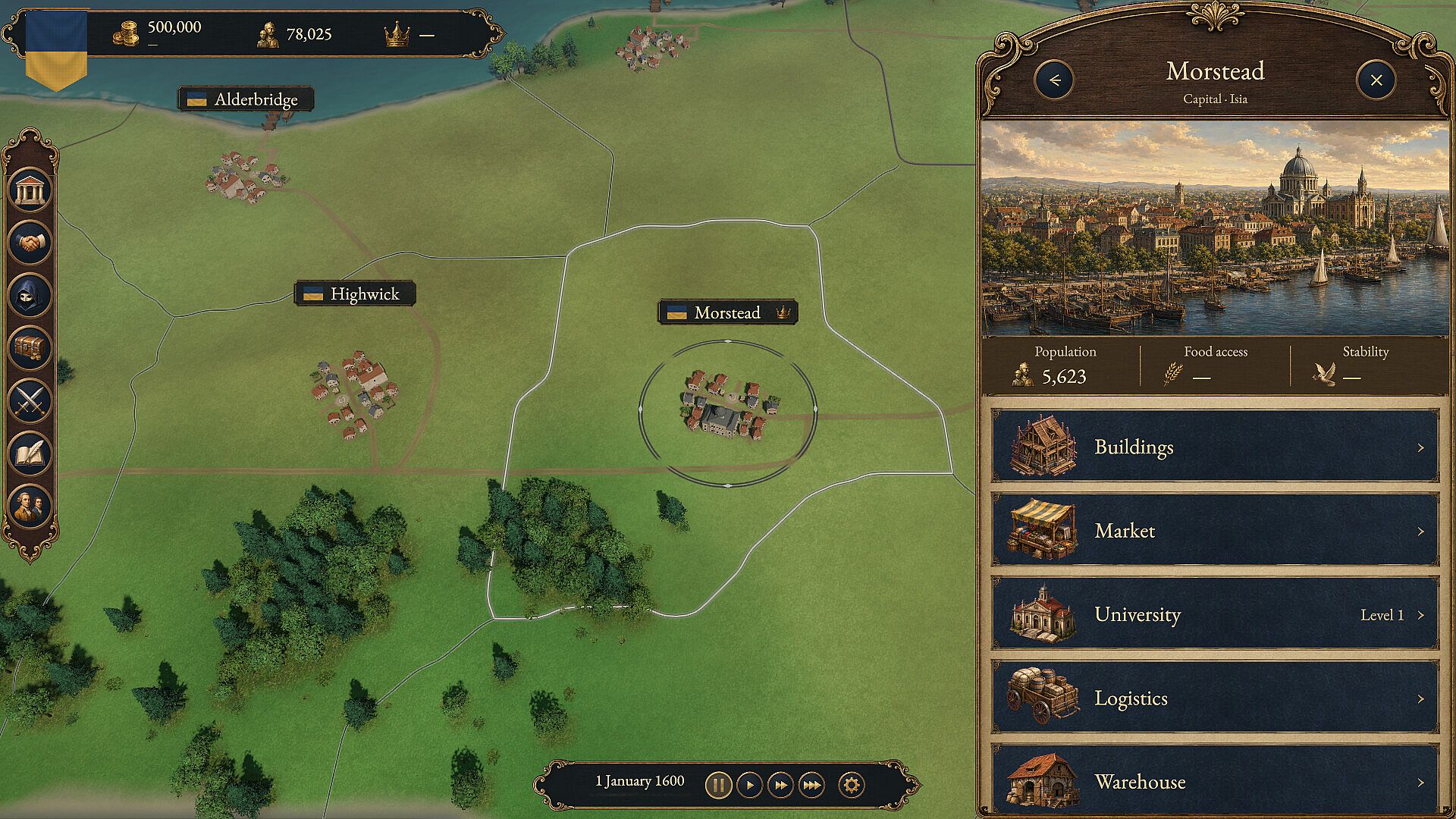
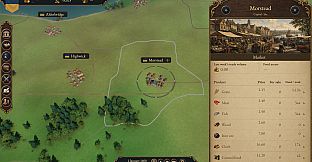
Every city maintains its own production, storage, market prices, and transport capacity. Goods move only through actual merchant activity and available infrastructure, so shortages can stem from clogged railways, profitable alternative markets, or deliberate foreign disruption. Roads evolve into railways and ports link distant regions, making logistics a strategic priority equal to resource extraction itself.
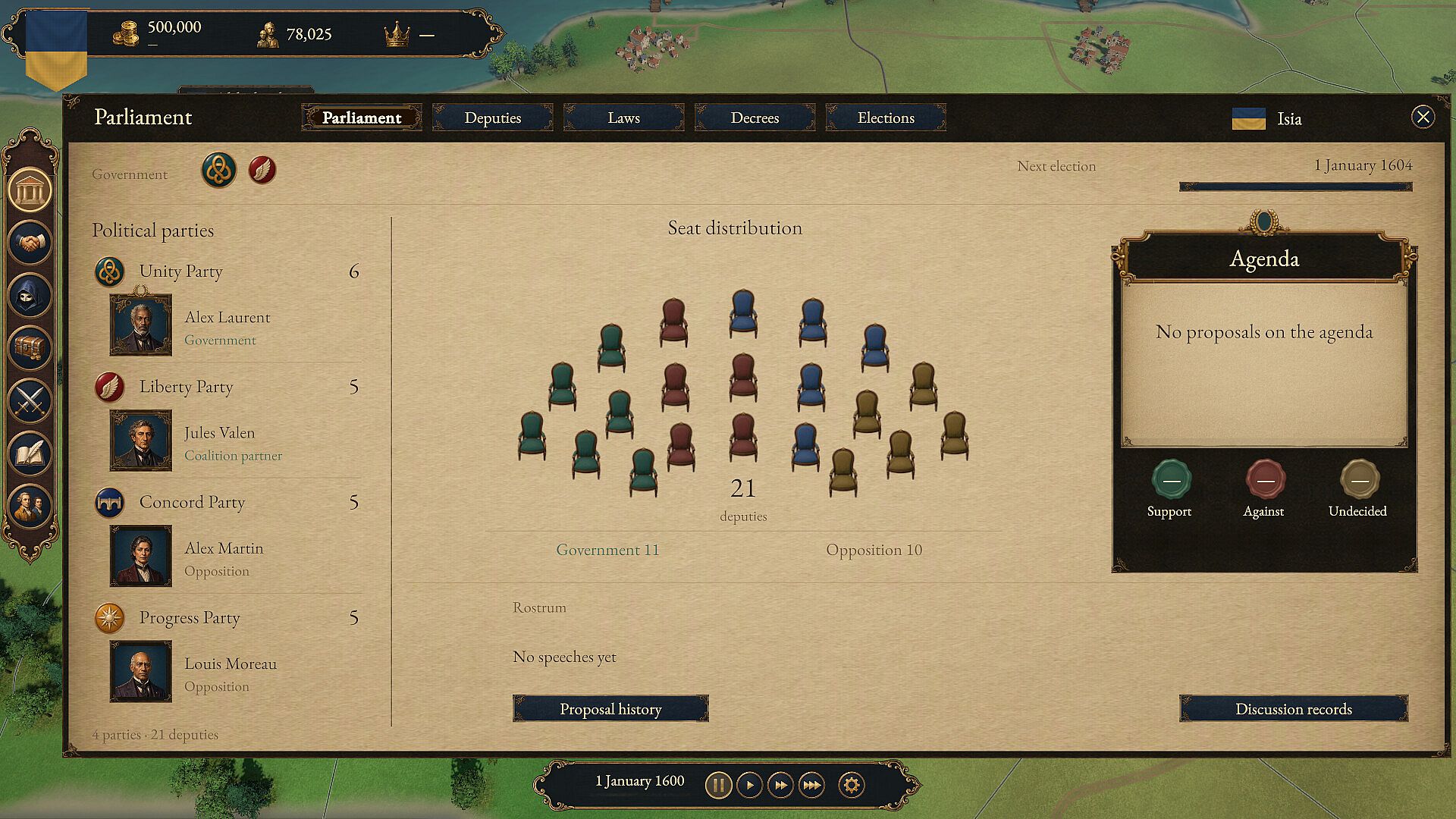
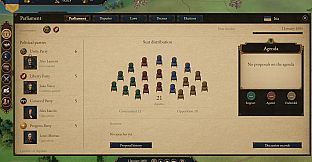
Political systems respond to economic shifts. Cities elect representatives, parties compete for power, and laws govern trade, taxation, and military matters. Legitimacy affects how readily characters accept state directives, while foreign states compete for influence over the same politicians, generals, and merchants.
Intelligence operations allow agents to investigate merchants, diplomats, generals, and political figures. Discoveries can reveal foreign financing, secret meetings, or eroding loyalties, which then support negotiation, blackmail, or exposure tactics. Character traits such as loyalty, ambition, and ability shape behavior and generate ongoing stories through relationships and events.
War serves as one option among many. Occupation carries ongoing costs in unrest and administration, so outcomes often favor securing mining rights, port access, trade terms, or friendly governments instead of permanent territorial gains.
Game Modes
The game supports single-player campaigns in which players direct state policy across economic, diplomatic, intelligence, and military dimensions. Campaigns unfold through player-driven stories rather than fixed historical events, with narrative elements emerging from character interactions and simulation outcomes.
Dynamic elements include locally generated dialogue, rumors, and events grounded in character traits and ongoing developments. No separate multiplayer or additional named modes appear in available information.
Economic and Political Systems
Merchants function as independent agents of influence. They can invest in foreign states, enter strategic industries, and build networks that transfer resources and capital across borders. A company nurtured under state protection may eventually serve rival interests if its own goals diverge.
Politics extends from economic realities. Parliamentary representation, party competition, and legislation respond to growing commercial power. Foreign actors actively compete for sway over domestic figures, creating layers of intrigue beyond direct state commands.
Intelligence adds depth to influence operations. Investigations produce reports that enable targeted actions against rivals or leverage in negotiations, all without requiring military deployment.
Is It Worth Playing?
Dawn of Imperialism remains unreleased and carries no user reviews at present. Its design targets players interested in grand strategy focused on economic simulation, merchant autonomy, living city-level markets, and political intrigue rather than traditional conquest or ruler management. The emphasis on guiding rather than commanding characters, combined with transport logistics and intelligence tools, distinguishes it from many other strategy titles. Those drawn to detailed economic systems and indirect power projection may find the approach compelling once it launches; others seeking conventional military campaigns or historical recreations should review further details closer to release.