













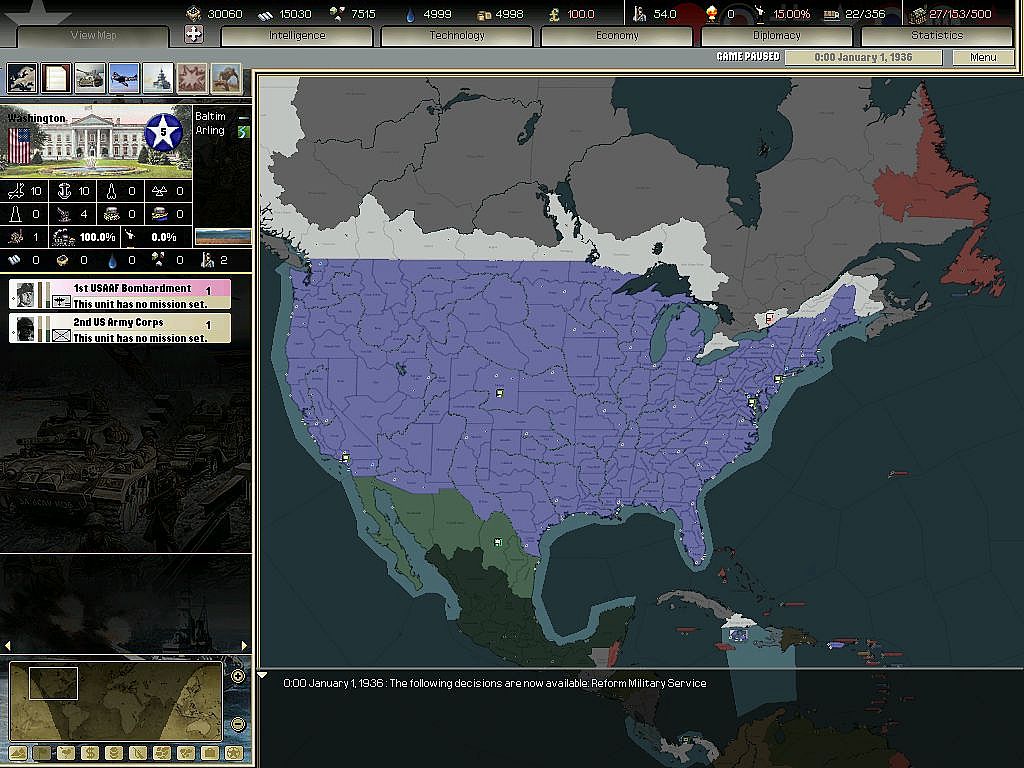
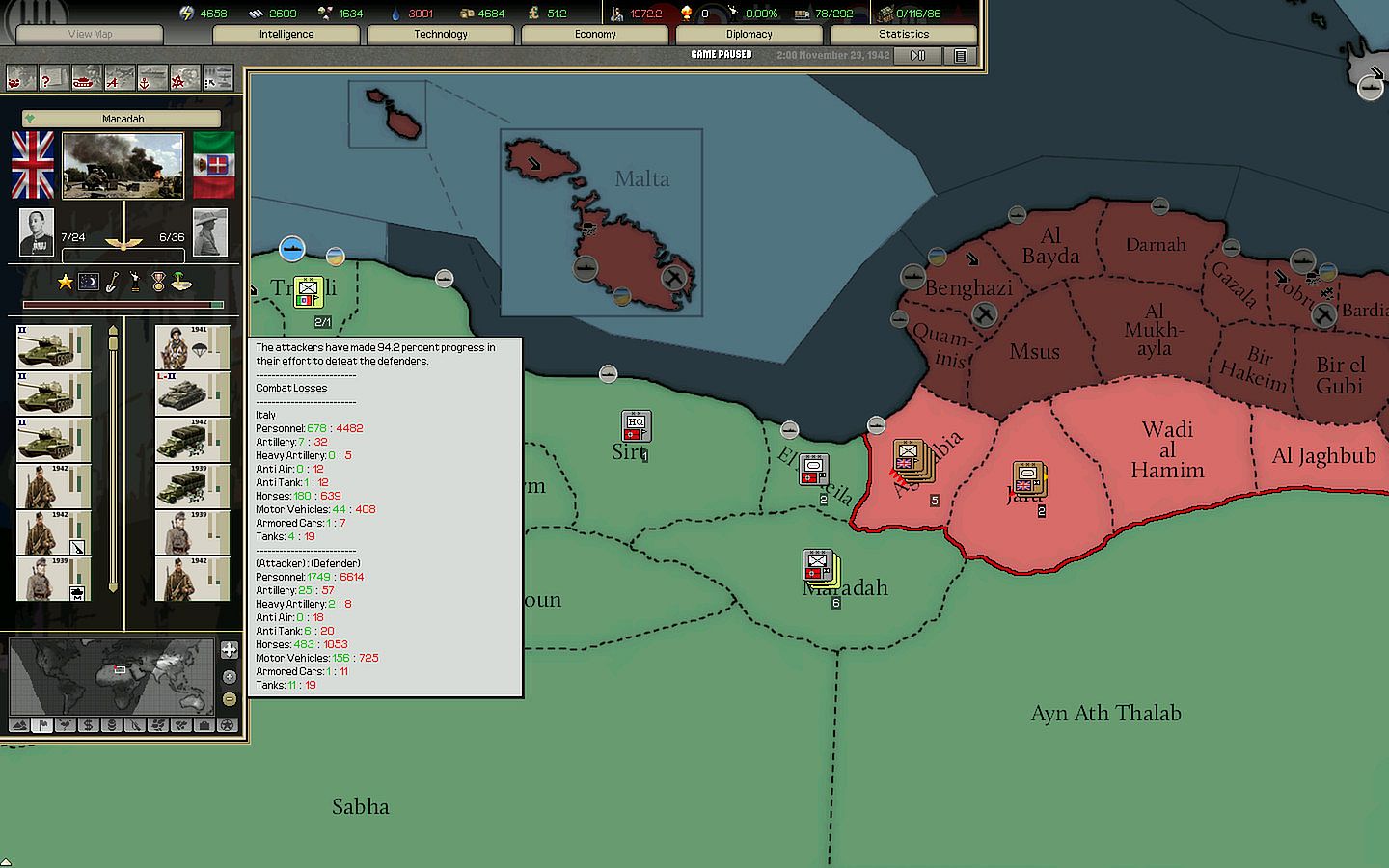
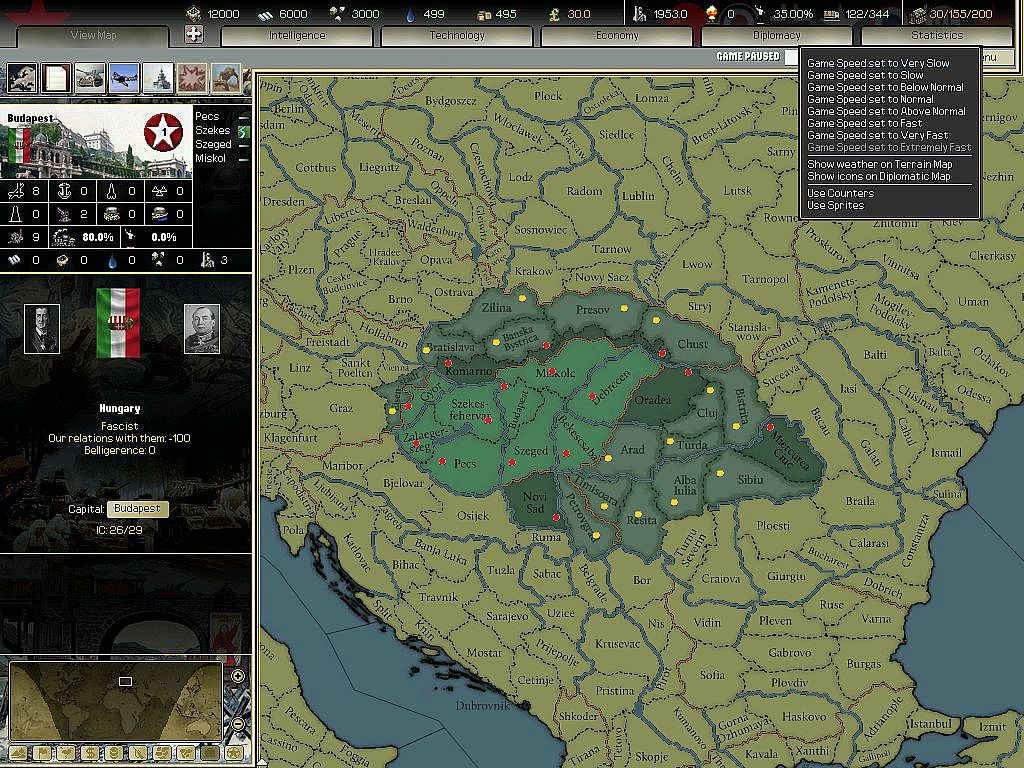
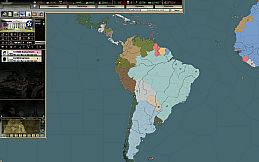
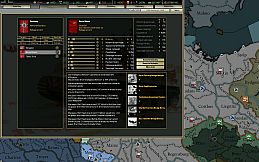
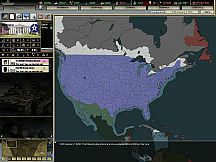
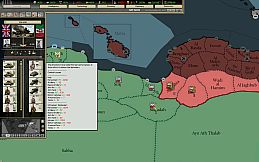
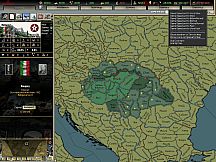
Darkest Hour: A Hearts of Iron Game is a grand strategy title set in the 20th century. Players guide nations through historical conflicts spanning the Great War and into the early Cold War period. The game emphasizes detailed campaign management across multiple starting points in the first half of the 1900s.
Gameplay
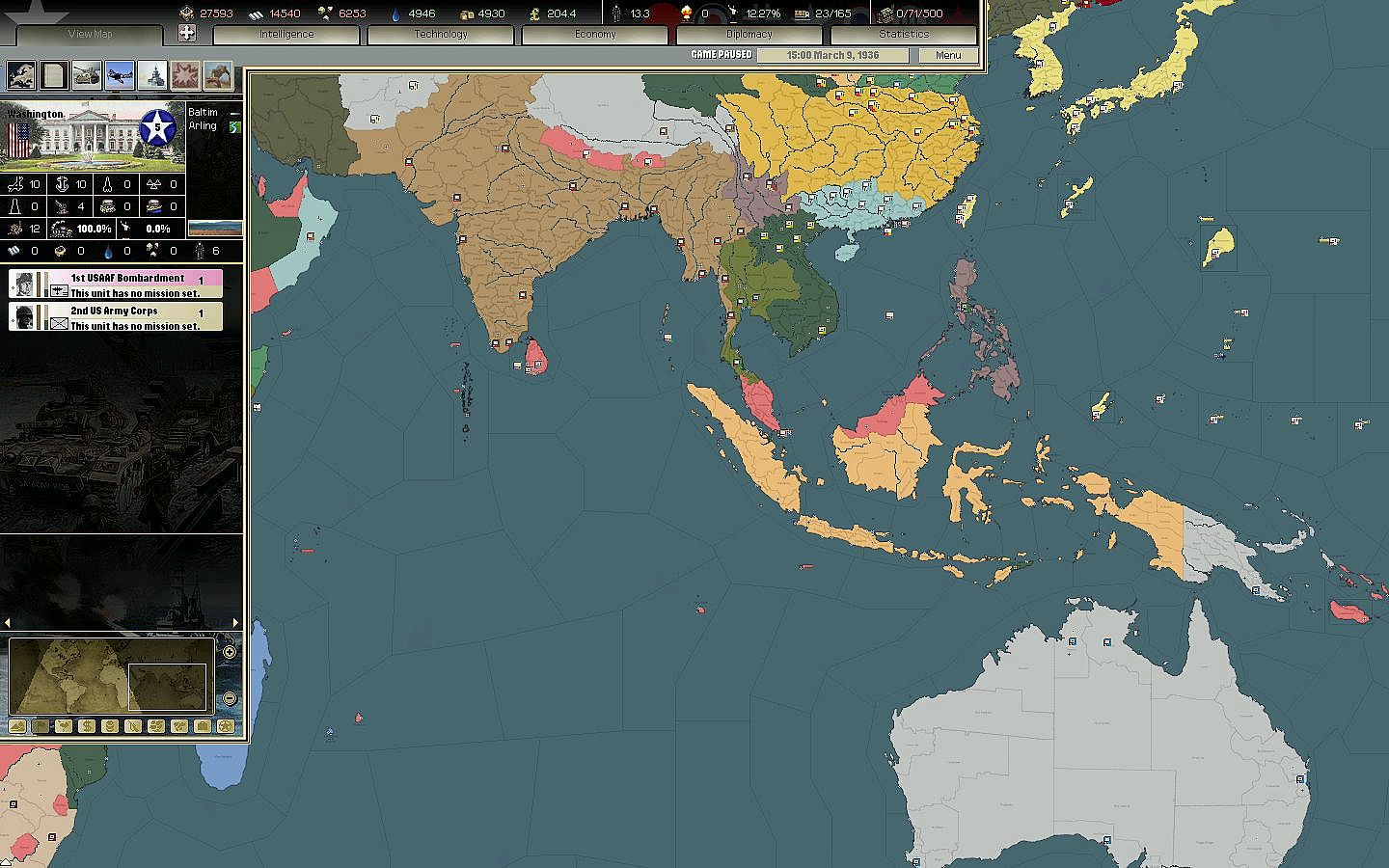
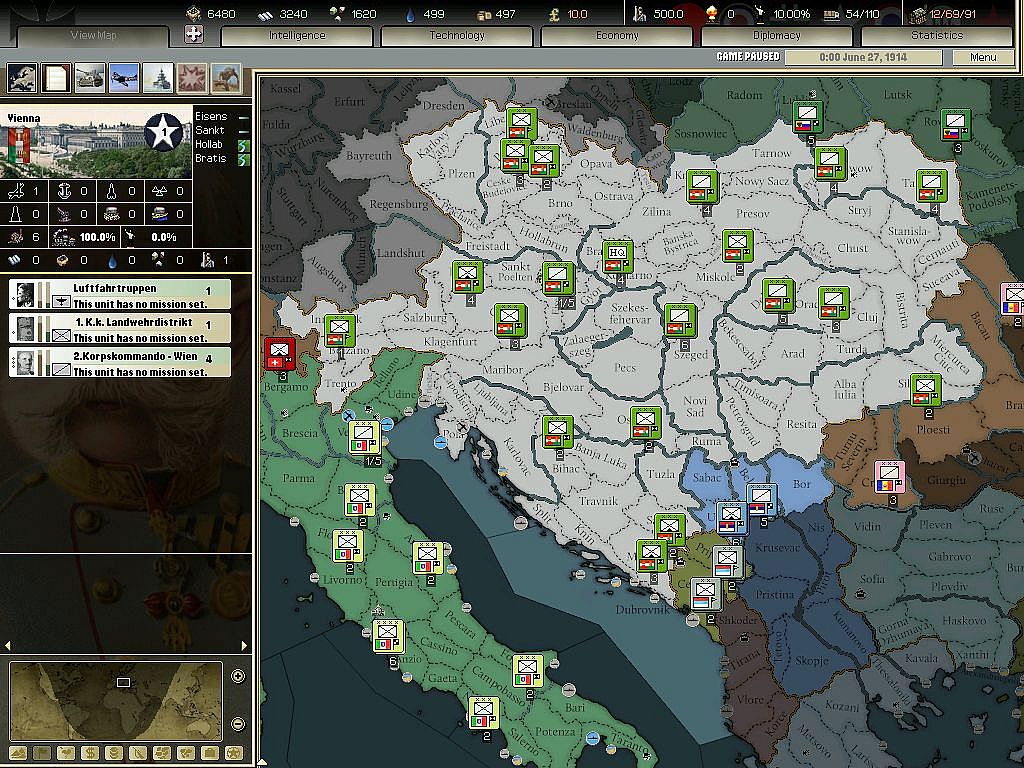
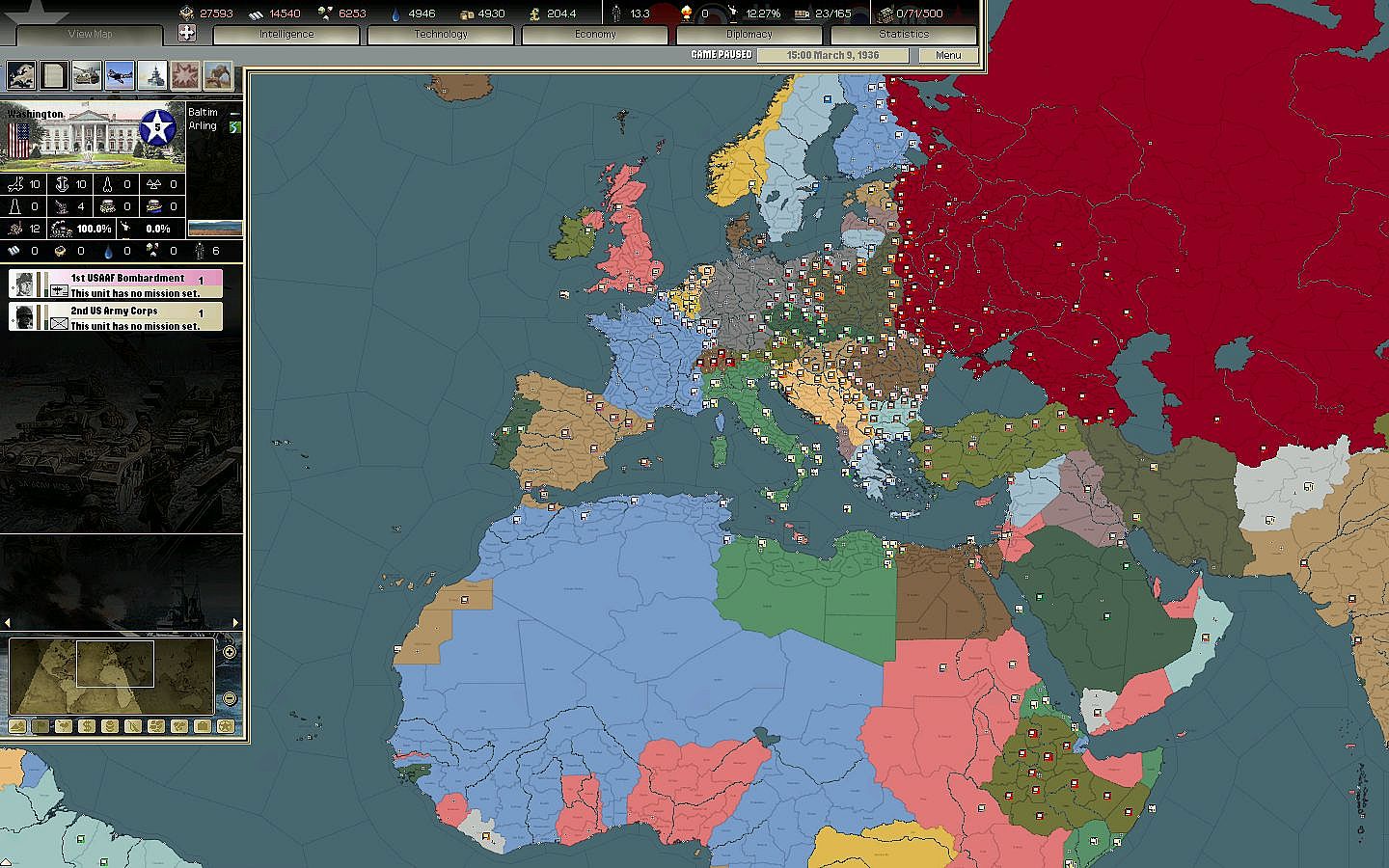
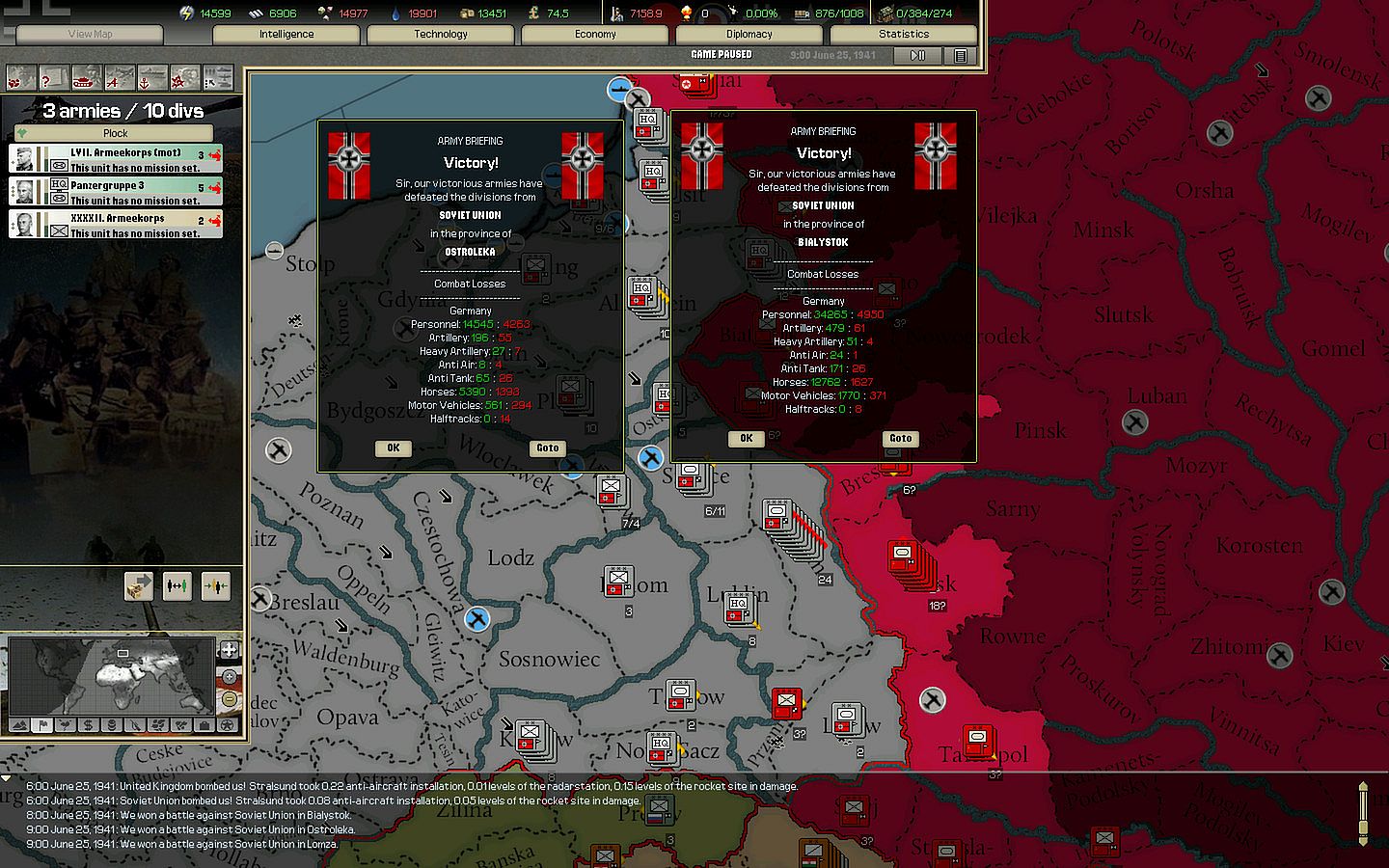
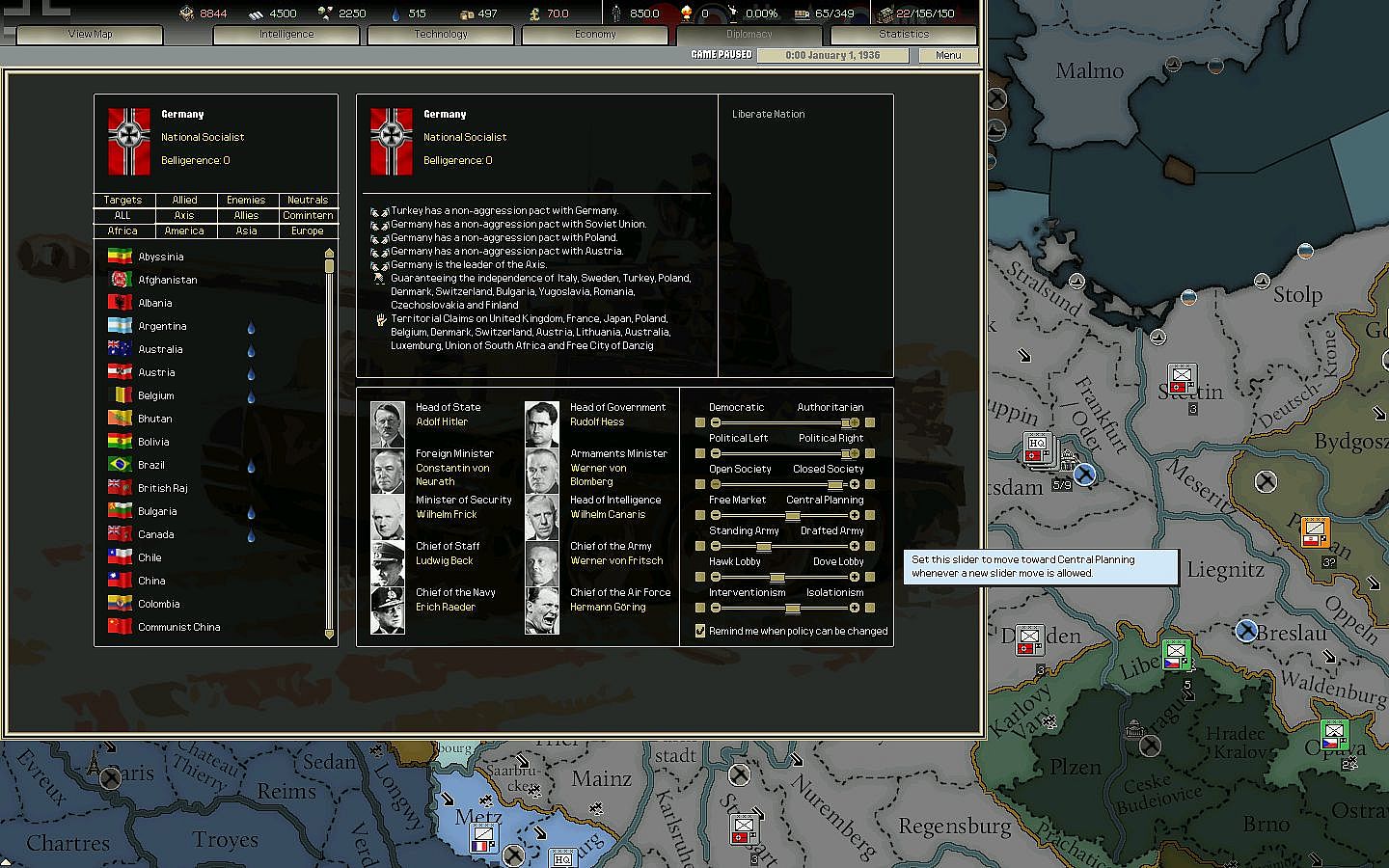
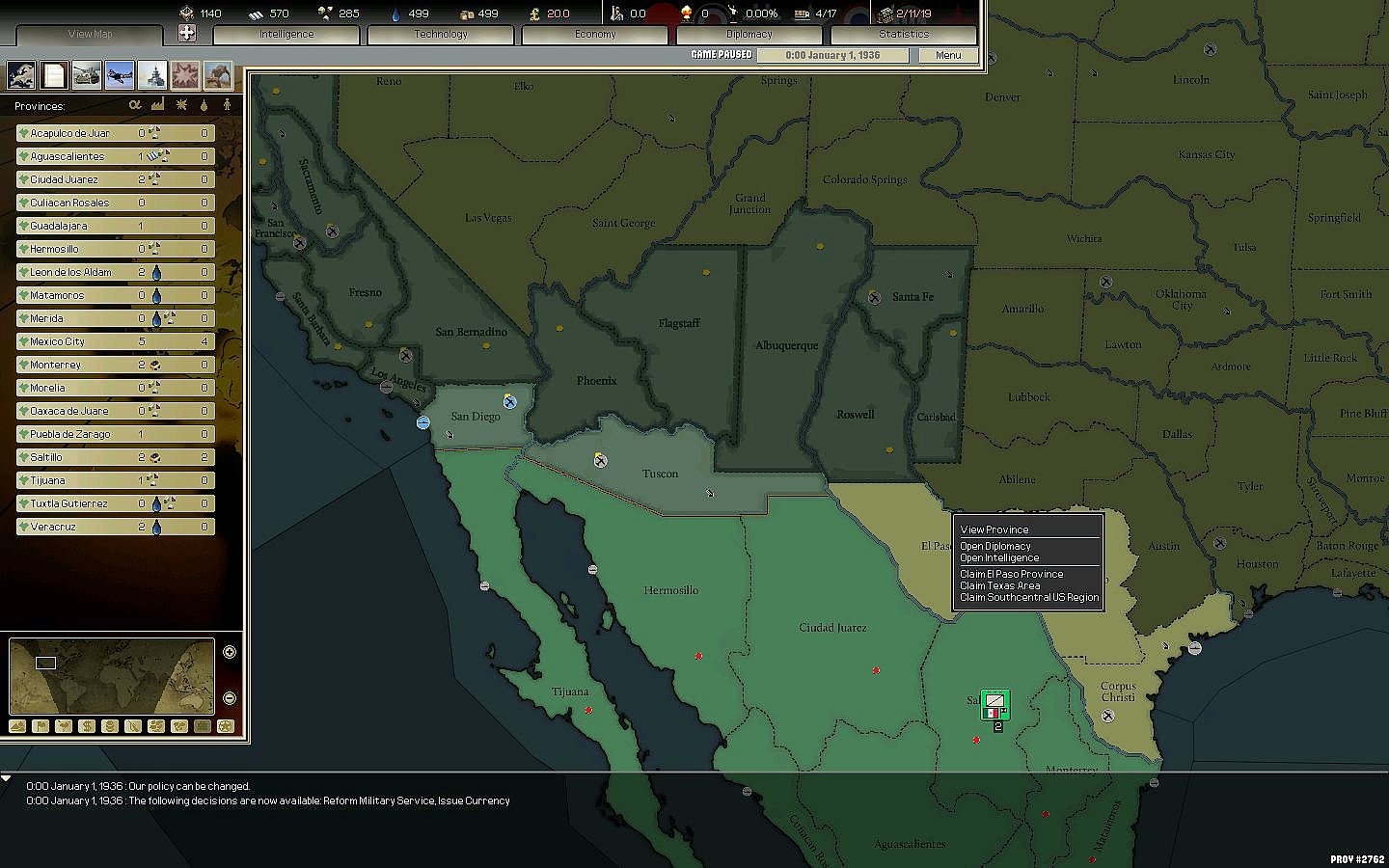
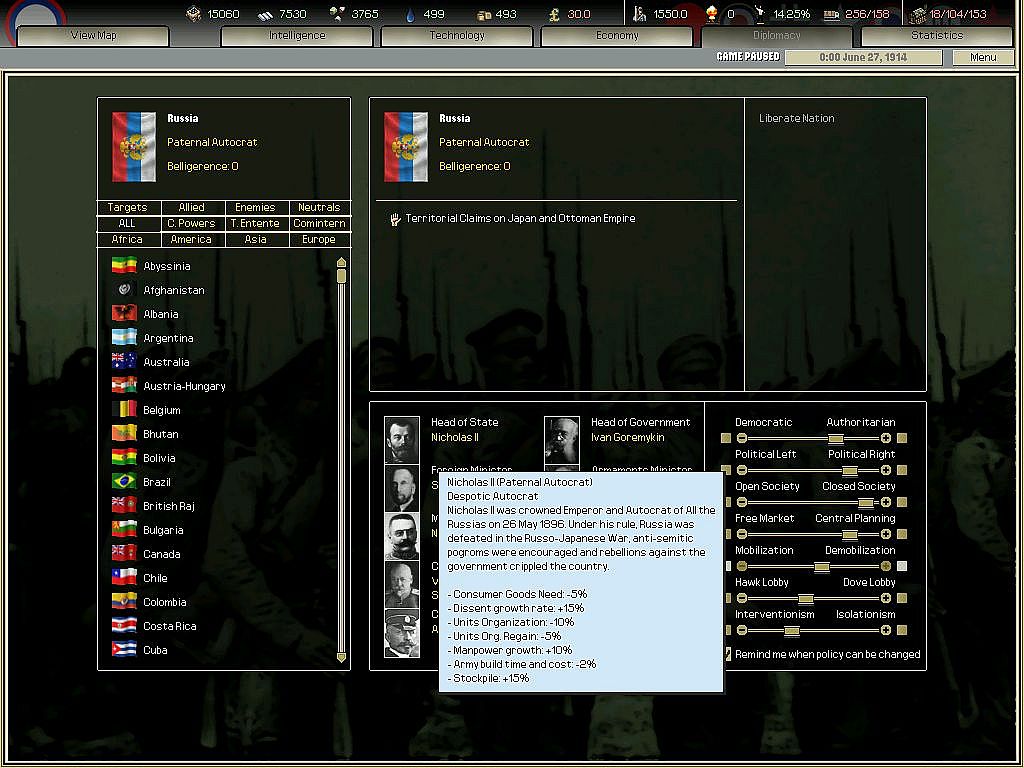
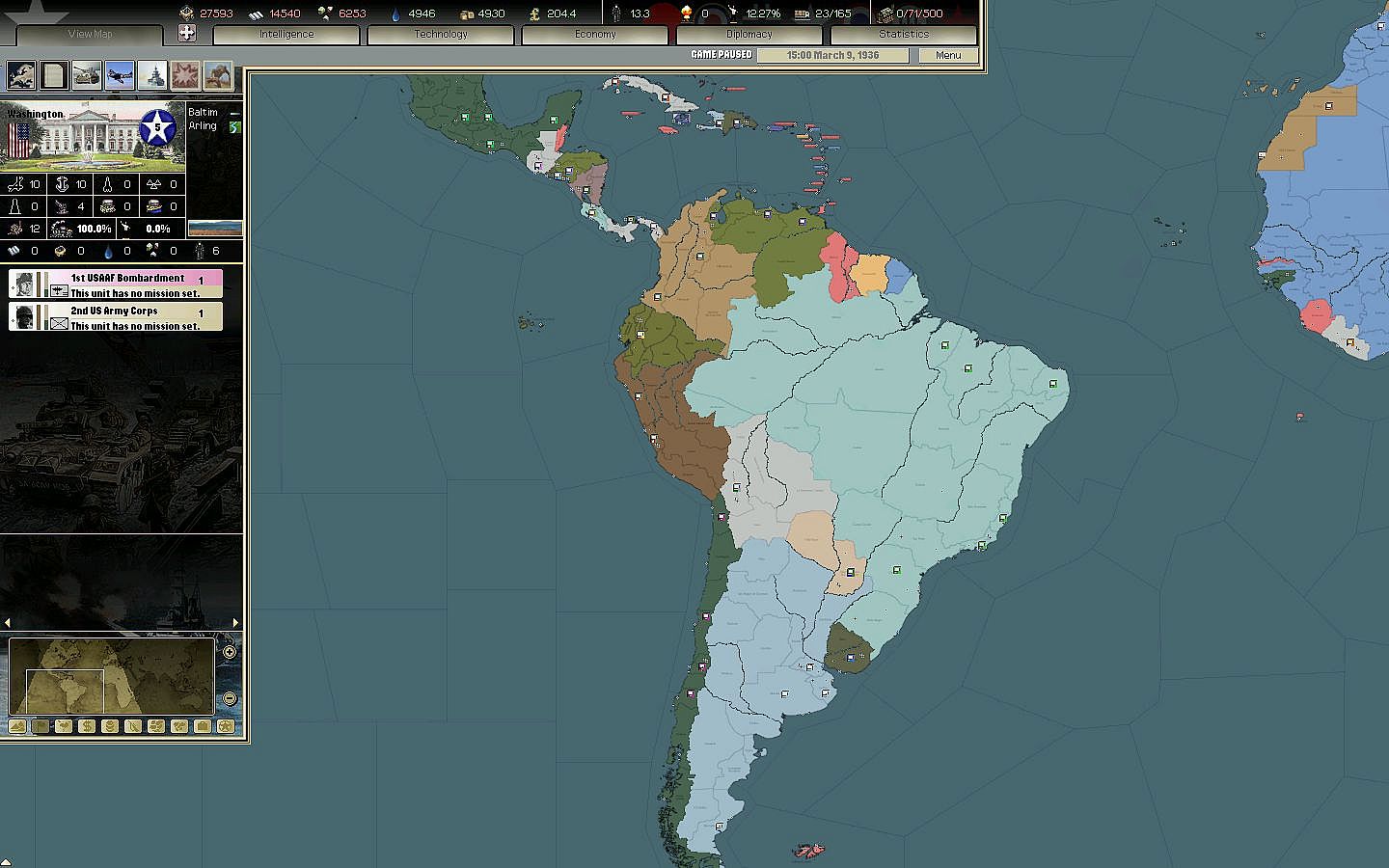
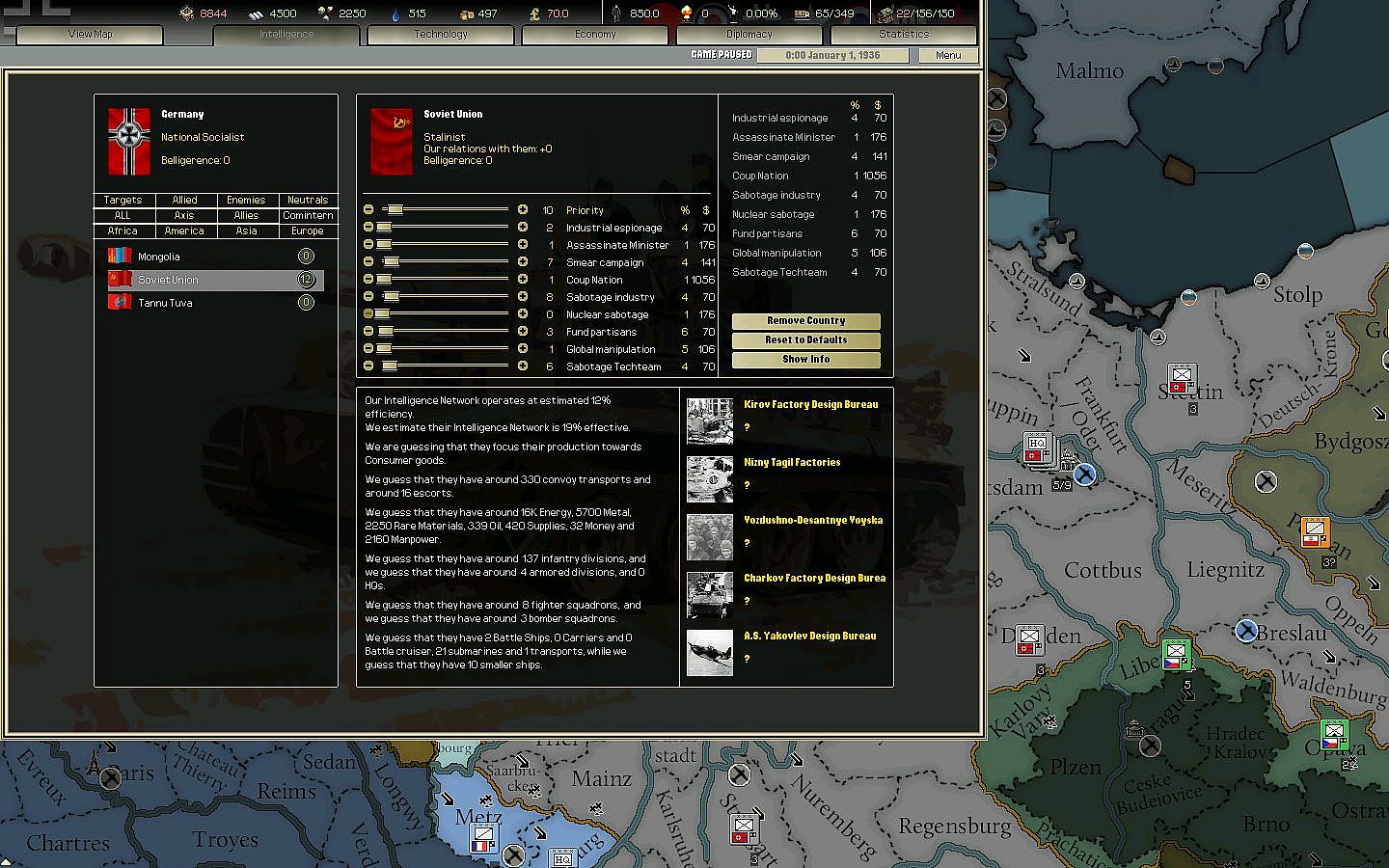
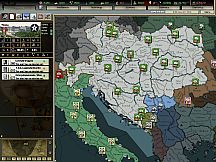
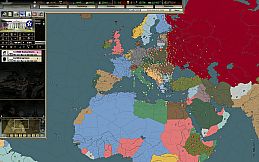
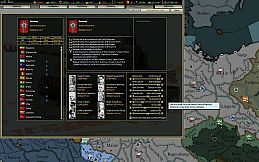
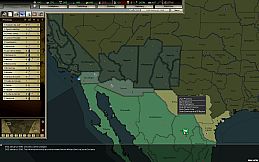
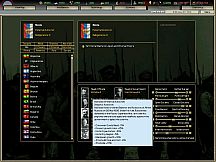
The core loop revolves around national leadership decisions in military, economic, and diplomatic spheres. A redesigned map provides finer strategic and tactical options compared to earlier entries in the series. The artificial intelligence handles responses across hundreds of simultaneous situations, allowing opponents to adapt more fluidly to player actions. A dynamic diplomatic system lets choices influence alliances, declarations, and long-term historical outcomes in meaningful ways.
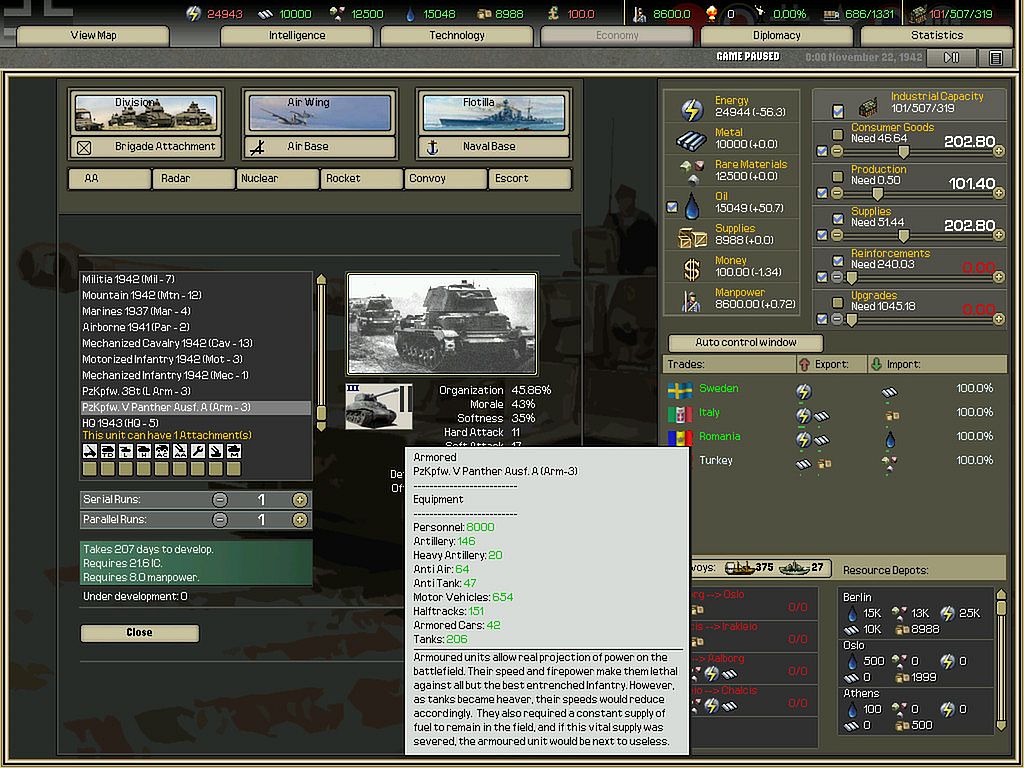
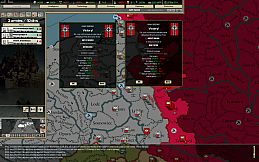
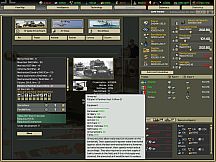
Resource allocation, unit production, and territorial control form the foundation of each session. Short campaigns focus on specific conflicts while longer ones cover extended timelines. The system requirements note internet connectivity for multiplayer support, though the primary experience centers on single-player campaign progression against the improved AI.
Game Modes
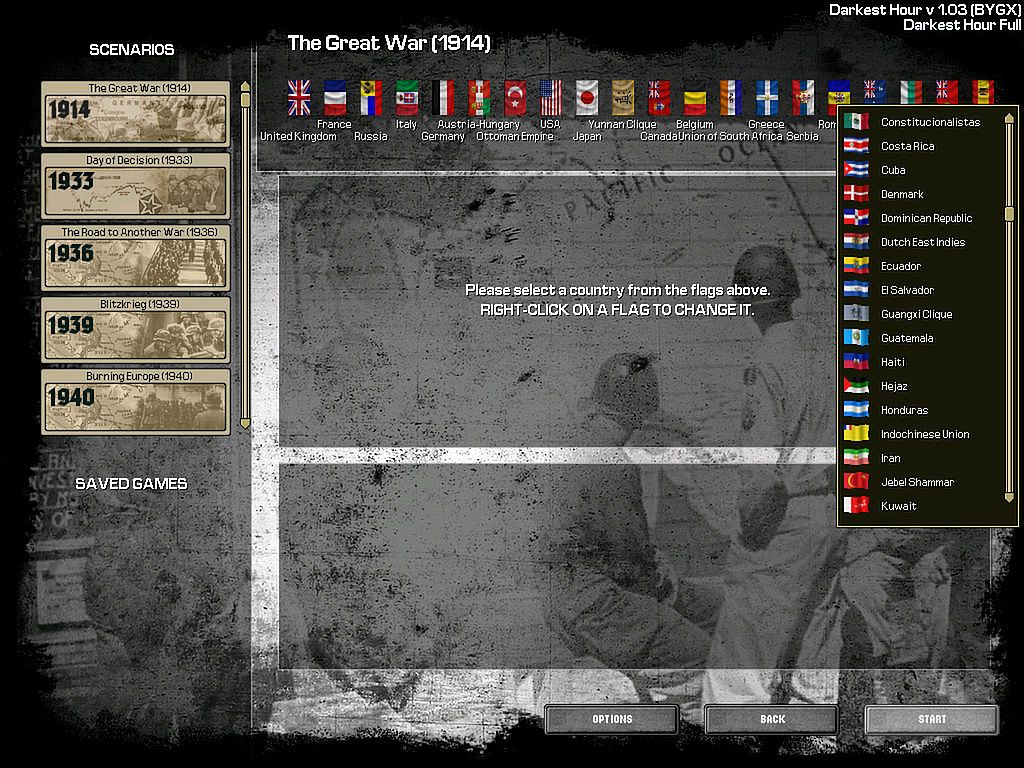
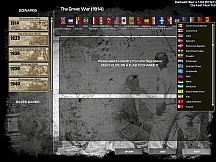
Grand campaign scenarios permit selection of any involved nation and run across broad timeframes. These include the 1914 The Great War starting June 27, 1914; 1933 Day of Decision from March 4, 1933; 1936 The Road to Another War from January 1, 1936; 1939 Invasion of Poland from September 1, 1939; 1940 Burning Europe from May 10, 1940; 1941 Awakening the Giant from June 22, 1941; 1942 Enemy at the Gate from November 22, 1942; 1943 Allied Invasion of Sicily from July 26, 1943; 1944 Allied Landing in Normandy from June 20, 1944; and 1945 Battle of the Bulge from December 16, 1944.
Battle scenarios narrow the focus to individual conflicts with a limited selection of playable nations. Confirmed examples are the 1904 Russo-Japanese War and the 1939 Invasion of Poland. Each mode supports different depths of engagement depending on the chosen scenario length and objectives.
Key Mechanics and Features
The new map layout supports greater detail in movement and positioning. Diplomacy operates with real-time impact, where treaties and relations shift based on ongoing events rather than fixed paths. The AI upgrade enables reactions to a wide array of triggers, creating varied opposition across repeated playthroughs of the same scenario.
Campaigns blend short focused experiences with extended grand strategy sessions. Players manage national resources and forces while navigating the listed historical entry points. No additional seasons or post-release content expansions appear in current availability details.
Is It Worth Playing?
Steam user reviews stand at Very Positive with 90 percent approval from 1,713 ratings. The title suits players interested in historical strategy campaigns that span World War I through mid-World War II events. Its stand-alone design delivers self-contained scenarios without requiring other games in the series.
Those seeking precise control over diplomacy and AI-driven opposition in classic 20th-century settings will find value in the available modes. The game remains accessible on PC for those who prefer detailed, scenario-based grand strategy over ongoing live-service updates.