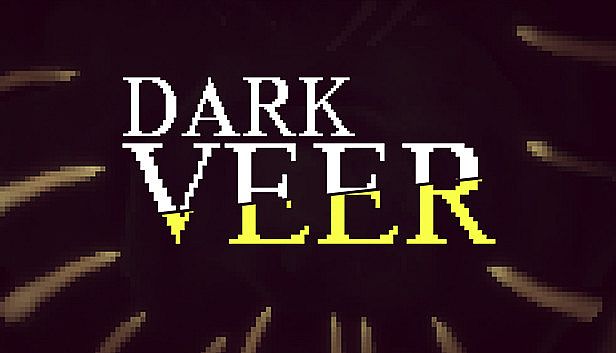








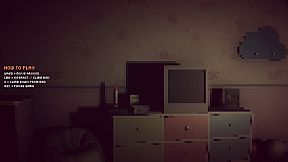
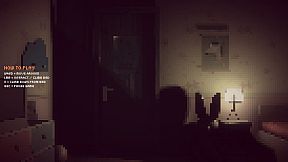
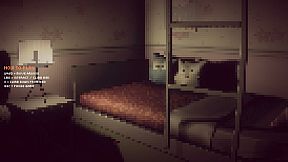
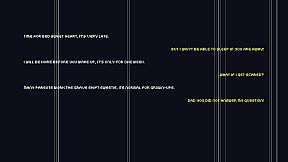
Dark Veer is an indie horror simulation adventure game developed for PC. Players take on the role of a young child left alone at night while their father works the late shift. The core experience centers on surviving increasingly unsettling events in a single bedroom setting, where strange occurrences disrupt attempts to sleep and the parent dismisses the reports as mere imagination.
Gameplay
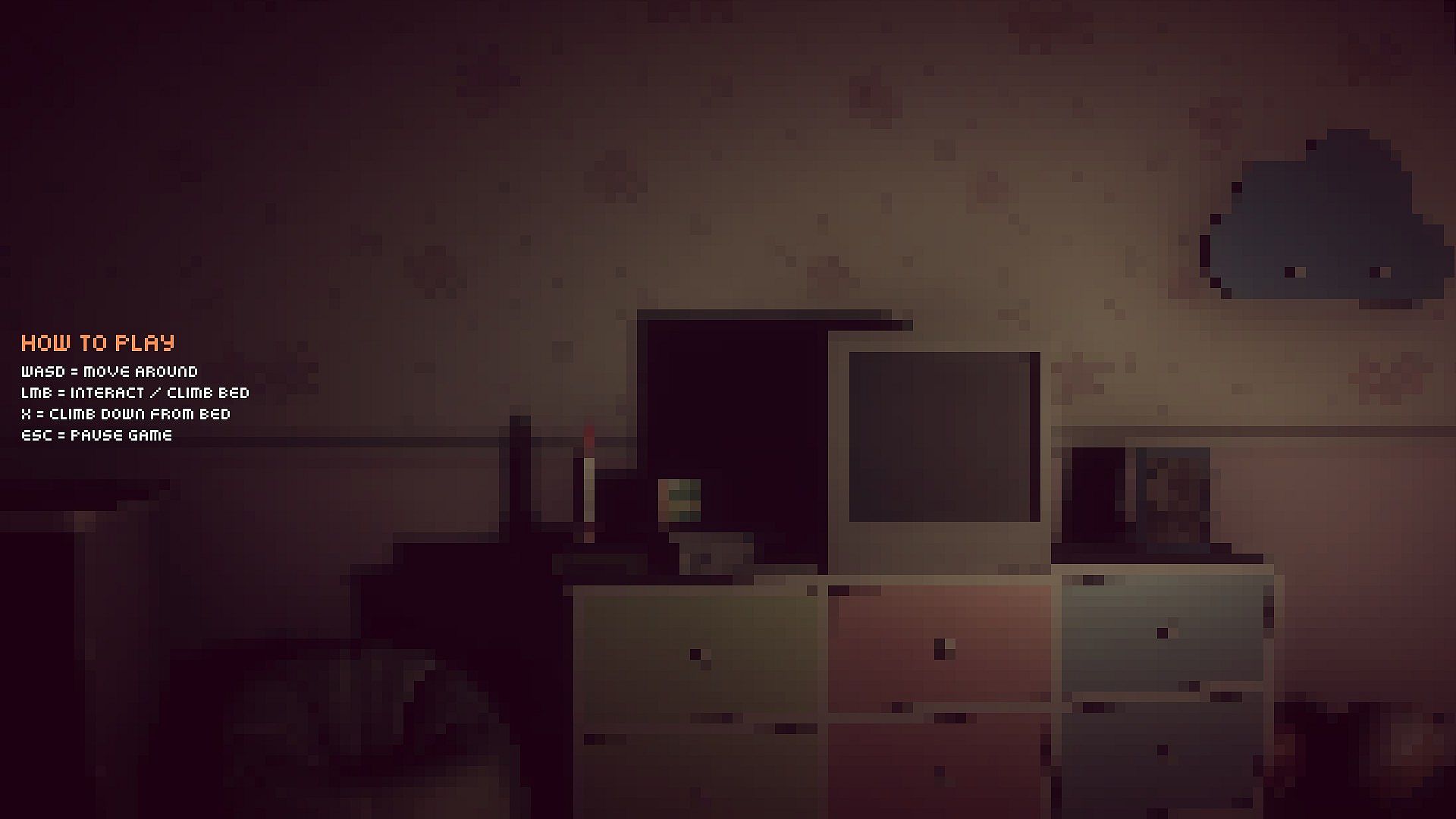
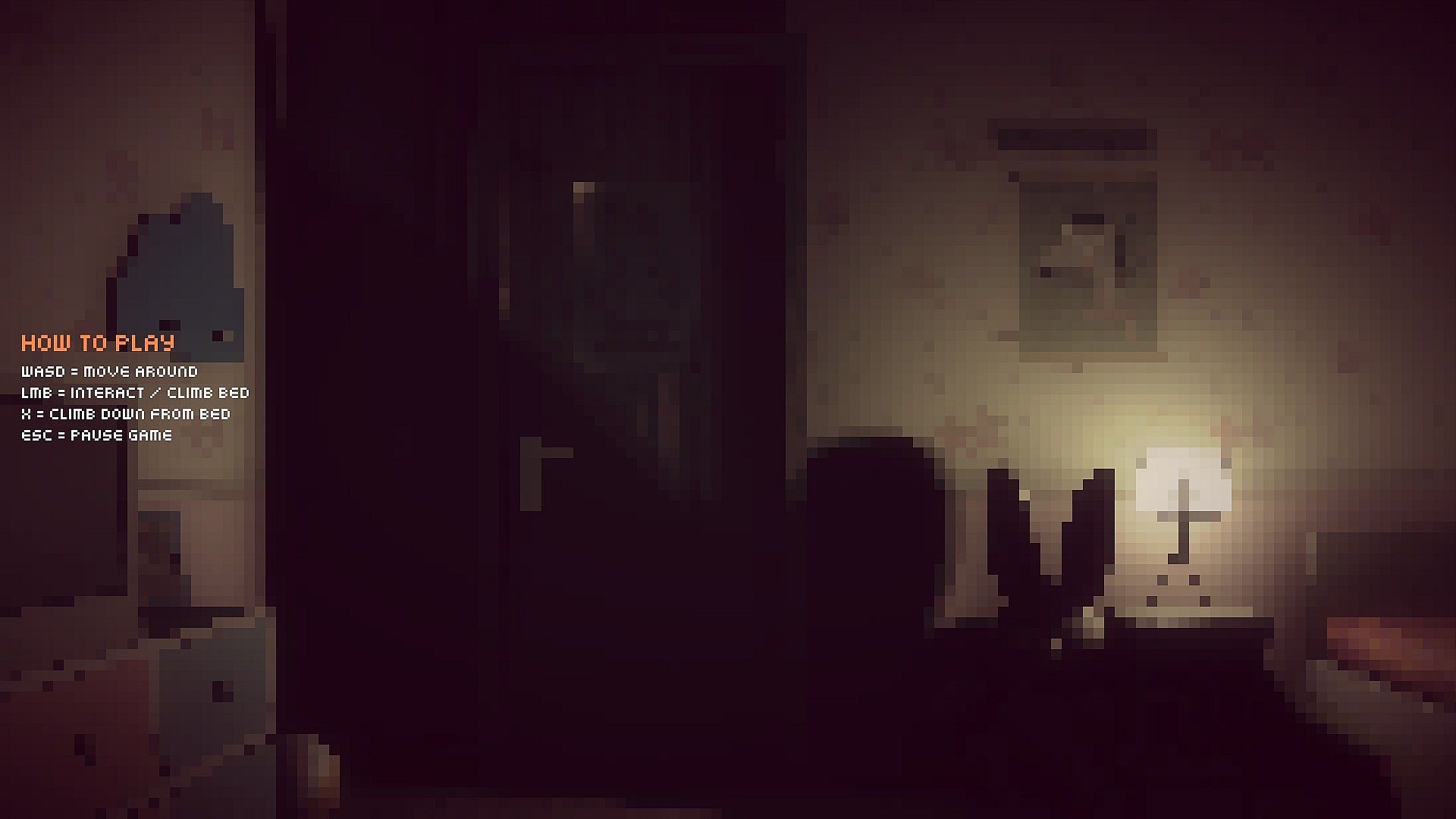
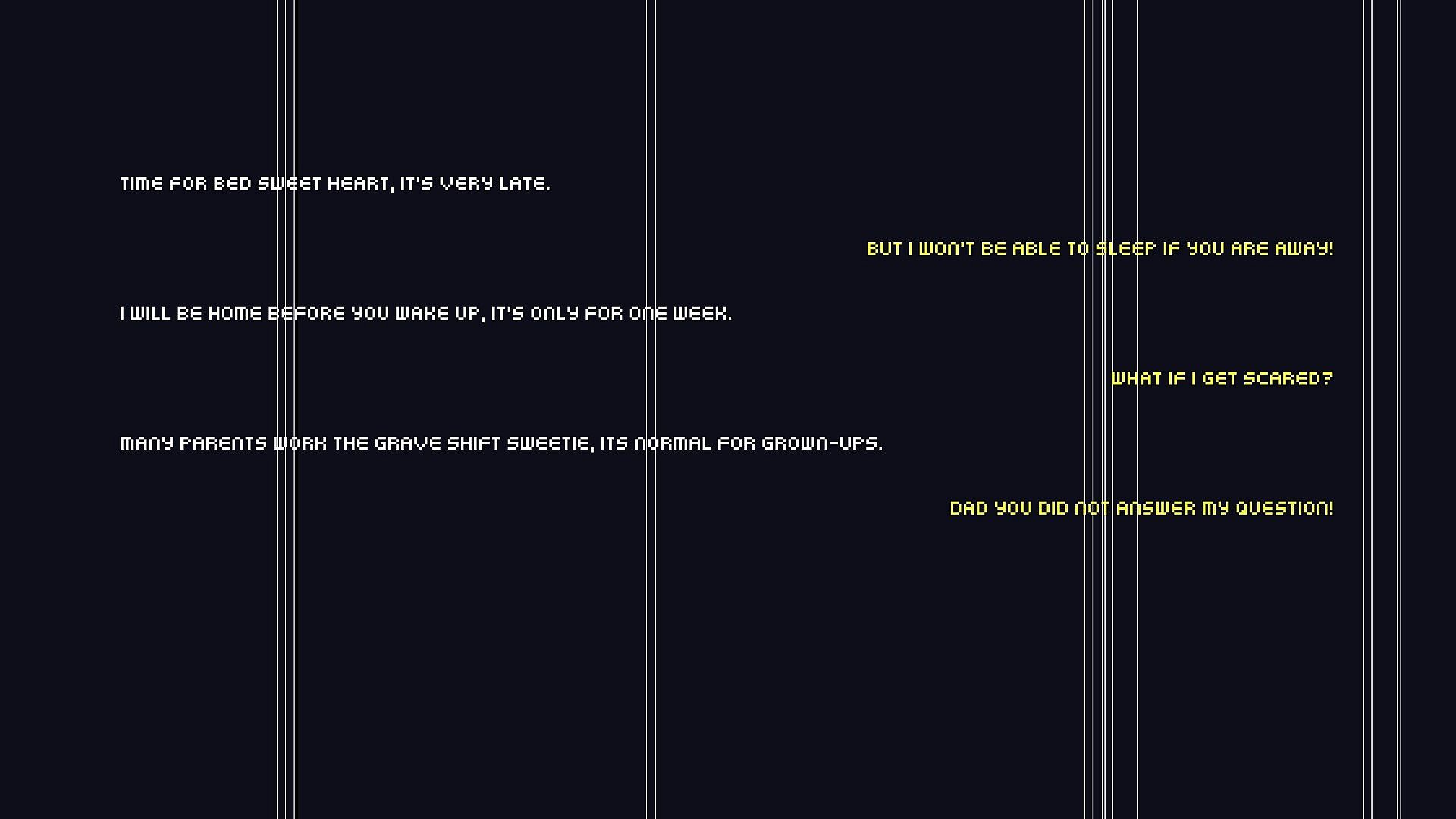
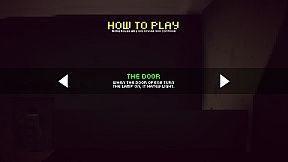
The gameplay loop revolves around free movement through the bedroom during nighttime hours. Players navigate the space using simple controls to investigate corners and respond to disturbances that grow more intense with each passing night. Randomized AI governs the behavior of whatever lurks in the environment, creating unpredictable encounters that heighten tension through jumpscares and suspense. The narrative unfolds via short exchanges between the child and the father, emphasizing the isolation and lack of external help as events escalate over multiple nights.
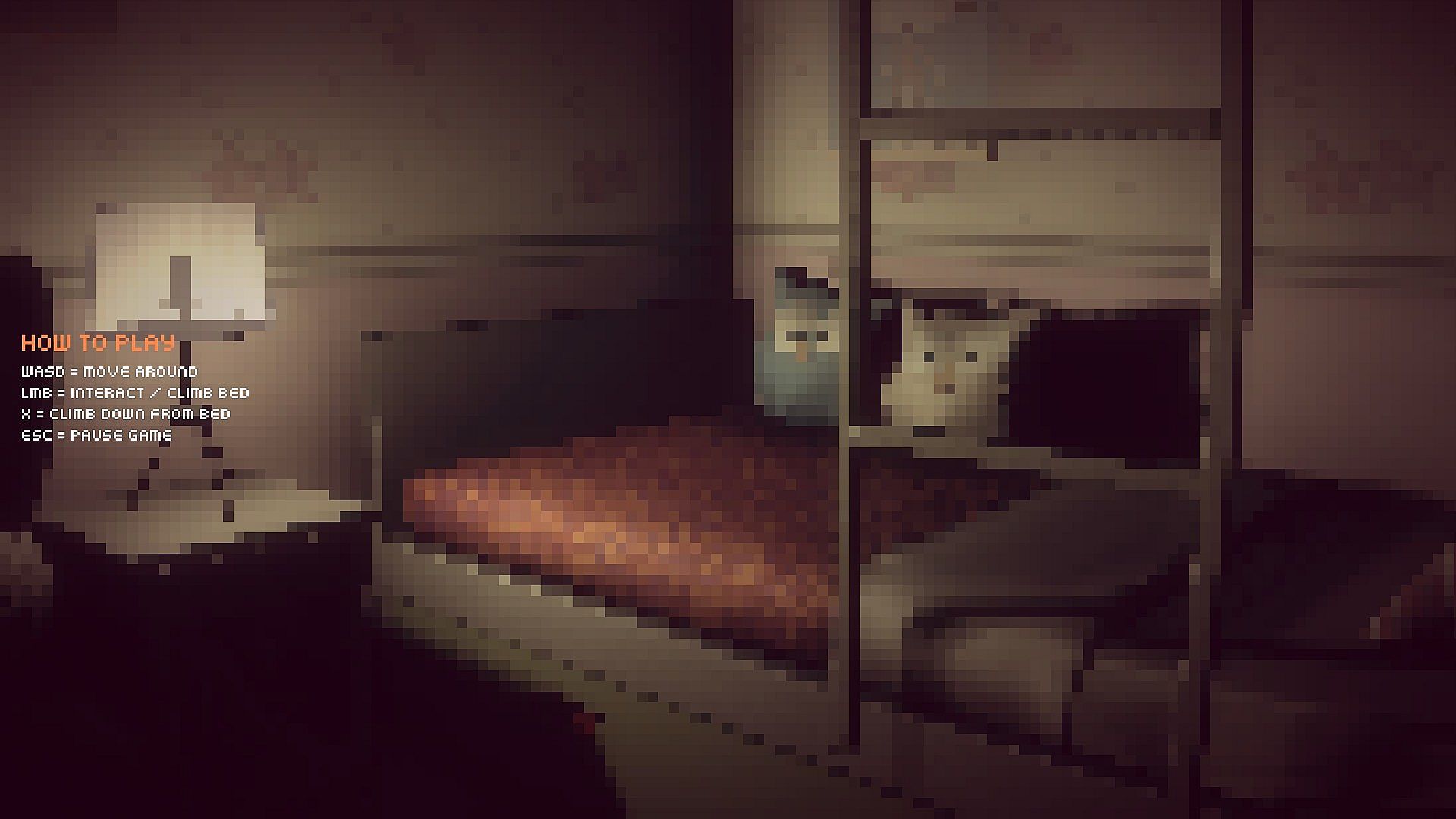
Atmosphere builds from the confined bedroom environment, where everyday objects and shadows take on threatening qualities. Survival depends on staying alert and reacting to auditory and visual cues without direct combat or complex resource management. The pixelated visual style keeps focus on the immediate surroundings rather than elaborate scenery, reinforcing the feeling of vulnerability in a familiar yet hostile space.
Game Modes
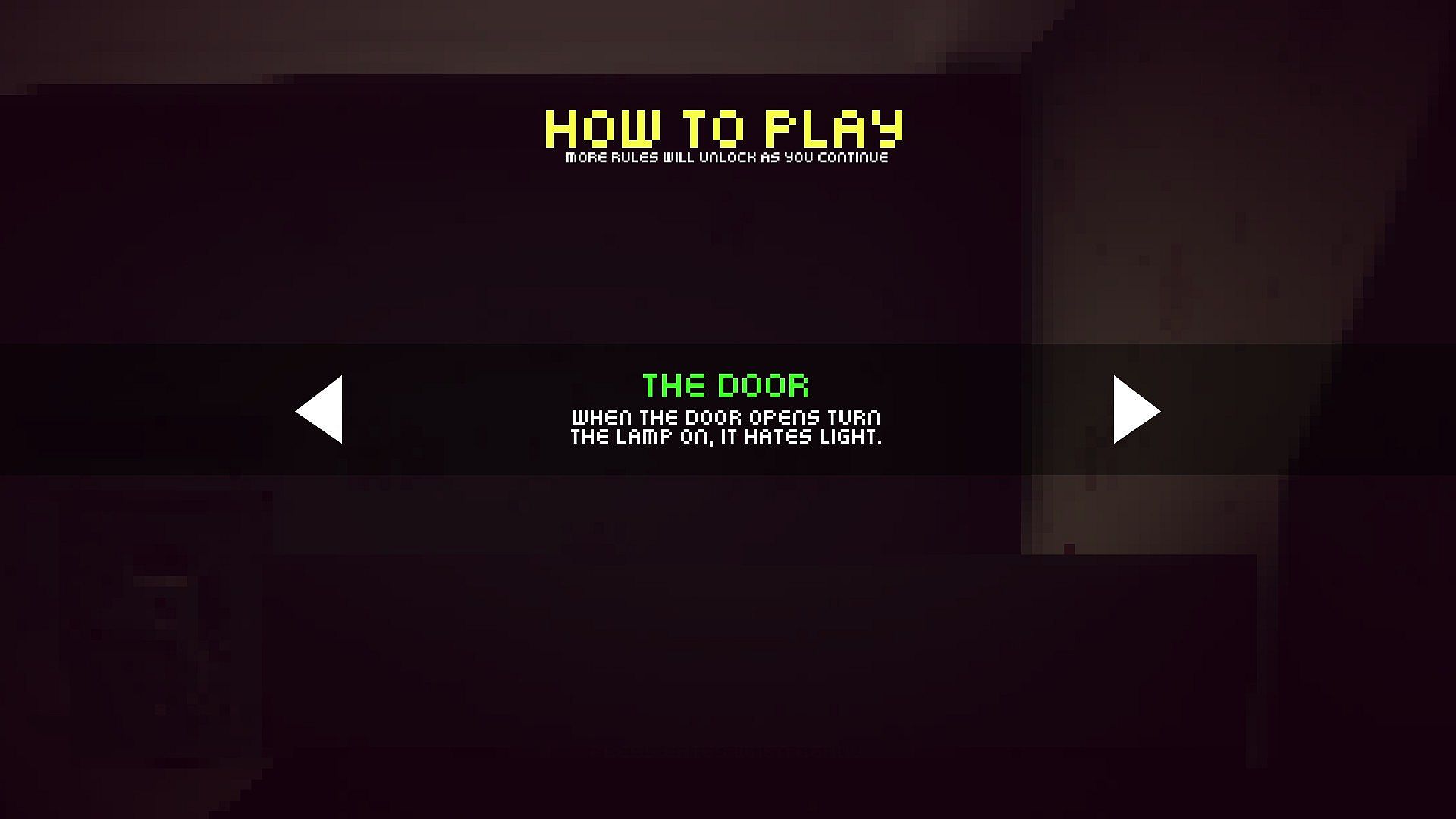
Free roam forms the primary way to explore the bedroom and confront the nightly threats. Additional unlockable modes become available through progression, offering variations on the core survival challenge. These modes alter how encounters unfold without introducing new locations or major mechanical overhauls, keeping the emphasis on the child's perspective and the bedroom's limited area.
The structure encourages repeated playthroughs to experience different sequences driven by the randomized elements. No multiplayer options exist, maintaining a solitary focus that mirrors the story's theme of being alone with one's fears.
Story and Setting
The story progresses across several nights as the child attempts to communicate the terrifying events to a disbelieving father. Dialogue highlights the growing desperation and the contrast between adult dismissal and the reality of the situation. Each night introduces changes in the threats, preventing repetition and building a sense of escalating dread within the same confined space.
The setting stays strictly within the bedroom, using its ordinary layout to ground the horror. This choice amplifies the unease by turning a place of safety into one of uncertainty, where movement and observation become the only tools available.
Is It Worth Playing?
Dark Veer suits players seeking a short, focused horror experience built around jumpscares and atmospheric tension rather than extended campaigns or complex systems. Its simple controls and free-roam exploration make it accessible for those new to the genre, while the randomized AI adds replay value for repeat sessions. The game delivers on its premise of a child facing unexplained terrors without relying on external assistance or elaborate mechanics.
Reception highlights its effectiveness at creating suspense in a compact format, though the pixelated graphics and limited scope mean it appeals most to fans of minimalist indie horror. With no ongoing updates or seasonal content, the experience remains as originally released, providing a self-contained session that lasts through its handful of nights. Those who enjoy survival horror centered on observation and reaction in tight spaces will find it aligns with that style.