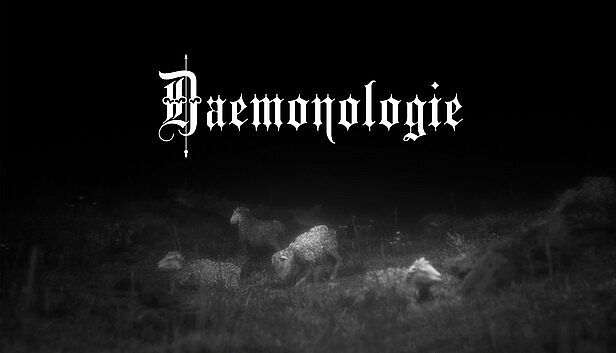

















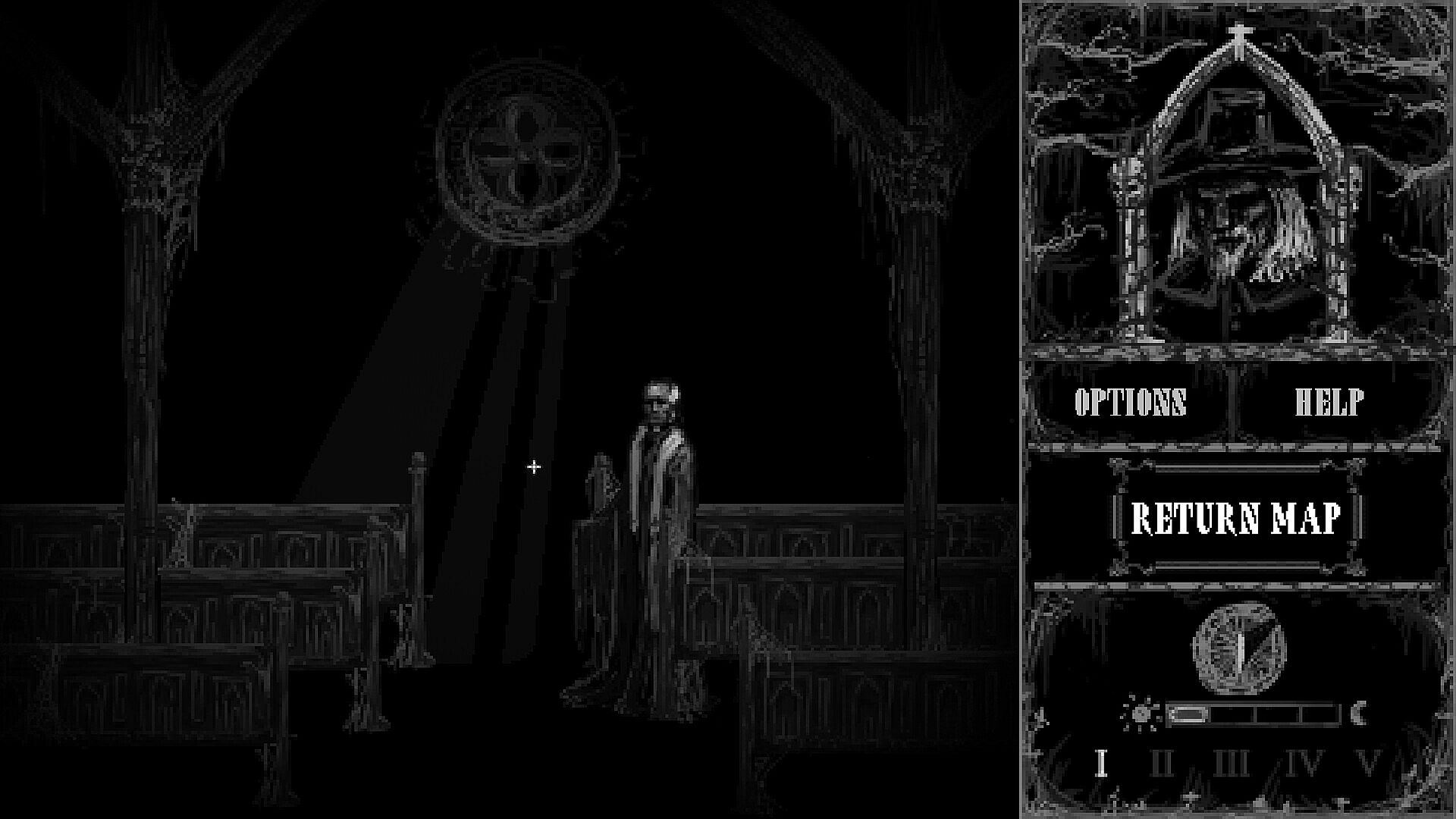
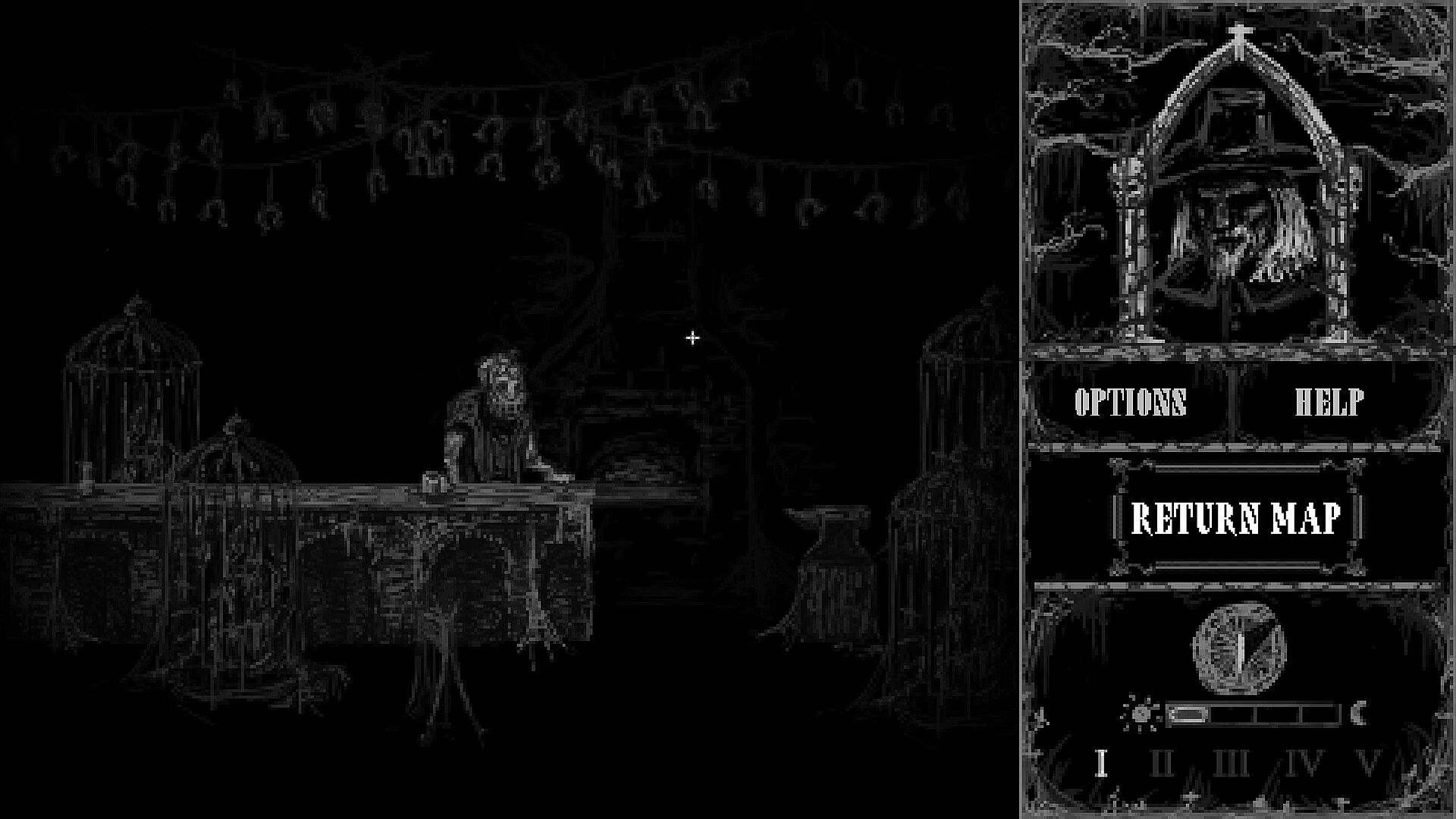


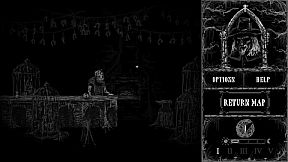
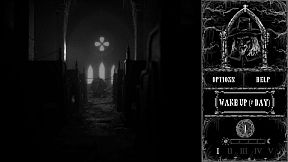
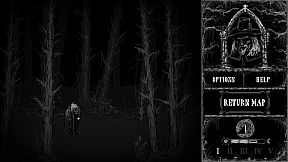
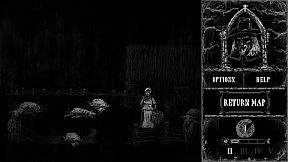
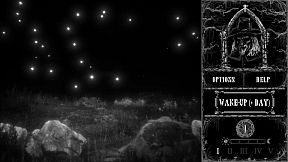
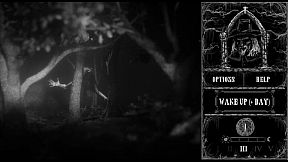



Daemonologie is an indie adventure game set in a small Scottish village during the late 1600s witch trials. Players take on the role of a witch finder tasked with identifying a hidden witch through conversations with locals. The experience blends investigation, moral choices, and unsettling dream sequences in a compact narrative format built around hand-drawn pixel art and an original soundtrack.
Gameplay
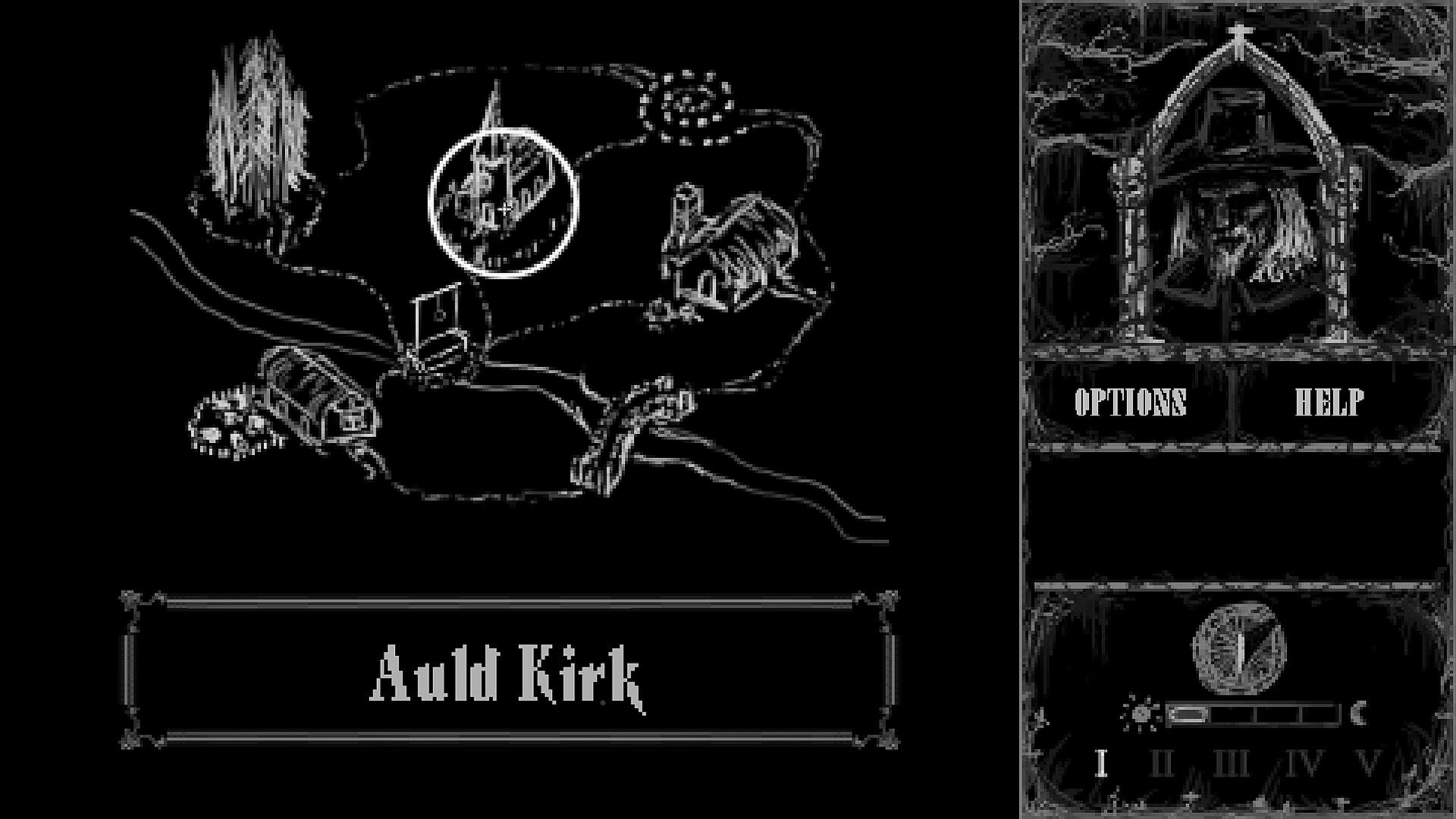
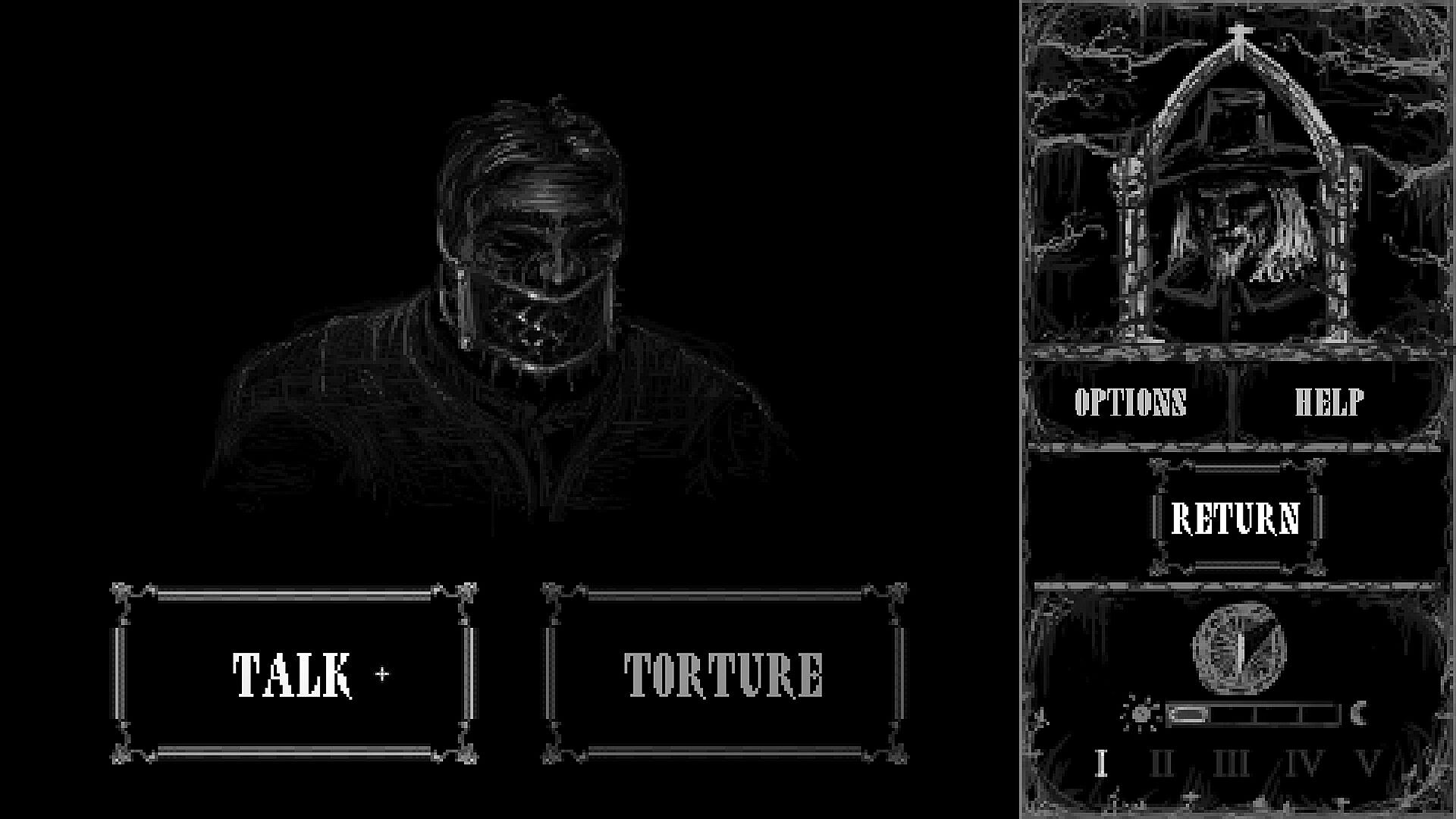
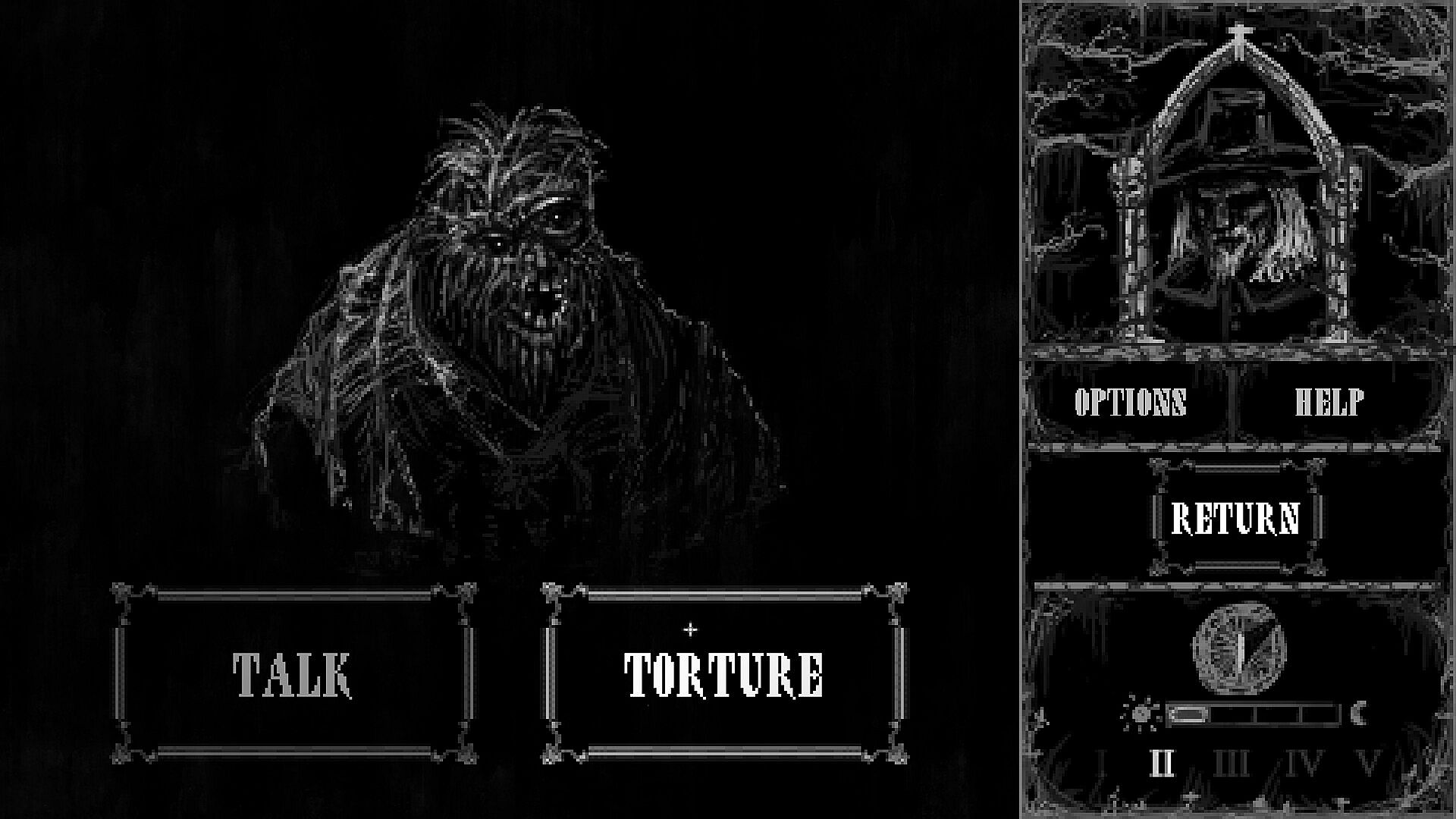
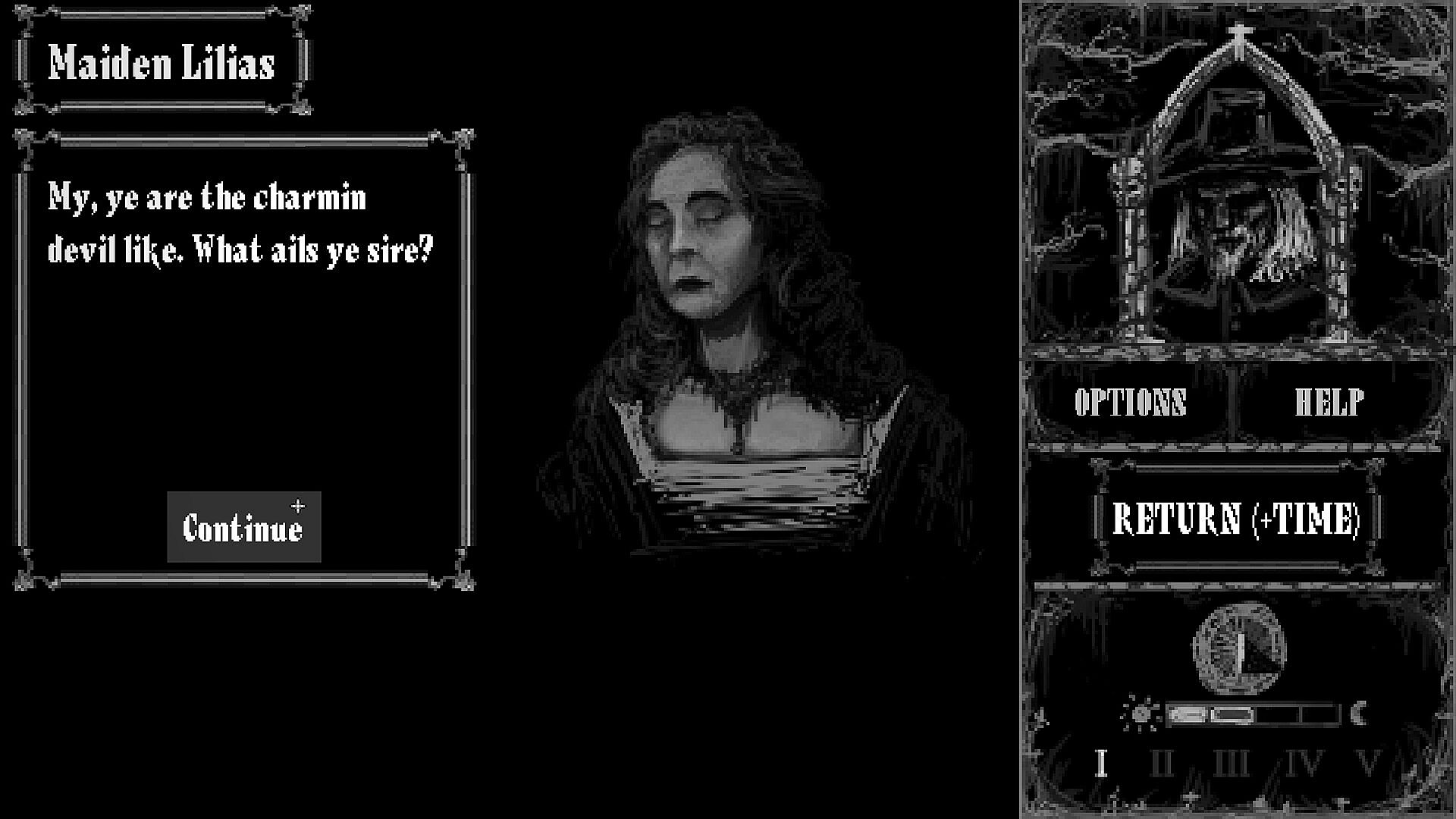
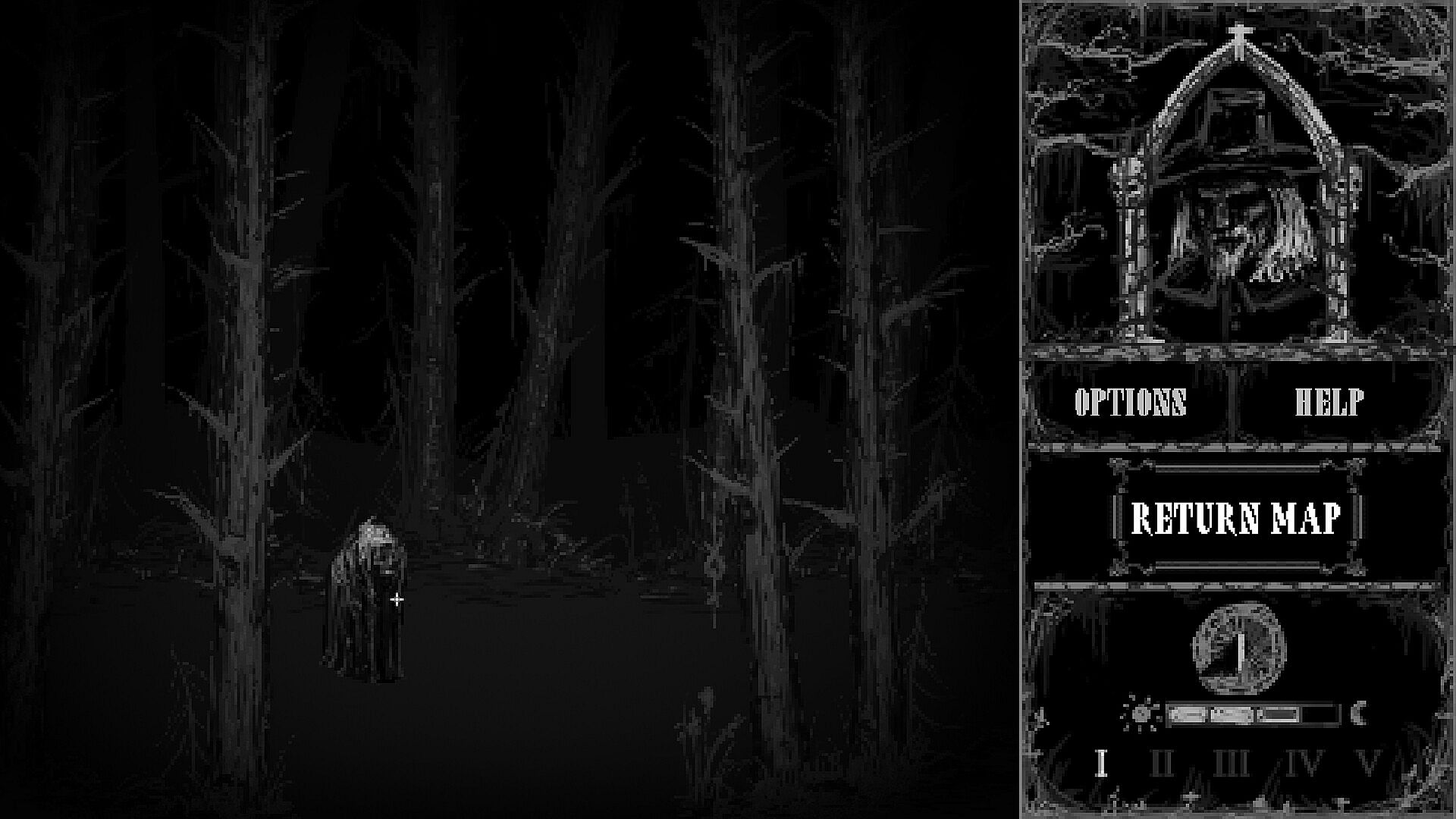
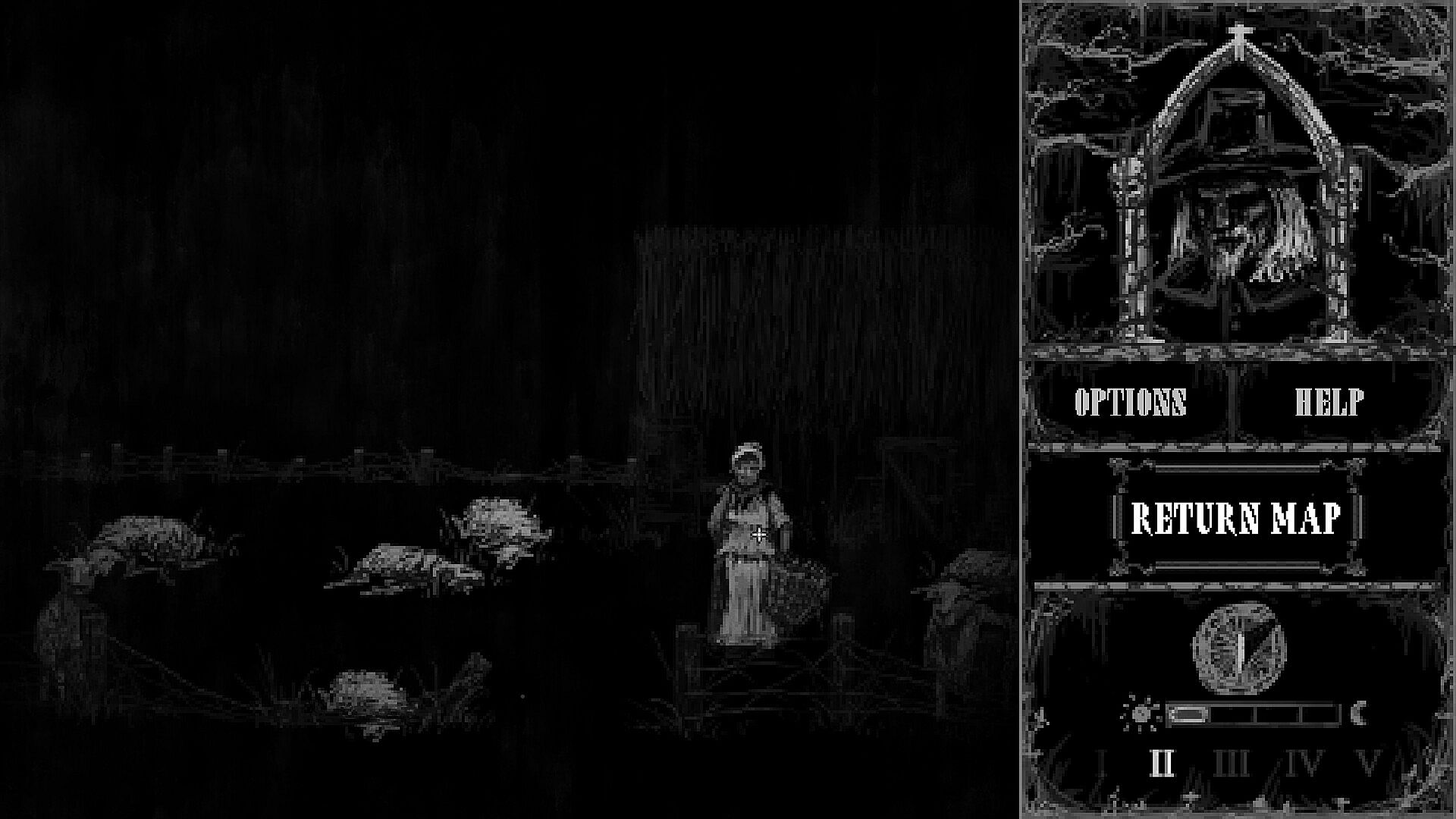
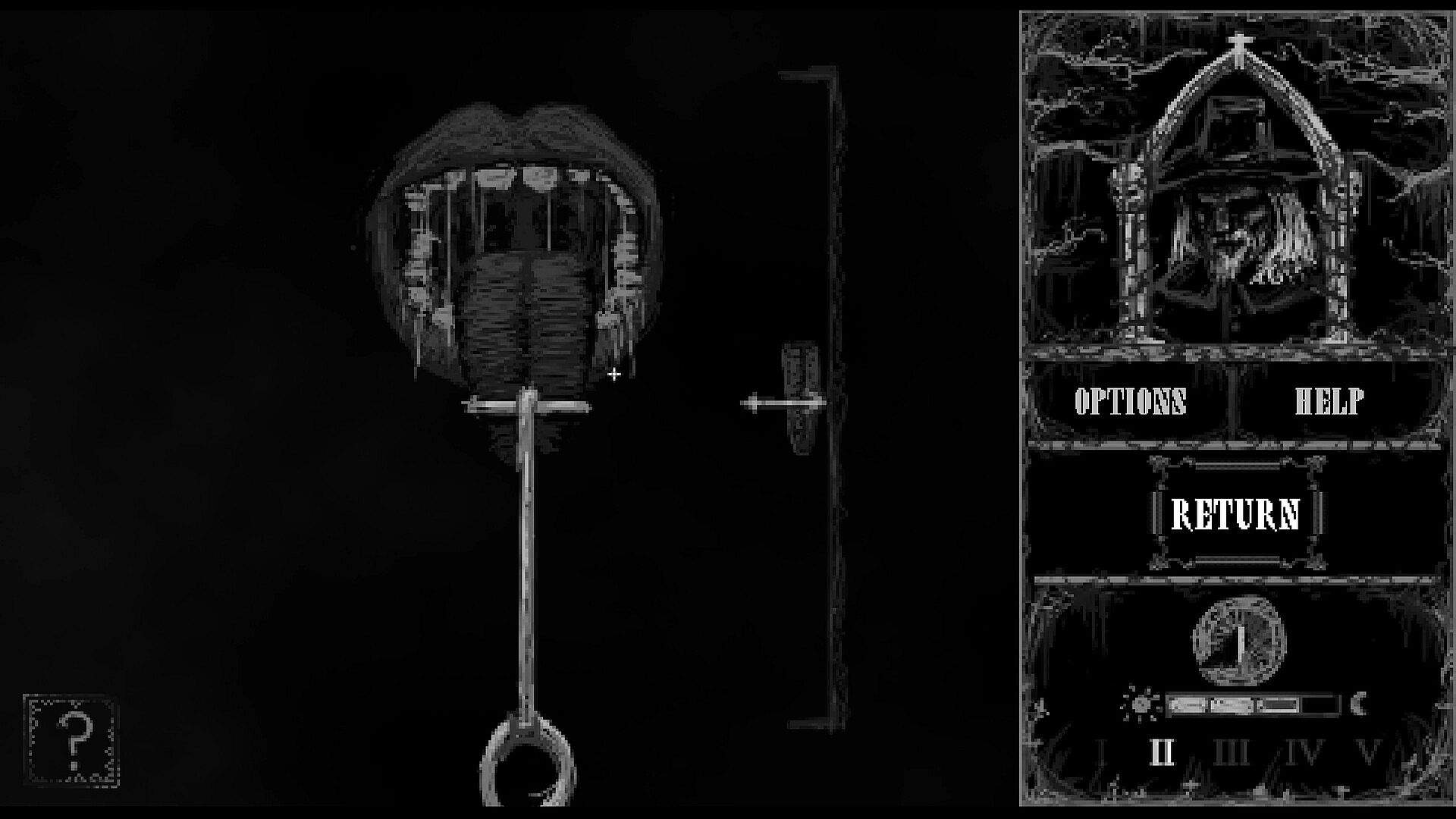
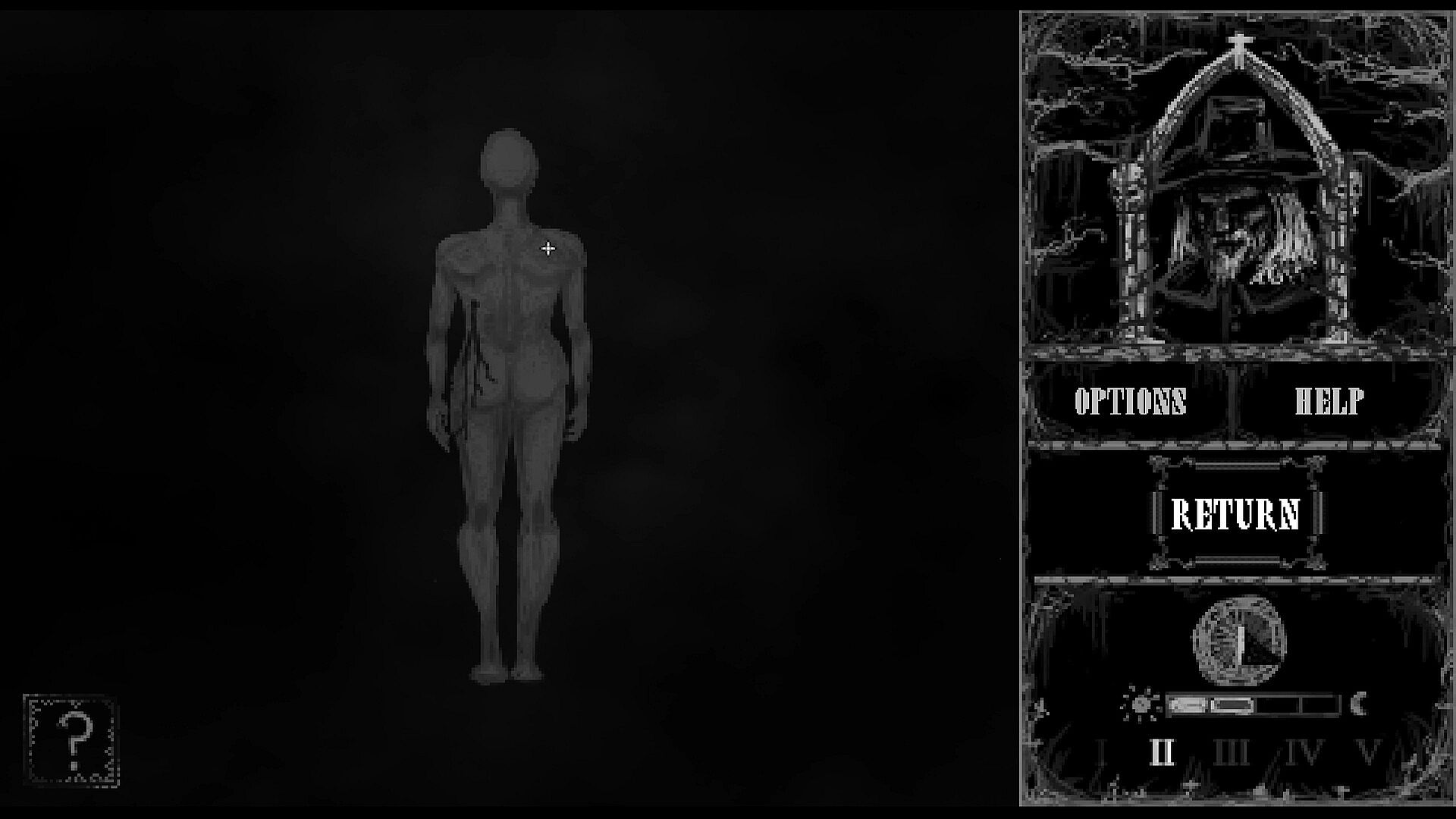
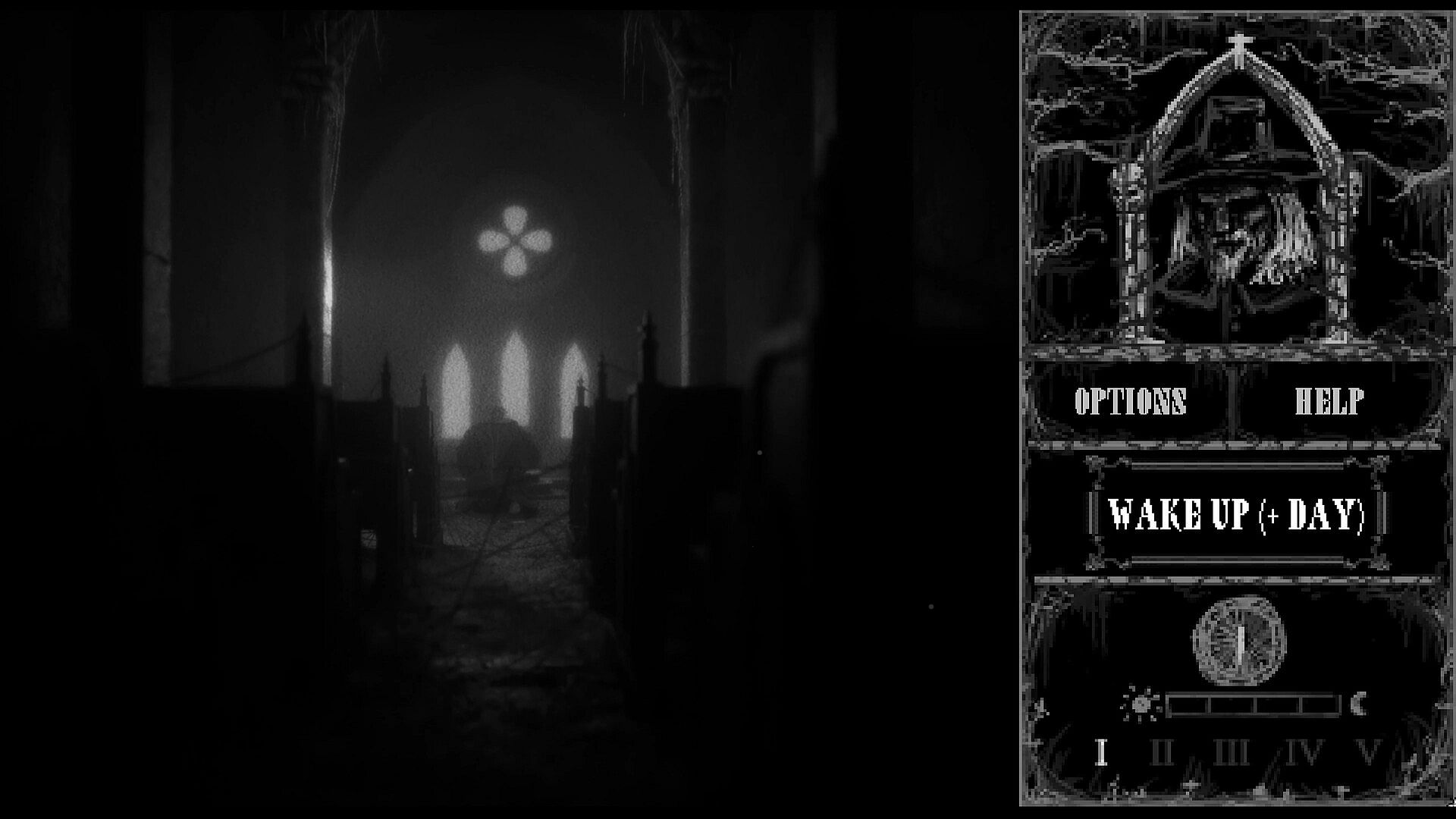
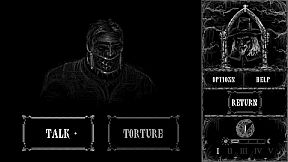
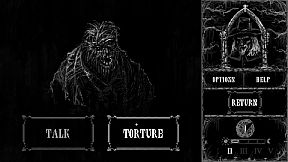
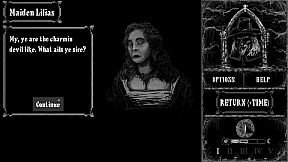
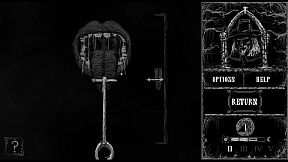
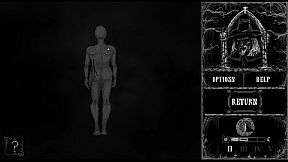
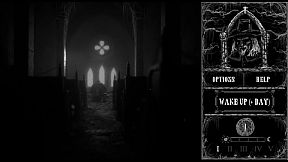
The core loop centers on daily interactions in the village. Each day players approach residents, ask questions, and weigh responses against inconsistencies or refusals. When dialogue stalls, the game presents options for more forceful persuasion methods that can yield new details but carry their own consequences. Information gathered influences later decisions about who might be the witch.
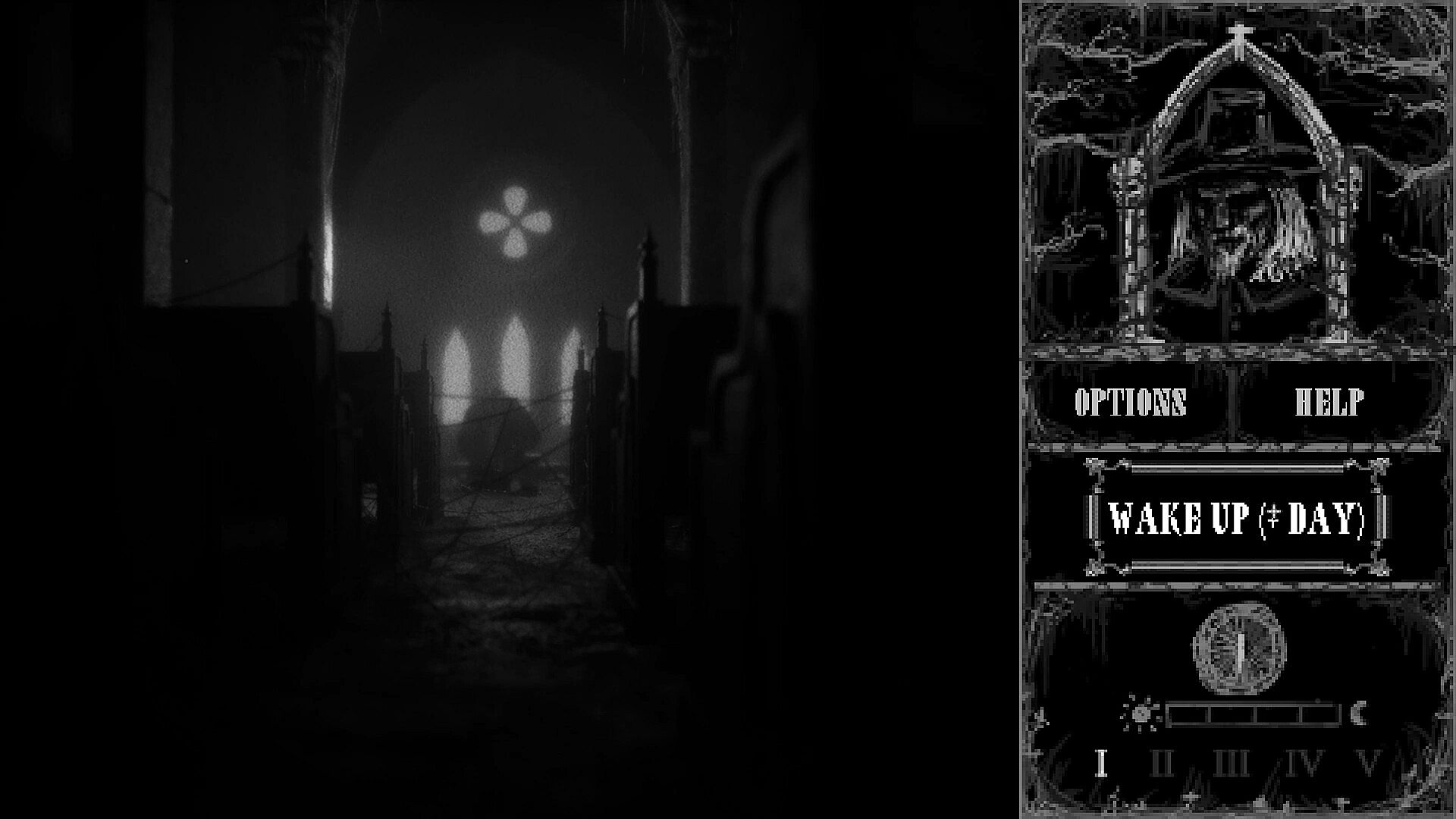
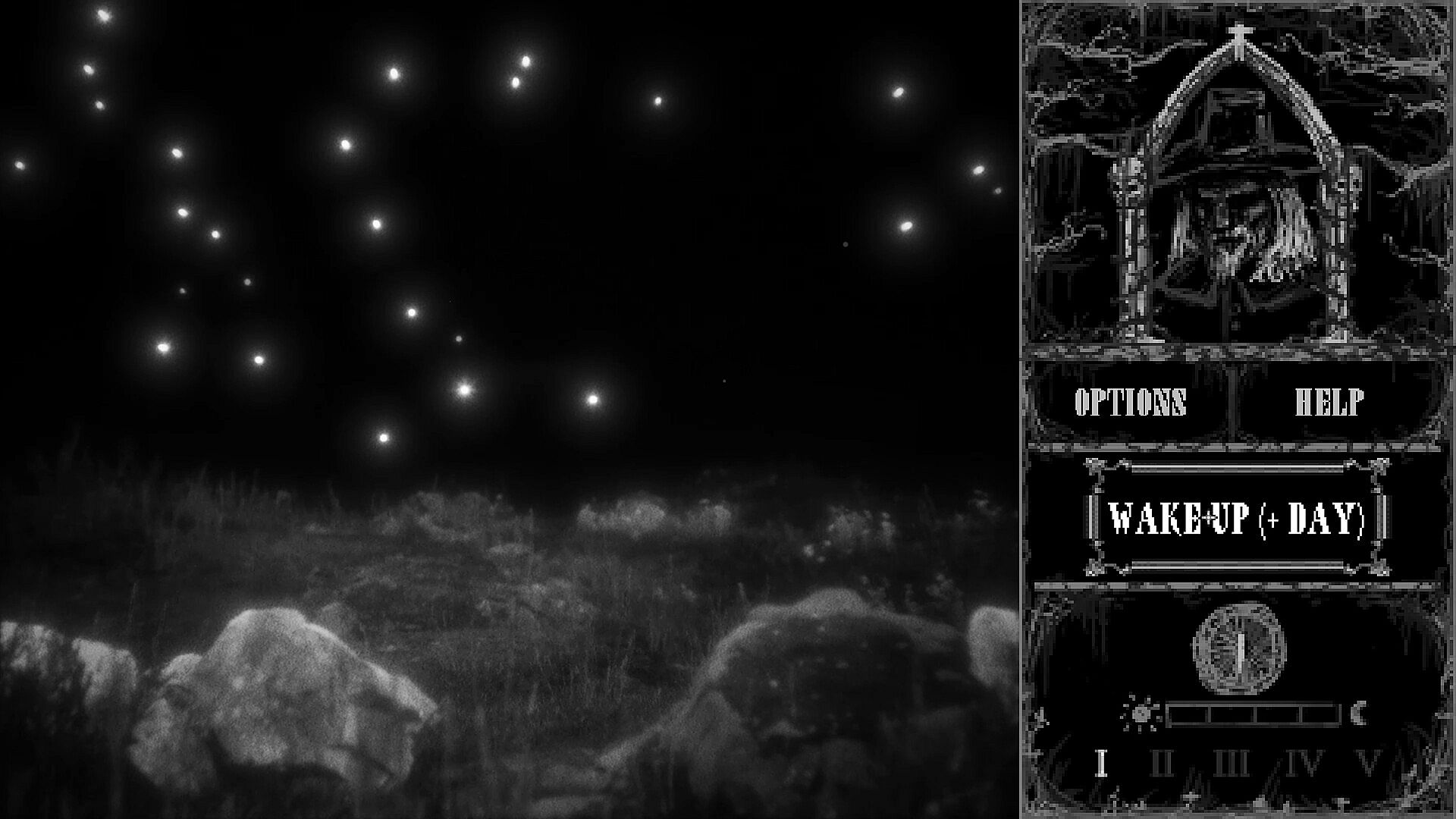
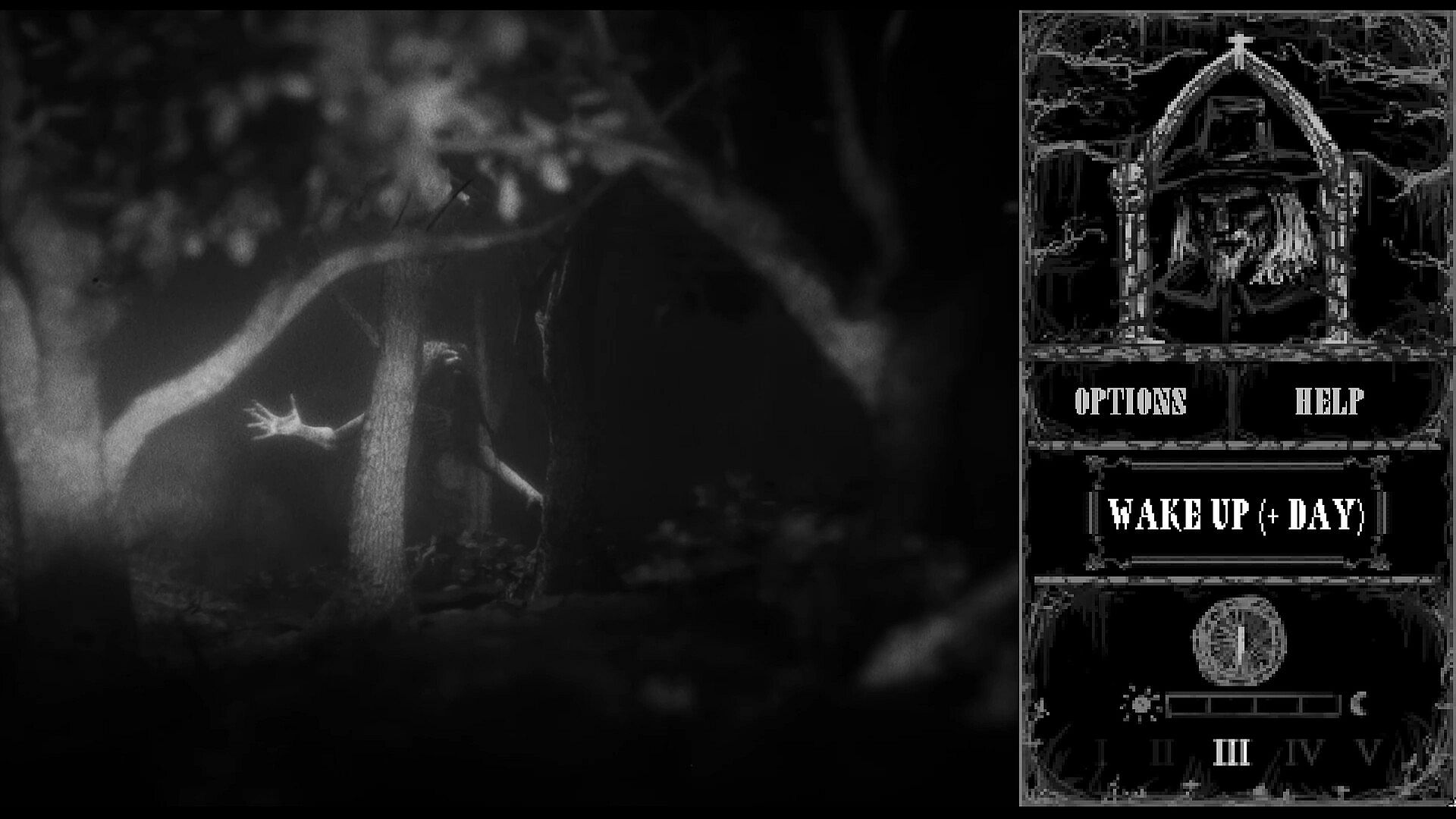
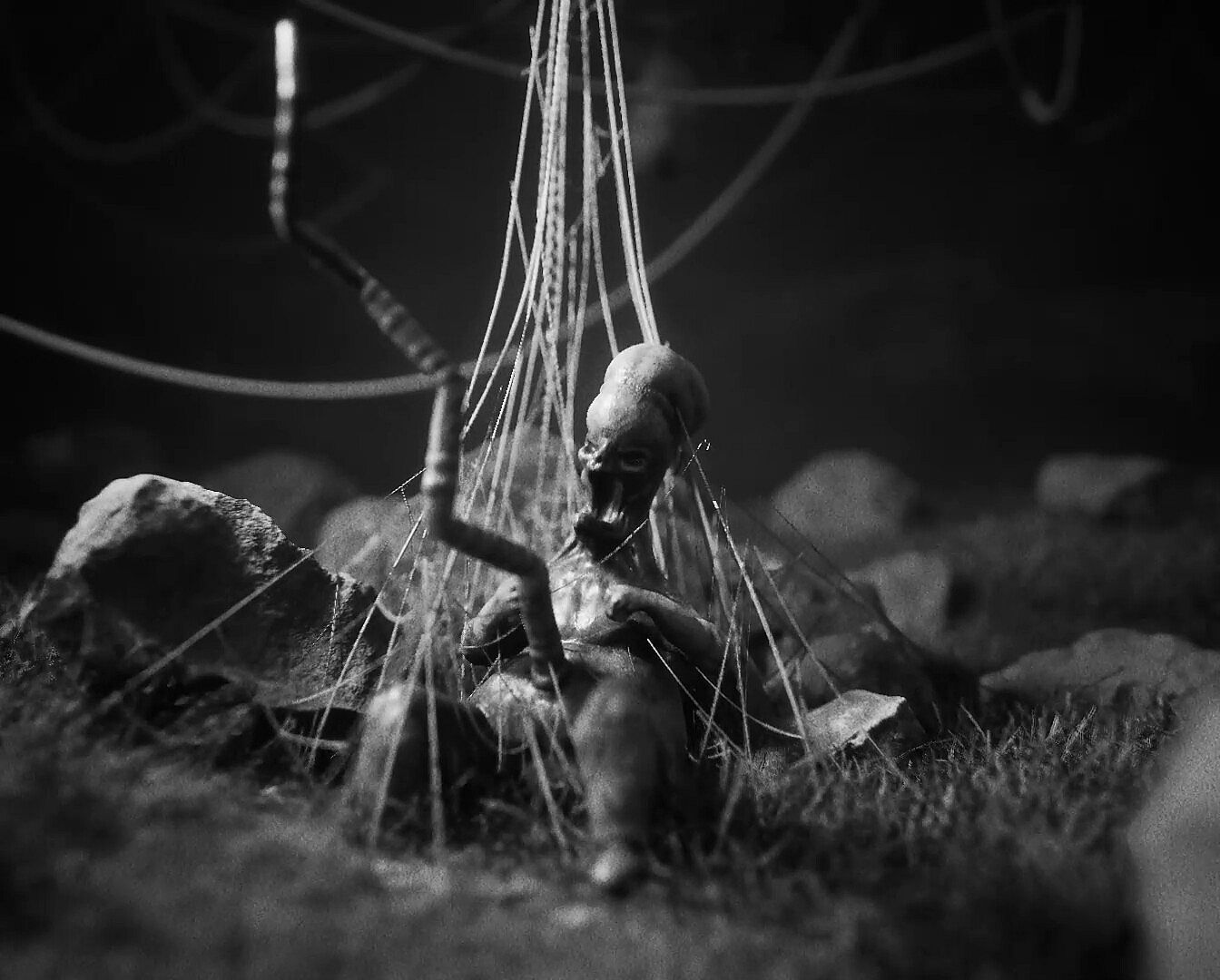
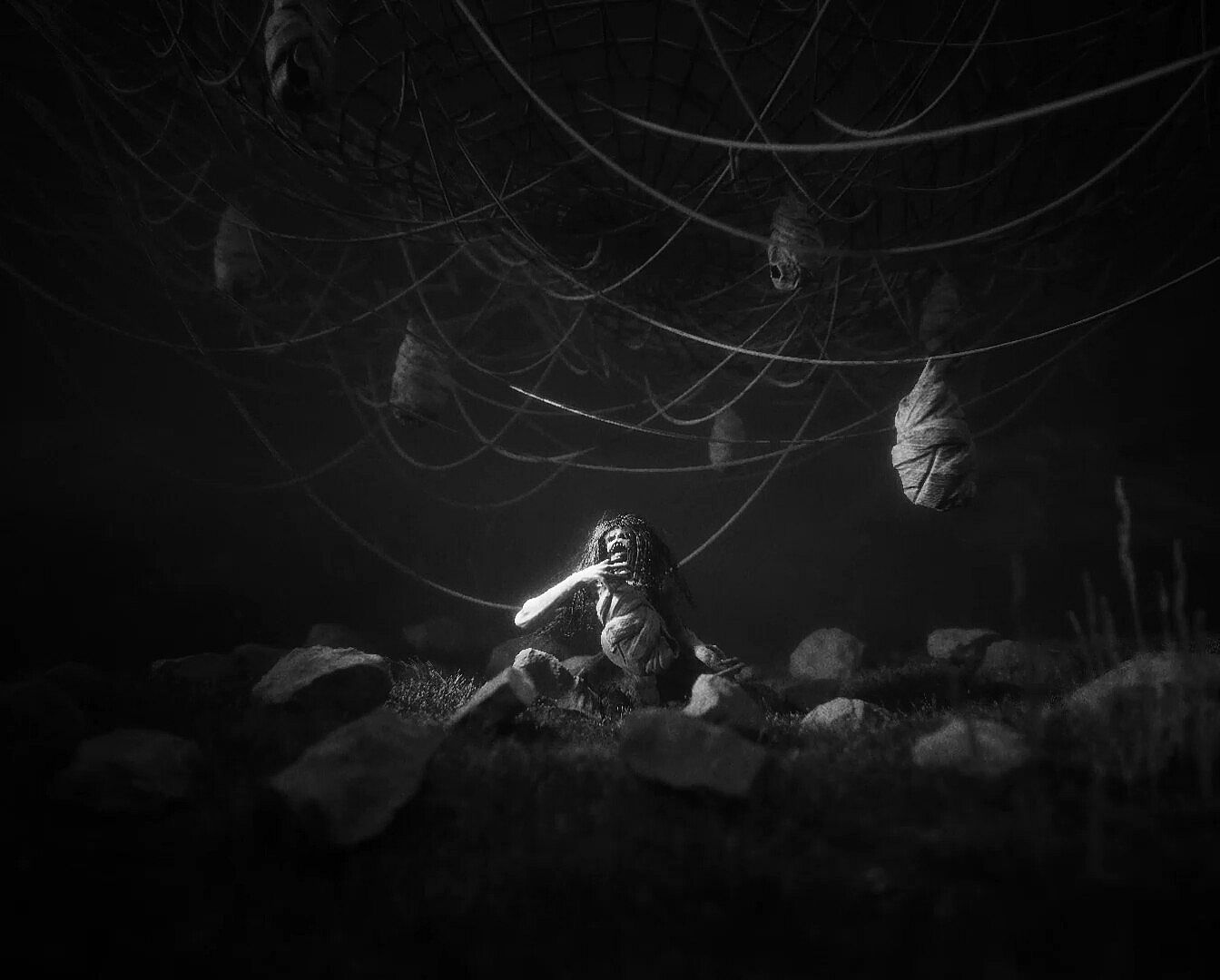
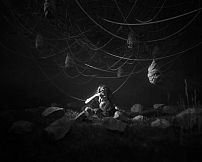
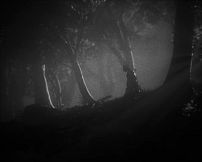
At the close of each day, players witness a stop-motion style nightmare sequence. These cryptic visions offer potential clues that must be interpreted without direct guidance. The game encourages note-taking because it provides no on-screen hints or markers to track leads across multiple days.
Choices made during conversations and persuasion attempts shape the outcome. Different paths reveal new dialogue branches and alter the final revelation. The structure supports repeated playthroughs to uncover the complete set of interwoven stories and hidden truths.
Game Modes
Daemonologie operates as a single-player narrative experience without separate competitive or cooperative modes. The investigation unfolds across a fixed number of days, each divided into time segments for village visits and ending with the nightmare sequence. This linear daily progression forms the primary structure.
Replayability comes from the branching conversations and the need to piece together the full picture across multiple runs. No additional modes such as endless play or alternate scenarios exist beyond the core investigation loop and its variations through player choices.
Story and Setting
The narrative draws directly from historical Scottish witch trials of the late 1600s. Players arrive in a tight-knit village where suspicion runs high and residents hold conflicting accounts. Sorting truth from lies requires careful attention to what each person says and how they react under pressure.
The story remains short and self-contained, designed for completion in one sitting with additional playthroughs to explore alternate outcomes. Prophetic nightmares add layers of folklore and unease without explicit explanations, leaving interpretation to the player.
Visuals and Audio
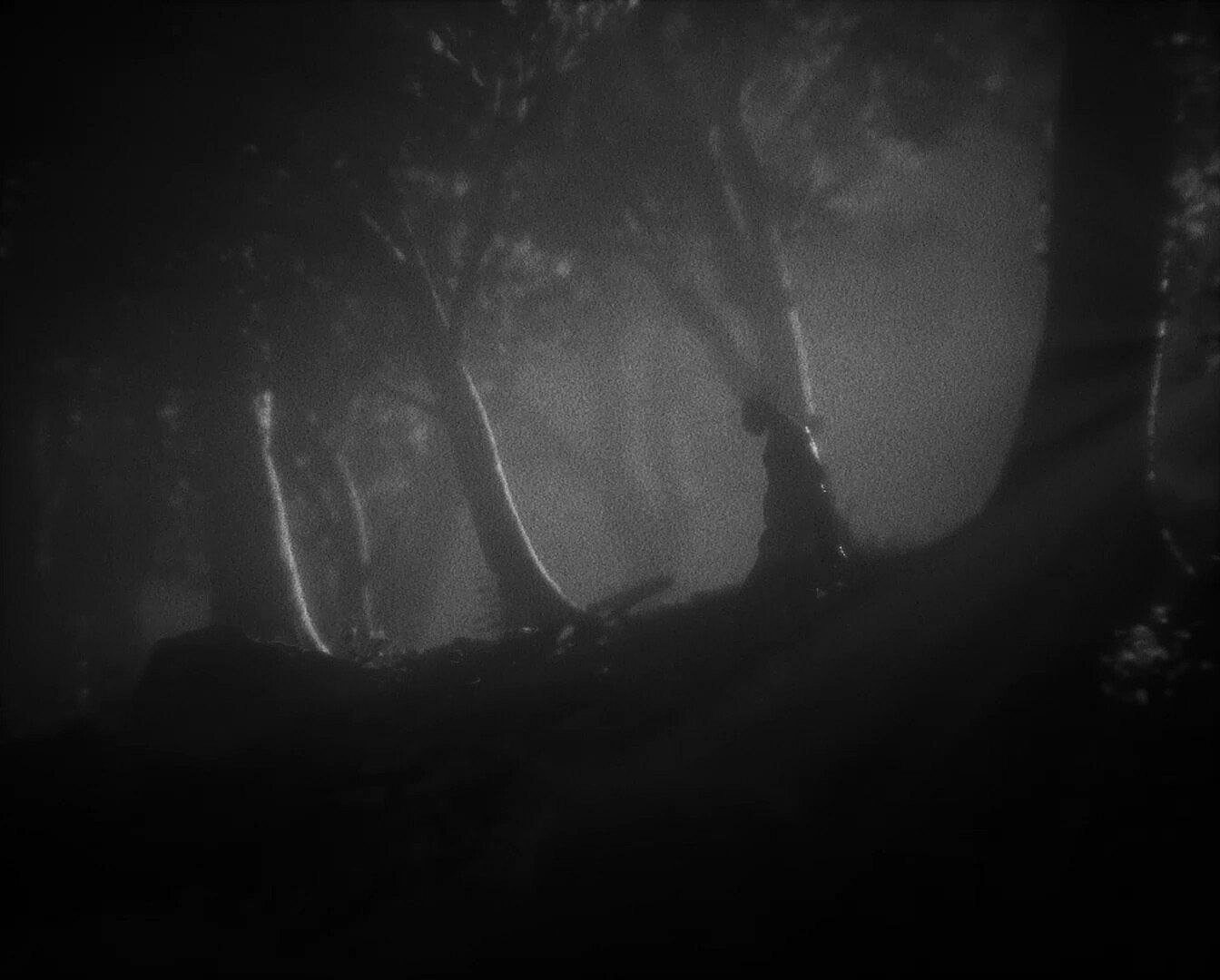
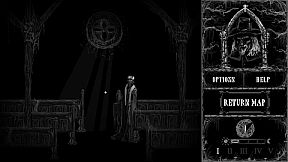
Hand-drawn pixel art defines the village and its inhabitants with a distinctive folk-horror aesthetic. Scenes shift between daytime conversations and the distinctive stop-motion animations of the nightmares, creating a contrast between grounded village life and unsettling visions.
An original soundtrack supports the atmosphere throughout the investigation and dream sequences. Sound design emphasizes tension during persuasion moments and the eerie quality of the nightmares.
Is It Worth Playing?
Daemonologie suits players who enjoy short, focused narrative adventures that reward careful observation and multiple completions. Its emphasis on dialogue choices, note-taking, and interpreting cryptic dreams appeals to those interested in folk horror and investigative gameplay without hand-holding.
The game delivers a complete experience in a compact package, rebuilt and expanded from its original jam version. Those seeking atmospheric pixel-art horror with moral weight in its mechanics will find the structure engaging, while players preferring longer campaigns or explicit guidance may prefer other titles. Availability on PC makes it accessible for repeated short sessions to explore all narrative threads.