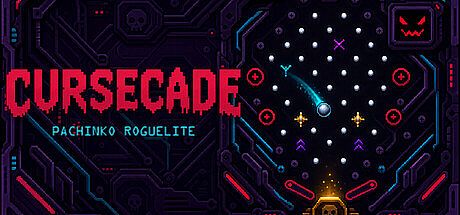


CURSECADE: Pachinko Roguelite is a strategy indie casual game on PC that combines precise ball physics with roguelite progression. Players launch a single ball down a customizable board and build elaborate chain reactions through careful placement of pegs. The experience centers on planning launches, adapting layouts mid-run, and surviving increasingly demanding encounters without relying on luck alone.
Gameplay
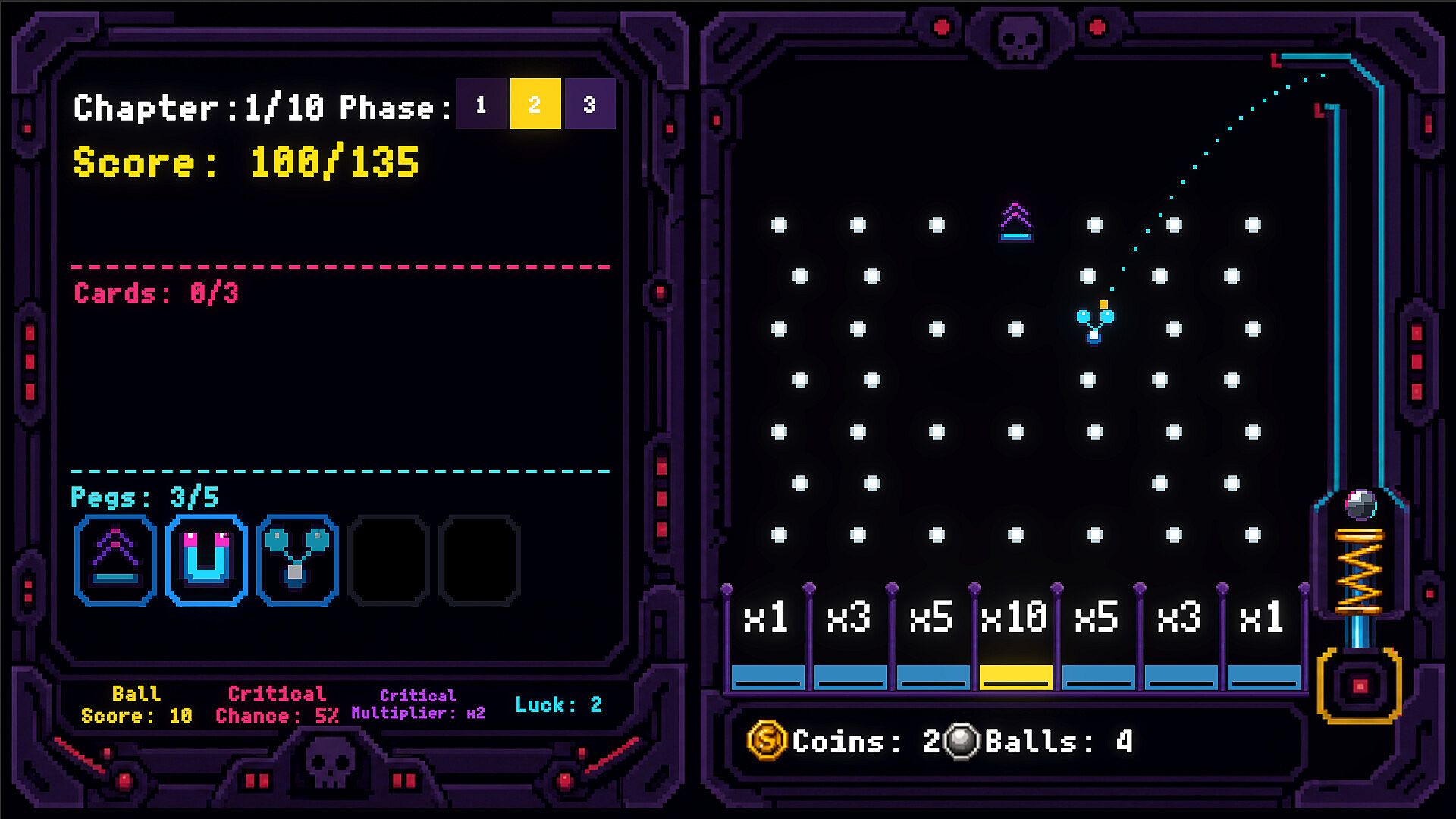
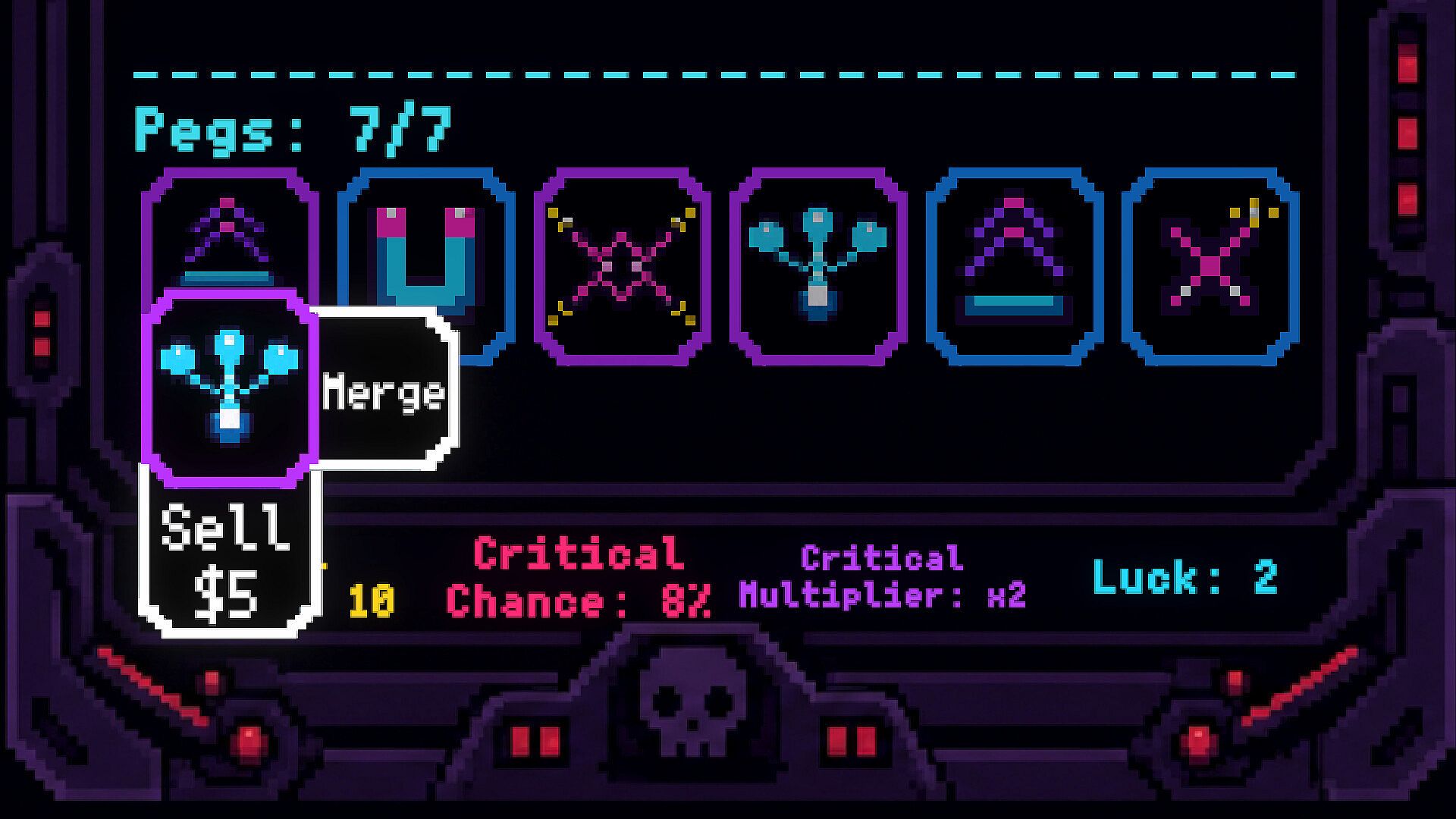
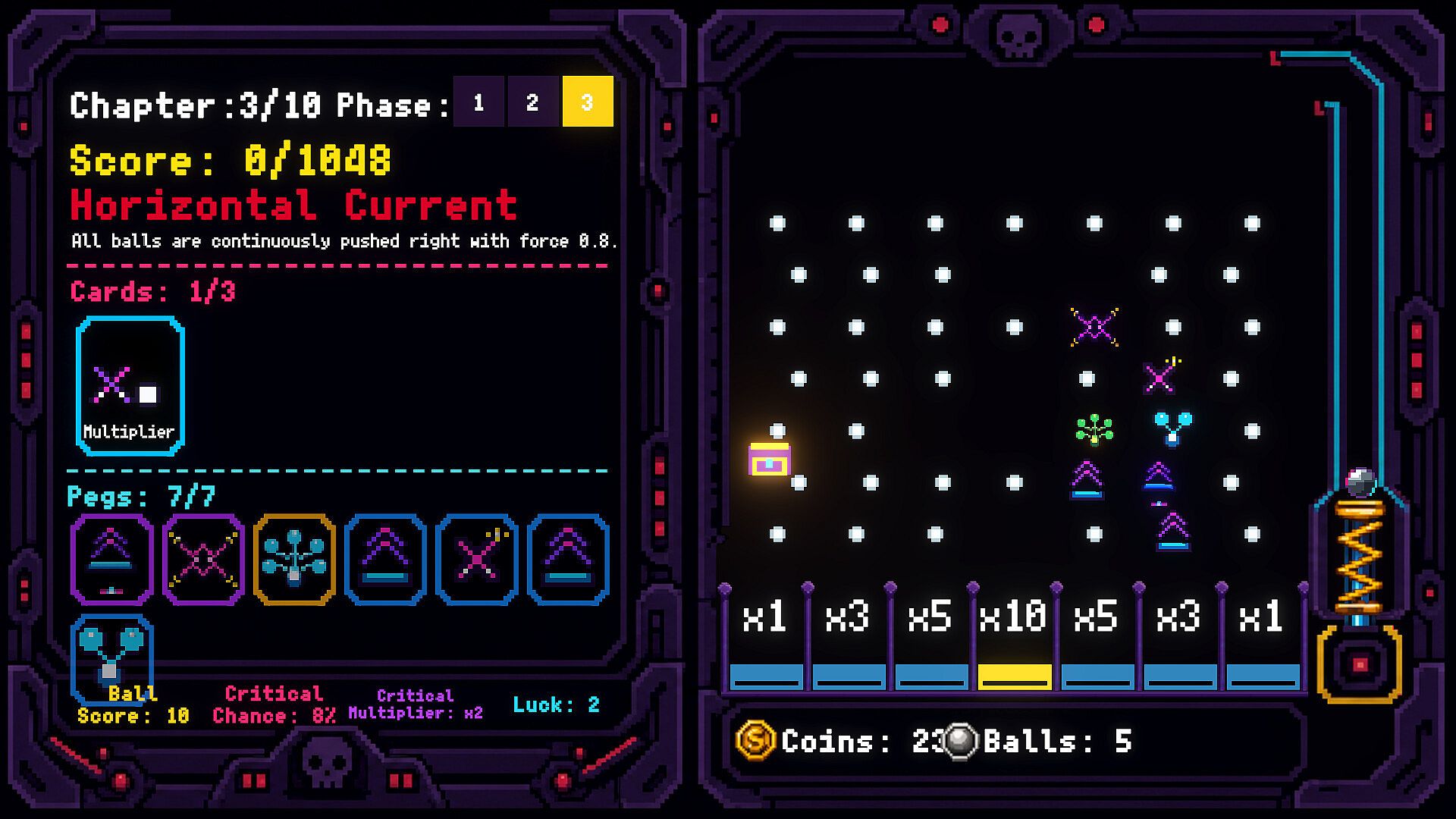
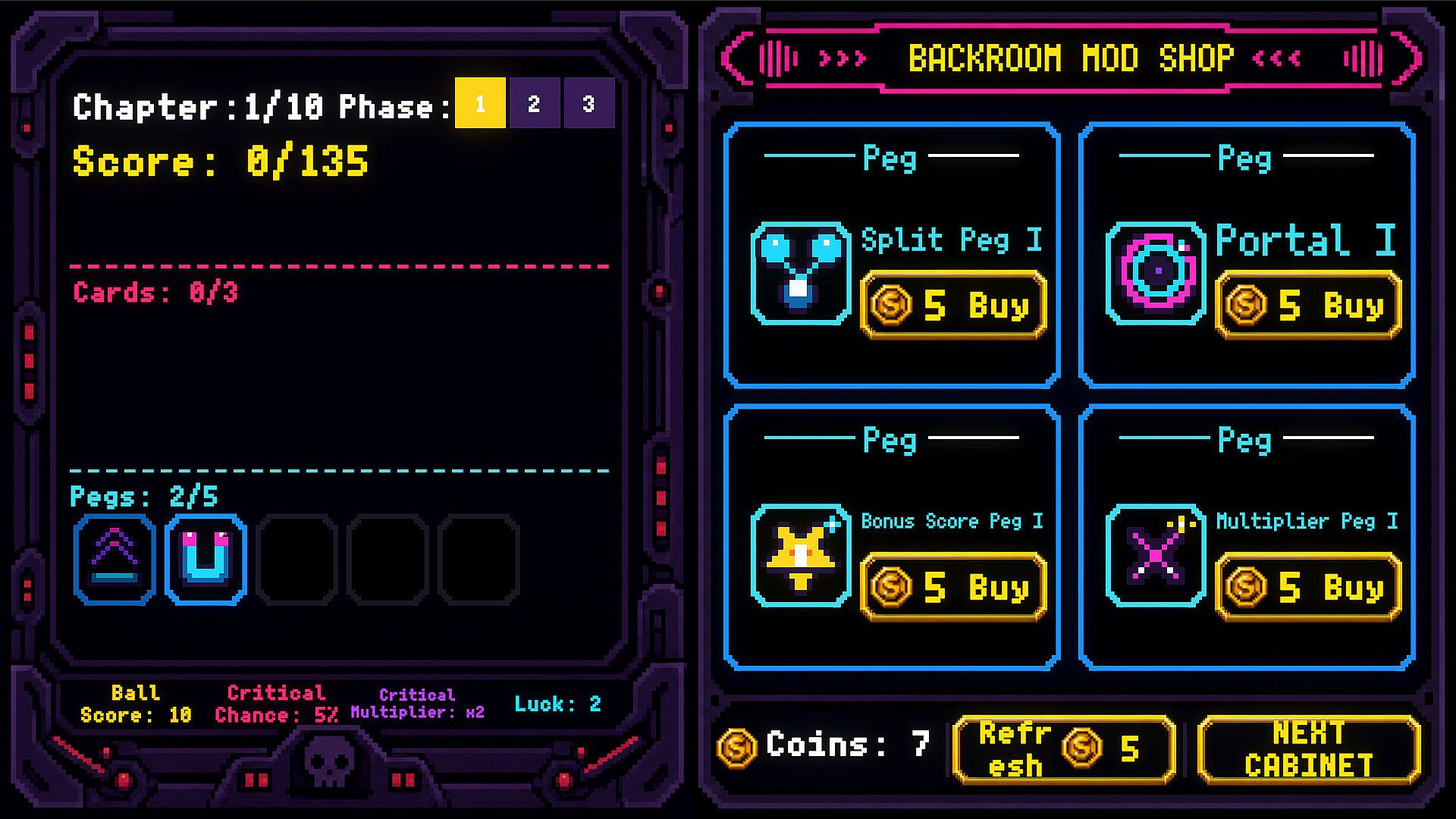
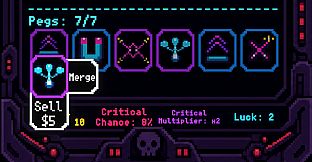
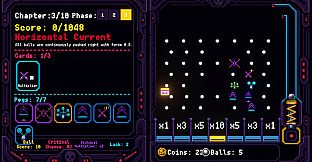
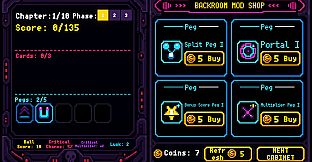
The core loop revolves around launching one ball at a time while shaping the entire board in advance. Players adjust the angle and power of each launch to guide the ball through a field of pegs. Special peg types form the foundation of every strategy. Split pegs multiply the number of balls in play. Bouncy pegs redirect balls along the collision normal. Magnet pegs alter nearby trajectories. Portal pegs transport balls to chosen destinations. Scoring pegs reward repeated activations with escalating points.
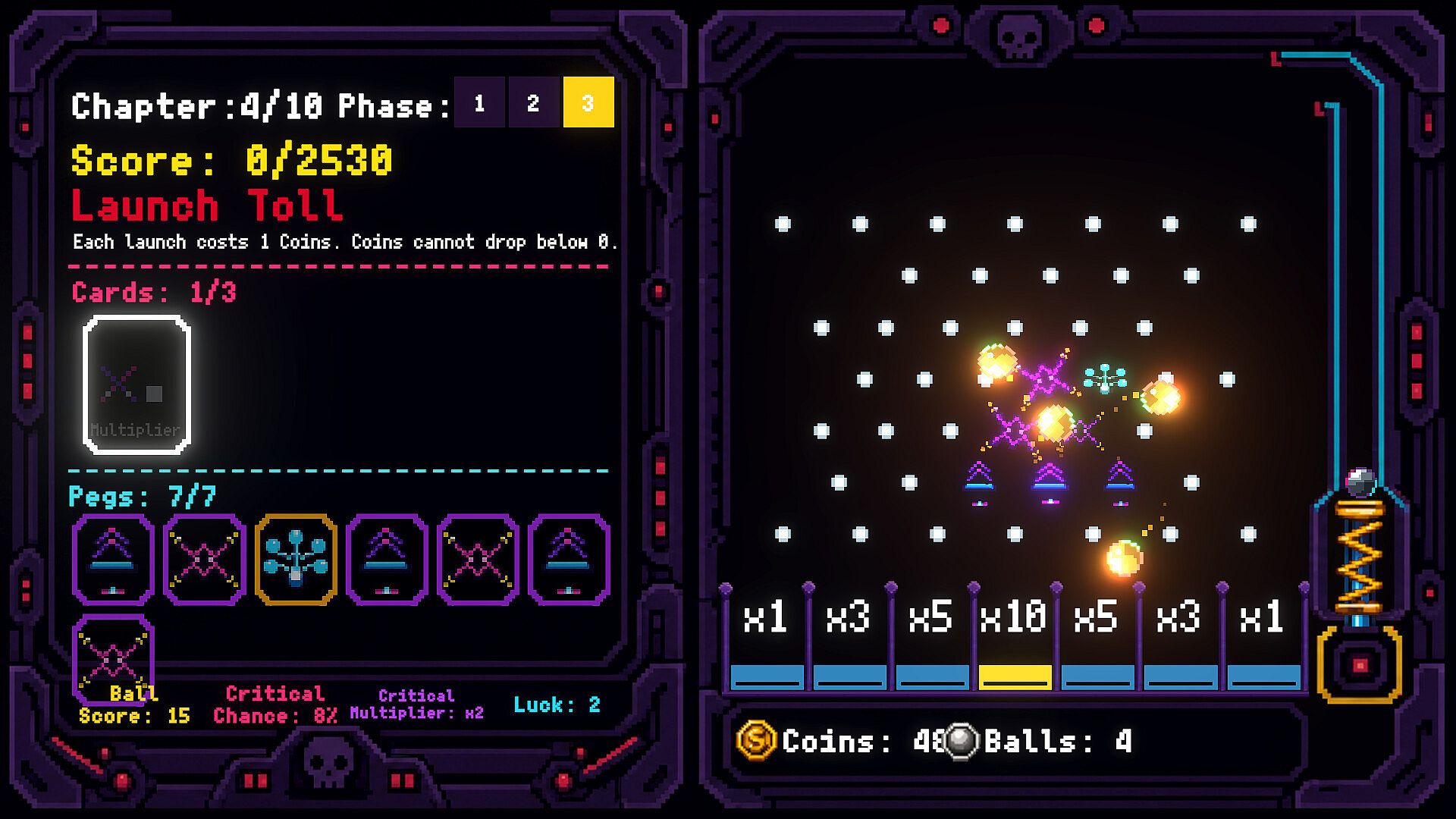
Placement, repositioning, and upgrades happen between launches. A minor shift in peg position can reroute an entire sequence and multiply the score. The board becomes a living machine where every element interacts. Small changes compound quickly, turning a modest run into a high-scoring chain reaction when the layout aligns correctly.
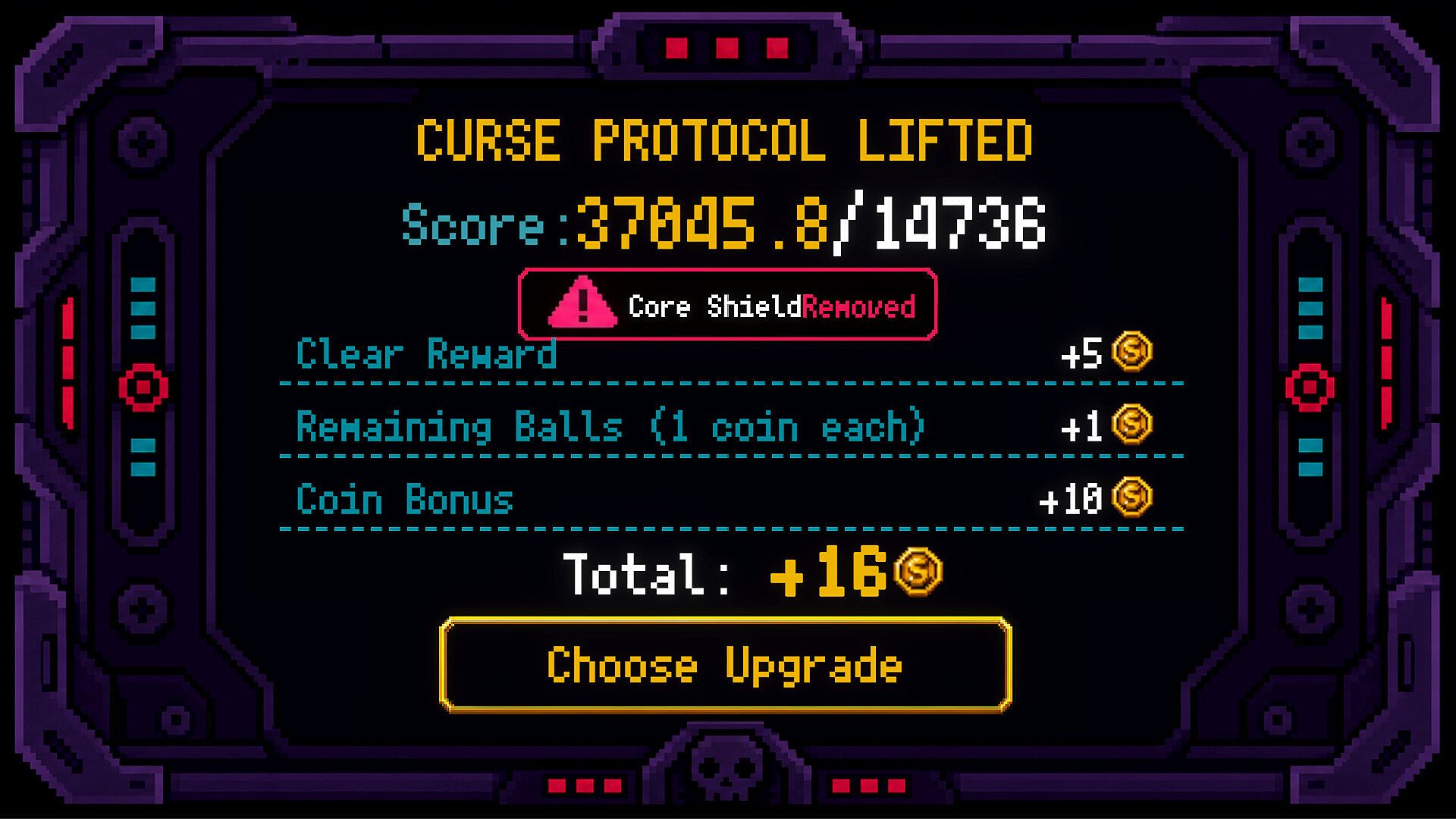
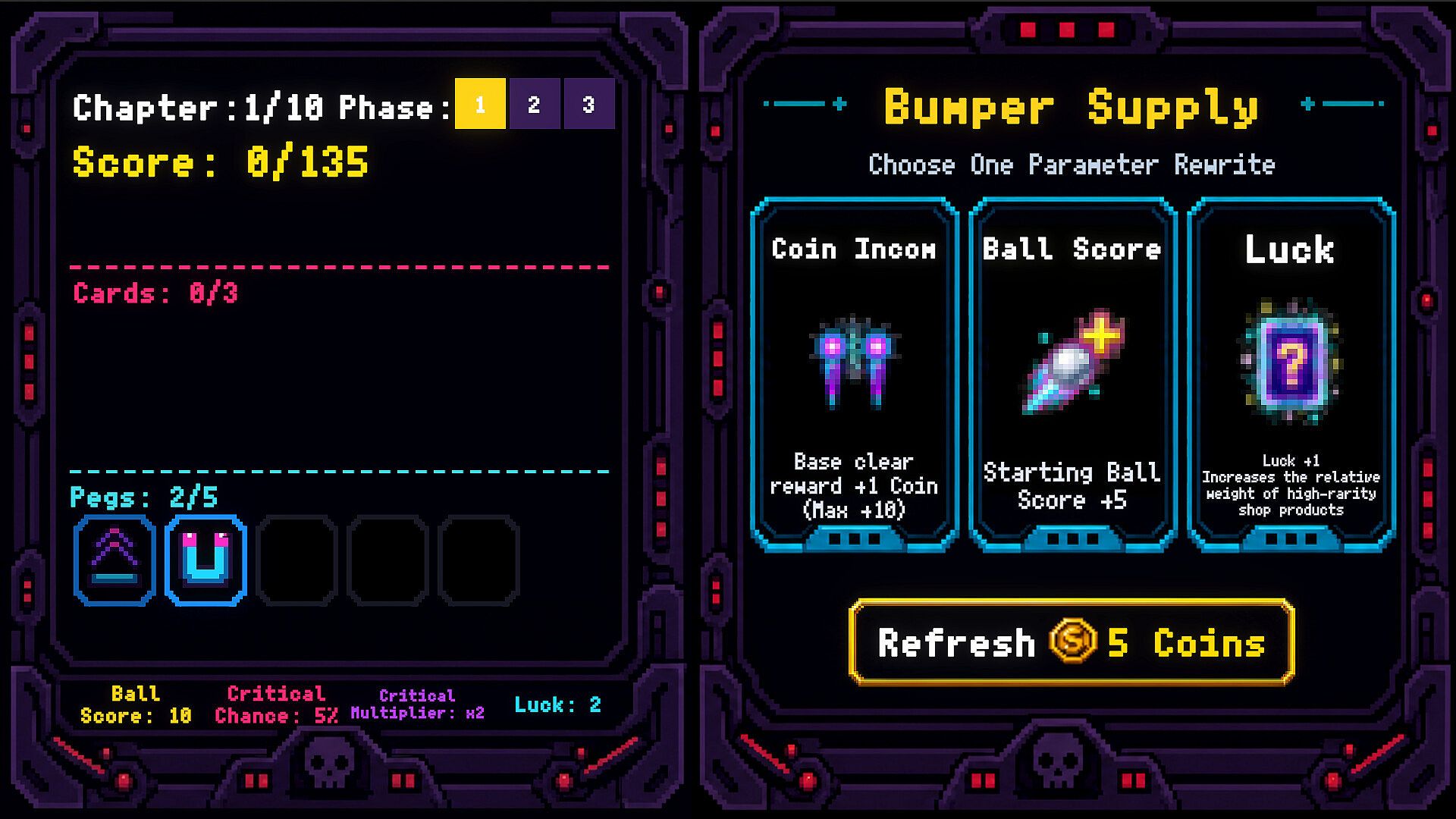
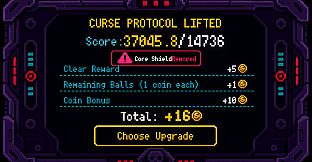
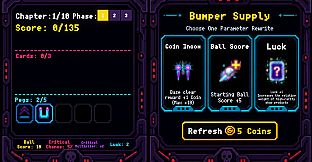
Resources gathered during runs allow purchases of additional peg types, card acquisitions, and capacity expansions. These upgrades influence what builds remain viable from one attempt to the next. The focus stays on physical simulation and deliberate engineering rather than random outcomes.
Game Modes
Each run presents a fresh board layout and resource pool that forces new decisions. Players select characters before starting, each carrying a unique strength paired with a clear limitation. One character supports unlimited special pegs yet starts with no card capacity. Another gathers unlimited cards but operates under tight peg restrictions. These trade-offs shape every board design from the first launch onward.
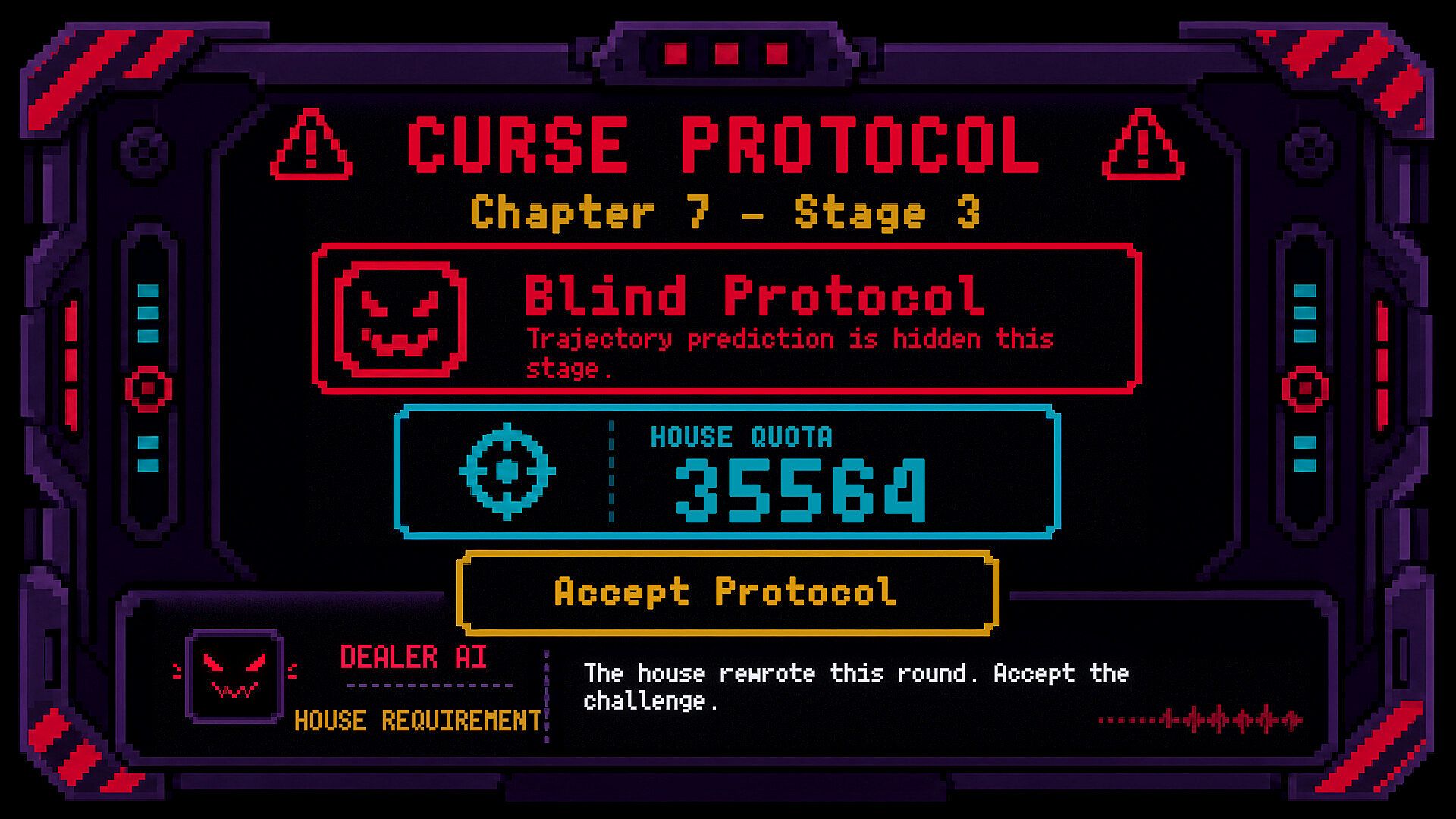
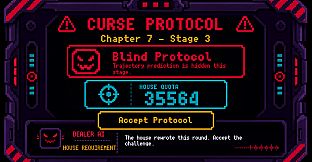
Boss encounters introduce targeted obstacles that disrupt established patterns. Some protect key scoring targets. Others restrict special peg activations or bend ball paths in unexpected ways. A layout that succeeded earlier may require complete rearrangement once a boss appears. Adaptation becomes essential because no single configuration handles every new rule set.
The roguelite structure encourages repeated attempts with evolving strategies. Resources carry forward in limited ways, while board layouts reset each time. Success depends on recognizing how peg interactions scale and adjusting plans before the chain reaction stalls.
Characters and Builds
Character choice directly alters available tools and forces different priorities during board construction. Limited capacity in one area pushes players toward efficient peg arrangements. Unlimited options in another area reward experimentation with complex interactions. The drawback attached to each character prevents any single selection from dominating every situation.
Build variety emerges from combining peg types with collected cards and upgrades. A layout heavy on split and portal pegs behaves differently from one focused on magnets and bouncy surfaces. Upgrades refine these interactions further, allowing incremental improvements that compound across multiple launches within the same run.
Is It Worth Playing?
CURSECADE suits players who enjoy deliberate strategy and physics-based problem solving over fast reflexes or story elements. The emphasis on board engineering and chain-reaction planning rewards careful observation and iterative adjustments. Those who appreciate roguelite runs that change with each attempt will find consistent depth in adapting to new character limitations and boss rules.
The game remains in active development following its recent Steam release, with the core systems already fully playable. Reception centers on the satisfying feedback of successful layouts and the challenge of overcoming restrictive boss mechanics. It offers a focused single-player experience without multiplayer components or additional modes beyond the central roguelite loop.
Players seeking casual strategy with meaningful mechanical variety rather than broad content volume will likely find the title engaging. Those who prefer games with extensive narrative or large-scale progression systems may want to try the available demo first to confirm the pace matches their preferences. The title delivers on its promise of turning a simple ball drop into an intricate, player-driven machine.