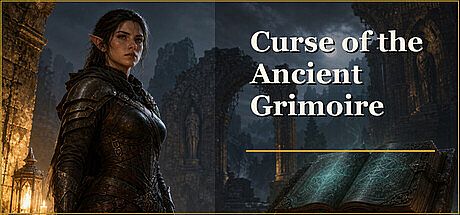


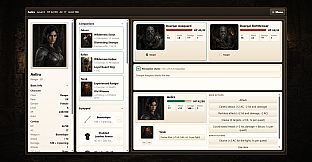

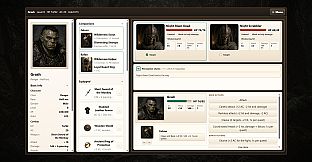
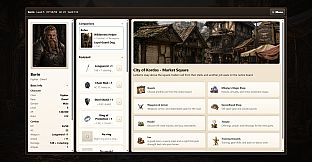
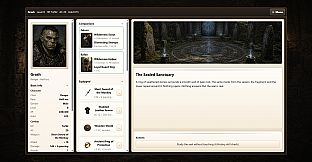
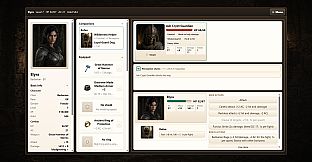
Curse of the Ancient Grimoire is a dark fantasy text-based RPG developed for PC. Players step into the role of a hero who arrives in the city of Kordos after an urgent letter from an old friend and apprentice scholar named Syllwa. The narrative begins with a personal request but expands into encounters with sealed shrines, forgotten roads, ancient cults, and lingering remnants of magic. The game draws clear inspiration from classic tabletop role-playing systems, emphasizing readable mechanics over fast reflexes.
Gameplay
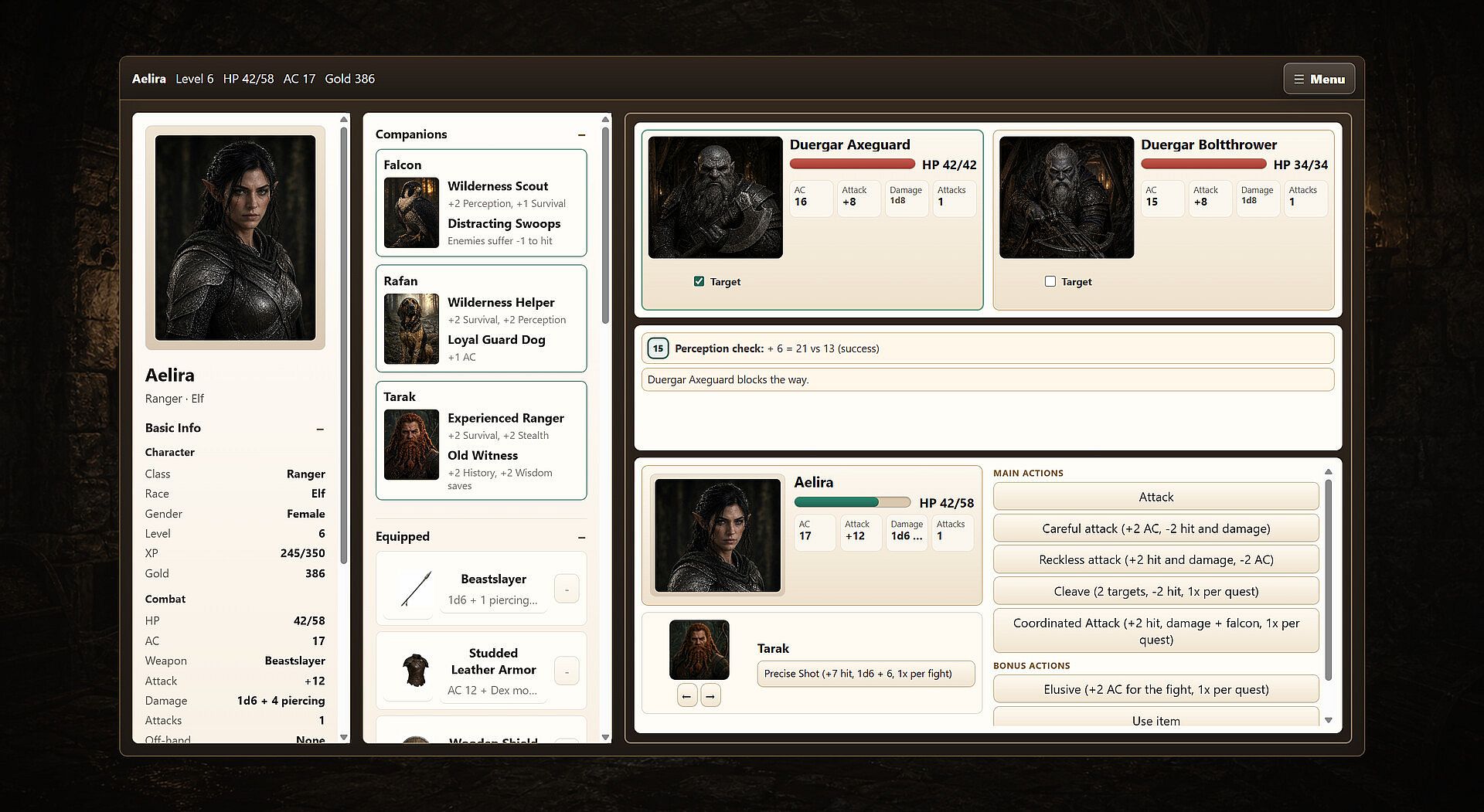
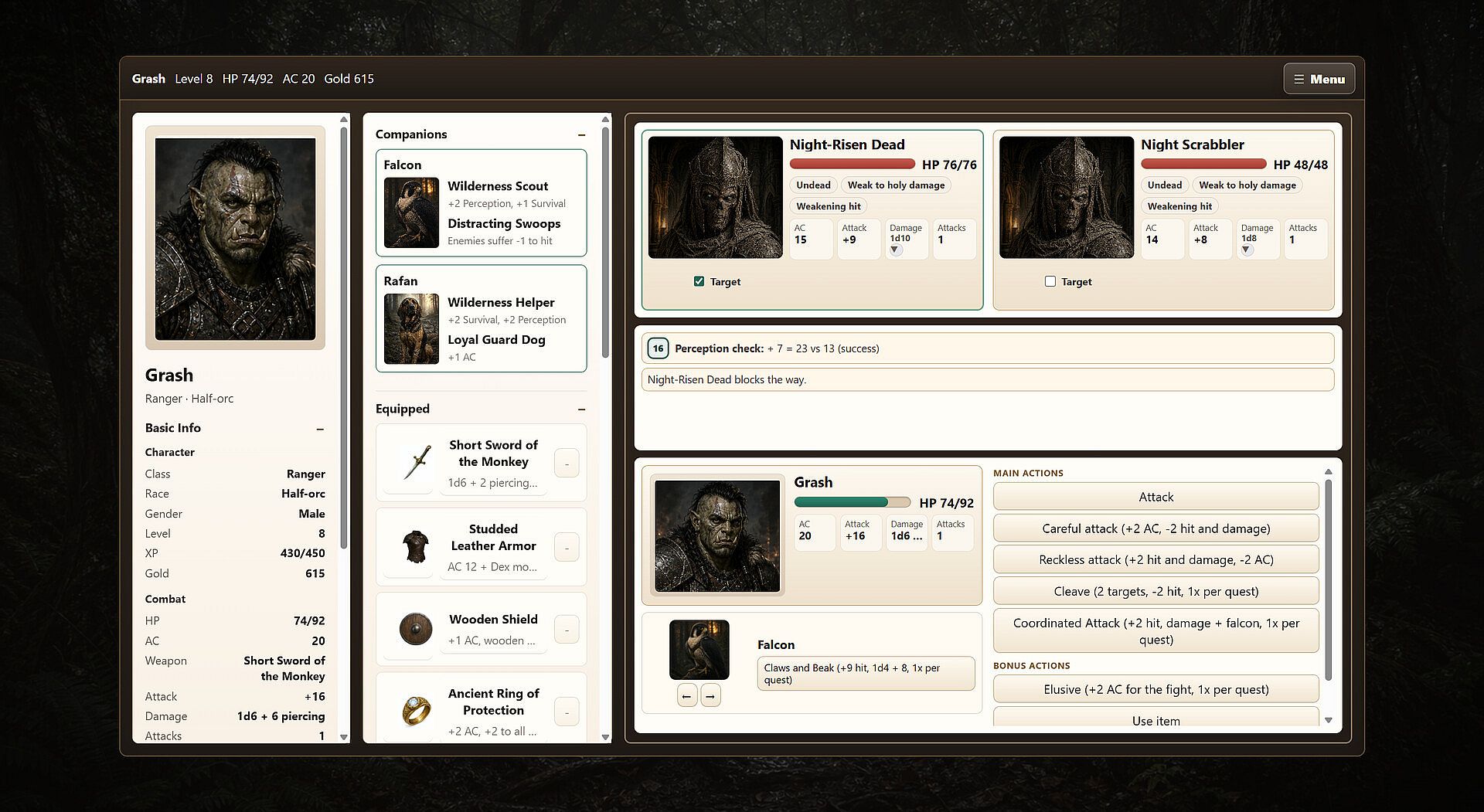
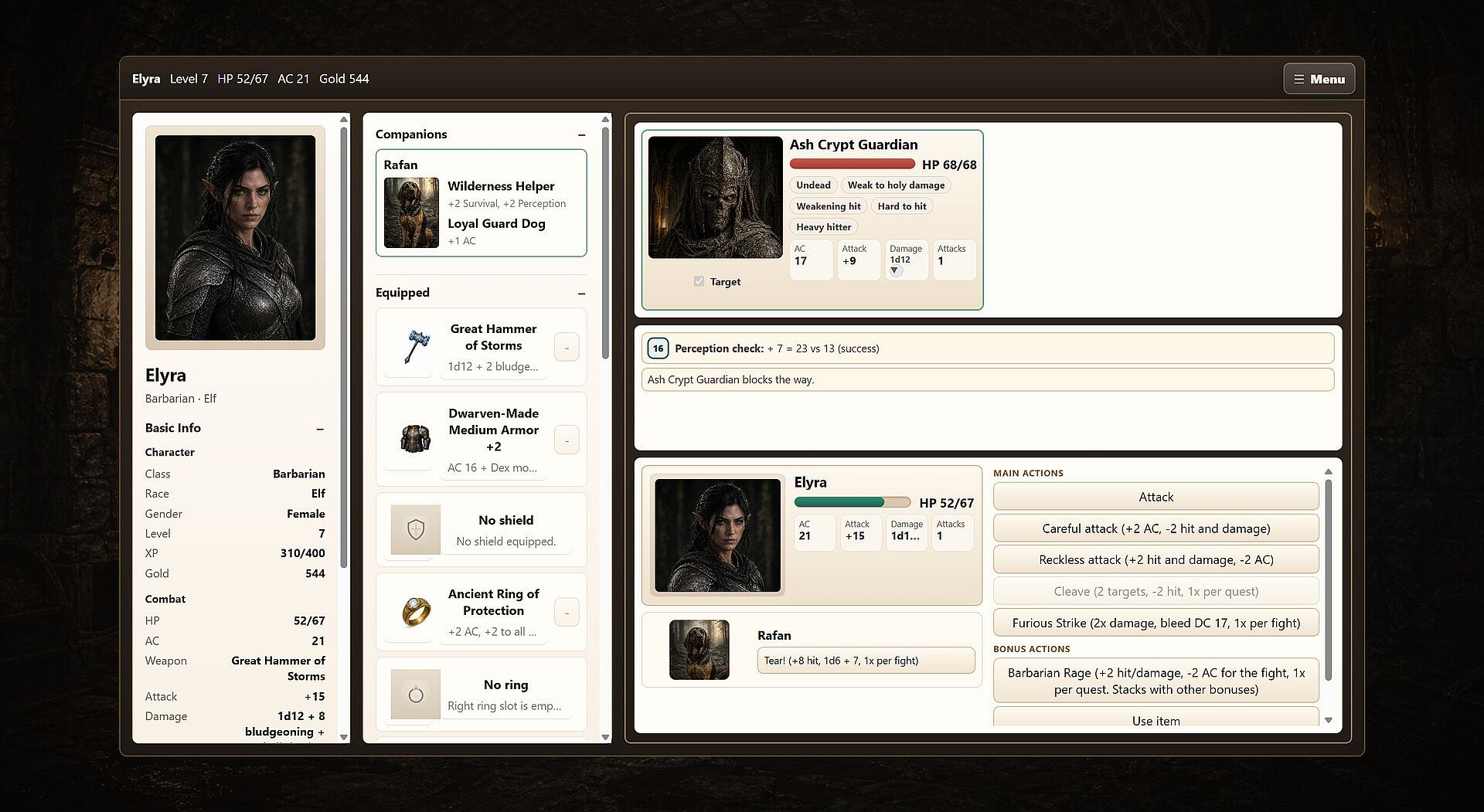
Core gameplay centers on exploration, decision-making, and tactical turn-based combat. Character creation allows selection of race and class, each offering distinct strengths that influence combat effectiveness and skill checks. Equipment management plays a central role, as armor, weapons, consumables, and resistances directly affect outcomes in fights. Damage rolls, saving throws, and conditions determine success or failure during encounters.
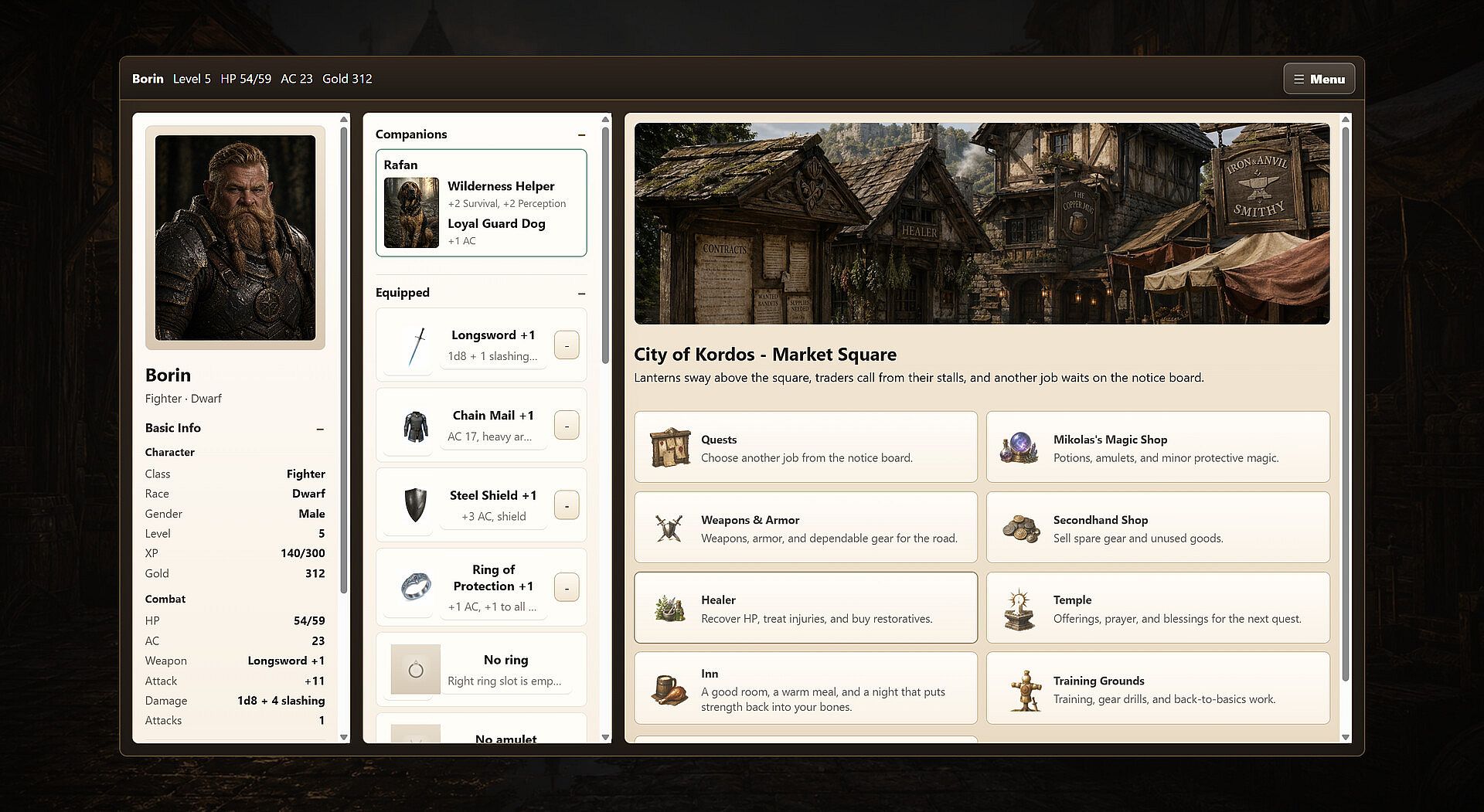
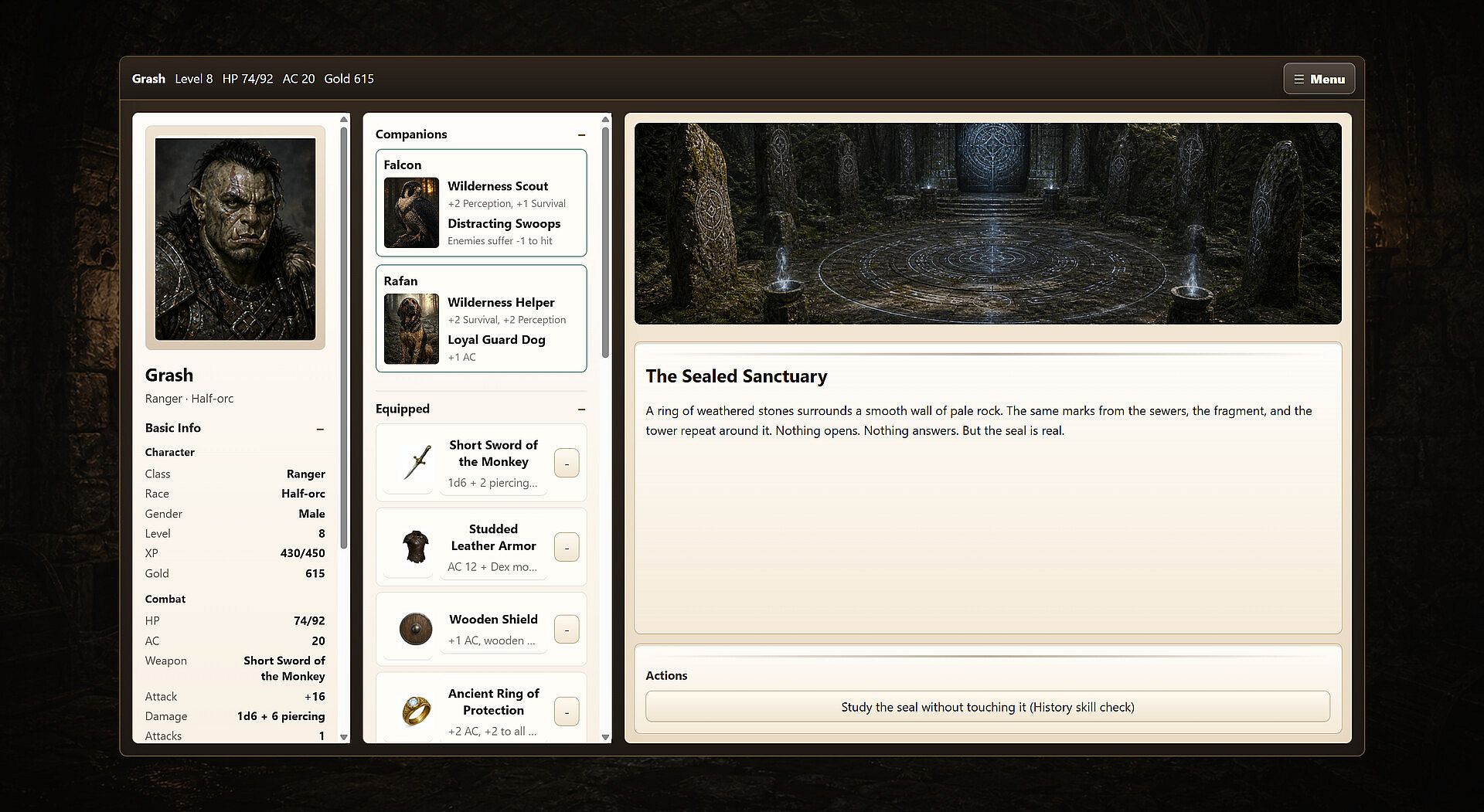
Skill checks in areas such as exploration, survival, stealth, persuasion, history, and perception open alternative paths. These checks can uncover safer routes through dangerous areas, locate supplies, reveal optional story details, or shift the approach to an upcoming battle. Preparation before advancing the main plot matters, with jobs from the city notice board providing opportunities to gather resources or test builds.
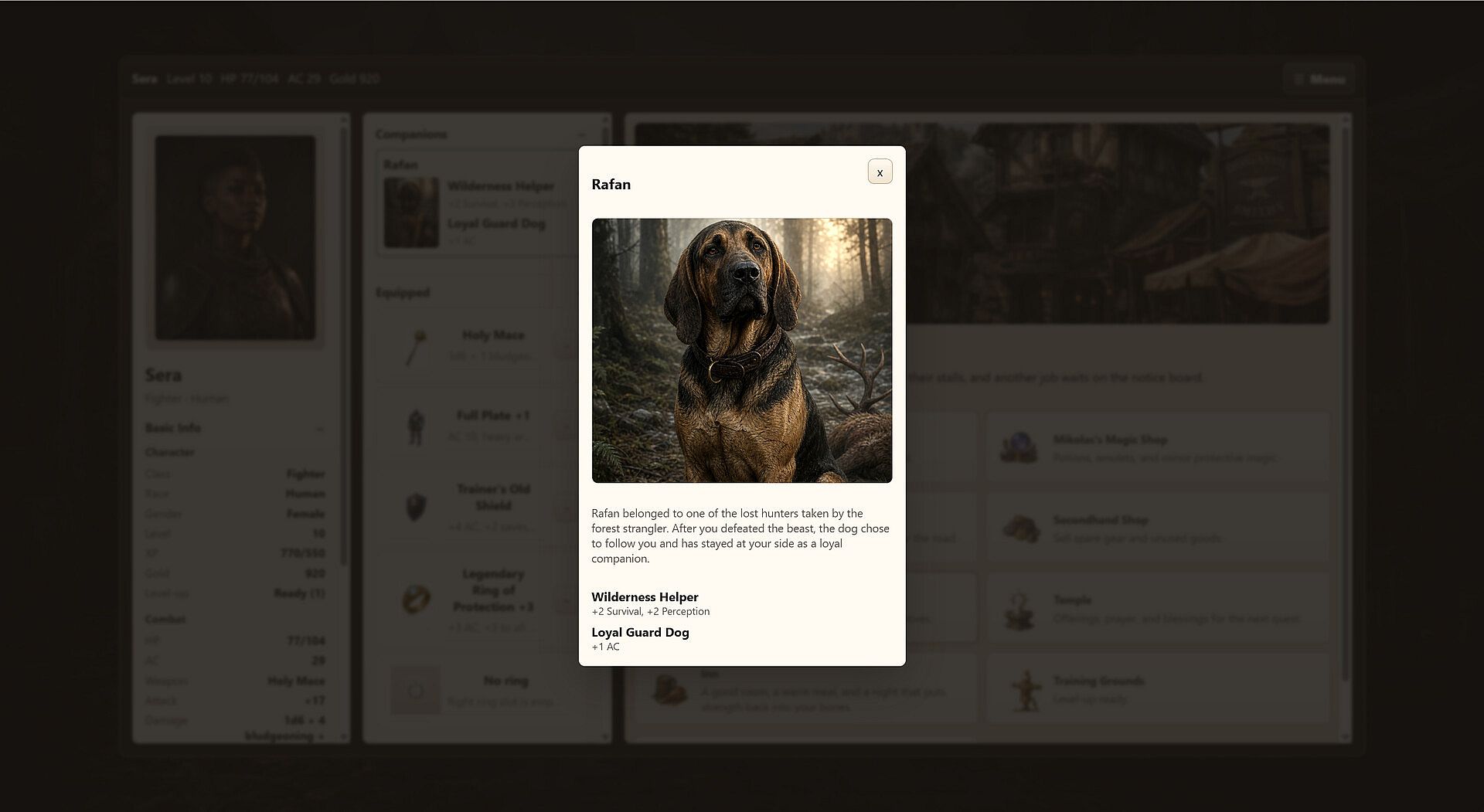
Combat remains deliberate and system-focused. Players select actions for the hero and any companions, accounting for resistances, conditions, and available items. The design rewards thoughtful equipment choices and party composition rather than quick timing. Persistent elements carry forward, including a roster that retains retired heroes who have completed their personal stories.
Game Modes
The experience unfolds through a story-driven campaign that incorporates side quests and epilogue scenes. Main story progression ties into the awakening of an ancient grimoire beneath Kordos, with choices that can permanently alter the world state or available roster members. Some quests appear only once and carry lasting consequences for future play.
Repeatable jobs from the notice board provide ongoing content separate from the primary narrative. These tasks allow repeated engagement with core systems without advancing the central plot. Side quests vary in length and scope, offering additional layers of choice and reward that complement the main campaign.
Language support includes full English and Czech options, broadening accessibility for different players. The single-player structure keeps focus on individual decision-making and long-term roster management across multiple playthroughs.
Character Progression and Systems
Progression builds through equipment upgrades, companion recruitment, and accumulated experience with the game's clear RPG rules. Races and classes provide starting variety, while consumables and resistances add tactical depth during repeated encounters. The roster system encourages experimentation, as completed heroes remain available for future runs or support roles.
Optional checks integrate seamlessly with exploration. Successful perception or history rolls might expose hidden supplies or lore that influences later choices. Persuasion and stealth options create non-combat solutions in certain situations, reducing reliance on direct confrontation.
Is It Worth Playing?
Curse of the Ancient Grimoire suits players who enjoy text-based RPGs with tactical turn-based combat and meaningful choices. The emphasis on preparation, equipment management, and skill checks delivers a deliberate pace that rewards attention to systems. Those interested in dark fantasy stories centered on ancient artifacts and city intrigue will find the campaign structure engaging.
The mix of one-time quests that affect the world and repeatable jobs supports both focused story runs and extended play sessions. Full language support and Windows desktop availability make the game straightforward to access. Players who prefer reflexive action or large-scale multiplayer may find the focused single-player design less appealing, while fans of tabletop-inspired mechanics will appreciate the clarity of its rules.