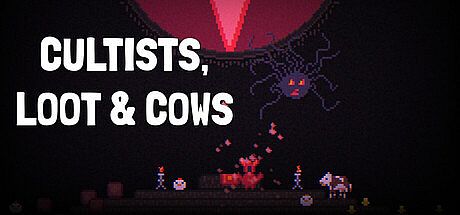


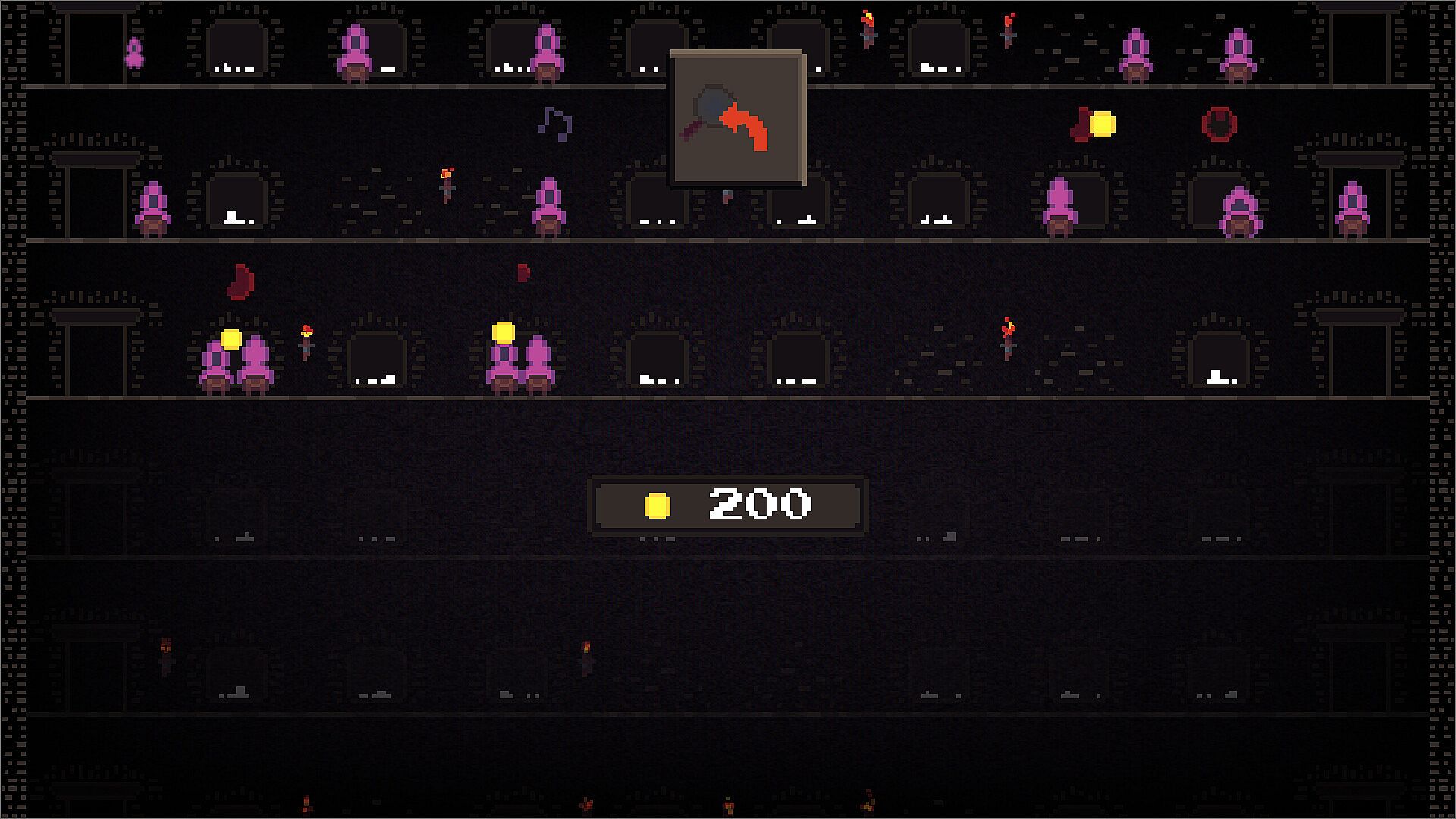
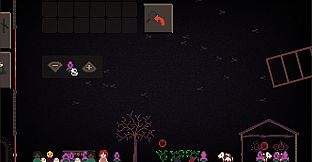
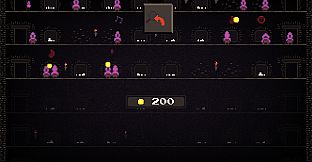
Cultists, Loot & Cows is an RPG autobattler idle game set on PC in which players lead a cult devoted to a demon. The core experience blends management of cultists with incremental progression and defensive battles against waves of enemies. Cultists handle daily tasks like praying, singing, and farming food while also venturing into the catacombs beneath the cathedral to gather resources and equipment. This setup creates a steady loop of preparation and confrontation that rewards patient oversight and strategic choices in resource allocation.
Gameplay
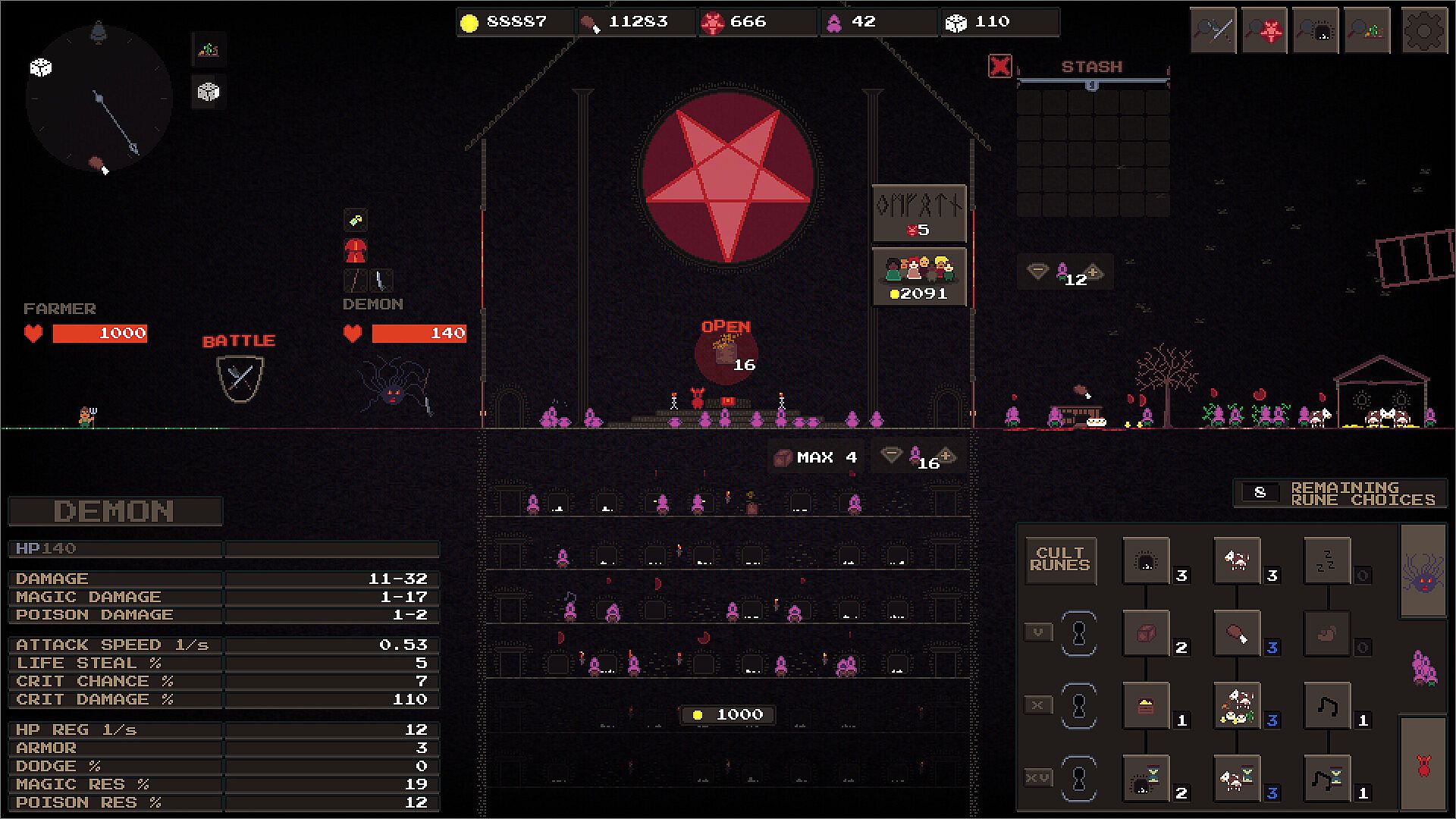
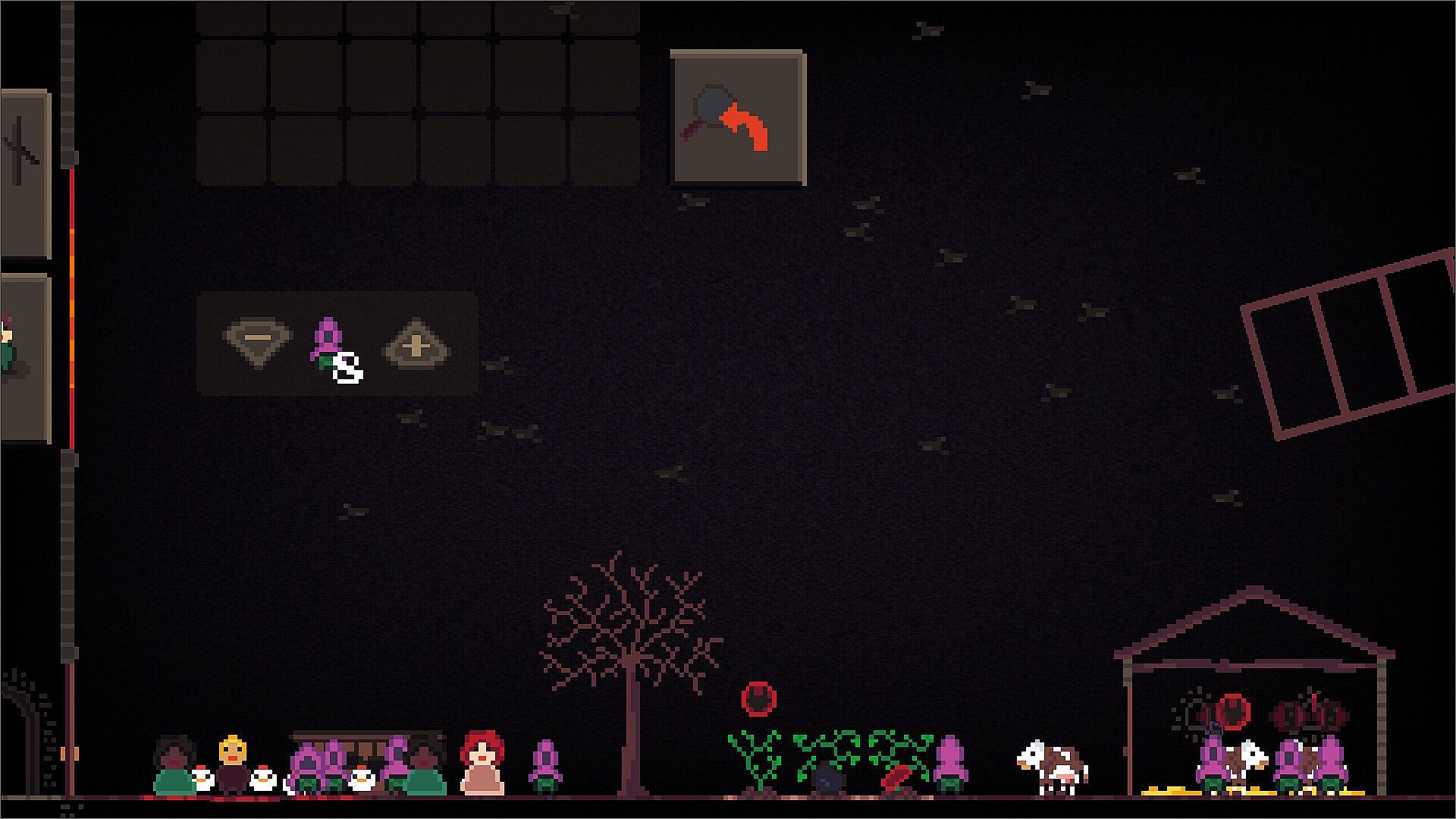
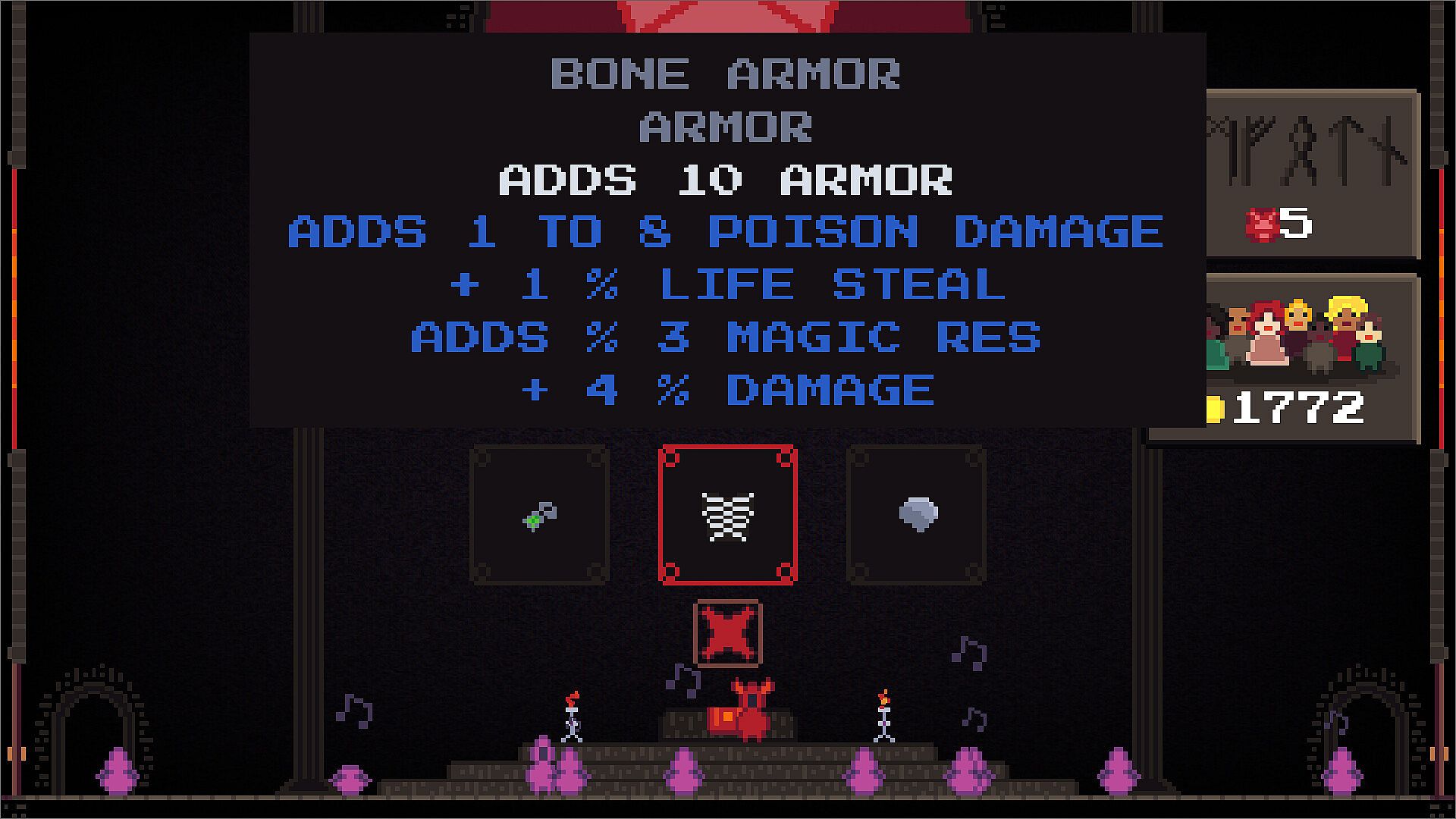
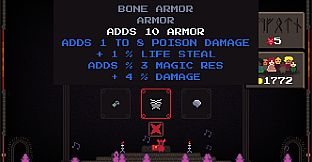
The gameplay centers on balancing cult activities with exploration and combat preparation. Players assign cultists to tasks through tactical worker placement, directing some to maintain the farm and others to delve into the catacombs for loot. These expeditions yield randomly generated items including magic weapons, armor, relics, and jewelry drawn from ARPG influences. Each piece carries varied stats, rarities, and potential synergies that players combine to strengthen the demon.
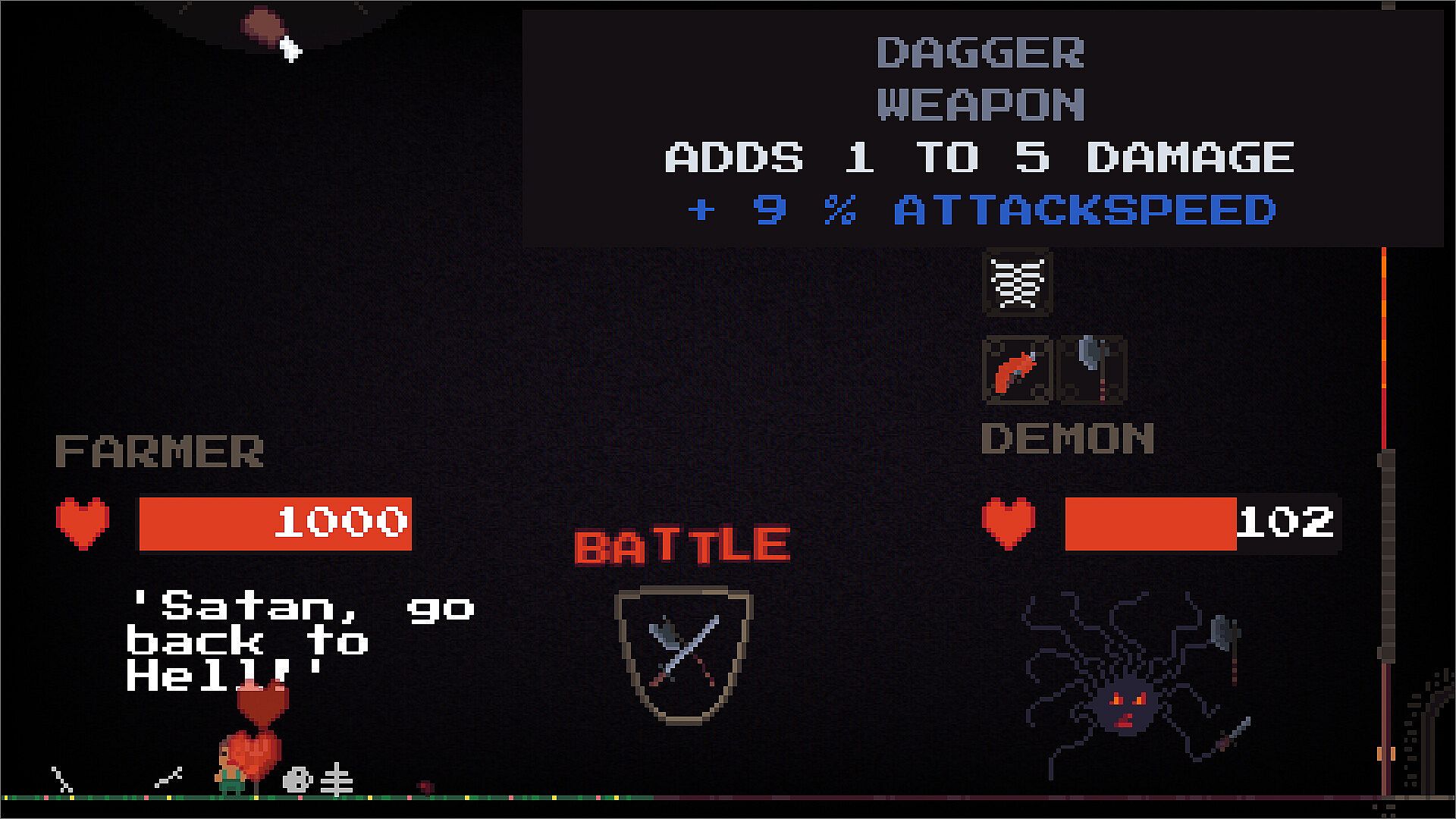
Once equipped, the demon faces escalating waves of enemies that grow stronger over time. Success depends on efficient farming, careful item selection, and upgrades from the Runebook system. The Runebook offers a large tree of options that create numerous synergies, allowing players to boost farming speed, improve loot quality, or enhance the demon's capabilities. Relics add unique abilities that further diversify strategies, while random item crates provide fresh opportunities to experiment with builds. The overall loop emphasizes watching the cult expand through steady management rather than constant direct control.
Game Modes
The game operates as a single-player experience focused on one continuous progression system. There are no separate competitive or multiplayer modes described. Instead, the structure revolves around repeated cycles of cult management, catacomb runs, and wave defense. Players advance by improving efficiency in all areas, unlocking more powerful combinations through the rune tree and better equipment. This unified approach suits extended sessions where incremental gains accumulate over time without requiring switches between distinct formats.
Key Mechanics and Progression
Item variety forms a major pillar, with nearly infinite combinations possible due to the ARPG-inspired stat pools and rarities. Players open crates to discover new pieces and equip them on the demon for immediate power spikes. The rune tree expands options further, letting players specialize in areas like faster resource generation or stronger combat performance. Relics introduce targeted abilities that can shift how waves are handled or how the cult operates day to day. Cult growth itself serves as visible feedback, with more members contributing to overall output and creating a relaxing sense of expansion alongside the strategic depth.
Enemies arrive in increasing waves that test the demon's preparedness. Preparation happens offline through idle elements, so progress continues even when the player steps away. This design supports both active tinkering with builds and passive accumulation of resources.
Is It Worth Playing?
Cultists, Loot & Cows targets players who enjoy idle and incremental RPGs combined with autobattler elements and light management. The focus on worker placement, extensive rune synergies, and ARPG-style loot creates depth for those who like optimizing systems and experimenting with item combinations. The relaxing cult growth aspect appeals to anyone seeking a game that progresses steadily without demanding constant attention.
Because the title remains unreleased with no user reviews available yet, its reception cannot be assessed from actual play. Those drawn to single-player experiences involving demon empowerment, catacomb looting, and wave defense may find the described mechanics engaging once it launches. The pixel art combat featuring blood and bones adds a thematic touch consistent with the cult setting. Overall, the game suits fans of thoughtful progression loops over fast-paced action or narrative-driven stories.