




Crestbound is a turn-based tactical RPG and strategy game set in Early Access on PC. Players manage a mercenary company through a long campaign focused on resource decisions, roster building, and survival across repeated missions rather than heroic quests.
Gameplay
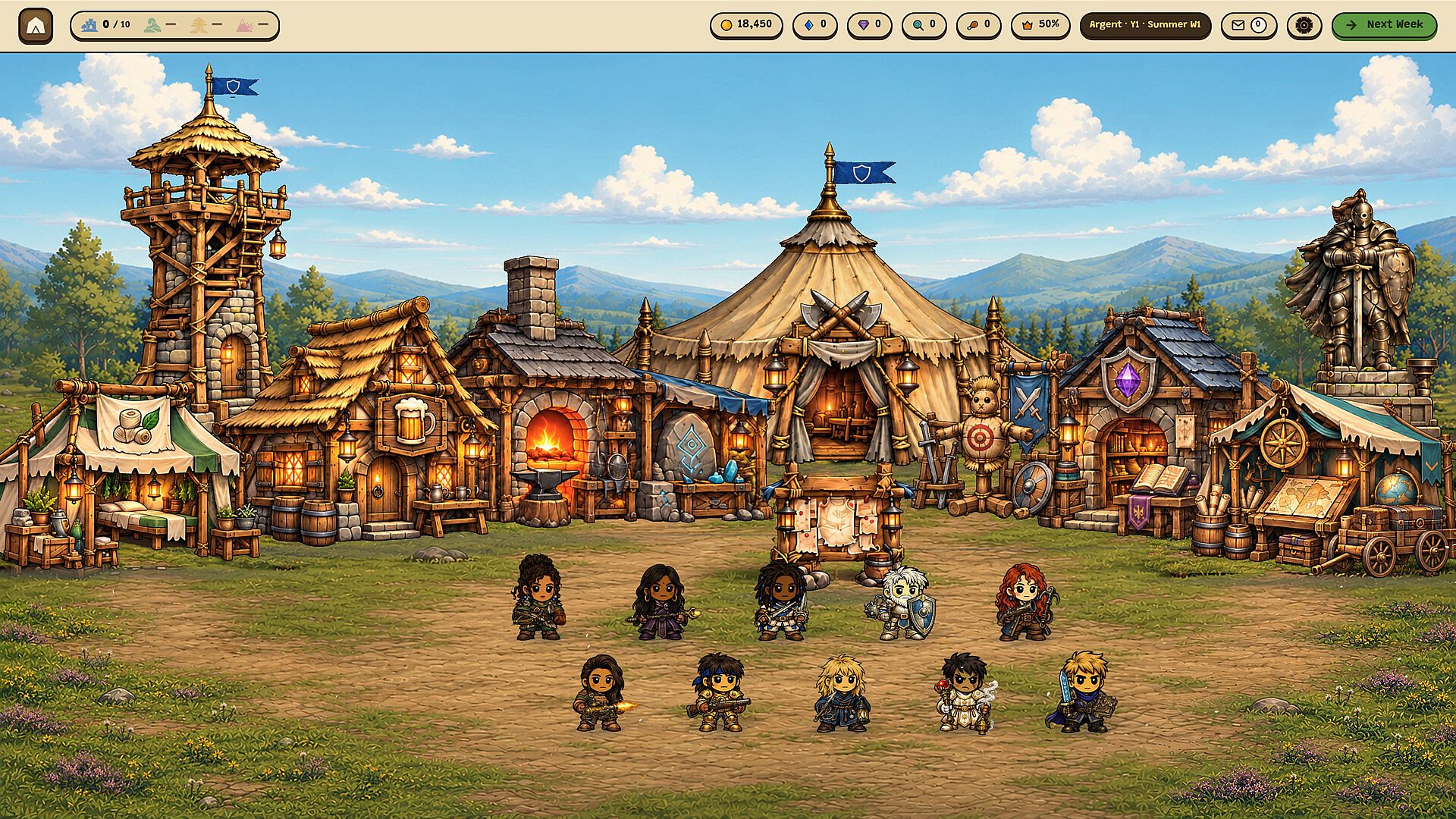
The core loop centers on weekly returns to camp after missions. Decisions there determine what the company can afford, from scouting recruits and negotiating contracts to paying wages, treating injuries, reforging weapons, researching Crests, and training units. Only then does the player select the next contract and deploy a squad.
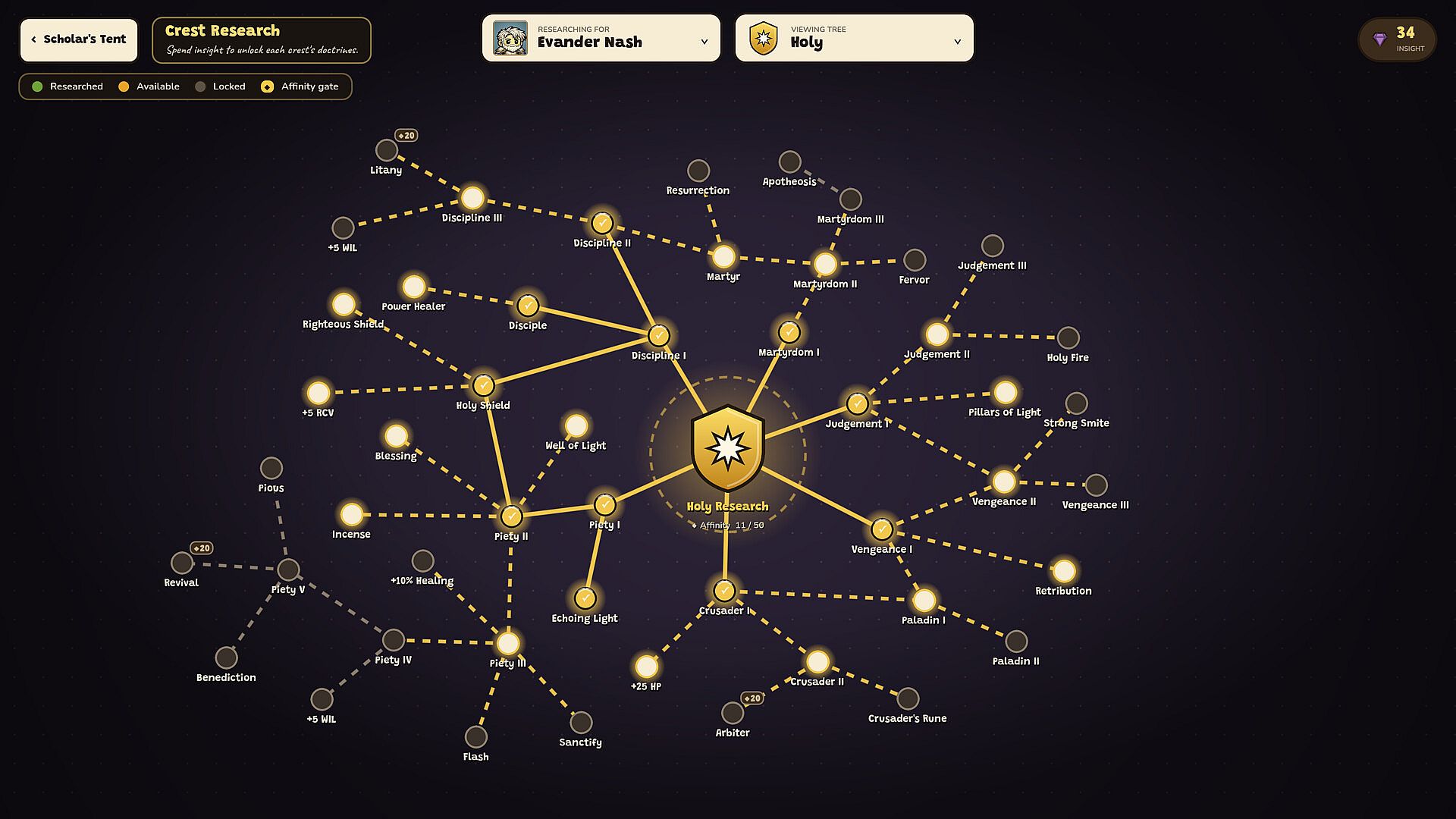
Every fighter carries an annual contract, weekly salary, scouting profile, traits, gear, wear, morale, and long-term value. Builds form through a combination of training, equipment upgrades at the blacksmith, rune binding, weapon mastery for new abilities and attribute boosts, Crest research, and battlefield experience. Free agents require scouting to reveal traits, combat profiles, potential, hidden value, and contract expectations, with risks of overpaying or missing future stars.
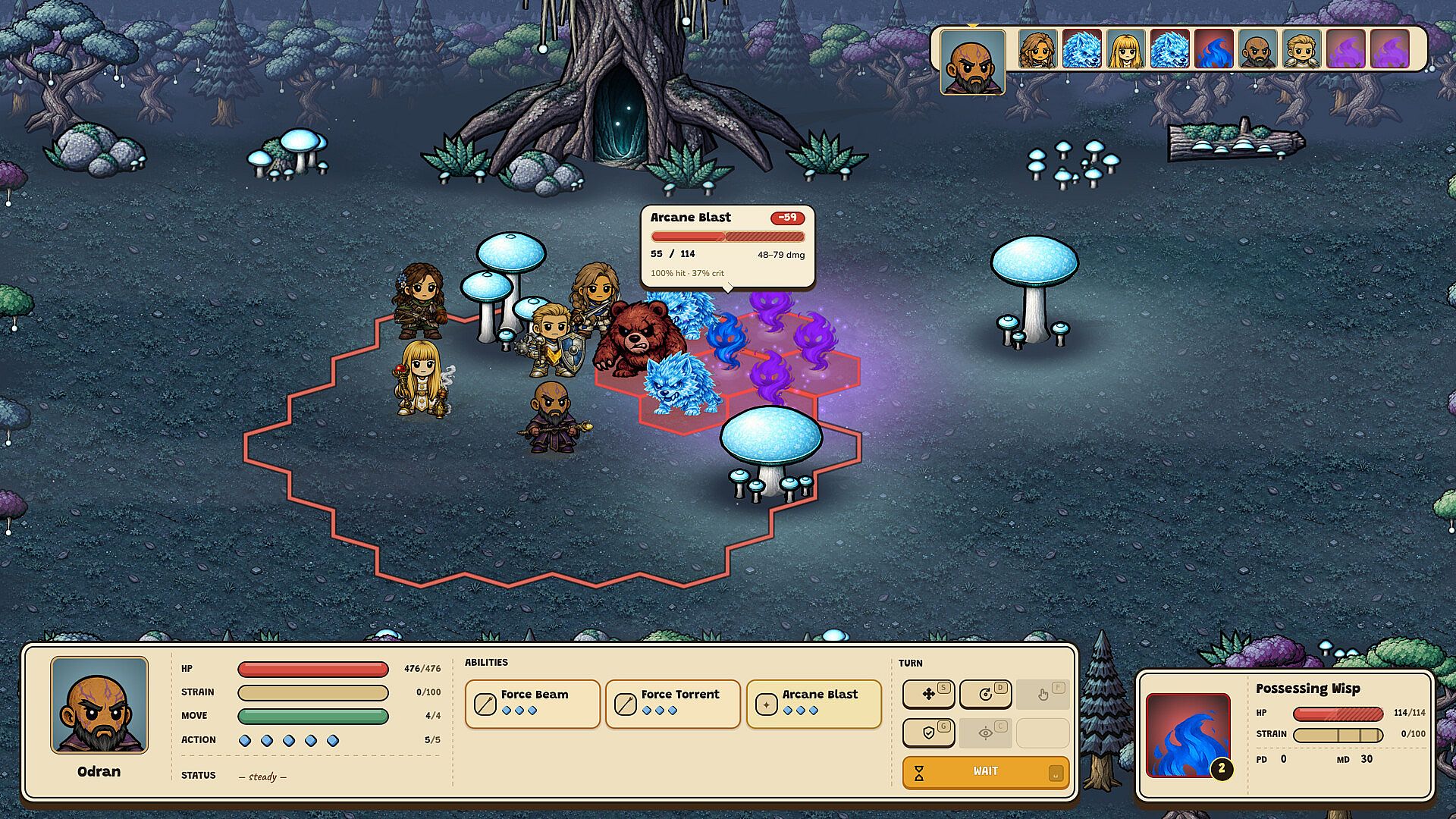
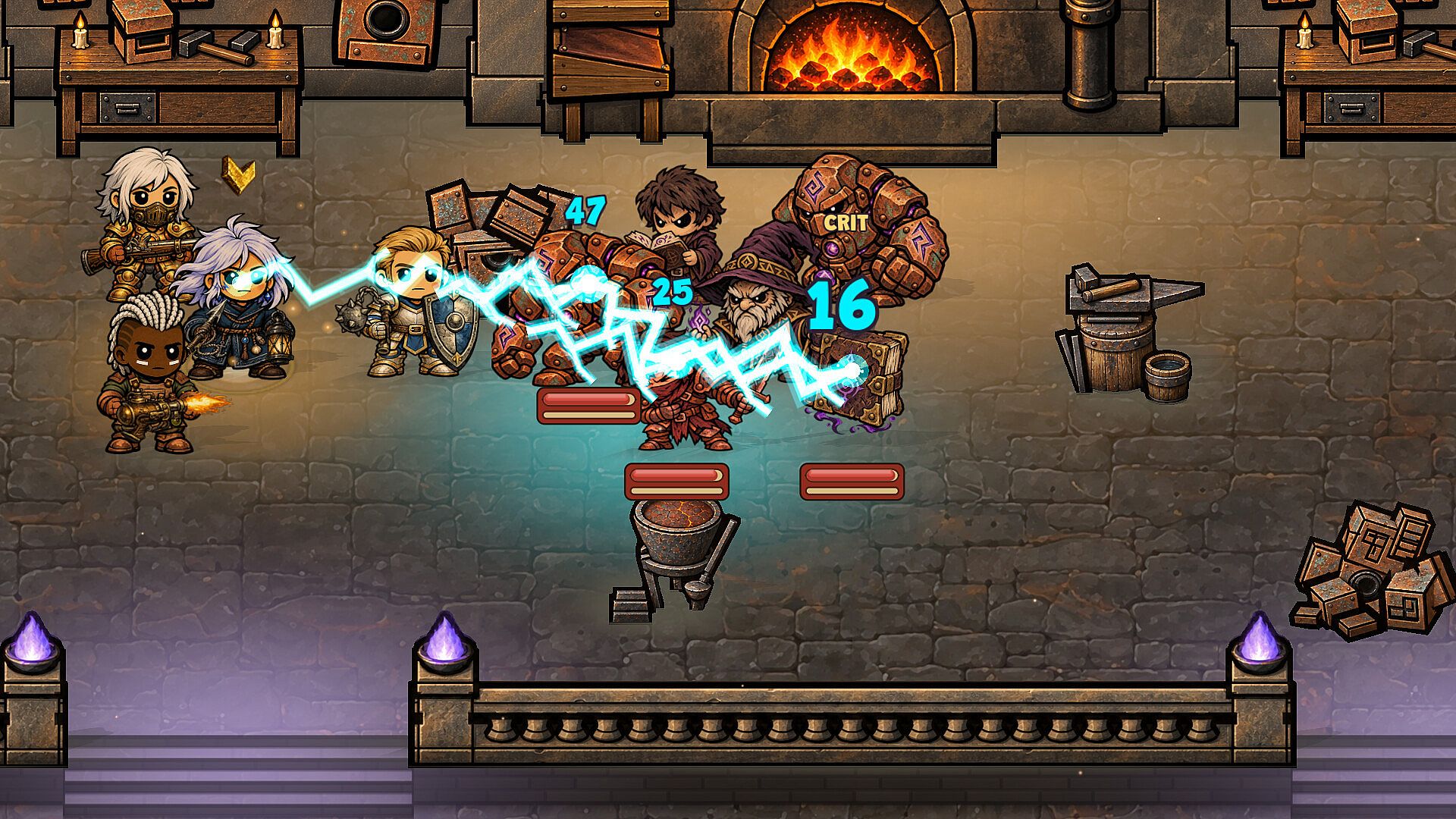
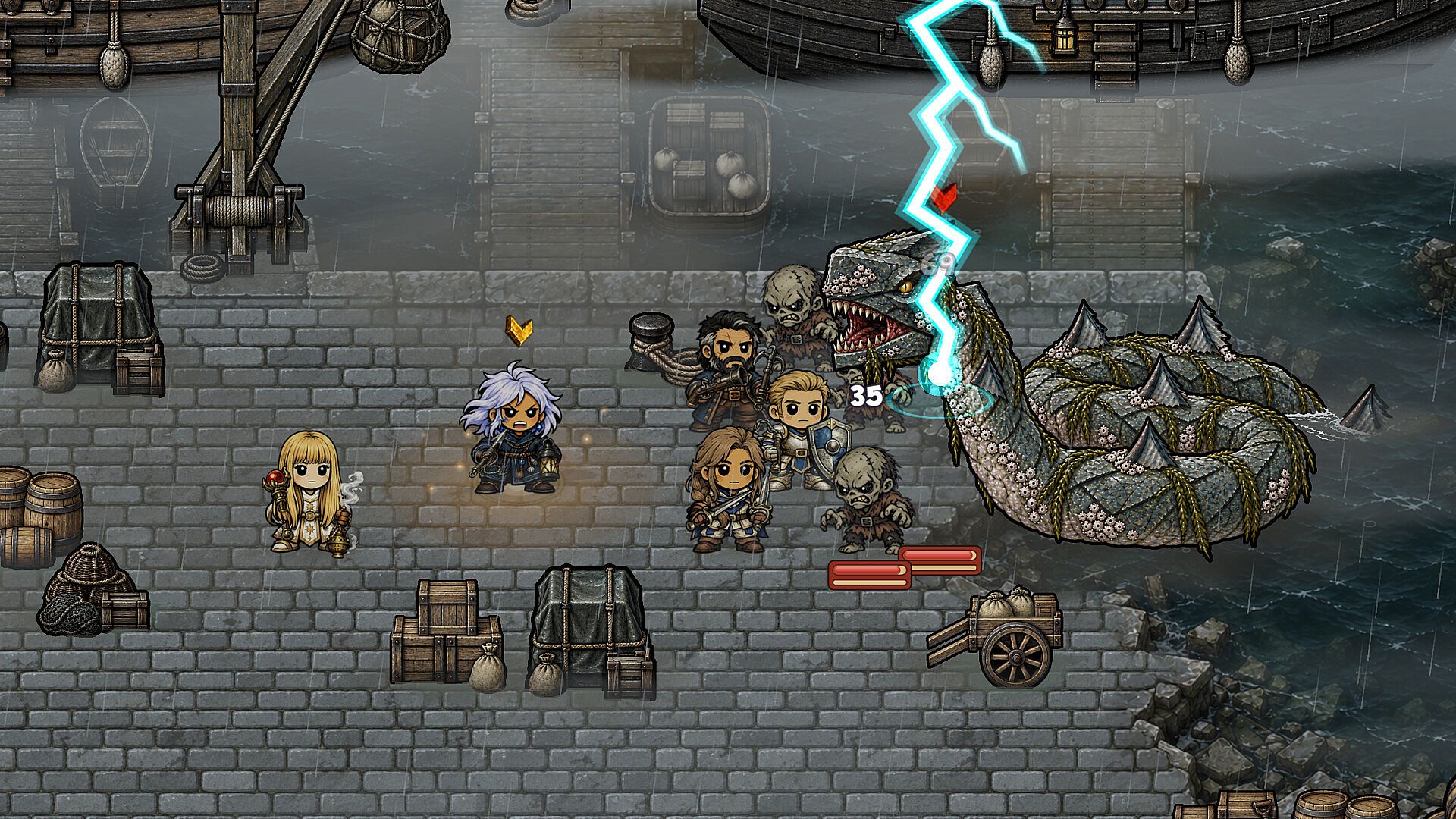
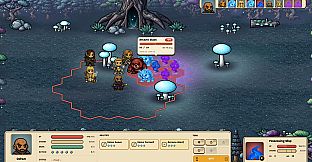
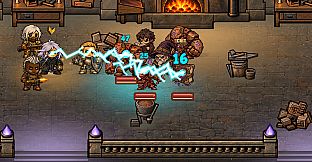
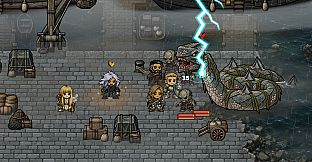
Battles unfold on painted 2.5D hex grids where positioning, line-of-sight, and timing matter. Action pips are spent across more than 100 abilities on a dynamic pace timeline, allowing waits for earlier turns, overextension for big plays, or pushing units into Strain that risks mid-battle Collapse. Readied reactions include directional overwatch zones, blocks, parries, and counters. Terrain, choke points, and elemental fields shape fights through pushes, pulls, combos, and summons.
Attrition defines the campaign. Even successful missions can leave the company cash-strapped or send fighters to the infirmary for weeks. Camp functions as a worker-placement system where gold handles payroll, upgrades, blacksmith fees, and beds, while Scout Points, Research Insight, and Rations require assigning healthy units to buildings. Bench one fighter for intel or training and that slot is unavailable for the next mission.
Game Modes
Crestbound centers on a single-player campaign structure built around repeated weekly contracts and long-term company management. Procedural missions draw from regional factions, threat budgets, objectives, enemy formations, and reinforcement waves across the continent of Zephyros. Five nations provide distinct settings: the bandit-ridden roads of Argent, arcane spires of Erud, rain-swept cliffs of Brine, flowery woods of Fleurent, and copper smog of Corvus.
Alongside the generated contracts sit more than 20 scripted quests and boss encounters. Research spans 10 or more Crest trees with over 500 nodes across categories including Steel, Holy, Duel, Scout, Arcane, Forbidden, Sea, Storm, Tinker, and Alchemy. Each tree unlocks abilities, perks, weapons, and options that shape company identity over time.
Campaign Structure and Progression
Travel across Zephyros unfolds through these regional contracts, with roster changes driven by expiring contracts, salary pressures, and loyalty. Units that cannot be re-signed may leave. Research progress and equipment mastery accumulate across the campaign, while camp assignments trade immediate combat strength for future advantages in scouting, research, or training.
Equipment and Crest choices interact with battlefield experience to create varied unit builds. The strongest squad is not always the most affordable one, forcing trade-offs between promising recruits, aging veterans, and unknown free agents.
Is It Worth Playing?
Crestbound suits players who enjoy managing resources and rosters in a turn-based tactical setting where camp decisions carry as much weight as hex-grid fights. The emphasis on attrition, worker placement between missions, and procedural contracts with scripted elements creates a persistent campaign focused on long-term company survival rather than one-off battles.
Those drawn to detailed mercenary management, hex-based positioning with reactions and strain mechanics, and research trees that alter available options will find the systems align closely with the described loop. Early Access status means the experience continues to evolve, with the provided mechanics already forming a complete weekly decision cycle from scouting through deployment and recovery.












