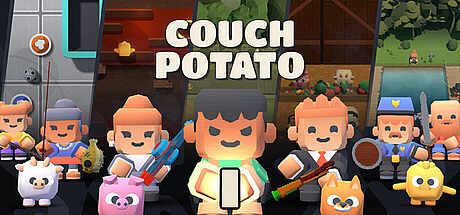



Couch Potato is an indie casual party game in early access on PC that supports local multiplayer sessions for up to sixteen players in one room. It runs on a single computer connected to a television and turns everyday smartphones into controllers through a simple browser connection on the same Wi-Fi network. No downloads or installations are required on the phones, and gamepads or keyboards can join alongside them without any setup conflicts. The focus stays entirely on shared-screen play with no online components.
Gameplay
The core loop centers on quick setup and immediate participation. One player launches the game on the PC, which displays a QR code on screen. Others scan it with their phone browsers to join instantly. Controls feel responsive whether using touch on a phone or a plugged-in gamepad. Everyone sees the same view on the TV, and the system handles mixed input types without issues. Sessions emphasize short rounds that keep the group engaged, with mechanics designed around physical actions like tapping, holding, or timing movements that translate well from phone screens or buttons.
Progression ties directly into repeated play. Matches unlock new options across the available games, expanding choices without altering the fundamental rules. This system encourages groups to return for variety while keeping the emphasis on the same-room experience. The absence of any remote or online matching means the game suits gatherings where participants are physically present and can interact directly.
Game Modes
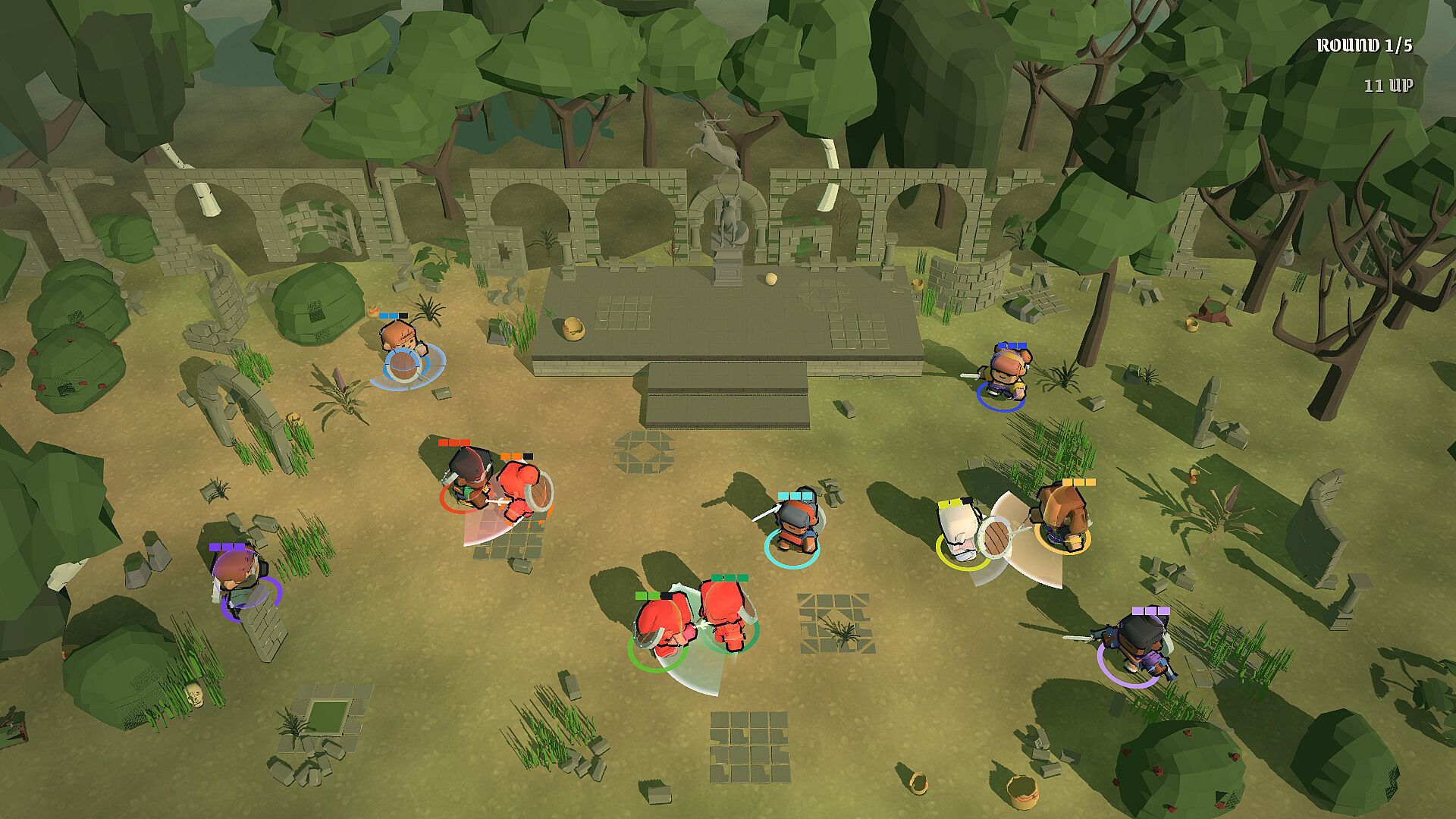
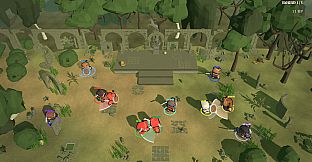
Five distinct party games form the main content, each built for simultaneous play by multiple people. Sword and Board places everyone inside a crumbling ruin where players attack with a sword, hold to block, or hop to dodge. The key constraint prevents swinging and guarding at the same time, and successful blocks push the defender backward, sometimes toward hazards like falling floors. Last player standing wins the round.
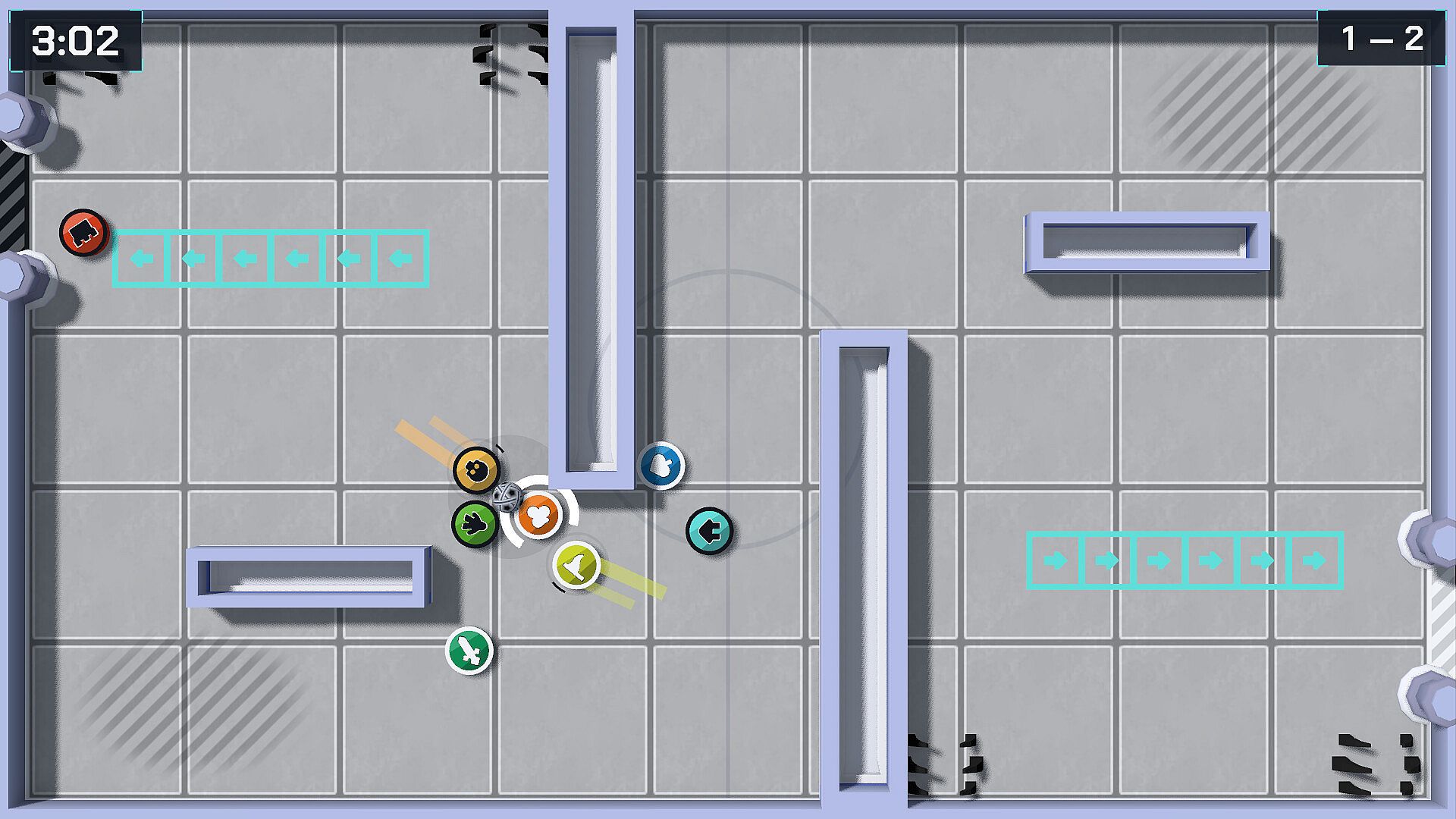
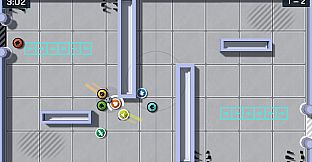
Scrumble divides participants into two teams competing for a single ball. Touching it makes the ball stick, allowing the carrier to move toward the opposing goal for a score. Carriers move slowly, so opponents can dash or slide-tackle to dislodge it. Kicking sends the ball ahead faster than any runner. Bots fill in for uneven team sizes to maintain balance.
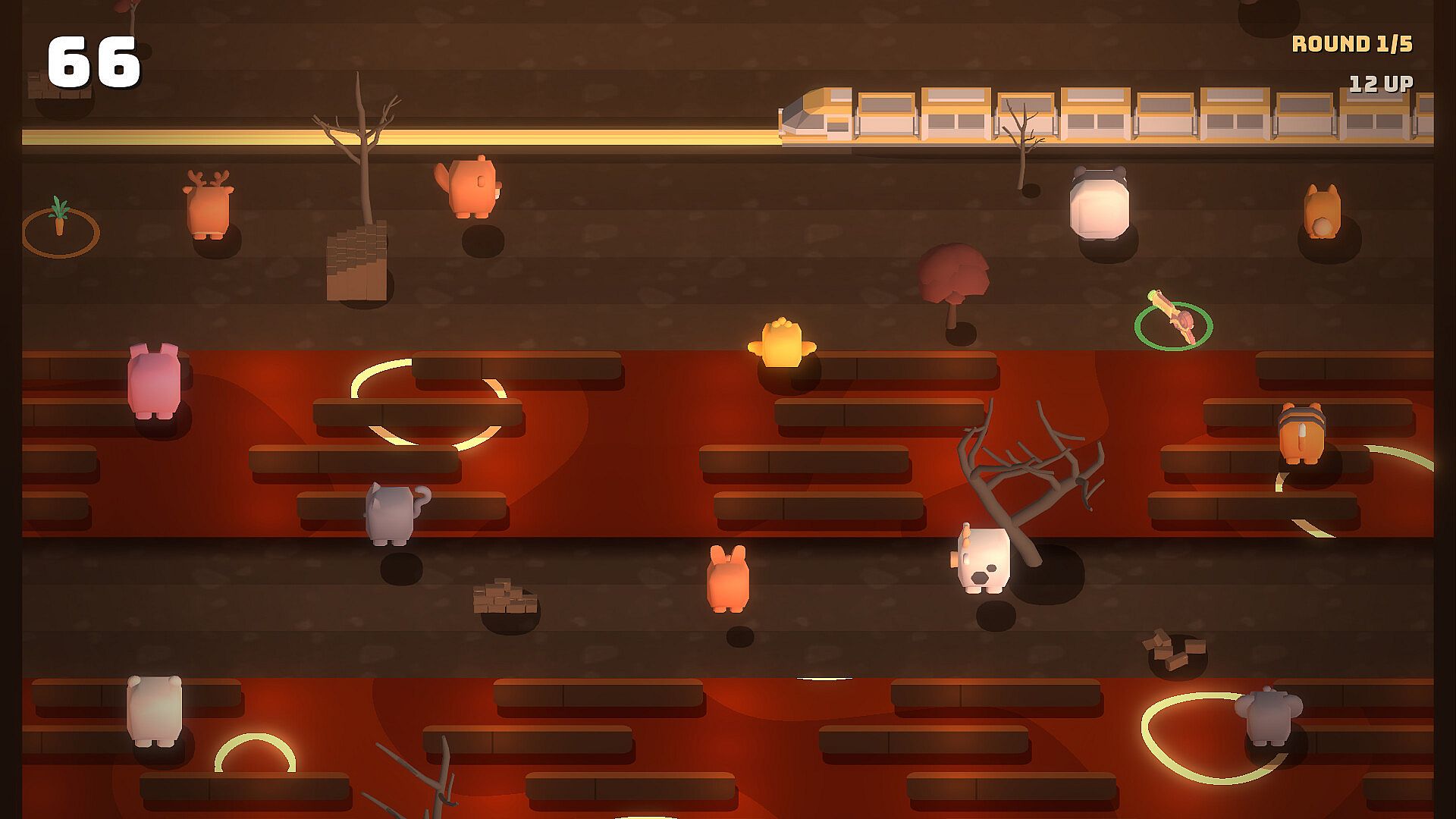
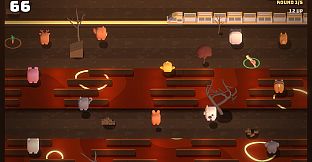
Jaywalk features a herd of animals advancing along an endless road filled with traffic, rivers, trains, and lava. The camera tracks the leader, forcing everyone else to keep pace or risk elimination. The player in front effectively sets the speed for the entire group, creating tension around whether to push forward or hold back.
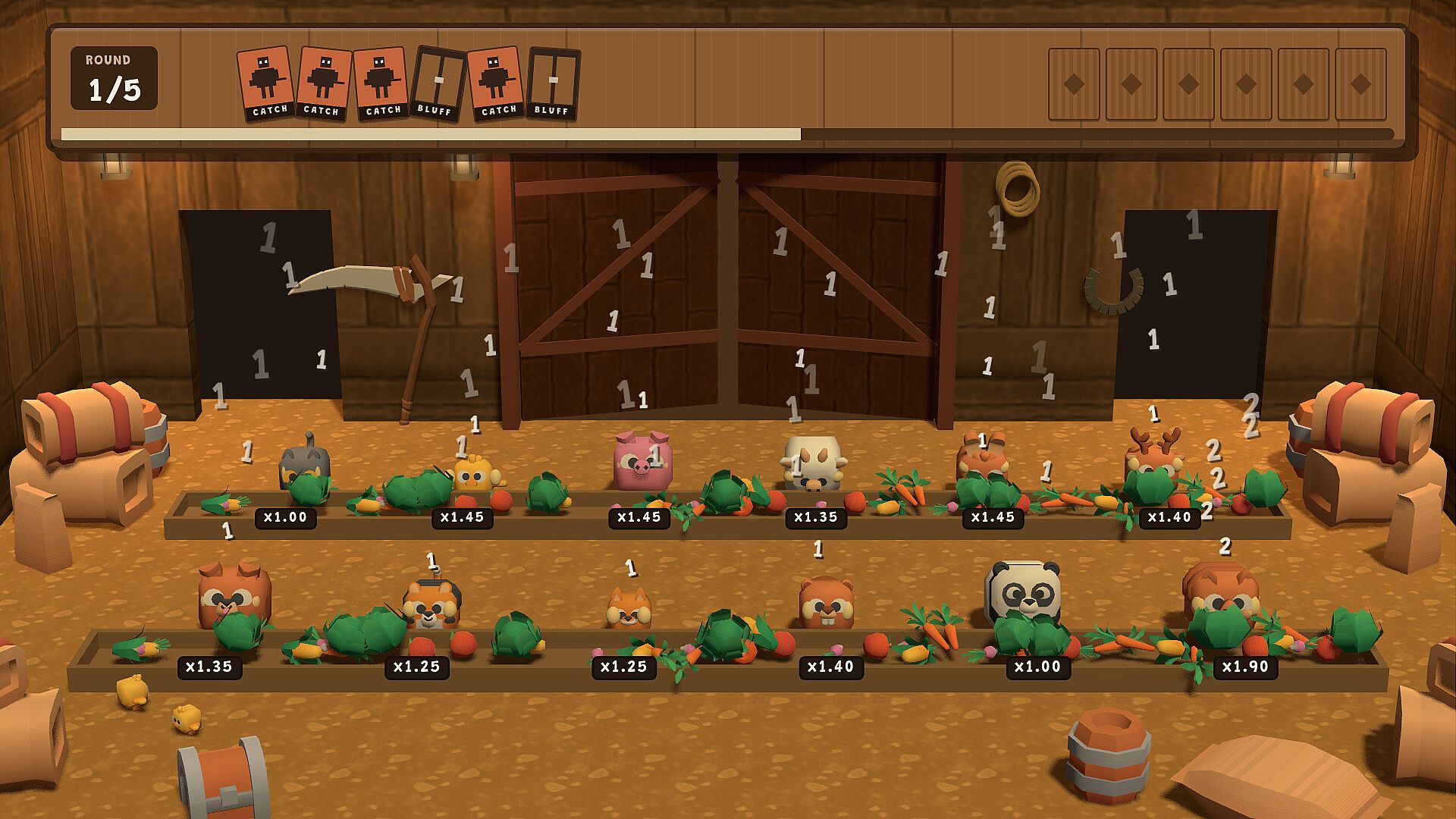
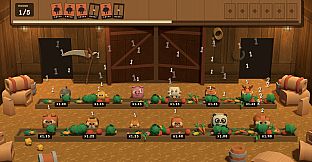
Peckish locks players inside a barn with scattered food. Tapping eats portions that add to individual scores, but doors creak open at intervals and require complete stillness. Some creaks are false alarms from wind, while others signal real danger that resets progress if anyone is caught moving. The player with the most food secured at the end wins.
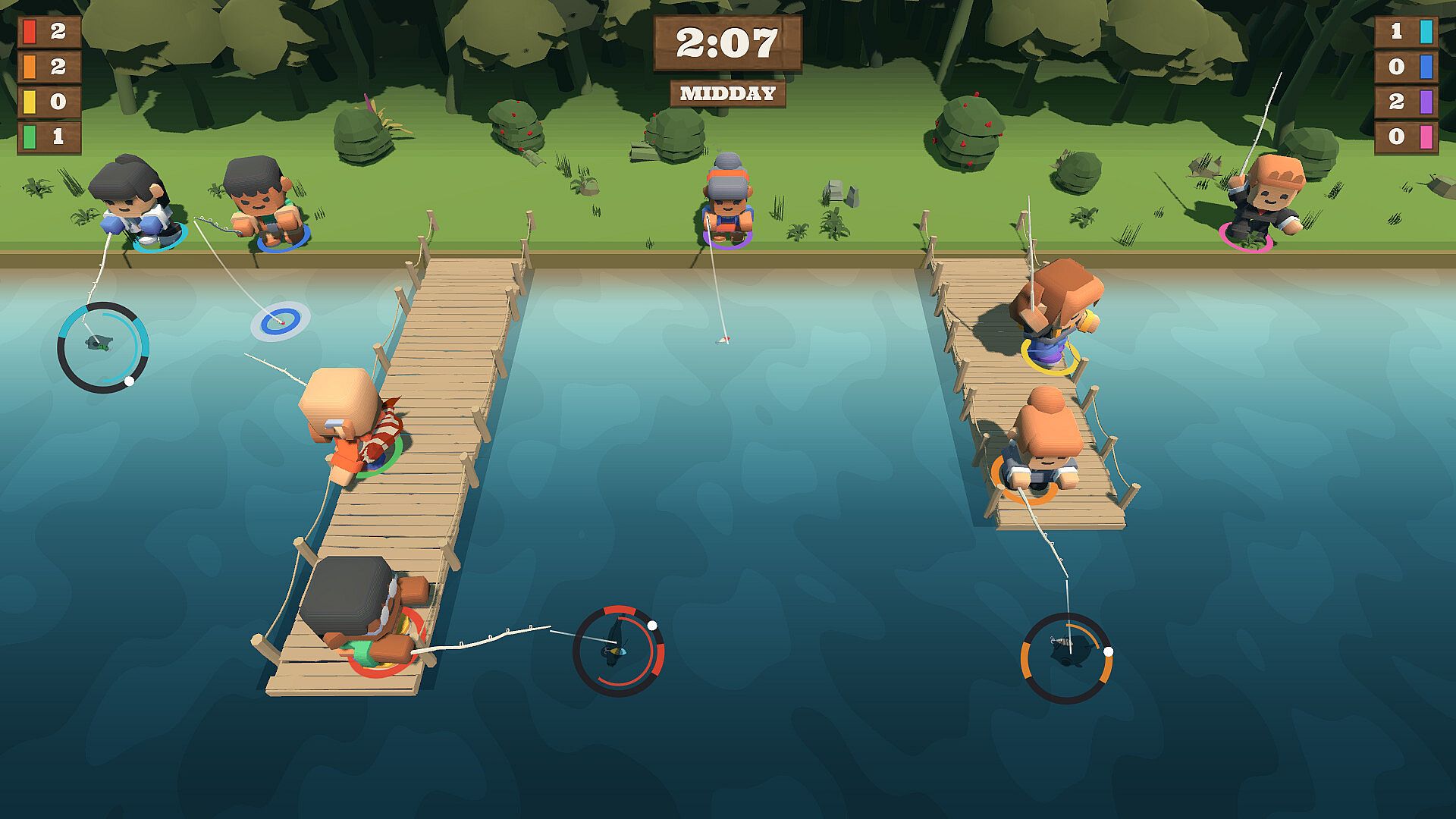
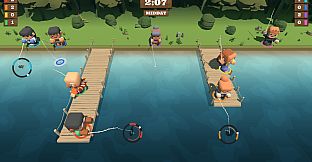
Chums takes place on a lake with piers where better catches lie farther out. Casting a line, waiting for the bobber to dip, and hooking at the right moment leads to reeling in fish that flop on the deck until banked. Nearby players can steal an unbanked catch, and crossing lines causes both to lose their fish. The player with the highest total banked when the horn sounds claims victory.
Progression and Variety
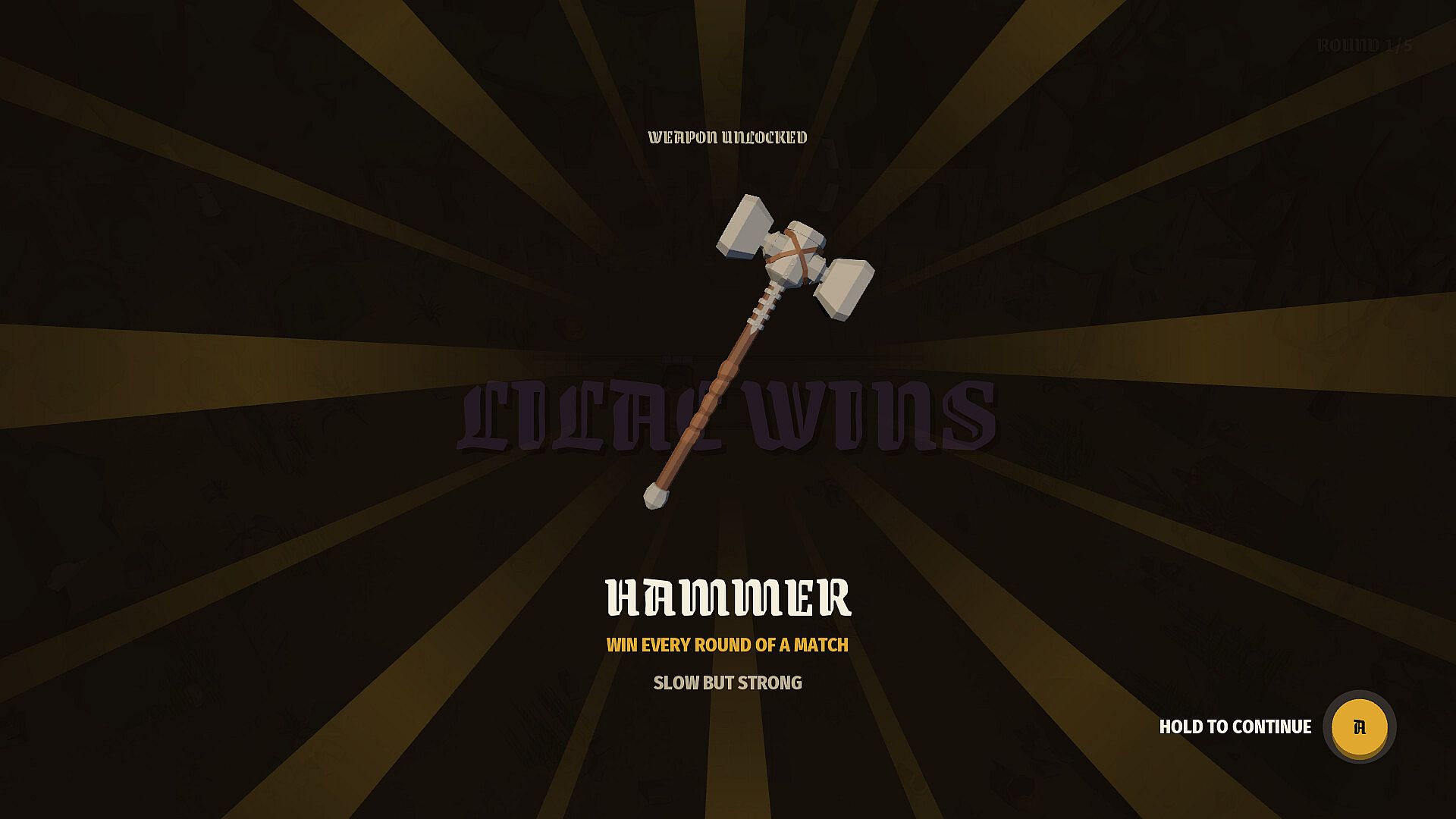
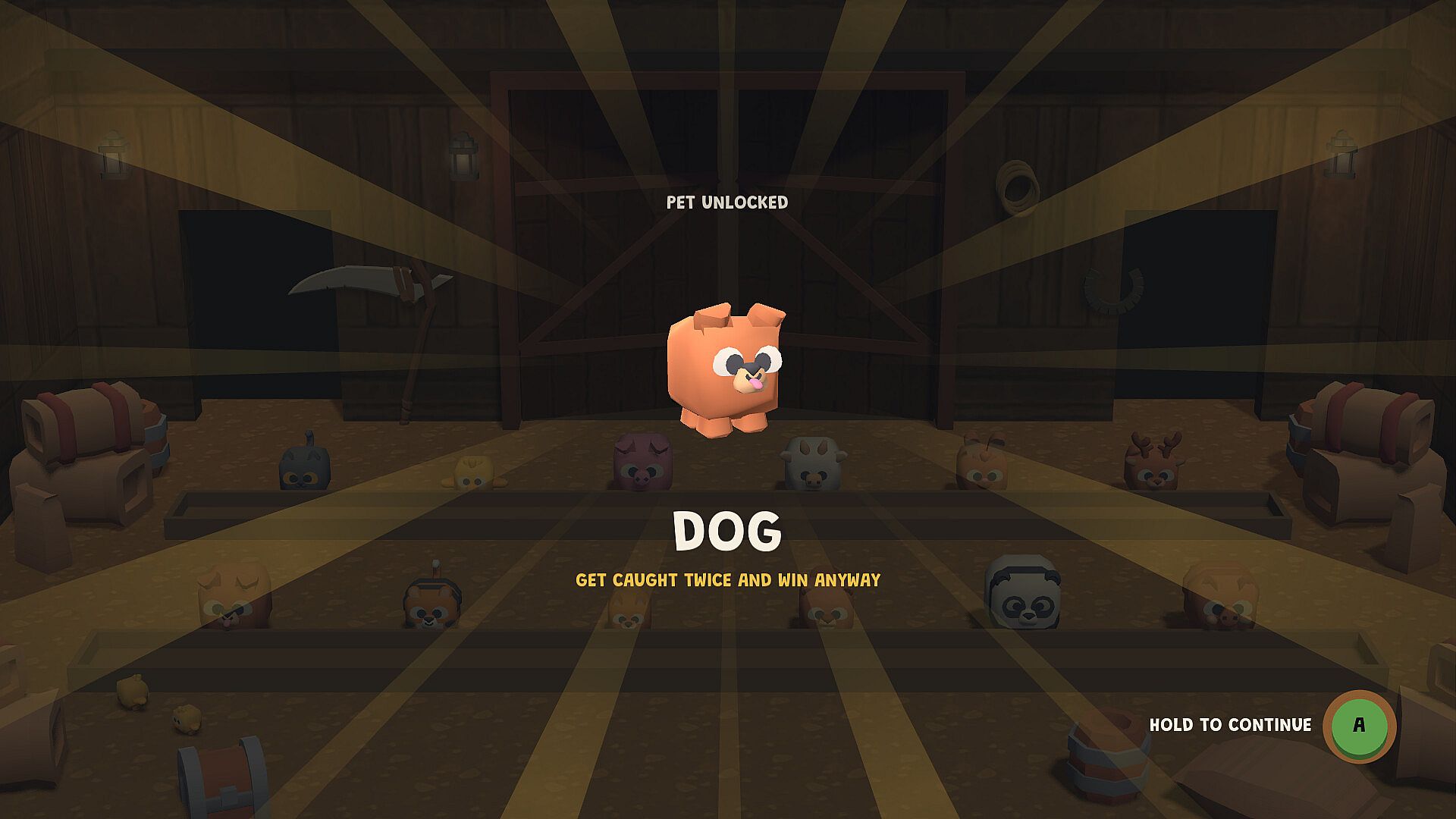
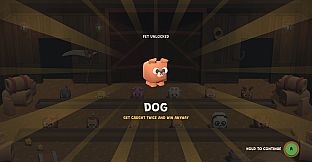
Repeated sessions gradually open more than thirty unlockable items. These include new weapons, arenas, balls, rods, and alternative play styles within the existing games, plus a collection of Cube Pets. The unlocks add replay value without requiring separate modes or complex menus. Groups can experiment with fresh combinations during the same evening, keeping rounds feeling fresh over multiple plays.
Is It Worth Playing?
Couch Potato suits groups that enjoy local party games and want minimal barriers to entry. The phone-based joining process removes the need for extra hardware purchases, while support for gamepads allows flexibility for those who already own them. All five games reward quick thinking and physical timing over precise aiming or long-term strategy, making them accessible for mixed skill levels in the same room. Early access status means the core experience is available now, with ongoing additions to the unlock pool providing continued reasons to gather. Players seeking straightforward, hardware-light multiplayer for gatherings will find the setup reliable and the rounds engaging for repeated play. Those preferring online matchmaking or single-player campaigns should look elsewhere, as the design stays firmly rooted in shared physical space.