







Cosmo in Tarot: Tarot Study Simulator is an indie casual simulation game for PC that centers on personal tarot exploration and self-reflection through structured divination tools. Players engage with the Waite Tarot system in a calm digital environment designed for repeated practice rather than competitive play or narrative progression.
Gameplay
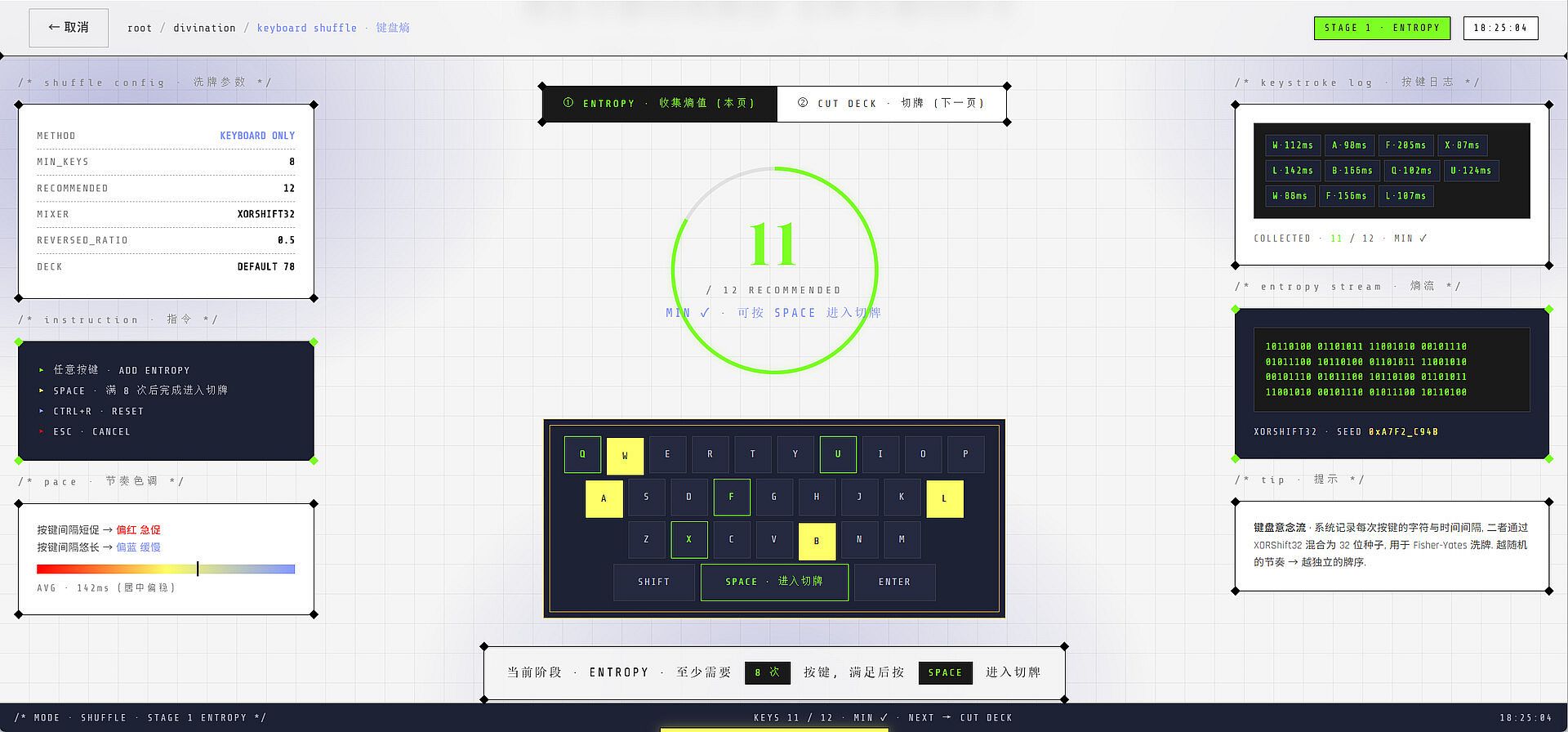
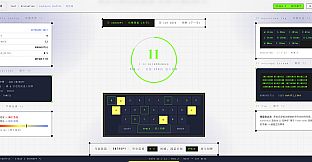
The core loop revolves around drawing cards, interpreting results, and preserving those moments in a personal notebook. Each session begins with a free divination that draws from a physical entropy source based on keyboard timing and character permutations to shape the shuffle and elemental balance. This method avoids any AI-driven meaning generation, keeping outcomes tied to the input process itself.
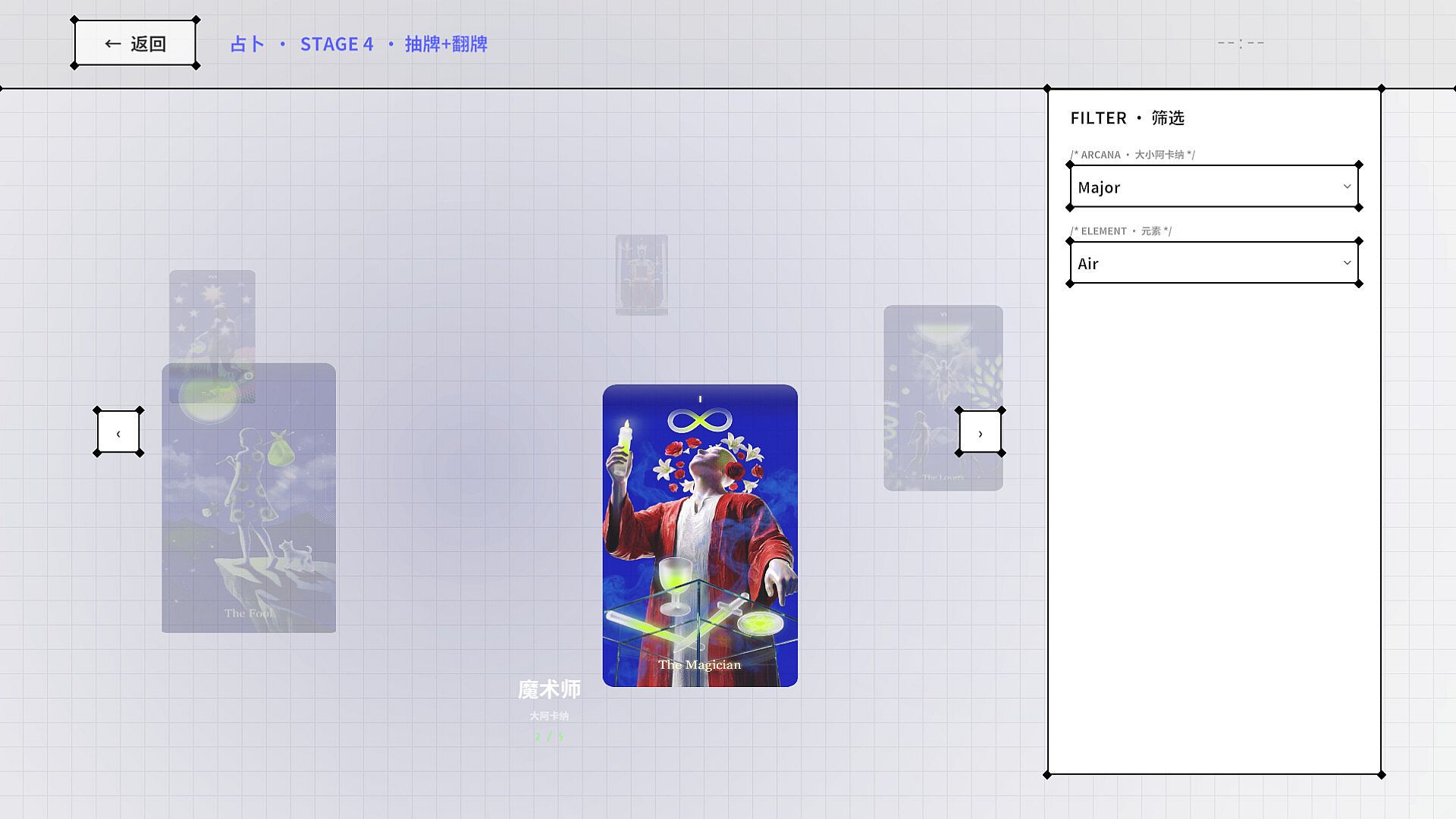
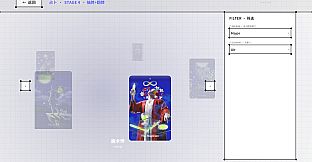
After a draw, the notebook records the full spread along with any notes or marks added at the time. Later sessions allow revisiting those entries to follow chains of thought through associative links. A separate retrieval tool lets players look up meanings for all 78 cards by keyword, suit, or element, with progress in the illustrated guide saved automatically.
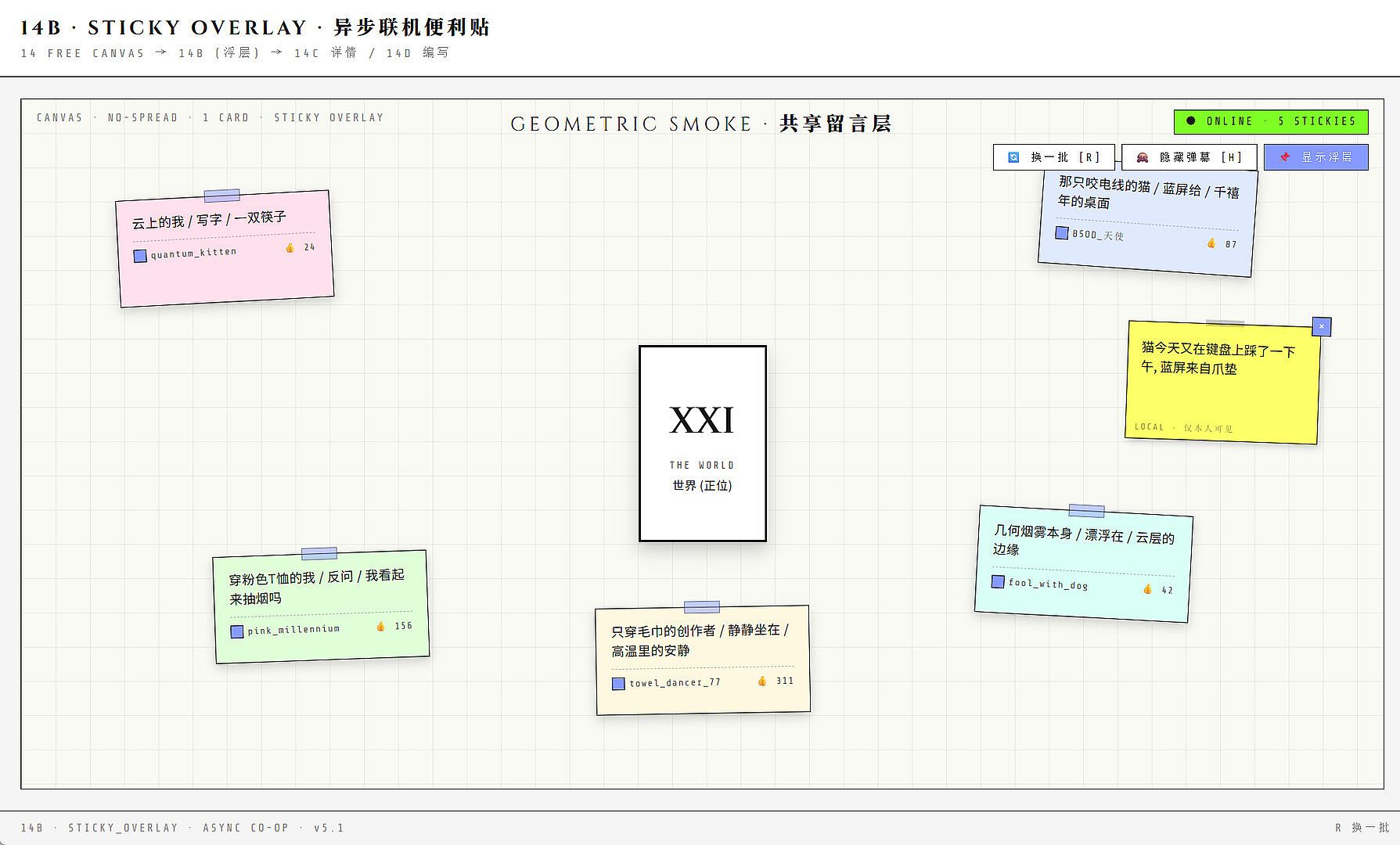
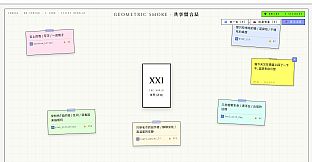
Annotations appear as sticky notes that players can place freely on the canvas. These notes function as personal reminders or creative additions, turning each reading into a growing archive that can be browsed by date or theme.
Game Modes
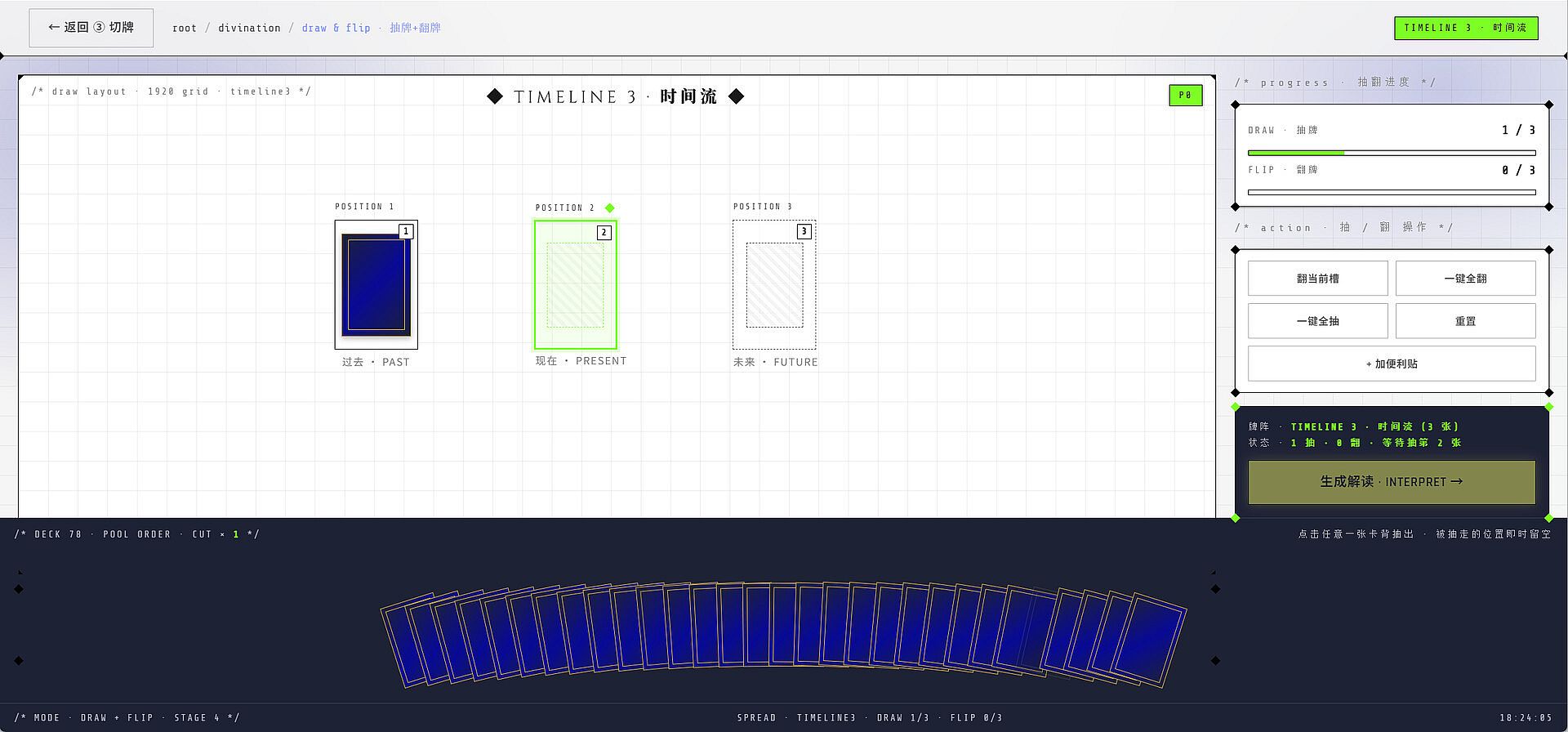
Divination sessions support fifteen classic spreads. The simplest option is a single-card draw for quick focus. More complex layouts include the Celtic Cross, which examines multiple aspects of a situation across ten positions. Every spread type stores its complete history, including the exact cards, player reflections, and any sticky-note additions for later review.
Free-form canvas work lets players arrange cards and notes without following a preset layout. This mode emphasizes open-ended exploration and personal archiving rather than guided outcomes. All activity remains single-player at its base, with the asynchronous element layered on top for those who own the game legitimately.
The Asynchronous Online System
A distinctive feature connects players through short narrative fragments that appear randomly on the single-card canvas. These fragments combine elements from subject-verb-object collections contributed by other users, creating brief surreal statements without requiring real-time chat or direct interaction. The system activates only for verified owners and pulls from DLC deck content when available.
Fragments serve as ambient reminders of a shared space rather than structured multiplayer. They appear alongside personal readings and can be ignored or noted without affecting the divination results themselves.
Story and Atmosphere
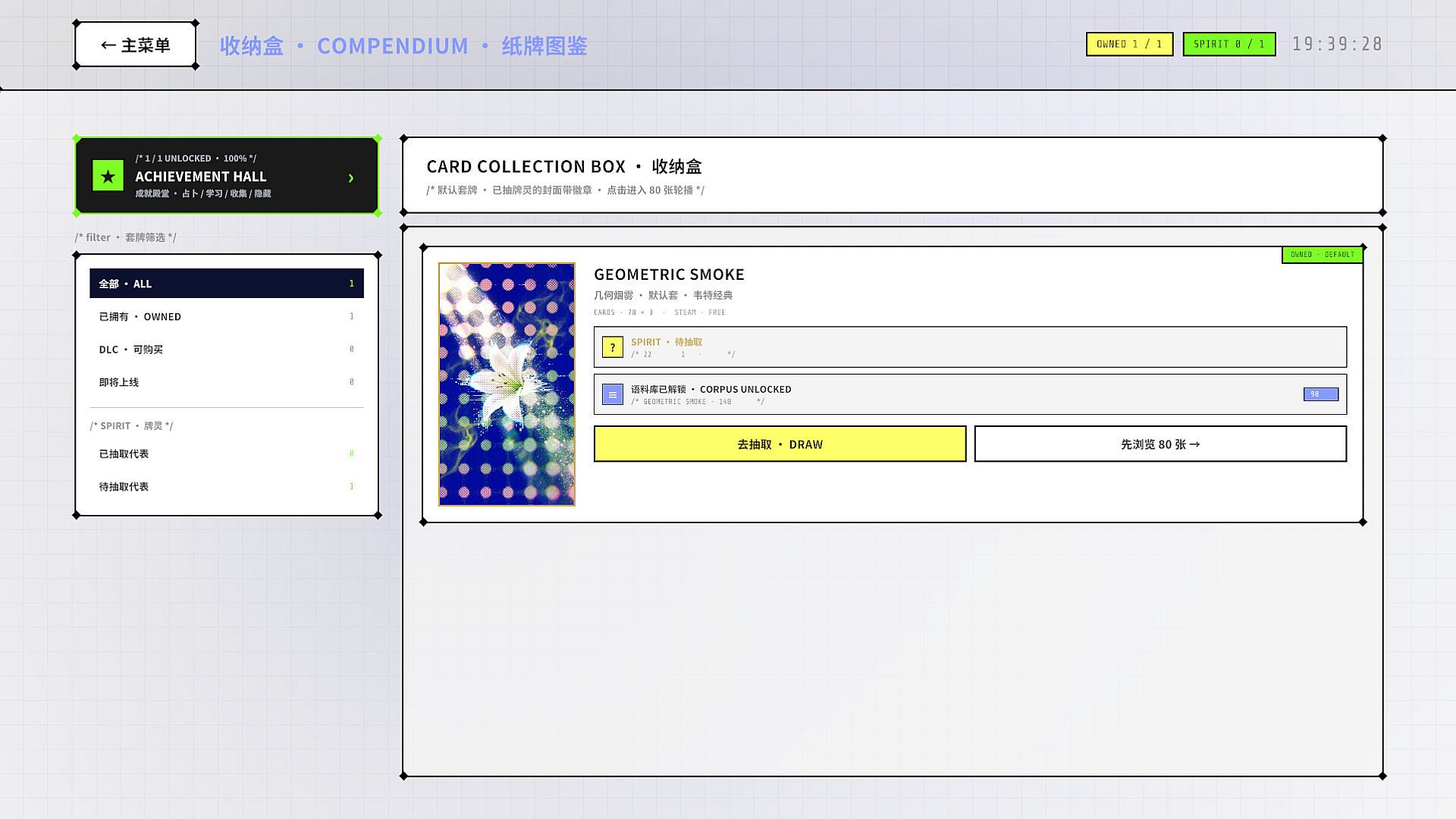
Narrative elements stay fragmented and non-linear. The default deck centers on the World card as a central figure who lives among clouds and works with minimal possessions. Visuals draw from pink Y2K glitch aesthetics mixed with everyday domestic details rendered in a serene style. Updates introduce additional decks that expand the pool of fragments without altering the core divination mechanics.
The overall tone encourages quiet repetition and personal archiving over dramatic events or character development. Players build their own record of readings and reflections rather than following a scripted plot.
Is It Worth Playing?
The game suits individuals seeking a focused digital tool for learning tarot meanings and tracking personal readings over time. Its strength lies in the combination of accurate card retrieval, persistent notebook features, and the entropy-based shuffle that keeps each draw distinct. Those who value structured self-study in a calm setting will find the fifteen spreads and annotation tools directly useful.
Players uninterested in tarot systems or personal journaling may find the experience limited, as there are no action elements, competitive modes, or expansive storylines. The asynchronous fragments add a subtle communal layer without demanding social engagement. Because the title emphasizes reference and reflection rather than entertainment spectacle, it appeals most to users already drawn to tarot practice or similar contemplative simulations.













