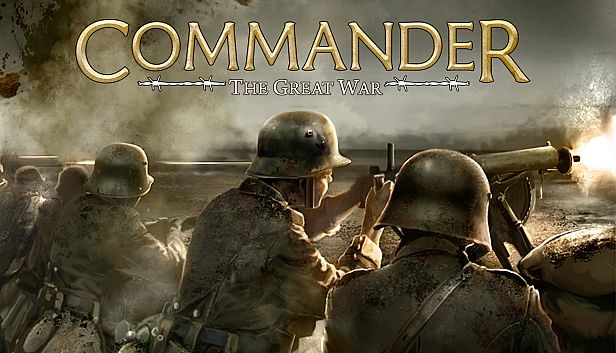













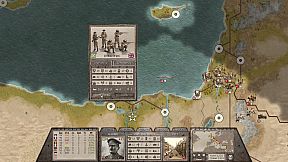

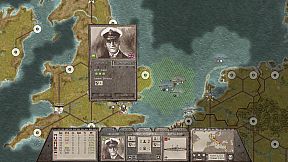
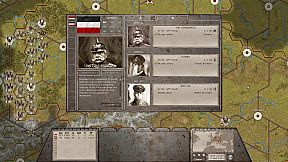
Commander: The Great War is a turn-based strategy game set during World War I. Players take on the role of a commander overseeing operations across a vast theater that spans from the United States westward to the Urals eastward, and from Scandinavia in the north to Africa and Arabia in the south. The game emphasizes historical accuracy in its depiction of unit capabilities, supply lines, and the challenges of leadership during the conflict from 1914 to 1918.
Gameplay
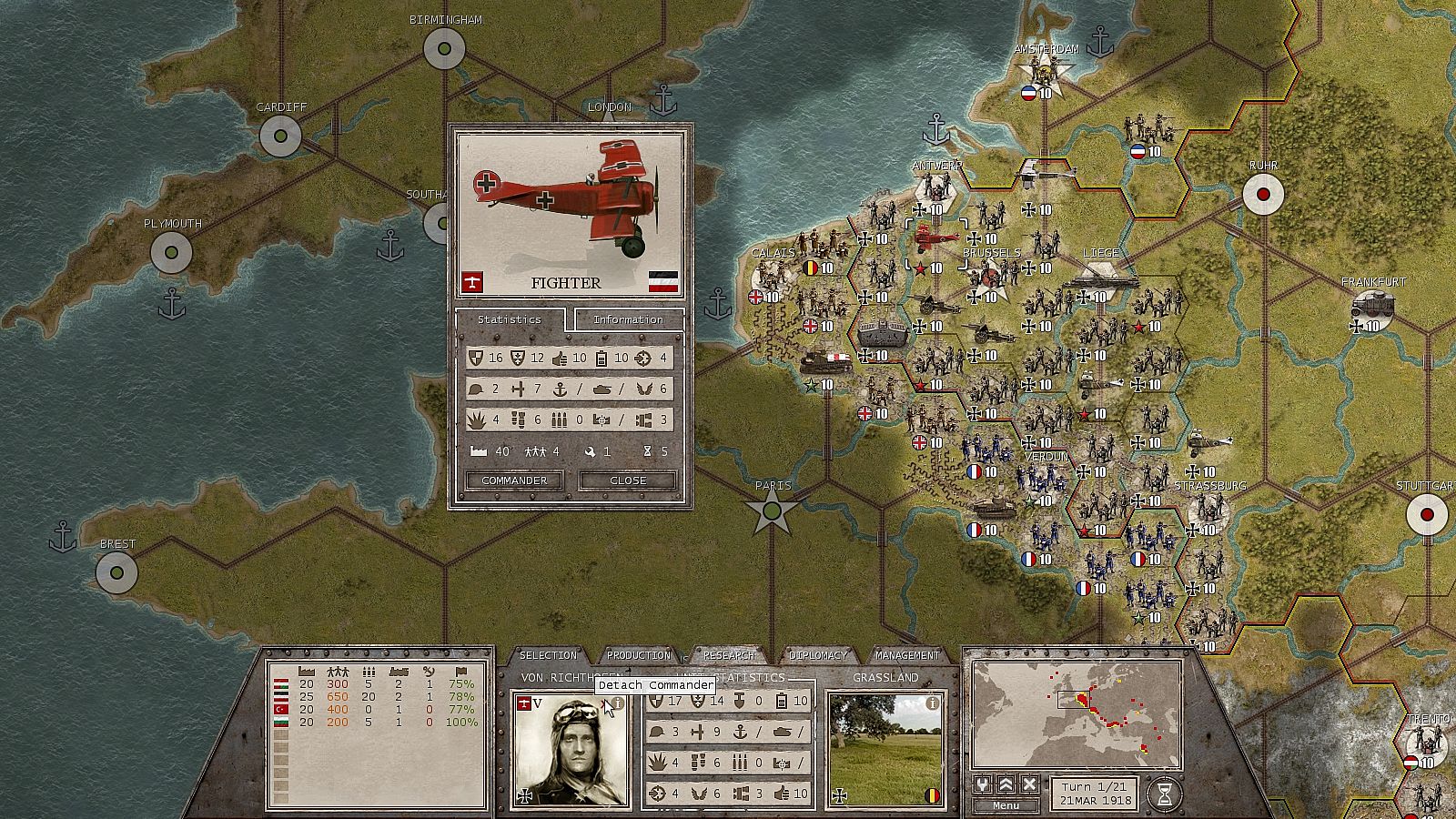
The core loop revolves around managing forces on a large hex-based map. Each turn involves positioning units, allocating resources, and responding to events that reflect real historical developments or plausible alternatives. Combat resolution accounts for factors such as terrain, morale, supply status, leadership, and equipment quality, creating outcomes that reward careful planning over raw numbers.
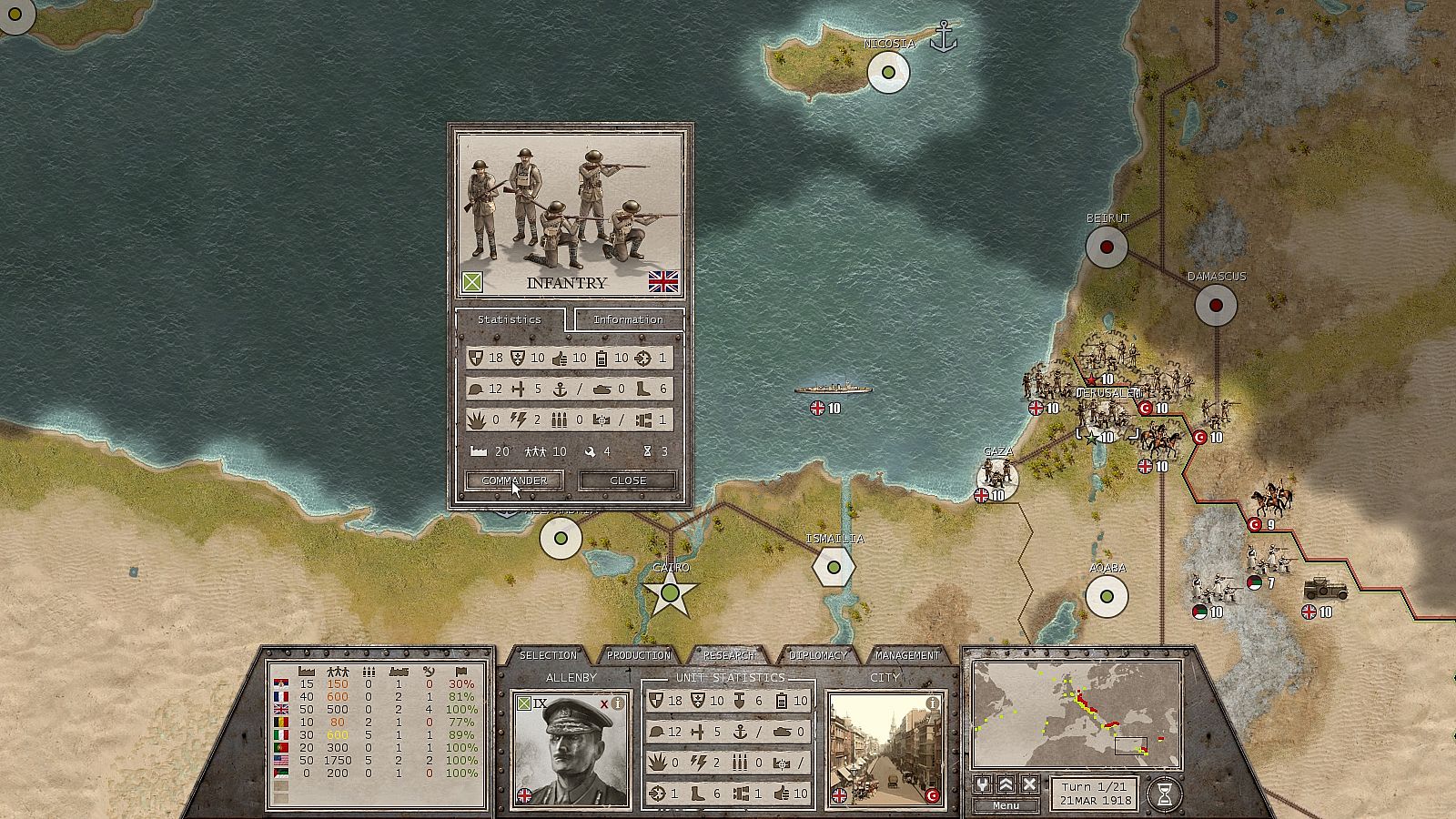
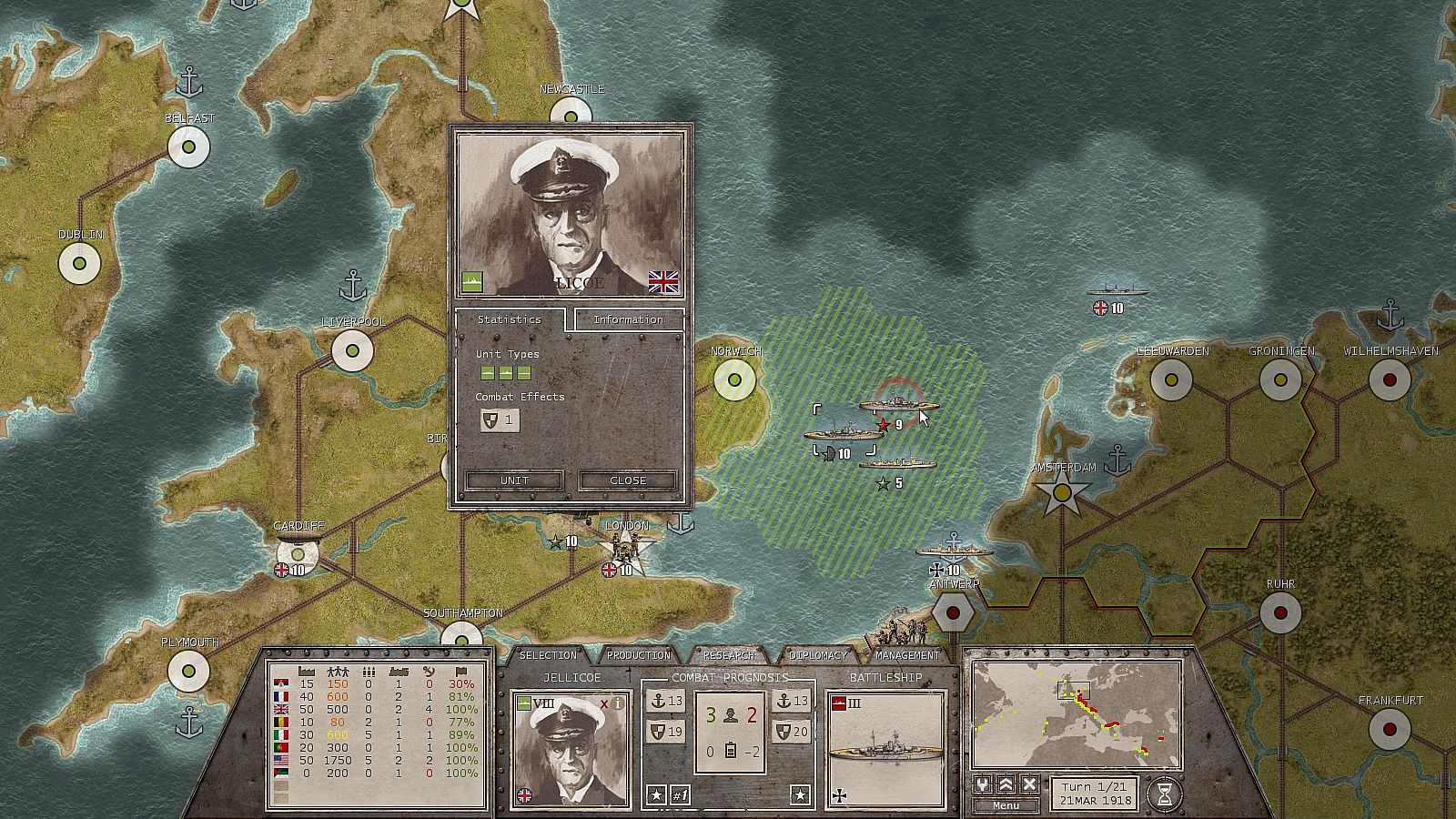
Units number eighteen distinct types, each with strengths and weaknesses drawn from their performance in different fronts. Ground forces include infantry, cavalry, armored cars, tanks, artillery, railroad guns, and armored trains. Naval options cover cruisers, submarines, and battleships, while air units progress from observation planes to fighters, bombers, and airships. Research allows incremental improvements, such as better accuracy for artillery or the introduction of tanks as a decisive weapon.
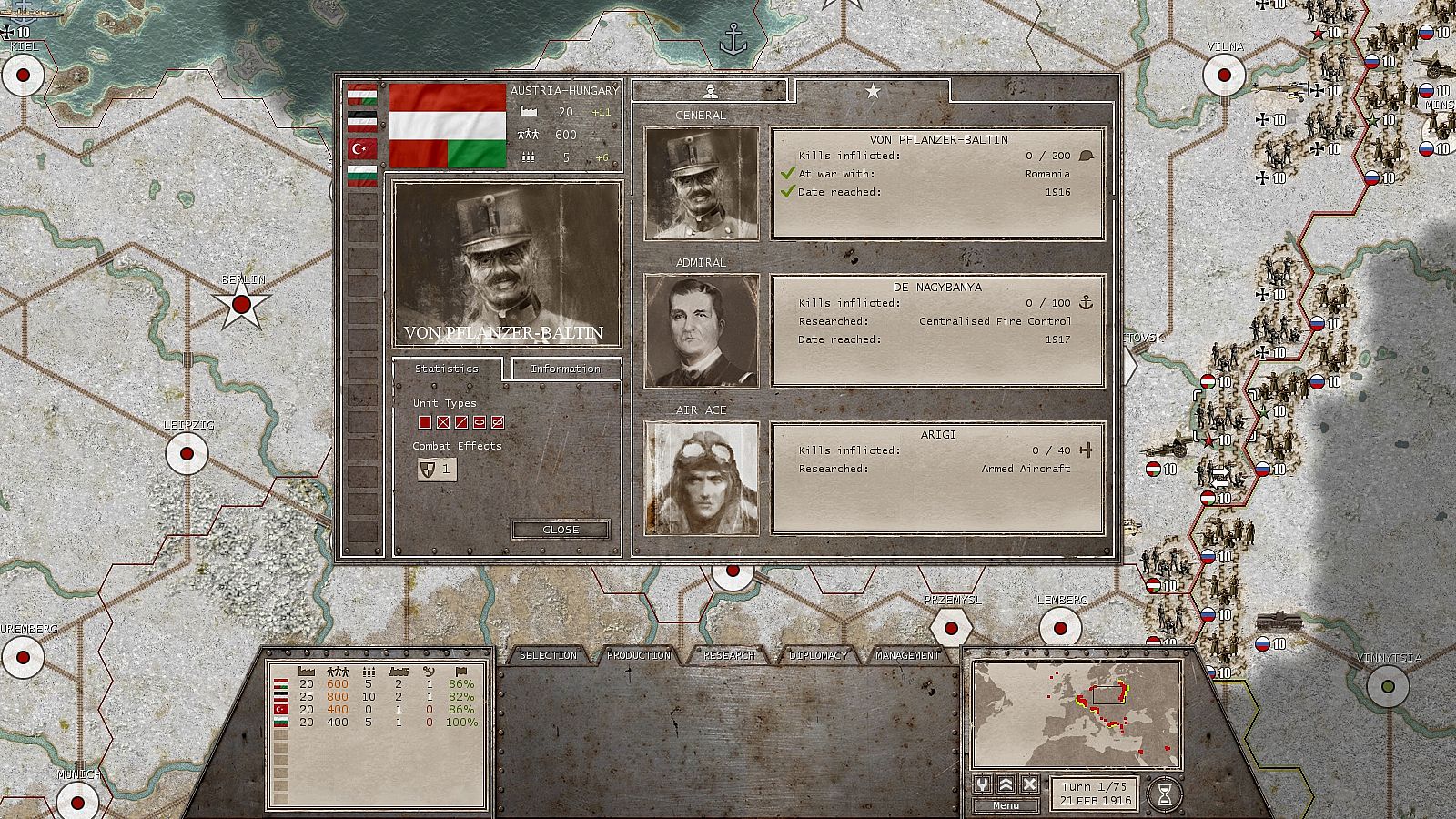
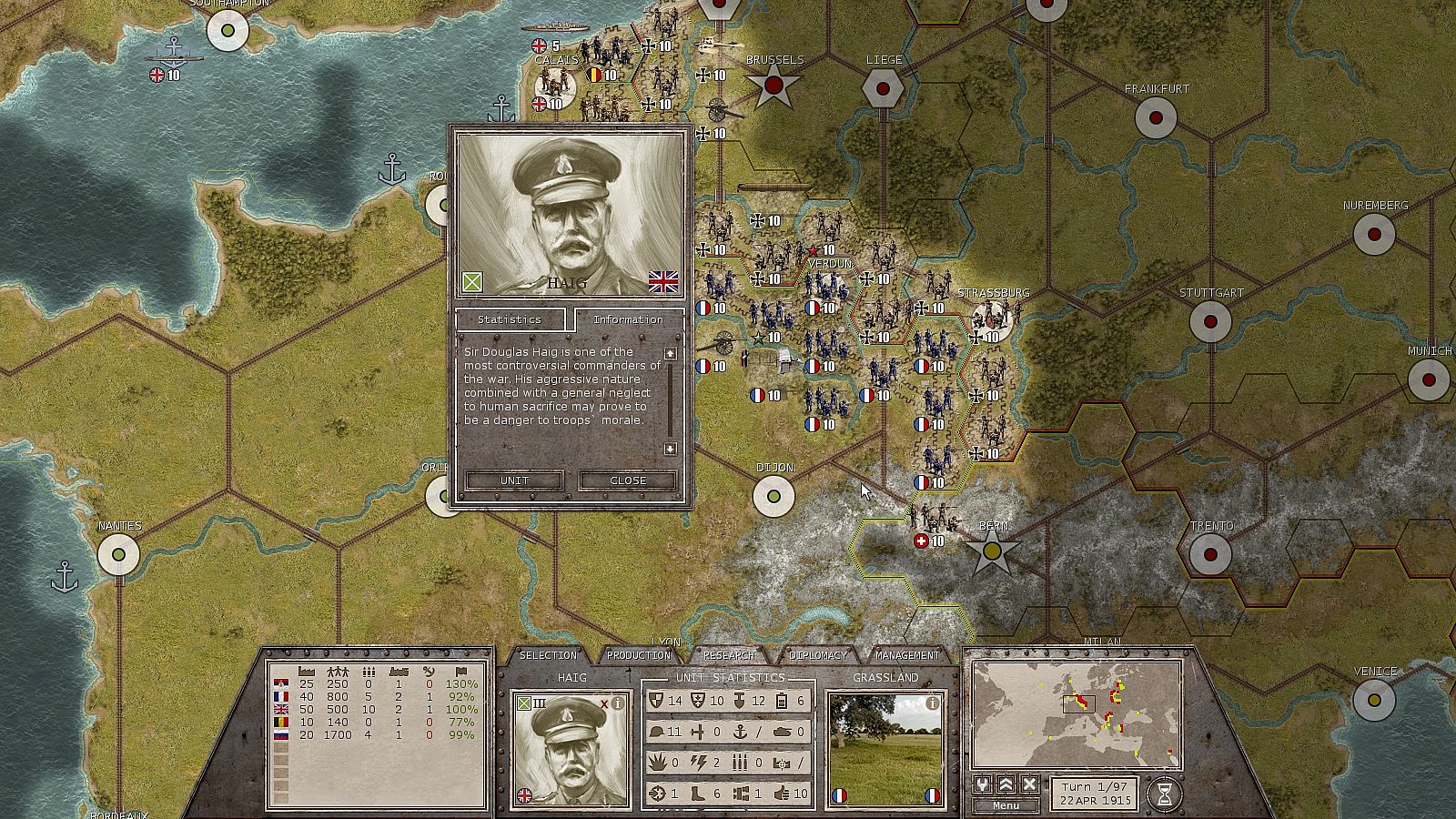
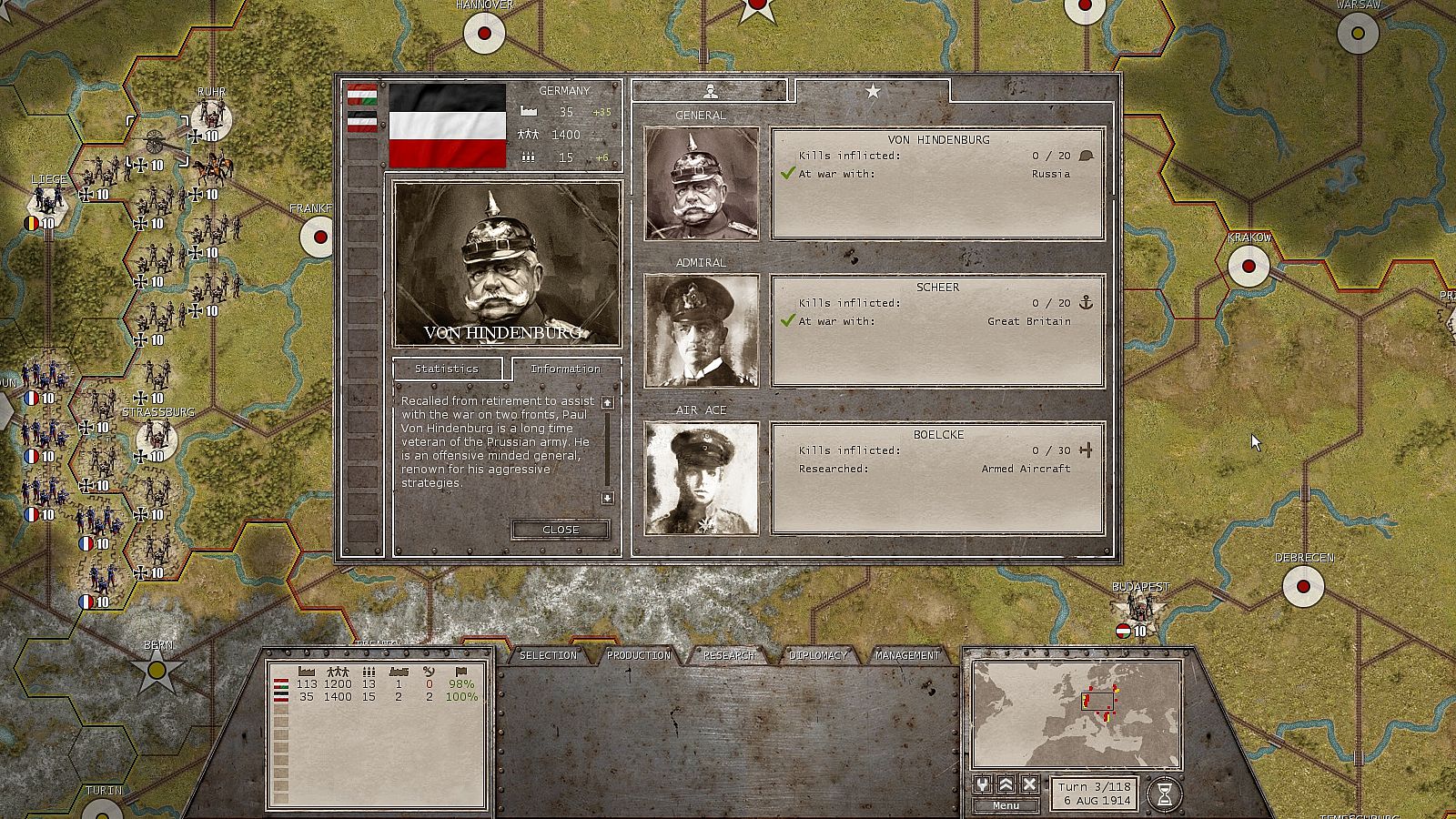
Commanders can be attached to units for specialized bonuses. Generals enhance ground operations, admirals support naval actions, and flying aces improve air units. These attachments require strategic decisions about where each leader will have the greatest impact. Over forty events trigger based on map conditions, adding variety to campaigns through historical triggers or alternate outcomes.
Game Modes
Five grand campaigns form the main single-player experience. Each begins at a different point in the war and aligns with a major historical offensive: 1914 The Great War, 1915 Ypres Artois, 1916 The Battle of Verdun, 1917 The Nivelle Offensive, and 1918 The Kaiserschlacht. A full grand campaign covers the entire period from the invasion of Belgium in August 1914 through the armistice in November 1918.
Multiplayer occurs through a play-by-email system that supports asynchronous matches between players. This format enables extended campaigns without requiring simultaneous online presence, while preserving the same rules and map scale used in single-player modes. The system contributes to high replayability through different starting conditions and opponent strategies.
Mechanics and Systems
Technology investment drives unit evolution across the war years. Early aircraft serve mainly for reconnaissance before advancing to ground-attack and air-to-air roles. Armor research unlocks tanks that can alter battlefield dynamics. Supply and fog of war mechanics force commanders to maintain lines of communication and account for incomplete intelligence about enemy positions.
The engine supports widescreen resolutions and a wide range of display settings. Modding through Lua scripting permits changes to combat formulas, unit statistics, terrain effects, and research trees, extending the game's lifespan for those who wish to customize rules or add content.
Is It Worth Playing?
The game receives mostly positive feedback from players who appreciate its depth in modeling World War I command decisions and its straightforward yet challenging interface. It suits enthusiasts of hex-based wargames who value historical detail and long-term campaign management over fast-paced action.
Official support ended after a 2015 patch, so players may encounter occasional glitches on modern systems. Availability remains through digital storefronts for those seeking a classic turn-based experience focused on the Western Front and global theaters of the Great War. Those drawn to detailed unit progression, event-driven campaigns, and asynchronous multiplayer will find the mechanics rewarding, while newcomers to the genre may need time to adjust to the pace and information management required.