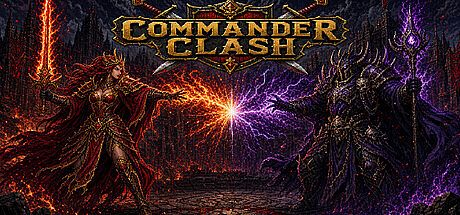



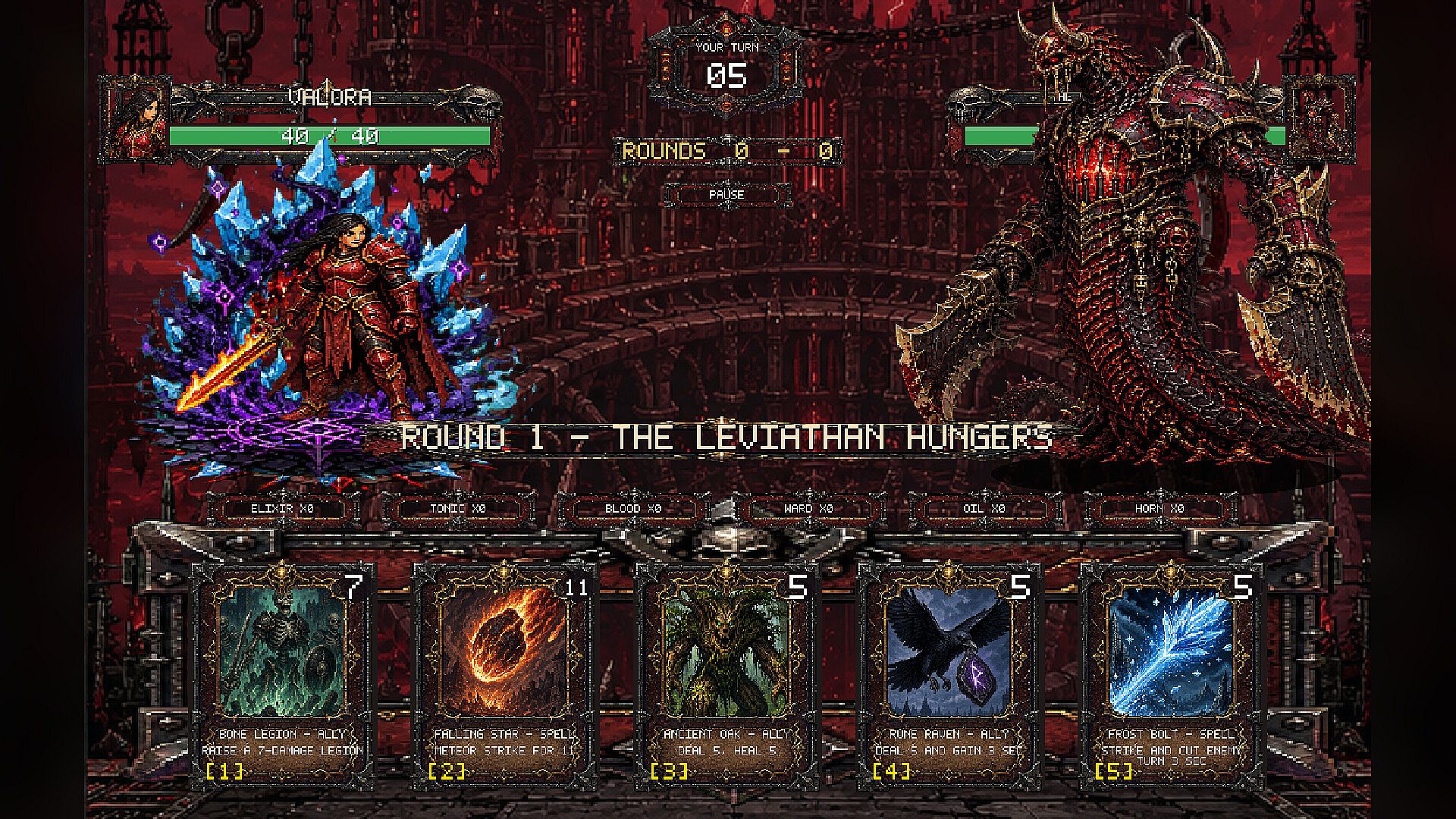
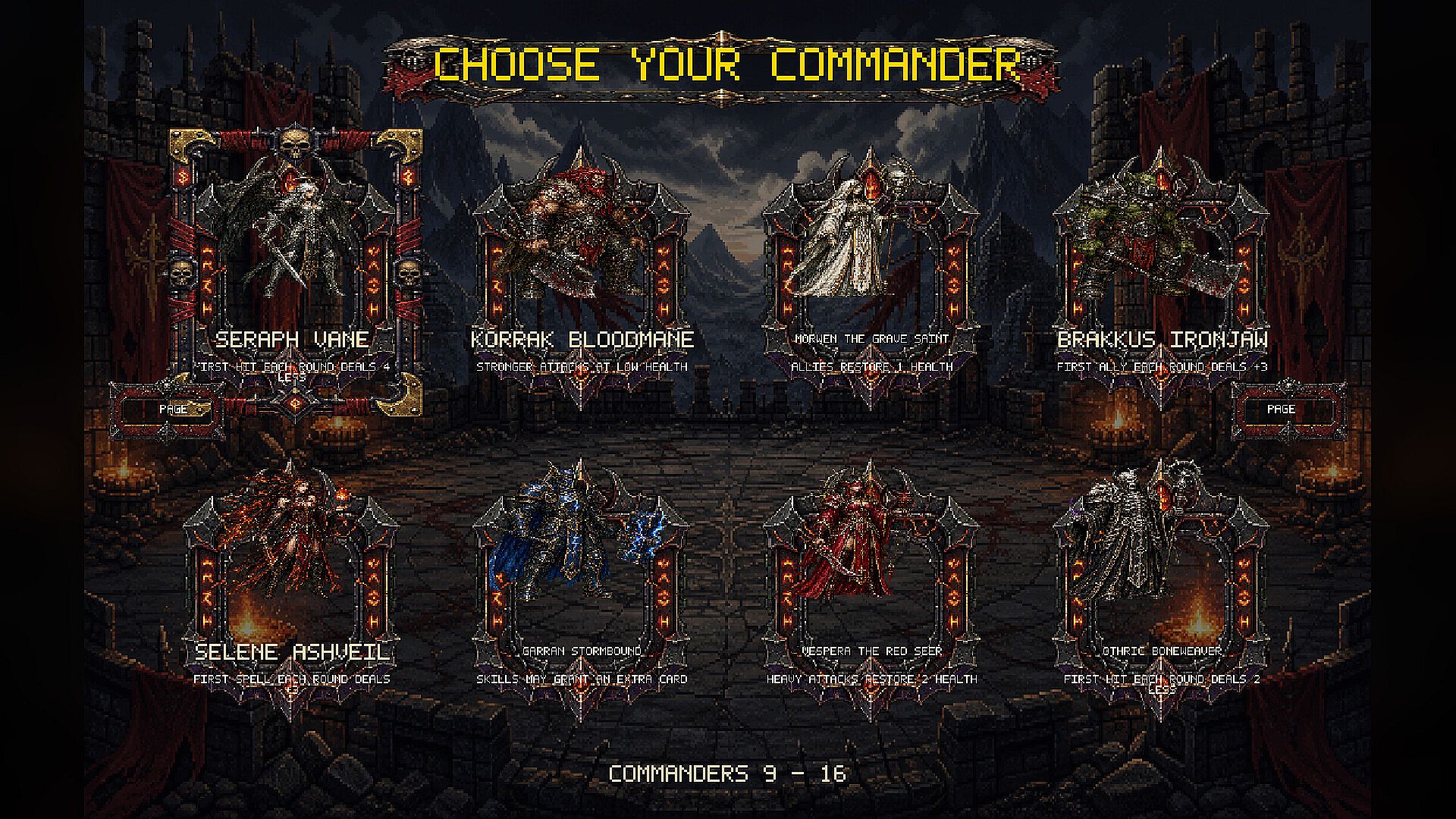
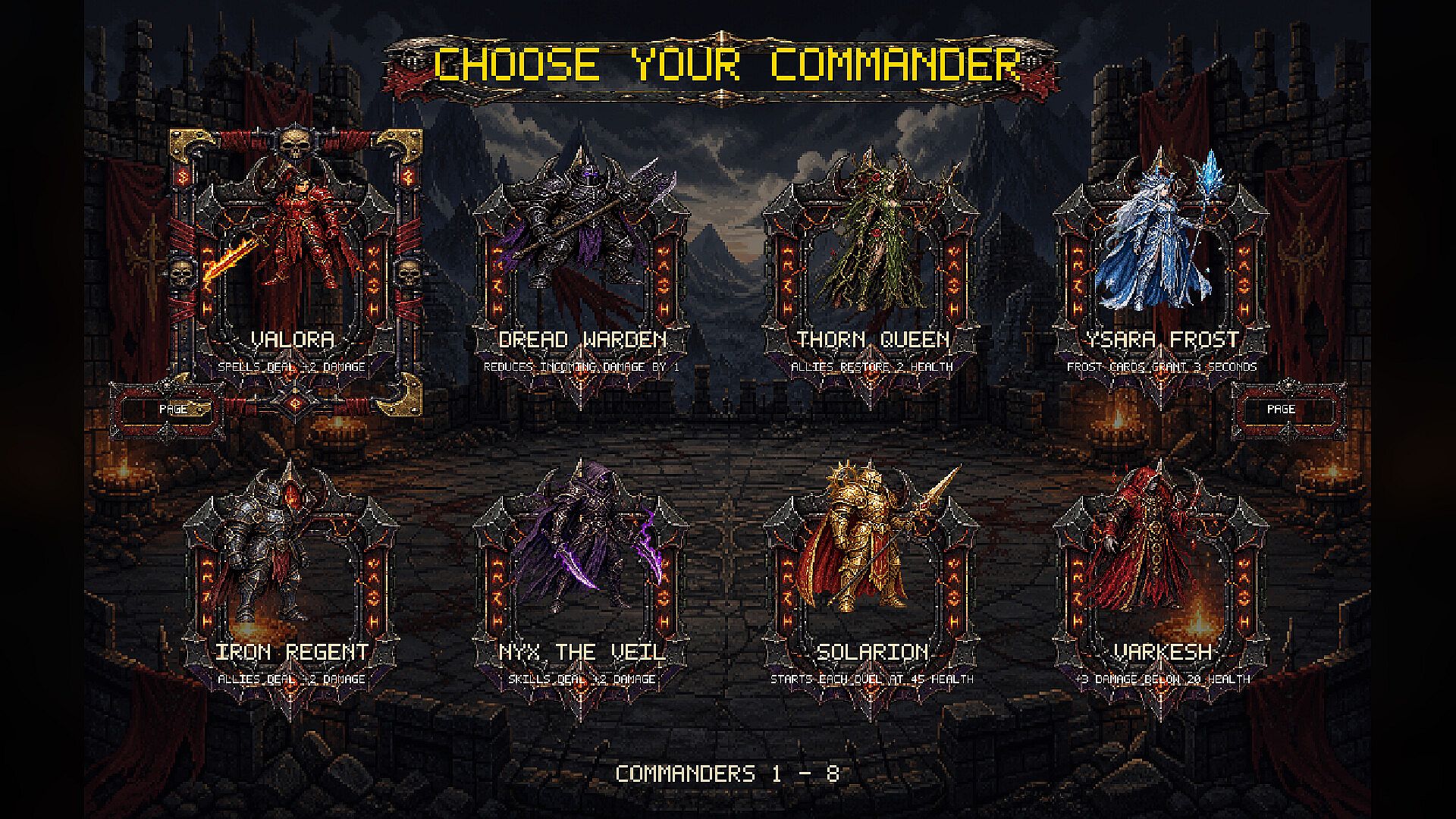
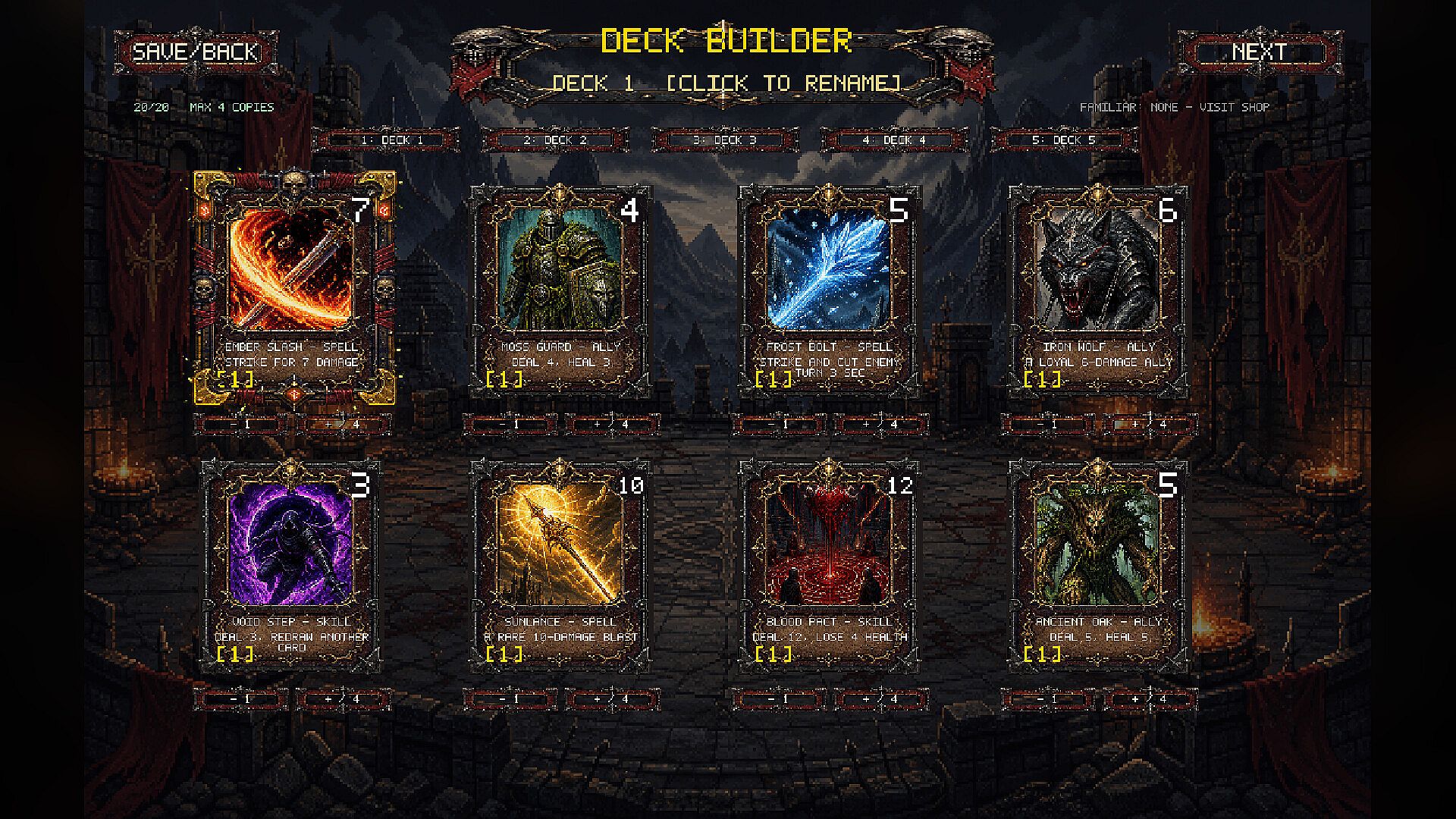
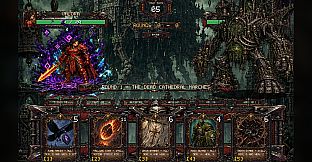
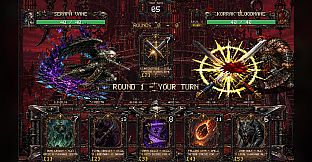
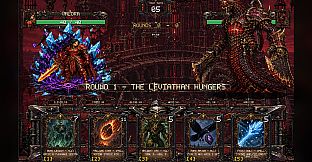
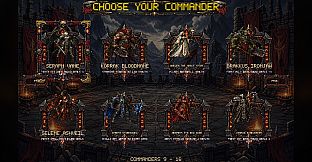
Commander Clash is a strategy indie game for PC that puts players in control of commanders who lead card-driven battles in a pixel-art fantasy arena. The core loop revolves around building a collection of cards, selecting a commander with distinct abilities, and engaging in quick matches where every card play triggers visible actions on the battlefield.
Gameplay
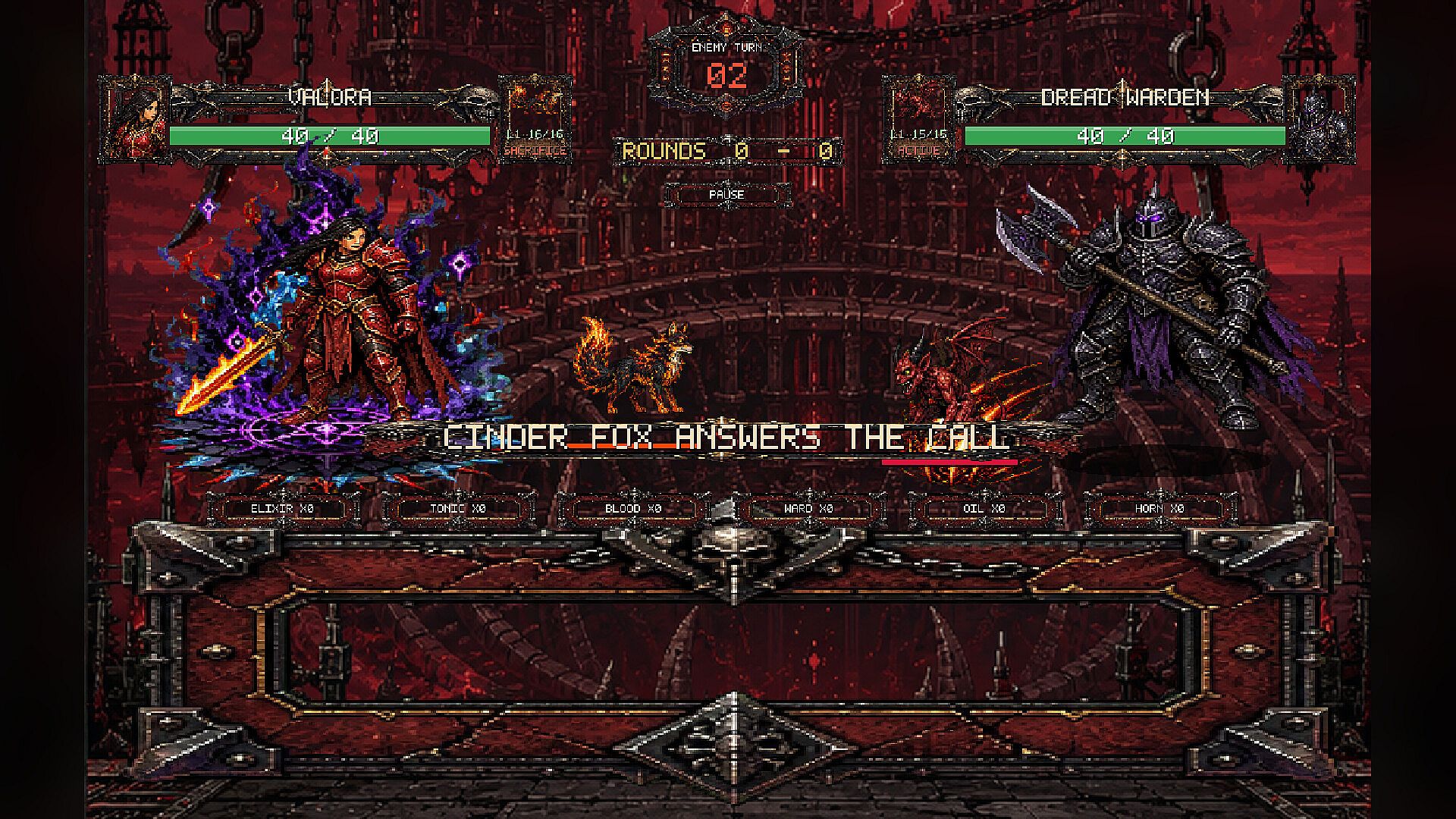
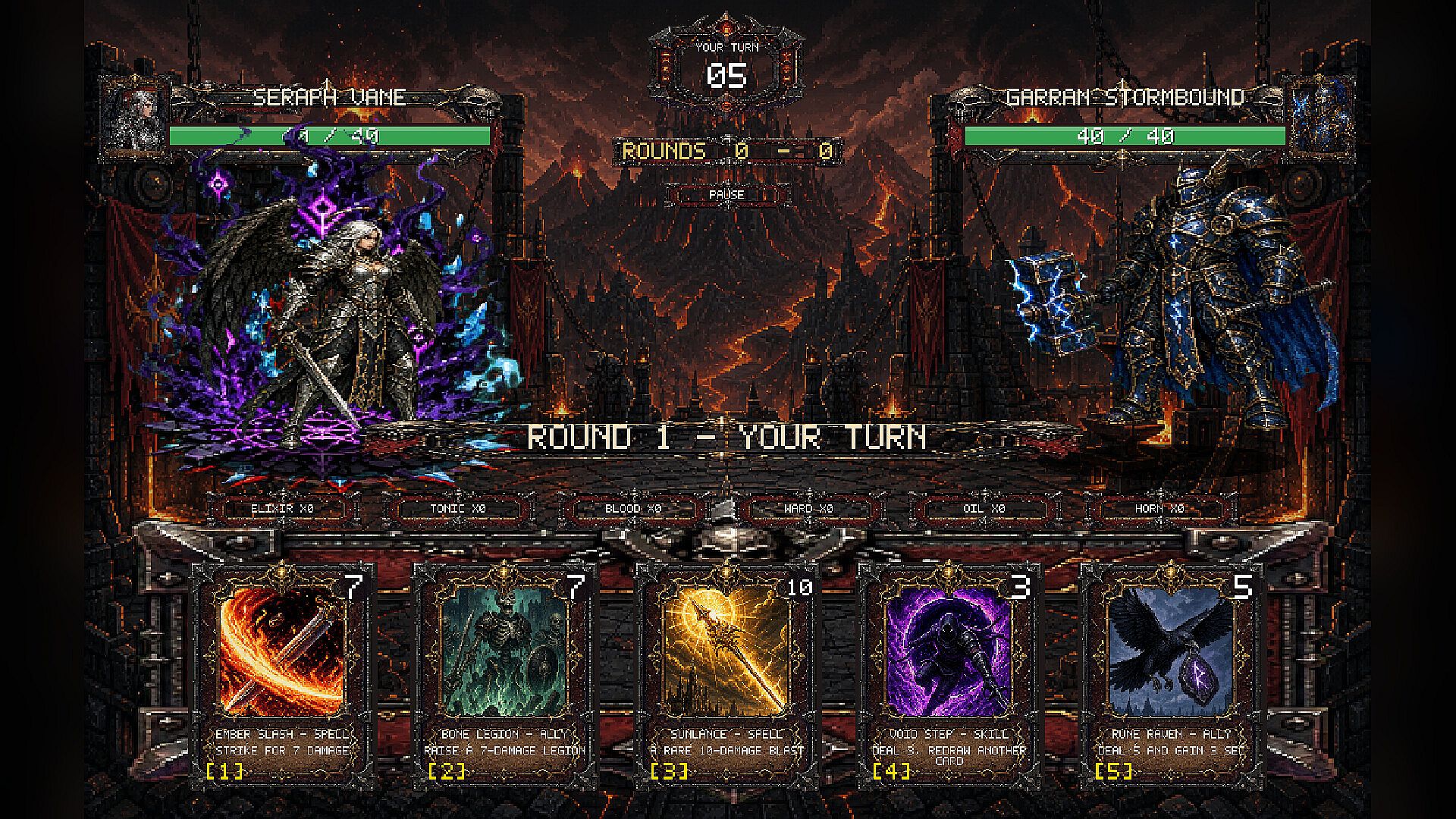
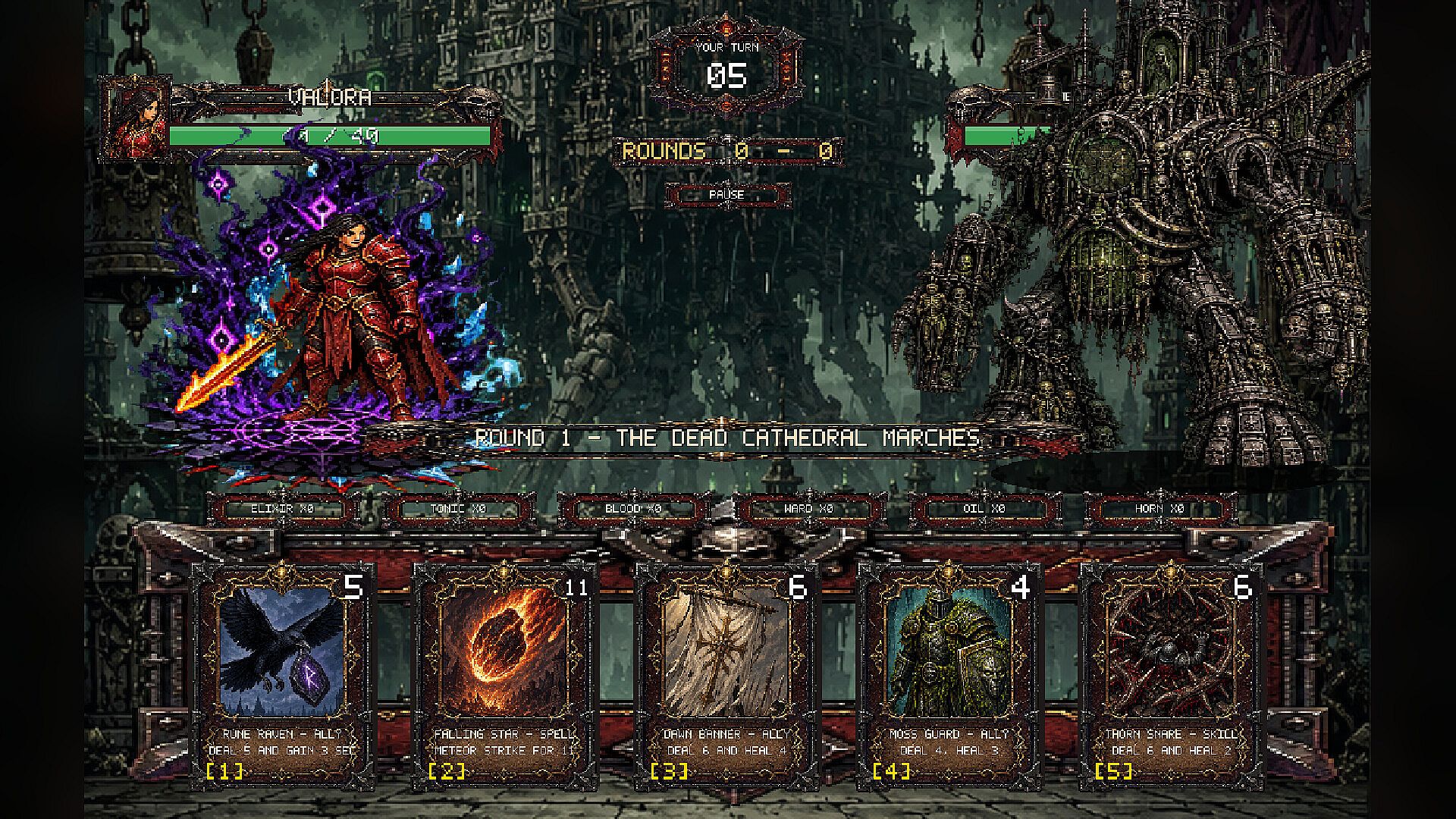
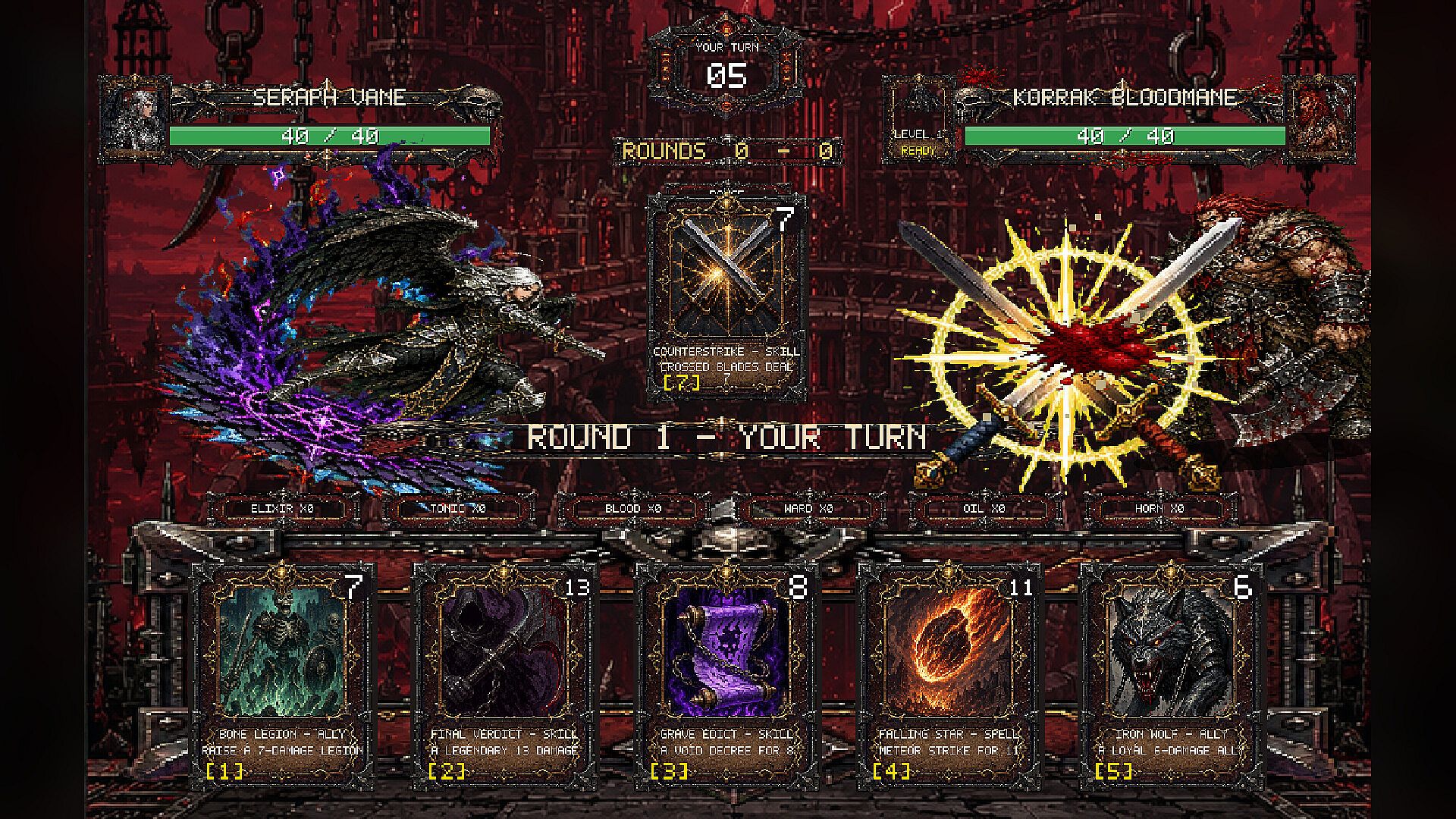
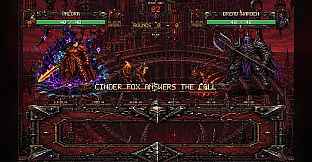
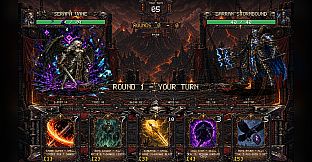
Matches unfold in best-of-three format with five-second turns. Players normally play one card per turn, and its effects manifest as animated attacks, spells, summoned allies, healing, wards, or other battlefield abilities instead of abstract numbers. Commanders and their familiars move and strike independently, maintaining momentum even as players choose responses. Bloodlust triggers rapid physical assaults tied directly to player input, while Incantations call forth commander-specific allies for powerful finishing moves. Familiar Sacrifices let a pet convert its remaining health into a decisive strike and can interrupt certain opposing actions.
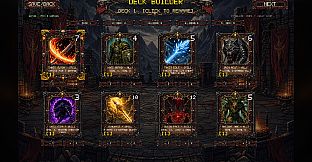
The collection includes 264 cards with a strict four-copy limit per card. Up to five decks can be built and named per profile. Combat emphasizes physical interaction: commanders clash directly, spells tear across the arena, and summoned units charge forward. Equipment and stackable auras purchased with profile currency allow tuning of commander power after acquisition, preserving all unlocked upgrades. Twenty-two familiars fight autonomously once summoned, each with independent health, attacks, spells, buffs, death animations, experience, and leveling.
Game Modes
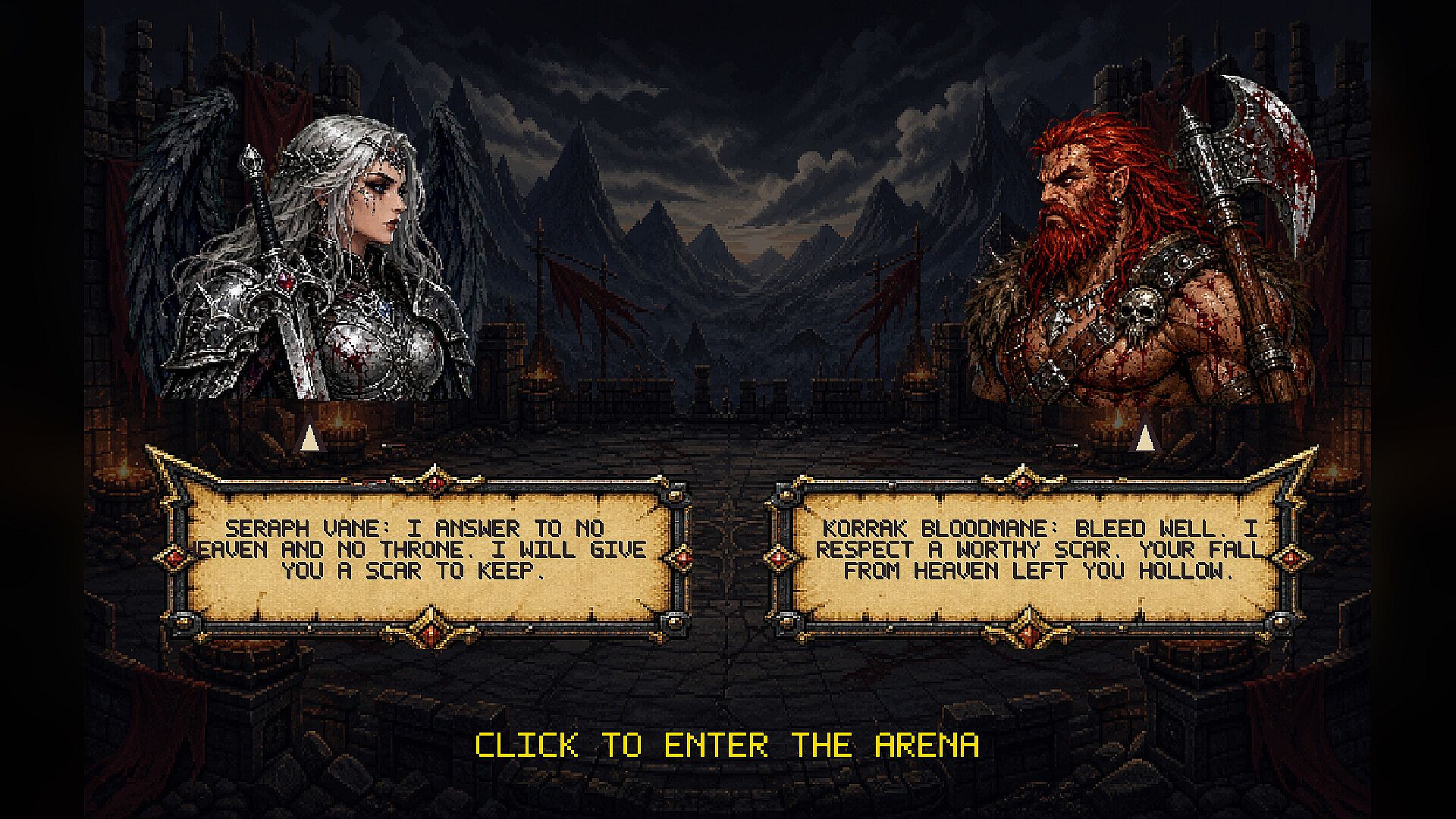
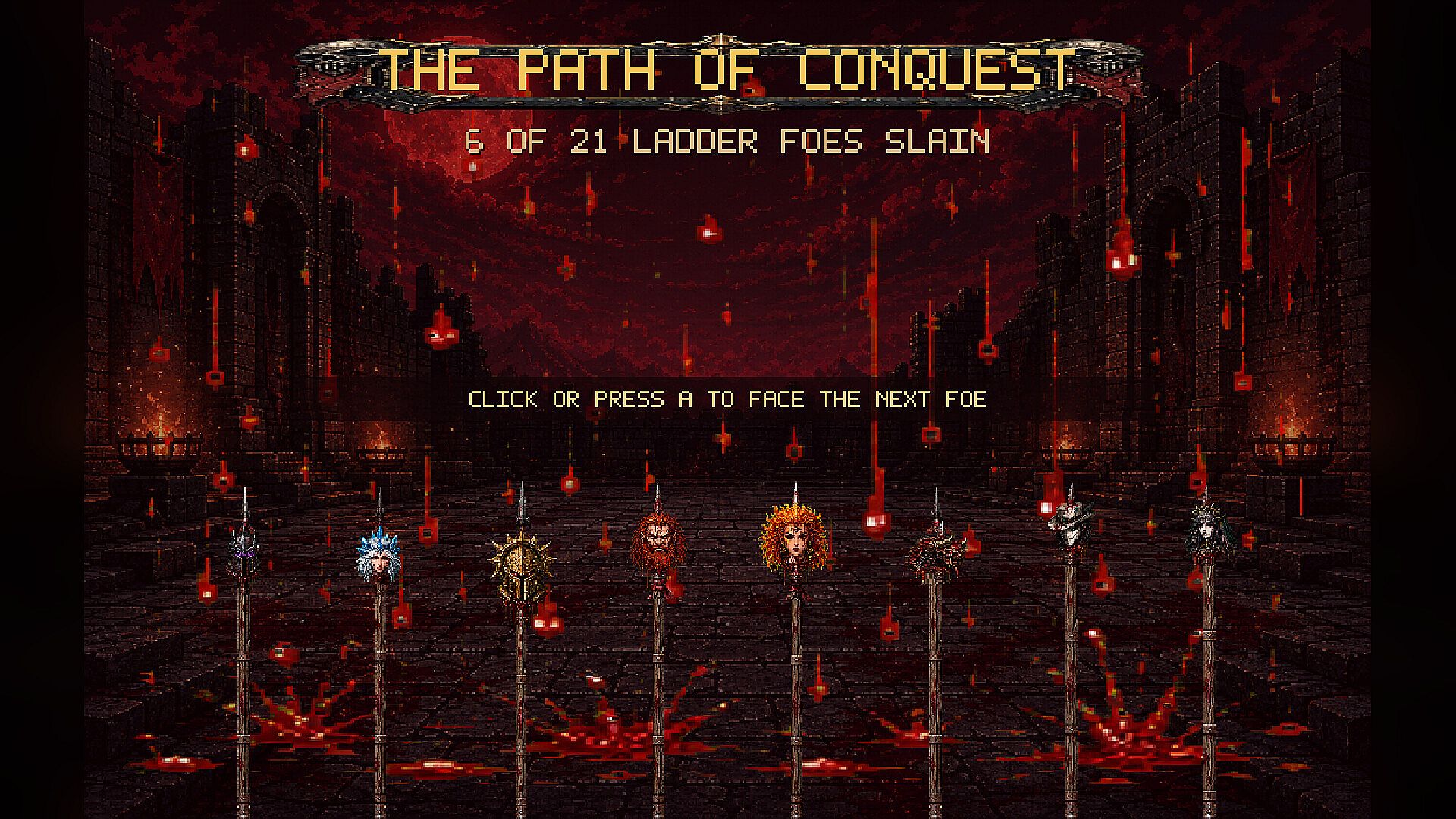
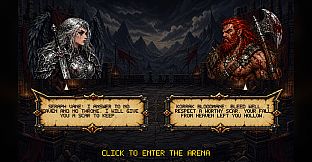
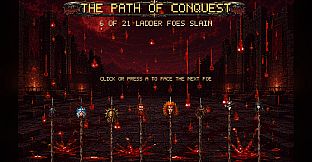
Story Mode follows the Path of Conquest, sending a chosen commander through a randomized ladder of eight rival commanders and four escalating boss battles. Every pairing features unique pre-fight dialogue, while character-specific introductions and endings expand the overarching conflict with the Void King. Progress autosaves after each victory. Defeat presents the option to continue the saved run or return to the menu. Hidden challengers can appear and interrupt the ladder; defeating one grants access to a special twenty-card reward pool.
Endurance Mode tracks consecutive victories against randomized commanders until the first loss occurs. An optional full Auto Run lets the AI handle both sides for hands-free observation. Local Two Player supports separate profiles, collections, decks, equipment, and familiar choices for each participant on the same machine. All modes tie rewards and unlocks to the active profile.
Commanders and Collection Building
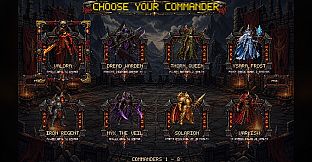
Sixteen playable commanders each bring a unique ability, combat style, dialogue lines, story introduction, and ending. Deck construction draws from the full card pool, encouraging experimentation within the four-copy restriction. Hidden challengers after completing special card sets unlock two additional familiars beyond the twenty available in the Armory. Consumables, armor, and adjustable auras expand options for refining a commander's performance without resetting prior progress.
Visuals, Audio, and Accessibility
The presentation uses detailed gritty pixel-art for fantasy battles, with character-specific attack animations, hit reactions, death sequences, and Incantations. A heavy-metal soundtrack accompanies voiced arena announcements. Options include disabling gore to remove blood effects and related trophies, hiding the Battle Action Bar along with the Bloodlust counter and round display, and pausing combat via keyboard, on-screen controls, or controller. Support extends to mouse, keyboard, controller, fullscreen, and windowed modes, plus multiple interface and story languages with independent volume sliders for music, sound effects, and announcer.
Is It Worth Playing?
Commander Clash suits players who enjoy strategy card games that emphasize visible, physical combat over pure number management. The combination of short turns, independent familiar actions, and commander-specific mechanics creates responsive matches that reward quick decisions. Story Mode delivers structured progression with narrative payoffs, while Endurance Mode and local two-player support add replayability for solo or shared sessions. Profile-based unlocks keep collections and upgrades persistent across modes without overlap. Those seeking a compact yet layered indie card battler with autonomous units and customizable equipment will find the systems align closely with that preference. The game runs entirely on PC with straightforward controls and no external dependencies mentioned.