
















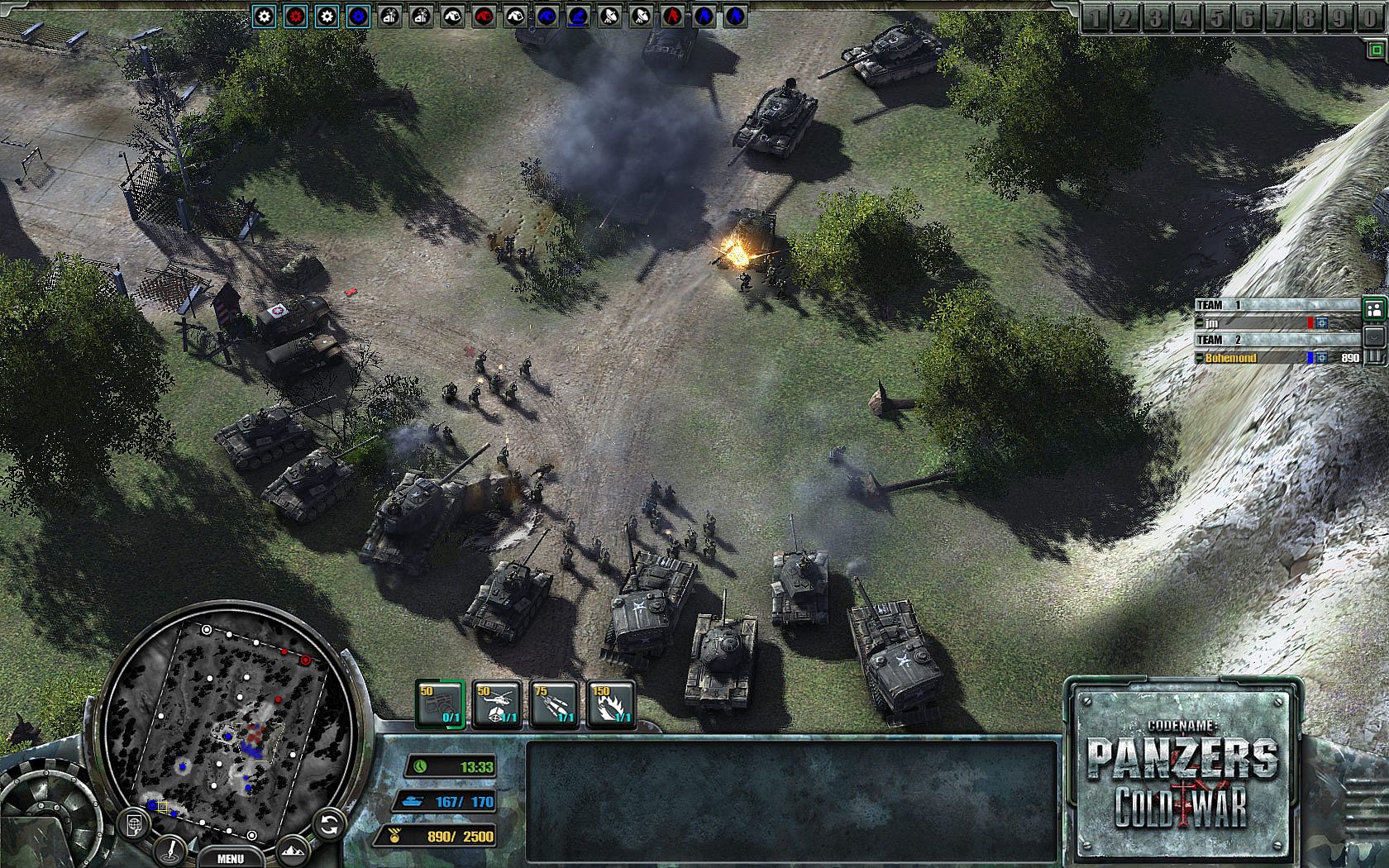
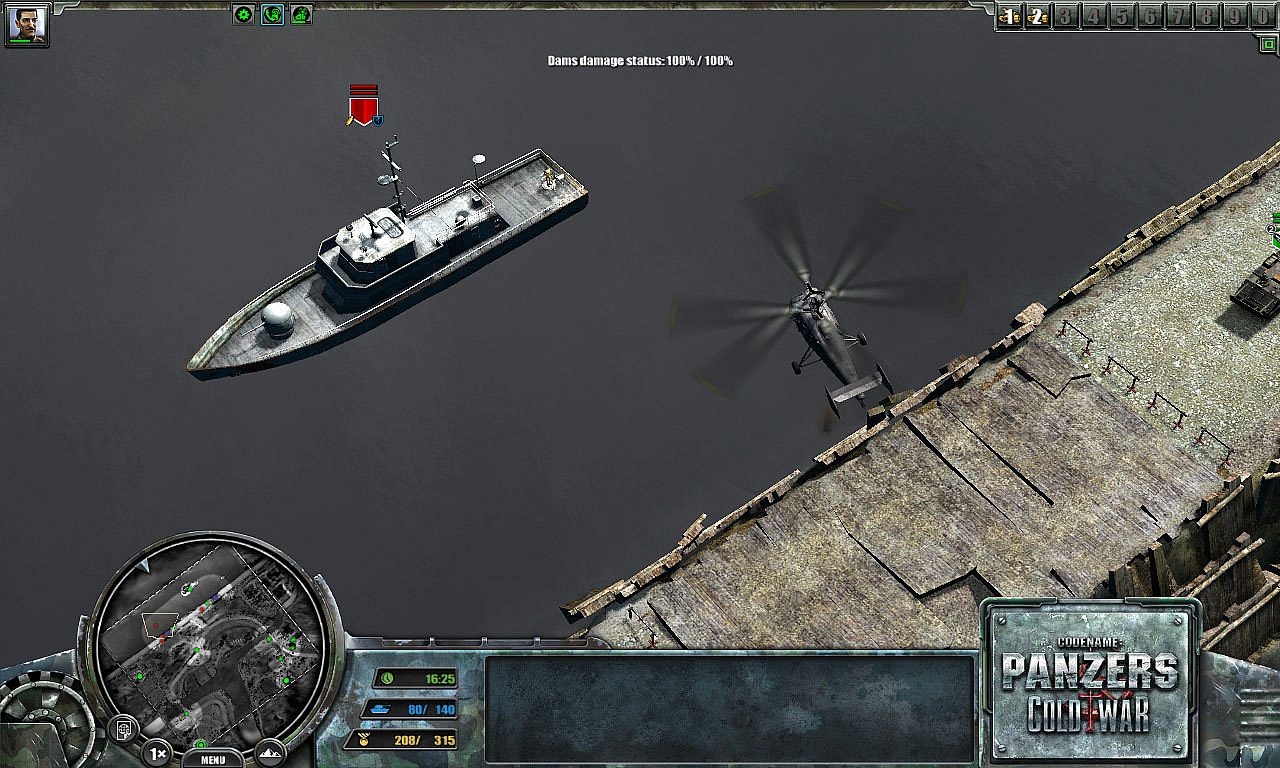
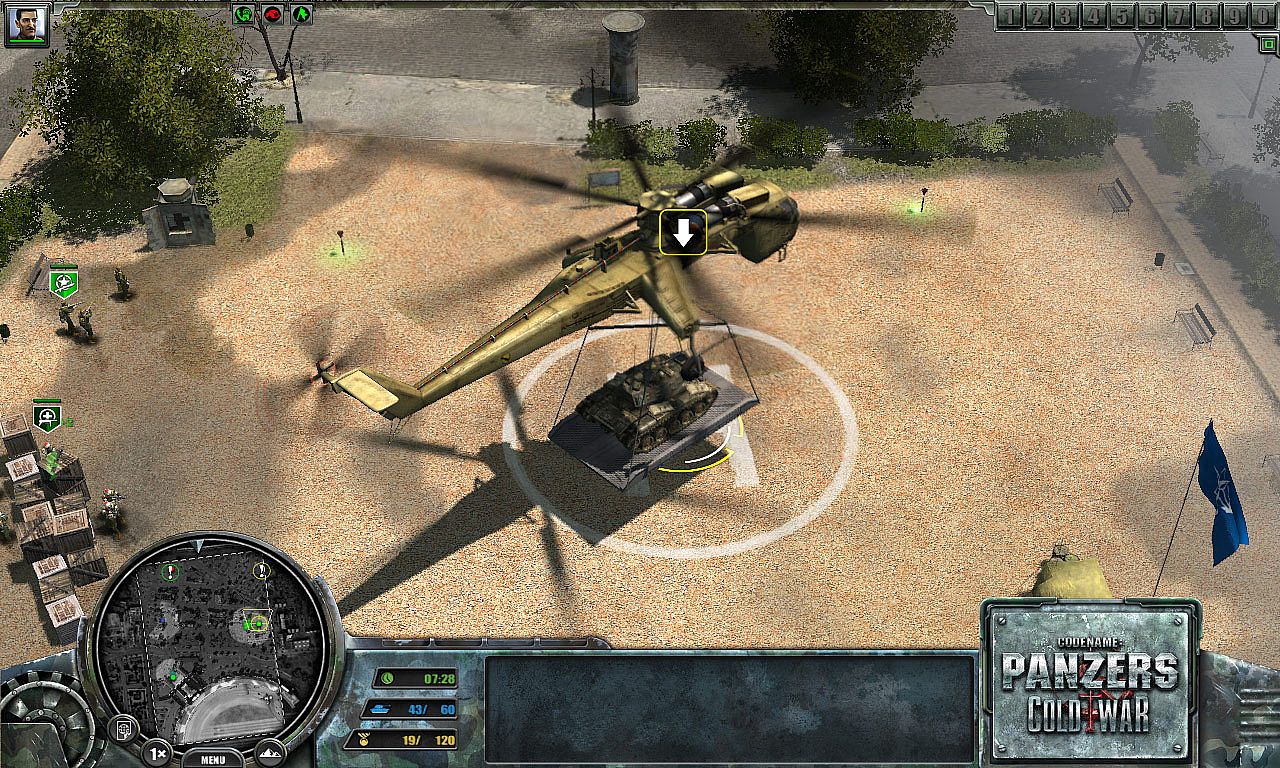
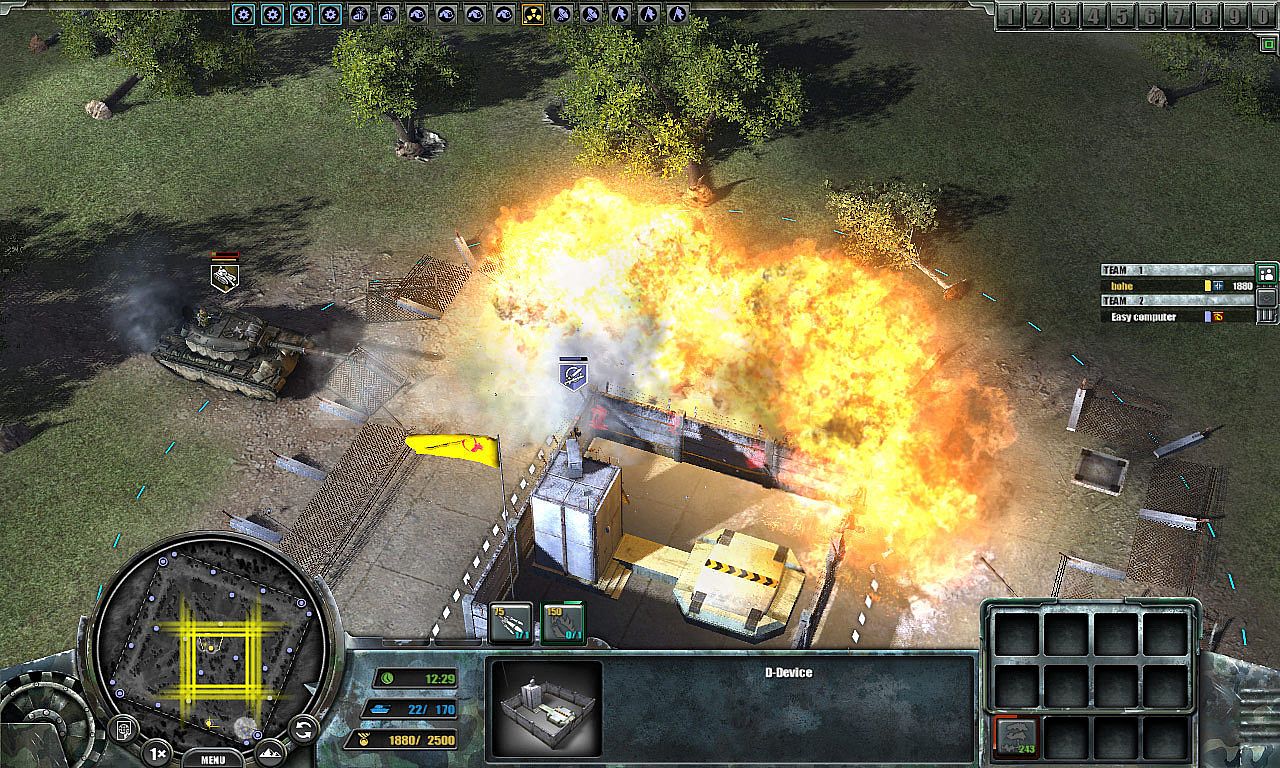
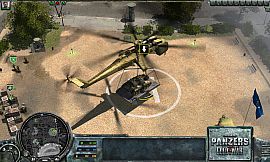
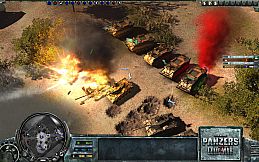
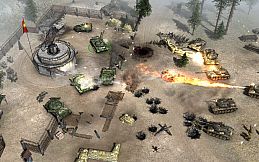
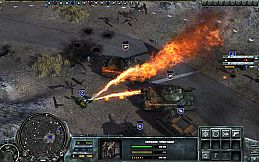
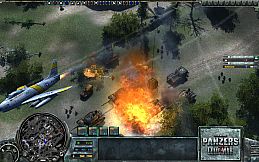
Codename: Panzers - Cold War is a real-time strategy and simulation game set in an alternate 1949 where tensions between Western powers and the Soviet bloc erupt into open conflict following a fatal incident at Tempelhof airfield in Berlin. Players command forces in a campaign that spans both sides of the emerging war, directing units through missions that emphasize tactical positioning, resource management, and environmental factors on the battlefield.
Gameplay
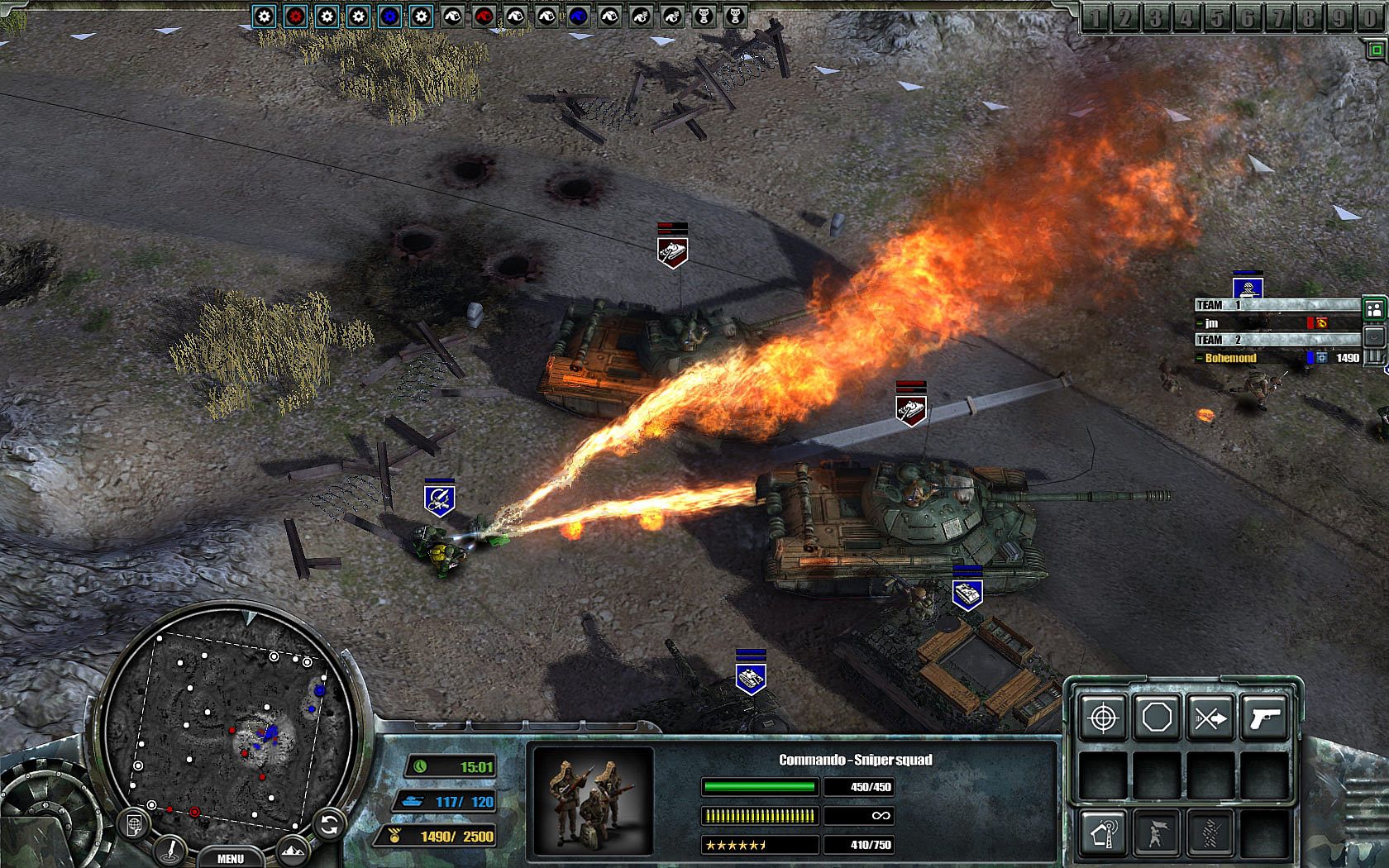
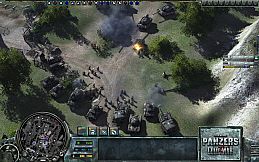
The core loop revolves around commanding squads led by powerful officers who can turn the tide in engagements. These leaders support variable unit compositions that adapt to different threats, allowing for balanced encounters across infantry, vehicles, and support elements. Units gain visible upgrades that alter their capabilities, and the system encourages experimentation with loadouts suited to specific objectives.
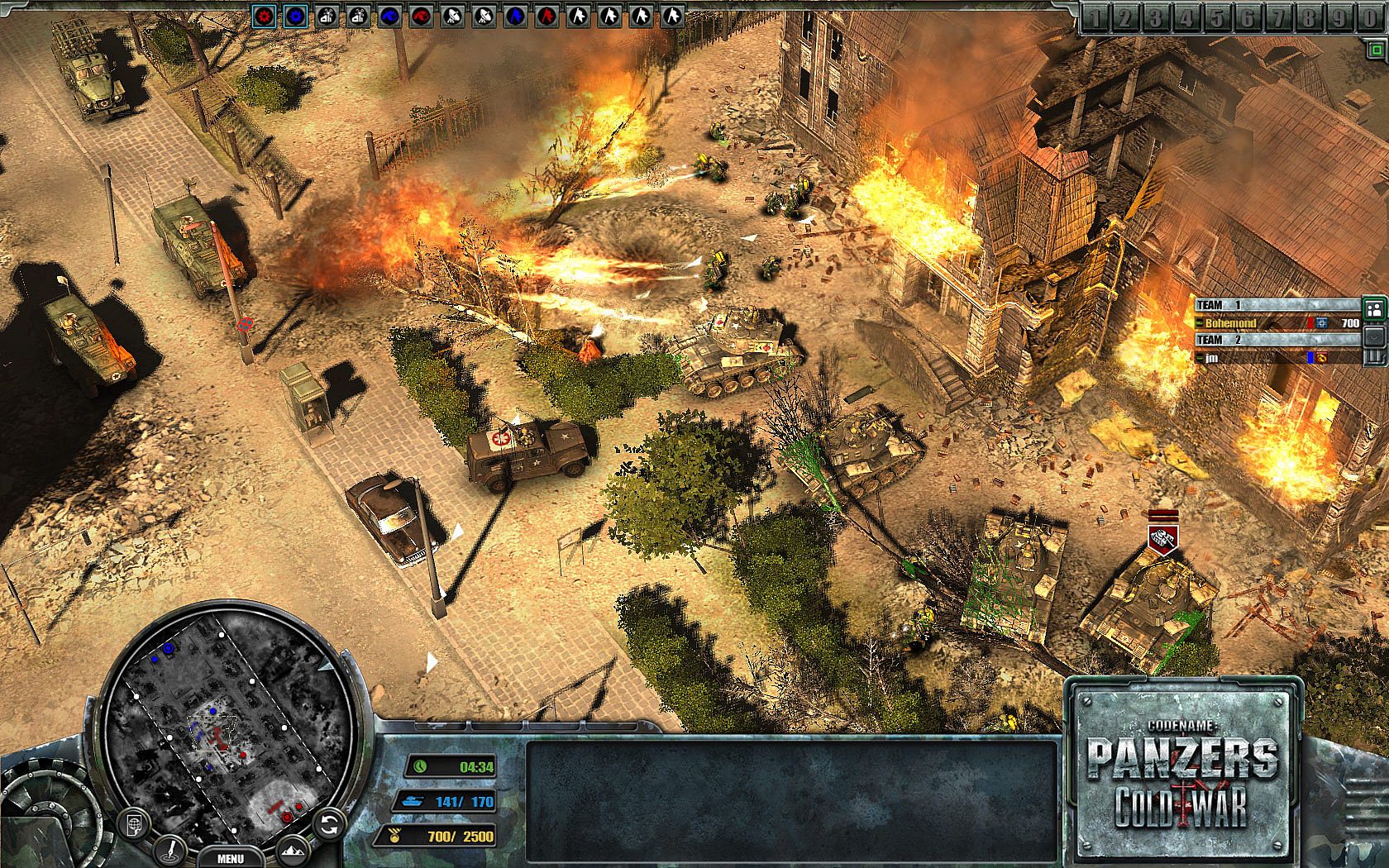
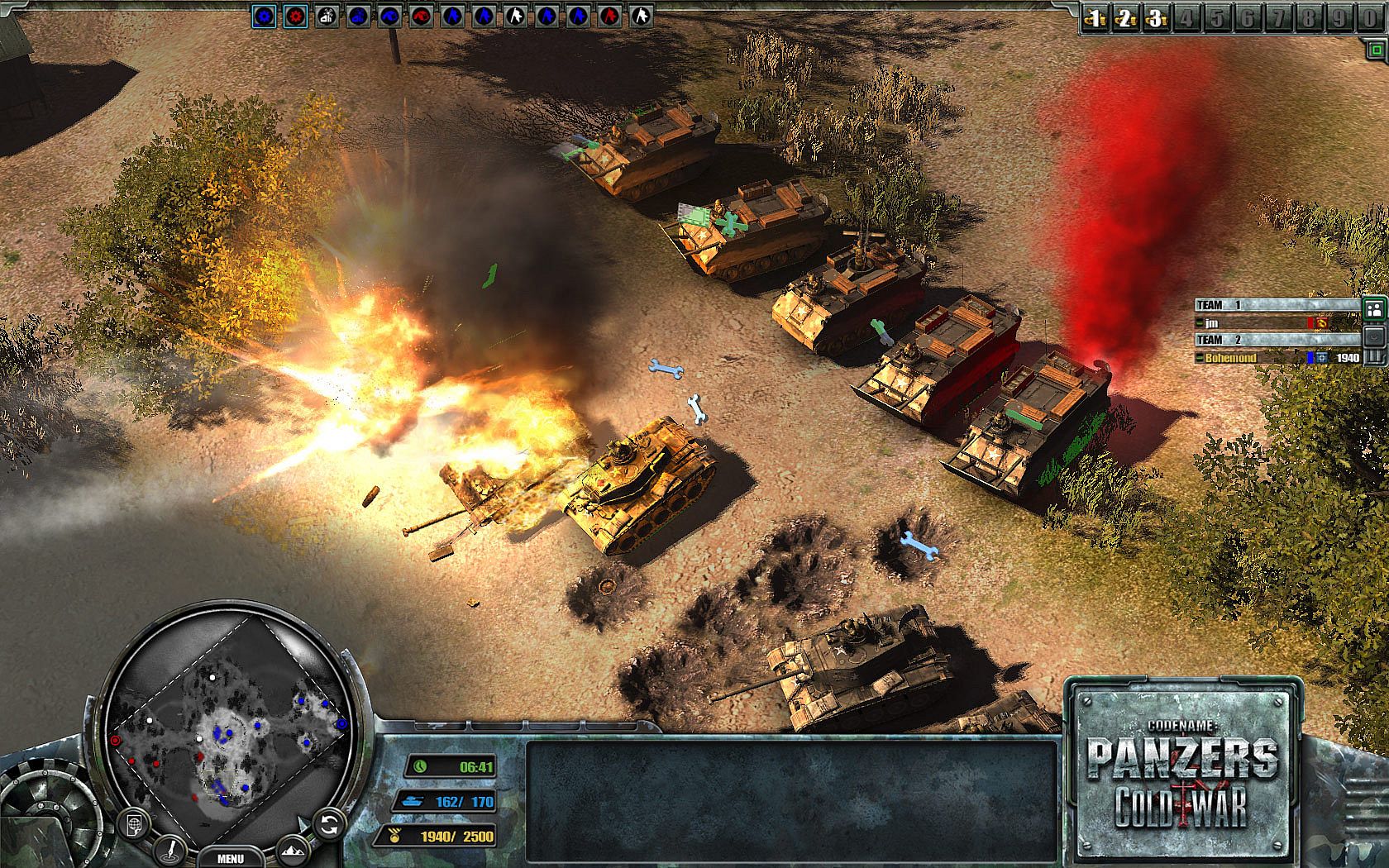
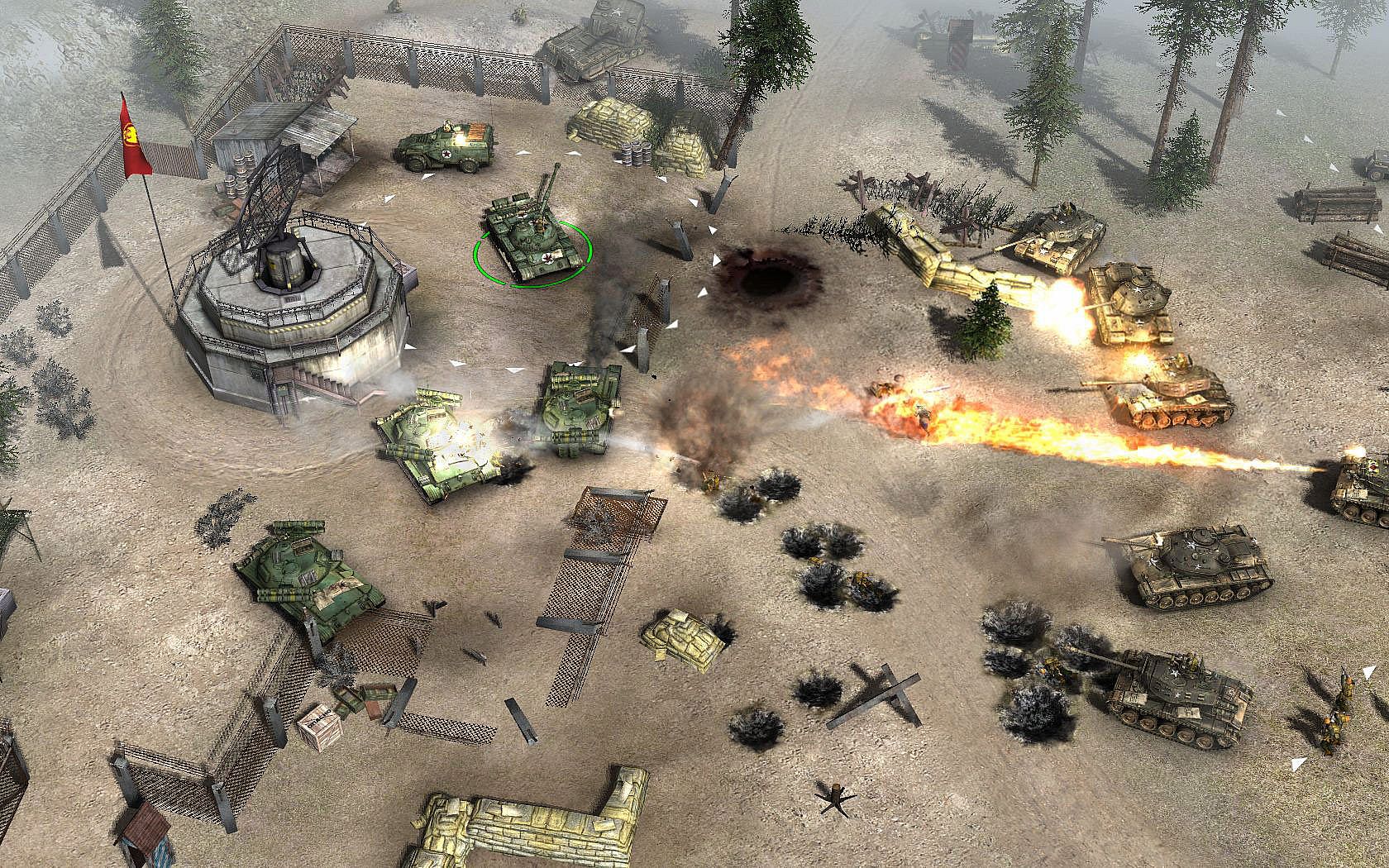
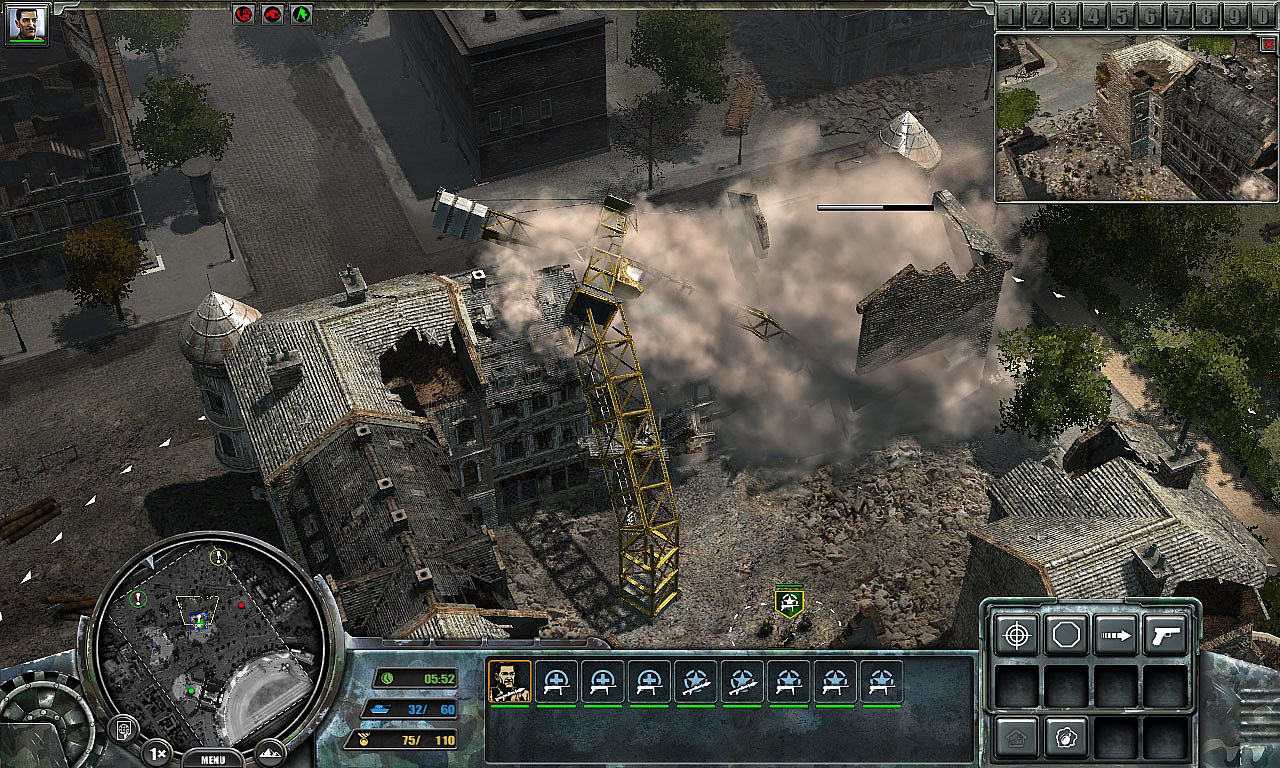
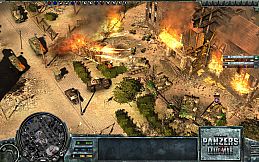
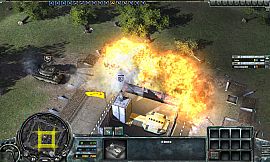
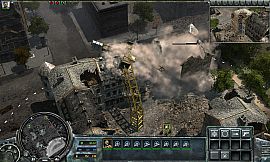
Combat incorporates a unique building system where structures can be occupied for defensive advantages or demolished through sustained fire. Destruction follows physics simulation, with debris behaving according to size and mass as buildings collapse in distinct patterns. Terrain, lighting conditions, and dynamic weather further influence unit performance, cutting visibility, slowing movement, and adjusting firing ranges during storms or low-light periods.
Each unit operates with independent AI that responds to player commands and battlefield changes, creating a lively simulation where actions ripple through the environment. The Gepard 3 engine handles these elements with shader support for realistic visuals, while dual-monitor setups provide an overview map for broader strategic planning.
Game Modes
Single-player content centers on an 18-mission campaign that alternates between NATO and Soviet perspectives, following the personal stories of recurring and new characters amid the escalating conflict. Missions task players with advancing objectives while adapting to shifting alliances and environmental challenges.
Scenario Mode lets players revisit completed campaign missions to refine strategies and improve overall performance scores. Multiplayer supports 25 dedicated maps across three formats: Domination for control-based competition, Multiplayer-Mission for structured objective play, and Team Match for coordinated faction battles.
Setting and Atmosphere
The alternate-history premise begins with the Tempelhof Incident, a collision and exchange of fire that spirals into full-scale war within hours. The game portrays a Europe caught between former allies, with detailed attention to period equipment, uniforms, and the strategic importance of key locations like Berlin.
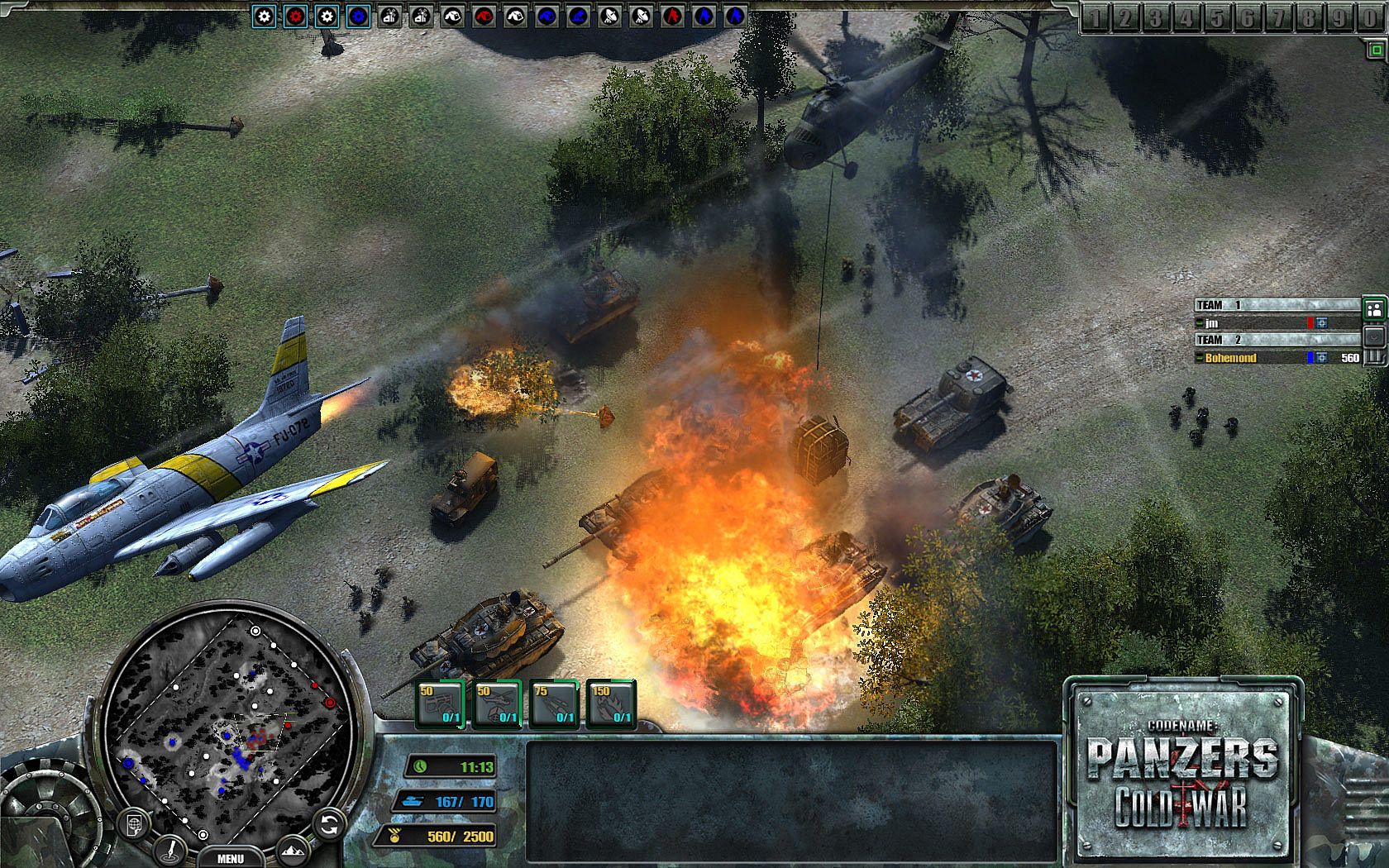
Weather shifts and terrain variations play active roles, forcing adjustments in tactics as reduced sight lines or slippery conditions alter engagement distances and mobility. This creates varied play sessions where the same map can demand different approaches based on conditions.
Is It Worth Playing?
The game appeals to players who enjoy methodical real-time strategy with strong simulation elements, particularly those drawn to campaigns that explore both sides of a conflict and multiplayer sessions focused on map control and team coordination. Its 18-mission single-player arc provides substantial content for solo play, while the three multiplayer modes and scenario replay options extend longevity for groups.
Reception has been mixed, with Steam user reviews reflecting divided opinions on pacing and technical aspects for a title of its era. Current player numbers remain low, indicating limited active online communities. Those seeking classic RTS experiences with destructible environments, weather mechanics, and squad-level command will find the systems intact and functional, though expectations should align with its 2009 origins rather than modern production values.
- Campaign length and side-switching narrative for varied perspectives
- Physics-driven destruction and environmental effects that directly impact tactics
- Multiplayer options suited to both competitive and cooperative sessions