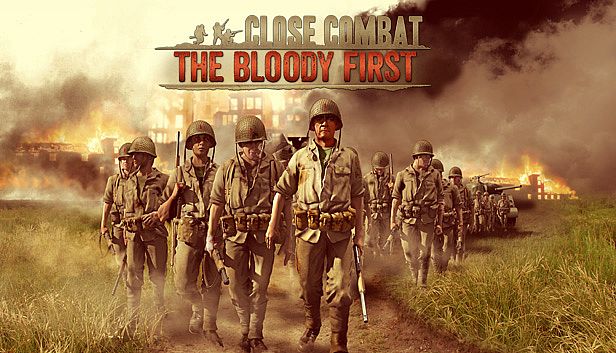















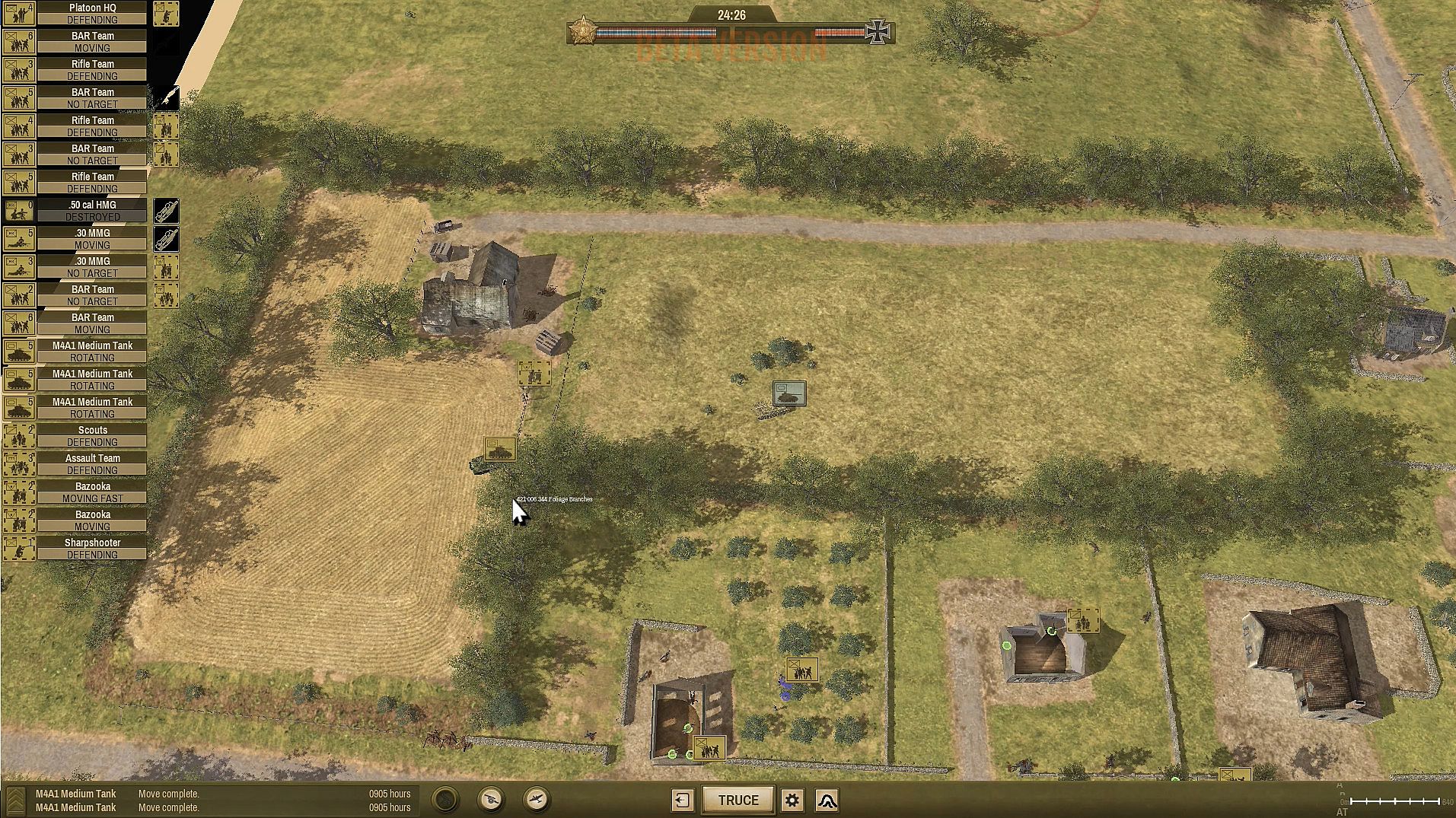
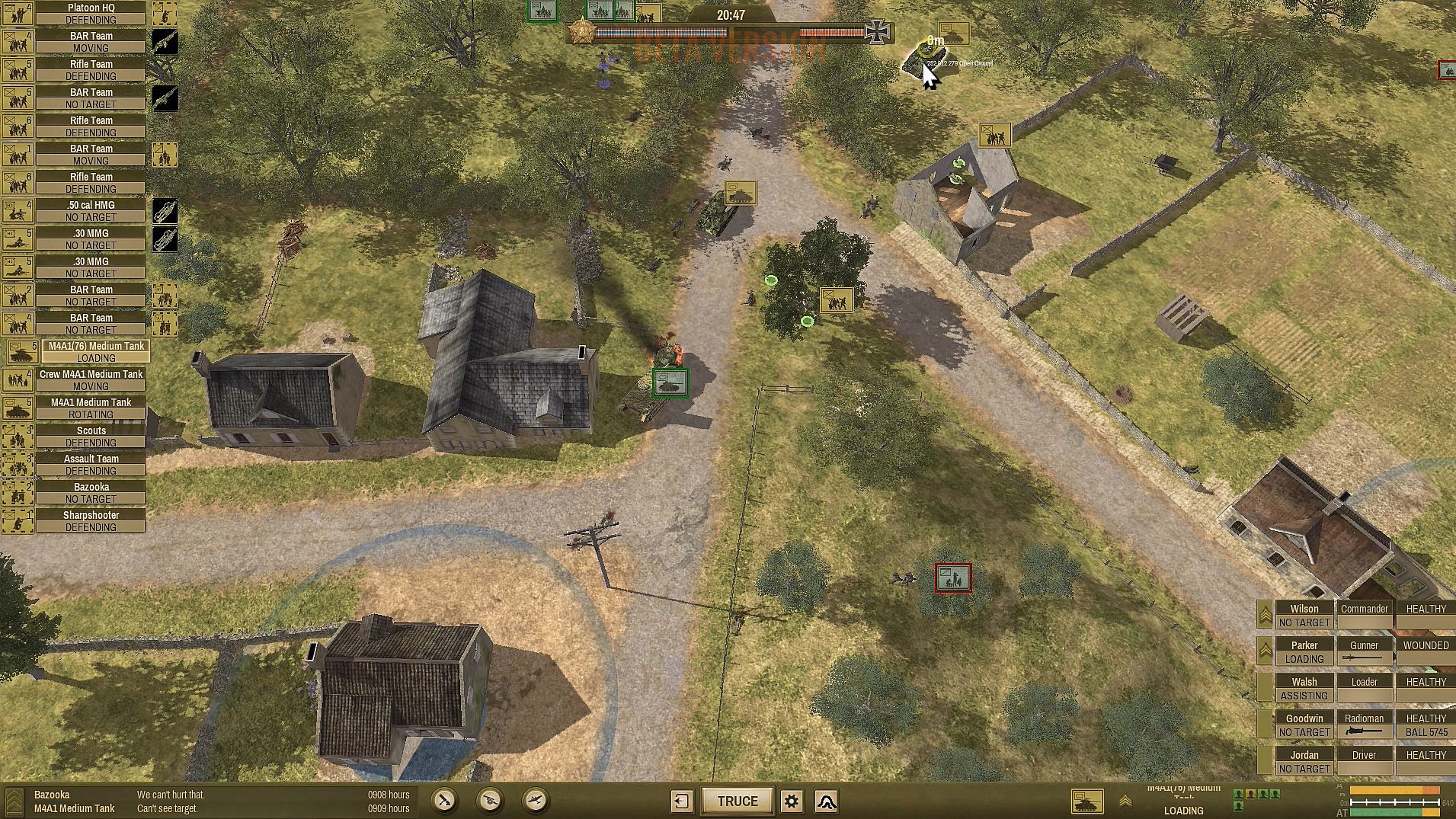
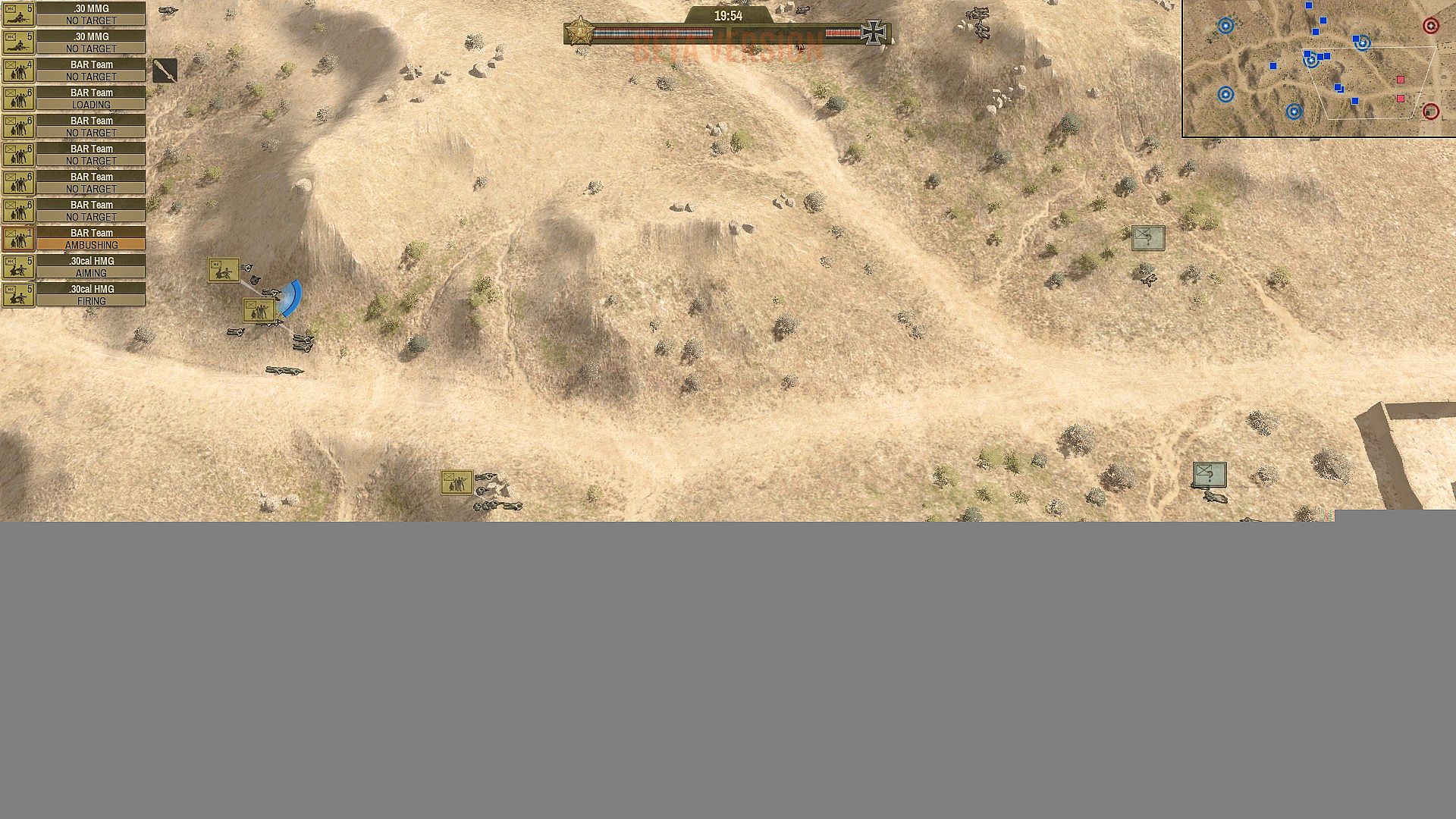
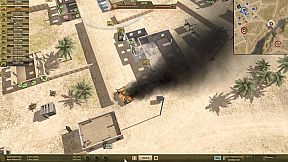
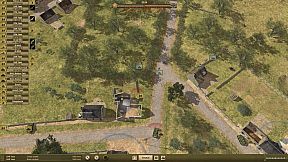
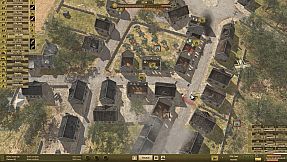
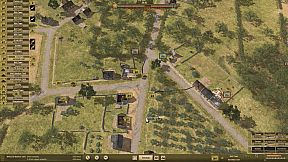
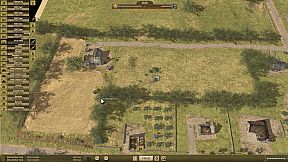
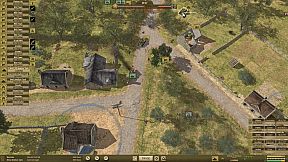
Close Combat: The Bloody First is a strategy simulation game set during World War II. It places players in command of units from the US 1st Infantry Division across campaigns in North Africa, Sicily, and Normandy. The title emphasizes tactical decision making at the company level, where choices about positioning, support assets, and resource management determine outcomes in detailed 3D environments.
Gameplay
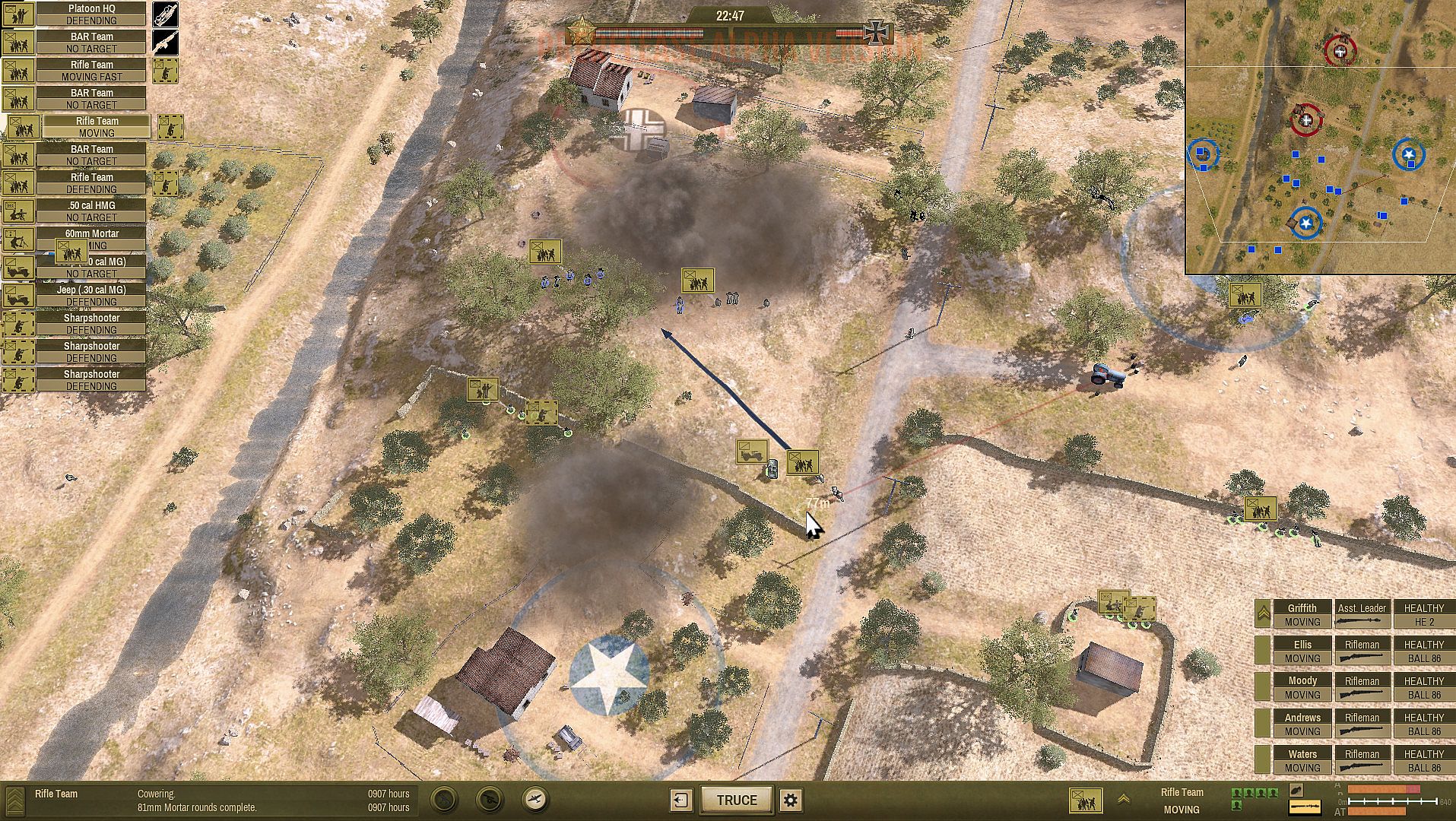
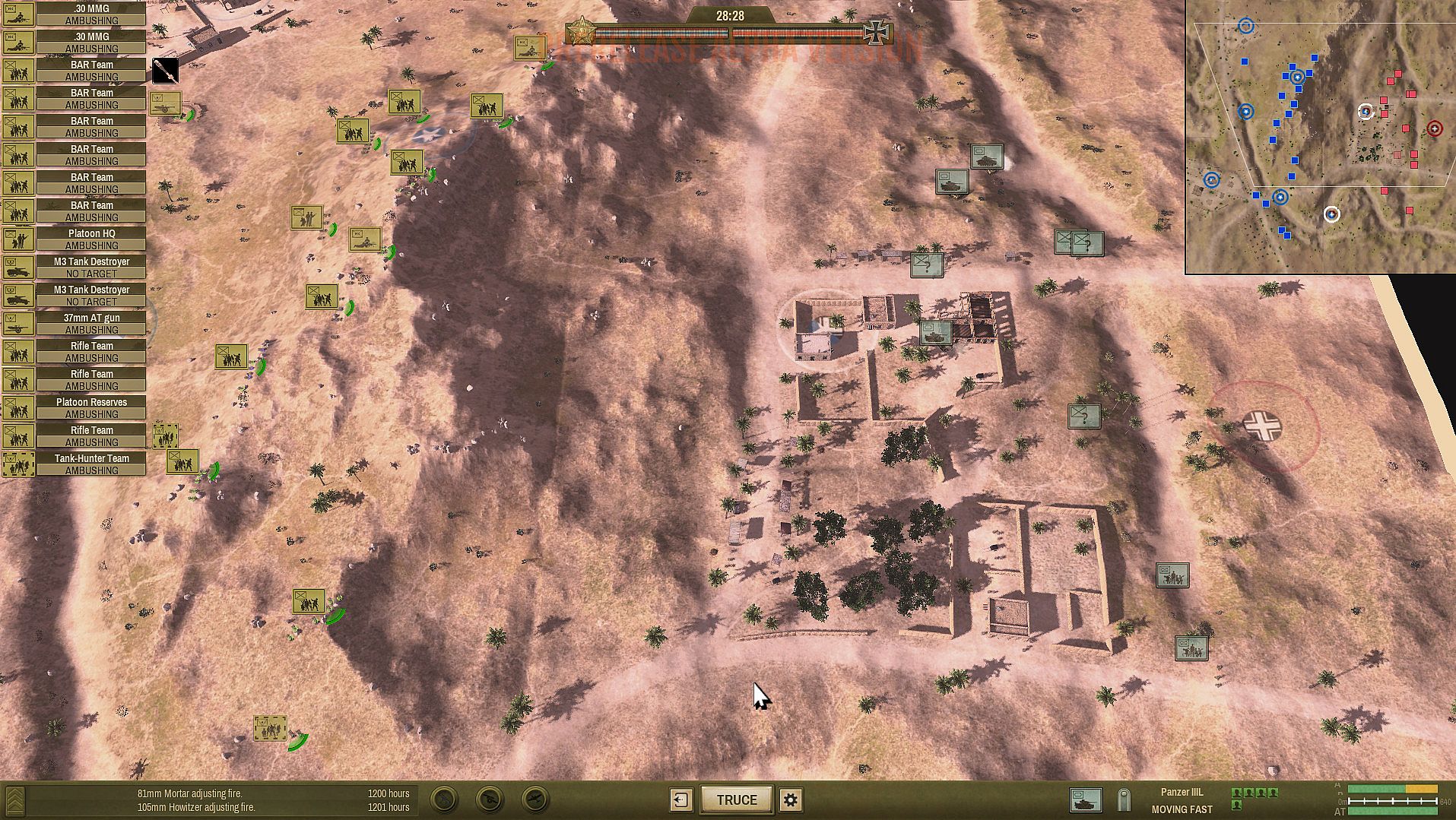
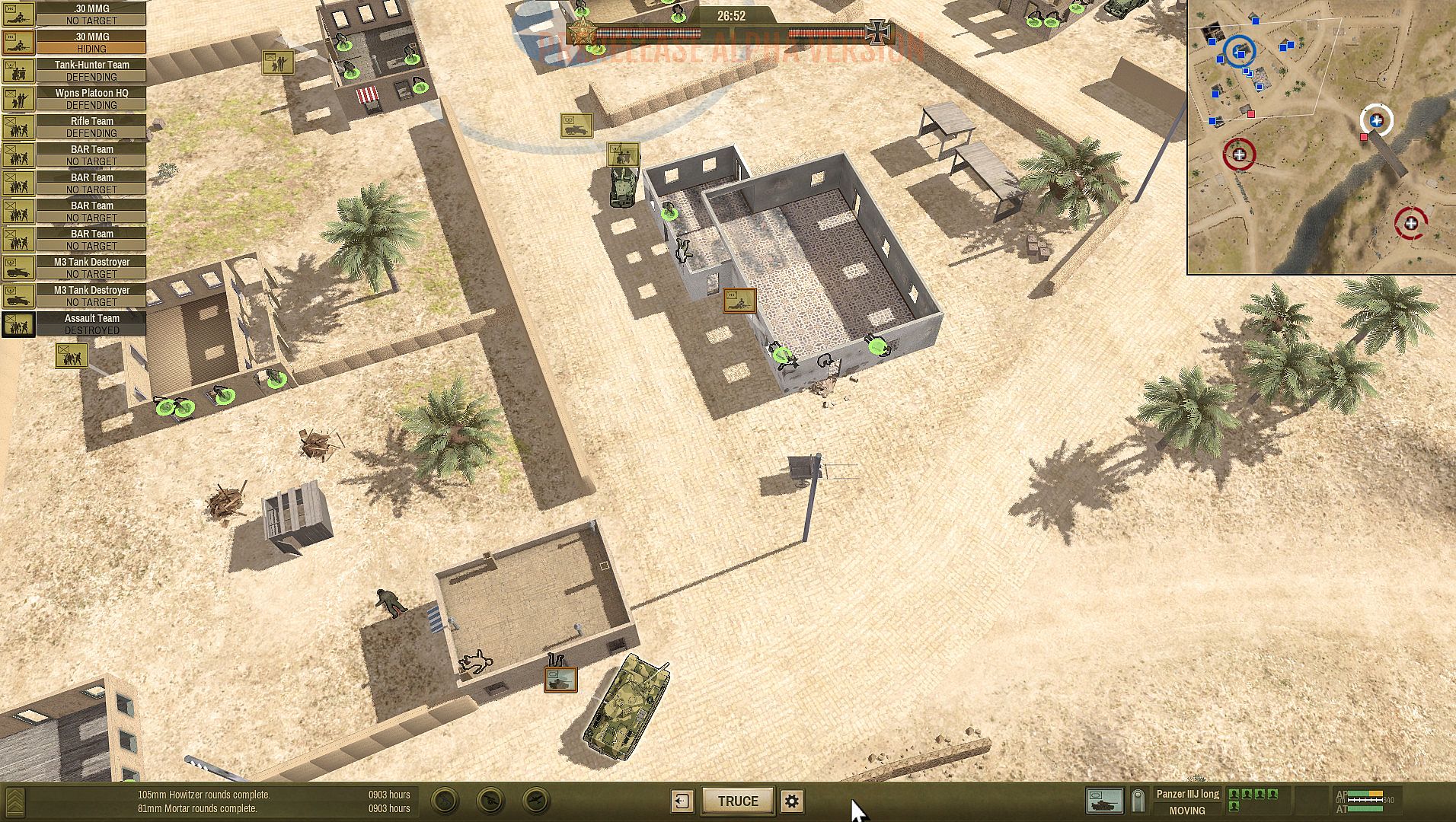
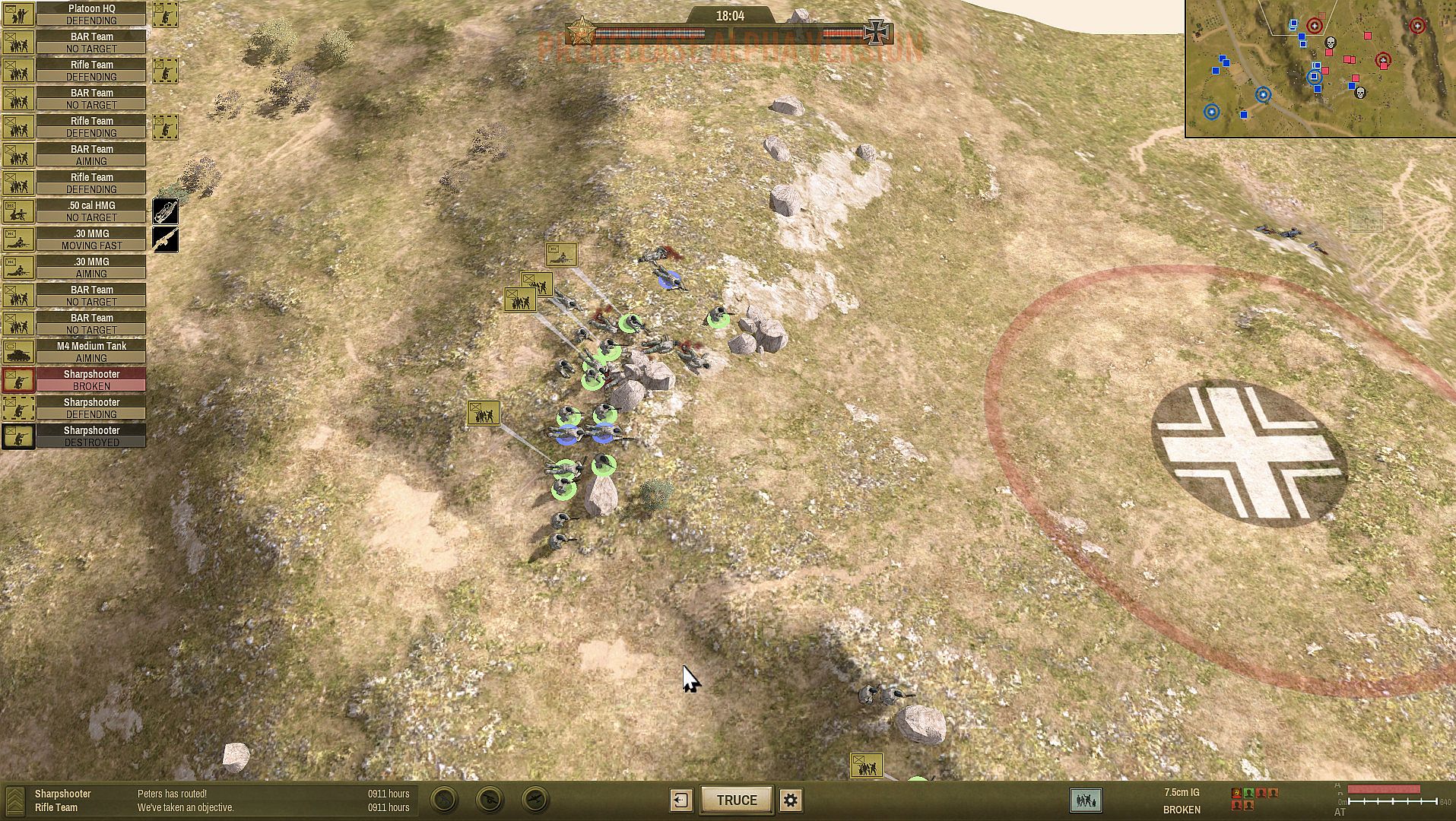
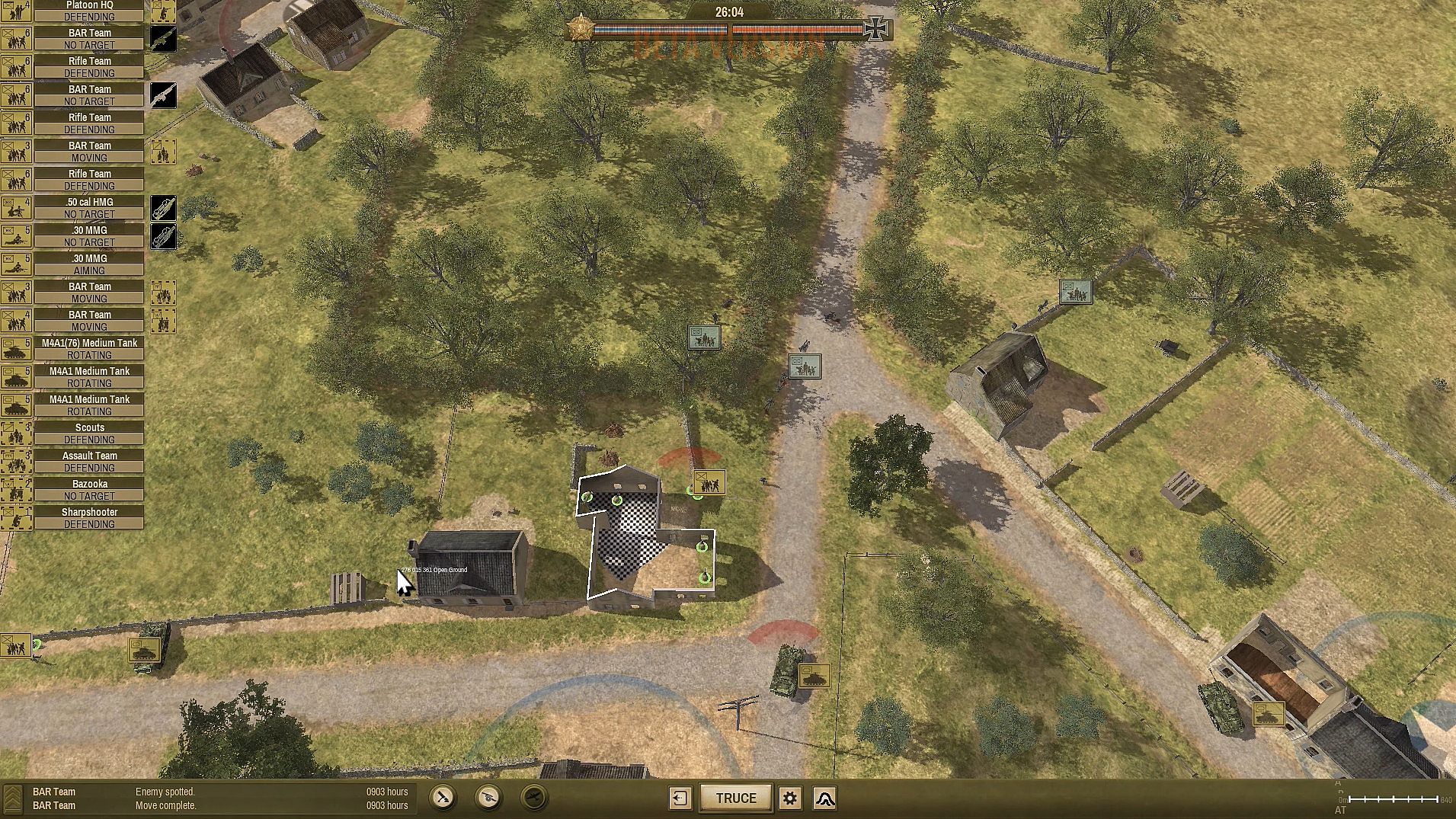
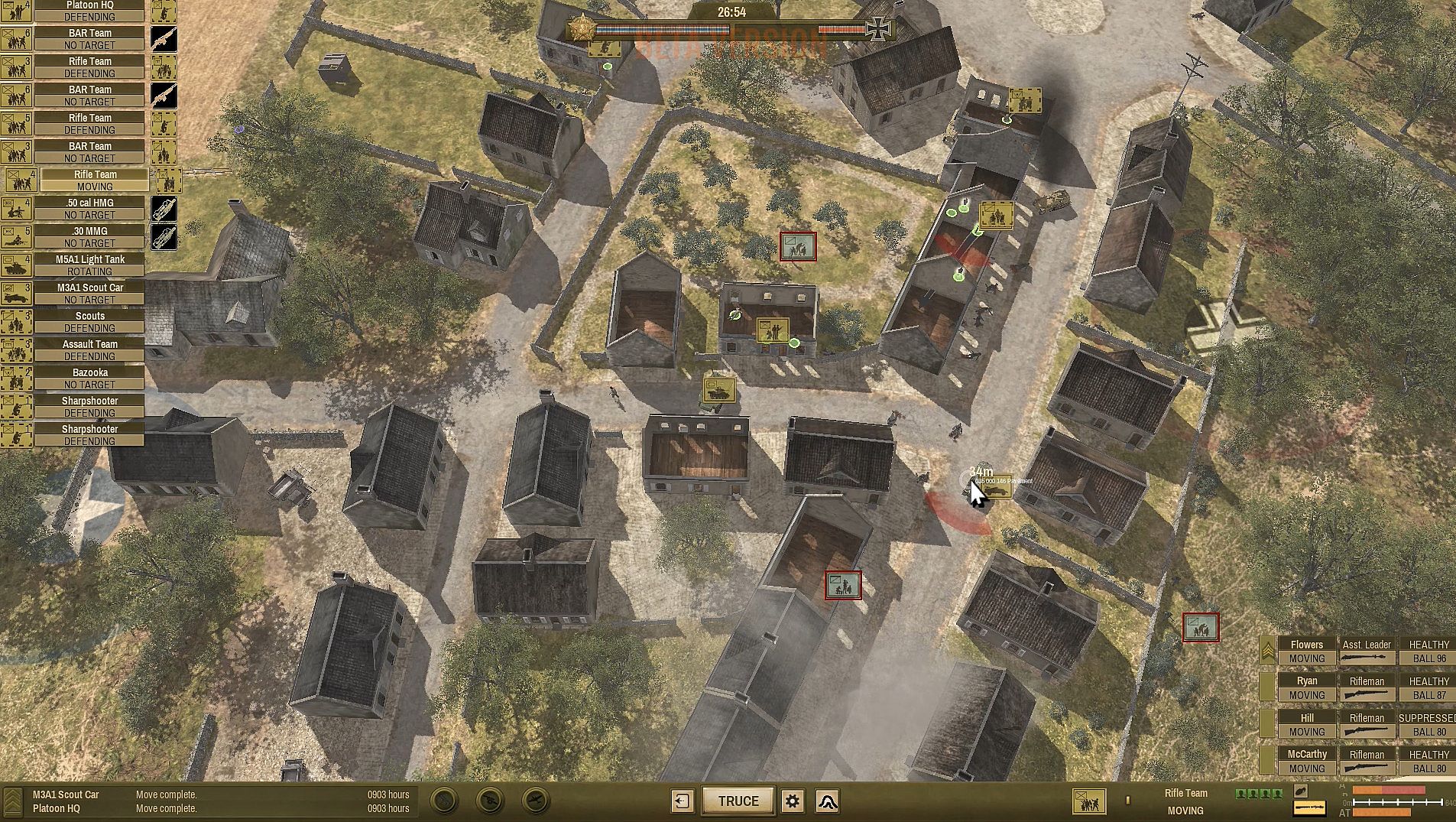
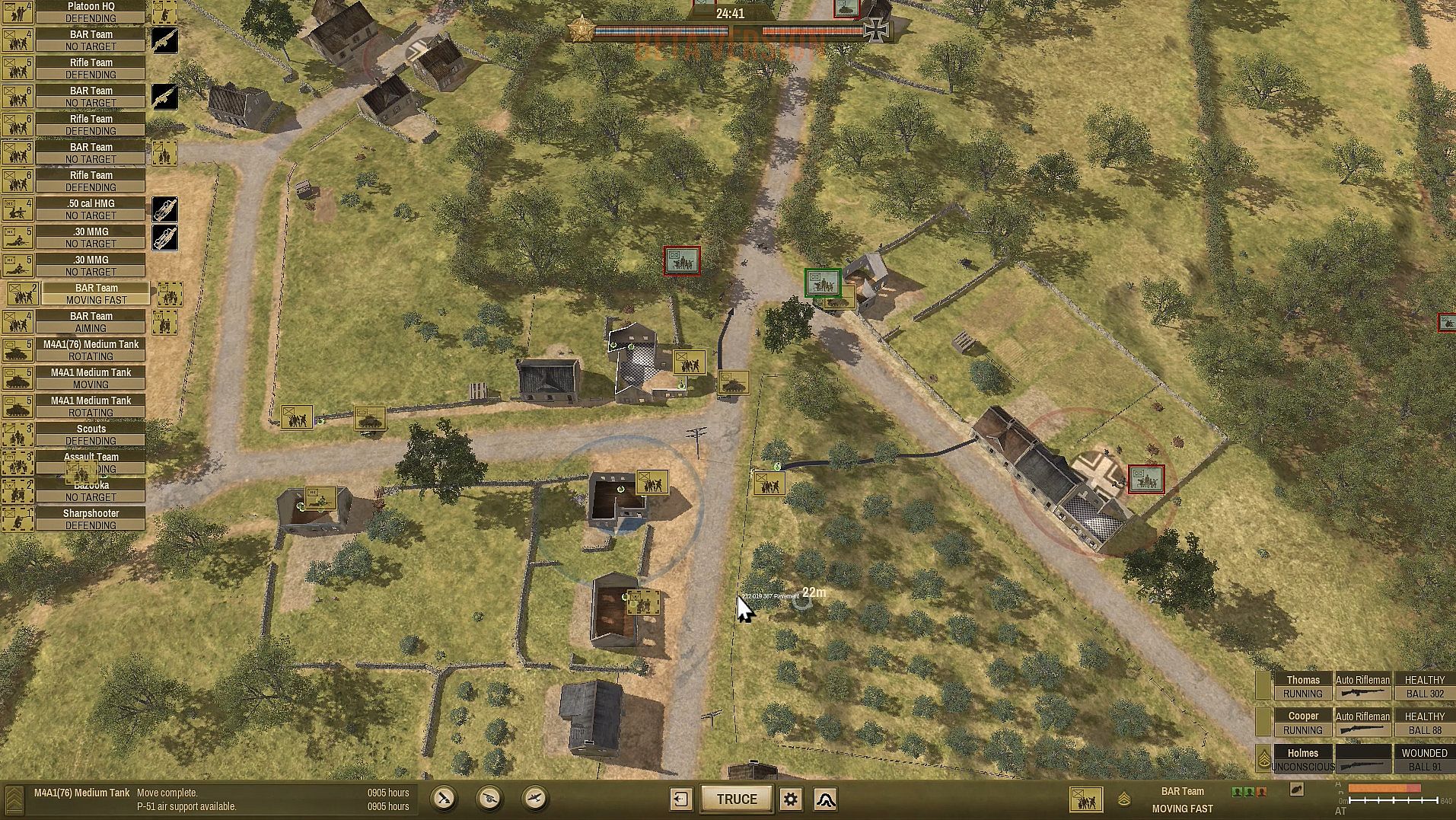
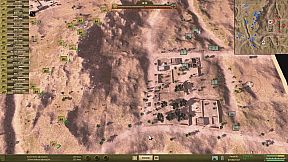
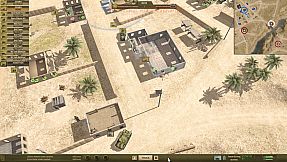
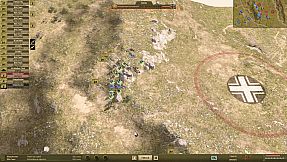
Players lead squads through linked battles that simulate the progression of the 1st Infantry Division from late 1942 into 1944. Core mechanics revolve around coordinating infantry fire teams with mortars, machine guns, armored vehicles, and anti-tank weapons while accounting for morale, ammunition types, and realistic projectile behavior. The 3D engine models specific ammunition loads for each weapon and applies physics to movement and ballistics, which affects how units advance across ridgelines, valleys, and built-up areas.
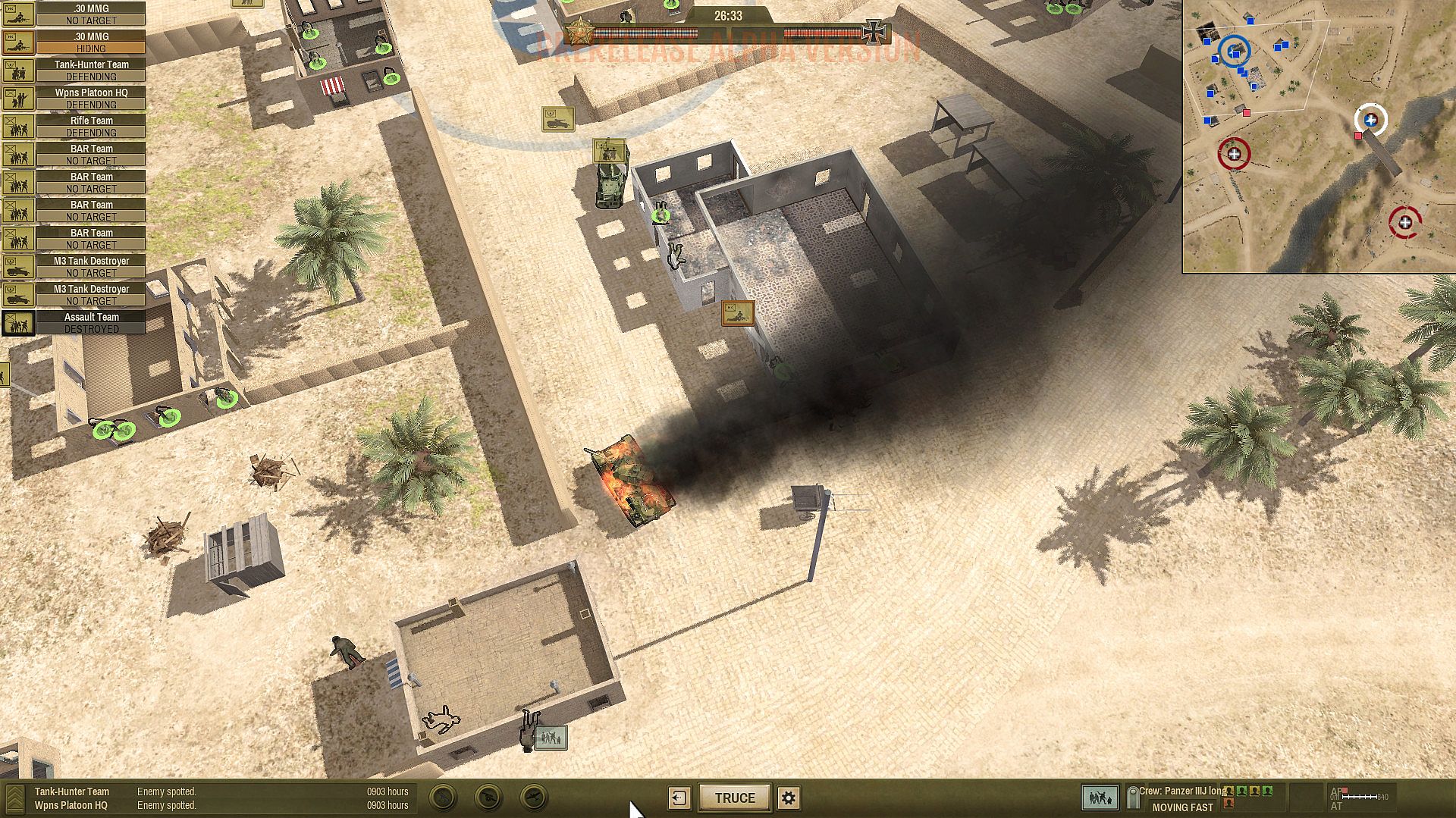
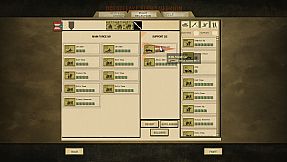
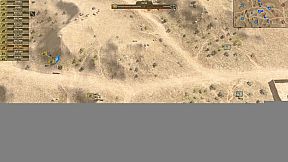
Command decisions include deciding when to reinforce with tanks or call artillery and air strikes. Troops gain experience over the course of operations, but losses require careful management because replacements may arrive with lower readiness. Terrain plays a major role, with new map types representing the rugged features of Tunisia and the broken ground of Sicily. Italian forces appear as opponents for the first time in the series, adding variety to Axis defenses alongside German units.
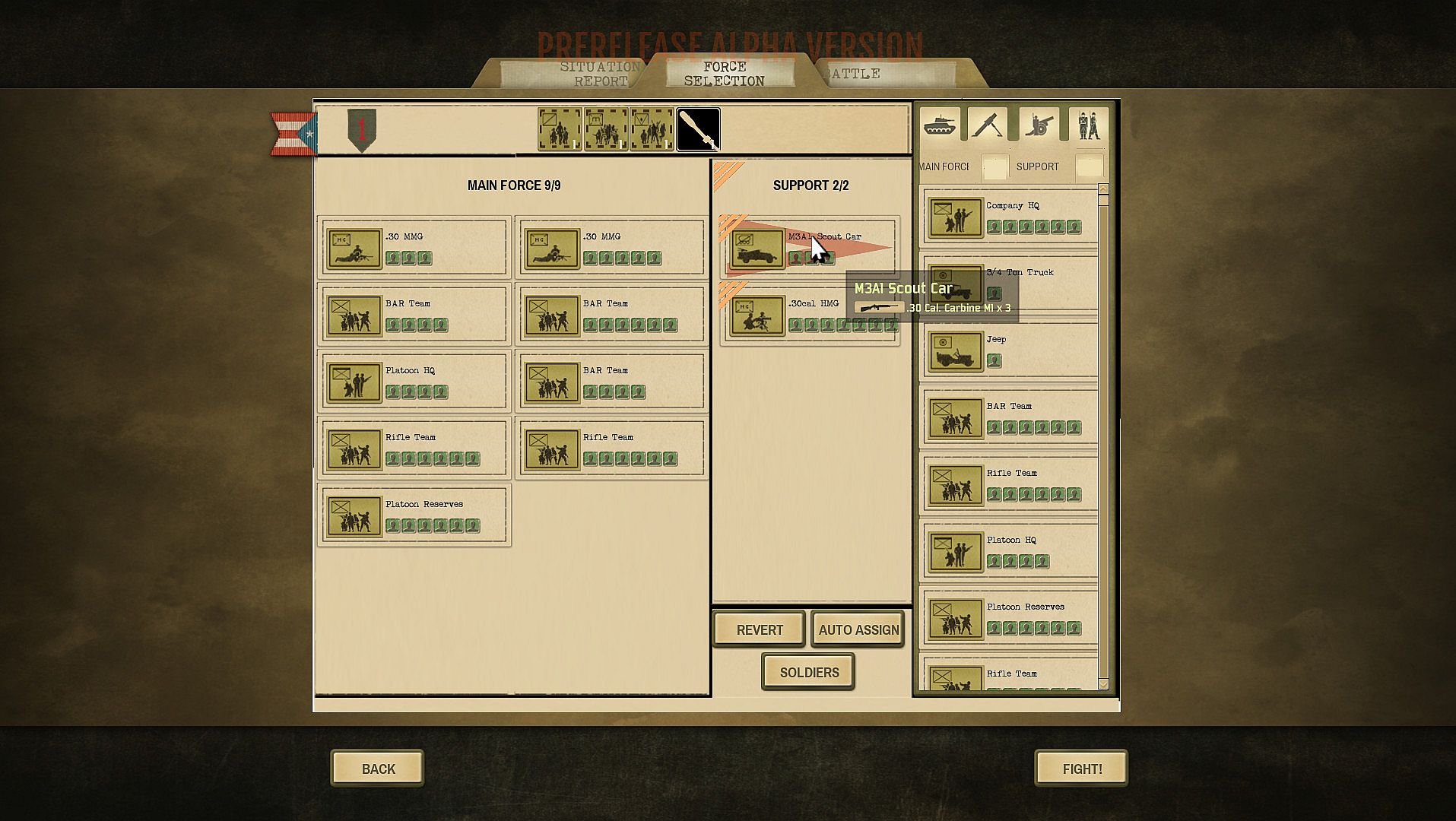
Historic order of battle data governs available forces, so players work with accurate company compositions rather than abstracted units. This setup rewards planning fire-and-movement combinations and knowing when to press an attack or hold a defensive line.
Game Modes
The game offers several structured ways to experience the campaigns. A grand campaign connects all three theaters into one continuous effort. Separate theatre campaigns cover Tunisia, Sicily, and Normandy individually. Within each theatre, players progress through operations that link multiple battles together.
Individual battles can be selected directly for focused play. There are 36 battles in total across 11 operations. Head-to-head matches are supported through an integrated lobby that requires an internet connection for two-player games.
These modes allow different approaches to the same content. Shorter battles suit quick sessions, while operations and campaigns track unit persistence and force availability between fights.
Campaign Structure and Settings
Three distinct settings shape the tactical challenges. Tunisia features five operations and 14 battles centered on locations such as Longstop Hill, Kasserine Pass, and El Guettar. Sicily includes three operations and 11 battles around Gela, Nicosia, and Troina. Normandy covers three operations and 11 battles that include Omaha Beach, the bocage country, and Operation Cobra.
Each setting introduces different terrain and opponent mixes. Early North African fights often pit inexperienced American units against veteran German armor. Later Sicilian and Norman engagements involve capturing defended towns and breaking through hedgerow networks. Thirty-two unique maps support these scenarios, with varied elevation and cover that influence line-of-sight and movement options.
Is It Worth Playing?
Player reception on Steam stands at mixed, with 51 percent of 397 reviews rated positive. Reviewers note satisfying moments when combined arms tactics succeed and praise the approachable interface for both newcomers and series veterans. Some point to occasional issues with unit pathing and balance in certain scenarios.
The game suits players who enjoy detailed tactical wargames focused on company-level command and historical accuracy. Those seeking ongoing updates or large-scale multiplayer will find limited support, as the title received its primary release in 2019 without subsequent seasonal content. Availability remains through standard PC digital stores, and the single-player campaigns provide substantial content for those interested in the 1st Infantry Division's path from Tunisia to Normandy.