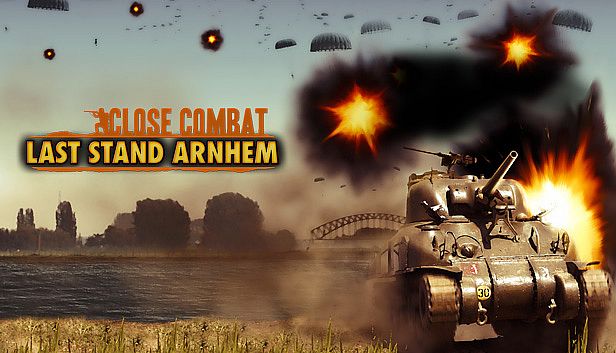




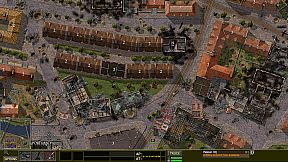
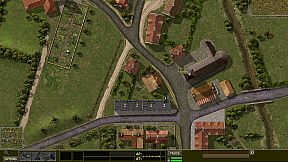
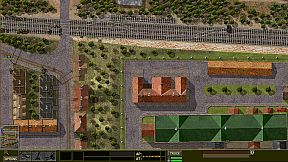
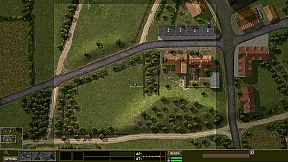
Close Combat: Last Stand Arnhem is a strategy simulation game set during the final stages of Operation Market Garden in World War II. Players command either Allied airborne forces attempting to secure Arnhem Bridge or German defenders trying to hold the line against the advance. The title draws directly from historical events around the British stand at the bridge, where ammunition ran out and the famous message about saving the king was sent.
Gameplay
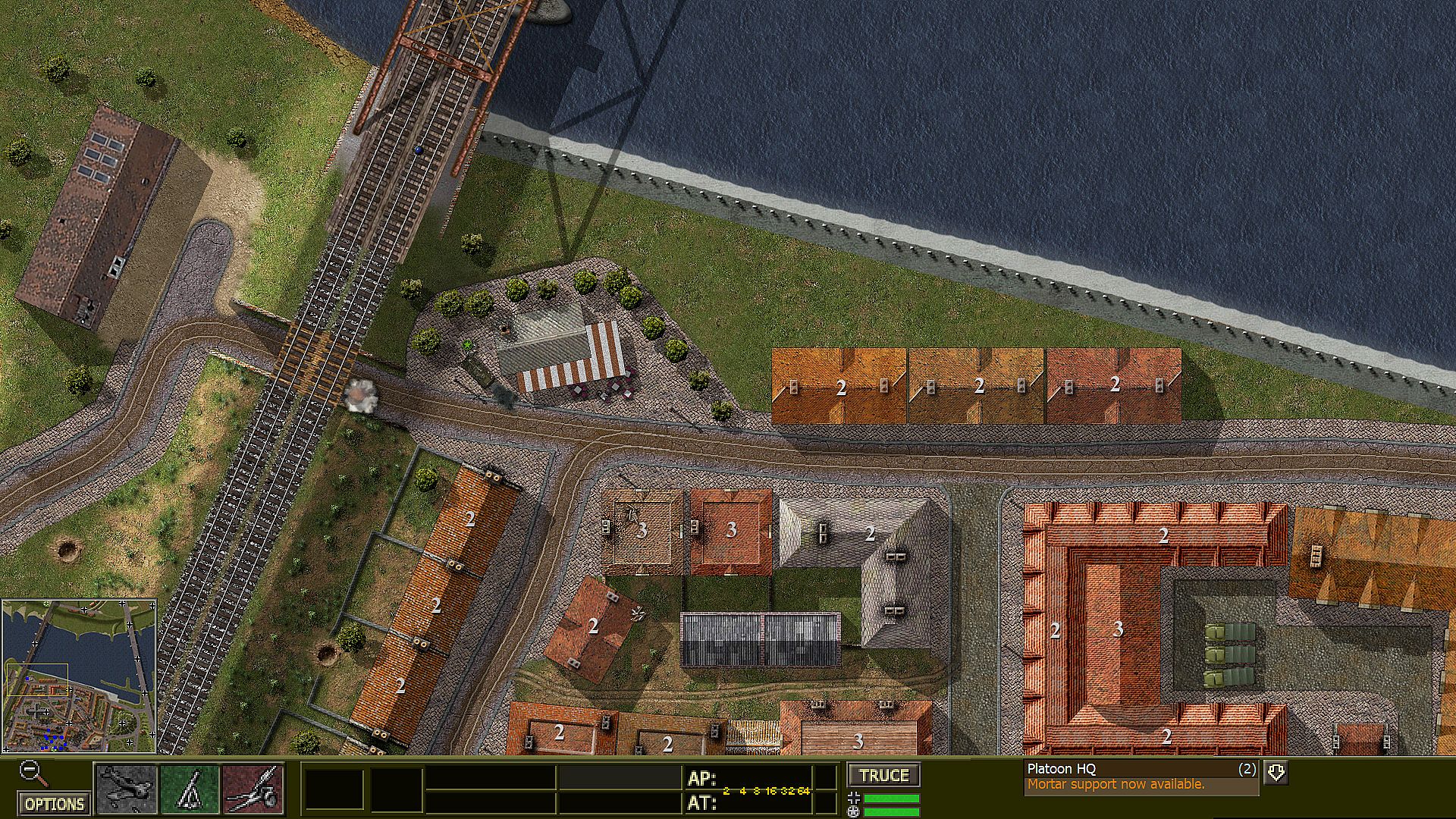
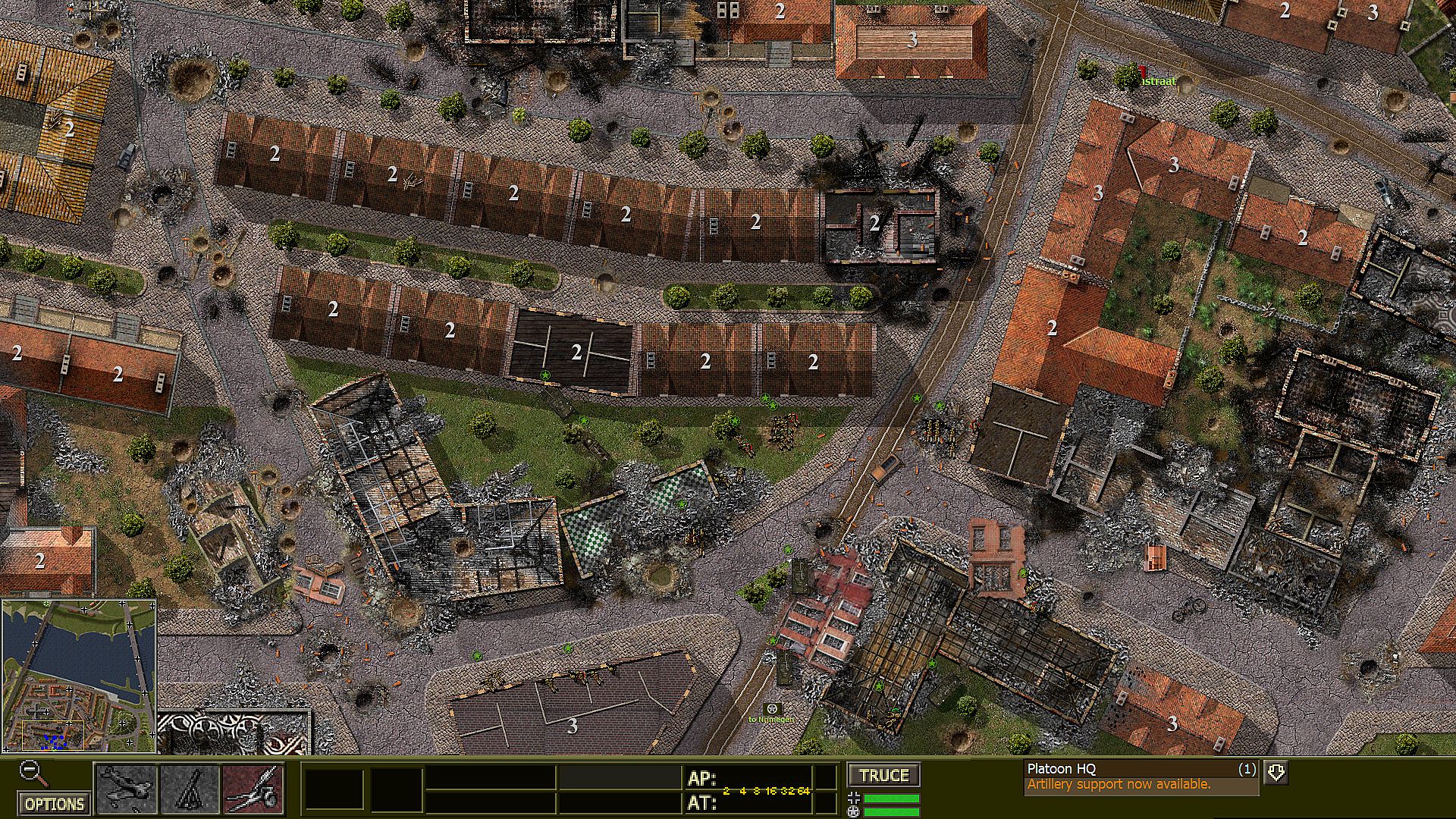
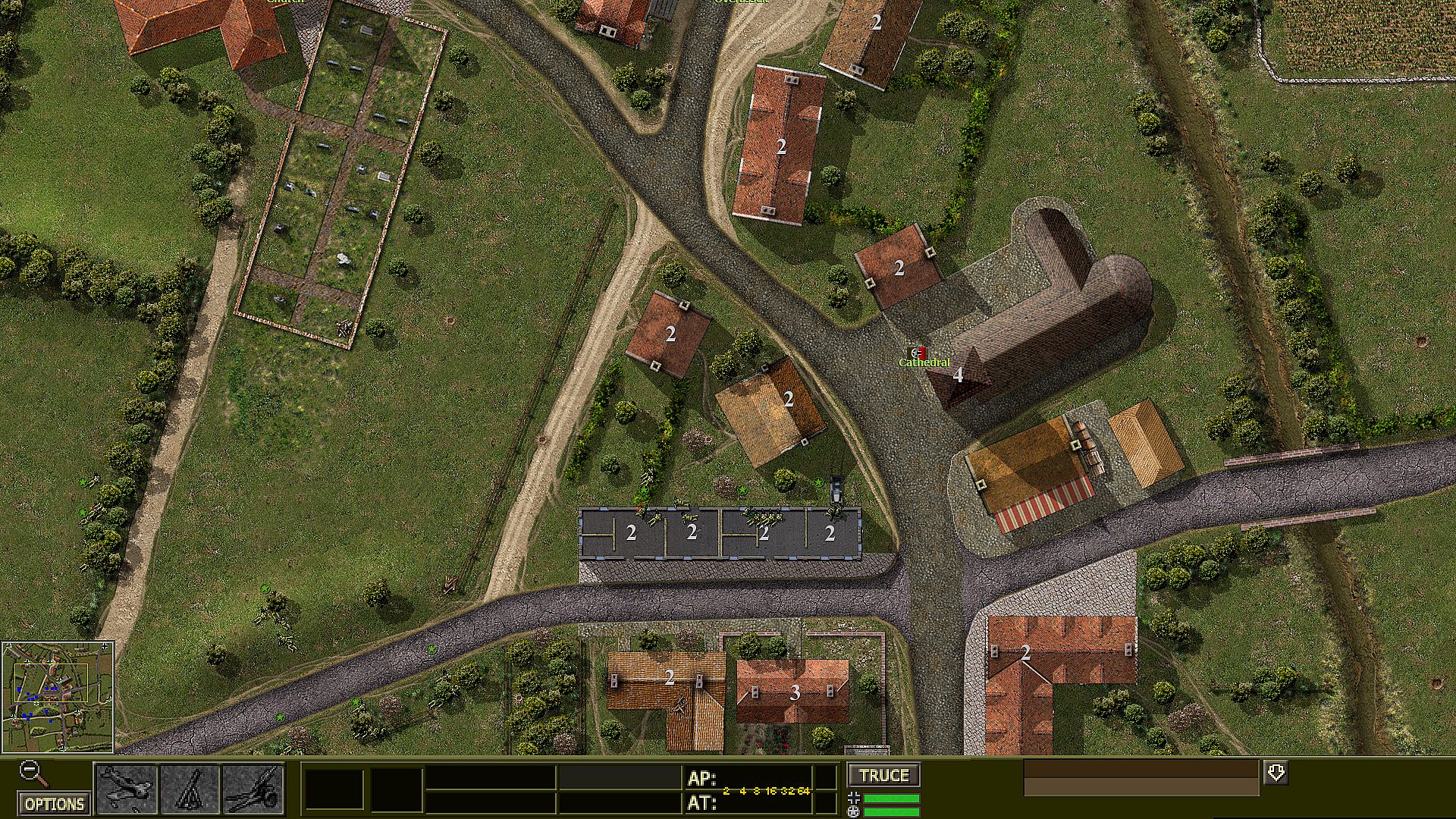
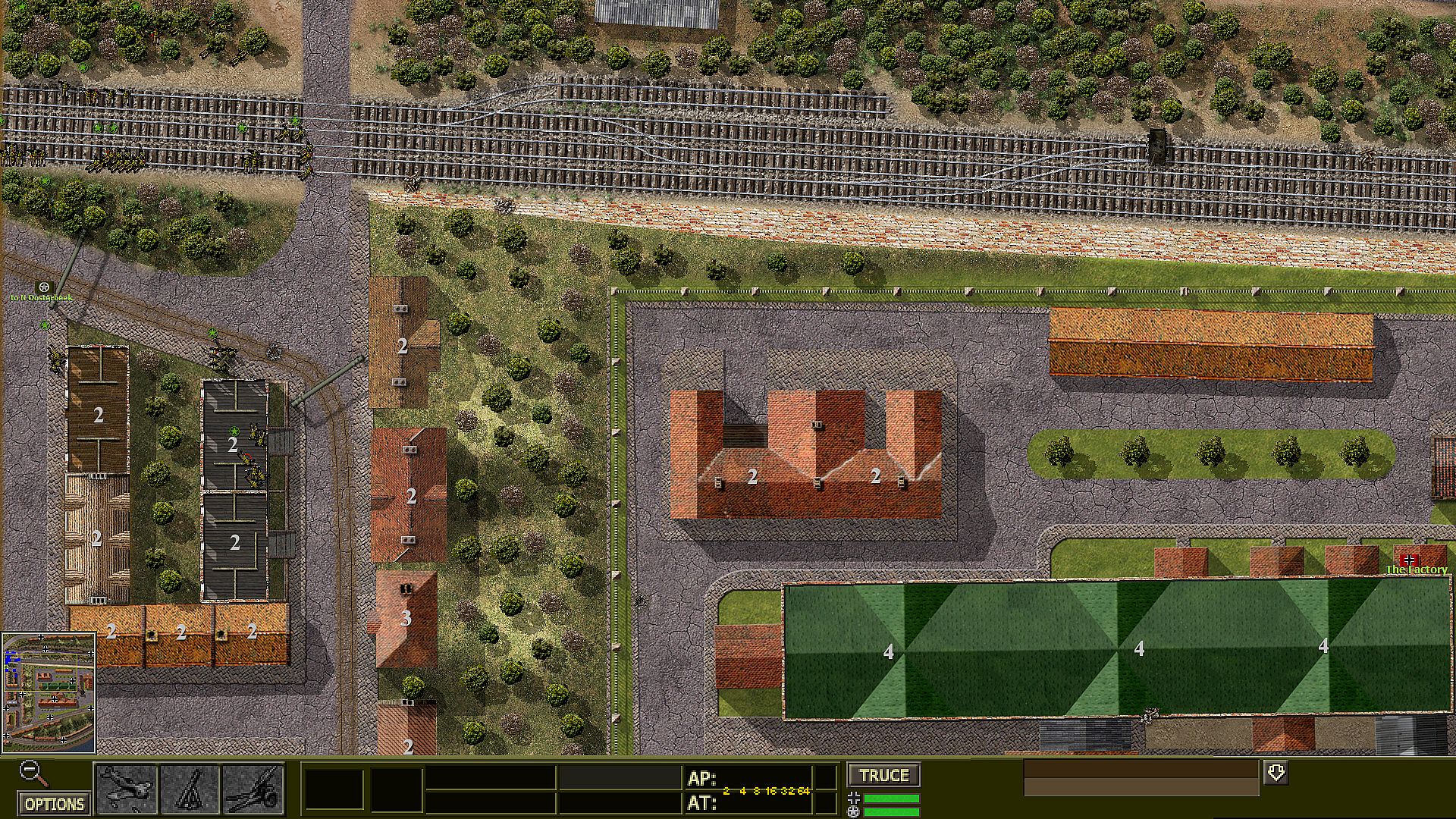
The core loop revolves around managing small teams of soldiers with realistic psychological modeling. Morale, fatigue, and individual soldier performance influence outcomes more than raw firepower in many situations. Battles unfold in pausable real time on detailed hand-drawn maps, allowing players to issue orders, adjust positions, and respond to developments without constant pausing. A strategic layer oversees larger movements of battlegroups across a campaign map, where decisions about reserves, reinforcements, and supply routes shape the broader conflict.
Key mechanics include a troop point buying system that lets commanders allocate limited resources to select teams from available force pools. Battlegroups can be stacked, merged, or lend units to one another, while static troops defend key locations even without active battlegroup presence. River crossings via ferries or assaults add tactical depth, and bridges can be demolished or repaired to control movement. Night fighting incorporates flare effects that temporarily alter visibility for both sides. AI improvements address pathfinding and unit response, though the emphasis remains on deliberate planning rather than rapid reflexes.
Support options such as off-map artillery or air strikes scale with difficulty settings. Larger map sizes up to 4800 by 4800 pixels accommodate expanded engagements, and cohesion and fatigue tracking provide ongoing feedback on unit effectiveness during extended operations.
Game Modes
Players access more than sixty individual battles that recreate specific clashes from the Arnhem fighting. These standalone scenarios focus on localized objectives and can be completed in shorter sessions. Operations link several battles into connected sequences where outcomes carry forward and affect available forces.
Campaigns expand the scope further, tracking overall progress through multiple operations with persistent elements like battlegroup strength and supply status. The enhanced Grand Campaign serves as the most comprehensive mode, spanning the full scope of the operation with video sequences marking key transitions and new days. Scenario editing tools allow customization of starting turns, reinforcement arrivals, and other parameters for tailored experiences.
Historical Context and Factions
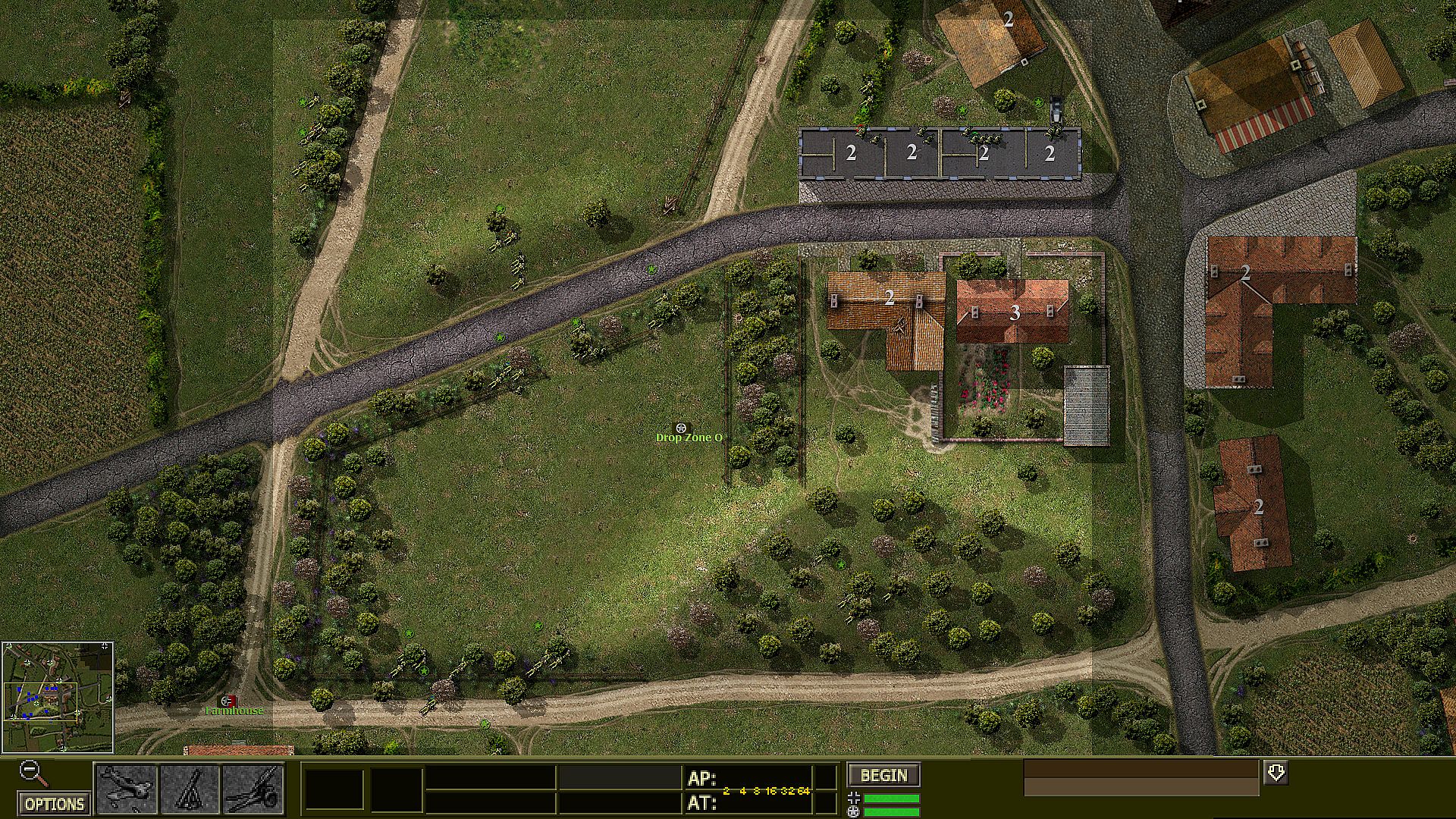
Allied forces center on British airborne units, including elements of the 1st Airborne Division with parent formation tracking that influences available team slots based on echelon size. German opposition draws from hastily assembled defensive groups with their own force pools and capabilities. Multiple nationalities appear with distinct equipment and performance characteristics on both sides. Airborne deployment mechanics simulate drop zones and initial scattering of forces, adding realism to the opening phases of engagements.
Expanded force pools and reserve battlegroups provide flexibility in force composition compared to earlier entries in the series. Parent formations help organize larger structures, while reports at battle end track campaign cohesion and victory location control to measure overall advancement.
Is It Worth Playing?
Steam user reviews rate the game Very Positive based on 130 submissions, with an 80 percent approval level. This reception highlights its appeal to players who value detailed tactical control and historical grounding over modern graphical polish. The title suits those interested in pausable real-time wargaming with strong emphasis on unit management and campaign persistence.
Availability on PC through standard digital platforms makes it accessible, and the included manual plus modding support extend its longevity for enthusiasts who want to adjust weather, scoring, or support options. For anyone drawn to the Close Combat approach of realistic small-unit tactics in a World War II setting, the combination of verified mechanics and positive community feedback supports a recommendation, particularly if prior experience with similar strategy titles exists.