














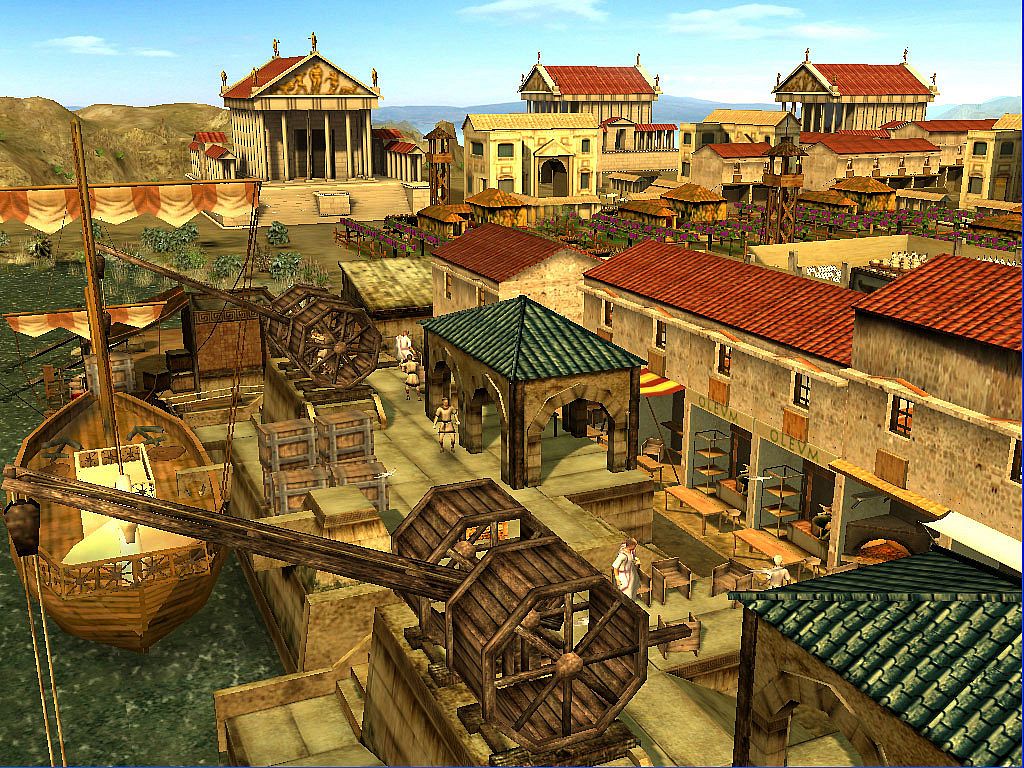
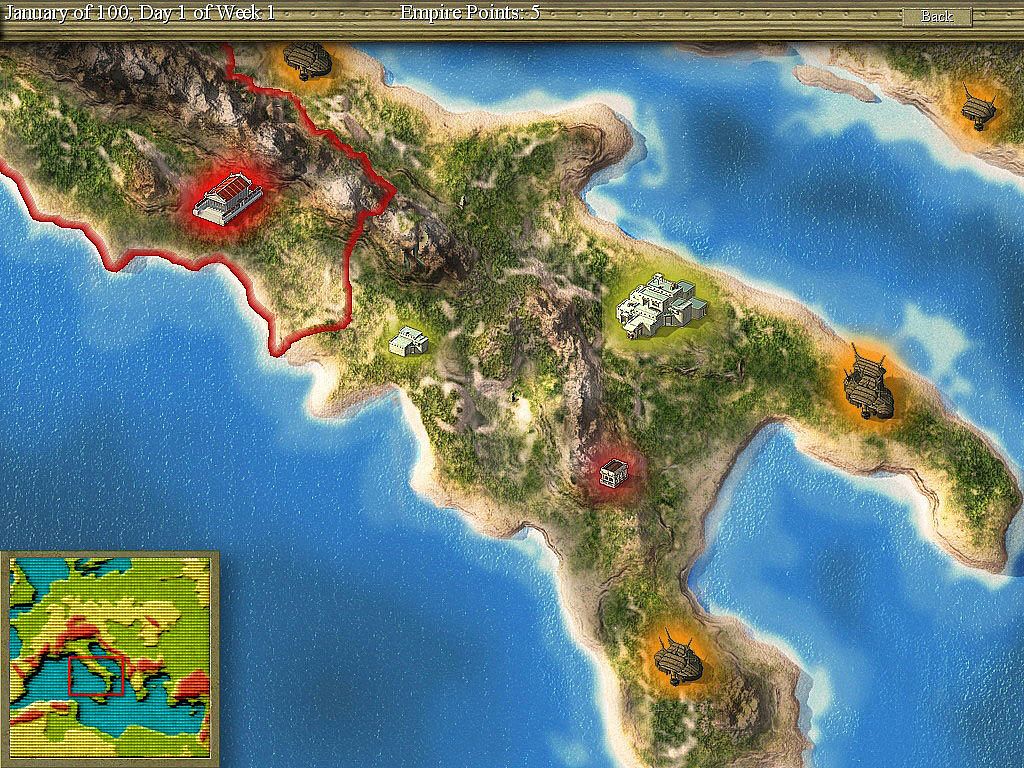
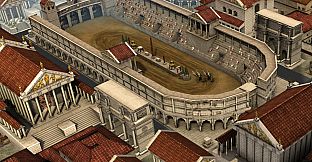
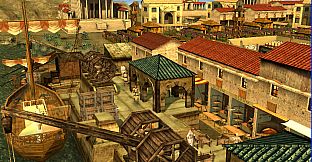
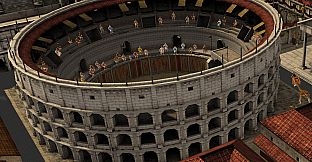
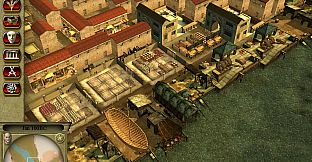
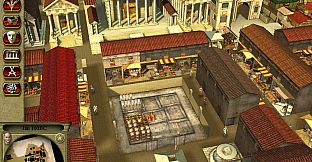
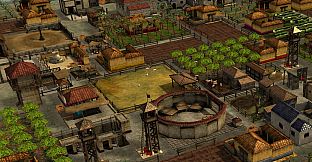
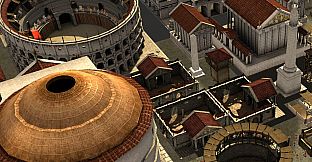
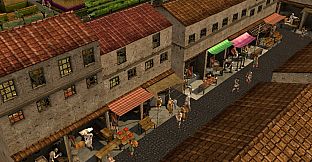
CivCity Rome is a single-player city-building strategy game set in the Roman Empire. Players take on the role of a governor tasked with developing settlements from basic huts into thriving urban centers, with the ultimate goal of contributing to the growth of Rome itself. The title blends traditional city management with research and progression systems drawn from the Civilization series, focusing entirely on one city at a time rather than empire-wide conquest.
Gameplay
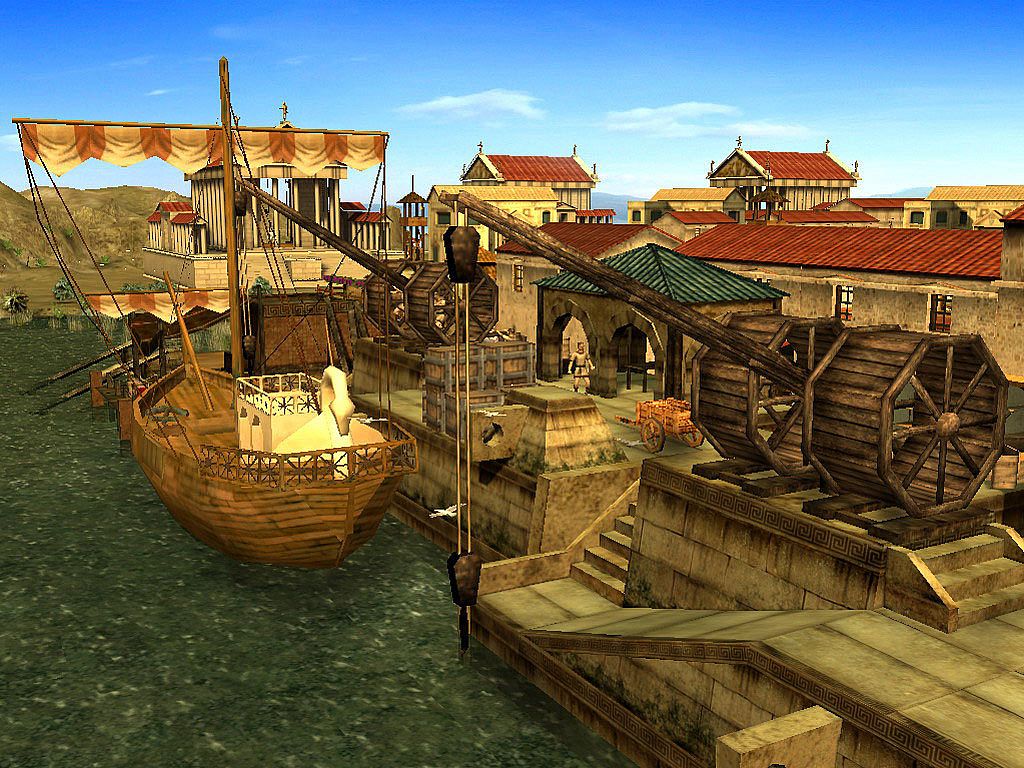
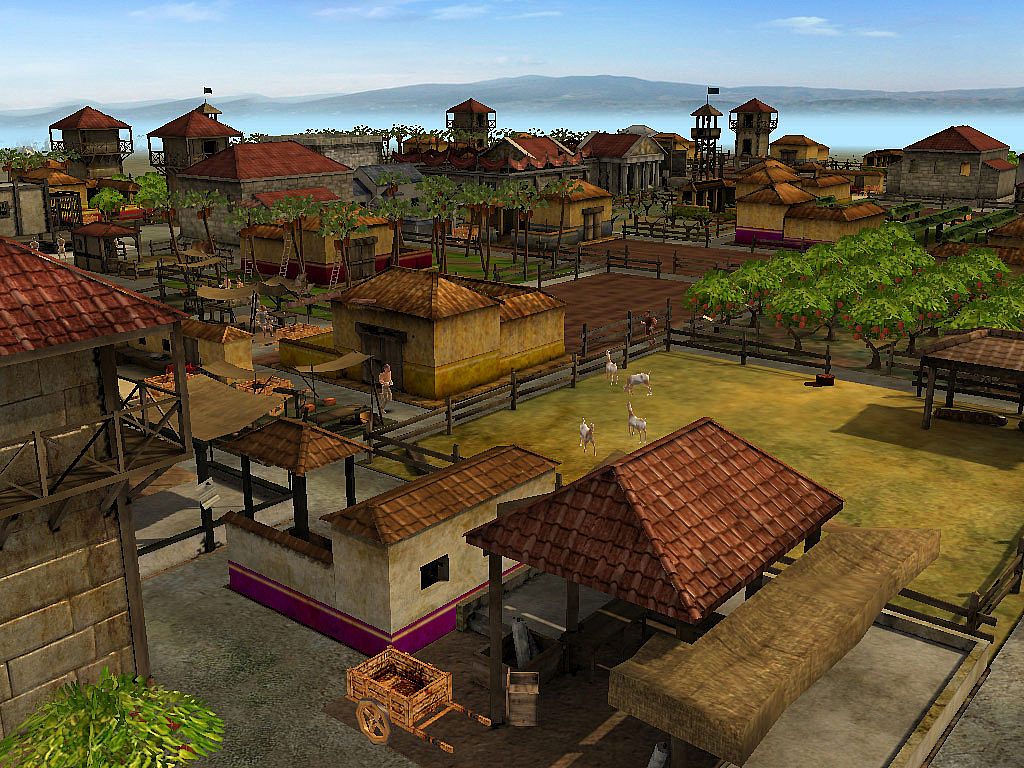
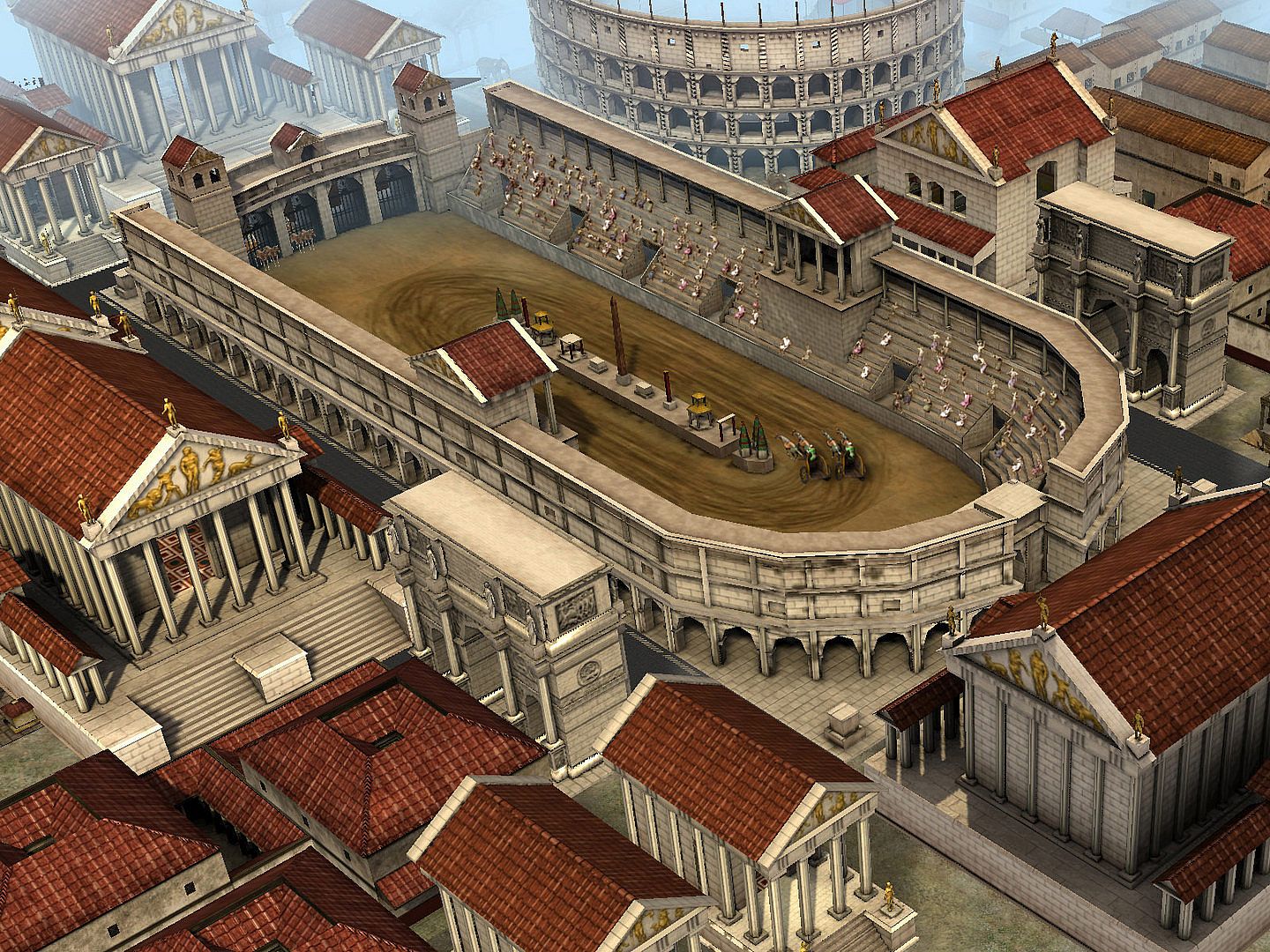
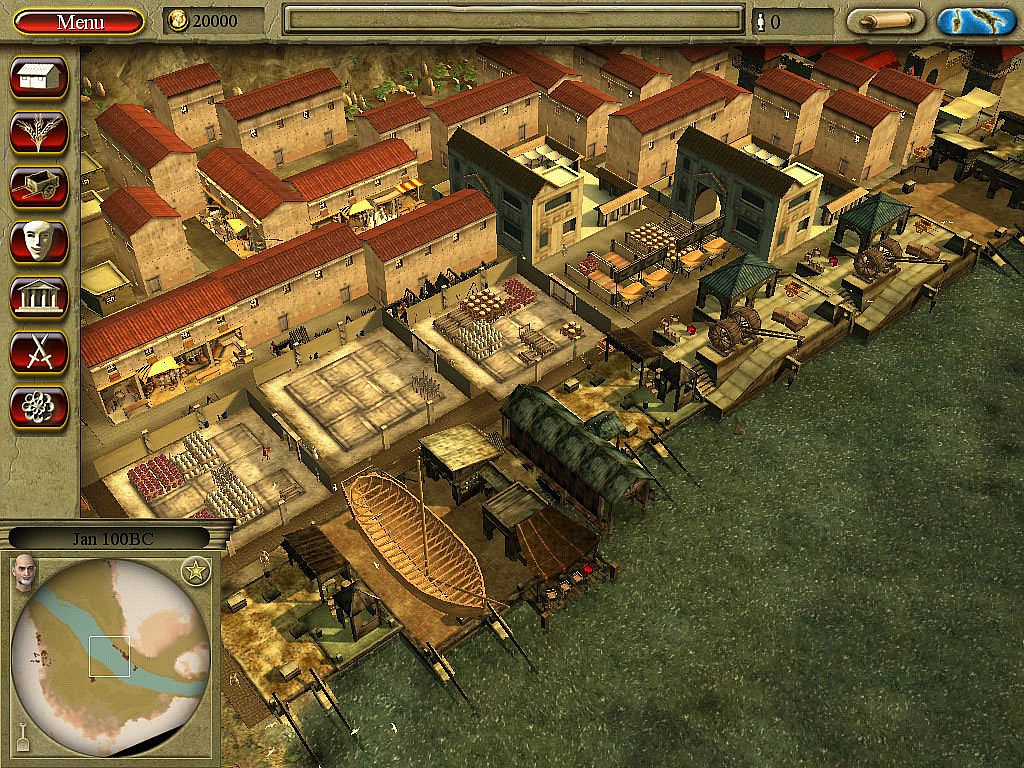
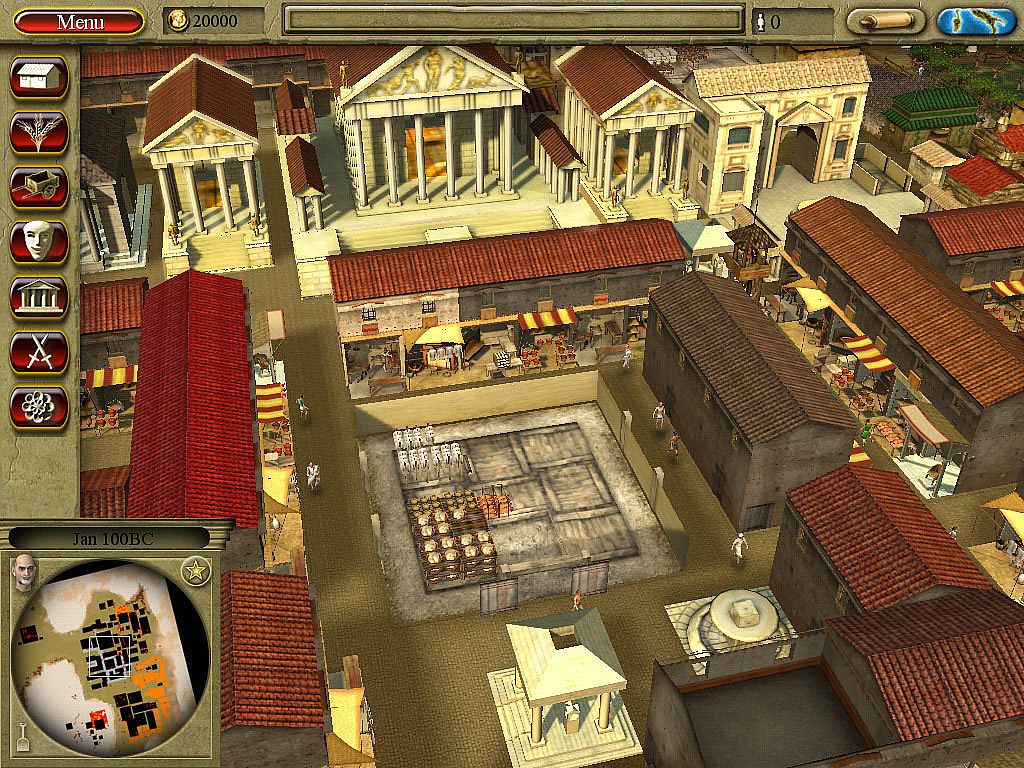
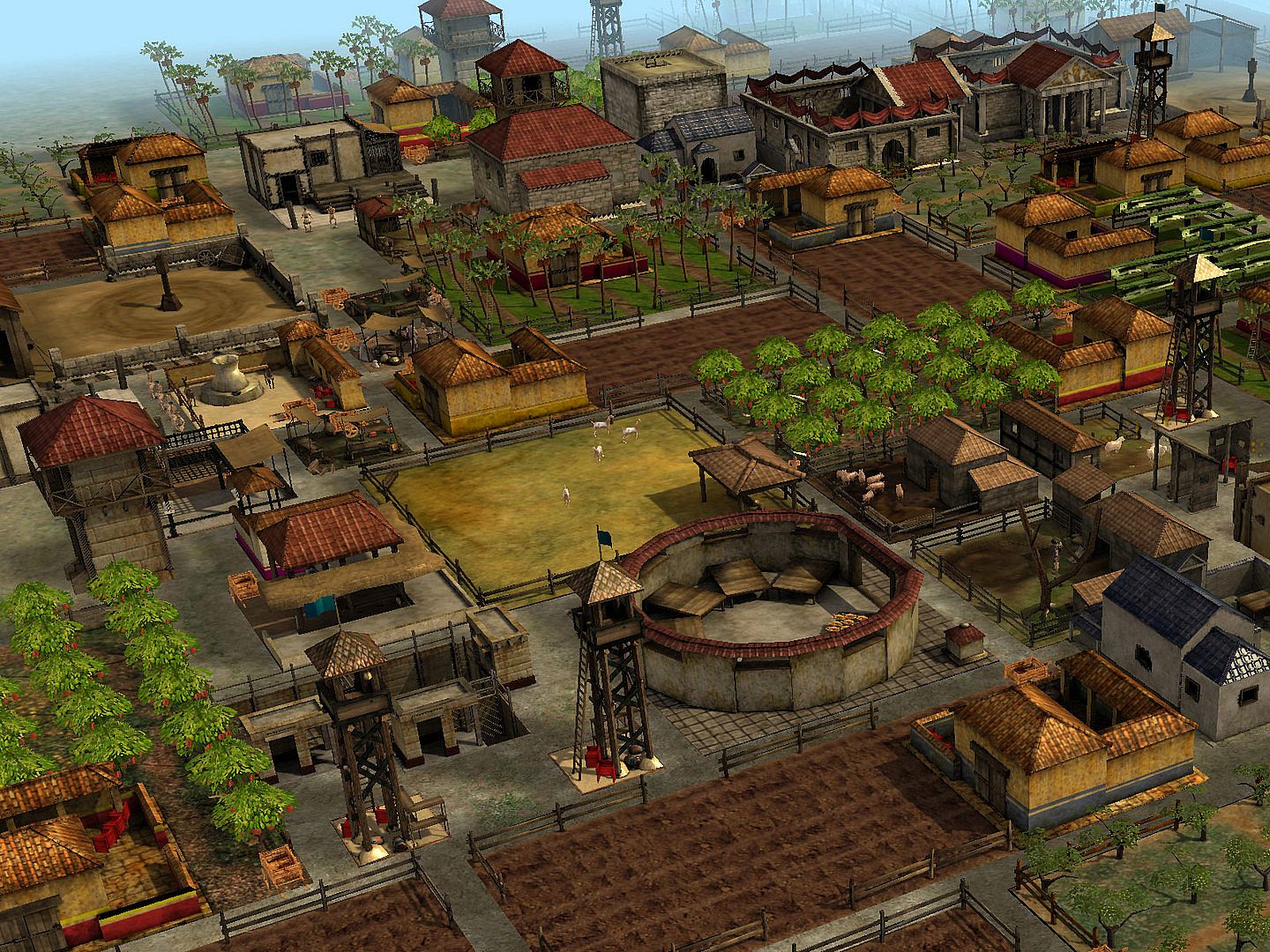
Core gameplay revolves around placing buildings to shape a living community. Each structure serves specific functions, from housing and production to services that boost citizen satisfaction. More than 70 technologies become available through a research tree, allowing improvements to production efficiency, cultural aspects, and overall city capabilities. These advancements provide strategic edges as the settlement expands and interacts with the broader empire.
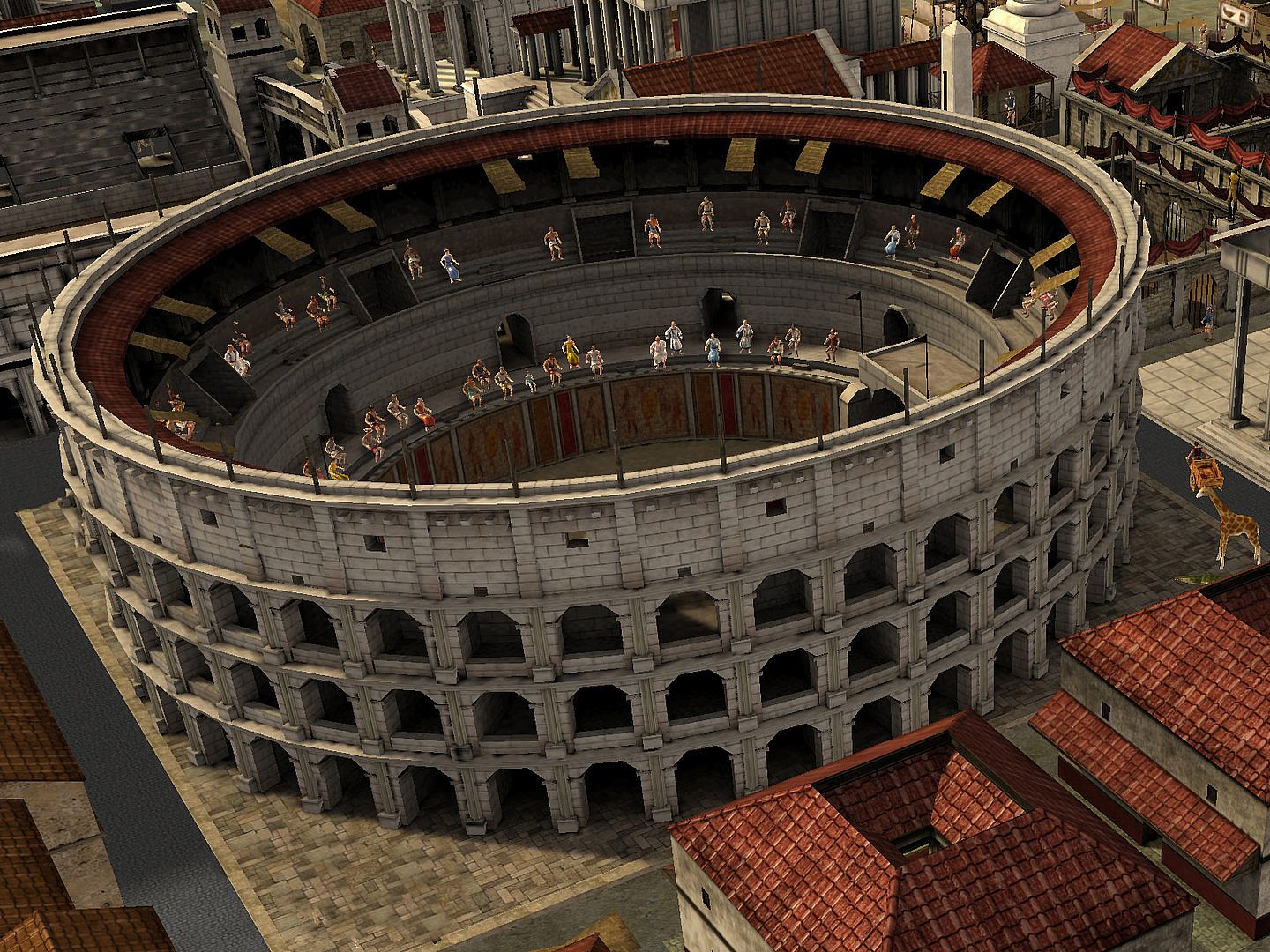
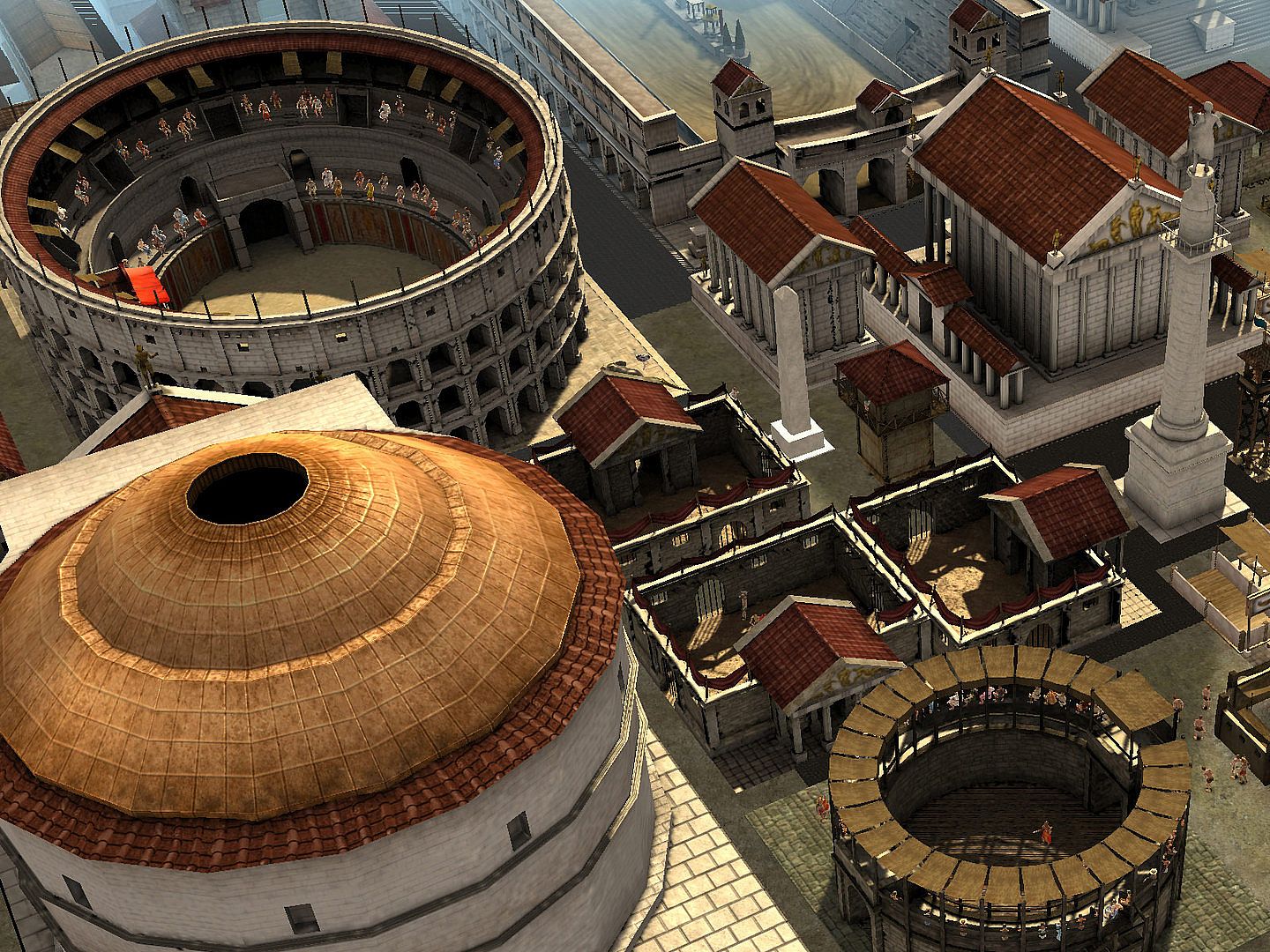
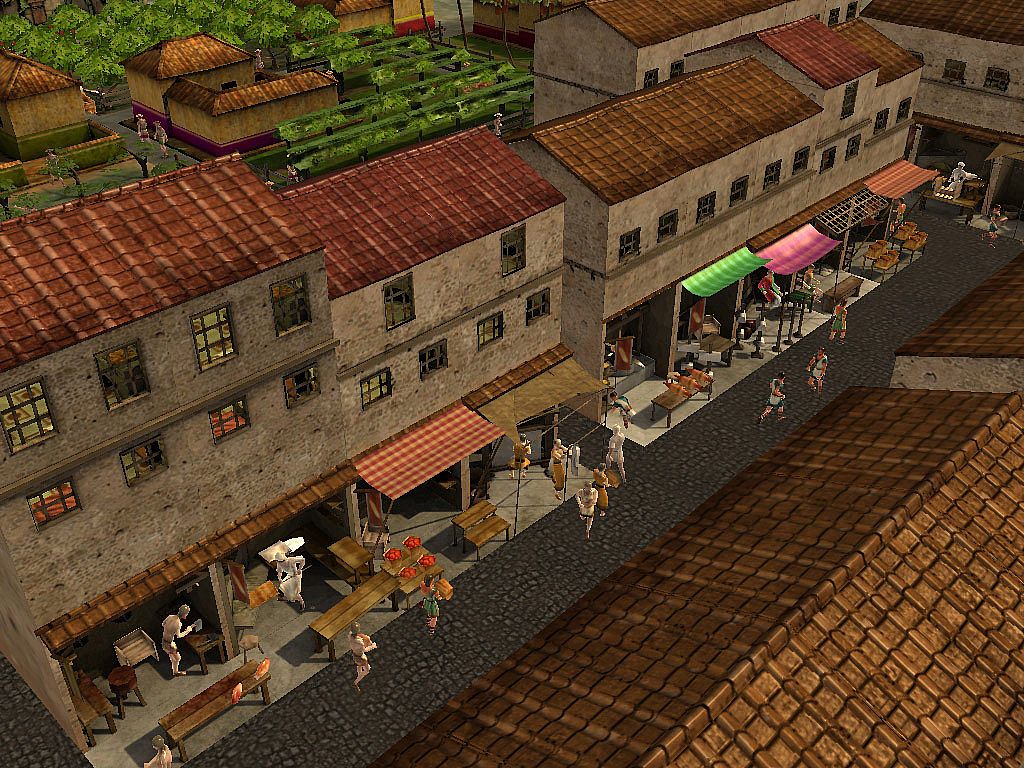
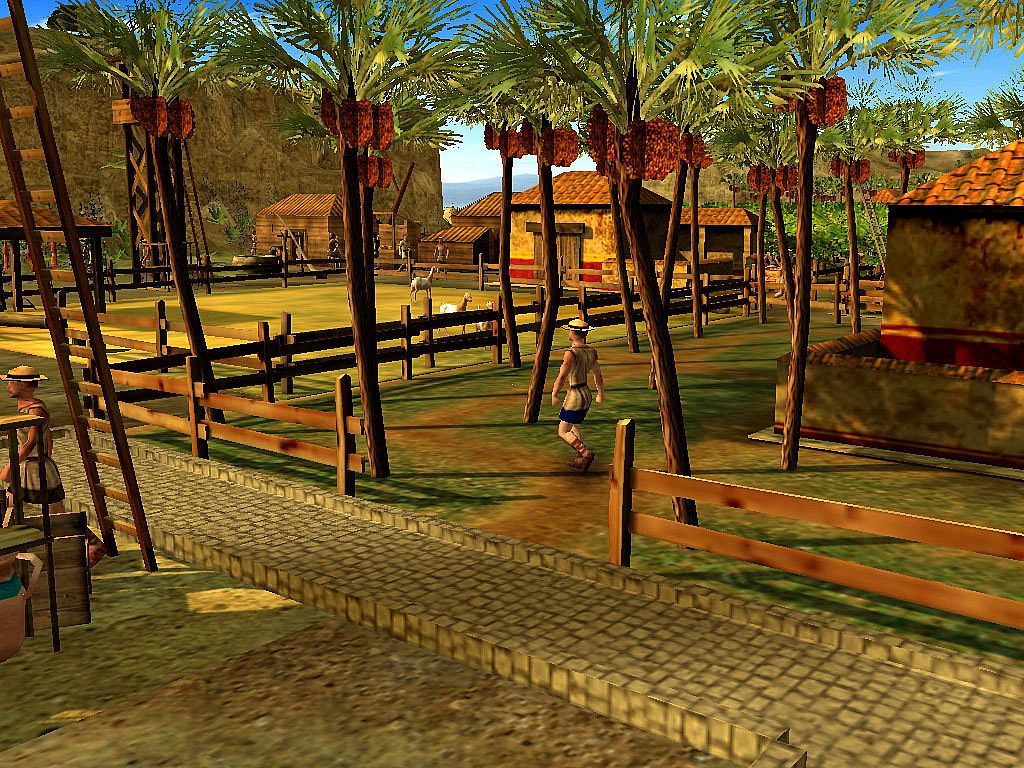
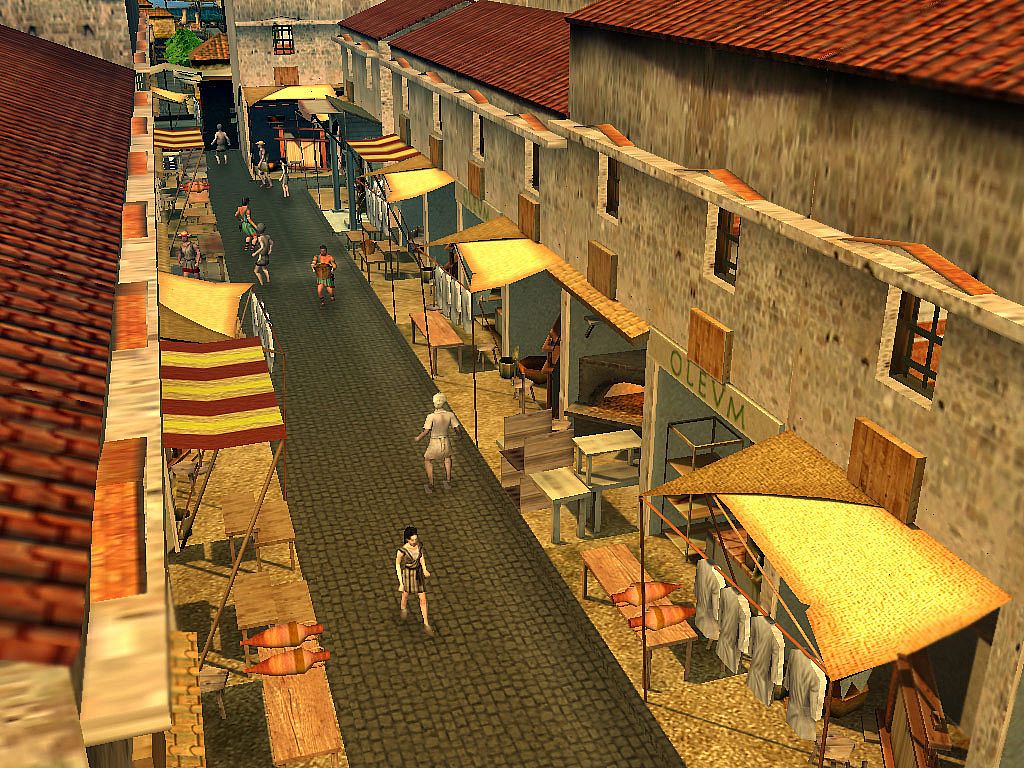
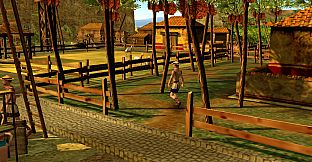
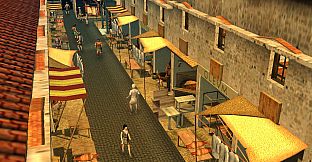
Players can view the interiors of key buildings such as villas, forums, and Roman baths. This feature reveals daily Roman life in detail, showing how residents use facilities and contribute to the city's rhythm. Housing evolves across generations as families progress from modest dwellings to more prosperous homes, influenced by access to goods, leisure, and work balance. Characters representing real Romans appear and interact, adding personality to the management process.
Visual feedback guides decisions, with building placement directly affecting resource flow, happiness, and growth. The emphasis stays on intuitive layout choices rather than complex menus, though the interface reflects the era of its release with some dated elements.
Game Modes
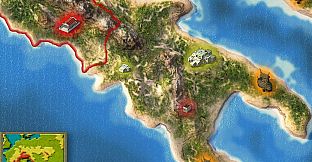
The primary experience comes through a campaign structured around dozens of missions. Each mission presents distinct objectives tied to historical Roman contexts, requiring players to build, manage resources, and meet targets while advancing the empire's development. A selection of standalone missions offers shorter, focused challenges separate from the main narrative arc.
Additional options include a map editor for creating custom scenarios. These modes keep the focus on single-city development without multiplayer components or competitive elements.
Key Mechanics and Progression
Research integrates directly into city planning, unlocking upgrades that enhance production chains and citizen well-being. City happiness ties into cultural and service buildings, while production tracks resource output to support expansion. The family progression system tracks generational changes, rewarding sustained management with improved housing levels and community stability.
Seventy-five building types cover the needs of Roman citizens, from basic infrastructure to specialized amenities. Adjusting work and leisure schedules influences how effectively residents upgrade their homes and contribute to the settlement.
Is It Worth Playing?
Reception for CivCity Rome remains mixed among players who enjoy classic city builders. Positive feedback highlights the authentic Roman atmosphere, the integration of research mechanics, and the satisfying progression of families and buildings. Critics note clunky interface elements and visuals that have not aged well compared to modern titles.
The game suits those seeking a focused, single-player experience with Civilization-inspired depth in a historical setting. It offers no ongoing updates or seasonal content, as development ended years ago, yet it remains available for players interested in its specific blend of mechanics. Those who appreciate deliberate building placement and generational management may find it rewarding, while players preferring polished modern interfaces or multiplayer options might look elsewhere.