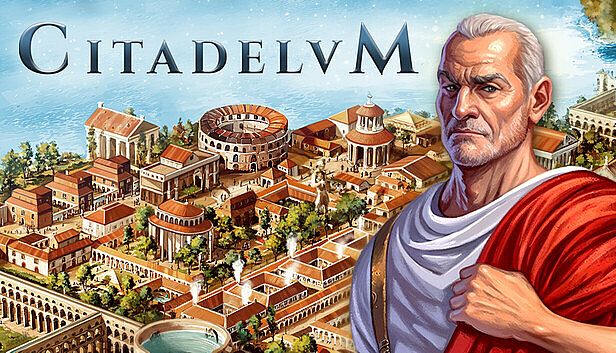









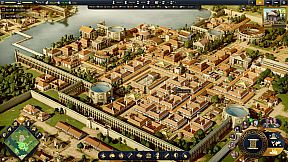
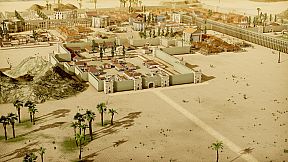
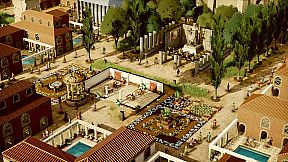
Citadelum is a strategy, indie, and simulation city builder set in ancient Rome. Players construct settlements that grow into thriving cities while managing resources, population needs, and external threats in a single-player experience focused on Roman history blended with mythology.
Gameplay
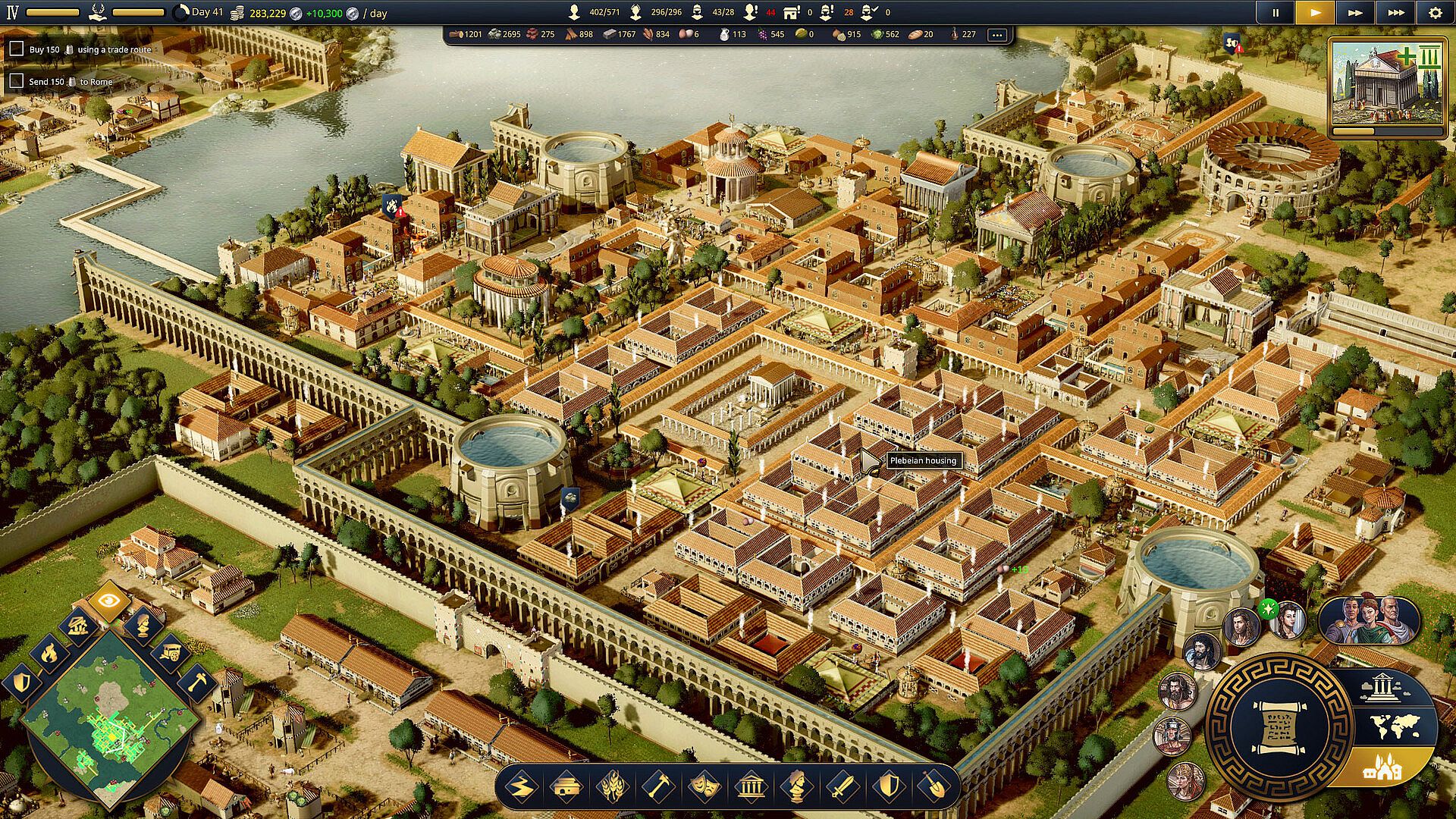
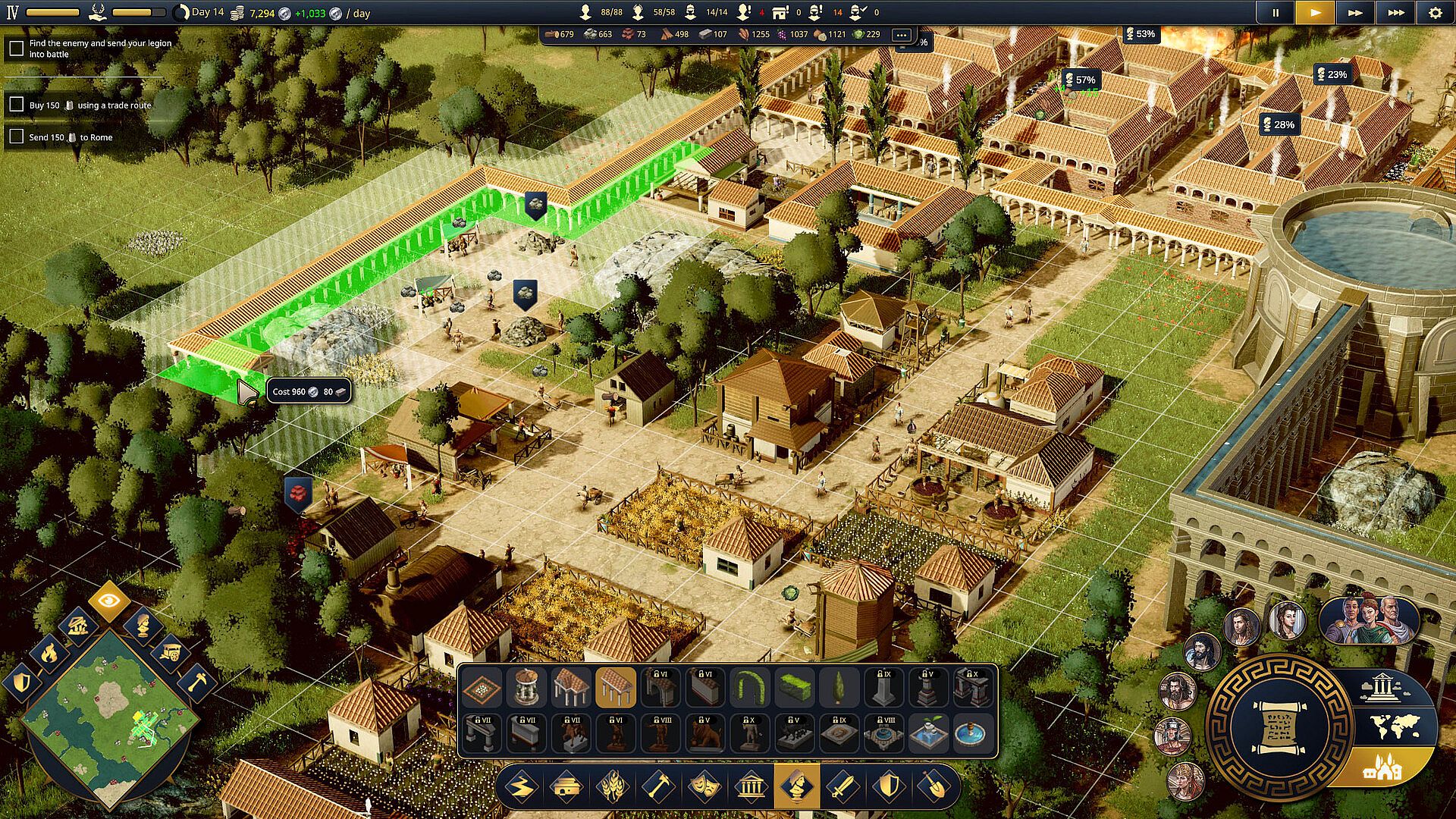
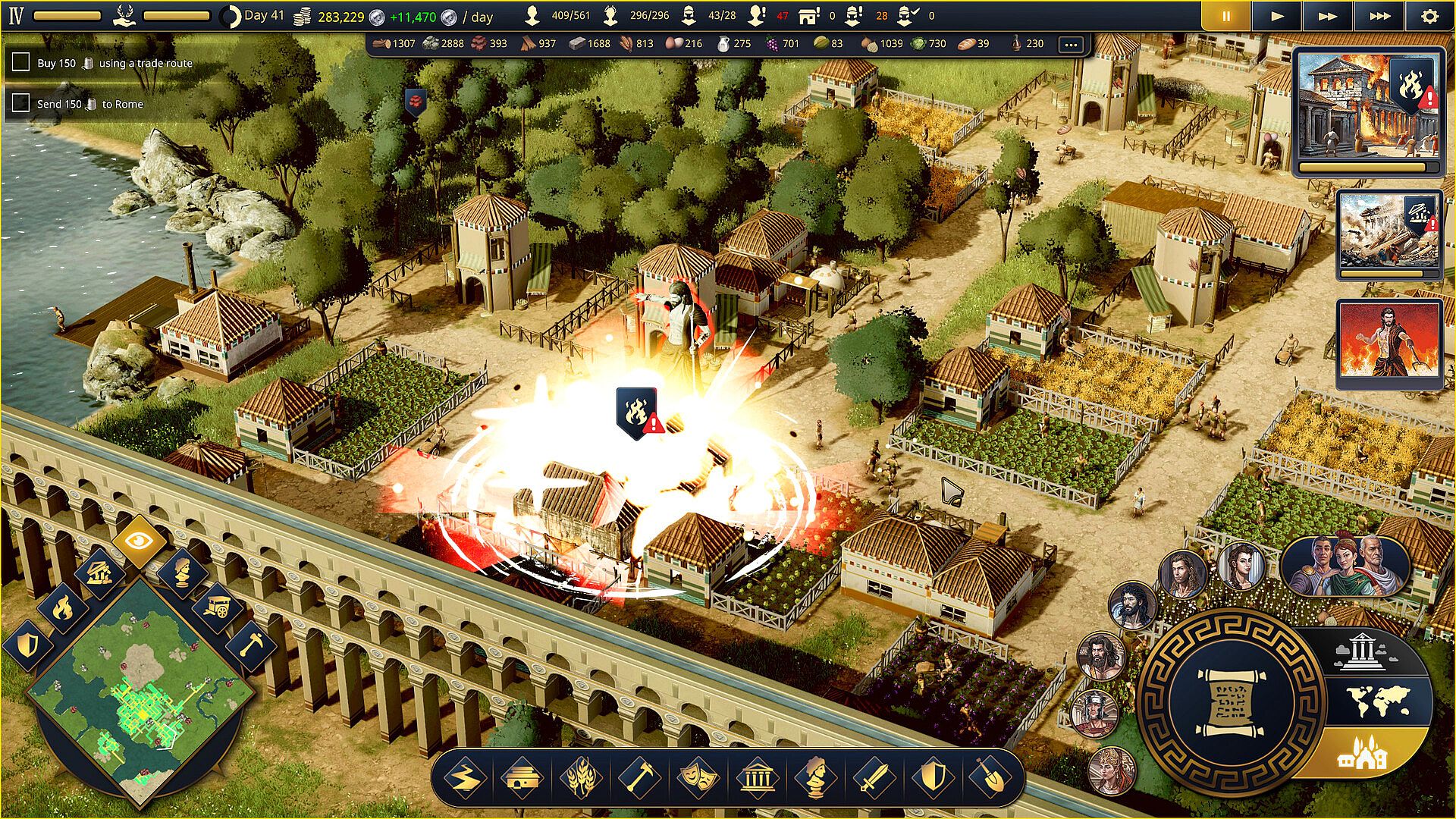
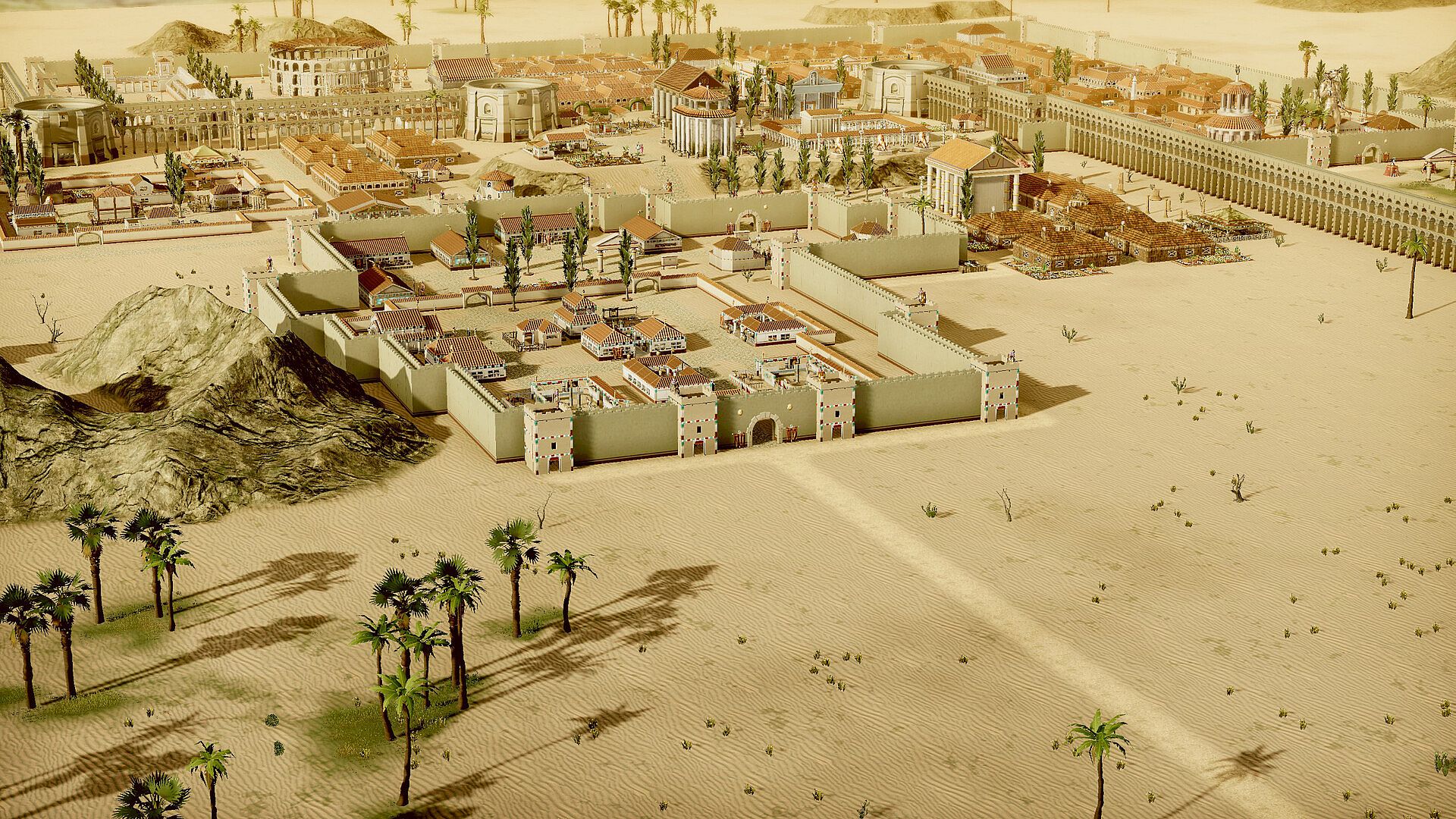
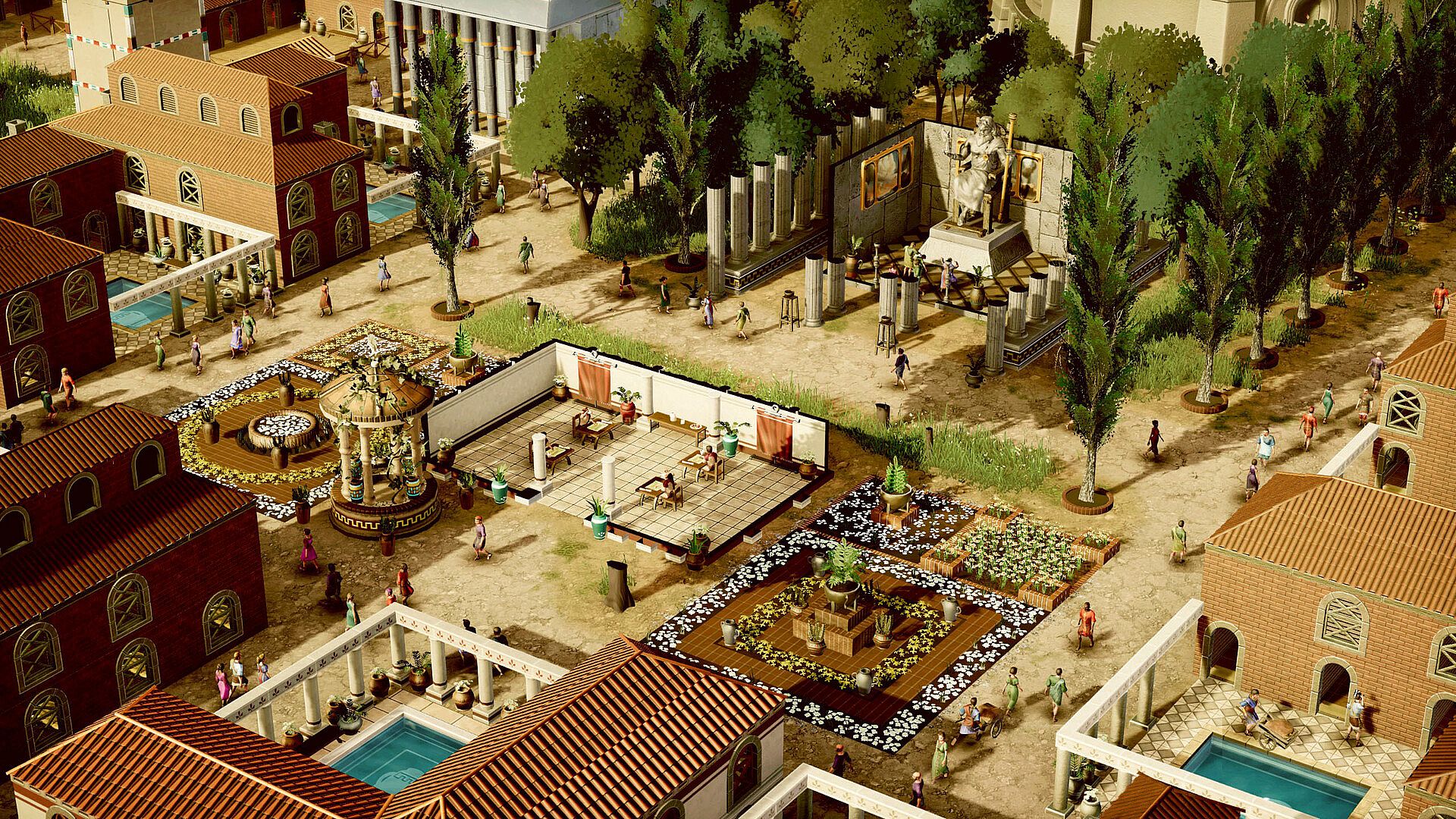
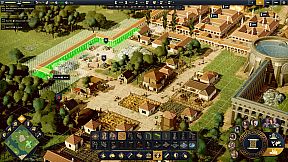
The core loop centers on building and expanding a Roman settlement. Players gather raw materials from forests and quarries, refine them, and use them to construct homes, workshops, and infrastructure. Food production involves breeding animals, cultivating vegetables, fishing, and producing wine to sustain citizens. Water management requires aqueducts alongside other improvements to buildings that boost efficiency and desirability.
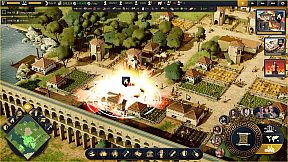
Citizens arrive as plebeians who can be assigned roles such as artisans, farmers, or carpenters. Some receive training to form different legion units for military purposes. Defensive structures like towers and walls guard against barbarian raids as the settlement scales up. The economy expands through trade routes that import exotic goods once new territories open up.
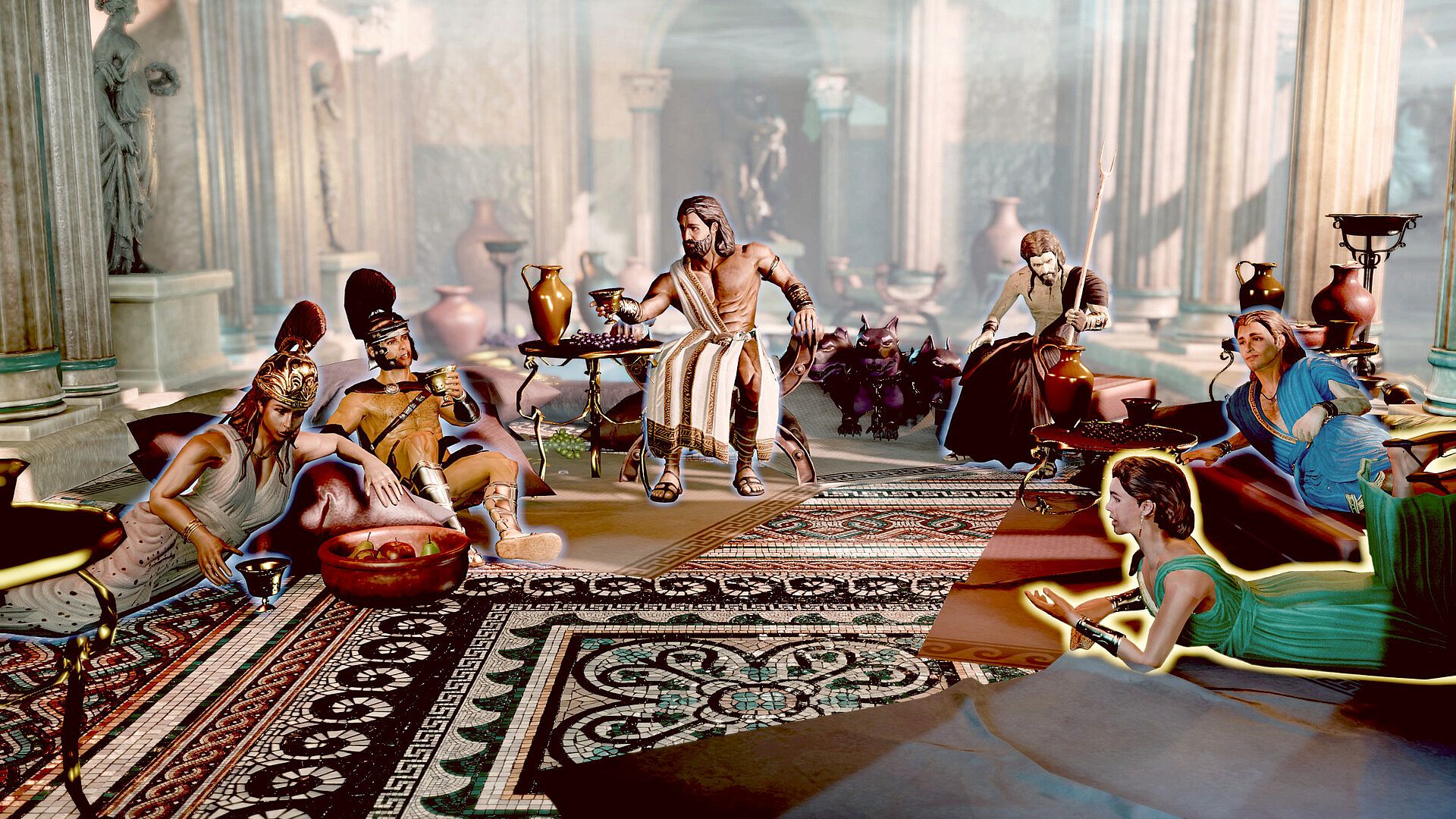
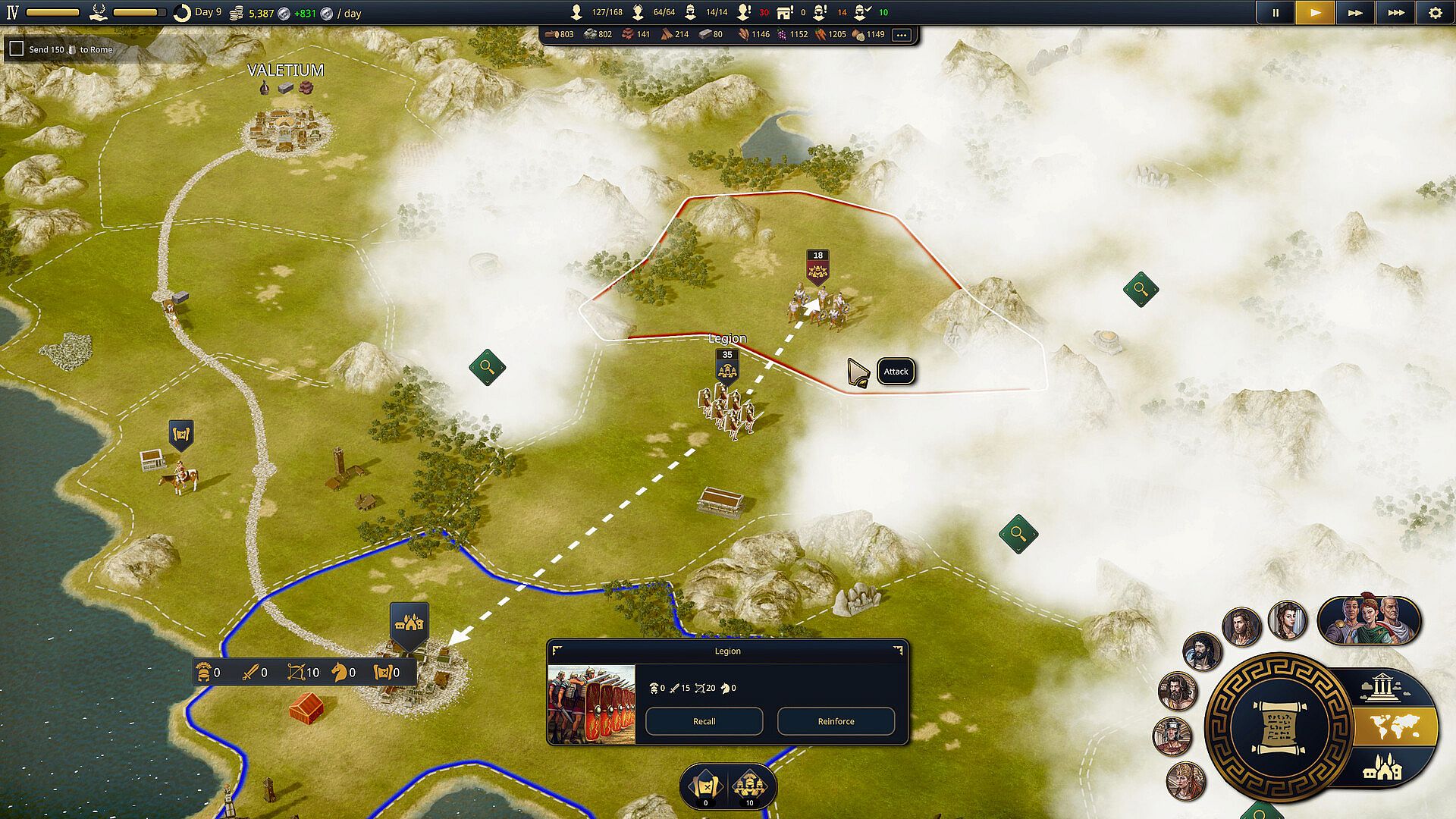
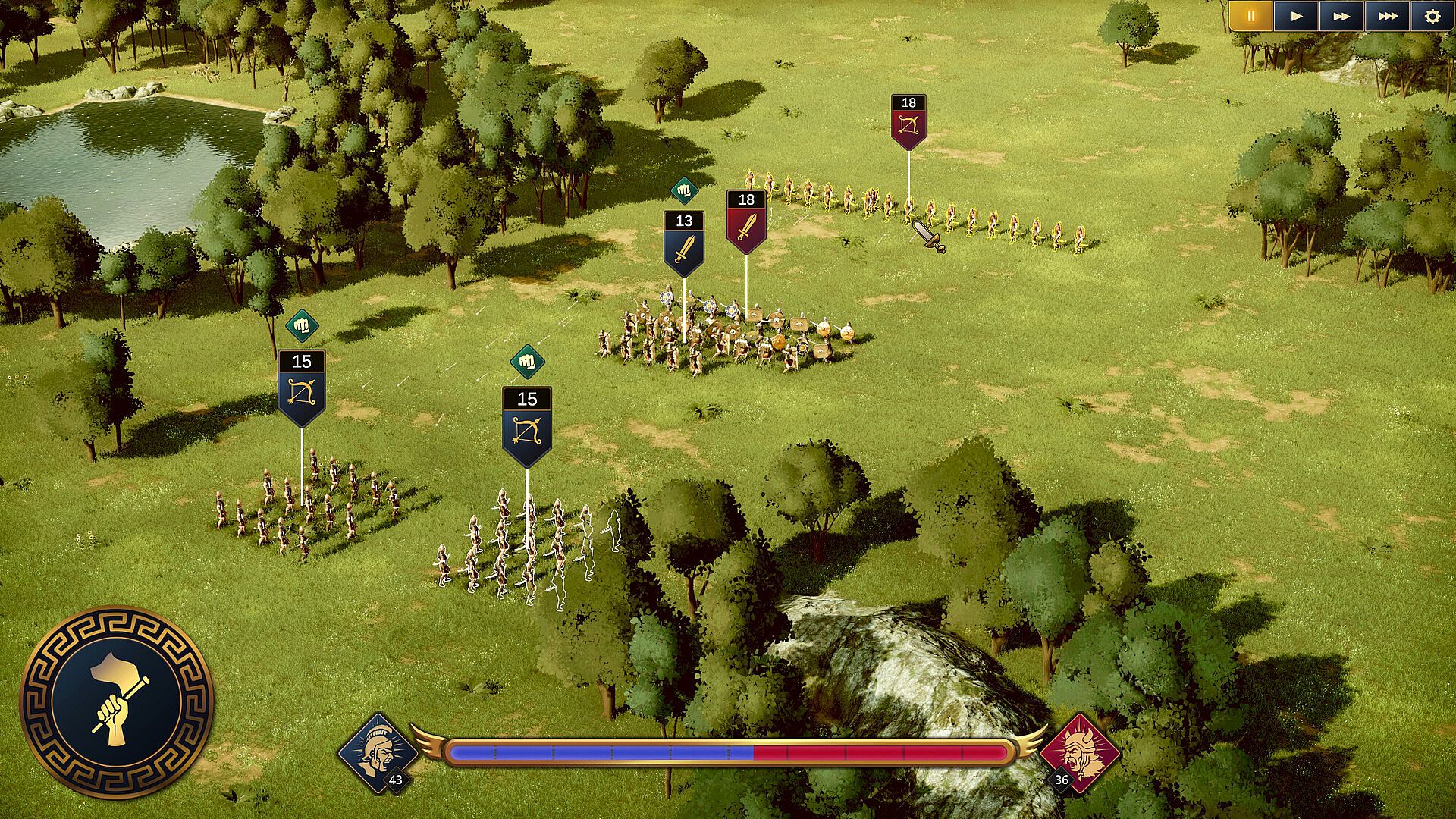
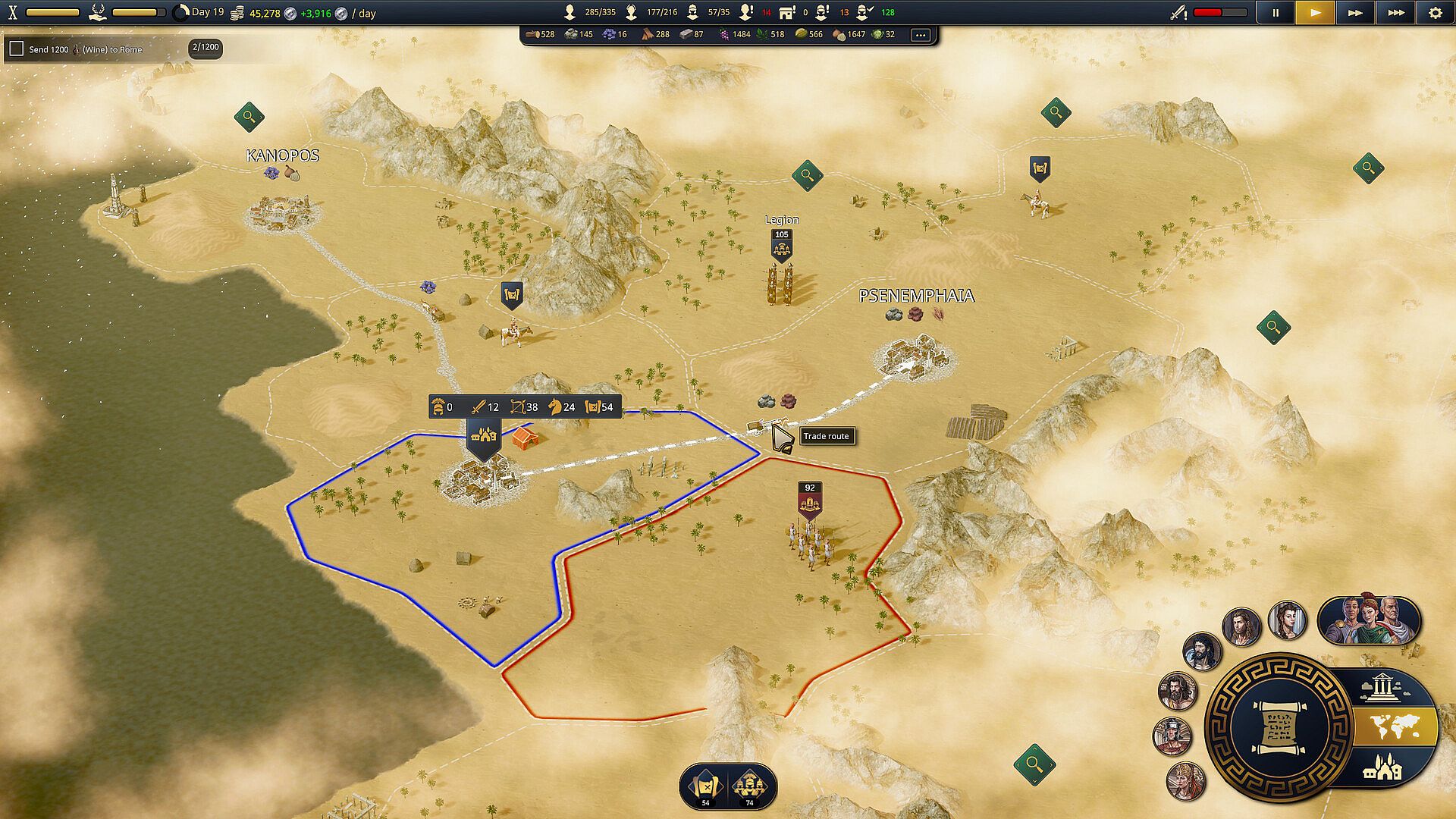
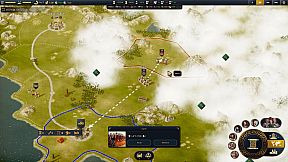
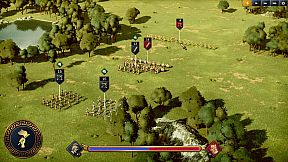
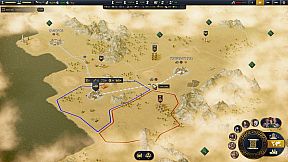
Exploration on the world map involves liberating villages under siege and deploying legions in tactical auto-battle combat. Explorers search for mythological artifacts that provide advantages, while Senate missions guide territorial growth. The gods layer adds another dimension: constructing temples and presenting offerings to secure divine gifts, though favoring one deity risks angering others and triggering punishments or interventions on the ground.
Game Modes
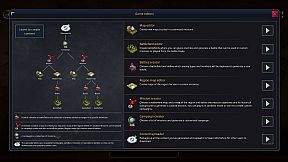
Citadelum features a campaign mode with structured scenarios that introduce new objectives and challenges progressively. Sandbox mode allows open-ended city development without fixed goals, giving players freedom to experiment with layouts, trade networks, and divine relations at their own pace.
Both modes incorporate the three-layered system of city management, map-based expansion with commerce, and god interactions. Each playthrough generates varied missions, artifacts, and encounters due to the non-linear narrative tied to deity choices.
City Building and Expansion Systems
Resource chains demand careful planning. Forests supply wood, quarries yield stone, and farms plus animal husbandry cover nutrition needs. Population growth brings new demands for entertainment, health, and housing that must balance across social classes. Military training diverts some citizens from civilian duties, creating trade-offs between defense and productivity.
Strategic expansion unlocks larger economies. Securing areas enables trade that brings in specialized materials, while artifact collection supports further development. The auto-battle system handles legion engagements without direct control, emphasizing preparation through unit composition and prior city investments.
Divine Influence and Narrative
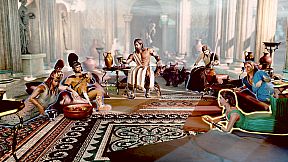
Gods function as active participants rather than static background elements. Temples and offerings determine their disposition, leading to boons like resource bonuses or direct aid during crises. Negative relations can result in disasters or restrictions that force adaptive strategies. This system creates replayability through different deity focus paths and random mythical events.
Is It Worth Playing?
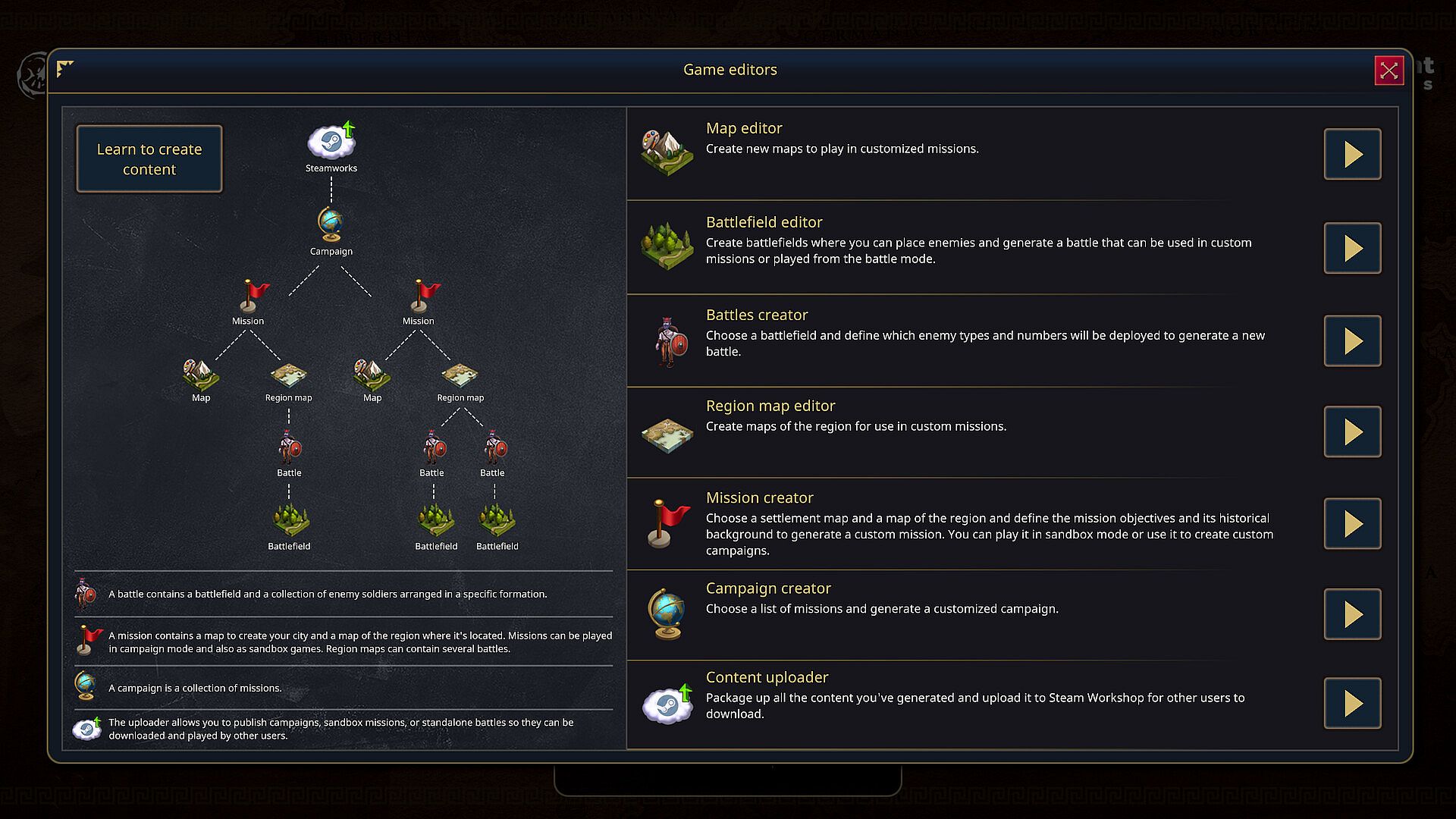
Citadelum suits players who enjoy detailed city-building simulations combined with light strategy elements and mythological flavor. The campaign provides guided progression with clear objectives, while sandbox supports creative long-term projects. Recent updates have added depth to construction and management options, and community workshop support allows custom maps and campaigns.
Reception has been strong, with critics noting the solid integration of classic mechanics and the unique god system. User feedback highlights satisfying economic loops and the replay value from divine variability. Those seeking pure historical accuracy or deep real-time tactics may find the auto-battle and simplified elements less engaging, but the overall package delivers a cohesive experience for fans of the genre.