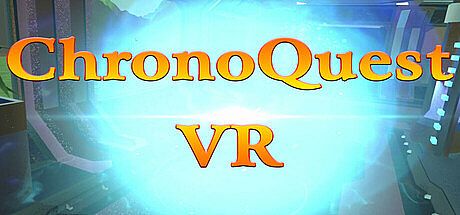



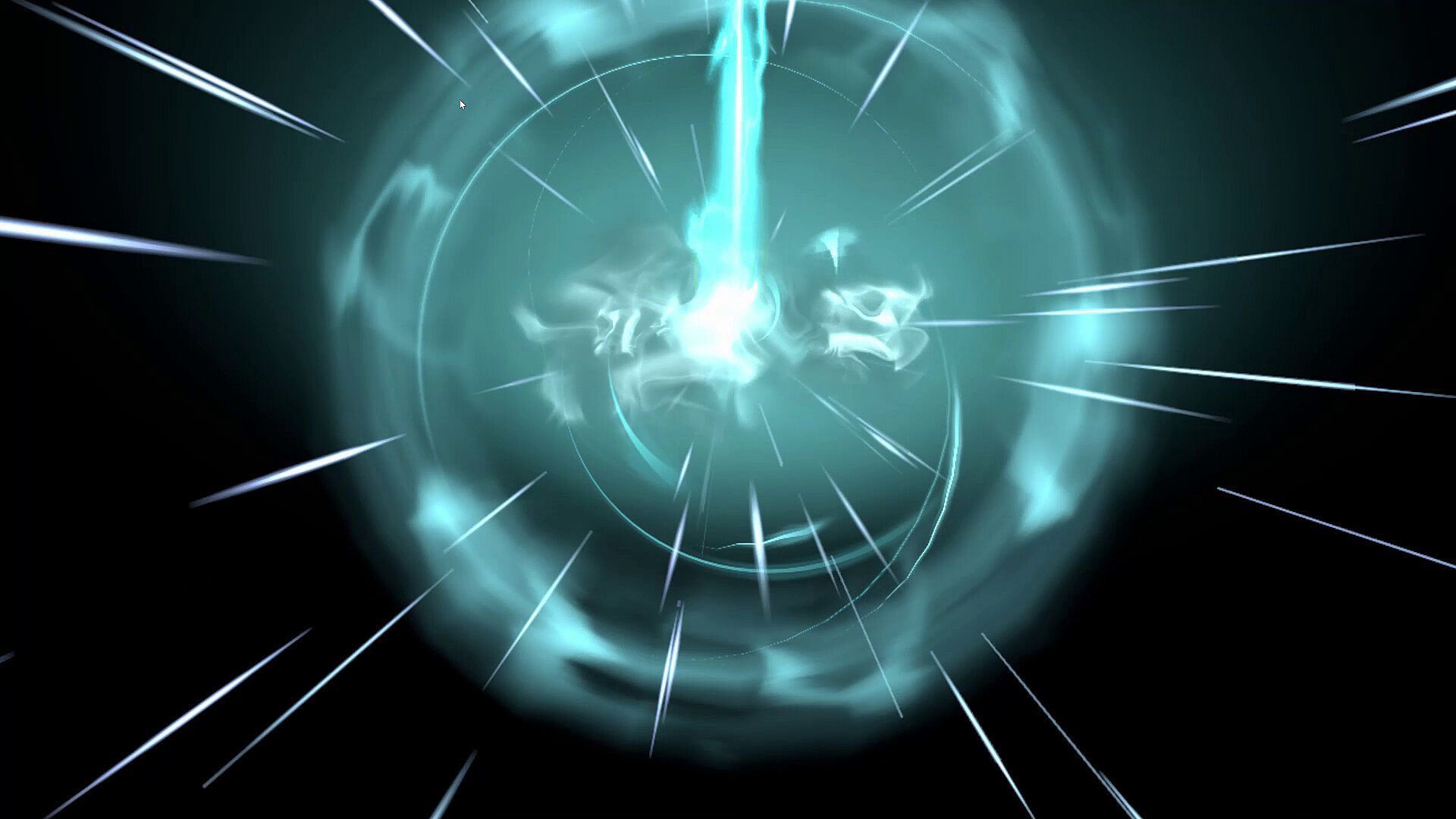
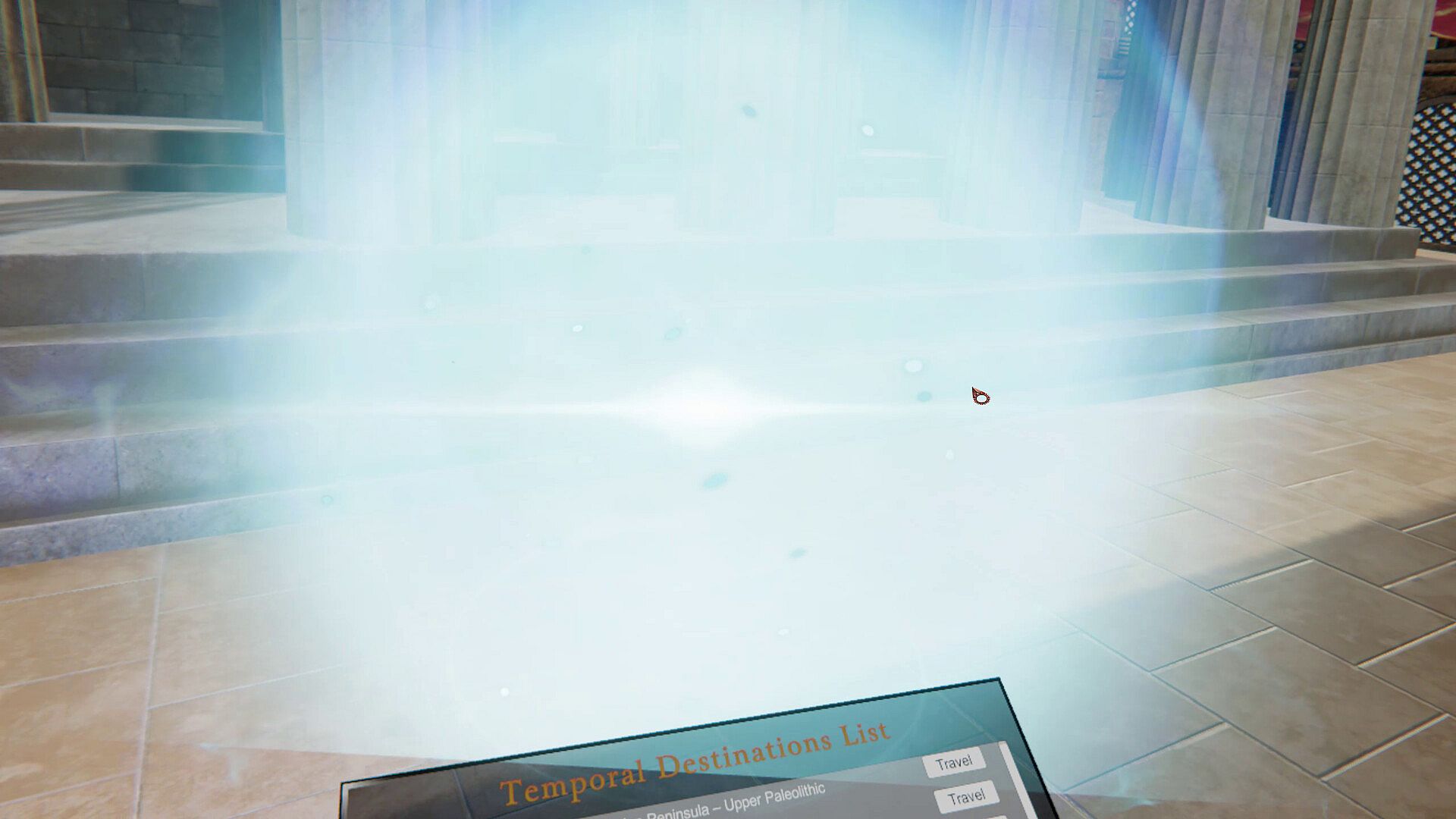
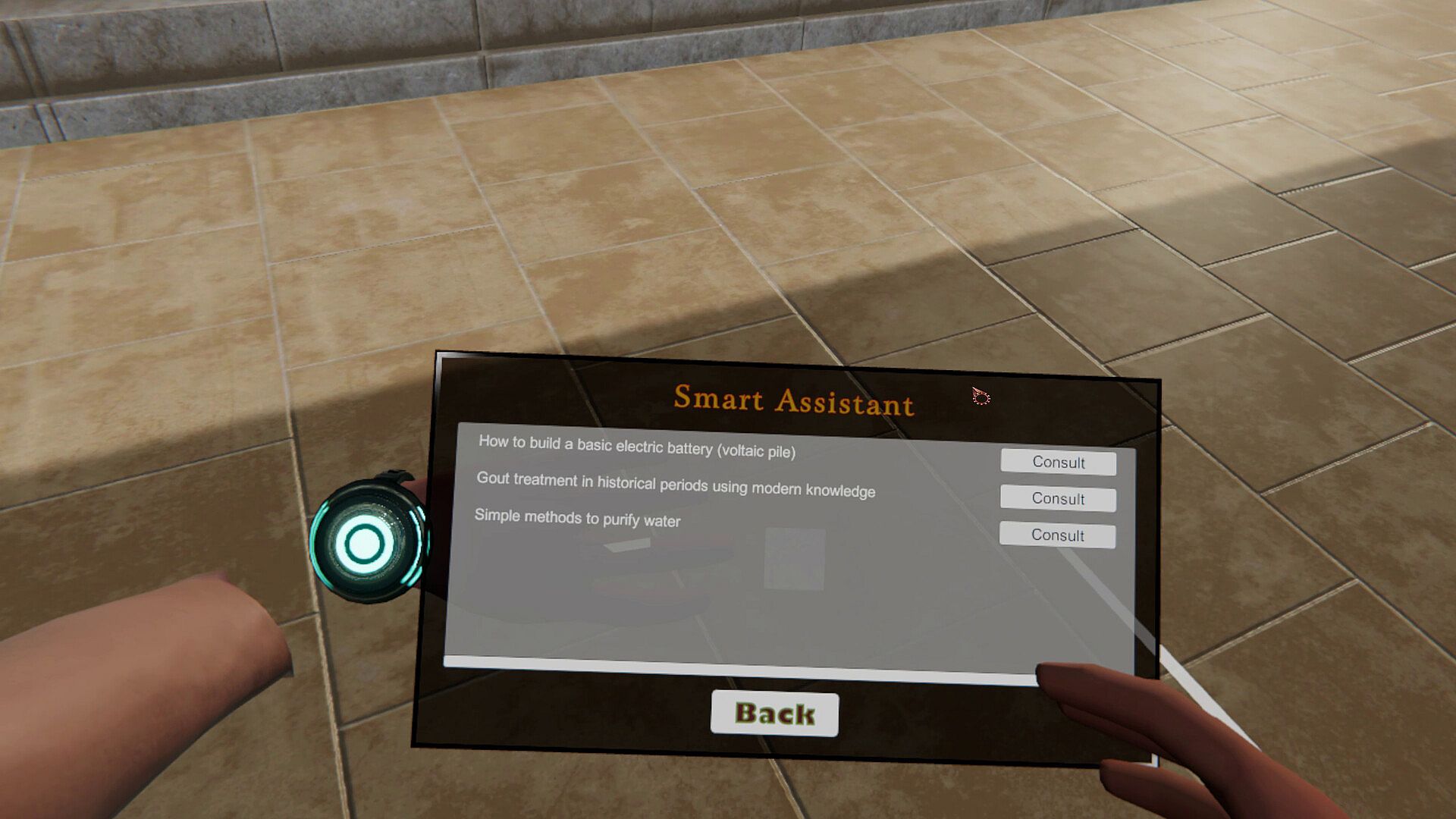
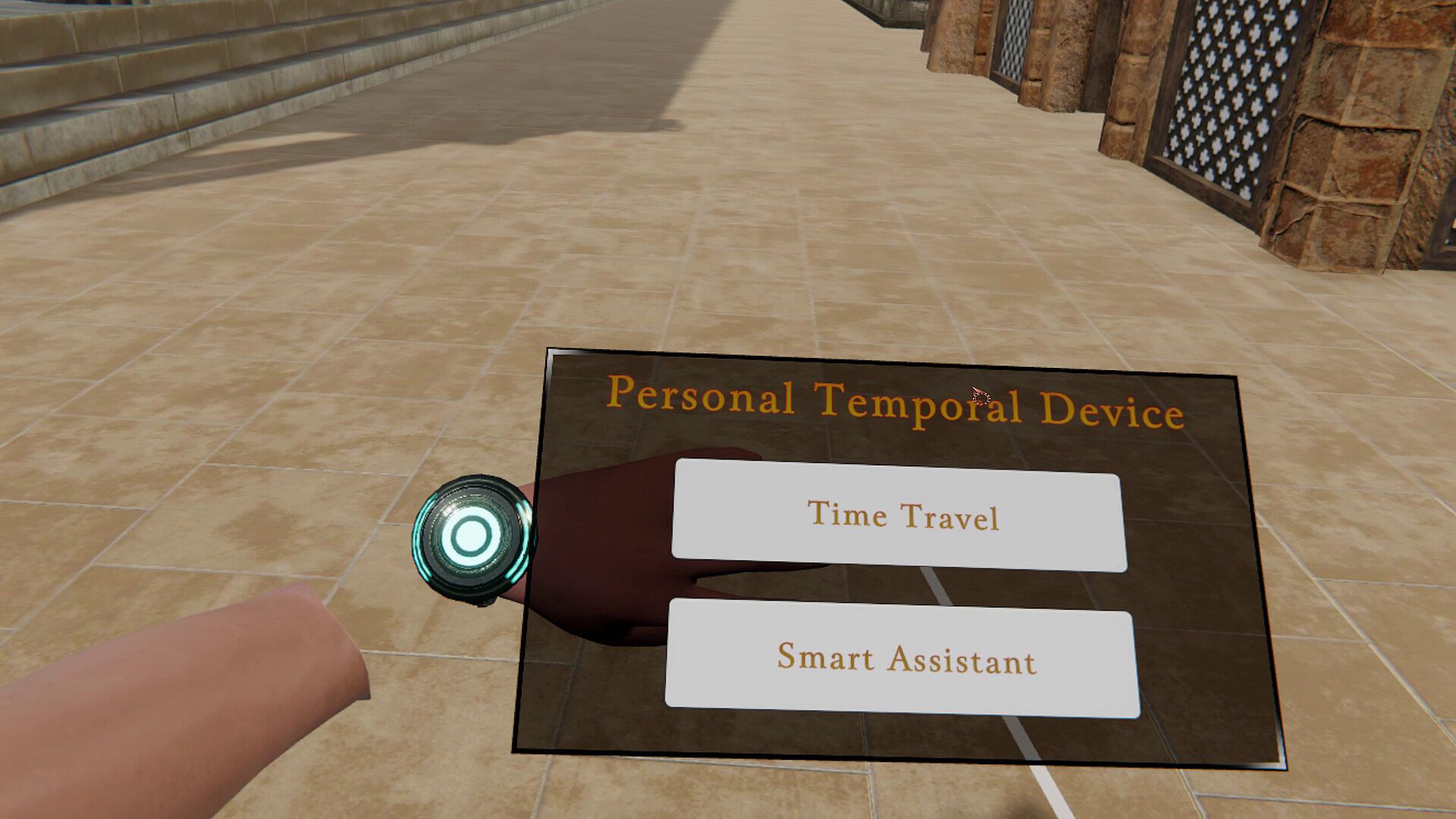

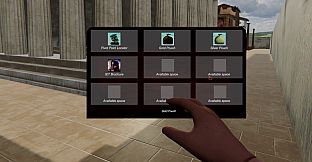
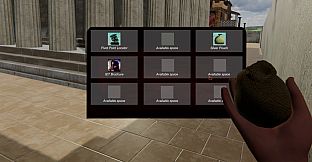
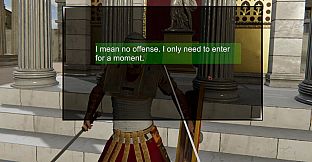
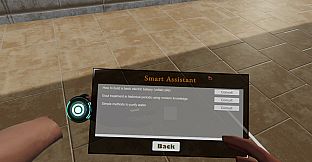
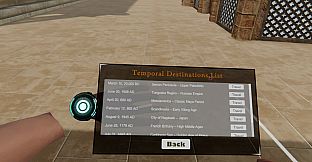
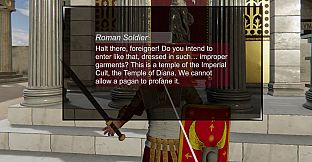
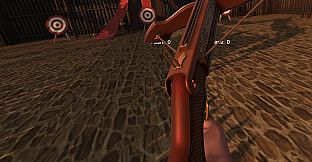
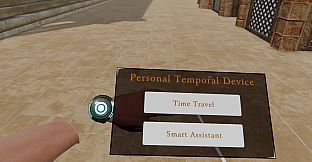
ChronoQuest VR is a single-player virtual reality adventure game that places players in a narrative-driven experience centered on time travel. Developed for PC VR headsets, it draws from classic graphic adventure traditions while leveraging immersive virtual reality to let users explore detailed historical periods through careful observation and interaction.
Gameplay
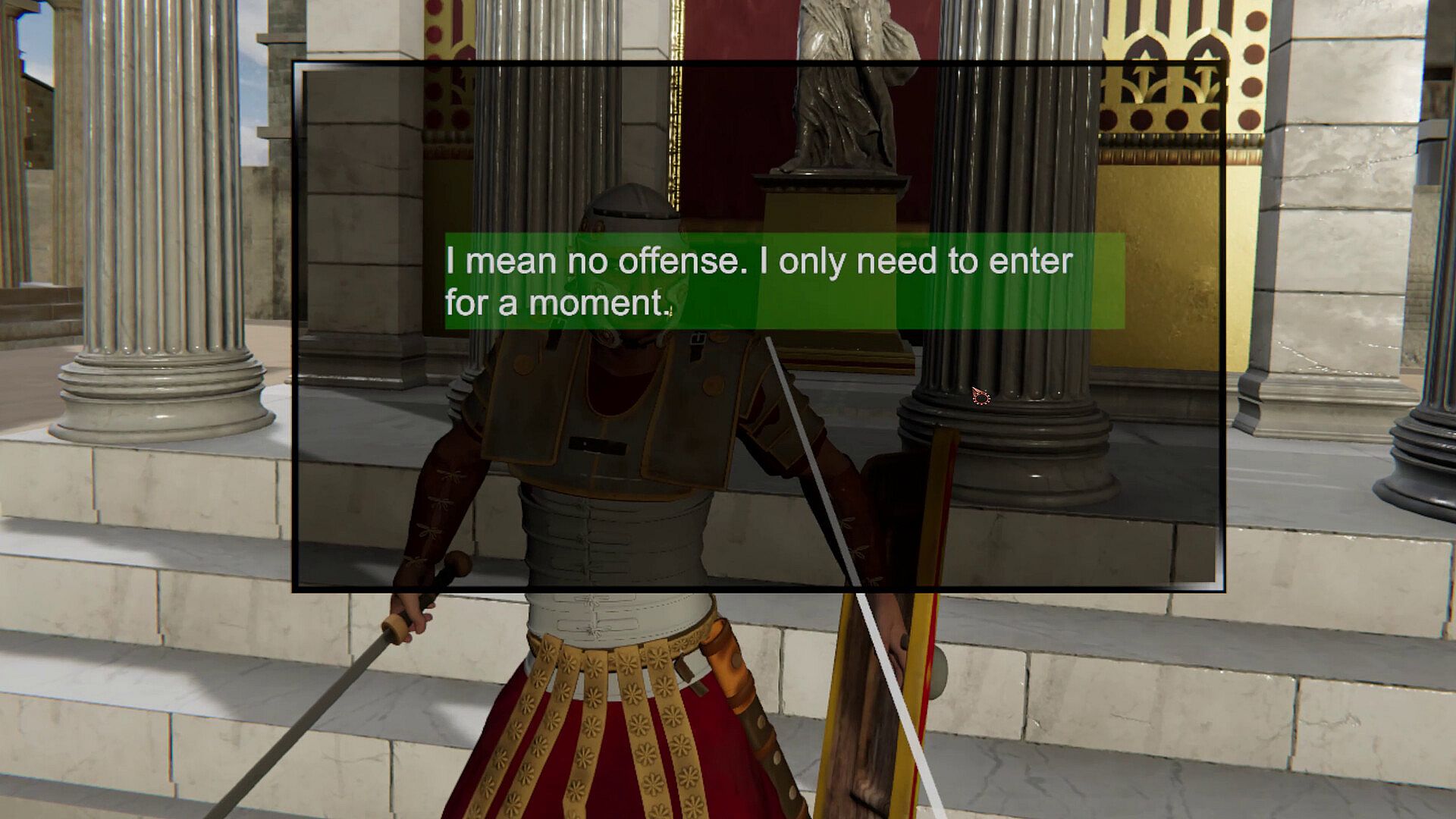
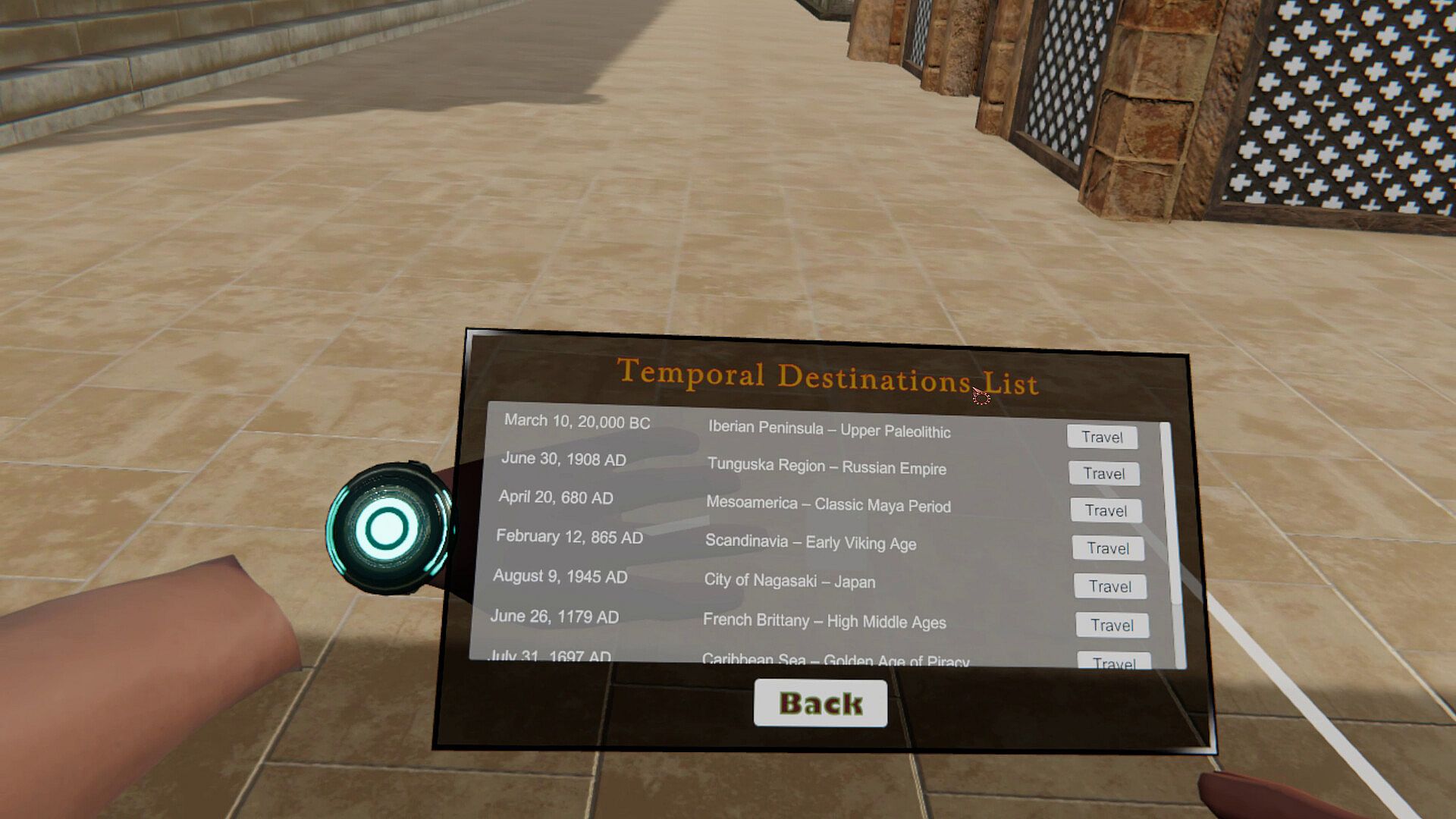
The core loop revolves around traveling between distinct historical eras, each featuring unique environments, characters, and obstacles. Players advance by engaging in conversations that reveal information and by examining surroundings for clues. Puzzles require combining logic with found objects, paying close attention to details in the world rather than relying on quick reactions or combat sequences.
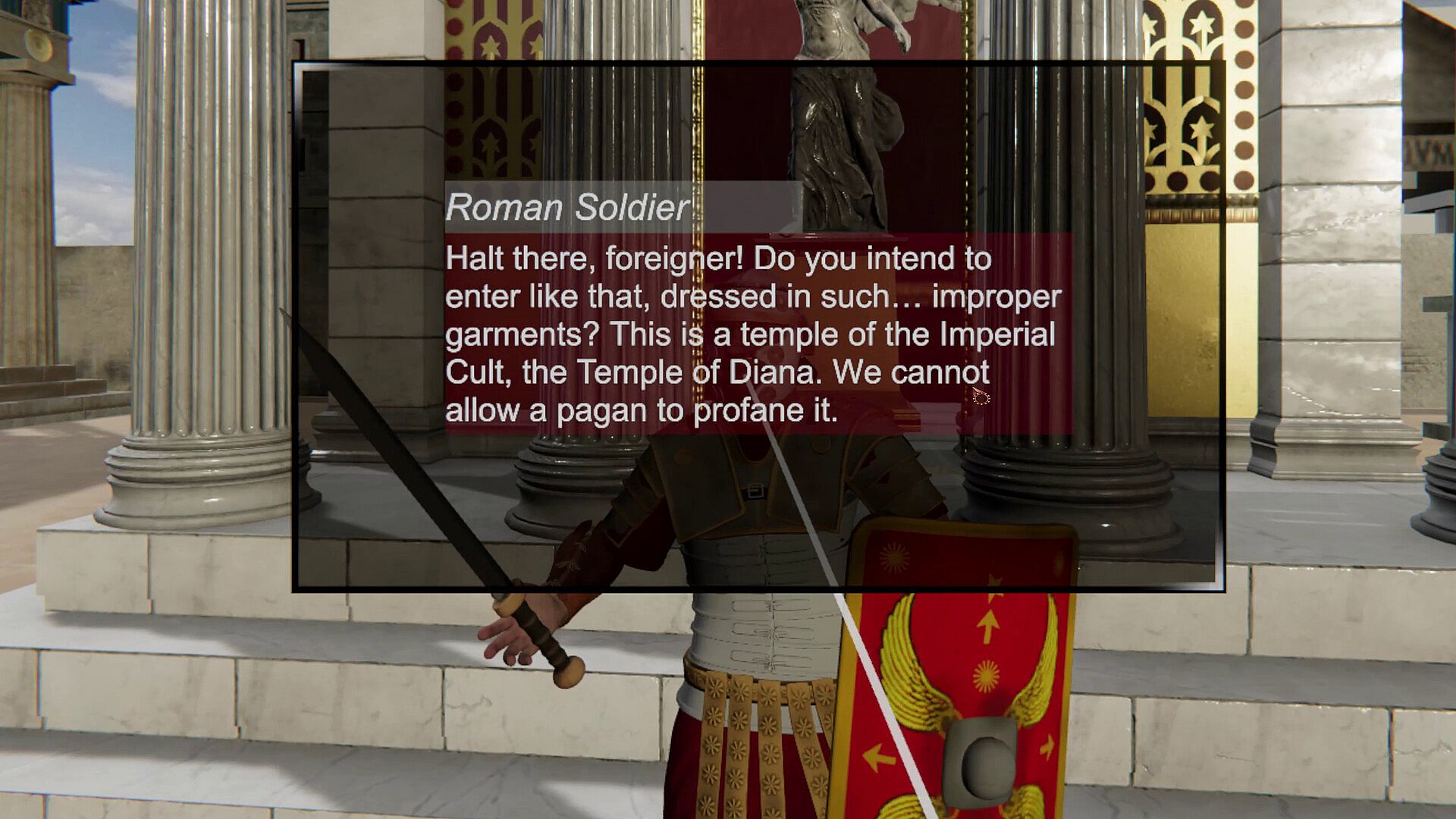
Exploration forms the foundation of progress. Users move through coherent settings where rules emerge naturally from dialogue and environmental cues. Attention to character interactions often unlocks new paths or solutions, encouraging repeated visits to locations to piece together the larger story. The design emphasizes reasoning and curiosity, making each era feel self-contained yet connected through the overarching narrative.
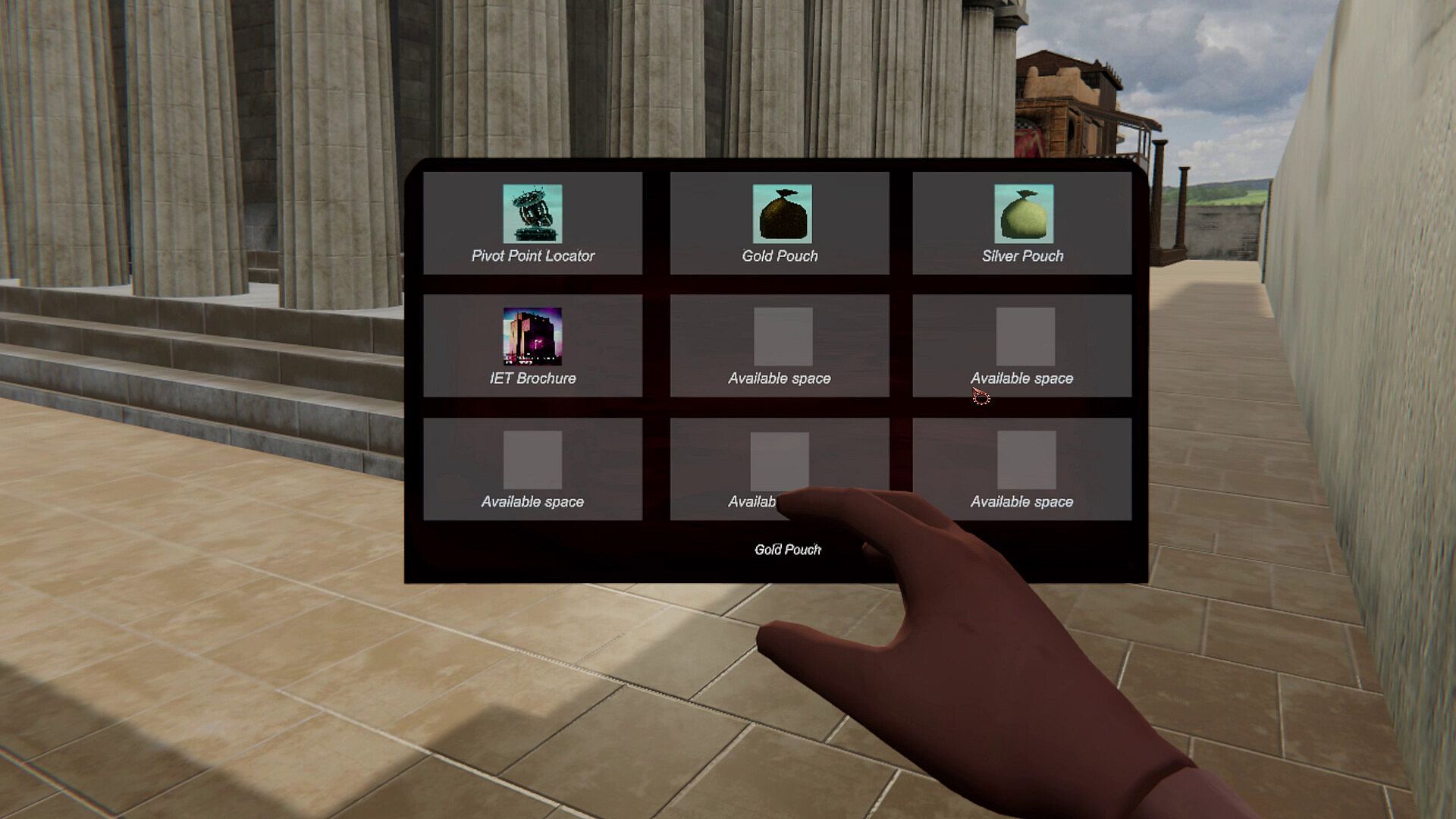
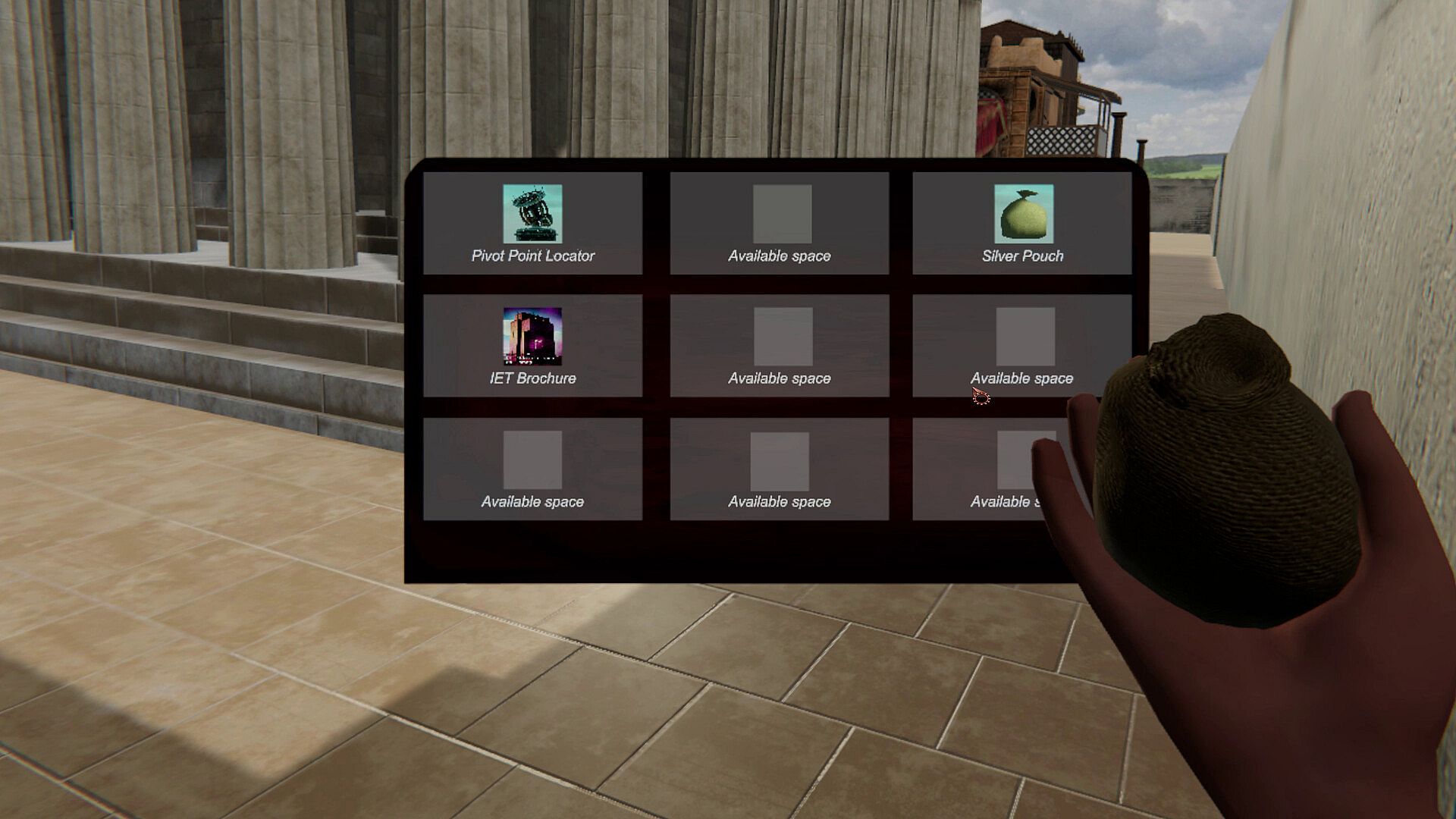
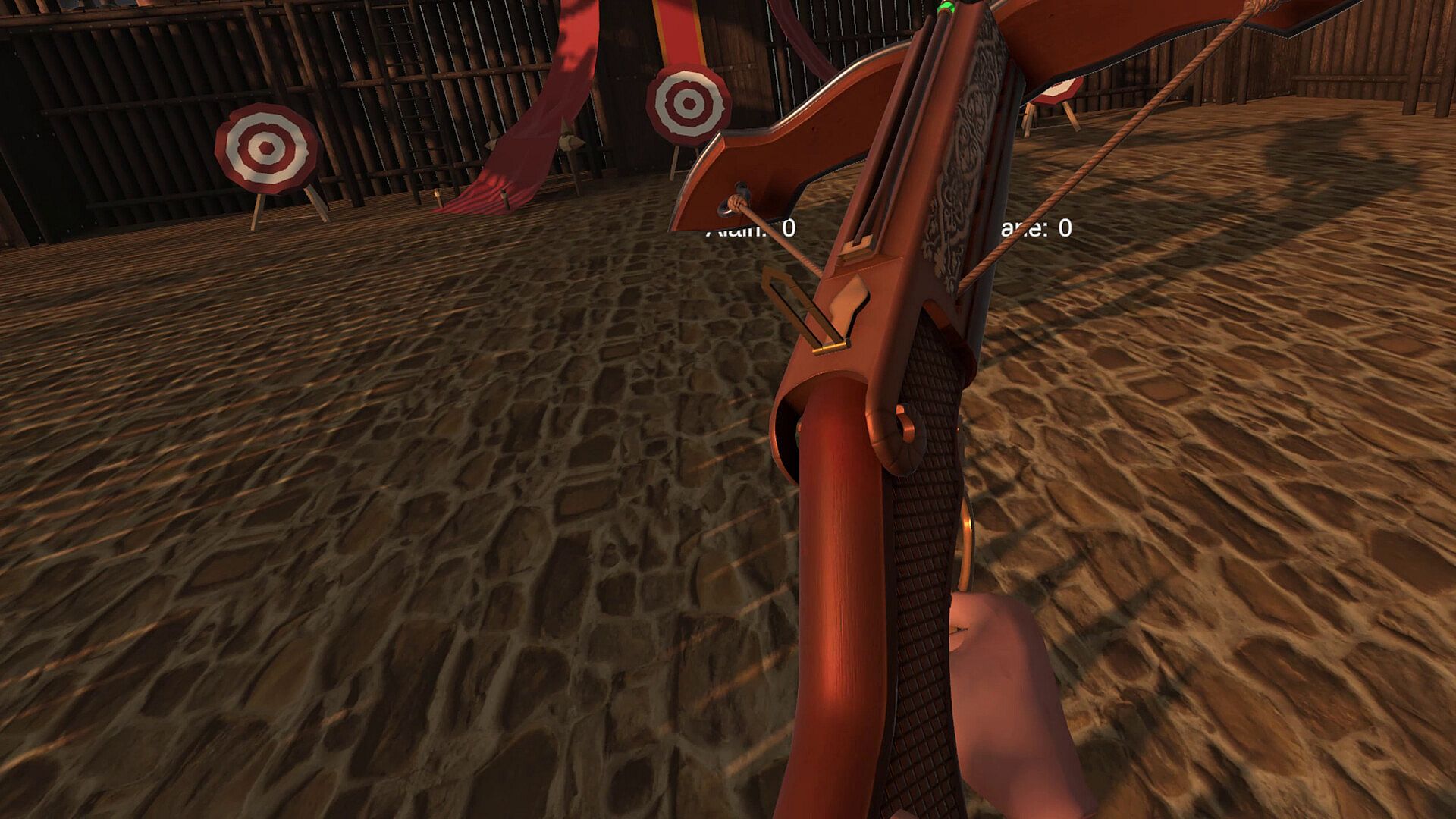
Controls focus on tracked motion controllers for precise object manipulation and navigation within VR space. This setup supports the deliberate pace of puzzle-solving, where players can take time to inspect items from multiple angles or test combinations without pressure from timers or enemies.
Game Modes
ChronoQuest VR operates exclusively as a single-player experience with no multiplayer components or separate competitive modes. The entire adventure unfolds as one continuous narrative campaign that spans multiple historical settings, allowing players to progress at their own pace through exploration and problem-solving sequences.
Progression ties directly to completing dialogue-driven objectives and logic-based challenges within each era. There are no branching difficulty options or additional game types listed; the focus remains on the linear yet exploratory story structure designed for thoughtful engagement rather than replayability through varied modes.
Historical Settings and Puzzles
Each historical era presents its own atmosphere and set of challenges tailored to the time period. Players encounter key characters whose stories intersect with the central plot, requiring careful listening and questioning to gather necessary details. Object-based puzzles integrate with these interactions, often demanding that users apply items in context-specific ways discovered through observation.
The emphasis on coherent world rules means solutions feel grounded in the logic of the setting. For instance, environmental details or character behaviors provide hints that reward thorough investigation. This approach creates a sense of discovery where players uncover mechanics organically instead of following explicit tutorials.
Technical and Content Details
Compatibility centers on PC VR systems supporting SteamVR or Meta Link, working with a range of headsets that meet the minimum hardware specifications. The experience includes mature themes such as strong language, violence, alcohol use, and non-explicit adult content presented in a narrative context without graphic detail.
System requirements include a 64-bit Windows operating system, at least 8 GB of RAM, and a graphics card equivalent to a GTX 1060 or better for the minimum setup. Recommended specifications call for higher-end components to ensure smooth performance during extended sessions of exploration and dialogue.
Is It Worth Playing?
ChronoQuest VR targets experienced VR users and fans of traditional adventure games who appreciate deliberate pacing and mental challenges. Its design explicitly notes that the experience may prove frustrating for beginners or those seeking casual entertainment, as success depends on sustained attention and logical deduction across the historical settings.
With no user reviews available at this stage and the title listed as coming soon, reception remains undetermined. The single-player focus and emphasis on narrative coherence make it suitable for players comfortable with slower, thoughtful gameplay that prioritizes story and puzzle resolution over action or reflexes. Those matching the intended audience may find value in its structured approach to time-travel storytelling and environmental interaction.