

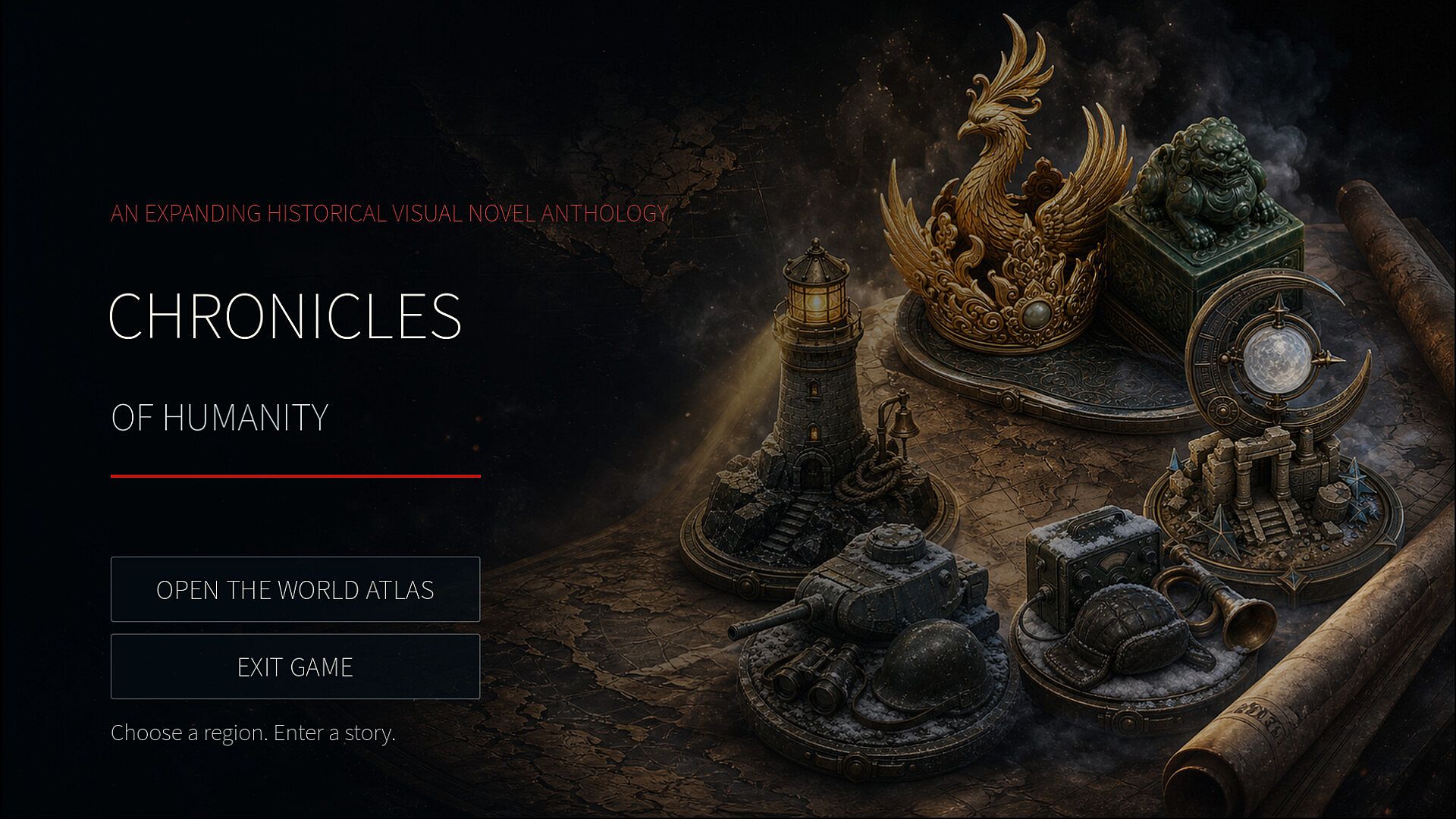
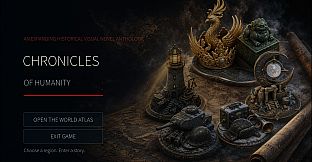
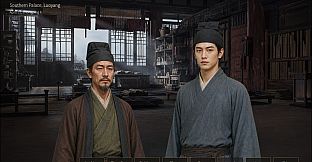
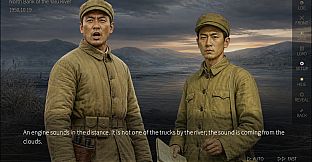
Chronicles of Humanity is a free to play indie adventure game built around historical narrative visual novels. Players explore an expanding collection of standalone stories set across different eras and regions, each centered on ordinary individuals whose decisions shape how they are remembered within fixed historical events.
Gameplay
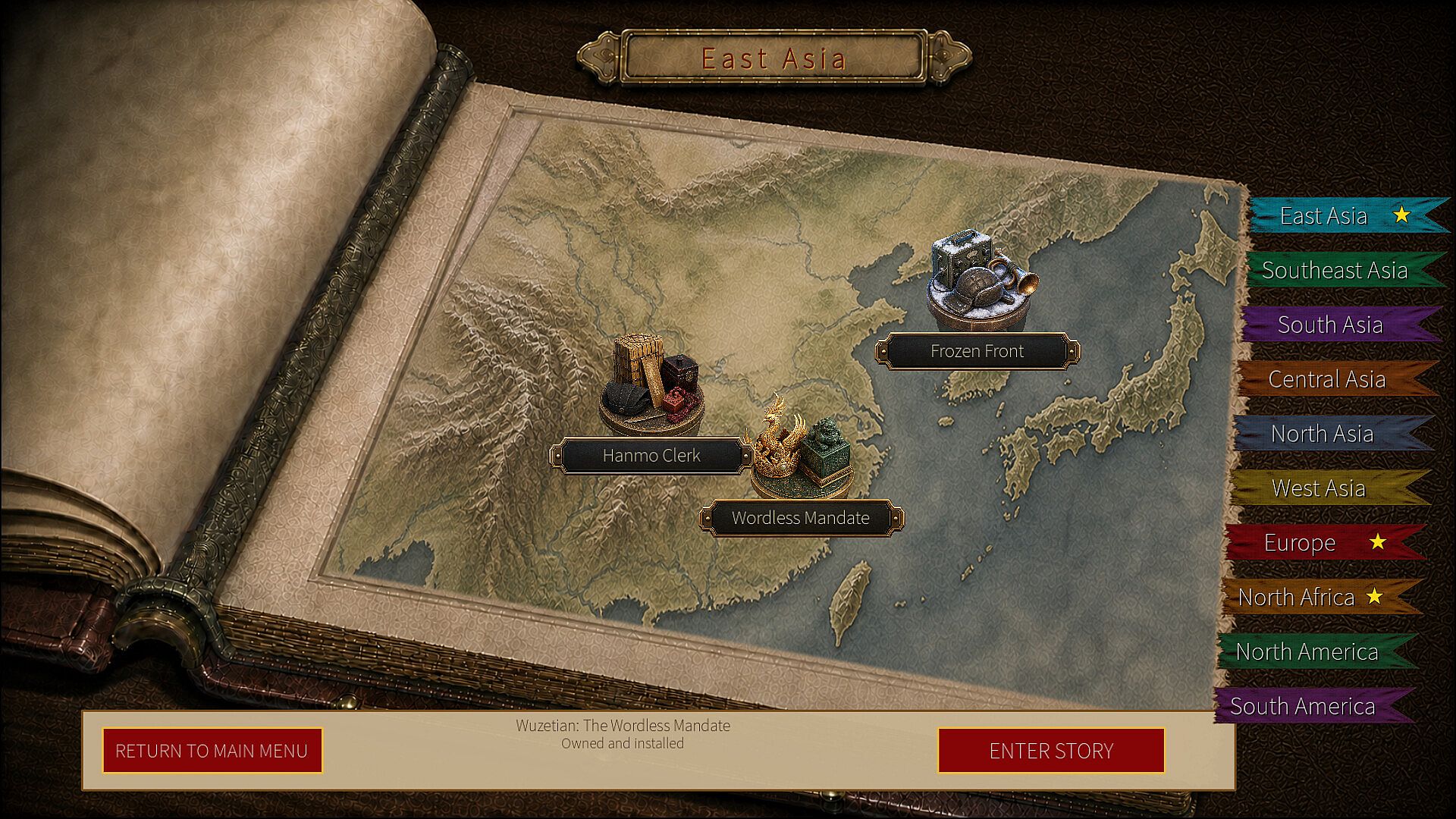
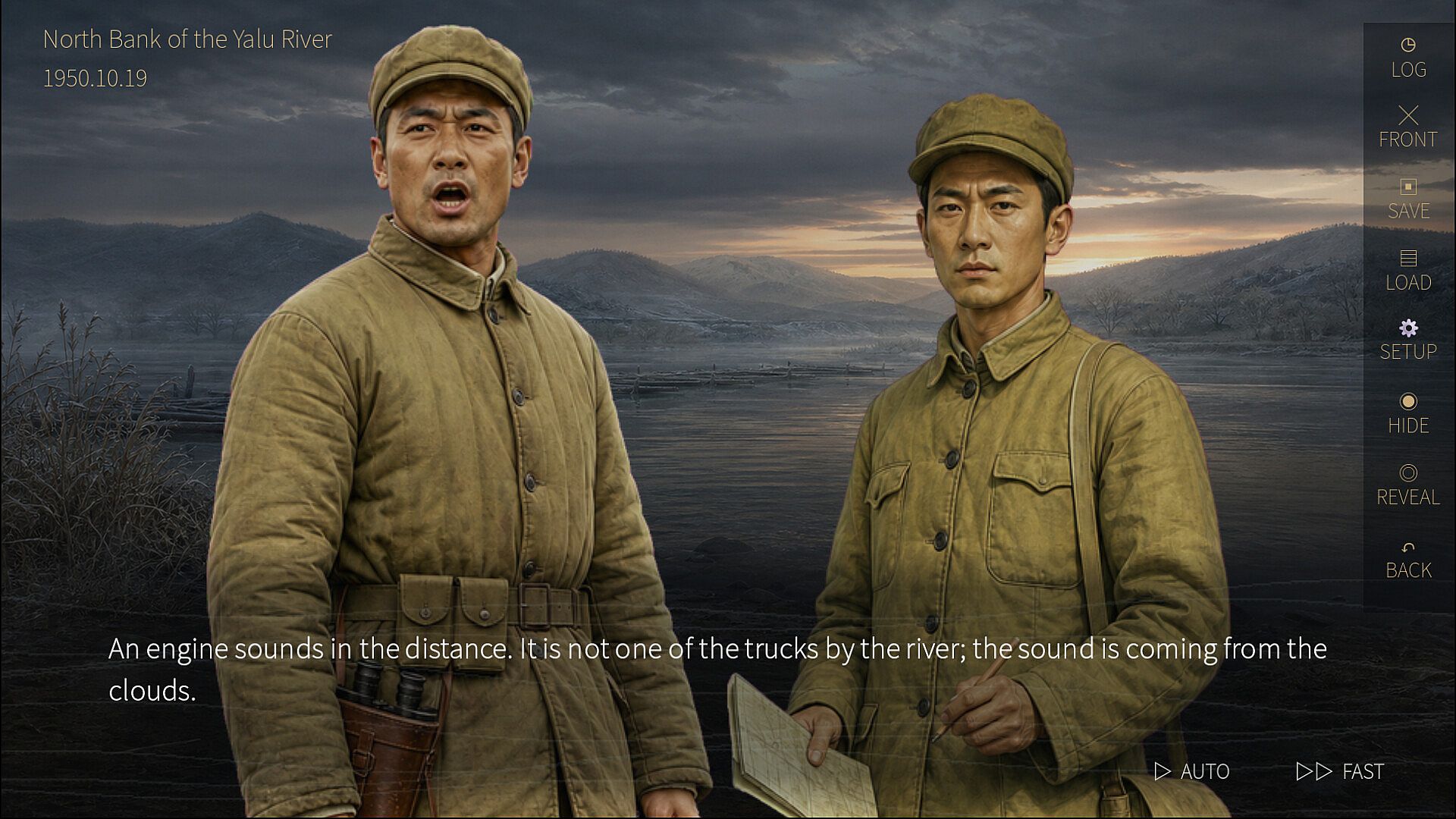
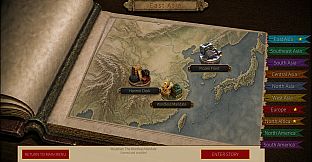
The core loop revolves around reading narrative text, making choices at key moments, and observing how those decisions influence character relationships, visible records, and personal outcomes. Choices often occur under incomplete information, conflicting accounts, or external pressures such as political demands and limited resources. Consequences may appear immediately or unfold across multiple chapters and endings. The shared world atlas serves as the central hub, displaying regional maps and story nodes that players select to begin or resume a narrative. Once a complete story is installed, its node launches the full campaign directly from the atlas. Visual novel mechanics include standard reading interfaces, choice selection, and settings adjustments that carry over between stories where applicable.
Each story maintains its own cast, visual style, choice variables, and ending structure. Players cannot alter major recorded historical events but can determine how an order is executed, whether someone receives protection, how relationships develop or fracture, and what version of events survives in later accounts. The system emphasizes judgment, trust, allegiance, and the long-term cost of actions rather than large-scale historical revision.
Game Modes
The game functions as an anthology rather than a single continuous campaign. Players choose individual stories based on era, region, or subject matter without any required order. The base application provides the atlas interface and content management tools that detect and launch installed stories. Standalone campaigns arrive through separate acquisitions, each containing its complete narrative from first decision to final ending.
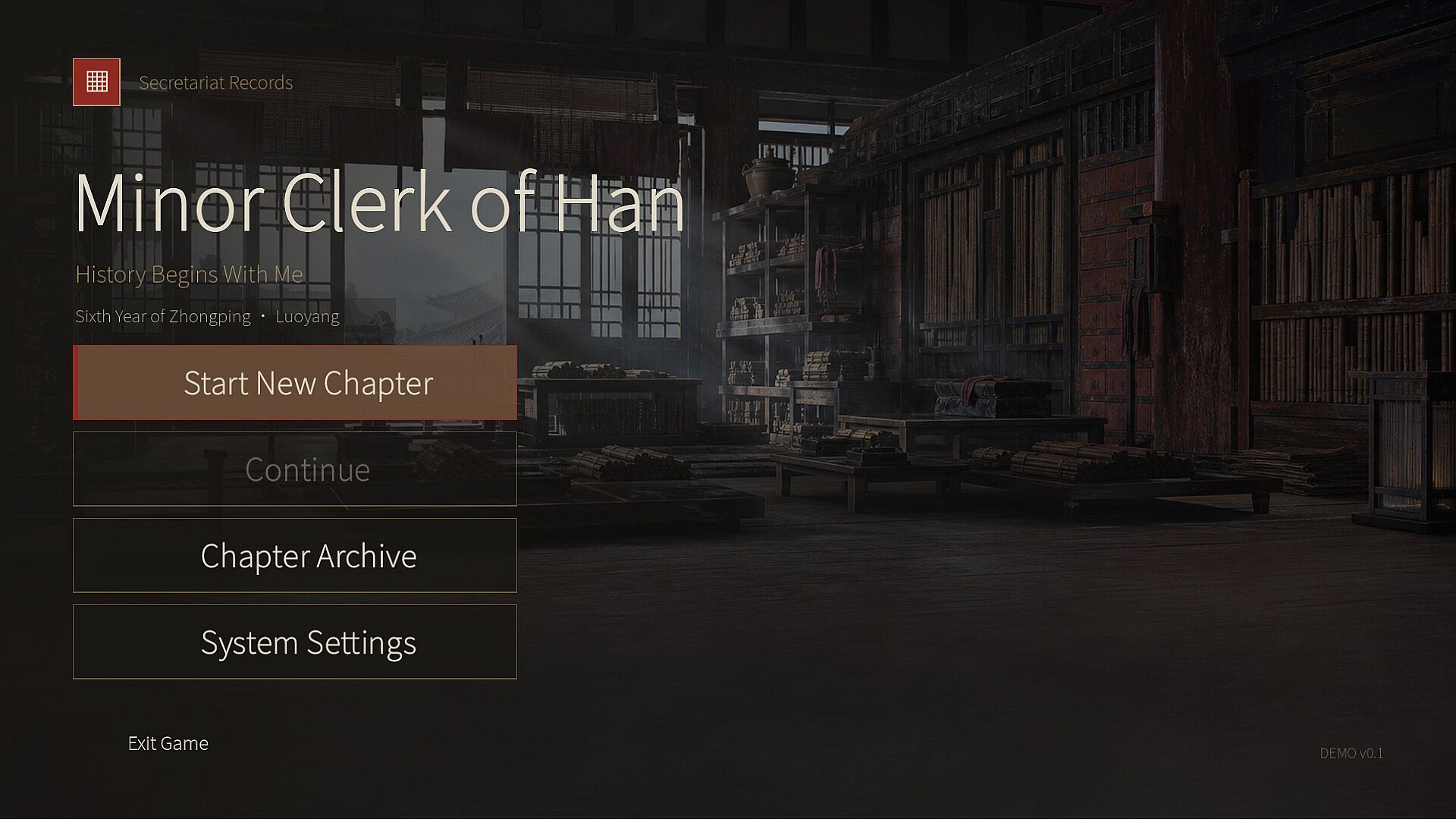
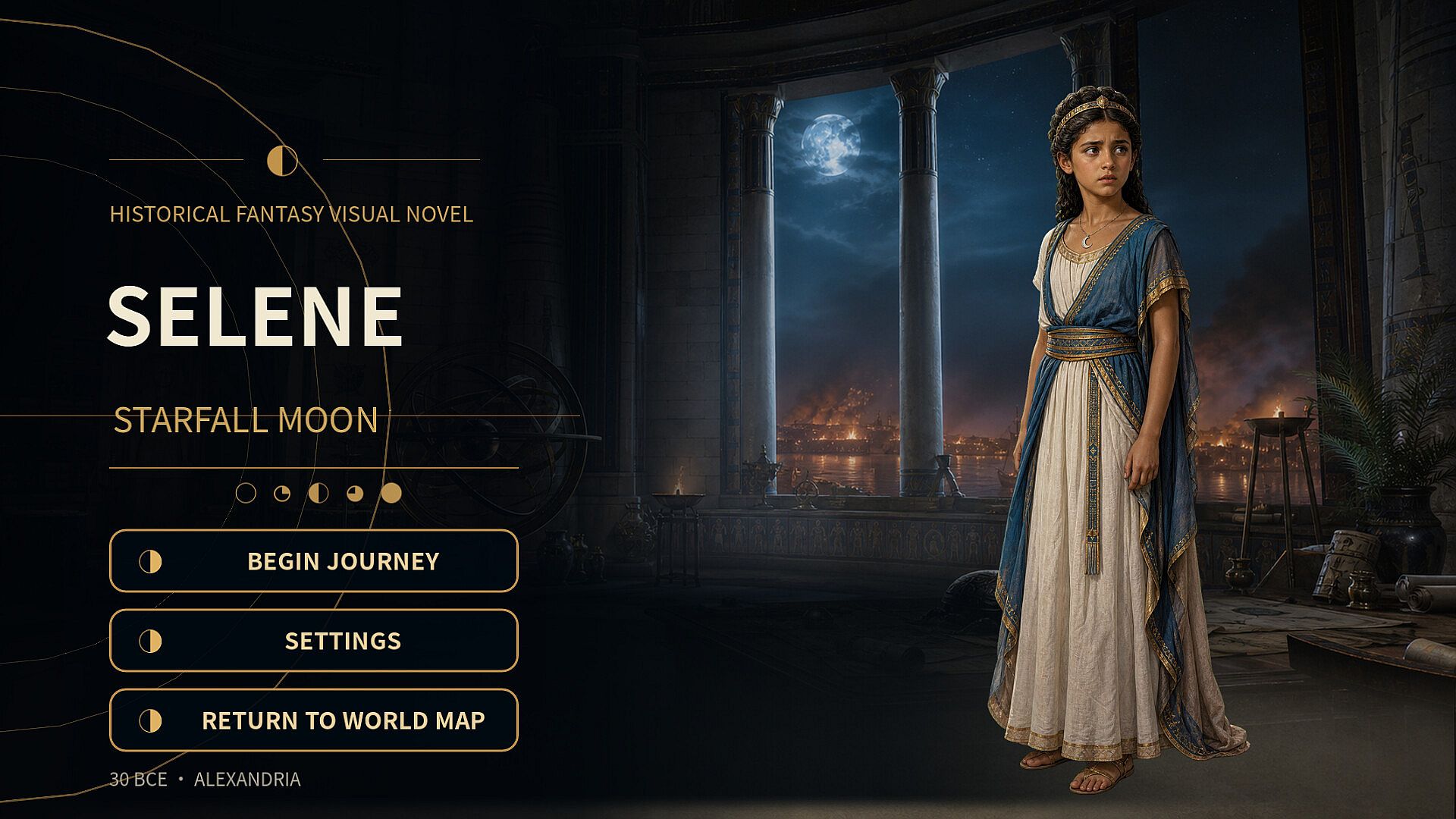
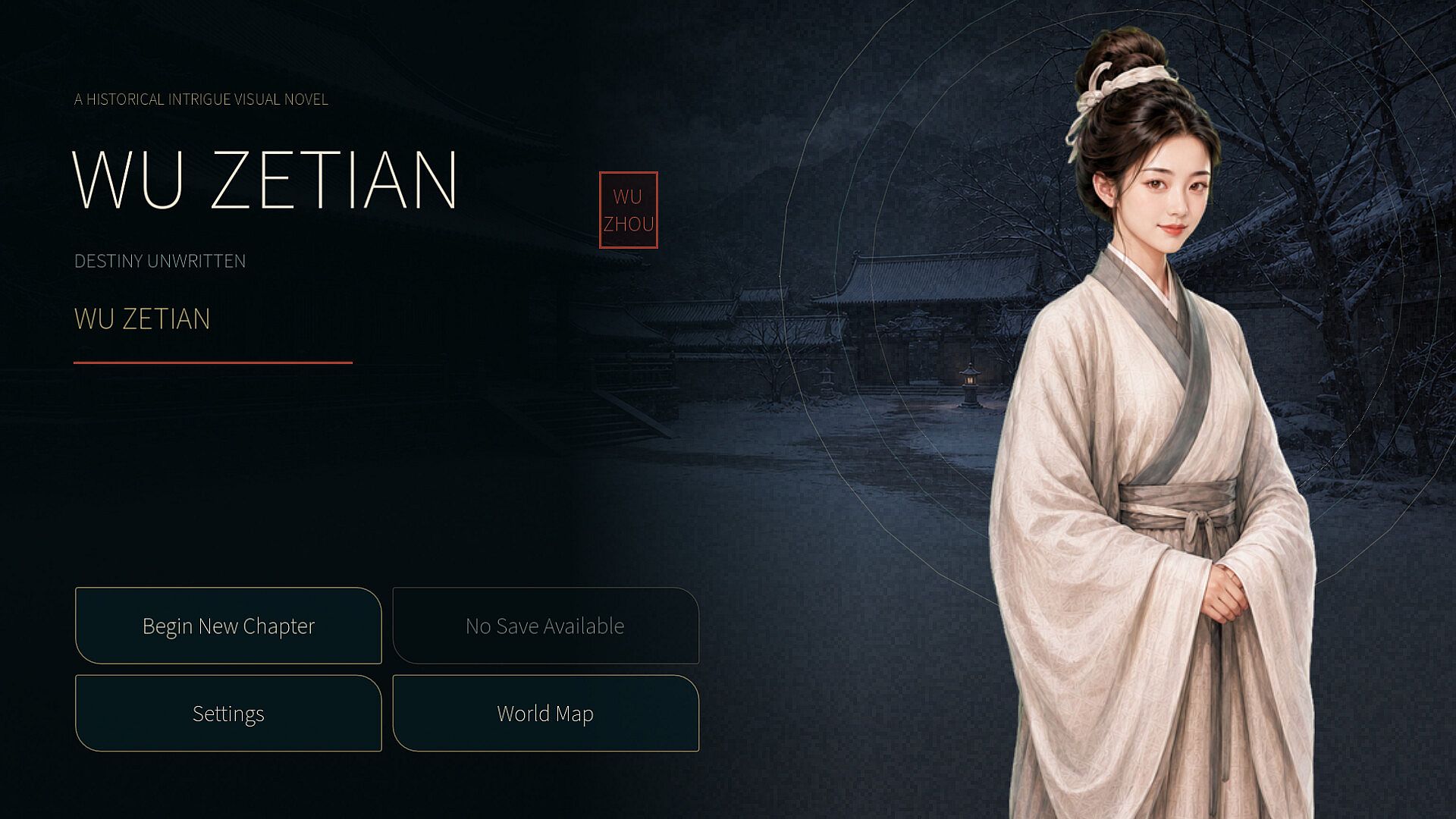
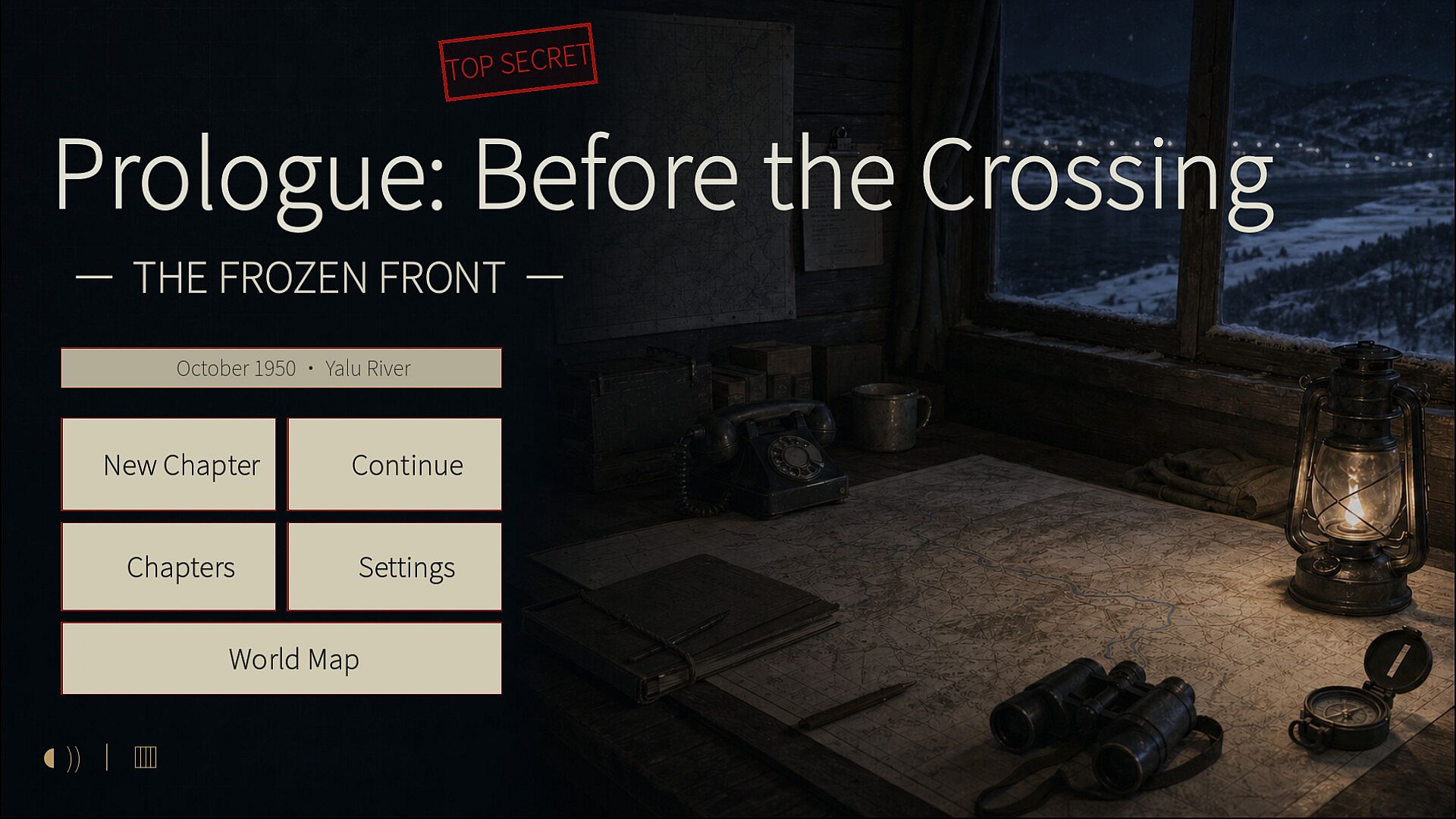
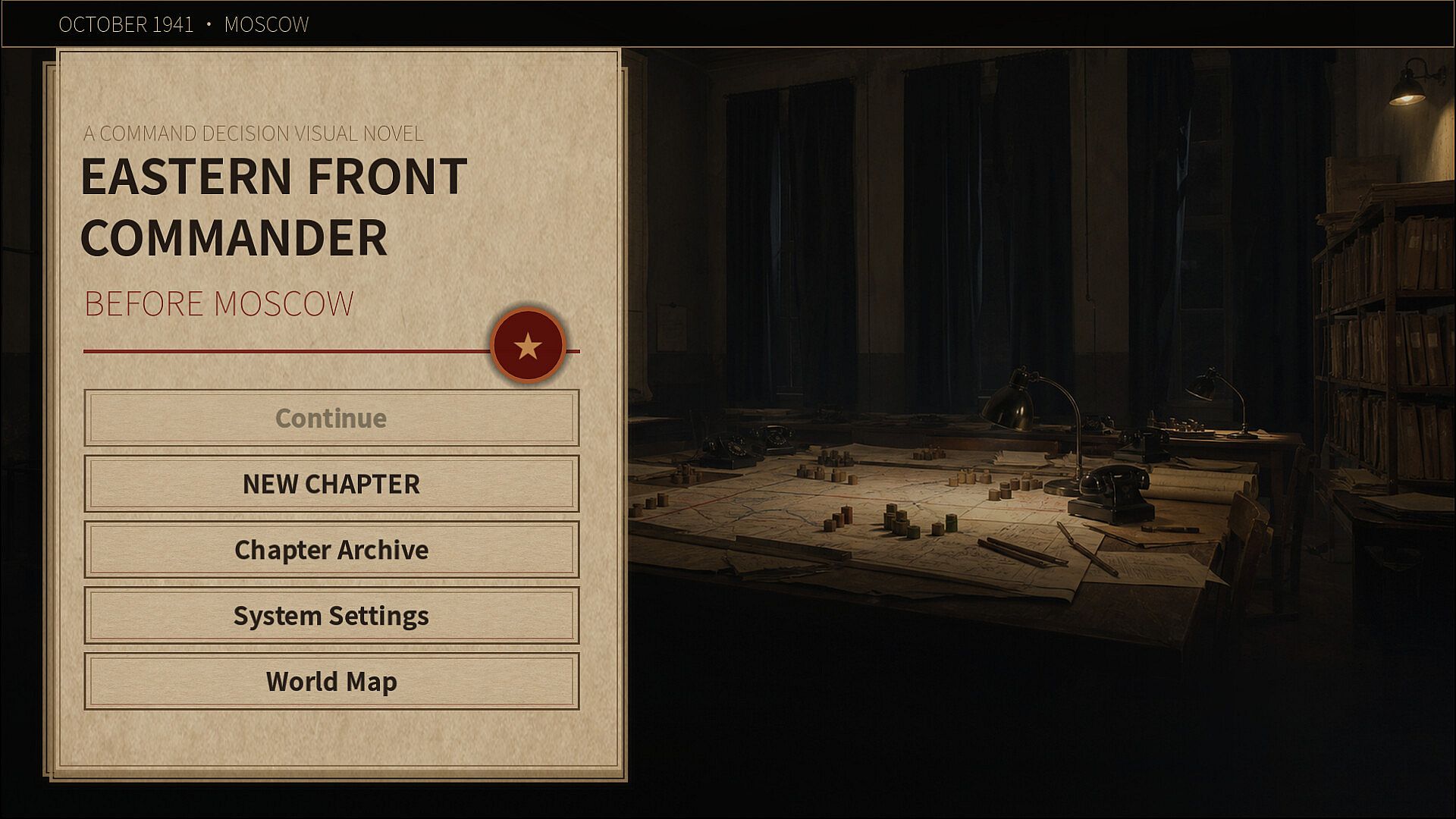
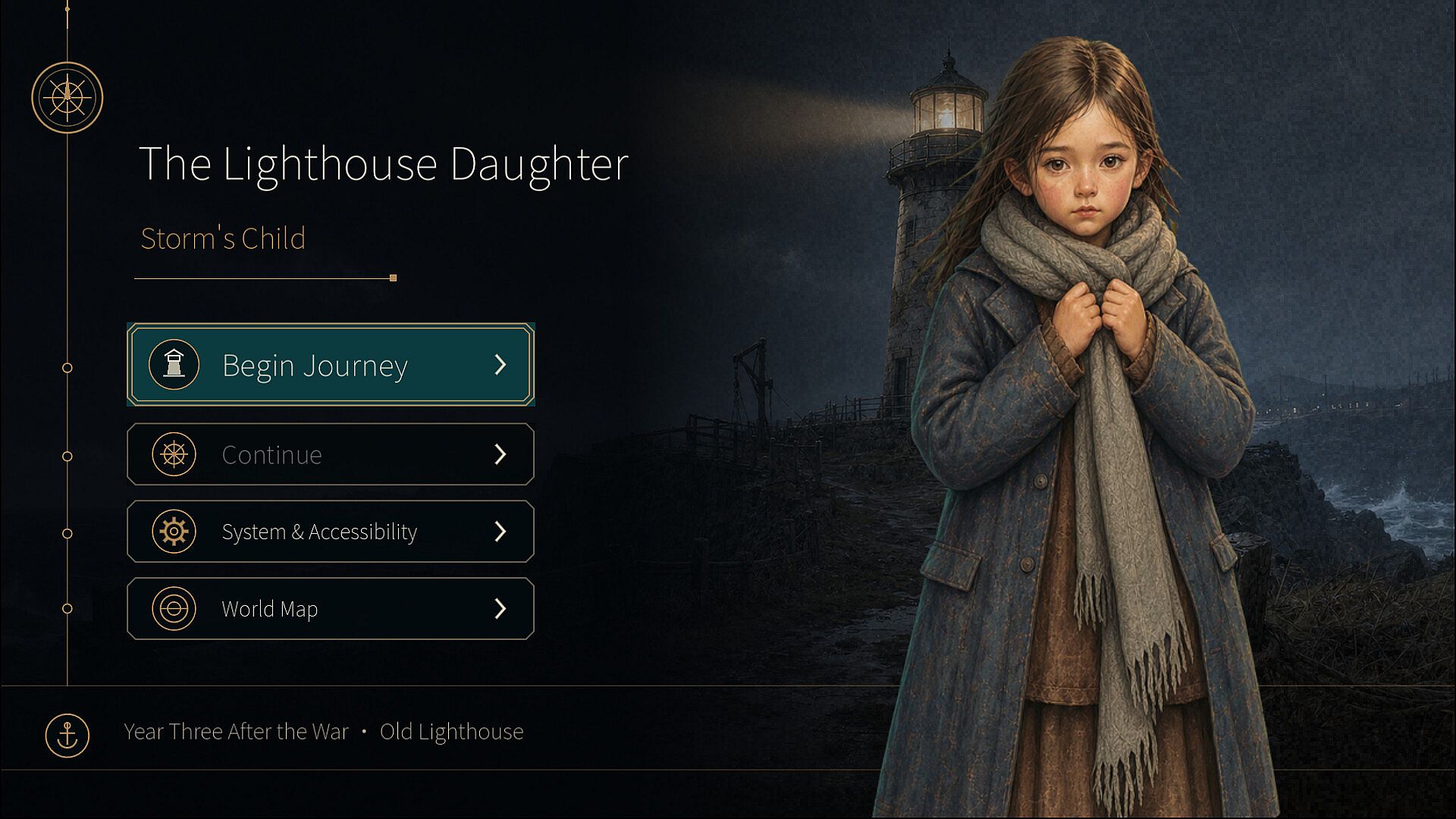
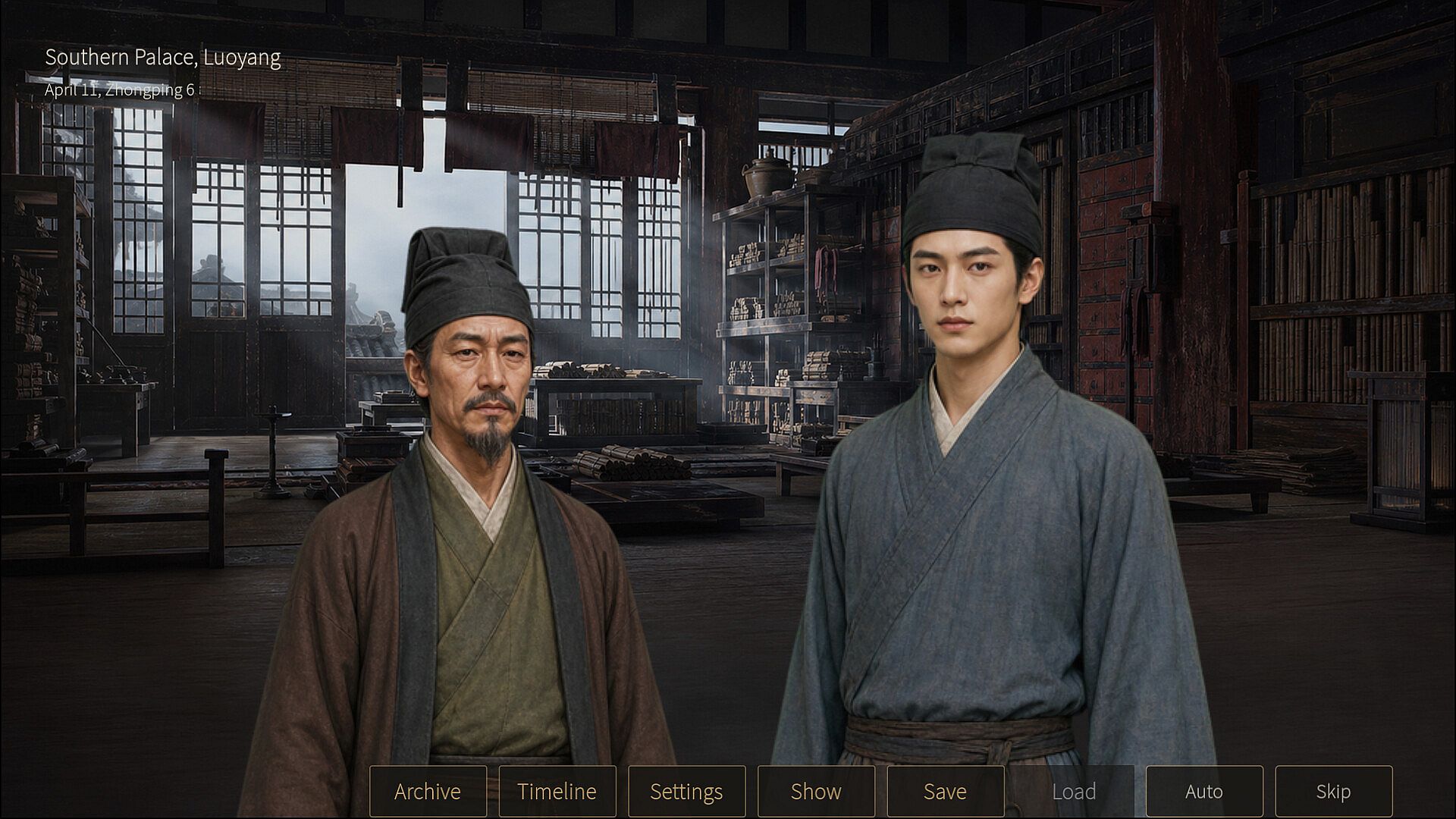
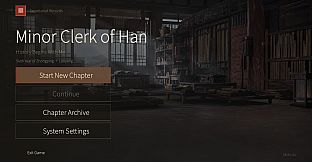
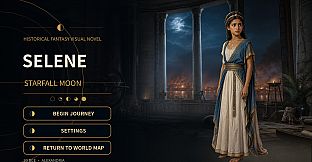
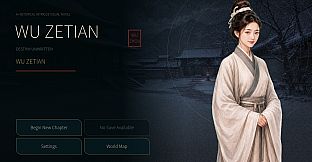
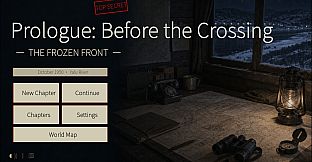
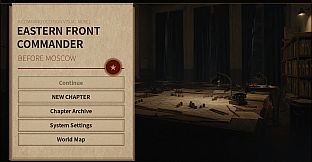
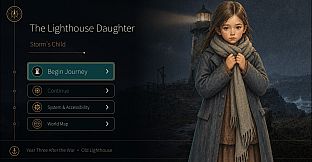
A Steam demo offers limited playable samples from six initial stories: Hanmo Clerk, Wu Zetian, Korean War, Selene, Eastern Front Command, and The Lighthouse Daughter. These samples introduce setting, characters, central conflict, and choice design but do not appear in the release version of the base app. Full campaigns require their respective complete story content and run independently once installed.
Story Structure and Themes
Six initial stories cover topics including court intrigue, military command decisions, historical fantasy elements, personal experiences during wartime, postwar development, and questions of identity. Each title operates with distinct narrative pacing, cast dynamics, and resolution frameworks while sharing the same atlas for navigation. Content varies in intensity and may include depictions of war, death, political persecution, confinement, grief, threats, family trauma, and historical violence presented through text and visuals without graphic excess. Specific content warnings appear on individual story pages.
The anthology design allows new stories to join the collection over time. Released titles remain accessible through their own content packages, and the atlas expands to accommodate additional nodes without forcing a linear play order.
Is It Worth Playing?
Chronicles of Humanity suits players who enjoy choice-driven visual novels focused on historical settings and personal moral decisions. The free base application and demo provide an accessible way to sample the narrative approach and interface before committing to full stories. Those interested in branching paths that affect individual legacies within unchangeable historical backdrops will find the structure rewarding. The game remains in an expanding state, with new content added through independent story releases rather than seasonal updates or live-service elements. Availability centers on the PC platform through the base app and its associated story content. Players seeking tightly focused, self-contained campaigns with emphasis on consequence and record-keeping rather than action or multiplayer competition will find the most alignment with the design.