




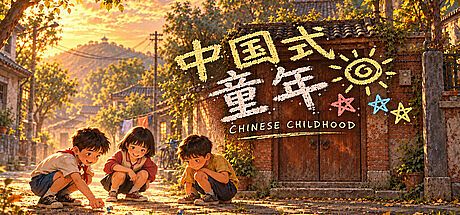


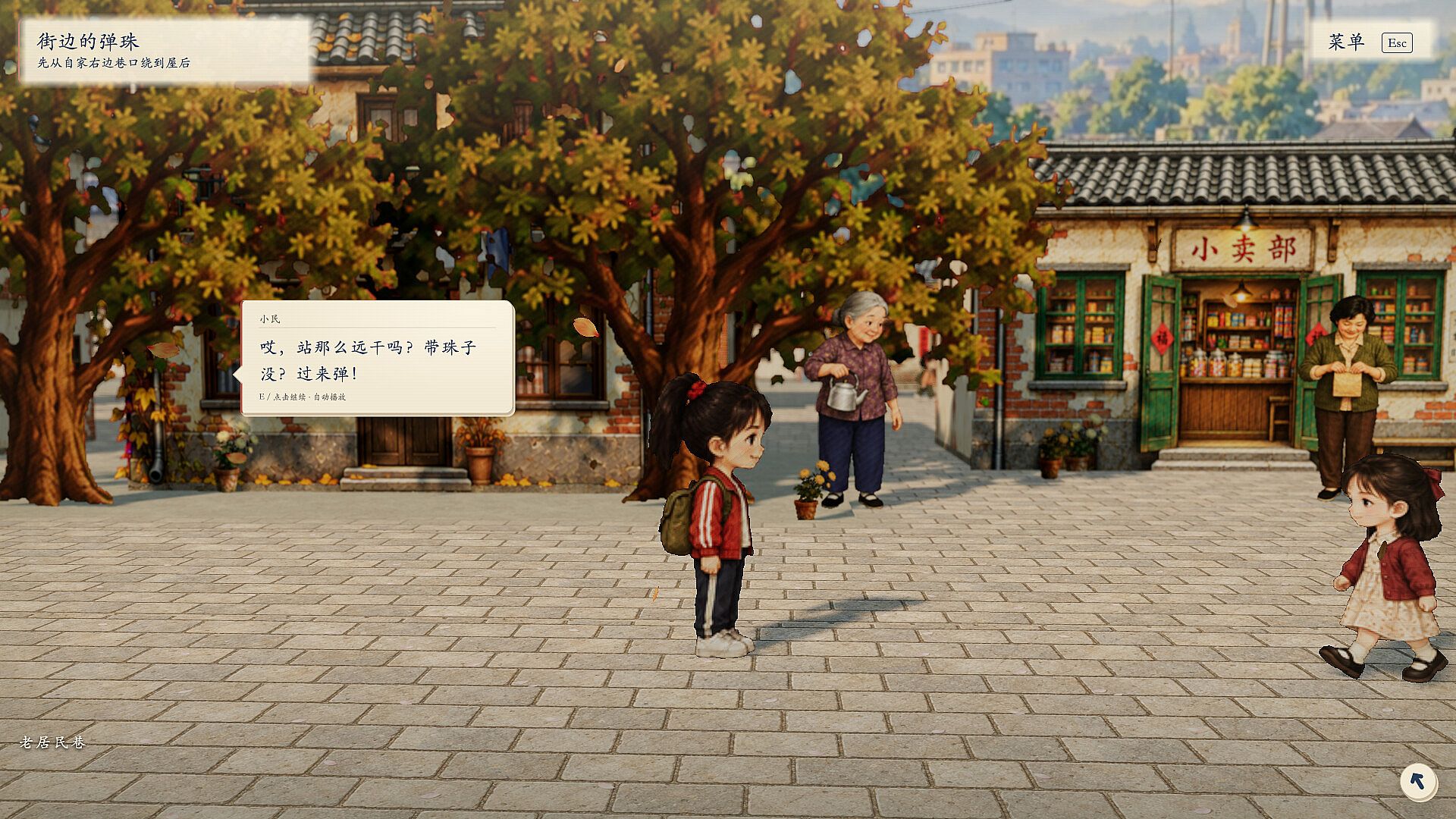
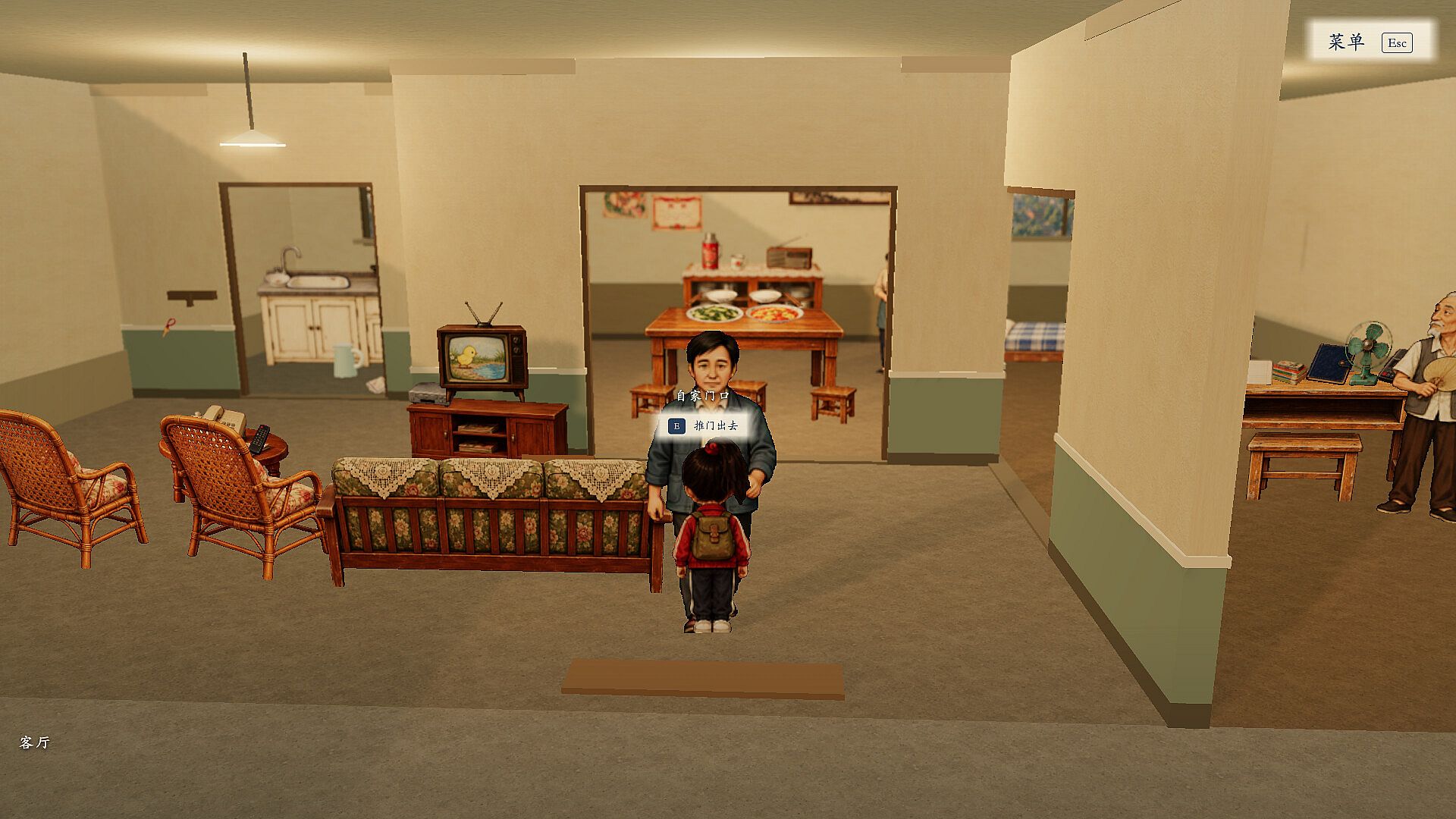
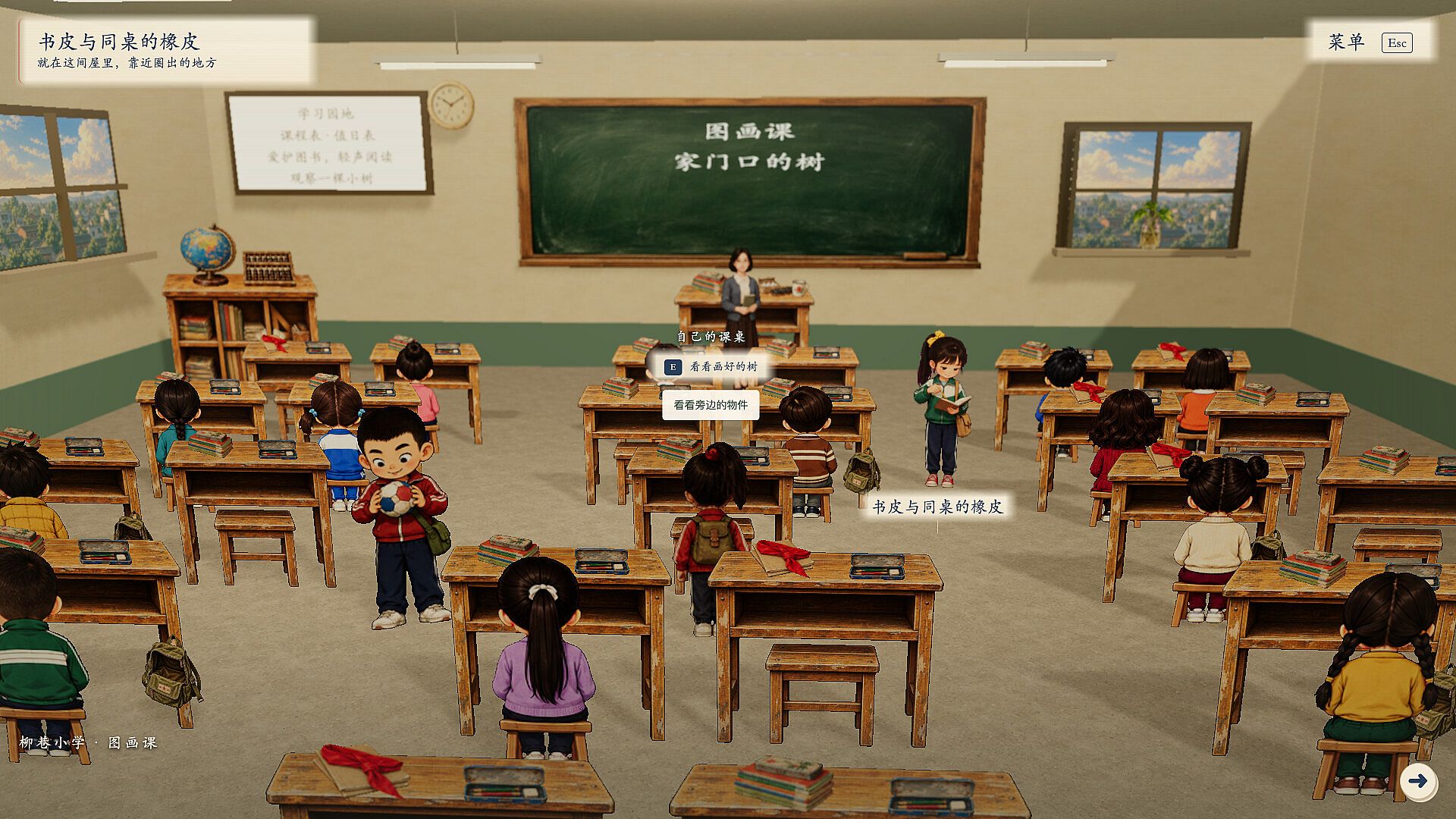
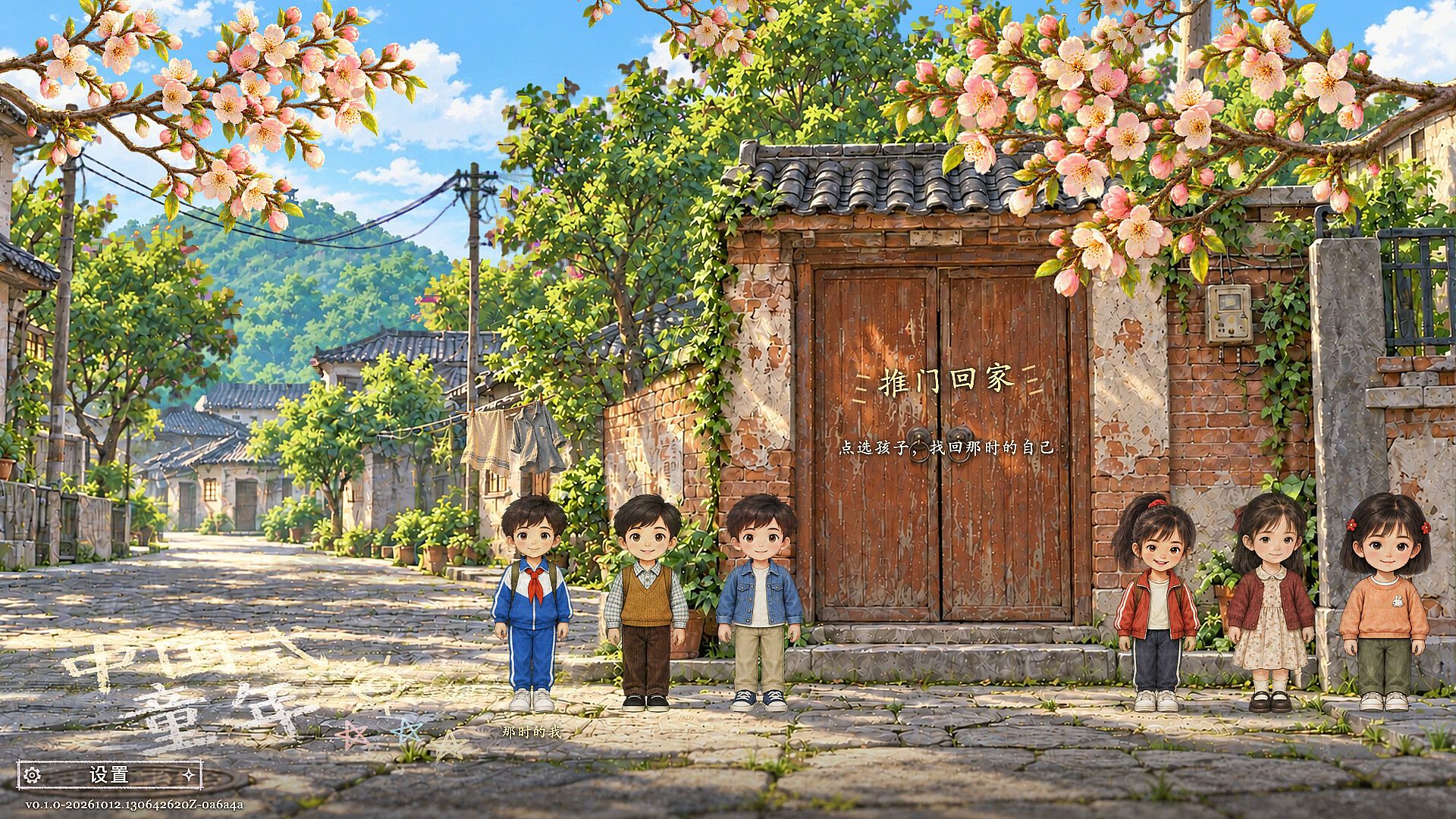
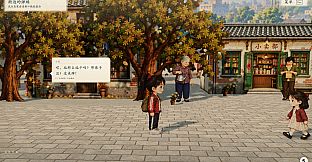
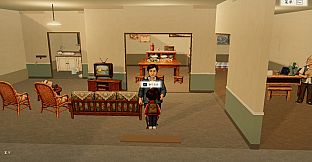
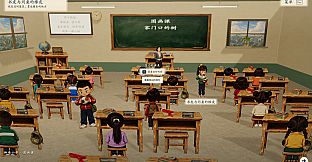
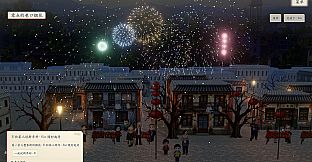
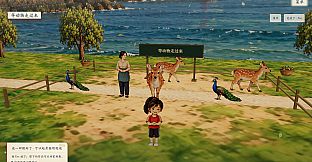
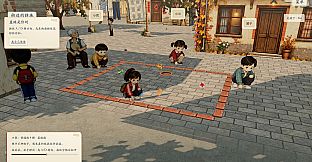
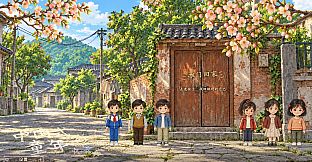
Chinese Childhood is a single-player simulation game that recreates everyday life in a fictional small town in central Anhui, China, around 1998. Players step into the shoes of a boy or girl navigating after-school hours, neighborhood routines, and seasonal family moments through hand-painted HD-2D environments. The experience centers on familiar activities such as flicking marbles, folding paper planes, and handling small daily choices that shape relationships and personal belongings.
Gameplay
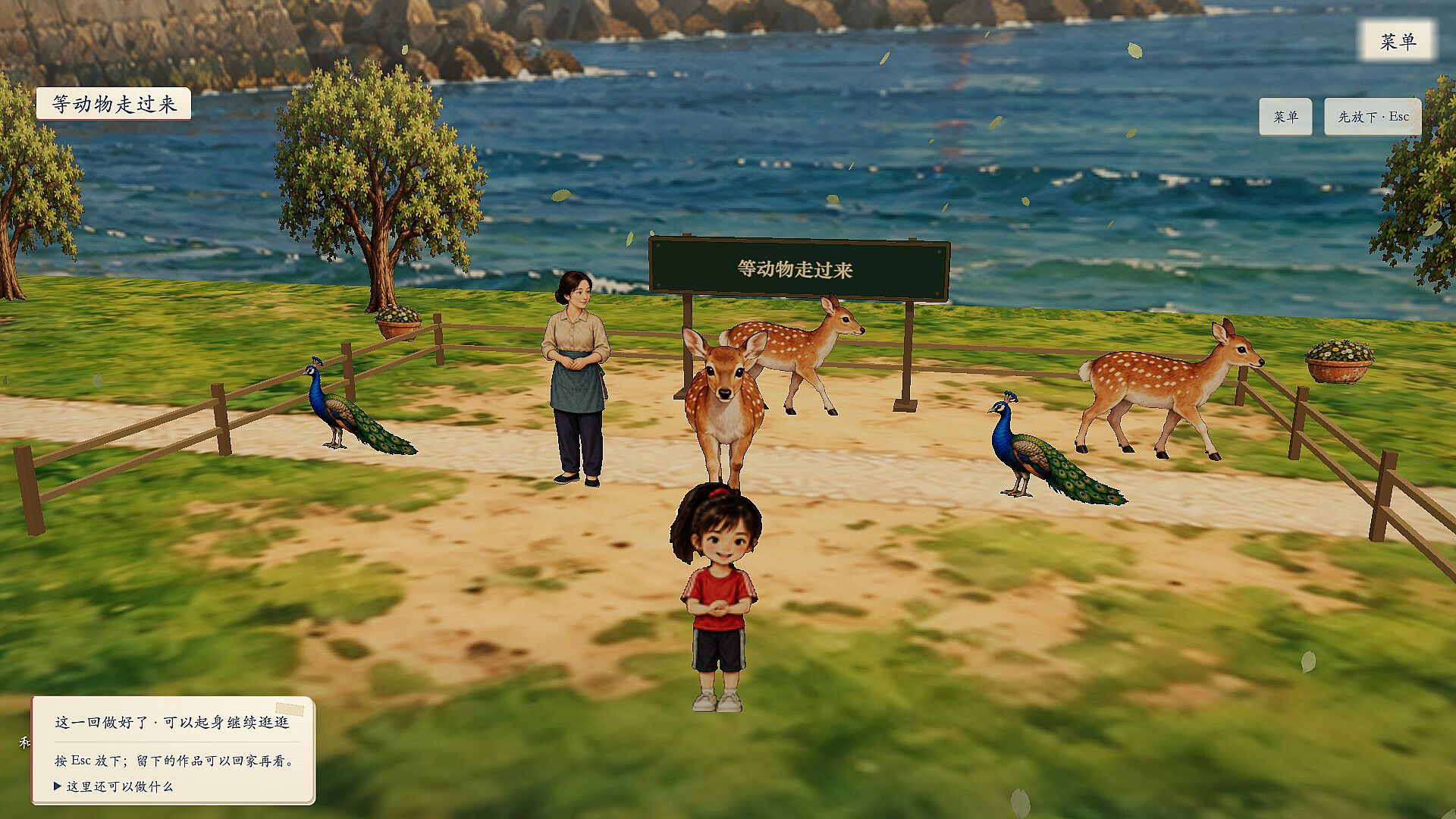
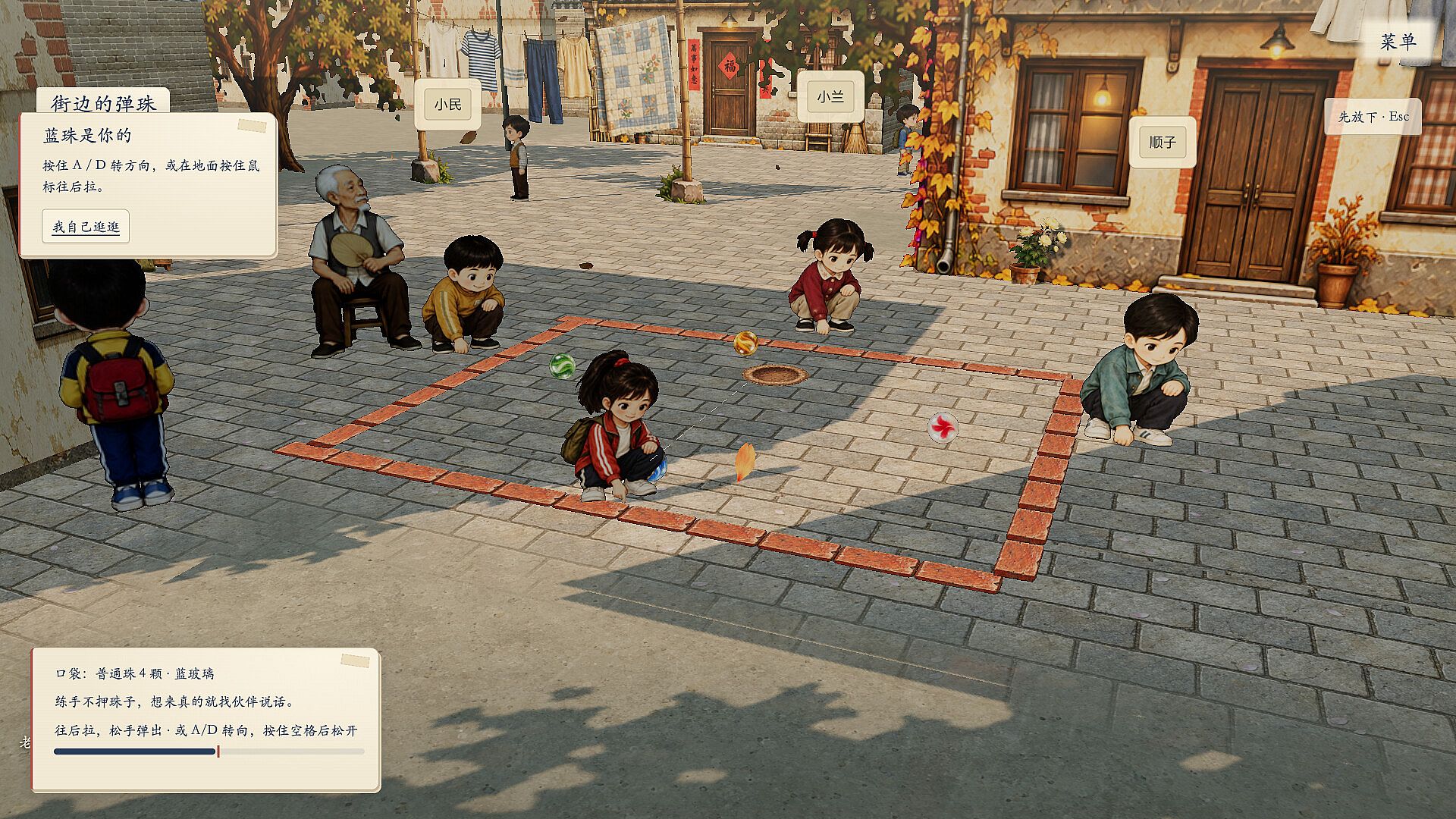
The core loop involves moving between locations like the corner shop, school grounds, neighborhood courtyards, and home. Players interact with friends by aiming and adjusting power to flick marbles toward a pit, with outcomes that can include playing for keeps and altering what sits in their pockets. Other activities include launching paper planes, playing card games, choosing snacks, pouring drinks for others, sitting down to dinner, and wrapping schoolbooks. Progress carries forward through pocket money, collected items, and remembered interactions with neighbors and classmates.
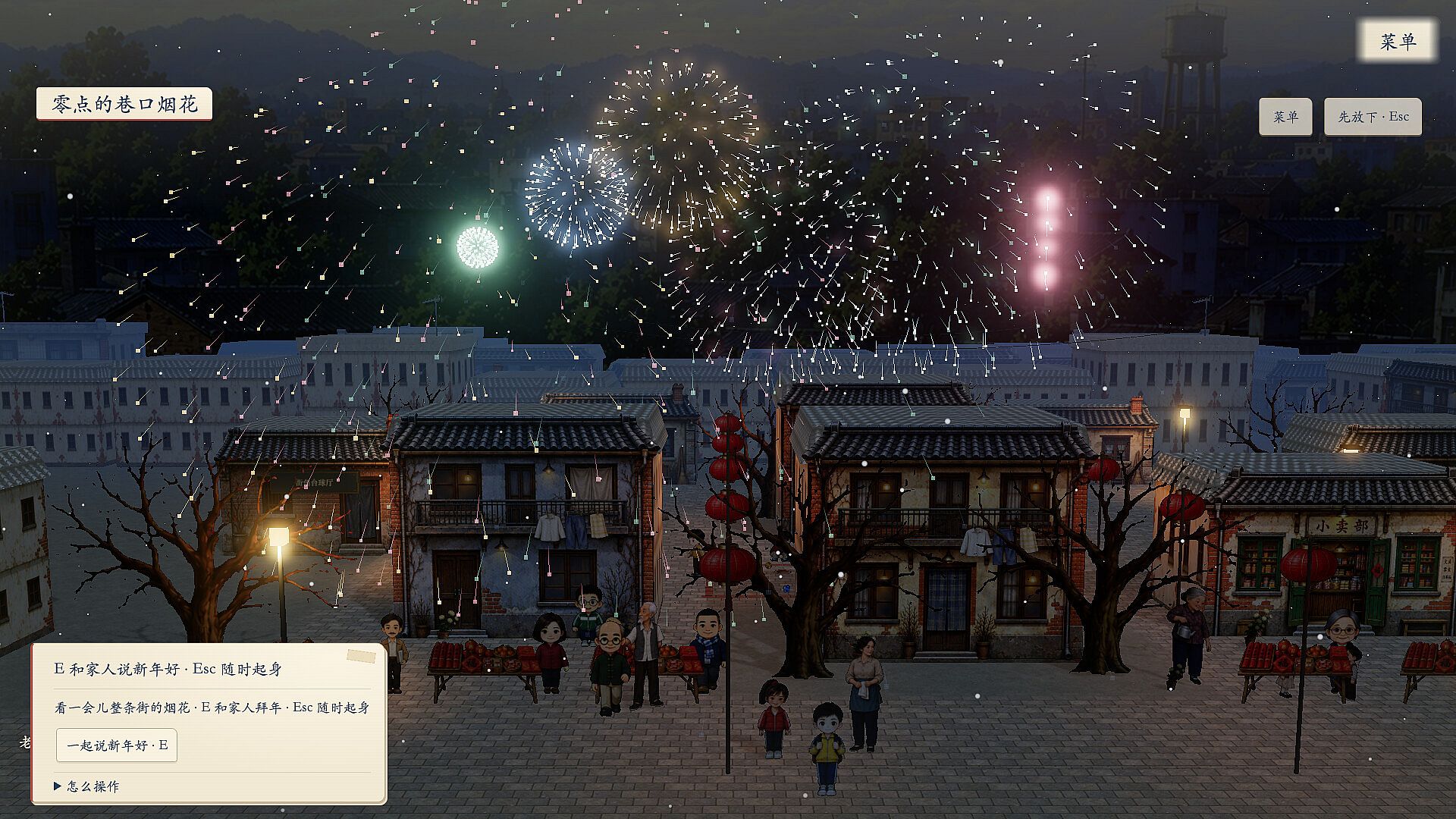
Small decisions echo across later scenes. Returning a borrowed toy, inviting someone to a birthday, or choosing how to end a conversation affects future dialogues and available options. The game tracks these elements locally without online features, letting players wander freely or follow map directions as they explore changing seasons and family events such as New Year visits or making dumplings together.
Game Modes
Chinese Childhood offers a single-player experience focused on one continuous childhood narrative. There are no separate competitive or multiplayer modes. Instead, the structure revolves around representative days that blend routine exploration, activity participation, and seasonal celebrations. Players can join in games, observe from the sidelines, or step away and return later, with friends reacting based on prior shared moments.
Progression follows everyday life into village visits, summer trips, and adult recollections of old friends. The single narrative path supports replay through different choices in gender selection and activity emphasis, though the game remains a contained prototype without additional standalone modes or branching campaigns.
Setting and Atmosphere
The game places players in a 1998-era small town rendered with hand-painted HD-2D art. Streets, school taps, and family homes evoke ordinary moments that once felt routine. Voices and subtitles appear in both Simplified Chinese and English, while keyboard and mouse controls handle movement and interactions. Local saves preserve progress across sessions that span school days, break times, and larger family gatherings.
Neighbors maintain independent lives that players can engage with or pass by. Encounters range from helping out to simply watching events unfold. These elements combine with seasonal shifts to create a grounded portrait of childhood without exaggerated events or external conflicts.
Is It Worth Playing?
Chinese Childhood remains in a playable prototype stage ahead of its planned Early Access release. Many activity details, animations, visuals, sound, and interactions await further polish, and players may encounter rough edges or bugs. A free demo lets anyone test the current experience before deciding on a purchase.
Those who value the existing content, want to support ongoing development, and can comfortably afford the game may find it worthwhile. The title suits players interested in relaxed single-player simulation focused on everyday choices and nostalgic routines rather than high-stakes challenges or extensive systems. Feedback through the demo helps shape future refinements, and there is no obligation to buy based on anticipated updates alone.











