


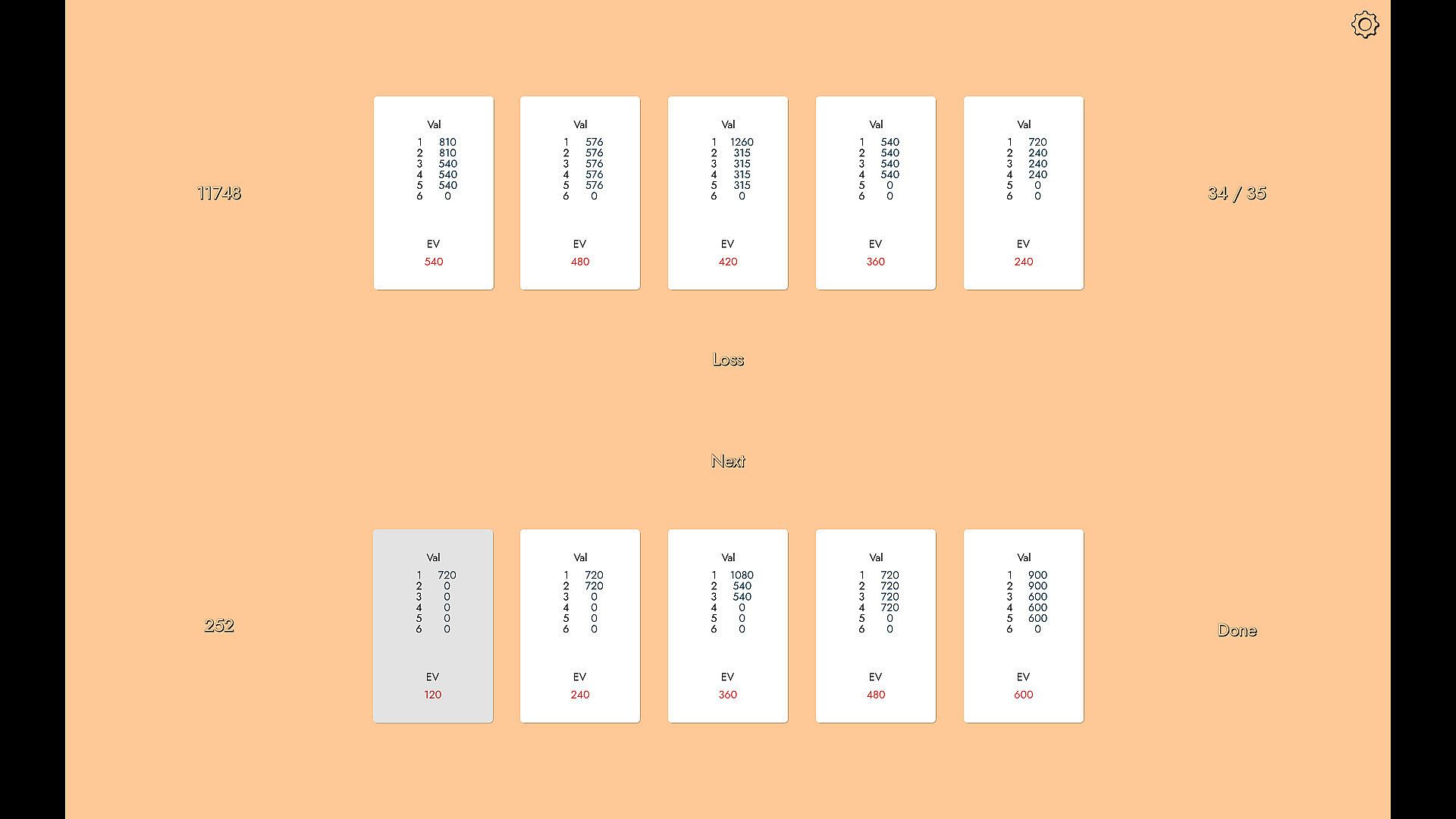
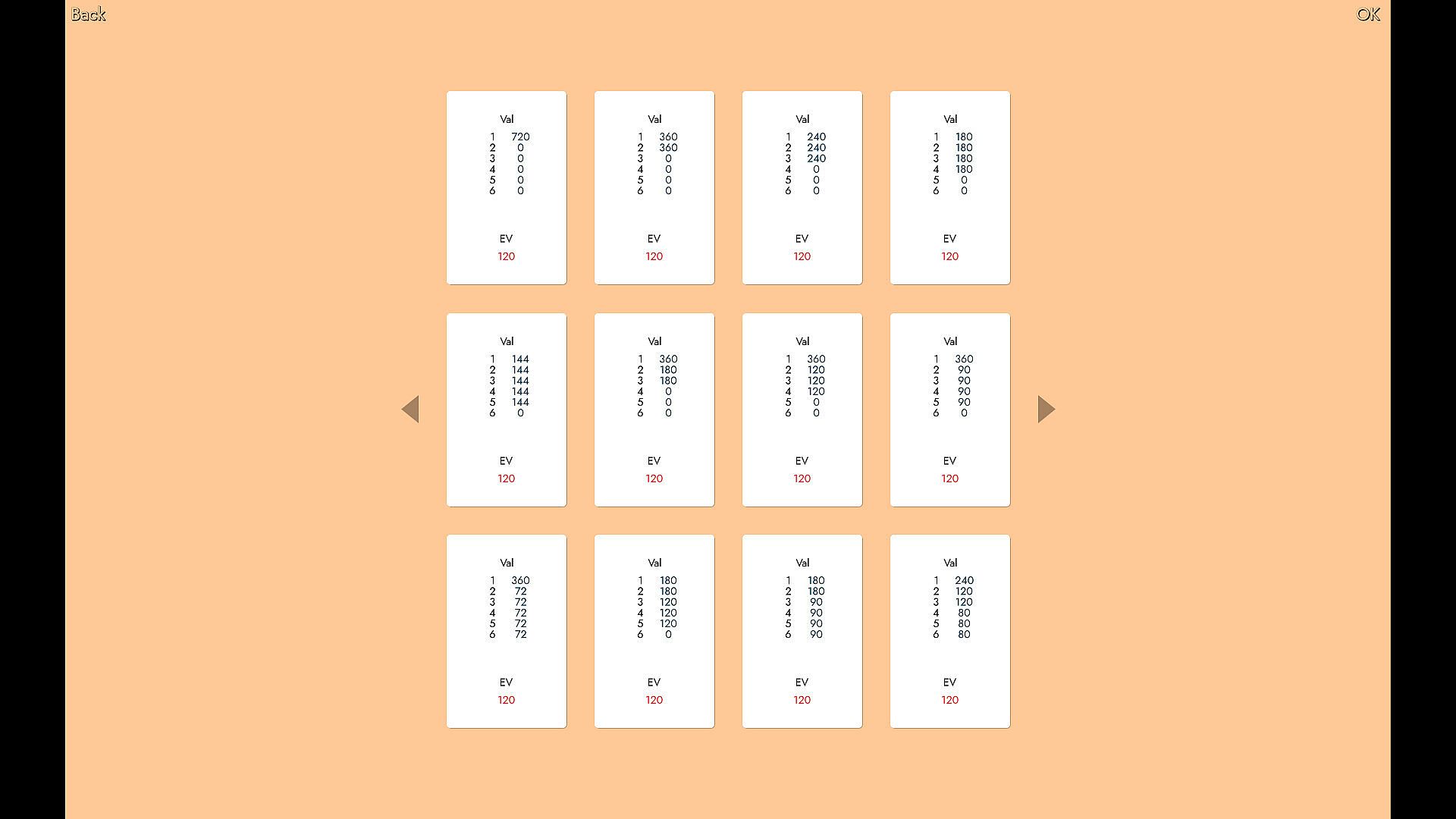
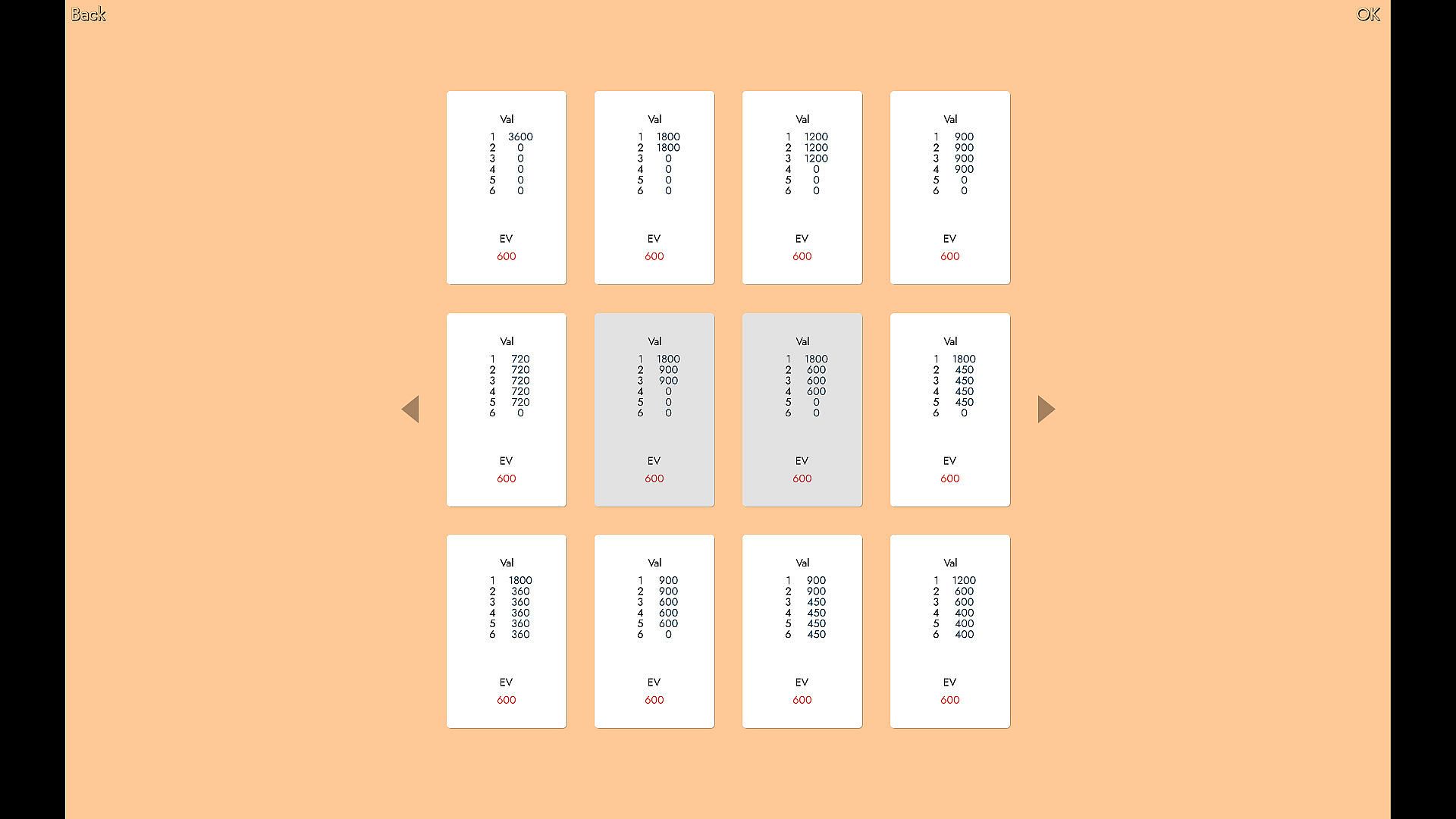
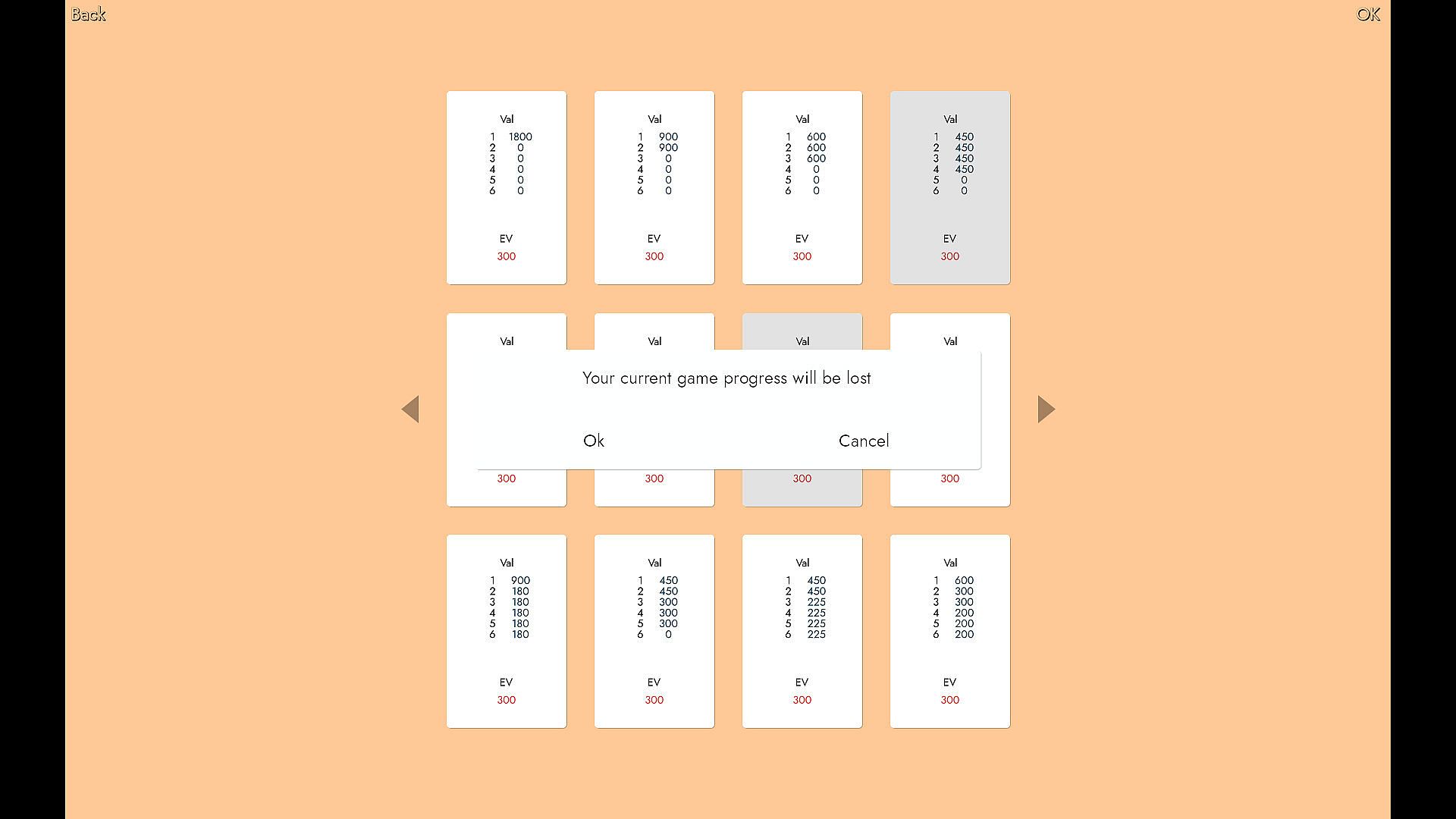

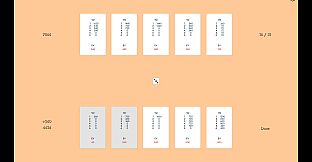
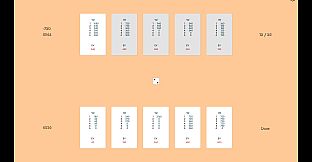
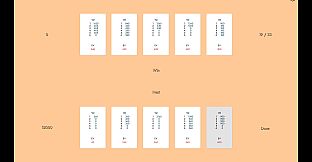
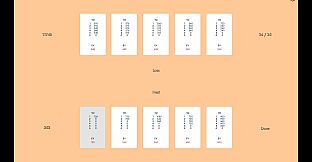

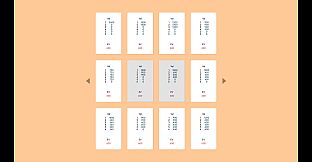
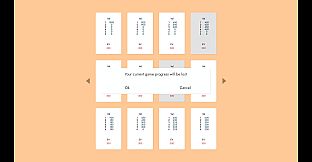

Chance King is a strategy game built around careful card selection and dice-driven resource exchanges on PC. Players draw from a pool of 120 unique cards and commit to five of them each round. The core loop centers on managing limited resources through calculated risks rather than direct combat or unit control.
Gameplay
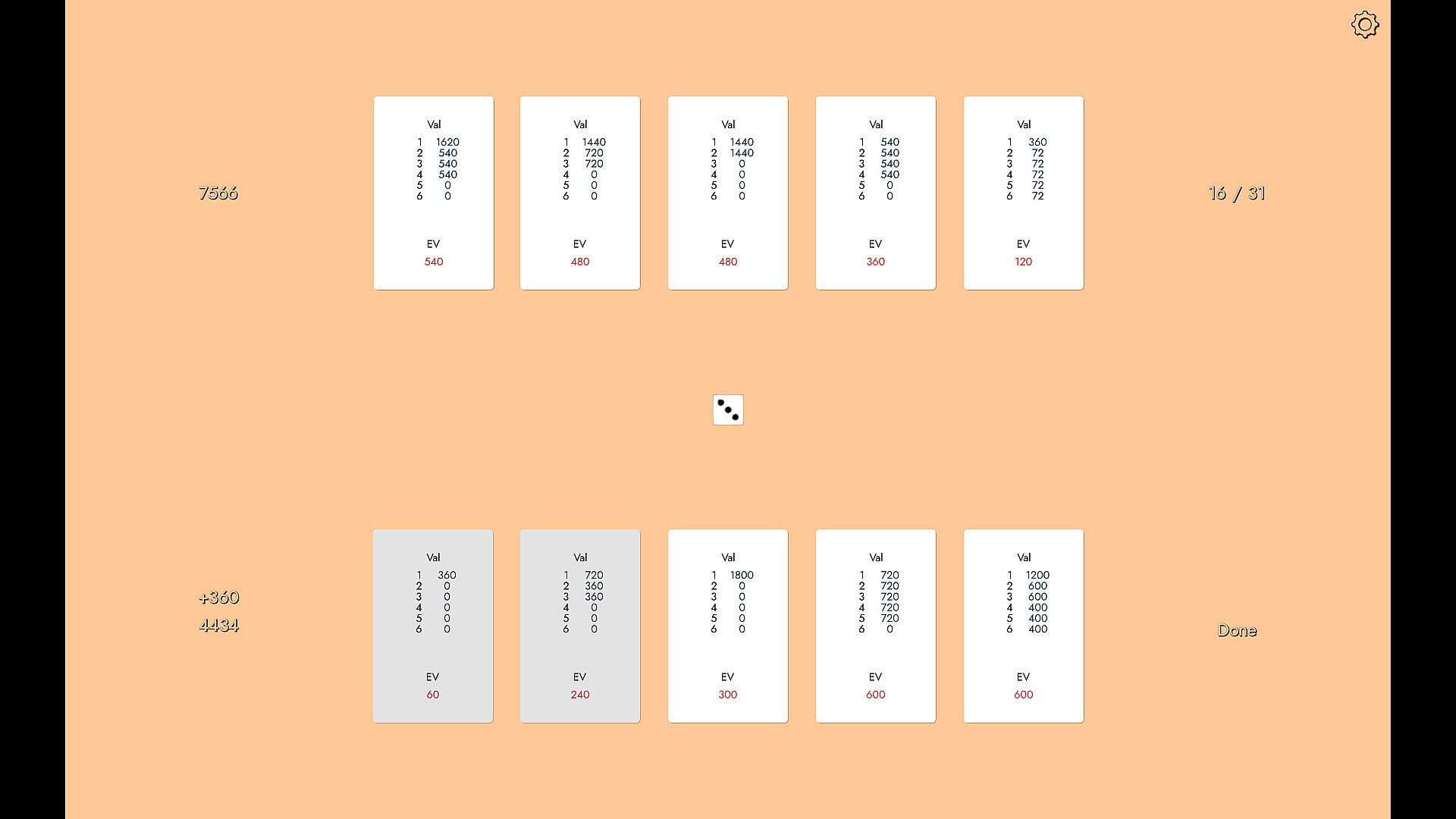
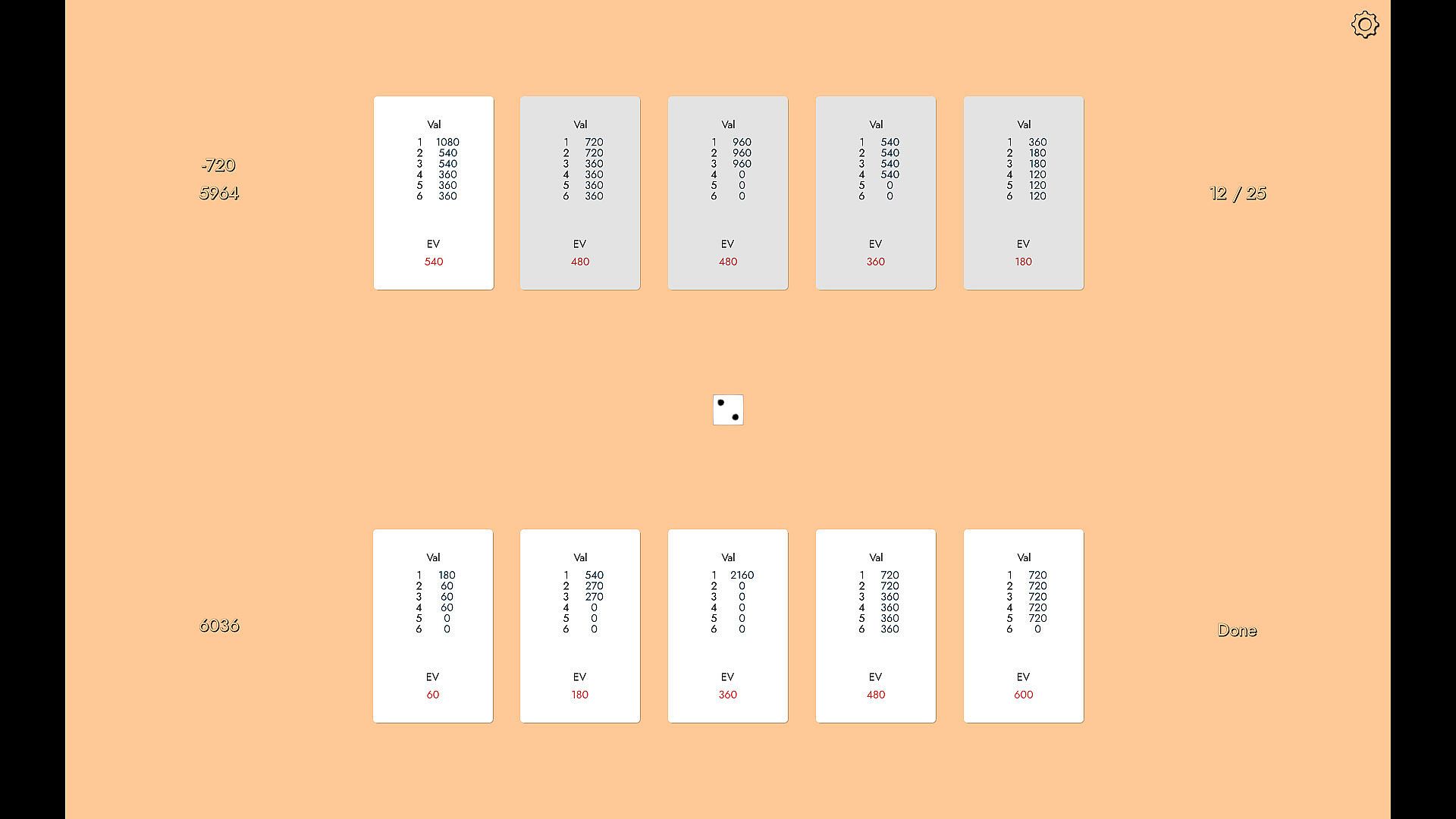
The central system requires selecting five cards before each turn begins. These cards determine the possible actions available. Left-clicking a card transfers EV to the opponent while pulling the corresponding Val back based on that card's dedicated die roll. Right-clicking reverses the flow, accepting EV from the opponent and sending Val in return, again resolved by the independent die roll. Every roll stands alone, so outcomes remain unpredictable even with the same card used in different situations.
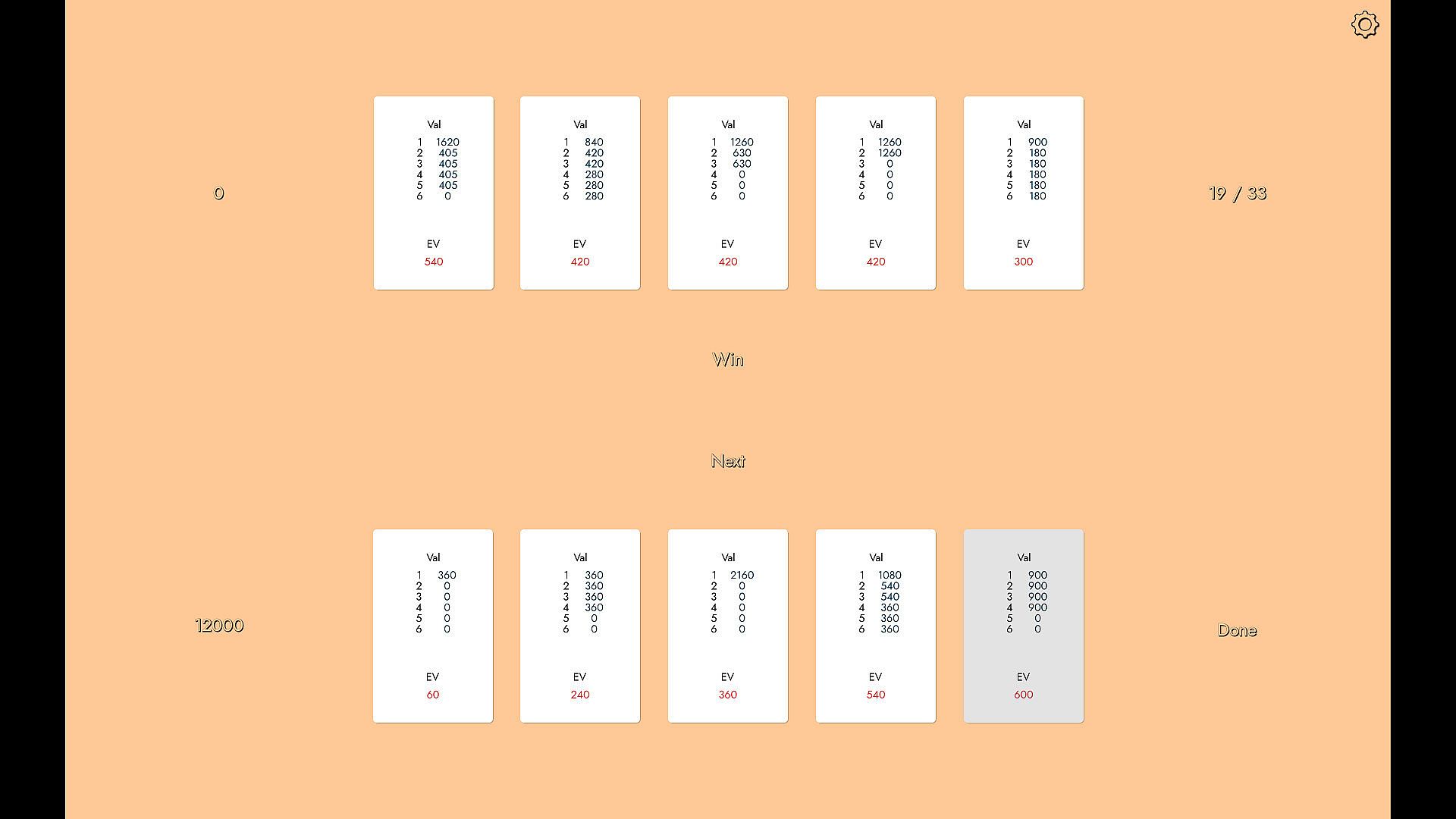
Each card functions only once per turn, which forces players to plan the order and timing of activations across the five chosen options. Resources accumulate or deplete through these exchanges, and the match ends when one side loses all resources or when the final turn concludes with a simple comparison of totals. The 120-card pool offers variety in the specific EV and Val values attached to each option, encouraging experimentation with different five-card combinations over multiple rounds.
Success depends on reading the current resource balance and deciding whether to push for aggressive gains or protect against potential losses on any given roll. Because dice results cannot be influenced after selection, the strategy lies entirely in which cards to bring into the turn and how to sequence their use.
Game Modes
The game centers on its core turn-based exchange system without additional named modes or variants confirmed at this stage. Matches follow the same ruleset each time, with the five-card selection and resource objective remaining consistent. This focused structure keeps attention on mastering the card pool and understanding how different combinations interact with the independent dice mechanics.
Core Mechanics and Strategy
Resource management forms the backbone of every decision. EV and Val represent opposing flows that players must balance across turns. Because each card carries its own die, the potential swing on any activation varies, rewarding those who prepare multiple paths rather than relying on a single high-value option. The one-use-per-turn restriction adds another layer, as committing a strong card early leaves fewer tools for later adjustments within the same round.
Over repeated matches, familiarity with the 120-card pool helps players anticipate likely outcomes and build selections that cover both offensive and defensive needs. The absence of carry-over effects between turns keeps each round self-contained while still allowing longer-term adaptation through changing card choices.
Is It Worth Playing?
Chance King suits players who enjoy deliberate, probability-based strategy where preparation and sequencing matter more than reflexes. The system rewards careful analysis of card effects and an acceptance of variance from the dice rolls. Those seeking a pure test of resource calculation and risk assessment will find the loop engaging through repeated play with different five-card sets.
With no confirmed updates, seasons, or additional content layers at present, the experience stays tightly focused on the base rules. Prospective players can judge fit by considering their tolerance for dice-driven outcomes paired with meaningful pre-turn planning. The game delivers a clear, self-contained strategy challenge without extraneous systems.