



查无此人 is an indie adventure game centered on historical investigation and family reconstruction. Players step into the role of a forensic genealogy investigator in Shanghai, examining an unidentified skeleton discovered during renovations of an old residence. The core task involves tracing the remains back to the Sheng family through fragmented records spanning nearly a century.
Gameplay
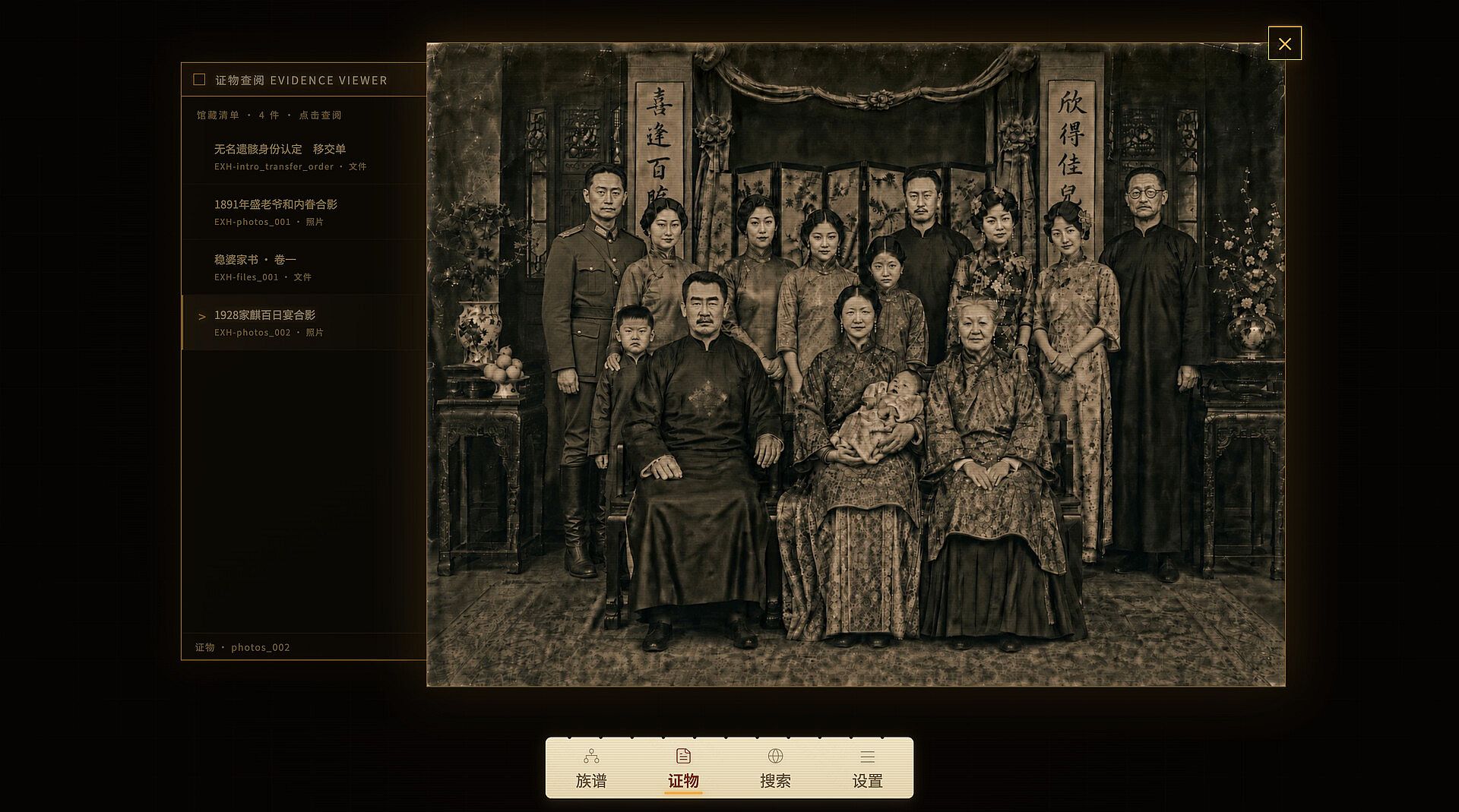
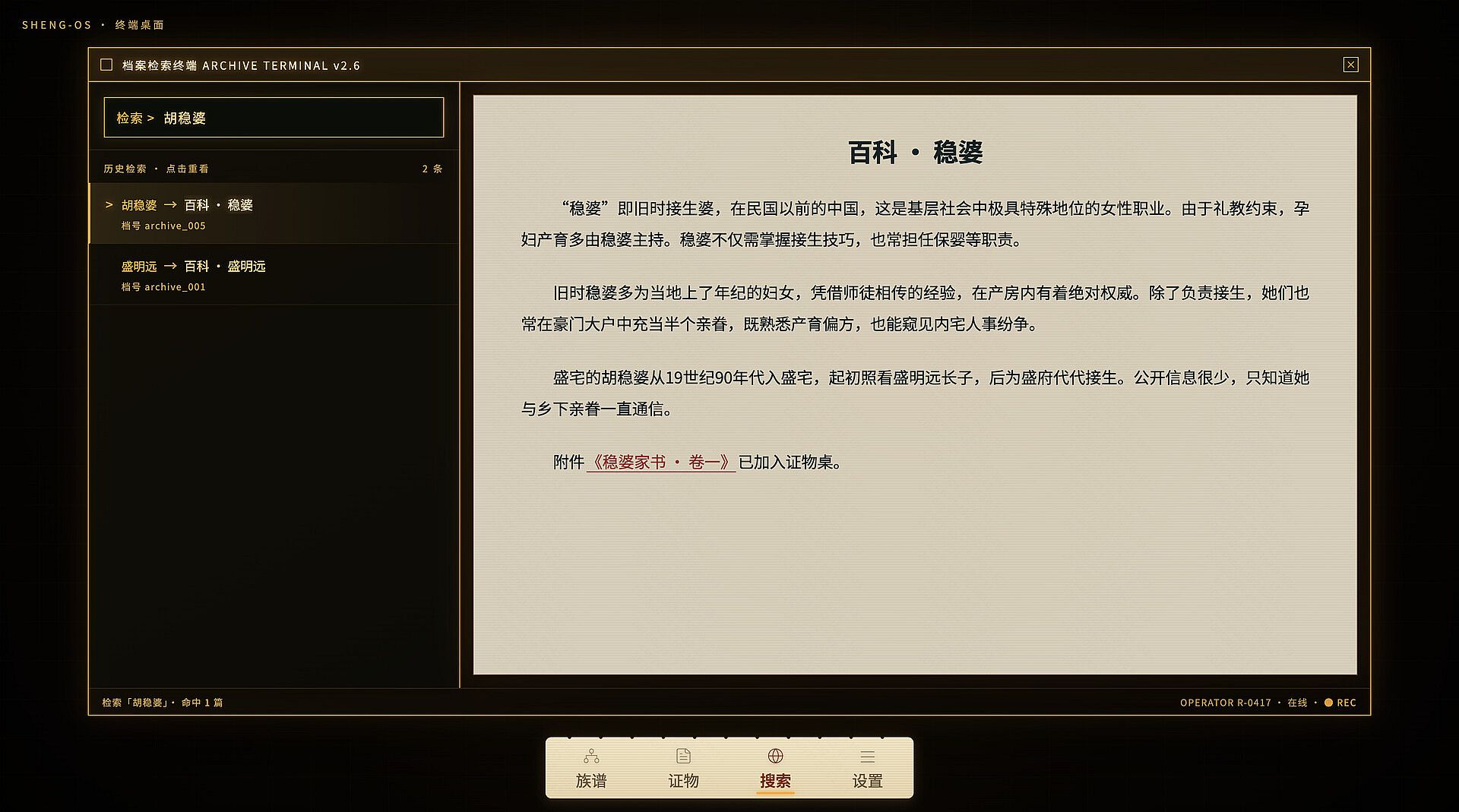
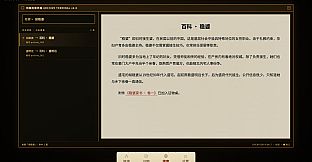
The gameplay revolves around methodical archive research and evidence cross-referencing. Players access a terminal to search names, locations, and events drawn from old photographs, letters, obituaries, newspapers, and official documents. Each piece of material offers partial information, often using varying names for the same individual or leaving gaps that require connections from other sources.
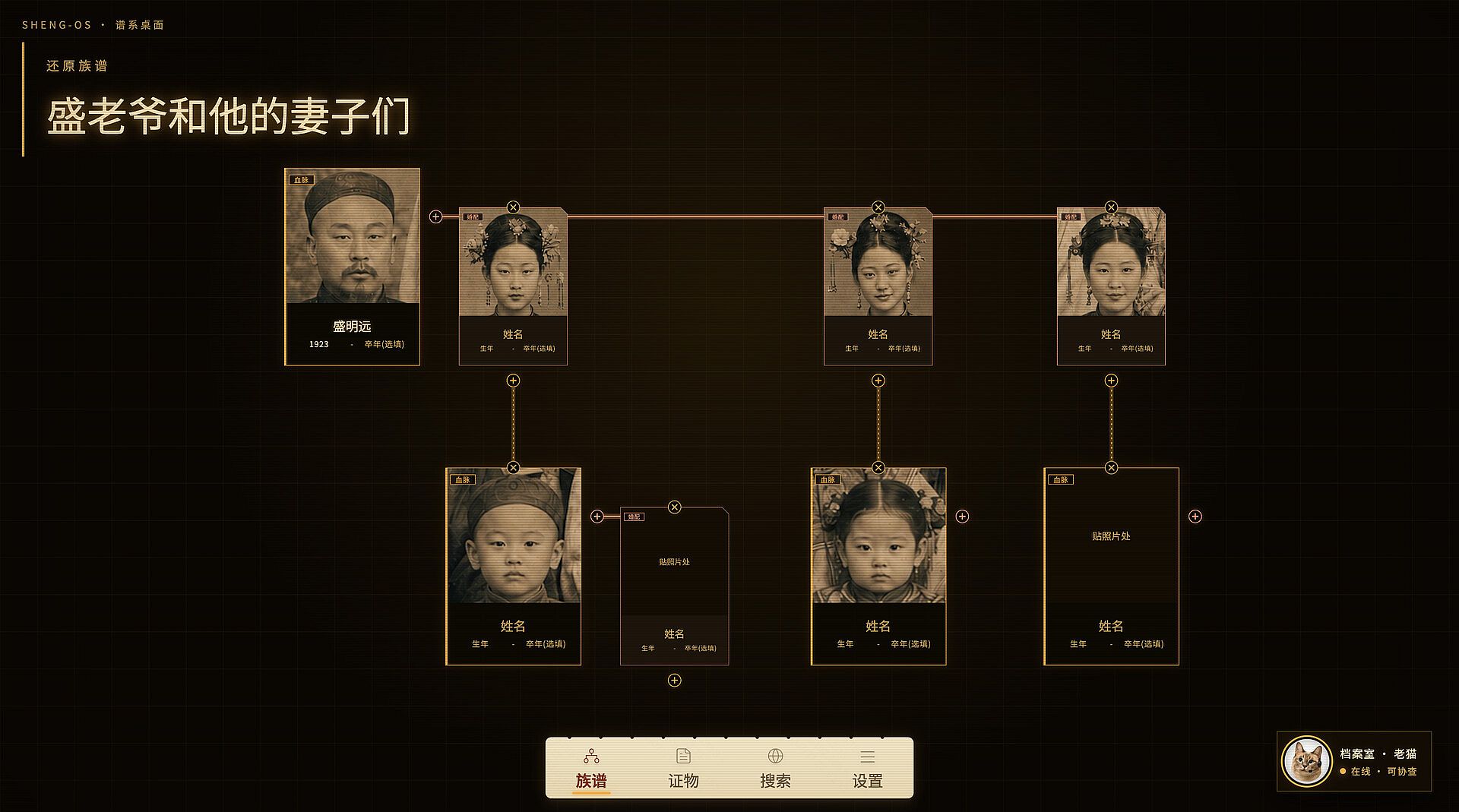
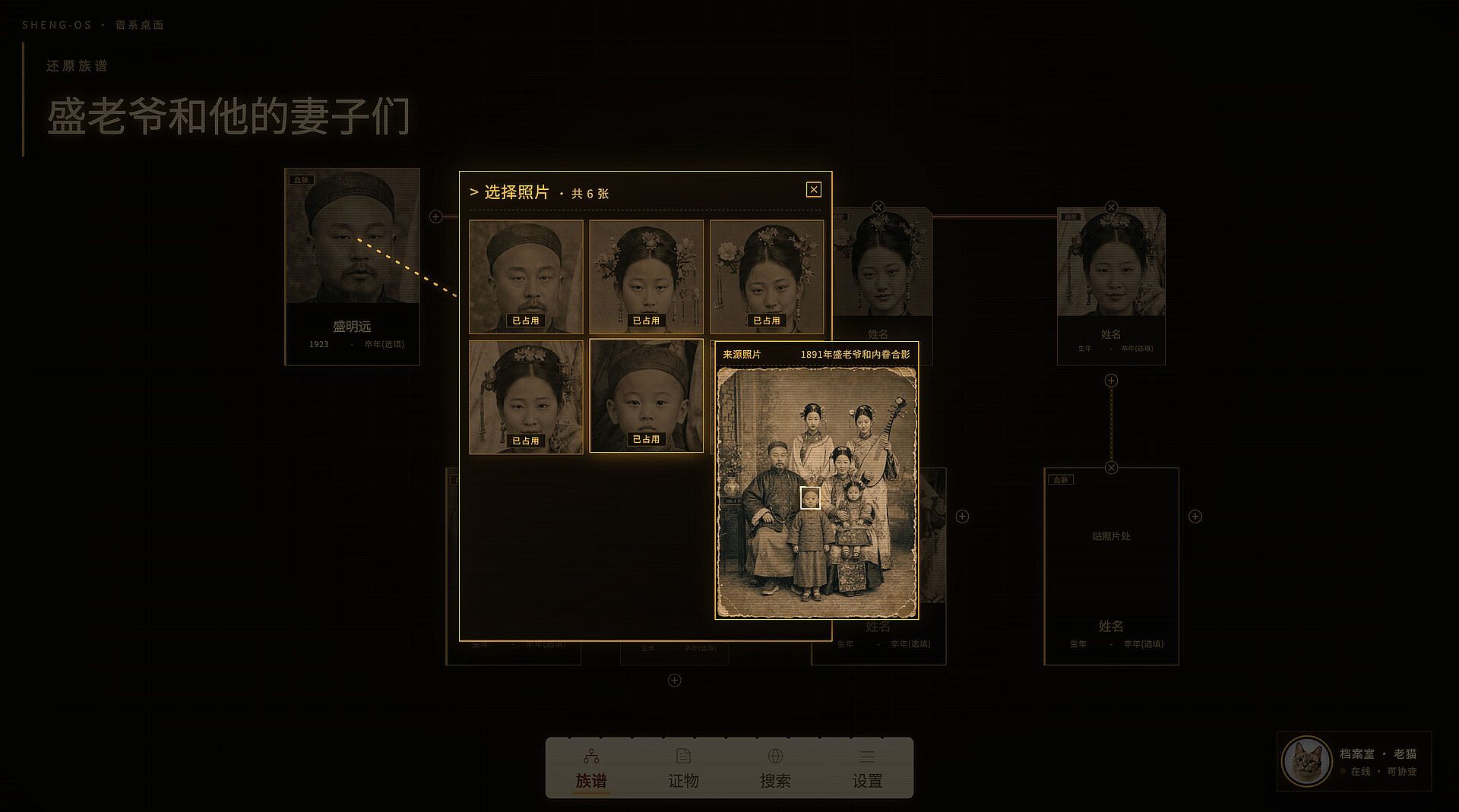
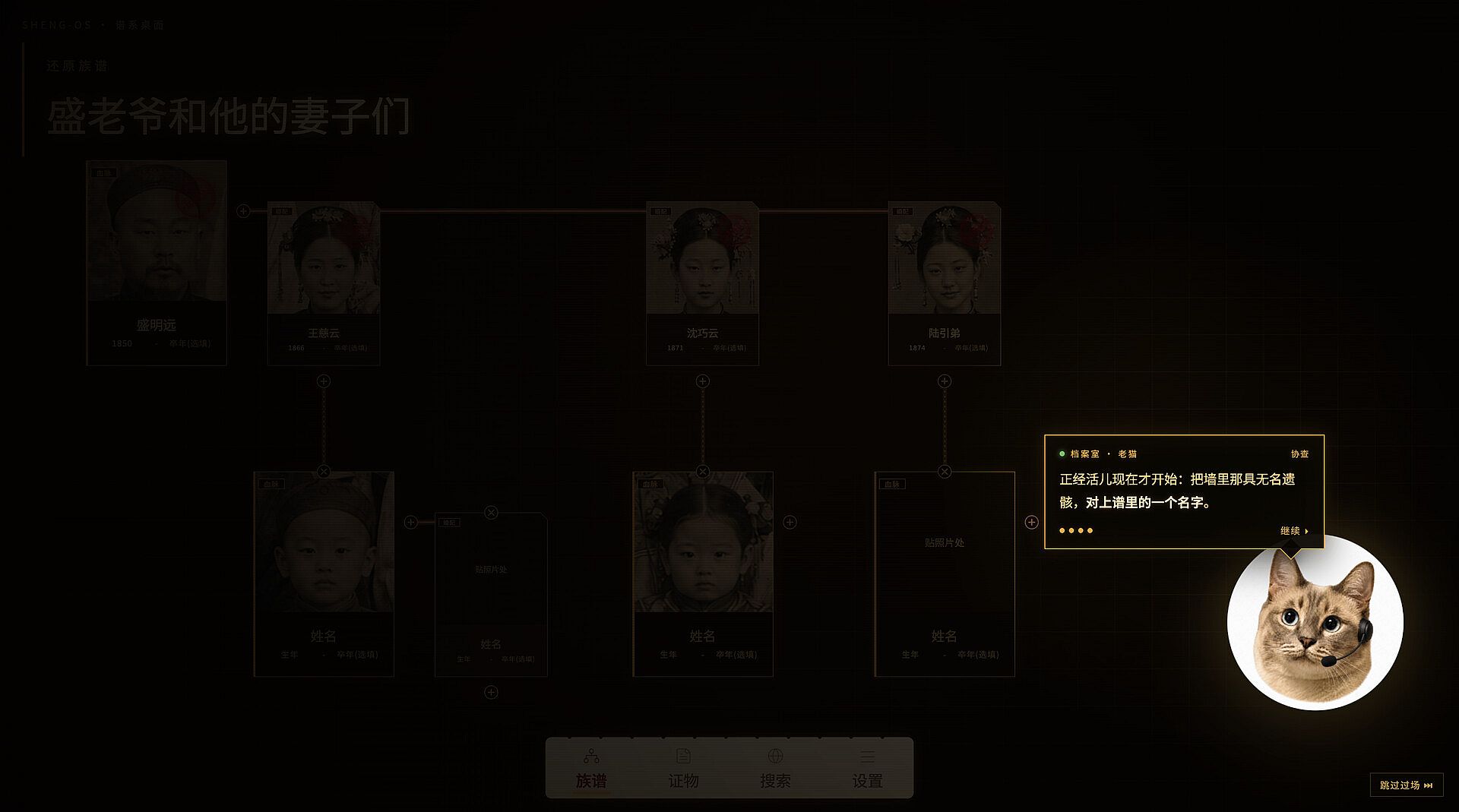
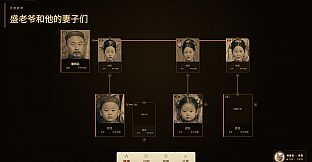
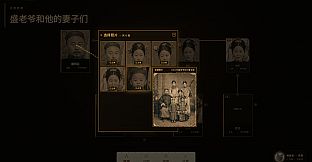
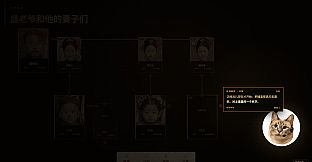
Rebuilding the Sheng family tree forms the central activity. This includes matching faces in photographs to names and birth or death dates, then mapping out marriages, blood relations, and generational links. Correct identifications narrow down possibilities and unlock additional evidence or new leads. The process demands careful comparison of timelines, titles, and relationships to resolve inconsistencies across records.
A progressive hint system provides optional assistance when progress stalls, scaling from subtle nudges to more direct guidance based on player choice. All actions stay grounded in the provided materials, with no external tools or unrelated activities interrupting the focus on identification.
Game Modes
The experience operates as a single-player narrative adventure without separate multiplayer or competitive modes. The investigation unfolds through a continuous sequence of archive access and family tree assembly, allowing players to proceed at their own pace while managing the growing web of connections and contradictions.
Progression ties directly to successful identifications, which expand the available records and shift the direction of inquiry. There are no branching campaigns, side activities, or alternate scenarios beyond the central effort to determine the identity of the remains and the reasons for their absence from family documentation.
The Investigation Process
Evidence handling requires ongoing verification between sources. A single document might omit key details or present conflicting details, so players compare dates, kinship terms, and visual elements across multiple items to build a consistent picture. The family tree interface serves as the main workspace for organizing findings and testing relationships.
Each verified connection reduces uncertainty and surfaces new materials, creating a tightening loop of discovery. The setting in early twentieth-century Shanghai informs the types of records encountered, from household registers to period publications, all presented without modern overlays or simplified interfaces.
Is It Worth Playing?
查无此人 targets players who enjoy deliberate, detail-oriented puzzle solving within a historical context. Its strength lies in the realistic simulation of genealogical research, where success depends on patience and logical deduction rather than reflexes or resource management.
With a scheduled release in Q4 2026 on PC, the game remains in development, so current player feedback is limited to preview impressions of the core mechanics. Those drawn to narrative-driven adventures that emphasize reconstruction over action will find the focused scope appealing. The absence of extraneous systems keeps attention on the identification challenge and the questions surrounding the unnamed remains.