



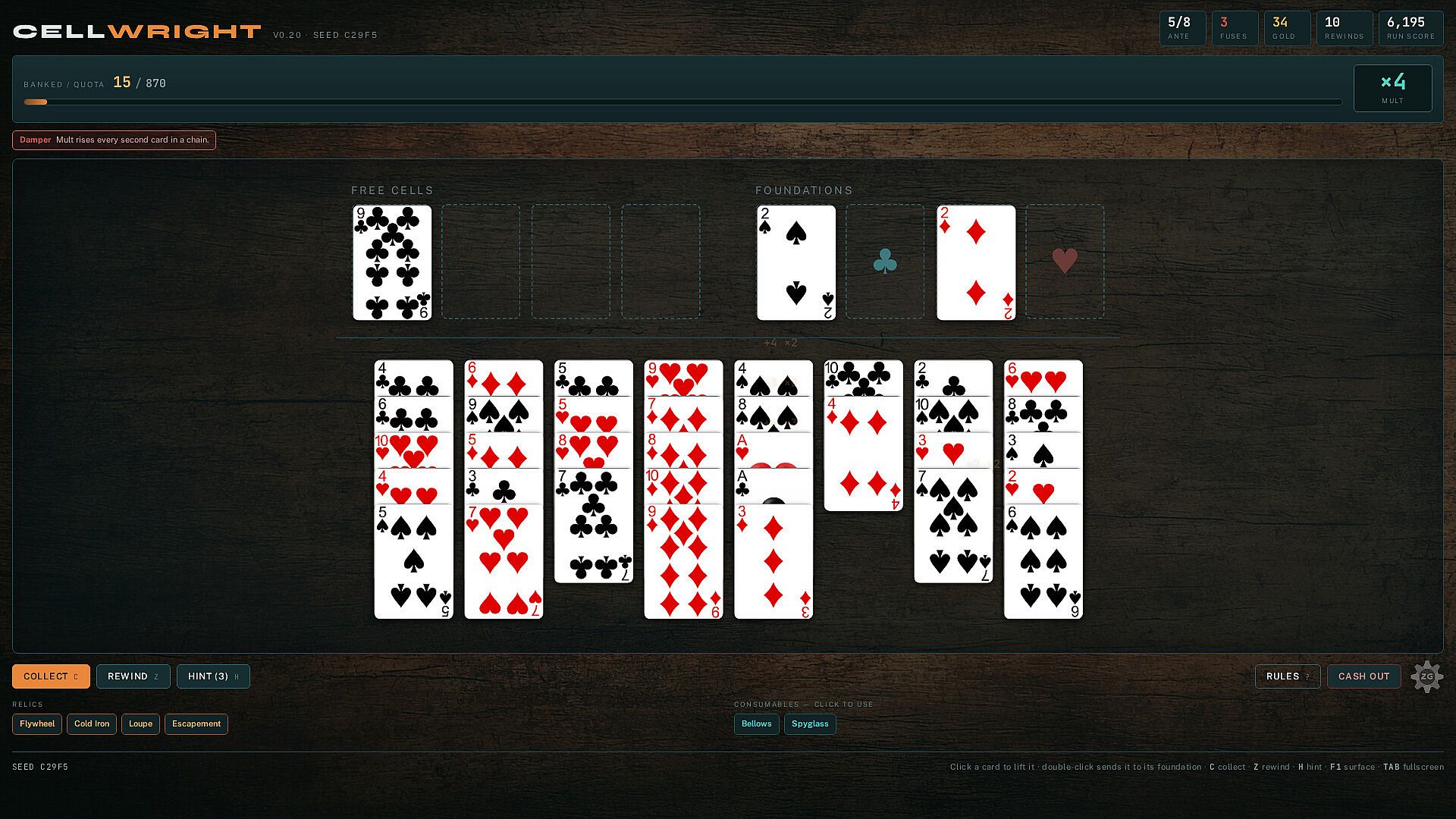
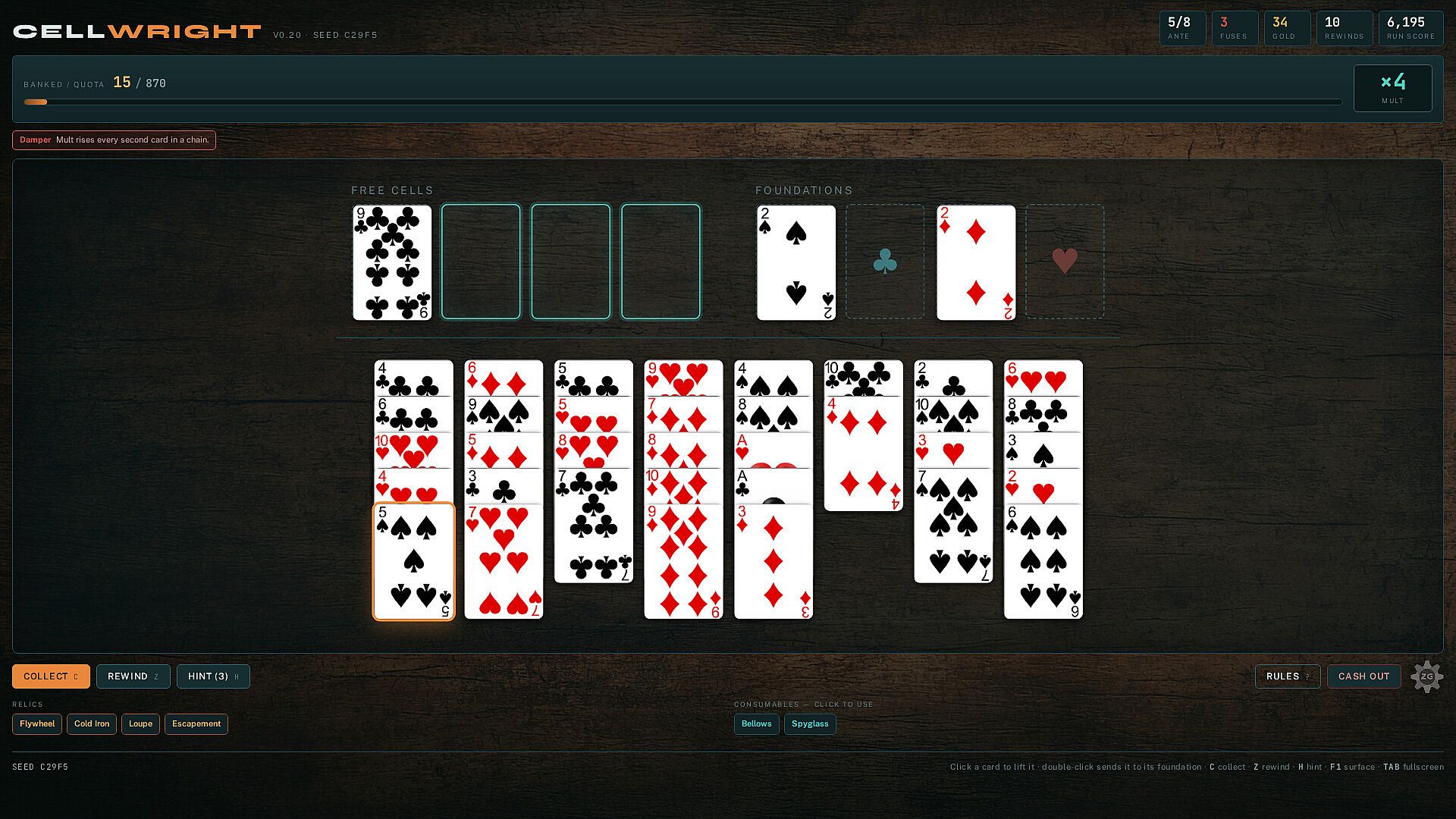




Cellwright is a single-player FreeCell roguelike card game for PC that transforms the classic solitaire puzzle into a run-based experience focused on scoring and survival rather than simple completion.
Gameplay
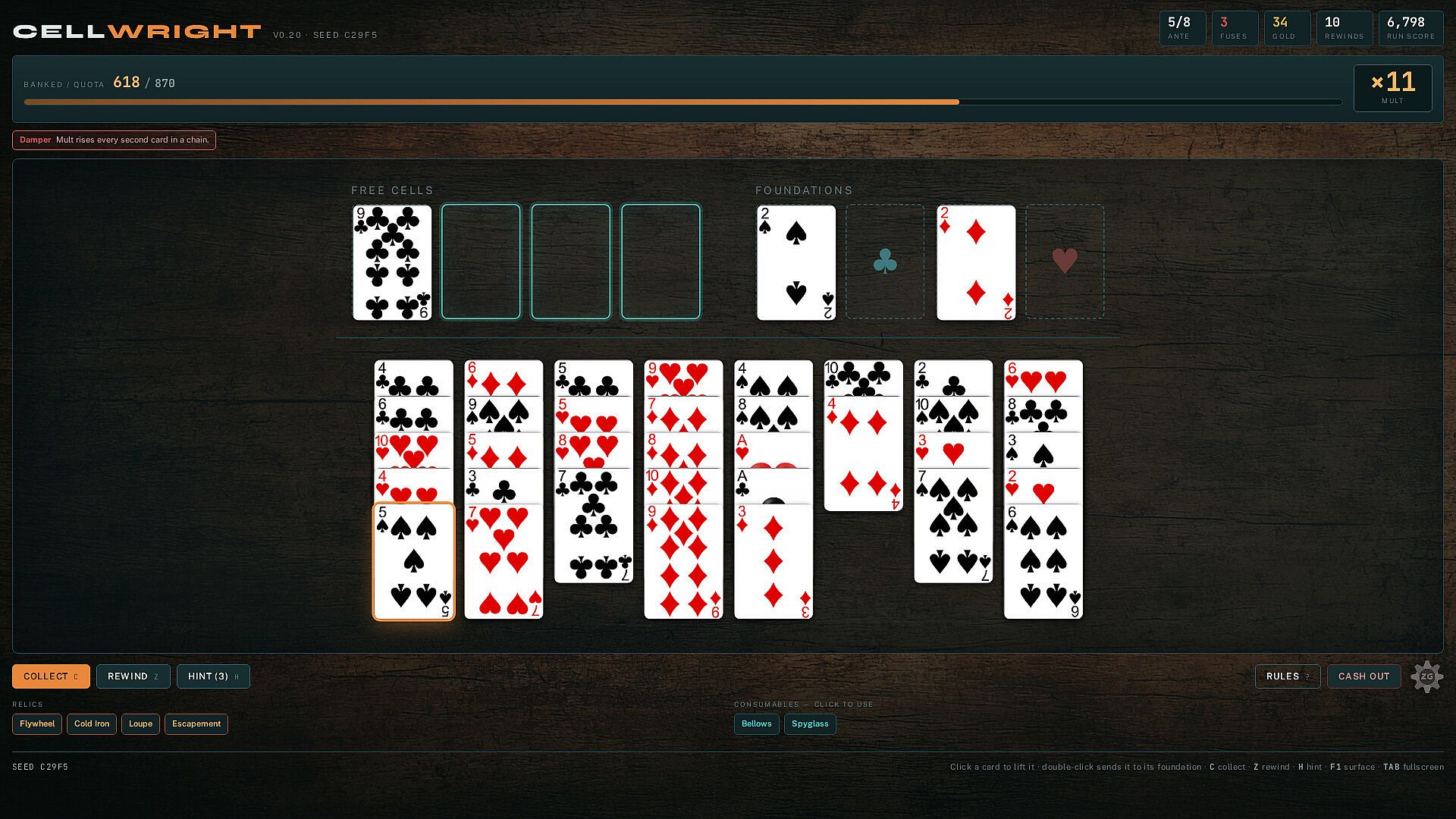
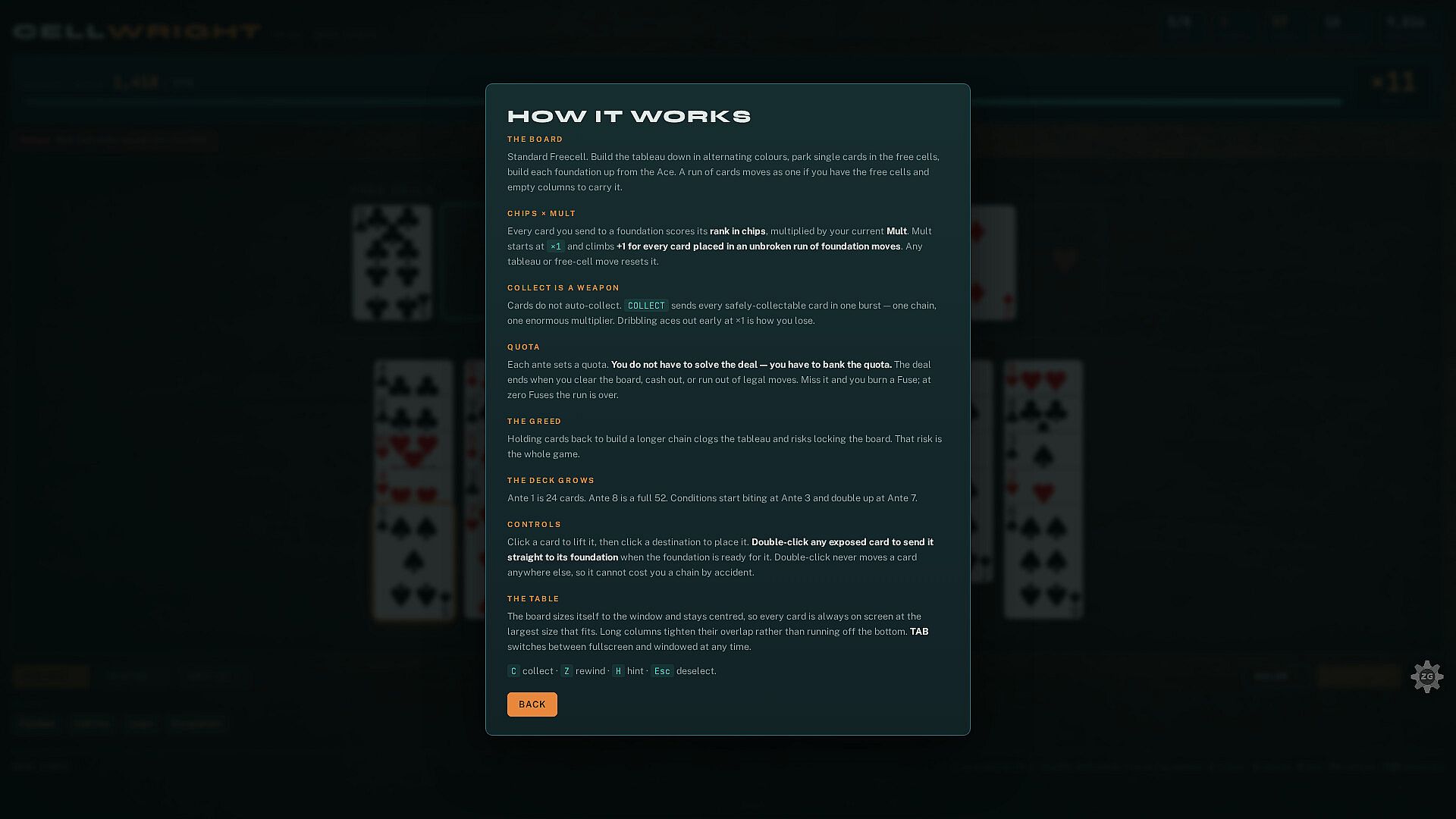
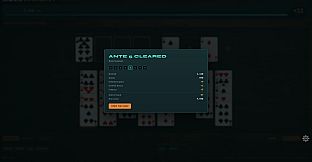
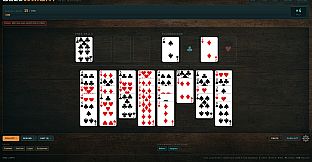
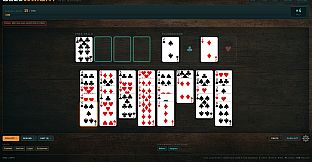
The core loop revolves around building long chains of foundation moves to increase a multiplier that boosts points earned from each card sent to the foundations. Every card contributes its rank value multiplied by the current mult, but any interaction with the tableau resets the mult to one. This shifts the focus from merely solving each layout to maximizing unbroken runs of foundation plays while managing the risk of breaking the chain.
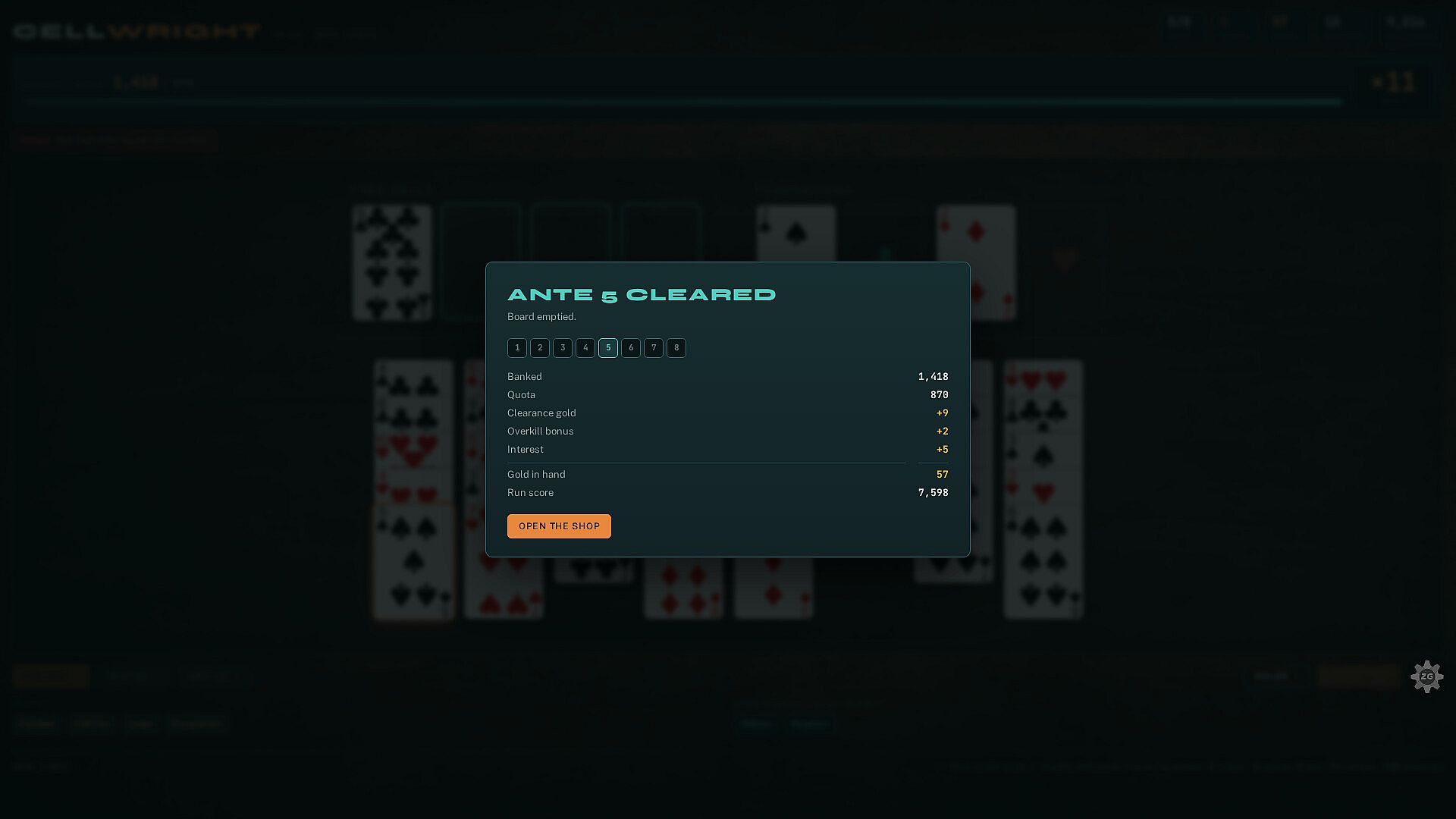
Each deal carries a quota that must be met by banking points through these chains. Emptying the board alone does not count as success. Players plan setups carefully, leaving cards in position to extend future chains instead of rushing to clear everything immediately. Greed for higher multipliers is rewarded until it leads to an unwinnable position.
Layouts receive solver verification in advance, guaranteeing every deal starts solvable. Ten rewinds per deal allow backtracking on mistakes, with the option to purchase more. A collect feature sweeps all safe cards to foundations in one action, and the game flags unwinnable states clearly rather than leaving players stuck on dead boards.
Game Modes
Endless Run generates a fresh seed for each attempt, presenting eight antes that scale in difficulty and quota size. Ante one begins with twenty-four cards while ante eight uses the full fifty-two. Missing a quota burns one of three fuses. Exhausting all fuses ends the run, with the final score based on points banked up to that point.
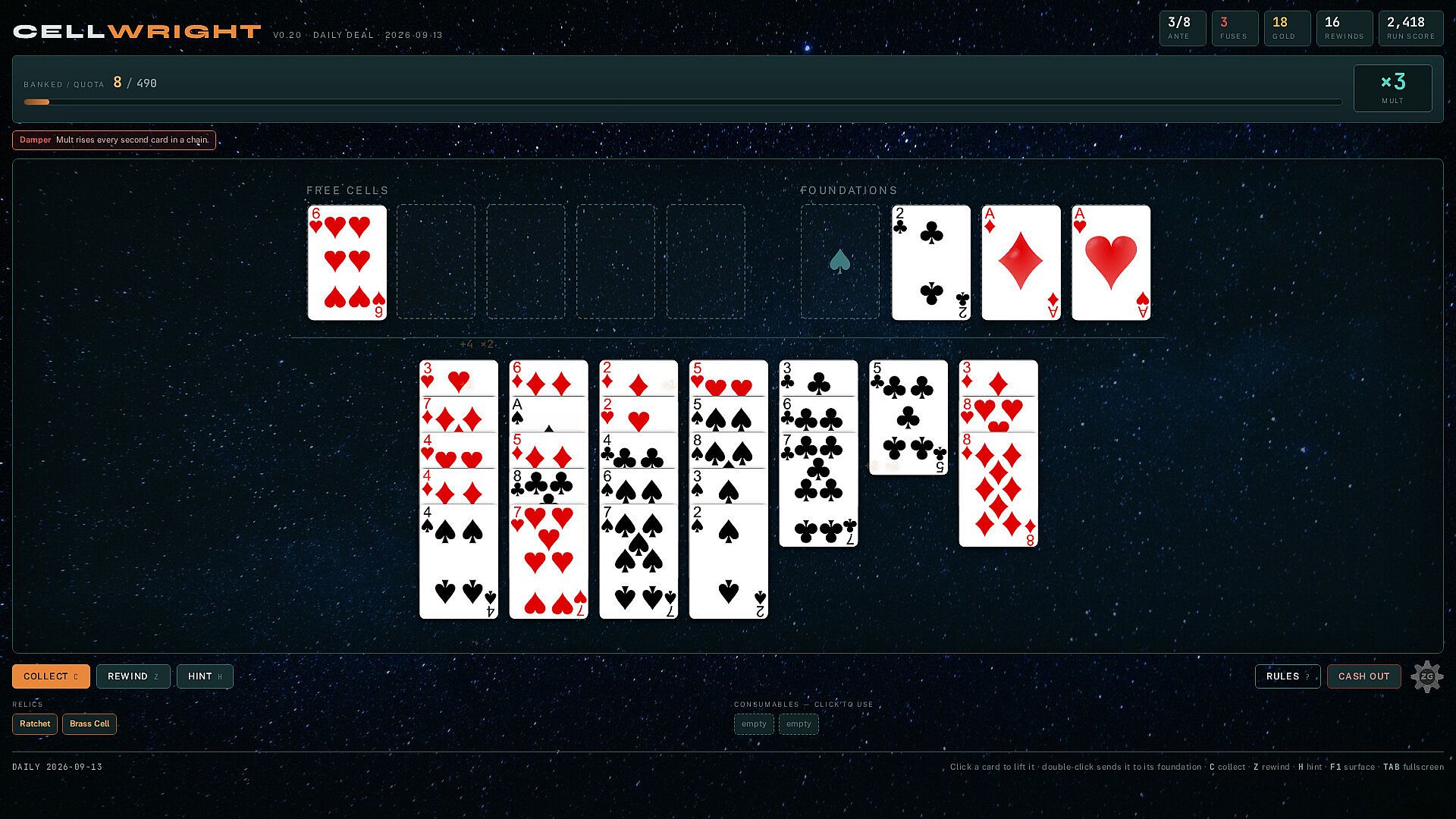
Daily Deal provides a shared seed for all players worldwide, offering one attempt per day at the same eight-ante run. Both modes emphasize consistent performance across multiple deals rather than isolated solves.
Relics, Conditions, and Progression
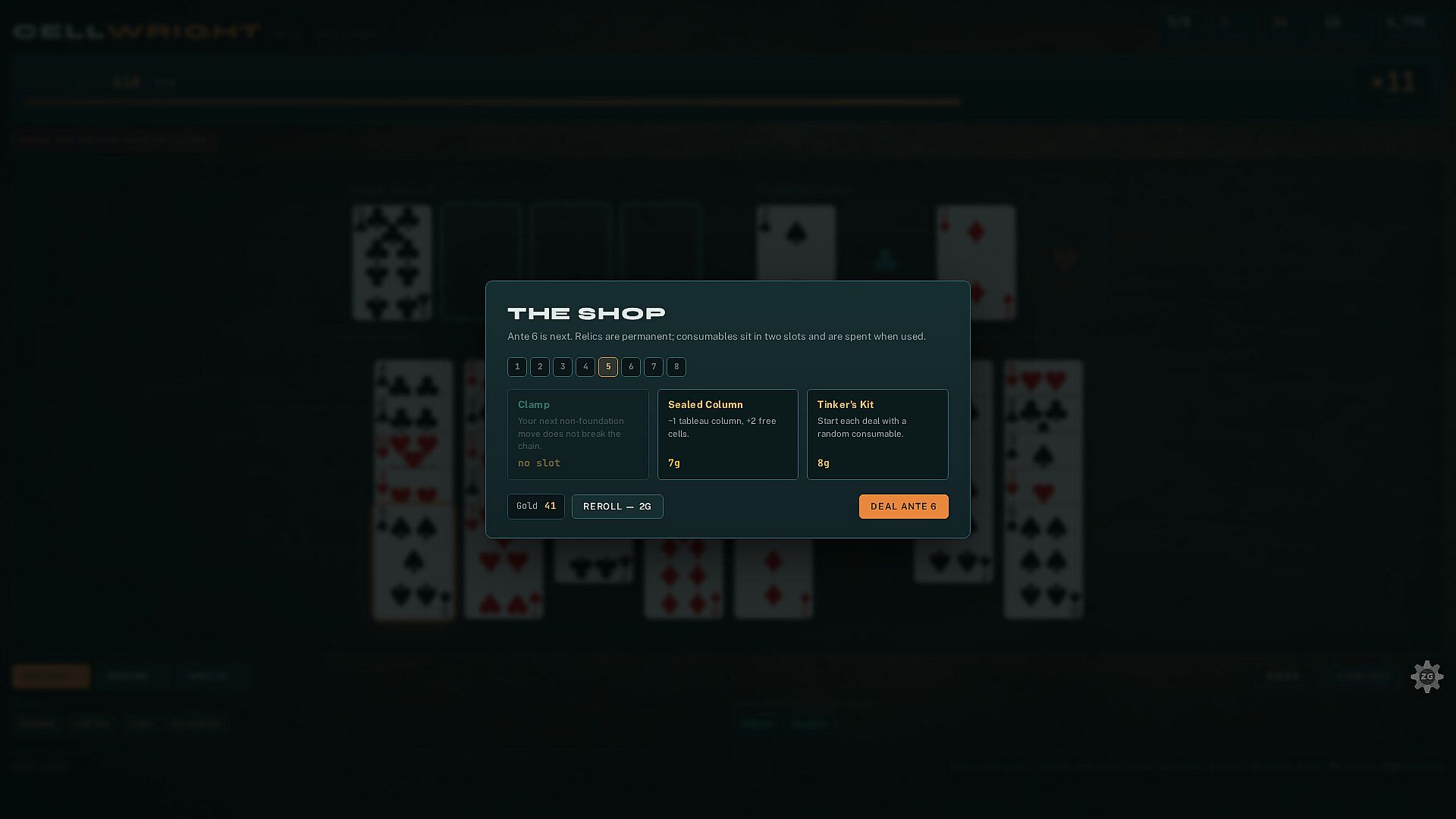
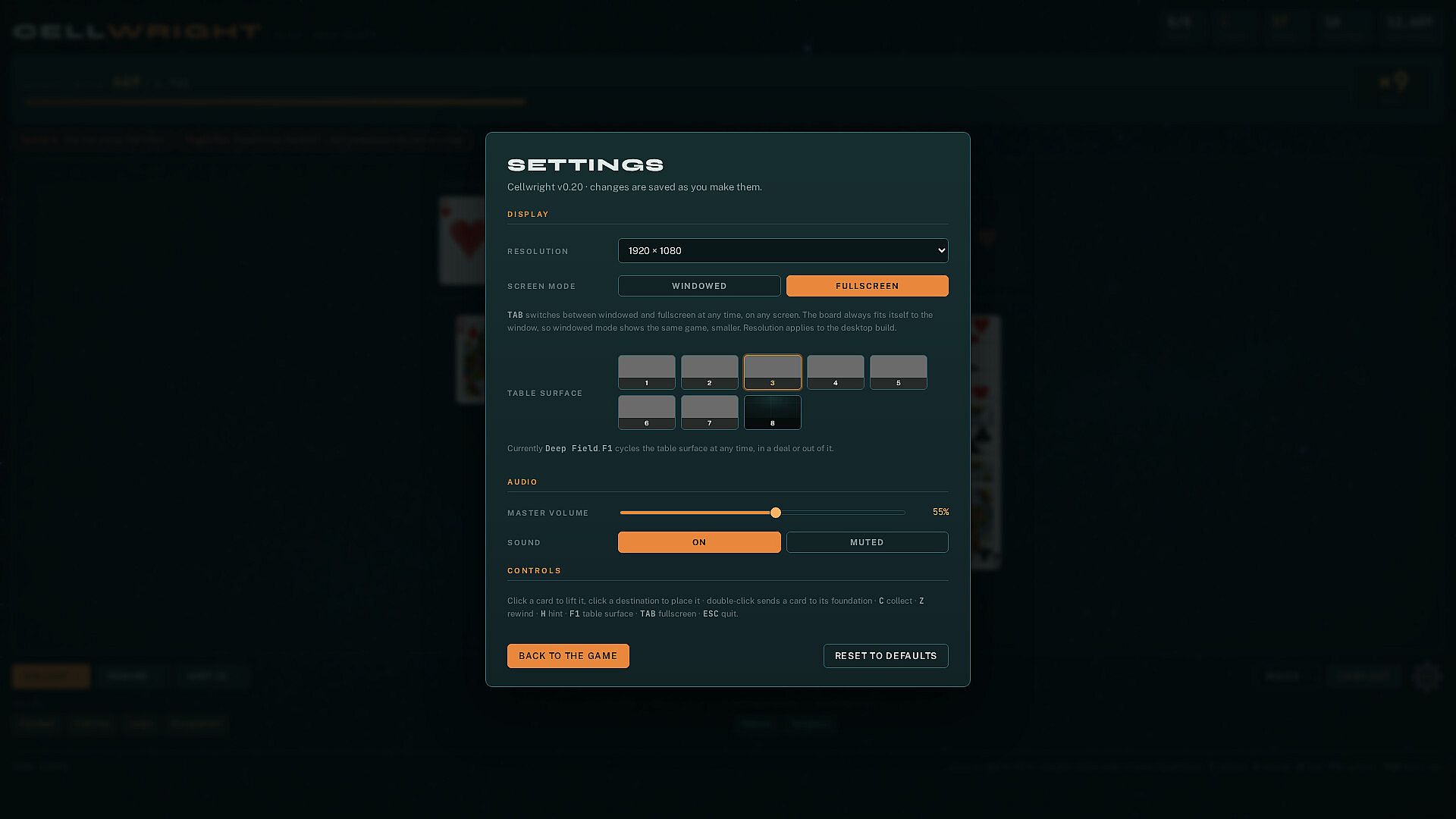
Clearing deals earns gold that funds purchases in a shop between antes. Twenty relics permanently alter rules and stack across a run. Examples include Brass Cell for an extra free cell, Flywheel to start chains at a higher multiplier, Crown Weight to double court card scores, and Ballast to reduce all quotas by fifteen percent. Consumables occupy two slots and provide one-time effects such as boosting the next chain multiplier or adding a temporary free cell.
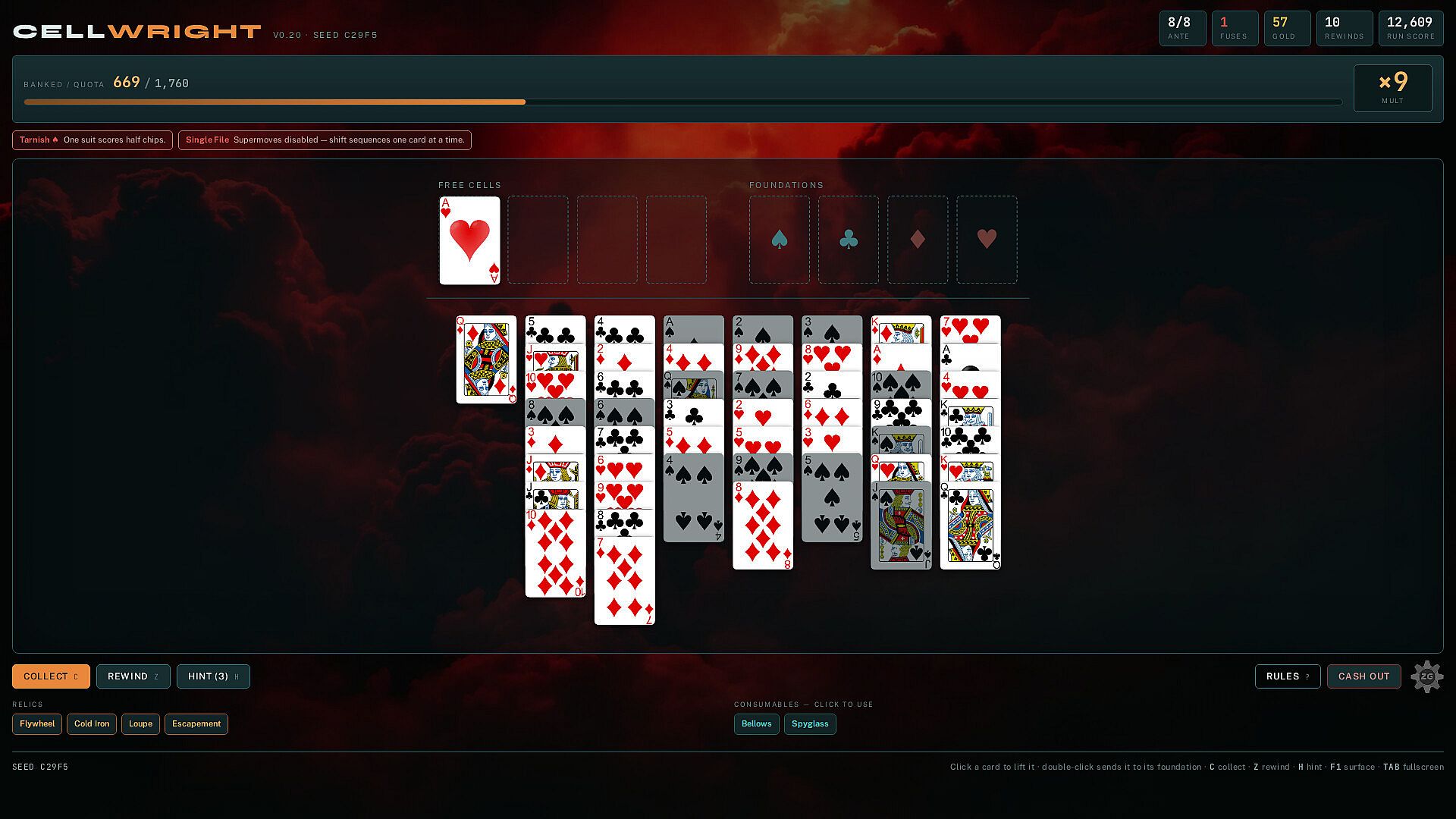
From ante three onward, conditions introduce restrictions that intensify further from ante seven. These include Jammed Cell sealing a free cell, Narrow Bed removing a tableau column, Damper slowing multiplier growth, Ceiling capping the multiplier, Tarnish halving scores from one suit, Single File limiting moves to one card at a time, and Deadweight preventing kings from moving onto empty columns. Relics and conditions combine to create varied run experiences.
Is It Worth Playing?
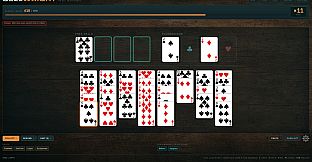
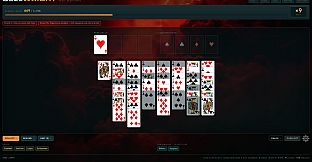
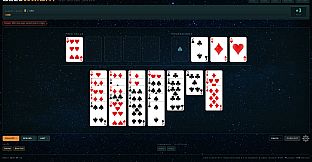
Cellwright suits players who enjoy FreeCell but seek greater depth through roguelike progression and scoring pressure. The emphasis on chain management and quota survival adds meaningful decisions to each layout without introducing luck or hidden information. Visual options such as eight table surfaces and global leaderboards provide additional appeal for those who appreciate presentation and competition.
With its focus on fair, solvable deals and tools like rewinds and hints that remain optional, the game supports both careful planning and experimentation. Those who value strategic card puzzles with persistent upgrades and escalating challenges will find a strong match in its systems. Availability on PC makes it accessible for solo sessions of varying length.