











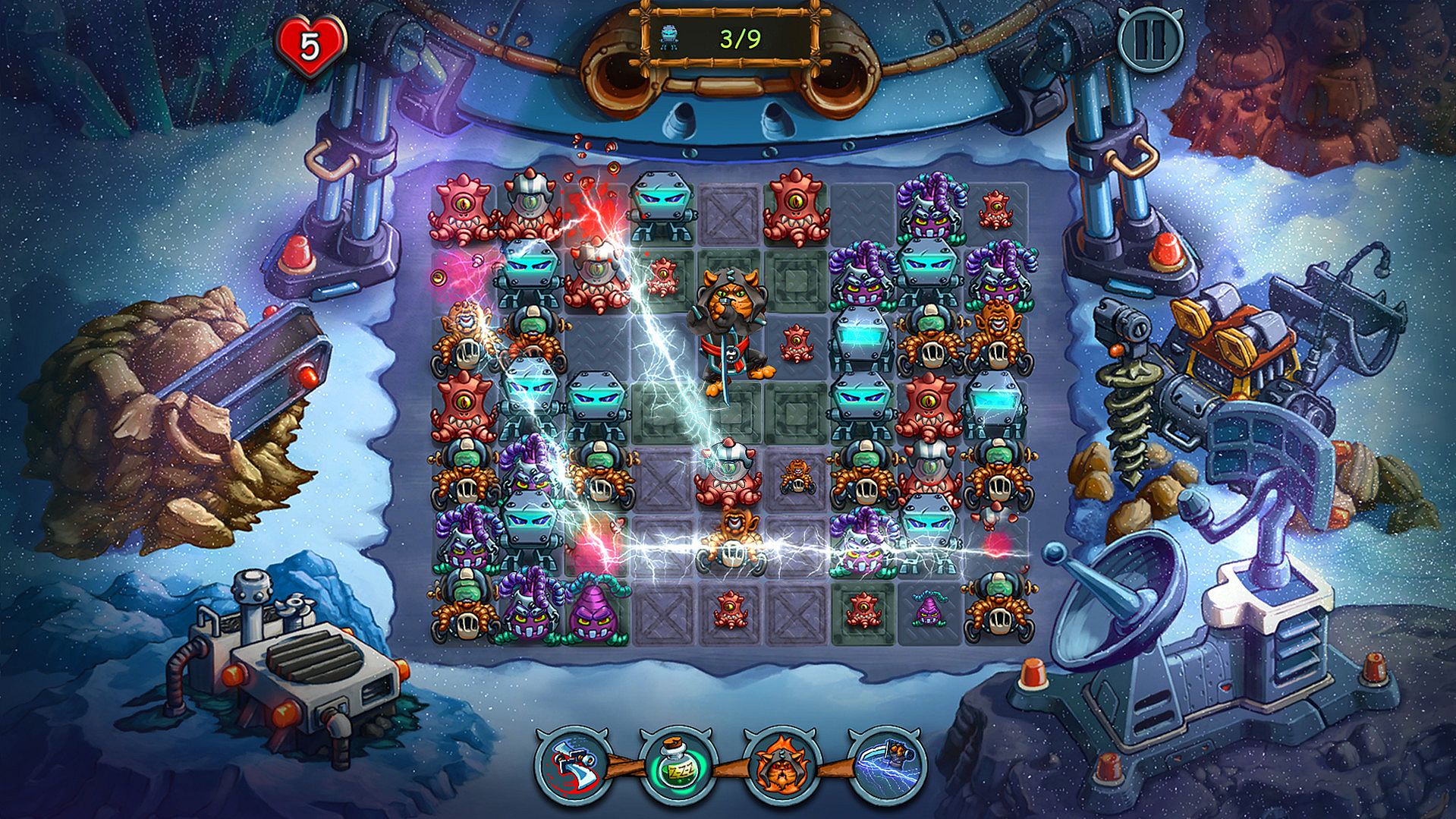
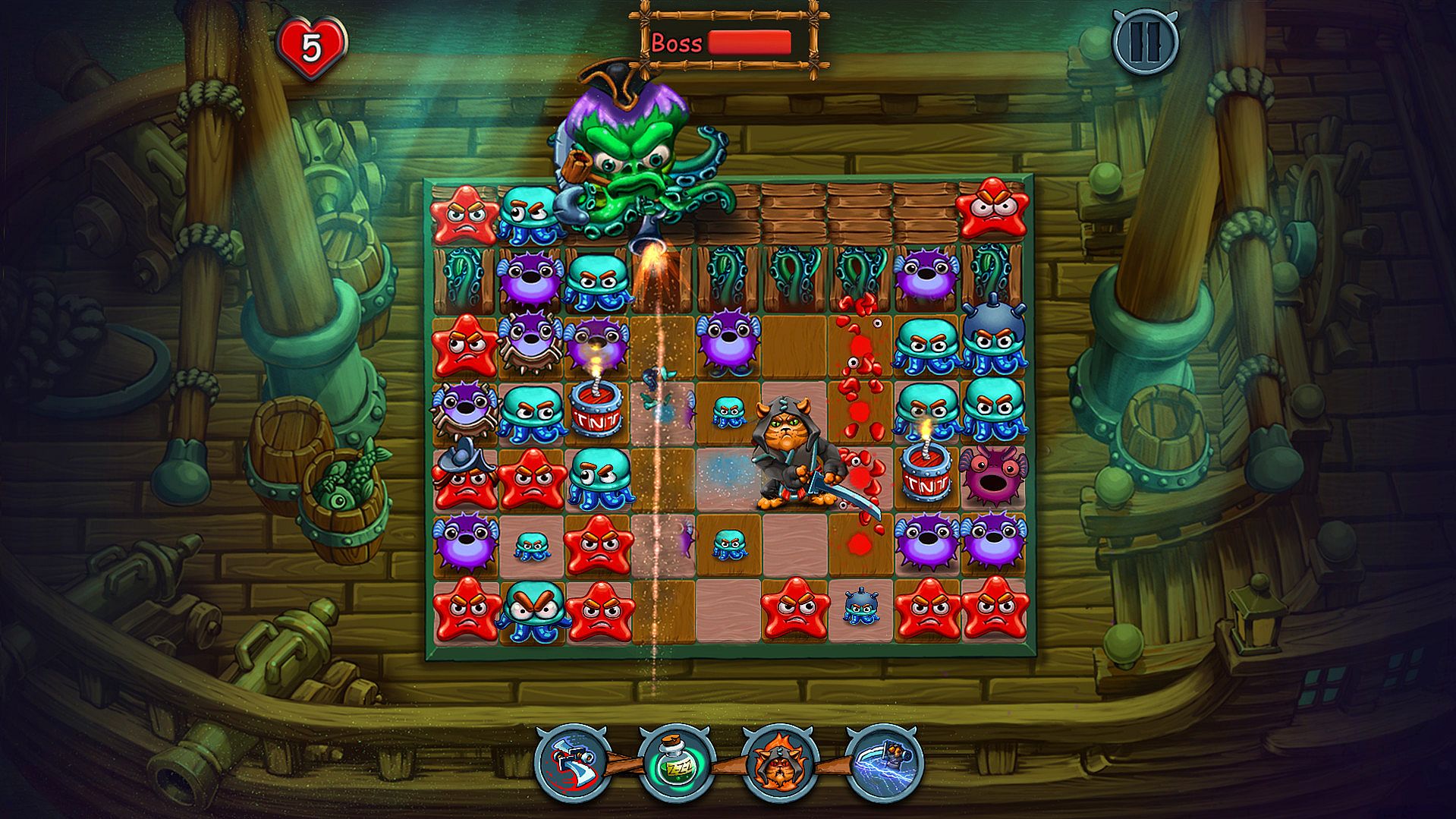
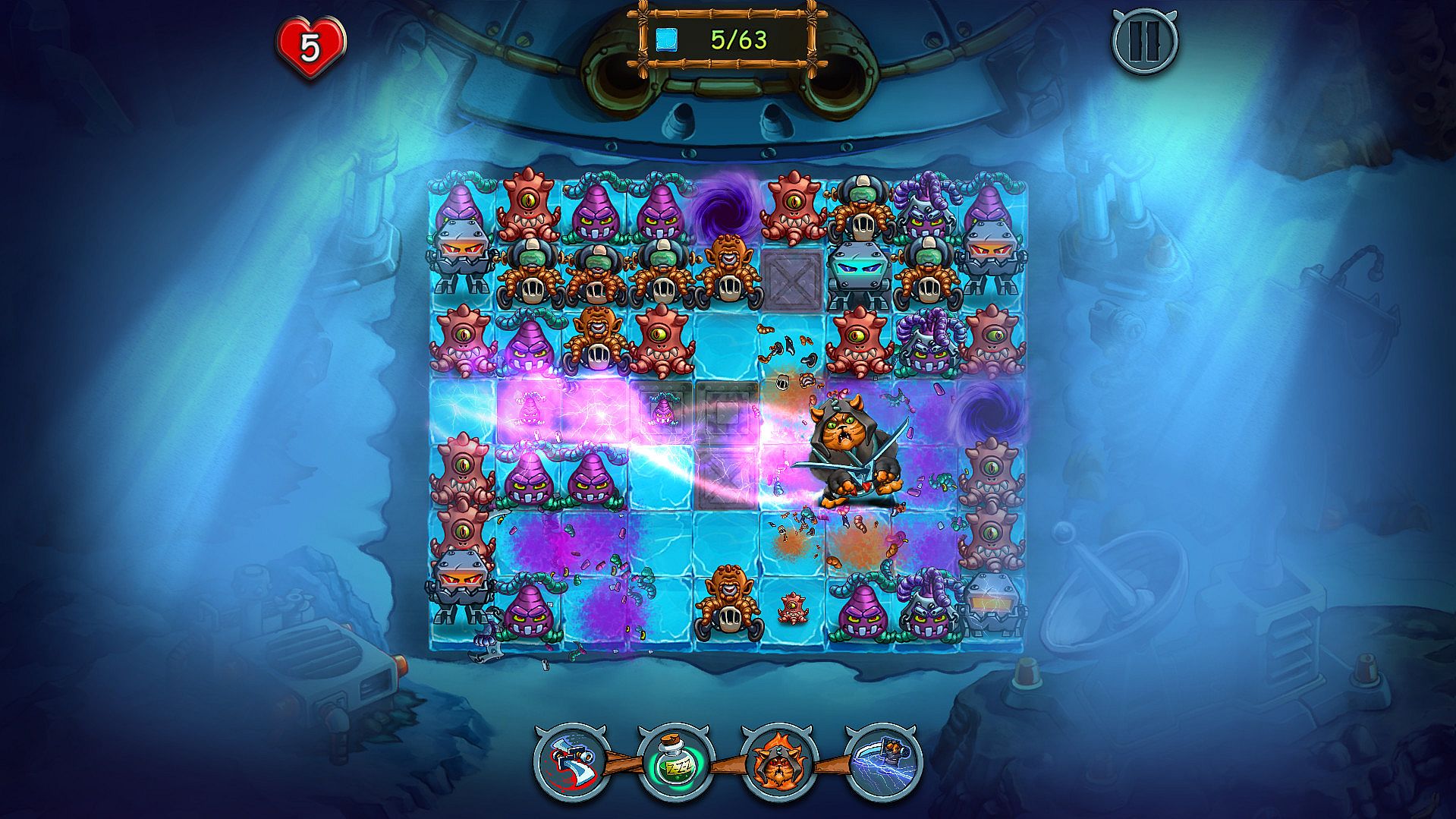
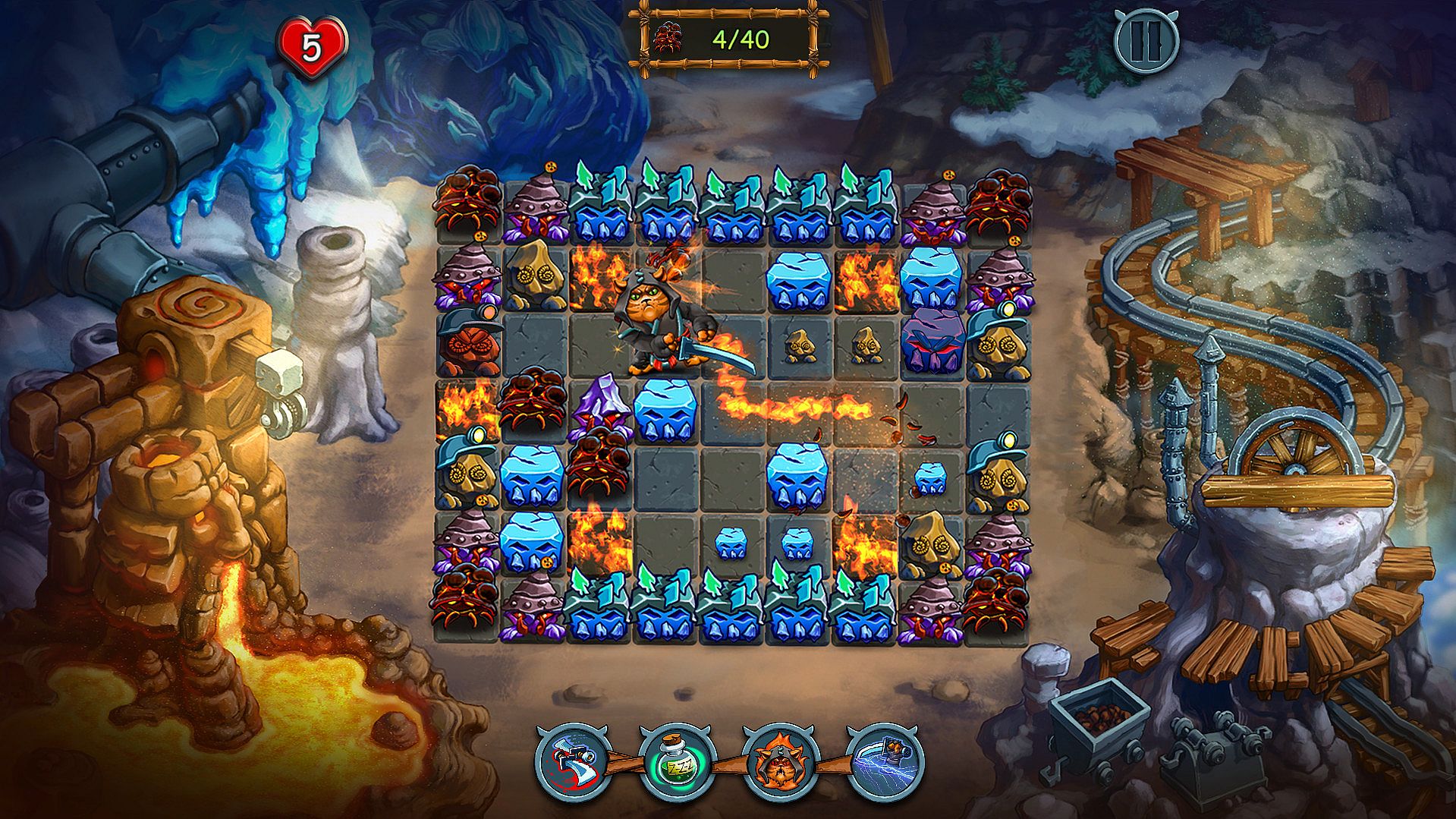
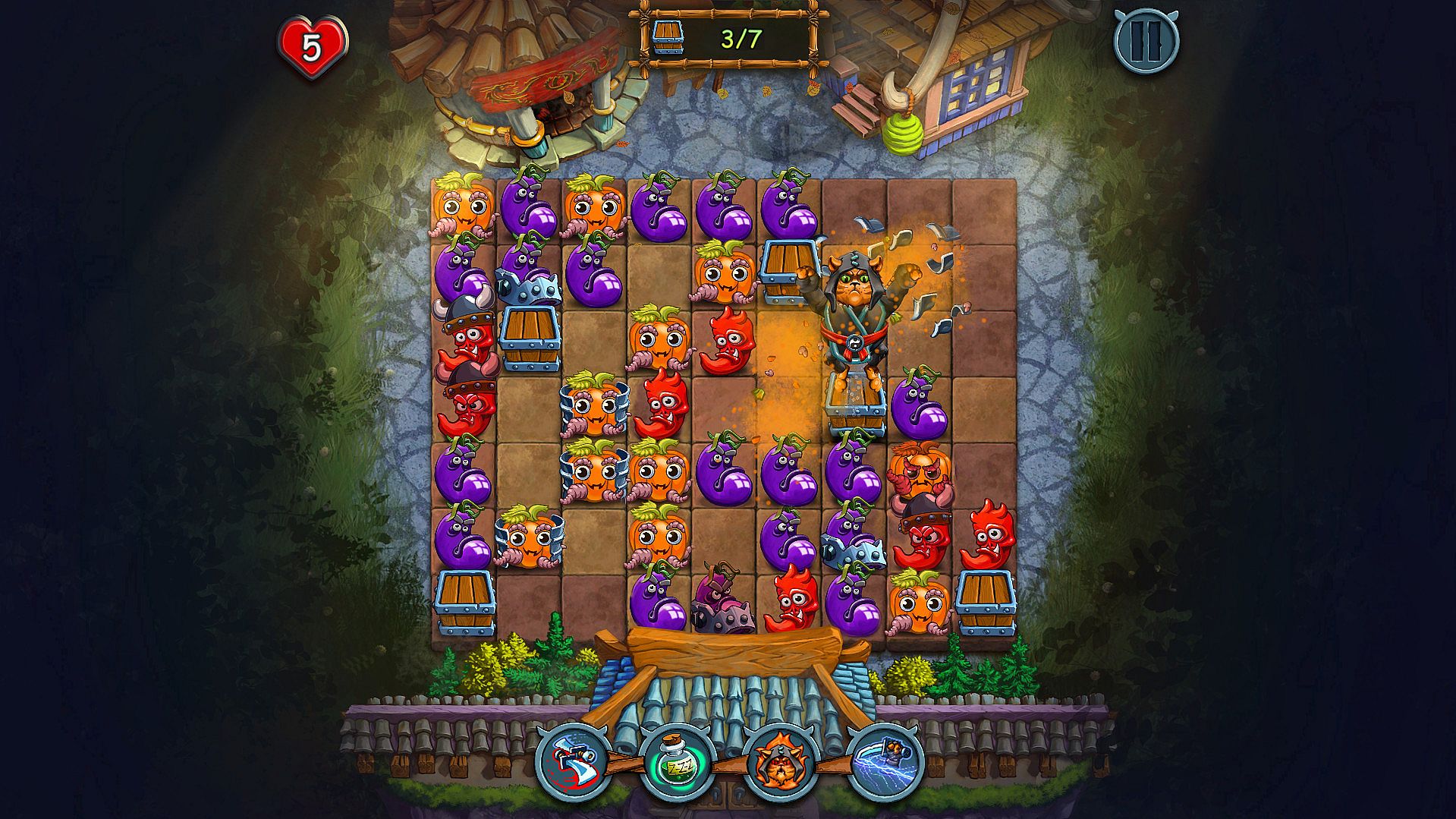
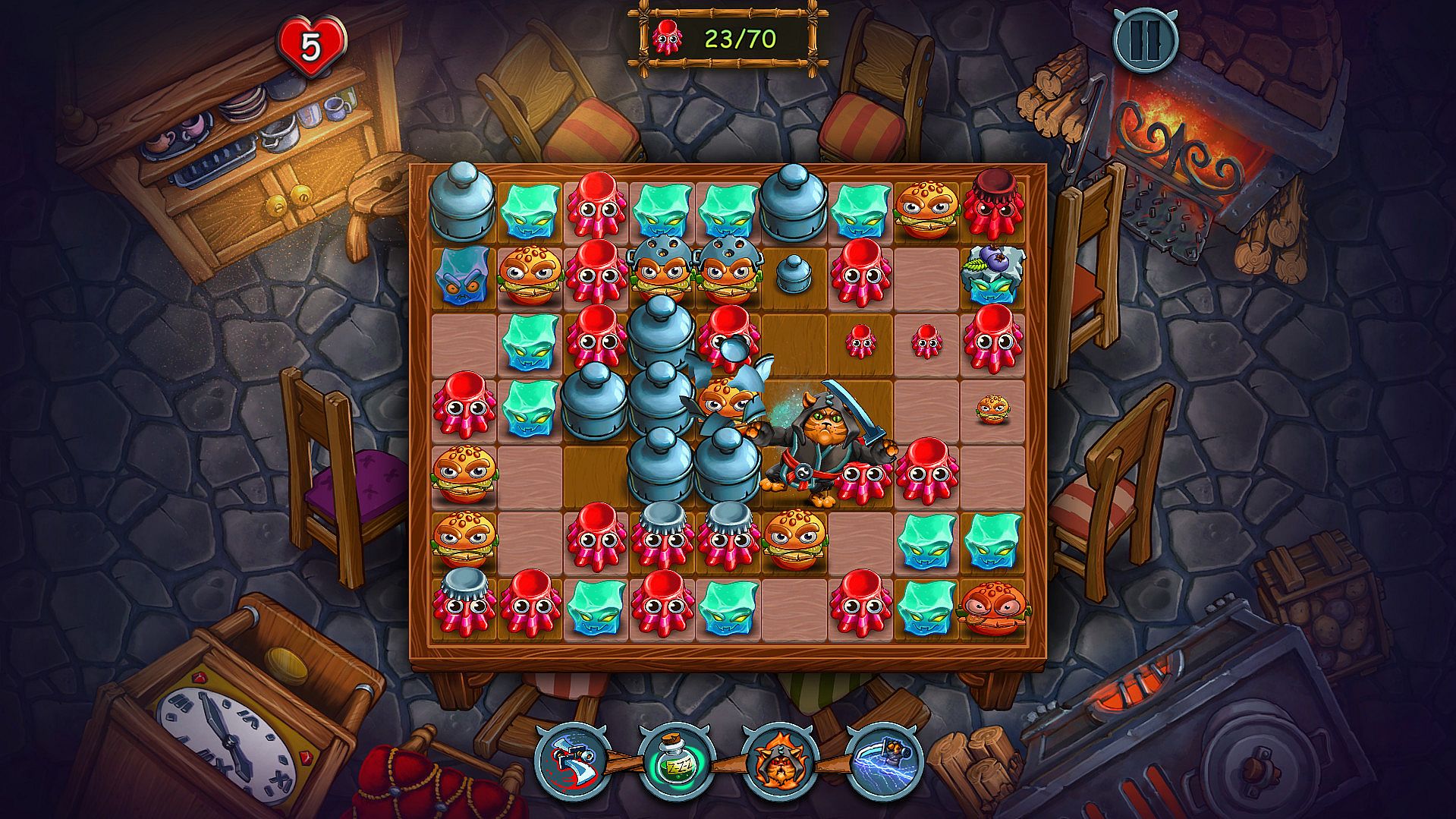
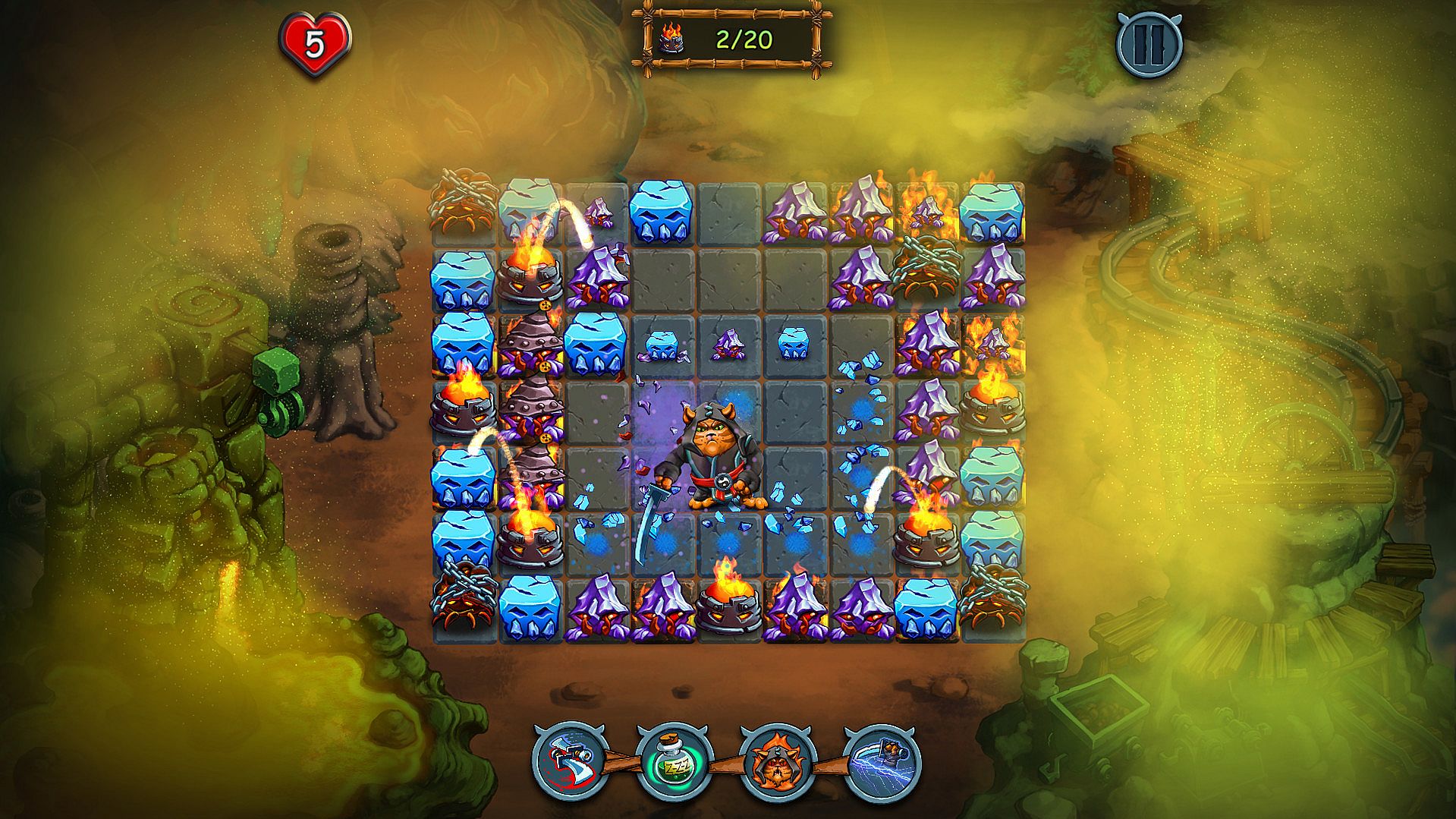
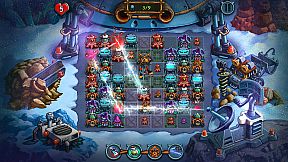
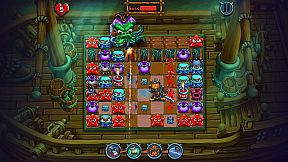
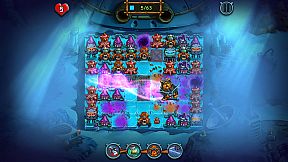
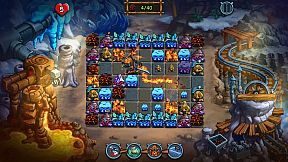
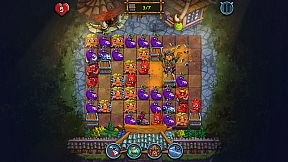
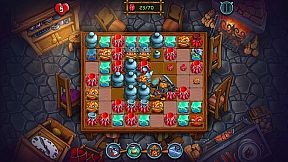
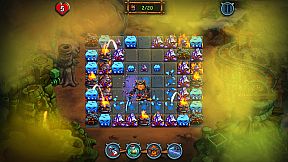
Catana stands out as a strategy indie casual game built around point-and-click match mechanics that turn simple enemy groups into tactical victories. Players take control of the young disciple Catana, training under the Master of a quiet monastery threatened by an unseen phenomenon that spawns strange aberrations and mutants. The core loop revolves around creating matches on the battlefield to clear clusters of foes, chaining those clears into powerful special attacks, and surviving waves that culminate in boss encounters. This setup delivers a focused single-player experience suited to short sessions or longer playthroughs on PC.
Gameplay
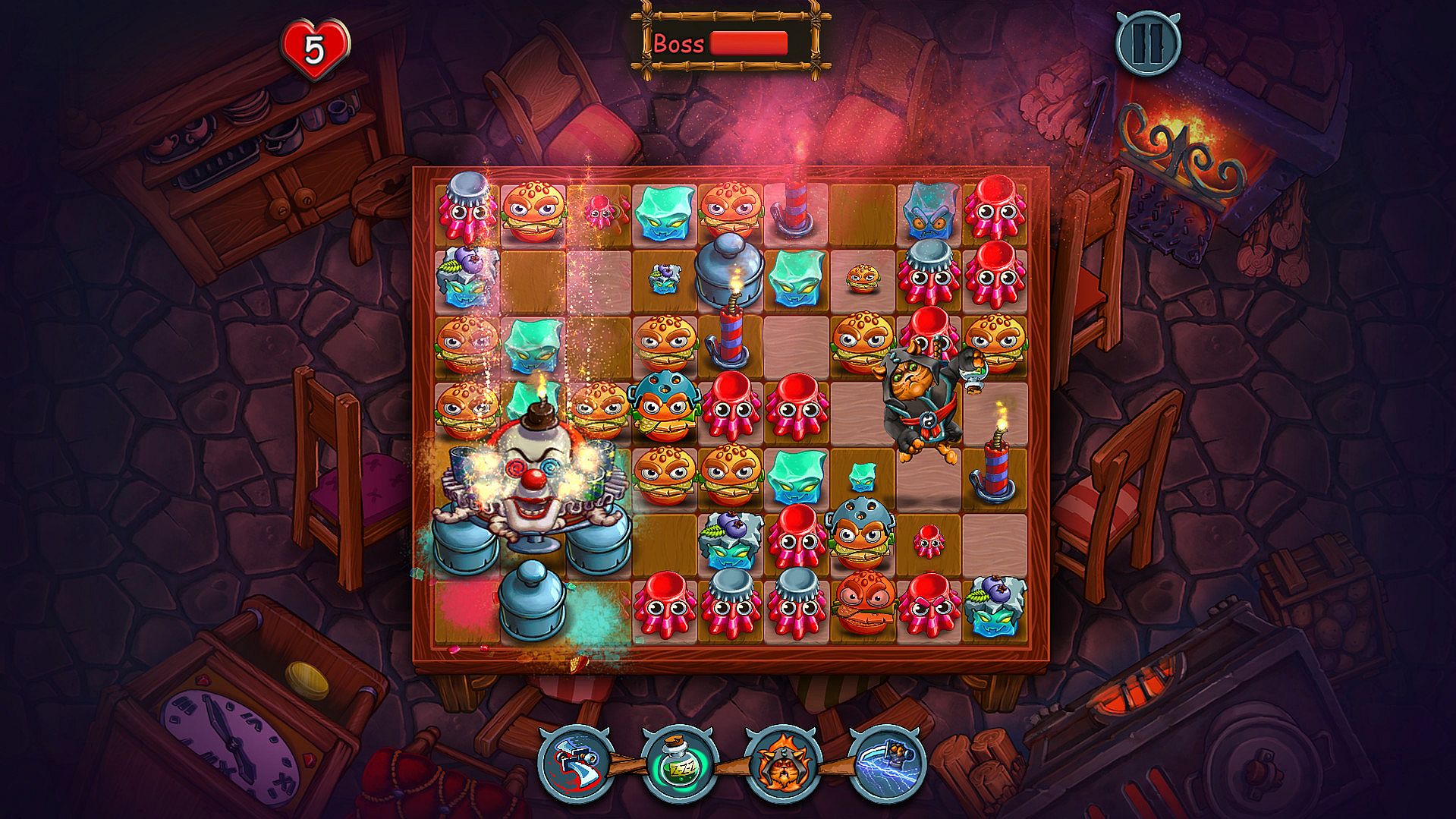
The gameplay centers on guiding Catana through courtyard battles where enemies appear in formations that reward careful matching. Point-and-click controls let players select and connect matching elements to remove groups at once, clearing space and building momentum for follow-up moves. Special attacks unlock as Catana masters new techniques, providing area clears or targeted damage that shift the flow of combat against tougher clusters.
Progression follows a straightforward path of escalating threats. Early encounters introduce basic mutants, while later stages bring varied opponents that demand precise timing and resource management through matches. The system keeps the action light yet strategic, emphasizing pattern recognition over complex menus or resource trees. Boss fights serve as set-piece challenges where sustained matching and special ability use determine success against larger, more resilient targets.
Visuals and pacing support the casual strategy focus, with clear enemy designs that make group identification quick during play. The monastery setting expands gradually as the story pushes outward, revealing the broader impact of the mutations without overwhelming the player with side systems.
Game Modes
Catana presents its content through a single continuous campaign structure. Players advance mission by mission, each one building on the last with new enemy types and increased density of threats. There are no separate competitive or cooperative modes confirmed; the emphasis remains on solo progression from initial training encounters to the final confrontation with the source of the mutations.
Within this structure, difficulty scales naturally through enemy variety and placement. Matches must adapt to shifting formations, and special attacks become essential tools for handling larger groups or resilient bosses. The mode keeps sessions self-contained while encouraging repeated attempts to refine matching efficiency and ability timing.
Enemies and Combat Encounters
Opponents range from basic mutants to specialized threats that test different aspects of the matching system. Tentacles require careful positioning to avoid spreading across the field, while Lava Crunchers introduce environmental hazards that interact with cleared spaces. Robots add mechanical patterns that reward chain reactions, and additional veggie-based aberrations fill out the roster with unique behaviors.
Each encounter type forces players to adjust their approach. Early waves focus on volume clearing, whereas mid-to-late stages mix types to create overlapping challenges. The final showdown integrates all prior lessons into one extended sequence against the mysterious force driving the mutations.
Is It Worth Playing?
Catana appeals to players who enjoy compact puzzle-strategy titles that blend familiar match mechanics with light tactical combat. Its approachable design suits casual sessions without requiring long commitments or prior genre experience. The progression from monastery defense to world-saving stakes provides a clear narrative thread that motivates continued play.
Reception highlights the game as a straightforward, accessible entry in the match-combat space. Those seeking deeper systems or multiplayer elements may find the scope limited, yet the focused single-player loop delivers consistent engagement for the target audience. Availability on PC makes it easy to try for anyone interested in strategy indie casual experiences centered on pattern-based combat.