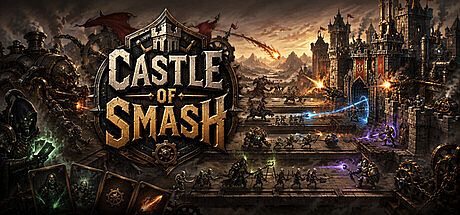




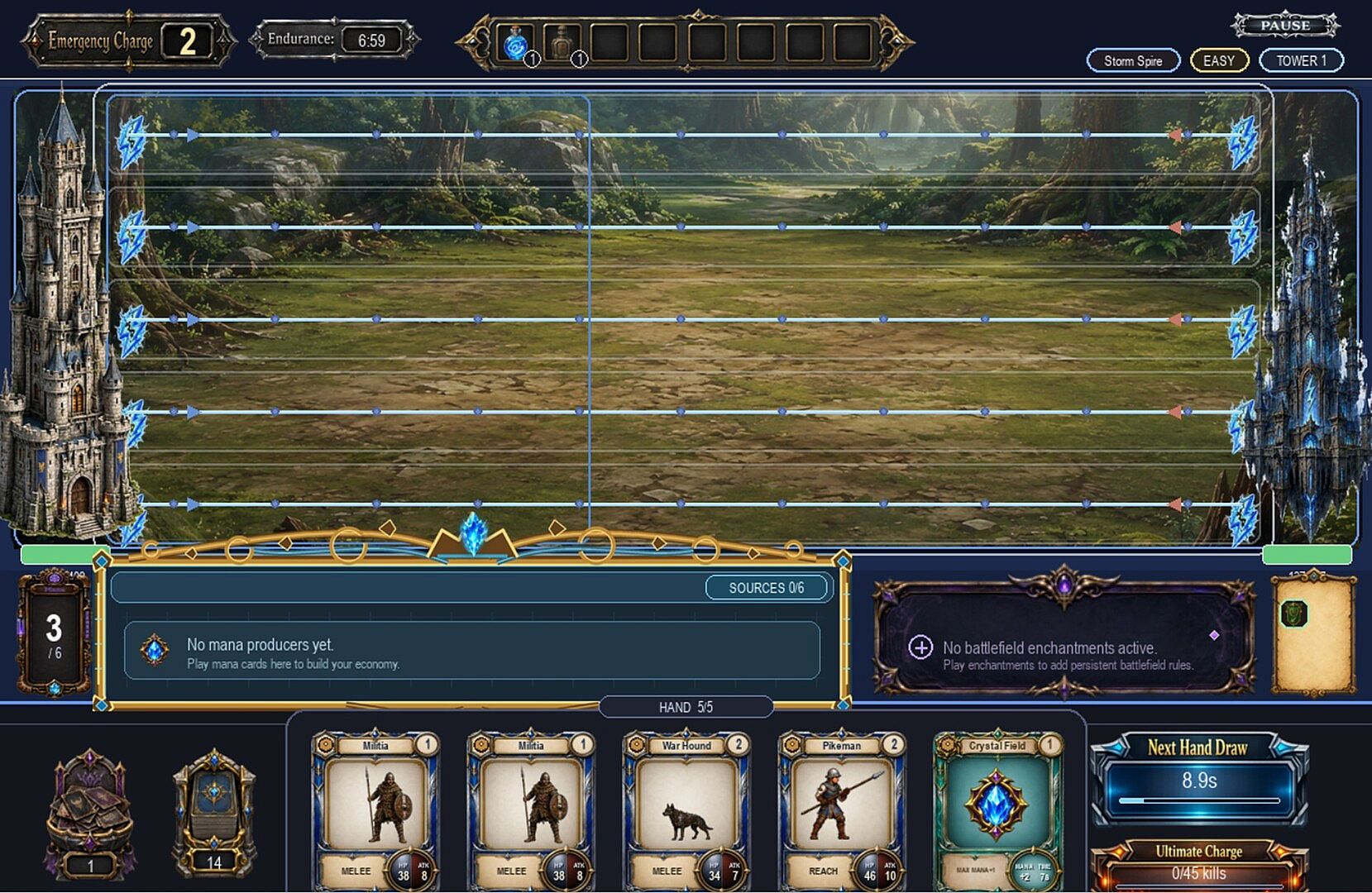
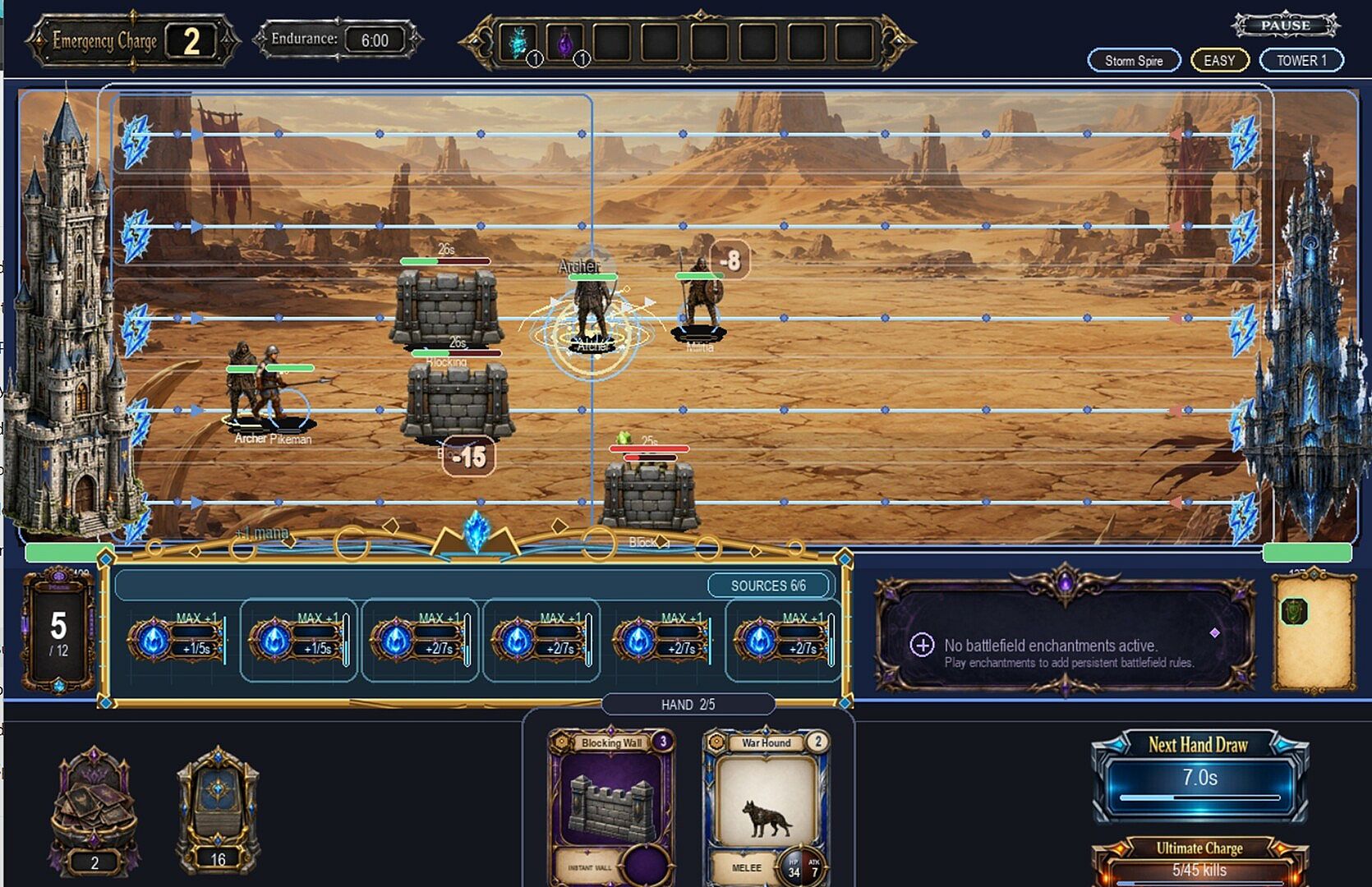
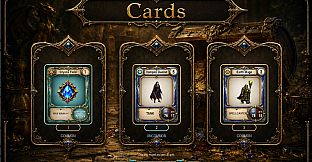
Castle of Smash is a single-player strategy RPG that blends roguelike deckbuilding with real-time card combat across five lanes. Players select a commander, build a deck of units, skills, mana sources, and enchantments, then defend a castle against advancing enemies in tense, ongoing battles. The game emphasizes tactical decision-making where every card deployment influences the flow of combat, and persistent damage to the castle carries forward through each run.
Gameplay
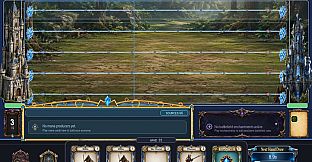
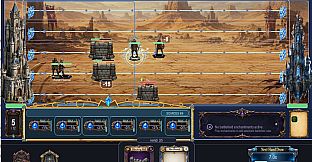
The core loop centers on constructing a deck that supports both immediate survival and long-term growth. Units fight automatically once placed, while skills deliver damage, disruption, protection, or repositioning effects. Mana sources bolster the economy over time, and enchantments create lasting battlefield changes. Combat unfolds in real time across five distinct lanes, each presenting unique threats that require players to reinforce weak points, push advantages, or sacrifice ground for better positioning.
A key mechanic allows players to pause the action at any moment. During the pause, multiple cards can be deployed, pending orders repositioned, potions used, and skills prepared for a coordinated response. Resuming the battle lets the plan play out without further input until the next pause. This system mixes the pressure of continuous enemy advances with deliberate planning, though resources like cards and mana remain limited even when time stops.
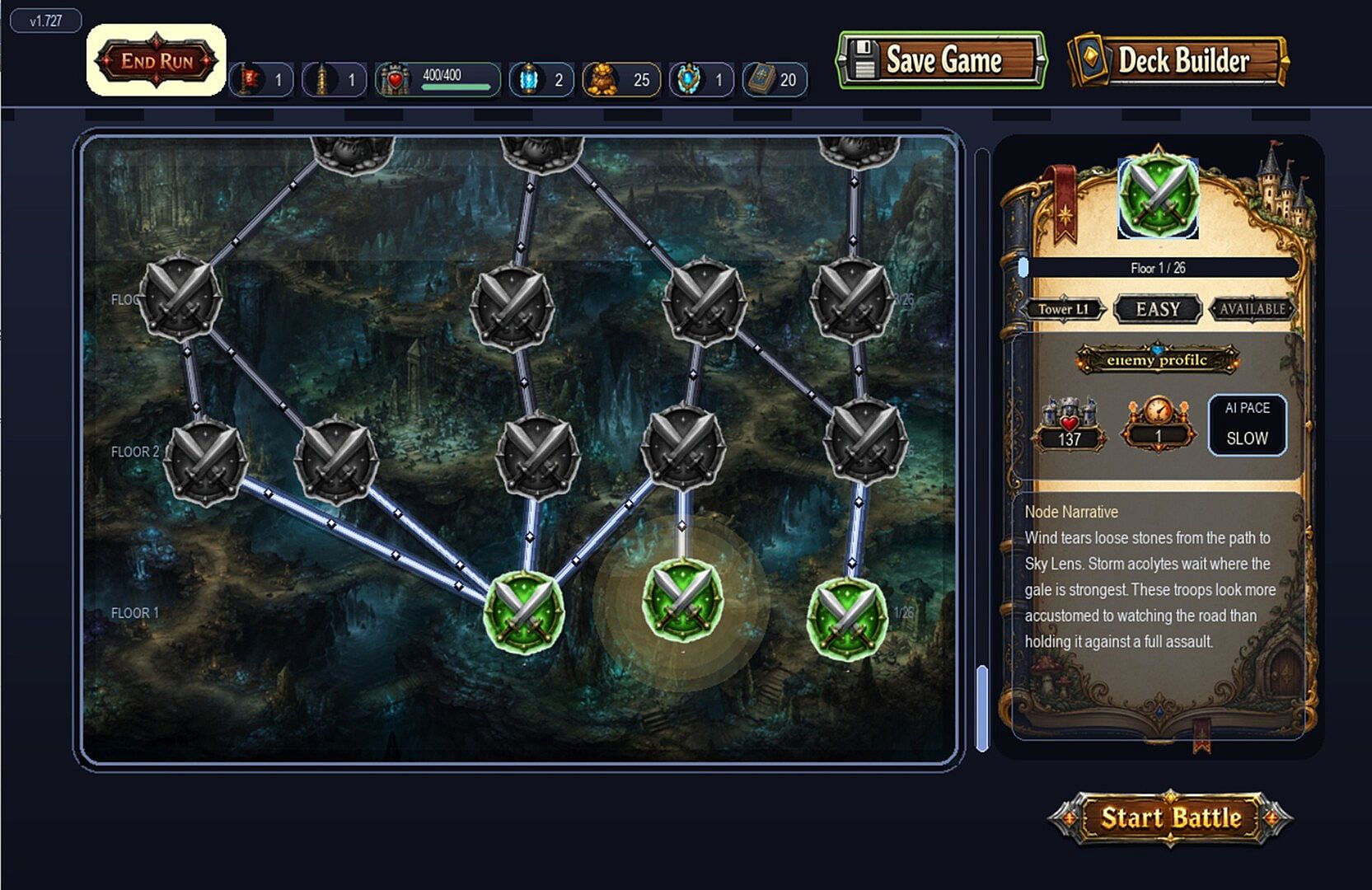
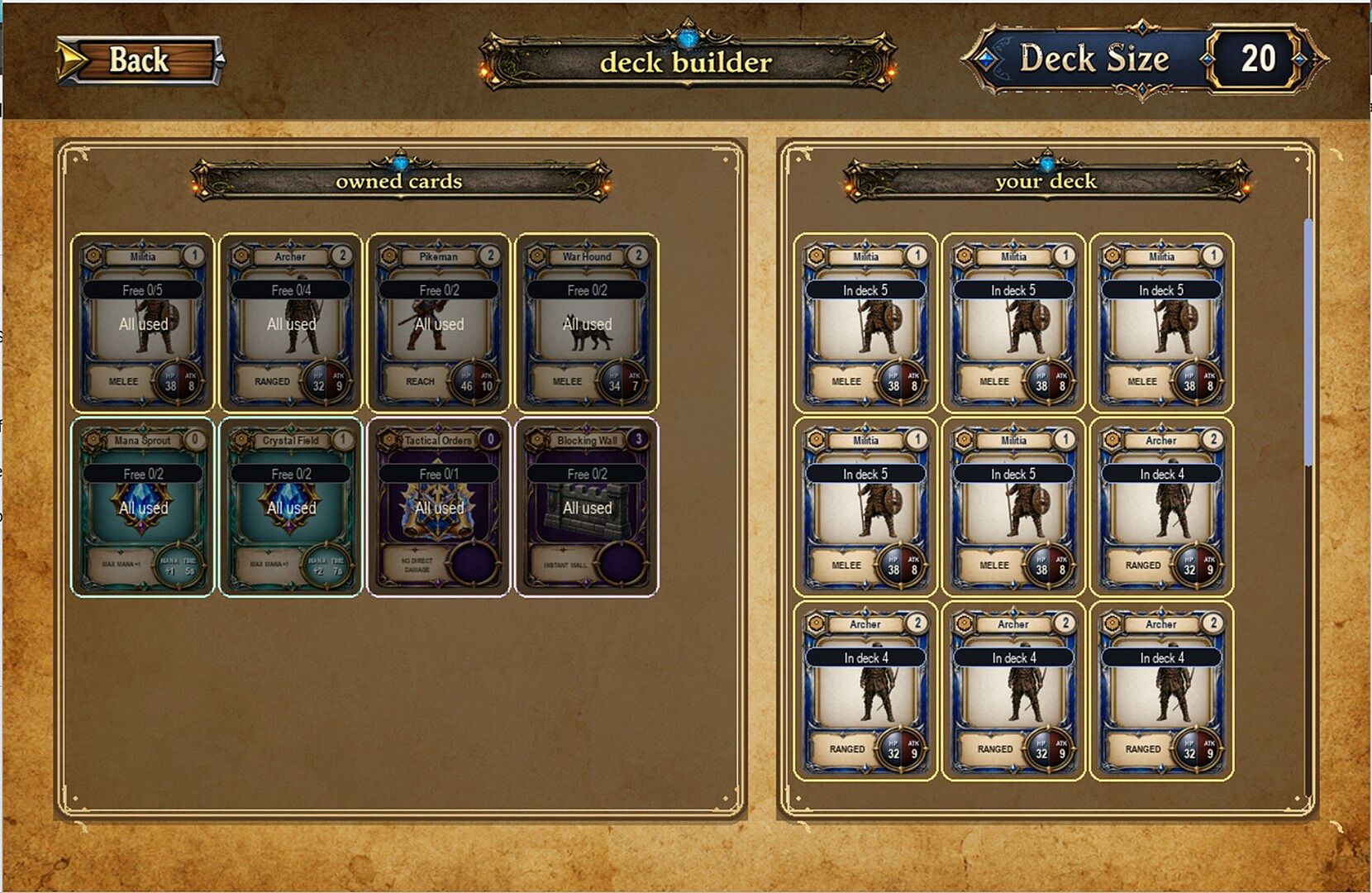
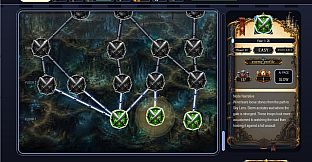
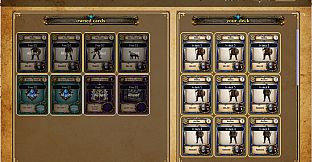
Deckbuilding rewards synergy over raw power. Complementary units and abilities must counter varied enemy formations, while balancing short-term defense against economic scaling. Runs progress through a branching tower structure featuring standard encounters, elite fights for higher rewards, shops, rest sites, random events, and boss confrontations. Castle damage persists, forcing careful risk assessment when choosing paths.
Commanders provide distinct starting points. Each offers unique abilities and an initial deck plus relic that shape early strategy. Further cards, upgrades, relics, and potions discovered during runs allow adaptation, with persistent unlocks between attempts expanding options over time.
Game Modes
The game operates entirely in a single-player roguelike format. Each attempt involves climbing the tower through a sequence of encounters that branch based on choices. Standard battles test core defenses, while elite encounters and bosses demand stronger preparations. Shops and rest sites offer recovery and upgrades, and events introduce unpredictable variables that can alter resources or deck composition.
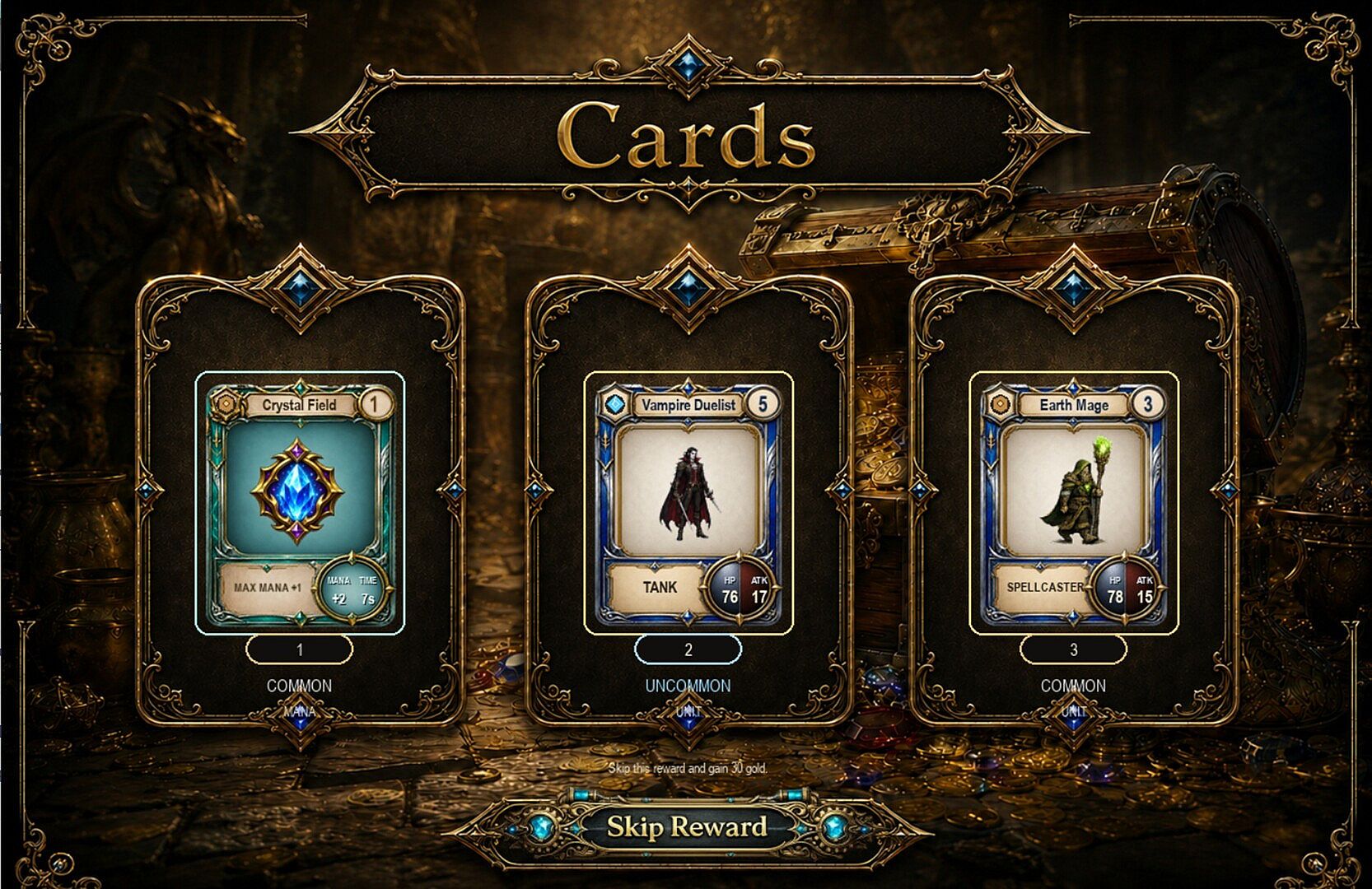
Progression ties directly to run performance. Successful climbs yield new cards and relics for future attempts, while persistent unlocks expand the overall roster of commanders and content. Difficulty options adjust enemy behavior and scaling, supporting different playstyles without altering the fundamental single-player structure.
Key Mechanics and Progression
Enemy factions and varied battlefields add variety to encounters, with units exhibiting different abilities that players must learn to counter. Persistent castle damage encourages measured aggression rather than reckless pushes. Comeback potential exists through timely deployments, emergency skills, or potions that can stabilize a collapsing lane or turn momentum in another.
Between runs, players improve the castle and resources while unlocking additional content. This meta-progression combines with in-run adaptations, where decks evolve based on available rewards rather than fixed builds. The system rewards recognizing viable combinations quickly and abandoning failing plans before they lead to defeat.
Is It Worth Playing?
Castle of Smash suits players who enjoy roguelike deckbuilders that incorporate real-time elements and tactical pauses. The five-lane combat and commander variety create distinct approaches to each run, while persistent damage and branching encounters add meaningful stakes to choices. As an Early Access title scheduled for release on August 6, 2026, the game includes the full core loop of deck construction, lane battles, and progression, with planned expansions to cards, encounters, and balance based on player input.
Those seeking single-player experiences focused on strategic depth over multiplayer competition will find the systems interconnected in ways that reward experimentation and adaptation. The absence of user reviews at this stage means expectations should center on the described mechanics rather than community consensus. Early Access participants can influence future refinements to difficulty, variety, and usability through feedback.