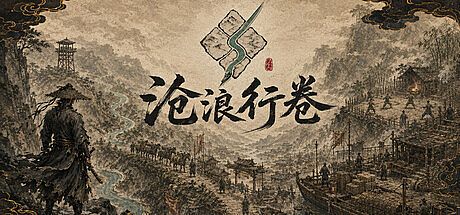


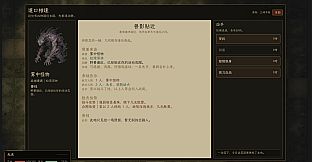
CangLang Scrolls is a single-player sandbox role-playing game set in a wuxia world. Players begin as an ordinary person and navigate towns, villages, mountain roads, and frontier passes while deciding how to spend their time. The experience centers on freedom of choice rather than a prescribed story path, allowing individuals to learn martial arts, manage daily affairs, or pursue trade and exploration at their own pace.
Gameplay
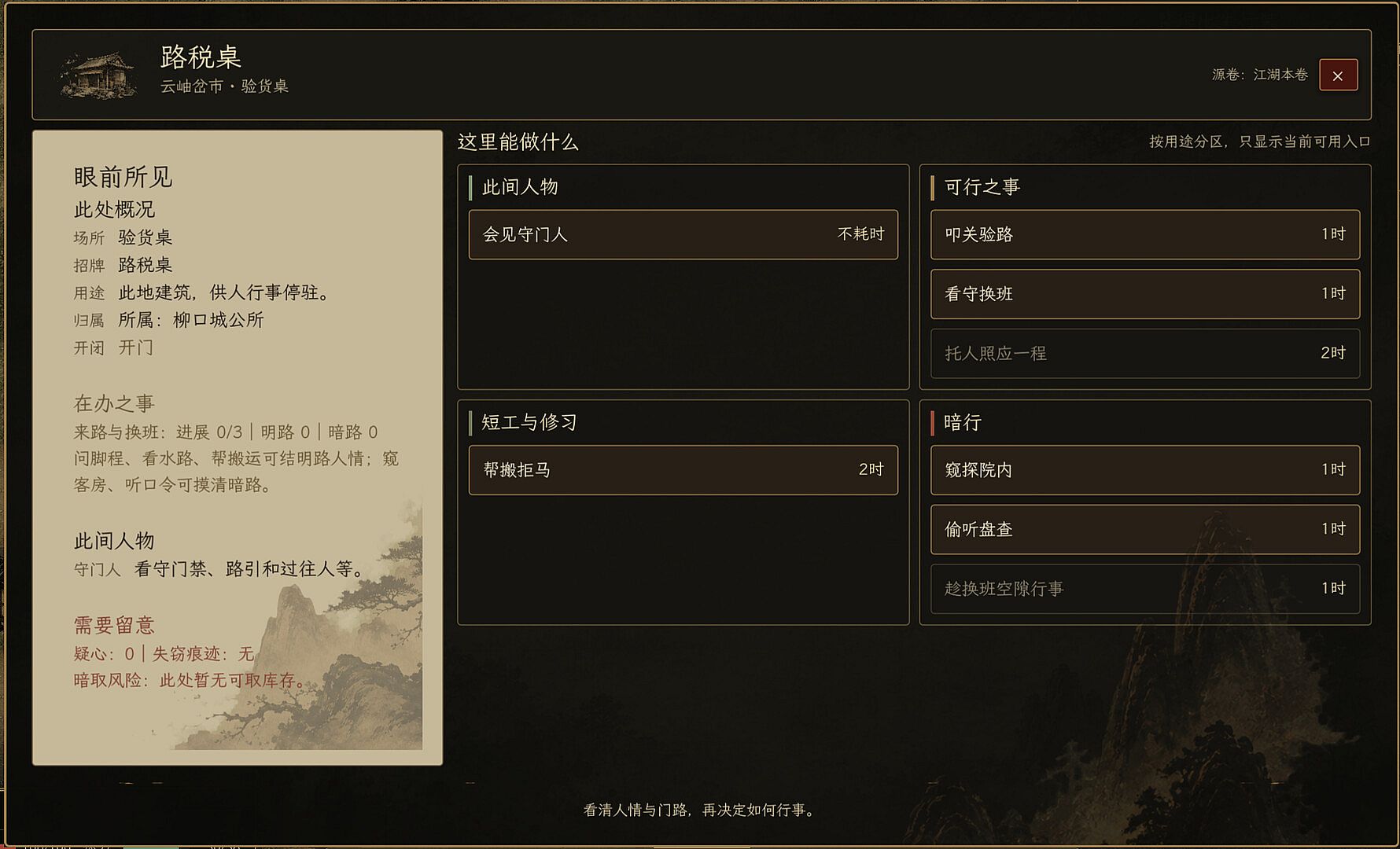
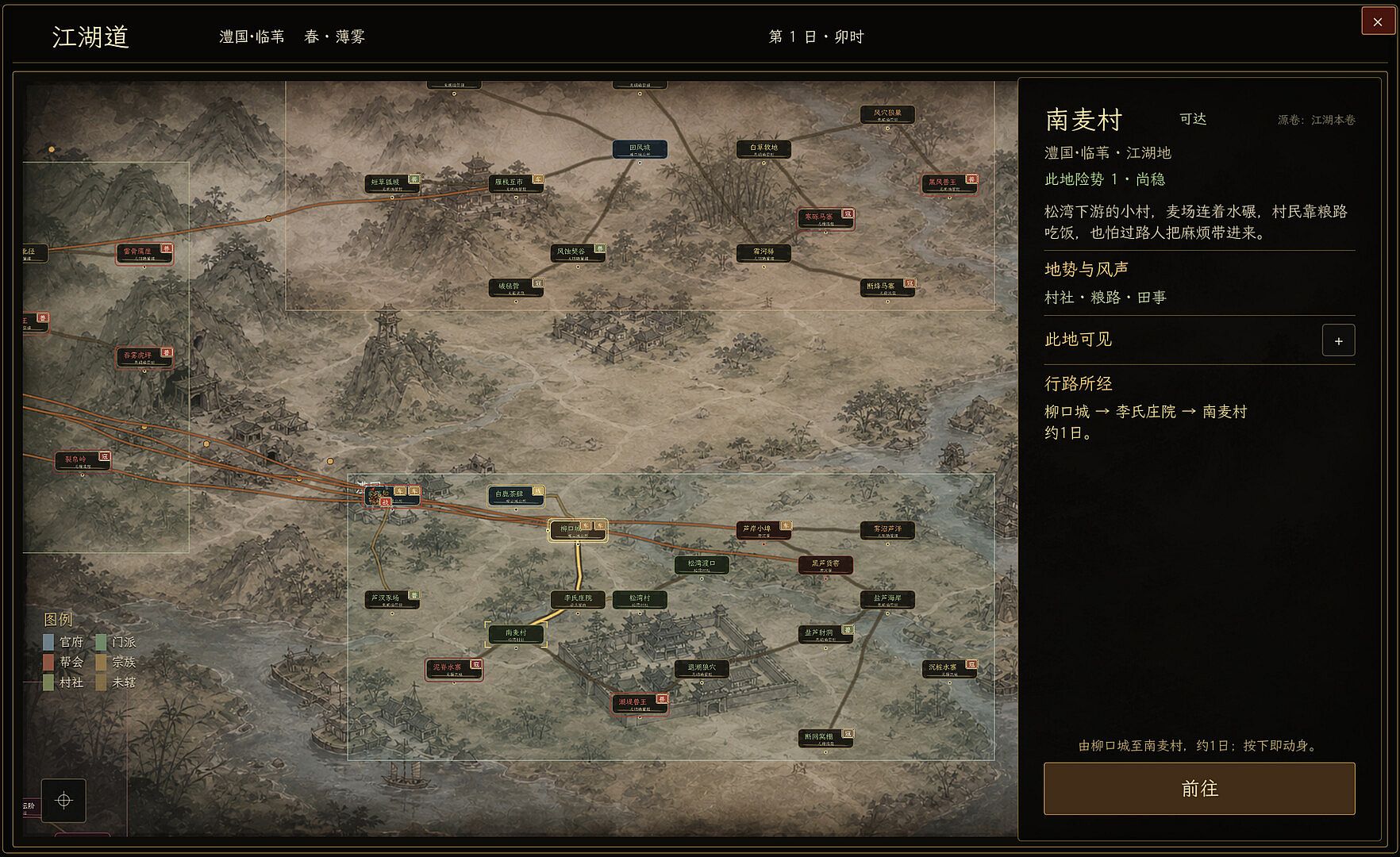
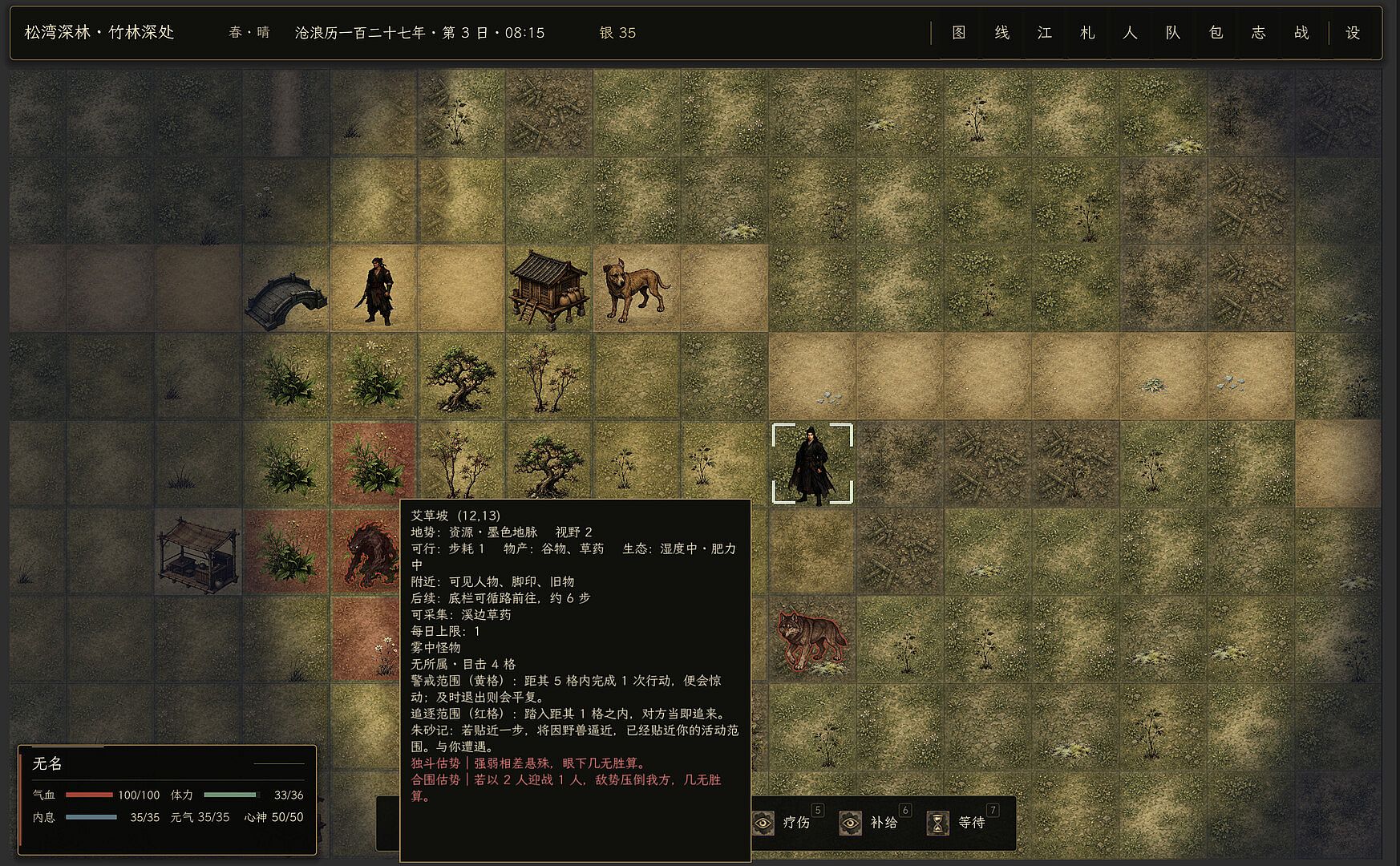
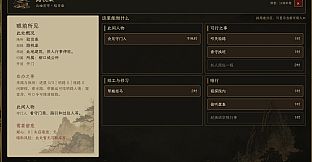
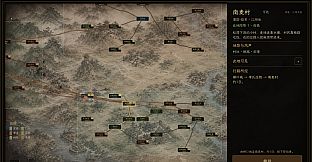
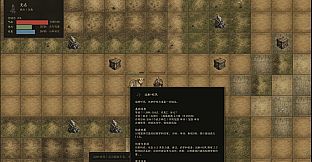
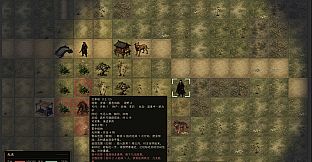
Exploration takes place across a world map for long-distance travel and shifts to tile-based regional areas for detailed movement. Routes must account for time and potential risks, and every action in these areas consumes time that can lead to new encounters or complications. Characters encountered have their own identities, relationships, and responses shaped by prior events, rumors, and current conditions rather than functioning solely as quest givers.
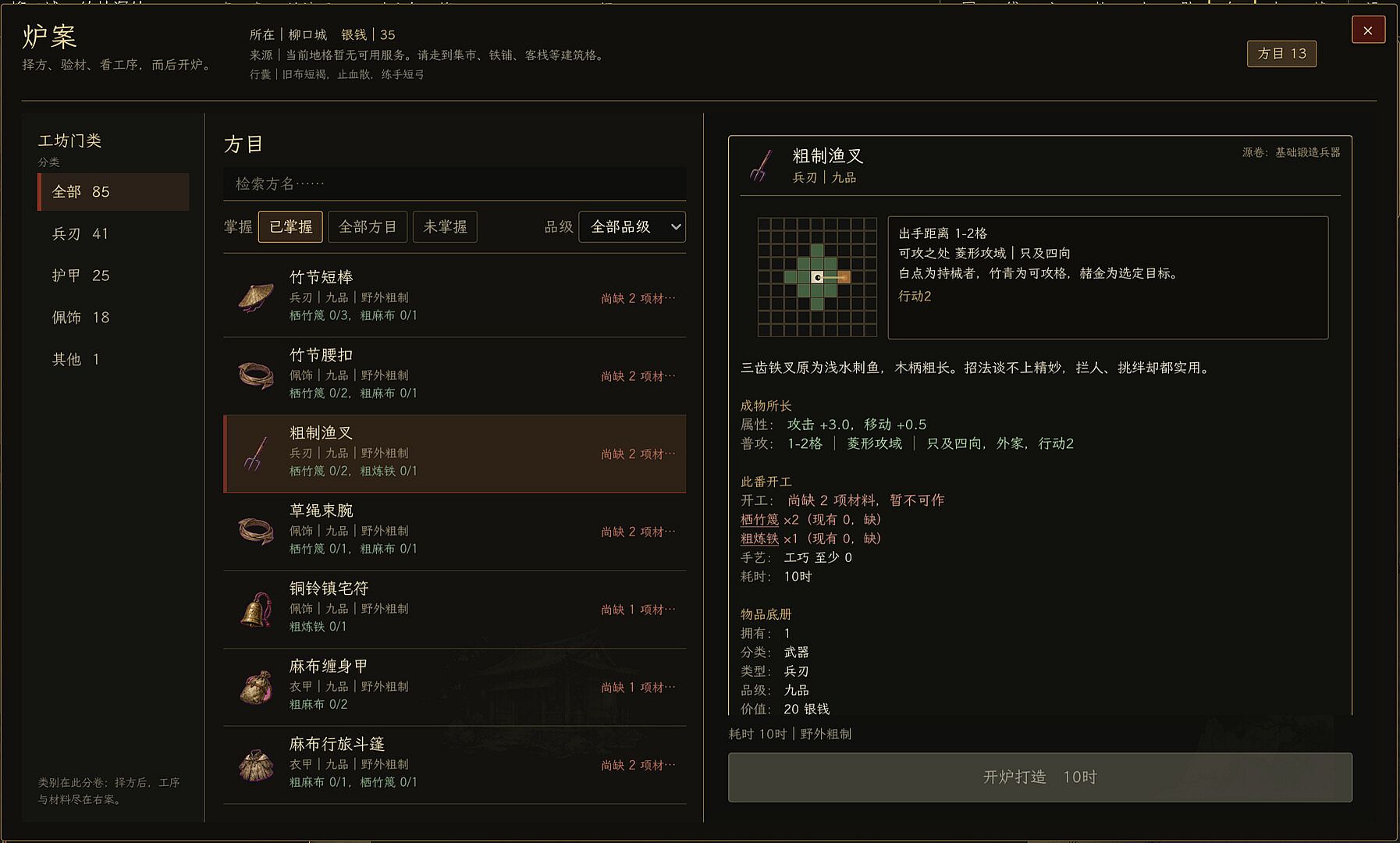
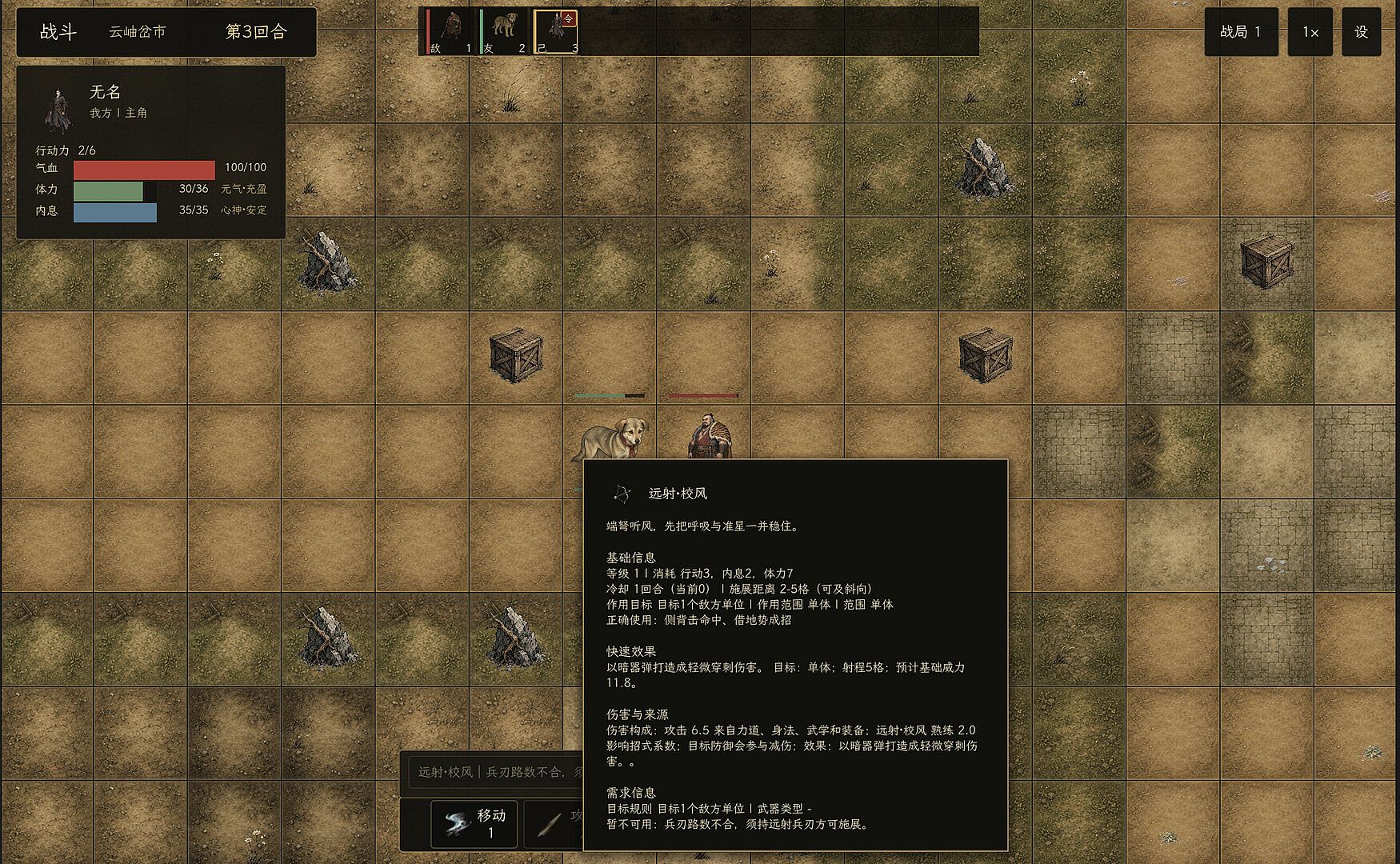
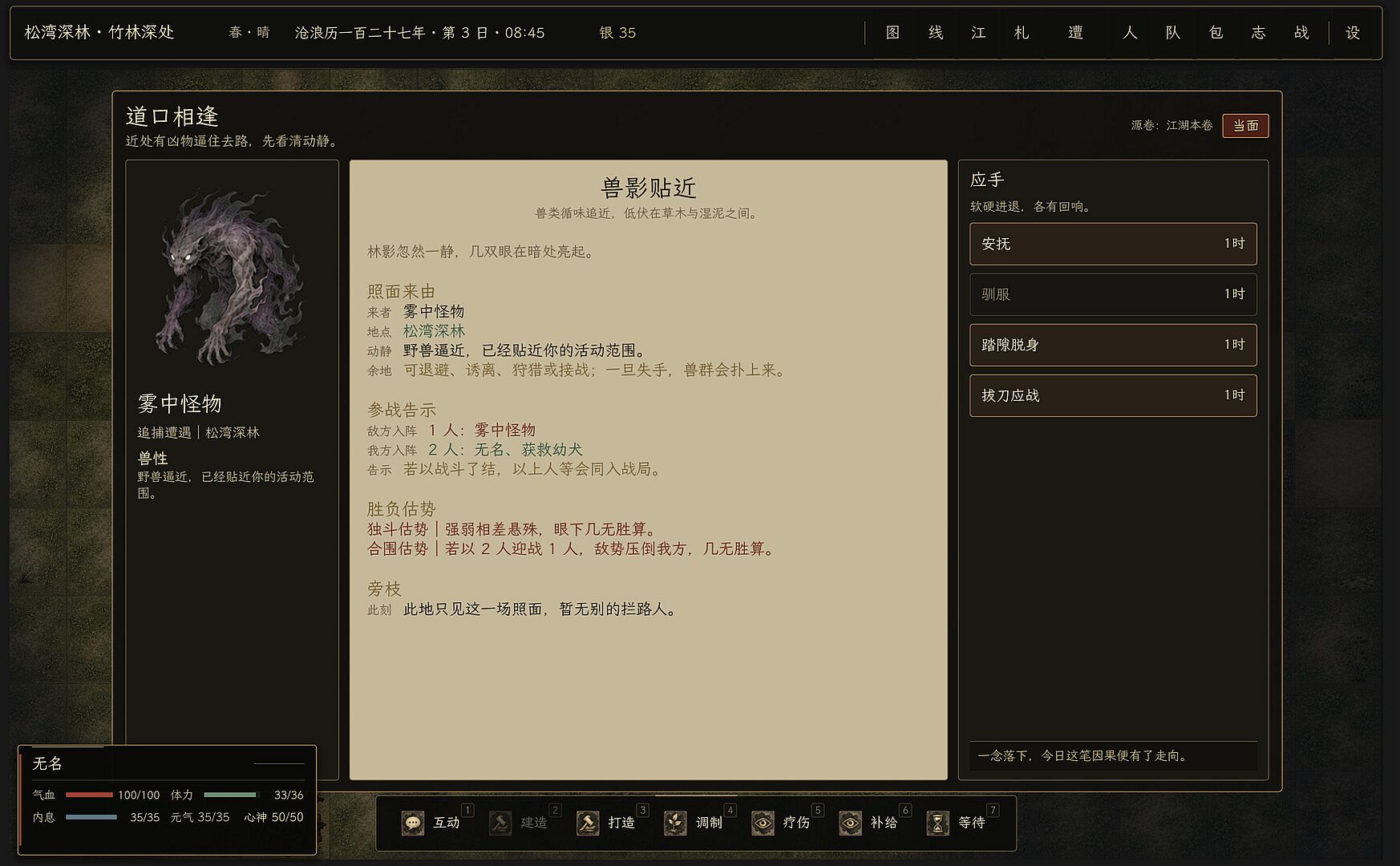
Conflict transitions into turn-based tactical combat where distance, terrain, obstacles, weapons, injuries, and companion actions influence outcomes. Combat is optional in many situations, with alternatives such as negotiation or retreat available depending on circumstances. Resource management includes gathering materials, trading goods whose prices fluctuate based on production locations, stock levels, demand, road conditions, and broader world events, as well as constructing buildings and overseeing businesses.
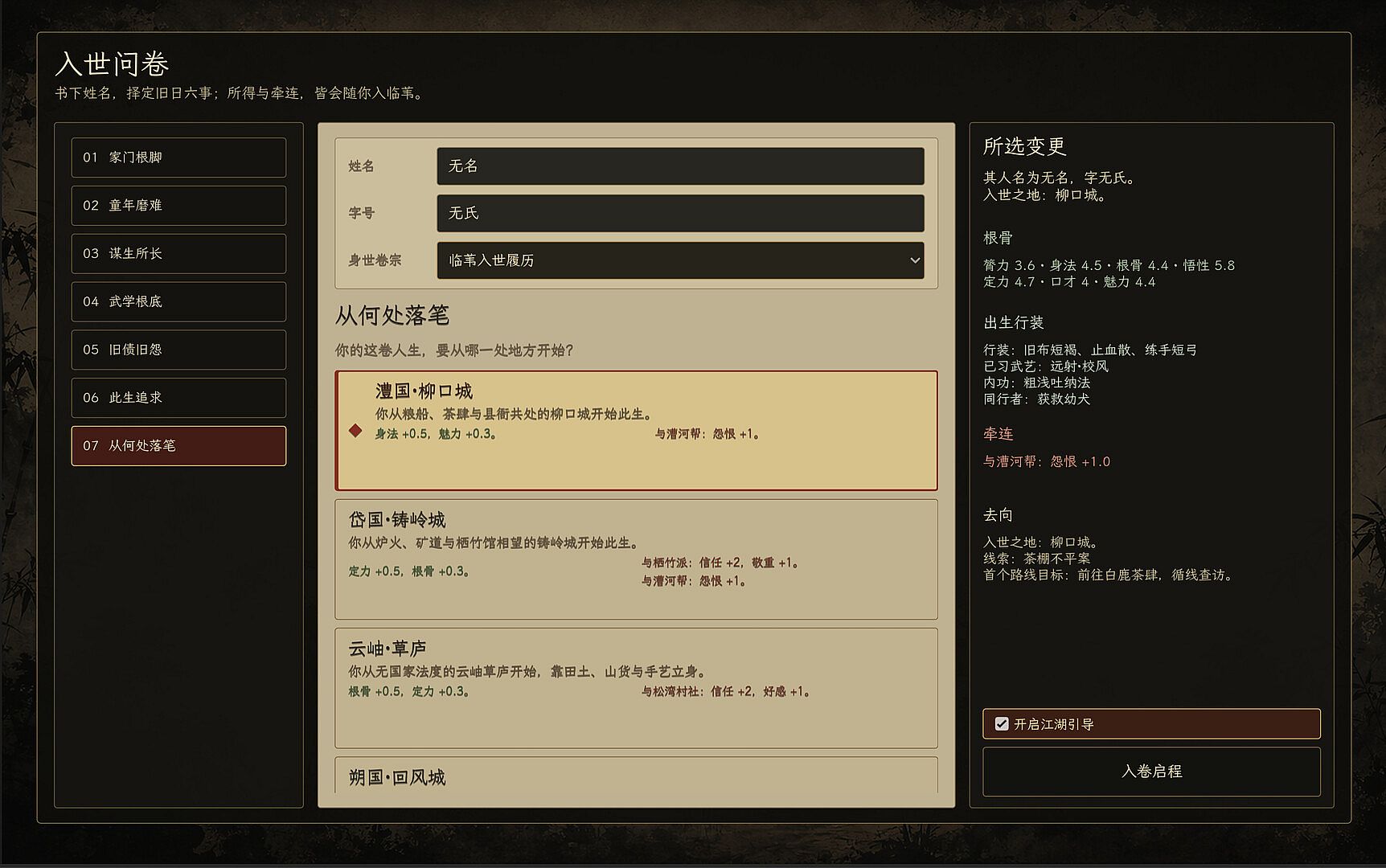
Progression extends beyond numerical stats to include mastery of martial arts, equipment choices, physical condition, practical skills, personal connections, and owned enterprises. These elements expand the range of available actions over time, supporting extended play sessions focused on any combination of combat training, livelihood activities, or world discovery.
Game Modes
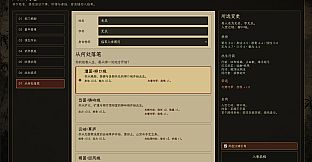
The game operates entirely in a single-player sandbox format with no fixed classes or predetermined victory conditions. Players shape their path through decisions that affect relationships, business outcomes, and future opportunities, creating varied experiences across multiple lifetimes within the same world. This structure supports open-ended play where one session might emphasize faction involvement while another focuses on independent resource gathering and construction.
World and Character Interactions
The setting draws from wuxia traditions with interconnected systems that respond to player actions. Local economies react to supply, demand, and external factors, while non-player characters adjust their behavior based on accumulated history and circulating information. This creates a living environment where choices carry forward consequences rather than resetting with each new area.
Practical skills and businesses integrate directly into daily life, allowing players to escort caravans, hunt, or establish operations that generate ongoing returns. These systems tie into the broader journey, where time spent on one activity can open or close paths in others.
Is It Worth Playing?
CangLang Scrolls suits players who enjoy sandbox experiences with deep freedom and long-term progression in a wuxia setting. Its combination of map-based travel, tile exploration, tactical combat, and interconnected livelihood systems provides substantial depth for those interested in building a personal story without rigid objectives. The absence of classes encourages experimentation across martial arts, trade, and social bonds, making repeated playthroughs distinct based on individual priorities.
Those seeking structured narratives or competitive elements may find the open-ended design less appealing, while fans of simulation-style RPGs will appreciate how mechanics like resource pricing and character memory create consistent cause-and-effect gameplay. The title supports extended engagement through its flexible systems rather than time-limited events or seasonal content.