




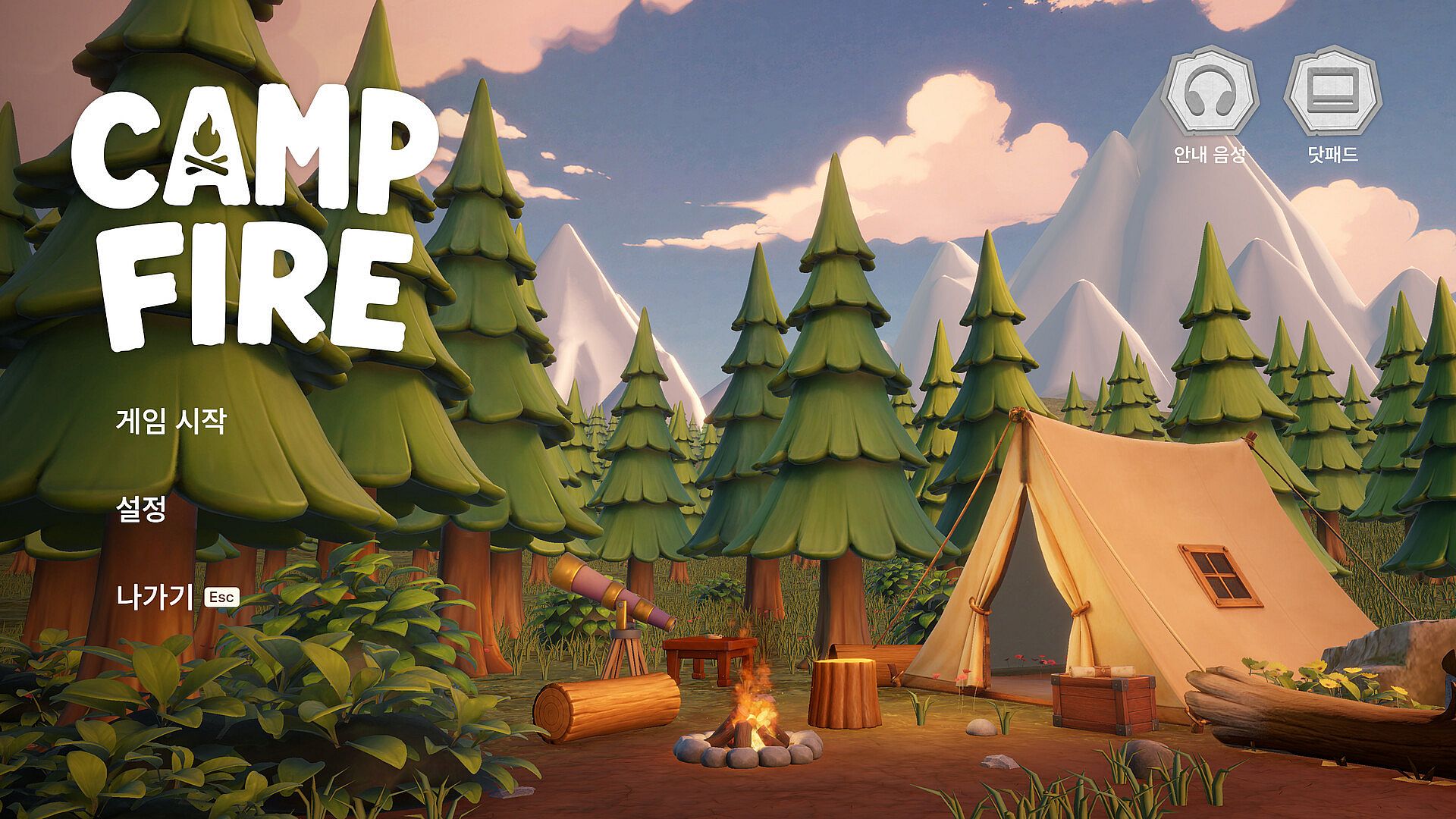
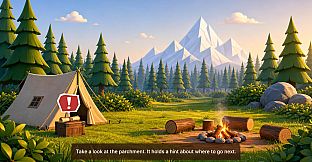
Campfire is a two-player co-op deduction adventure game in the indie, casual, and adventure genres for PC. Players take on the roles of Robin, a quick but inexperienced adventurer, and Hank, a slower but knowledgeable veteran, as they follow an unfinished treasure record left by a late explorer in late autumn 1843. The pair begins at an old campsite and works through eight trials to reach the treasure chest in the far north, relying on communication because neither can complete the journey alone.
Gameplay
The core loop centers on asymmetric information shared between the two players. Each observes clues through their own device or channel, such as the screen, voice guide, or touch input on a tactile display. They must describe findings in detail, compare details, agree on a solution, and submit the answer together. Success advances them to the next trial, while errors in split-role puzzles alter the clues and require restarting from observation. The experience emphasizes equal partnership, with one player quick on their feet and the other drawing on deep knowledge to balance strengths and limitations.
Accessibility forms the foundation of the mechanics rather than an optional feature. Both players receive identical information through different means: visual on screen, spoken via full voice guide in Korean and English with subtitles, or tactile through a 60 by 40 pin DotPad display with braille. No information relies on color alone, and controls adapt to mouse, keyboard with voice, or the six buttons on the DotPad. This setup allows two blind players or one blind and one sighted player to share the same goal and progress equally.
Game Modes
Campfire supports two-player online co-op exclusively. One player hosts a room on Windows and invites a Steam friend. A second player on the same Wi-Fi network can join directly through a web browser using an invite link without installing additional software. The eight trials alternate between shared puzzles solved through discussion and asymmetric challenges where each holds unique information or roles, making verbal exchange essential for progress.
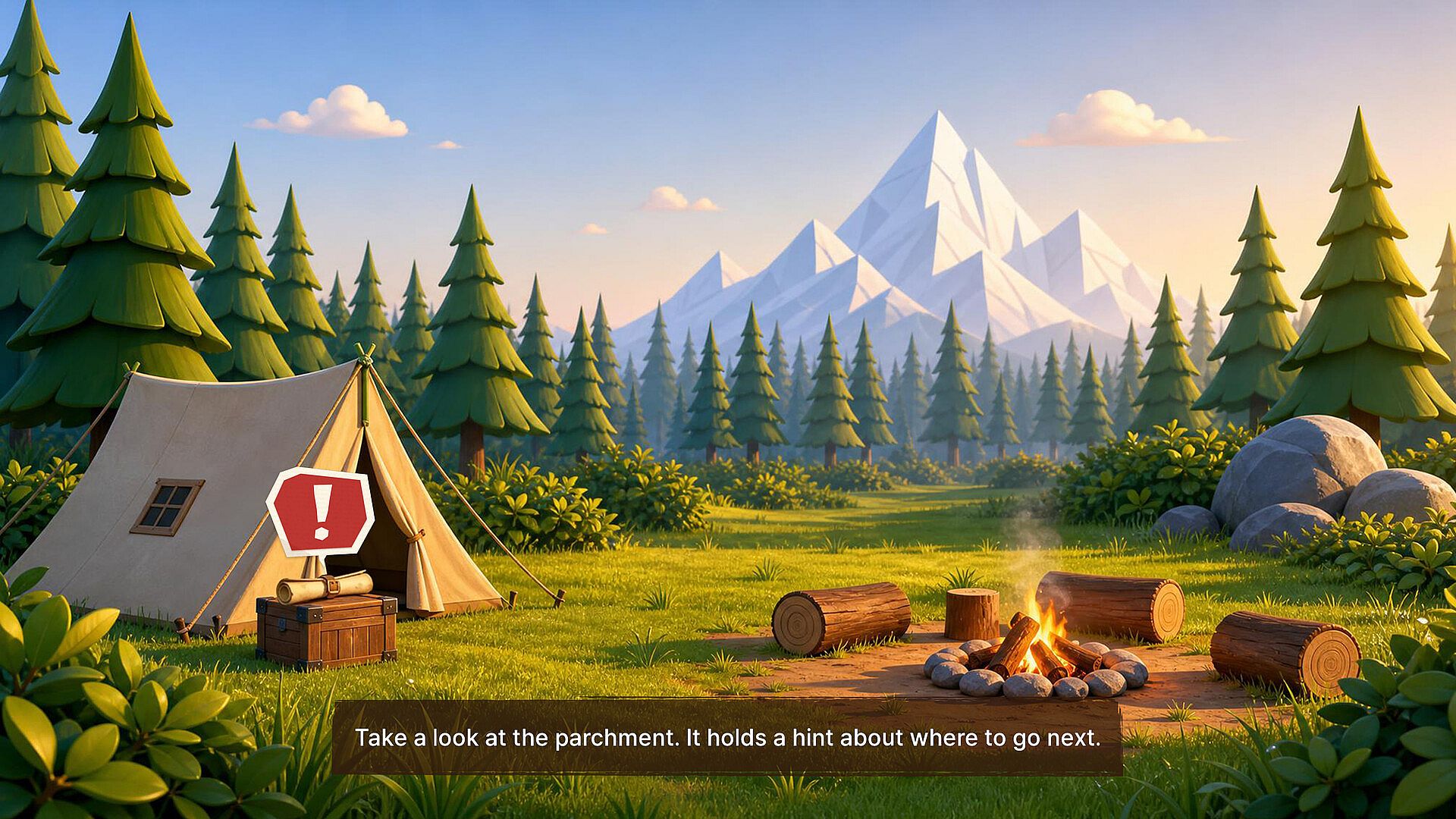
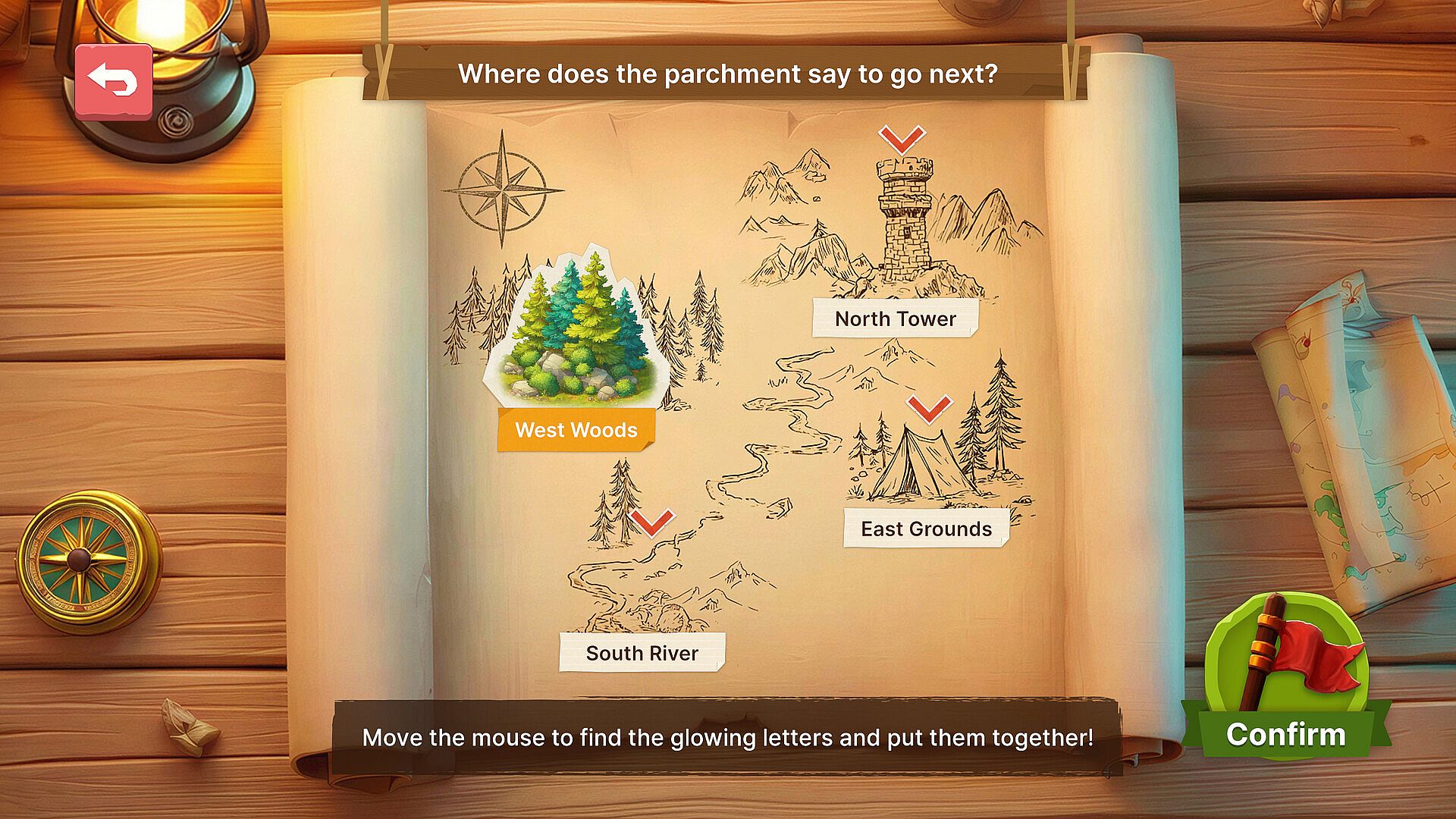
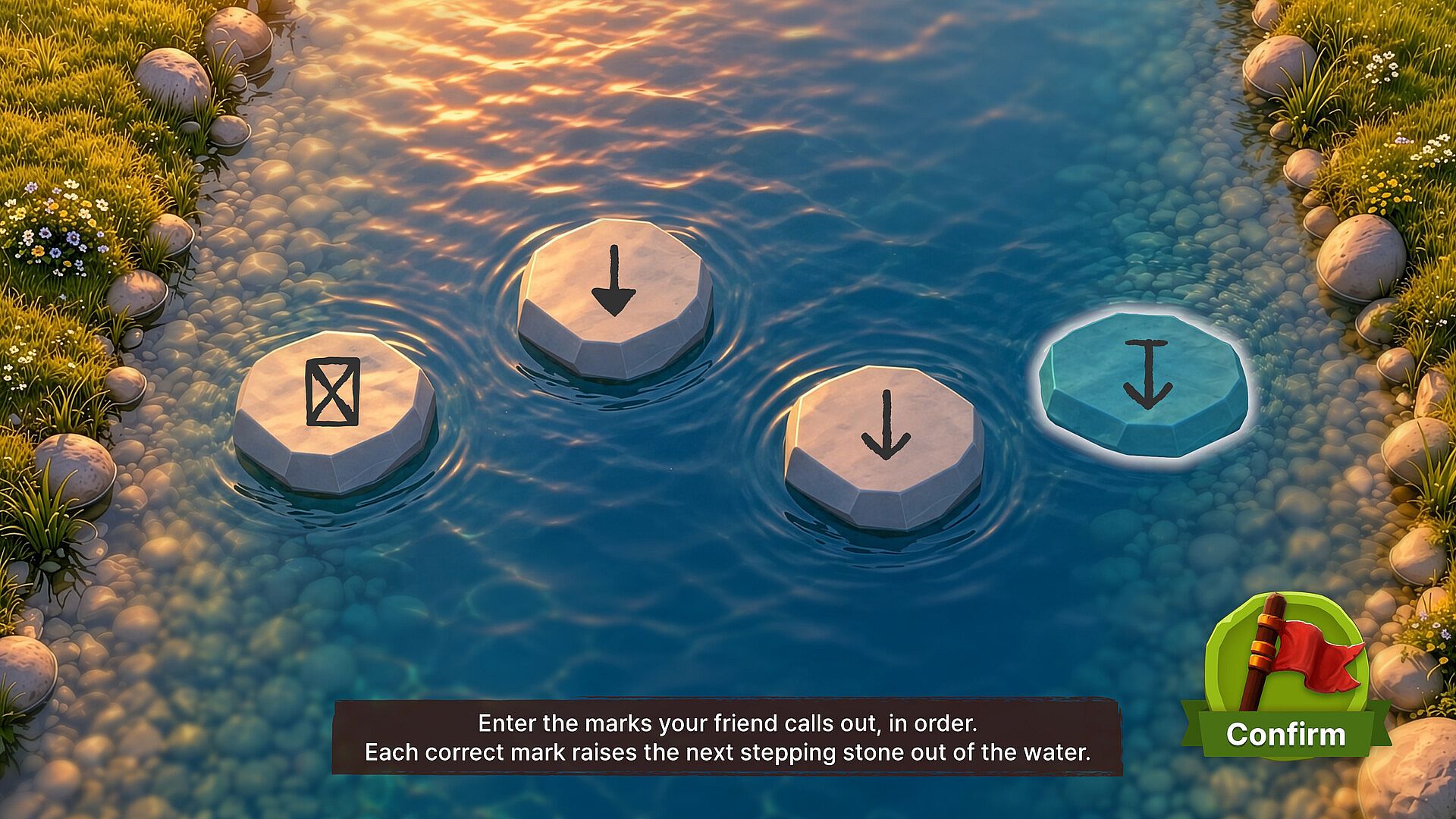
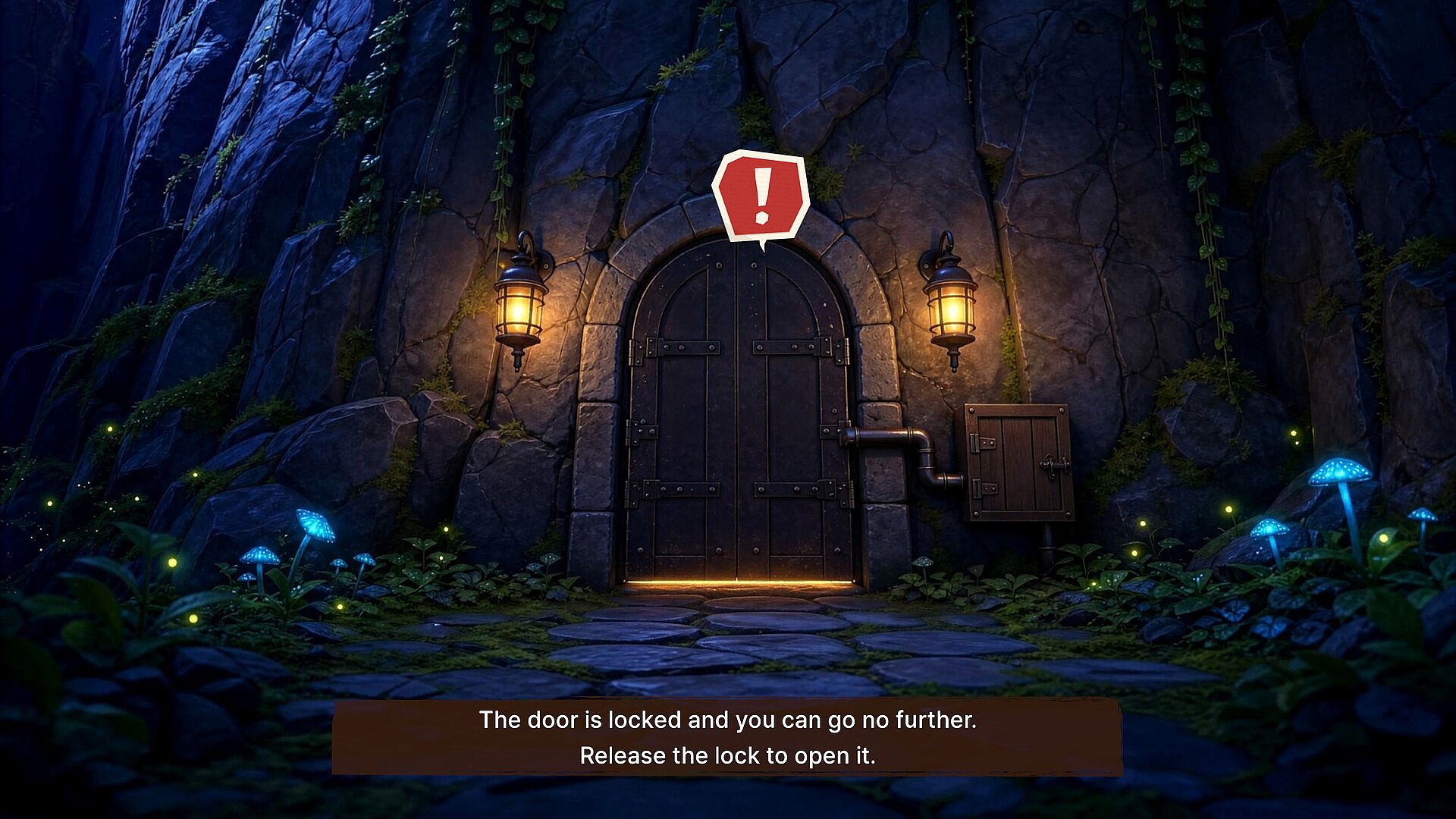
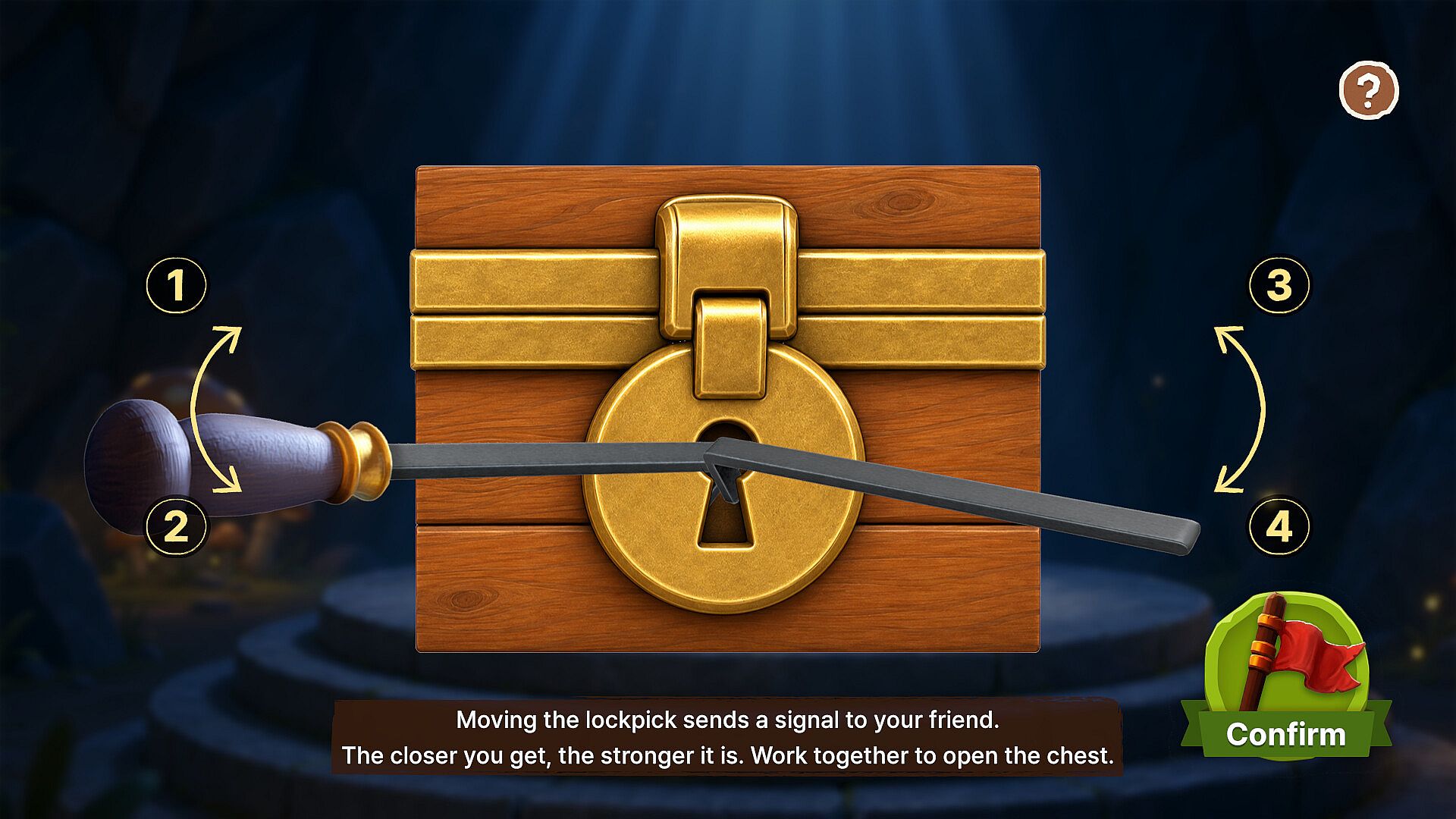
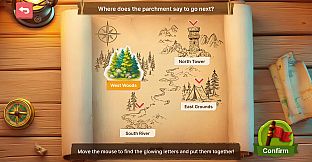
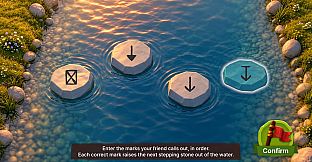
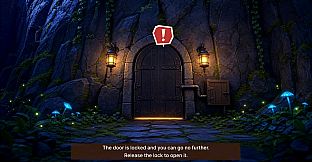
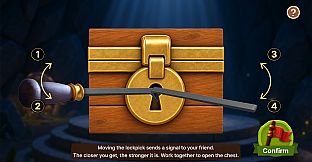
The trials include the Campsite, where players read parchment together to choose a path; the West Woods, focused on identifying animal footprints; the Old Herb Glade, involving listening to a recipe while selecting herbs; Lantern Bridge, with one calling stepping stone order for the other to cross; Starlight Hill, sharing constellation shapes; the Old Ruins, describing shapes and positions without seeing each other's screens; the Hall of Light, aligning reflecting stones; and the Far North, using a compass and lock to open the treasure chest.
Story and Setting
The narrative unfolds in 1843 as the young adventurer inherits an incomplete record, tent, and gear from a grandparent explorer. Seeking the former apprentice for help, the two set out as equal companions motivated by personal reasons: one to finish the inherited path and the other to complete the teacher's unfinished journey. The late-autumn wilderness provides the backdrop for the trials, with each location presenting environmental clues tied to the treasure hunt.
Is It Worth Playing?
Campfire suits players who enjoy cooperative deduction and communication-focused experiences over solo play or action. Its emphasis on shared observation and verbal collaboration creates a distinctive two-player dynamic that rewards clear description and joint problem solving. The built-in accessibility design makes it accessible to a wide range of players, including those using voice or tactile interfaces, without separating experiences by ability. Availability centers on online sessions between two participants, with flexible joining options that lower barriers for paired play. Those seeking a focused adventure built around partnership and puzzle resolution will find the structure aligns directly with that interest.











