












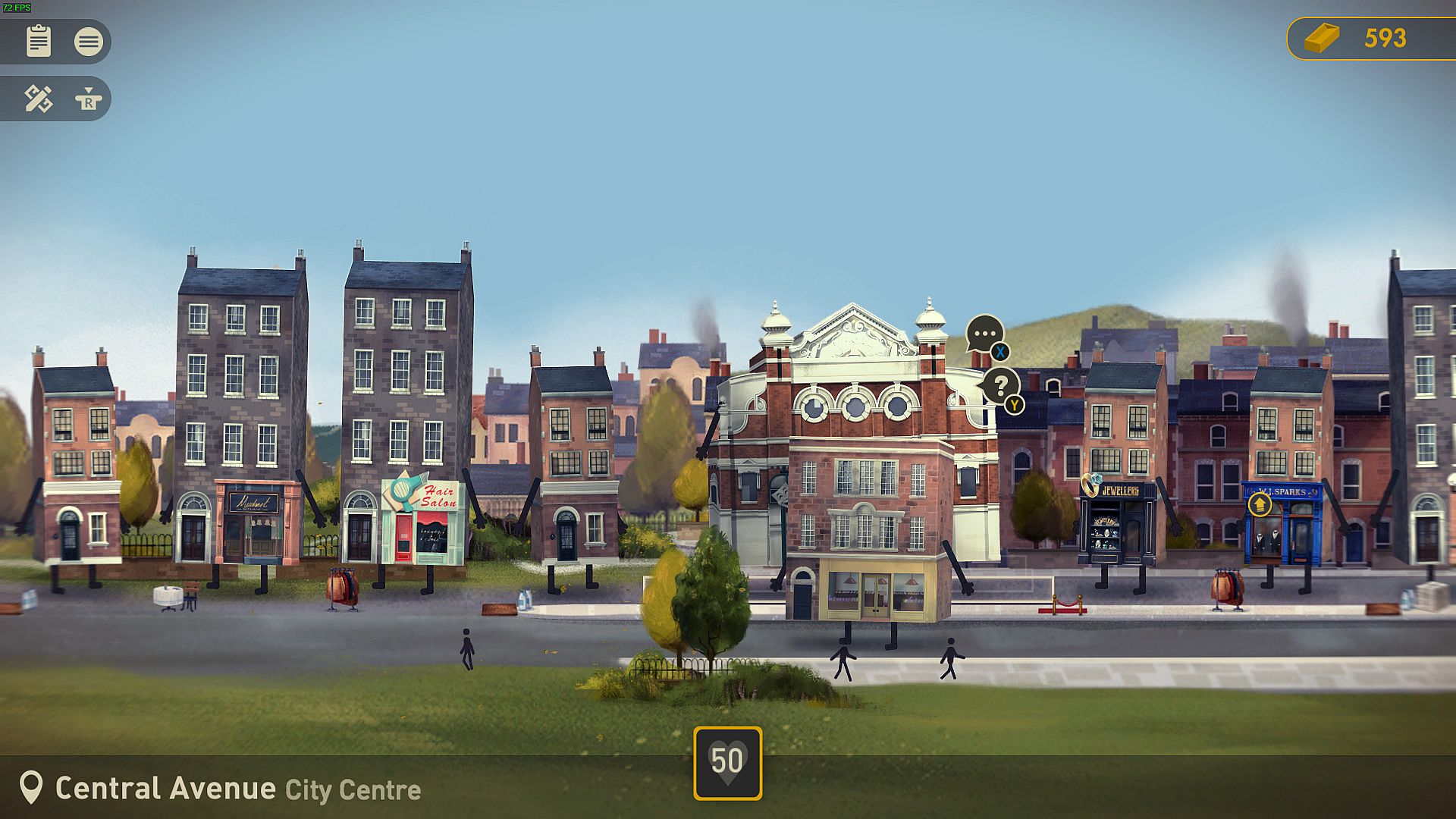
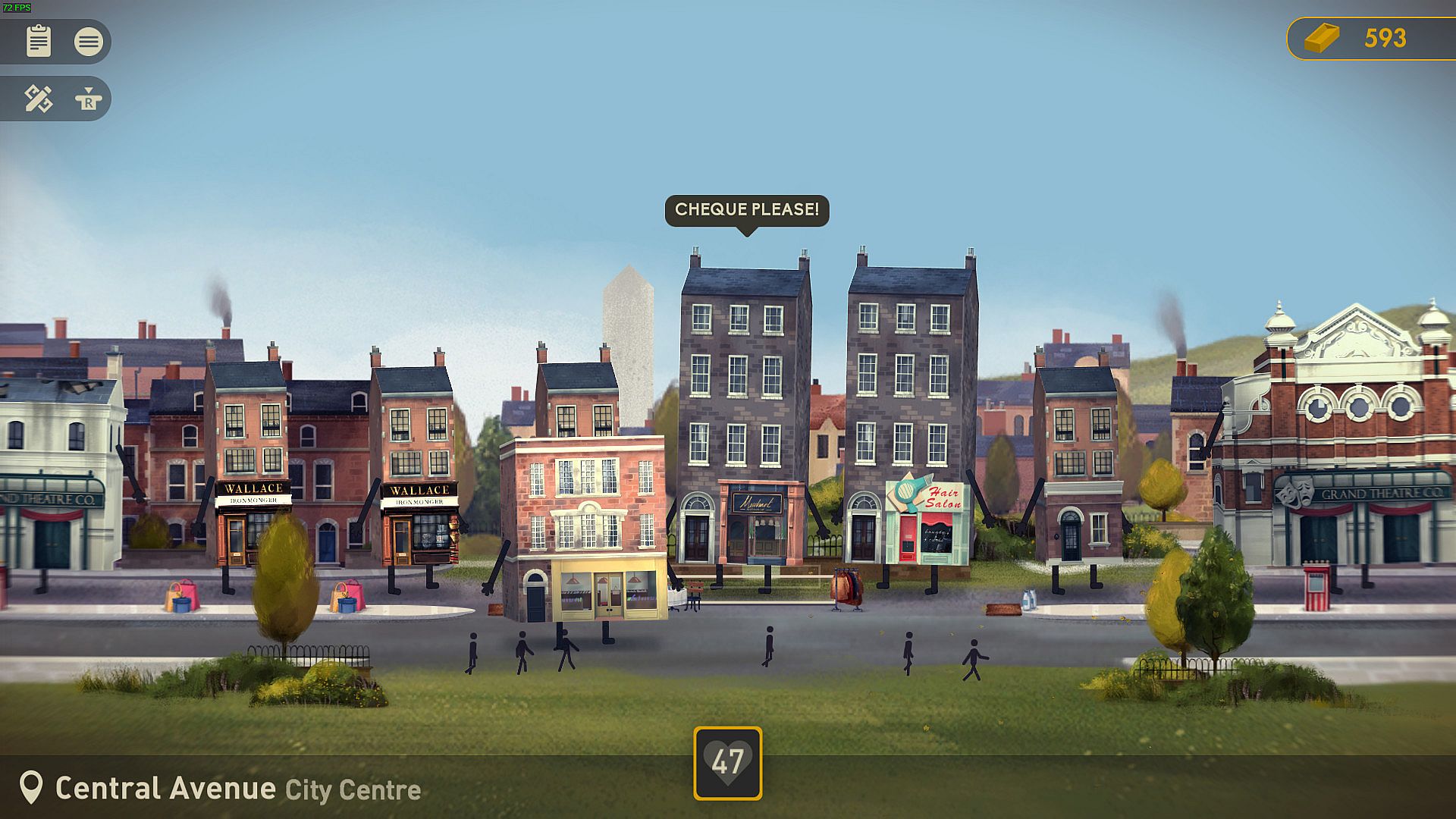
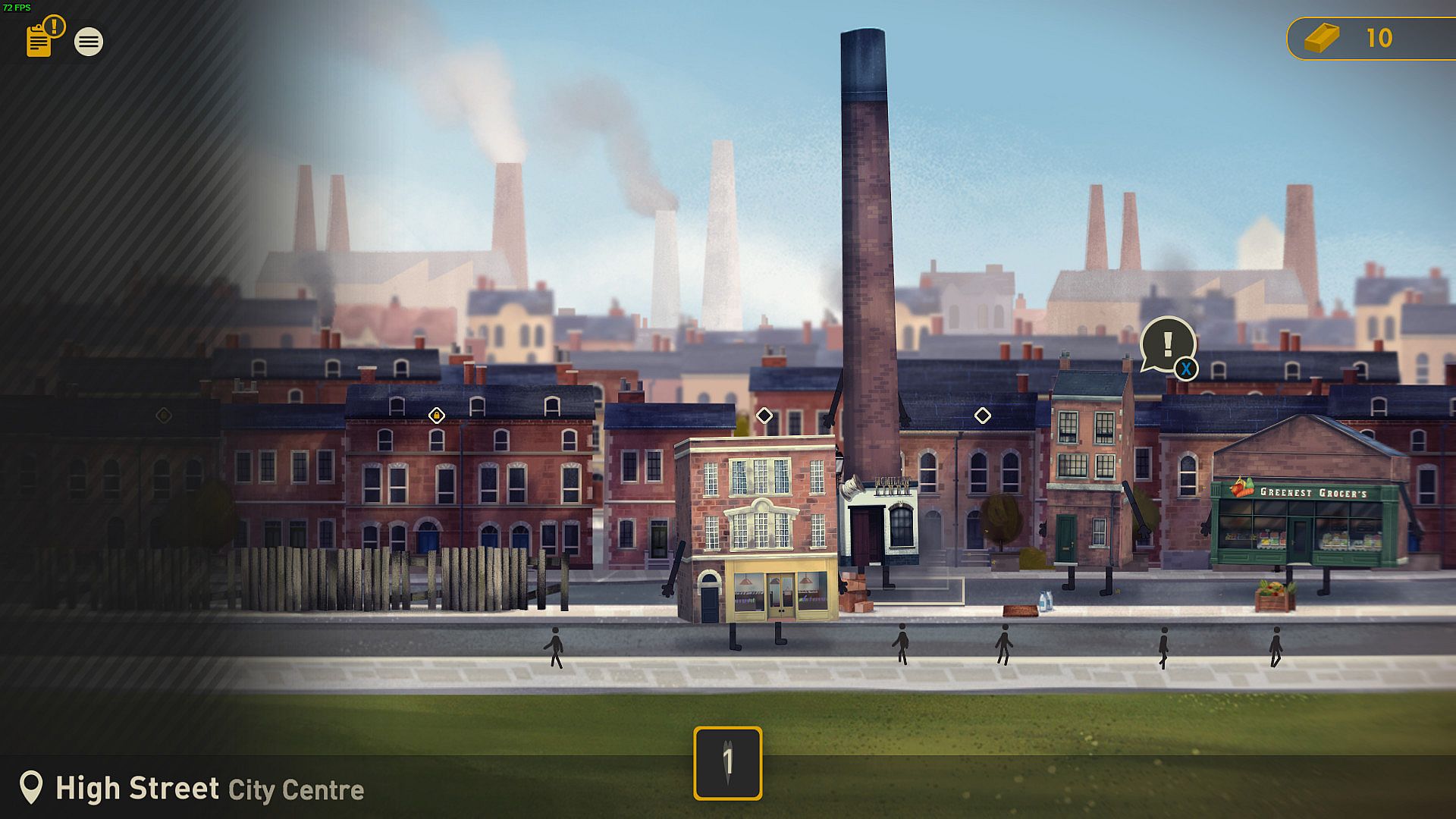
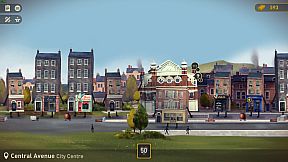
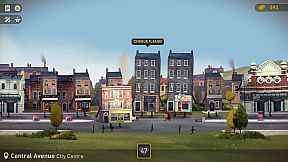
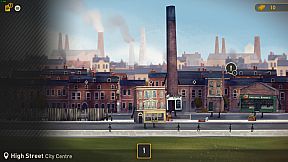
Buildings Have Feelings Too! is a strategy indie simulation game that blends city management with puzzle mechanics on PC. Players step into the role of The Halfway Hotel, a building tasked with helping anthropomorphic structures navigate urban changes and avoid demolition. The experience unfolds through careful placement and rearrangement of buildings while assigning businesses that span Victorian times to the present day.
Gameplay
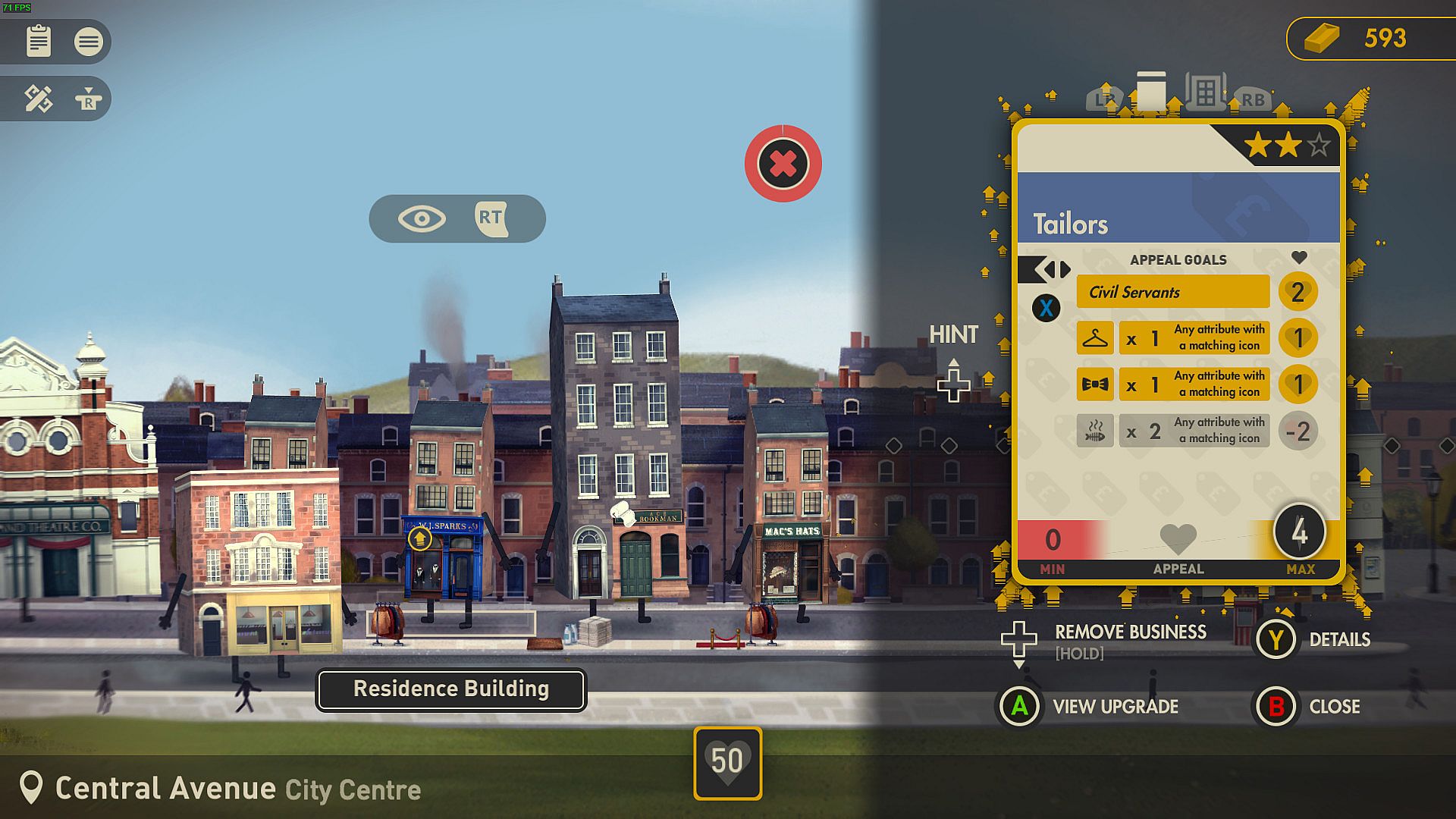
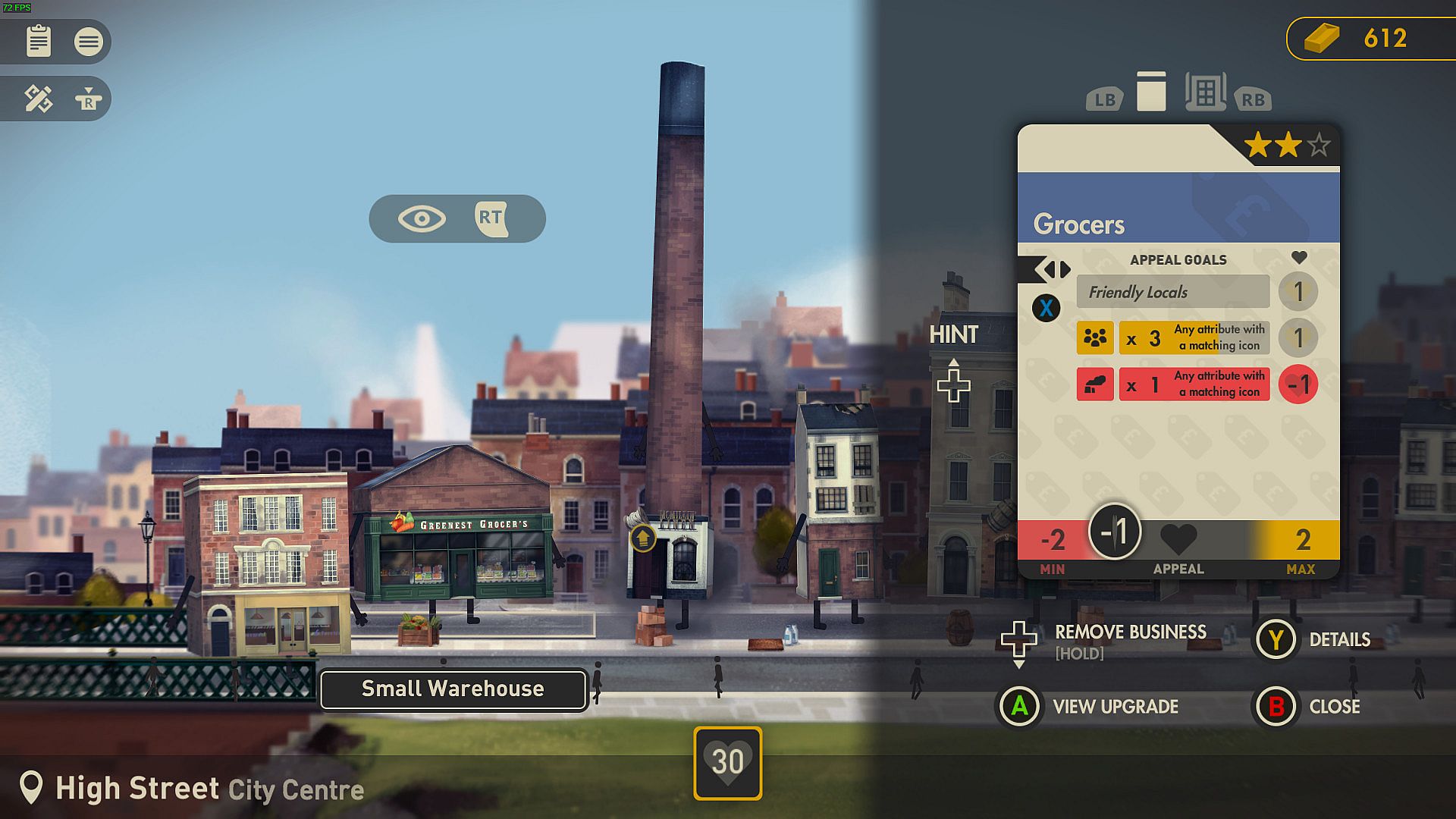
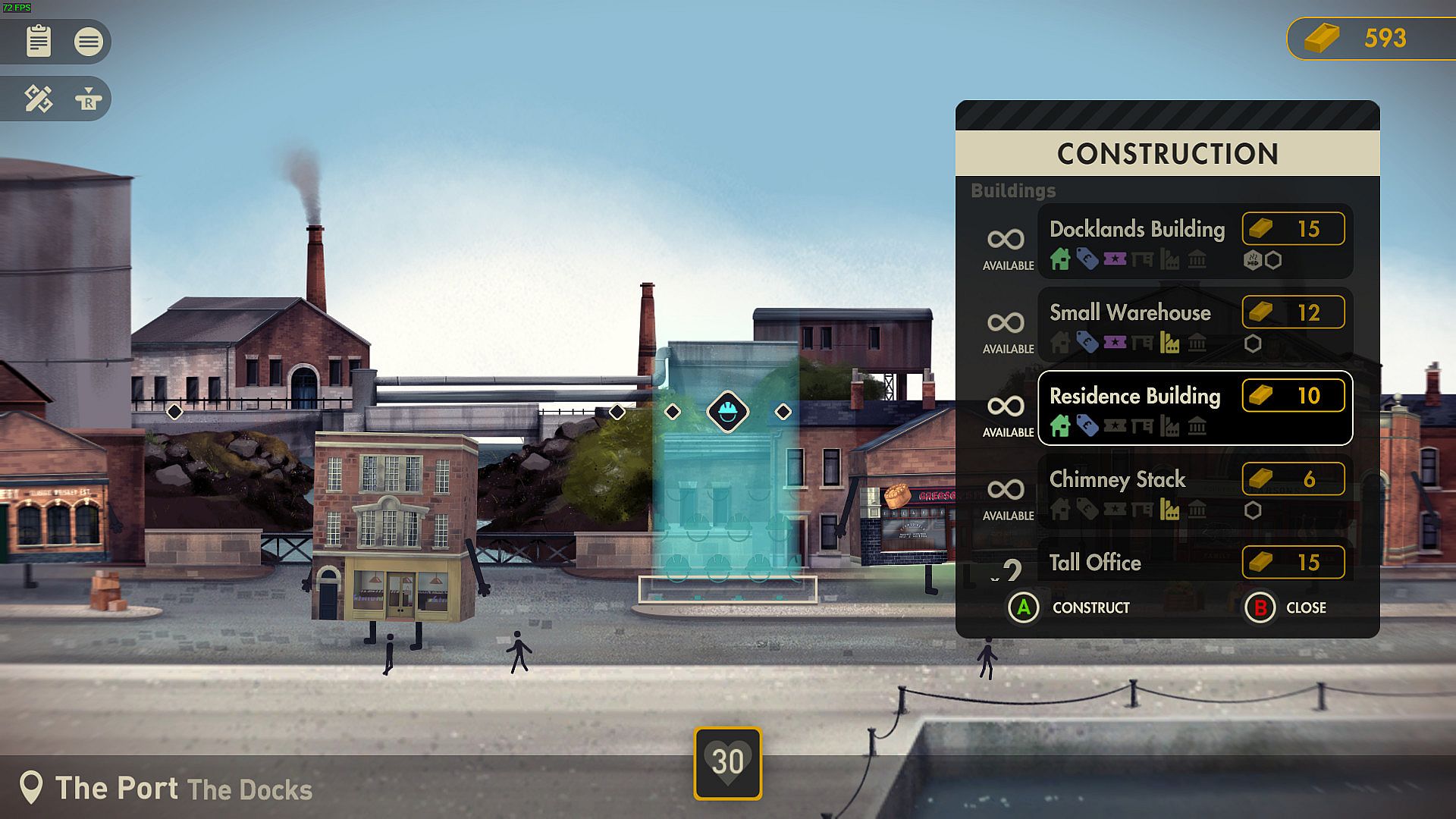
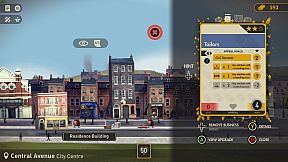
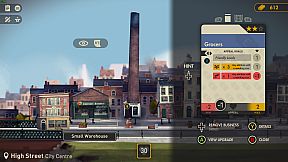
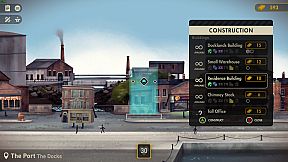
The core loop centers on expanding neighborhoods by positioning buildings on limited grid spaces. Each structure carries specific needs for appeal and upgrades, such as proximity to compatible businesses that provide bonuses like additional residents or resources. Limited bricks serve as the main currency for construction and repairs, earned through completing incremental goals like leveling up a pub or converting an old mill.
Buildings express their aspirations and concerns through dialogue, guiding players toward solutions that balance industrial, commercial, and residential elements. Rearrangement allows experimentation with layouts to optimize influence radii, where certain pairings boost appeal while mismatches can trigger decline. The process evolves across multiple districts, introducing new landmark buildings and era-appropriate businesses that unlock progressively.
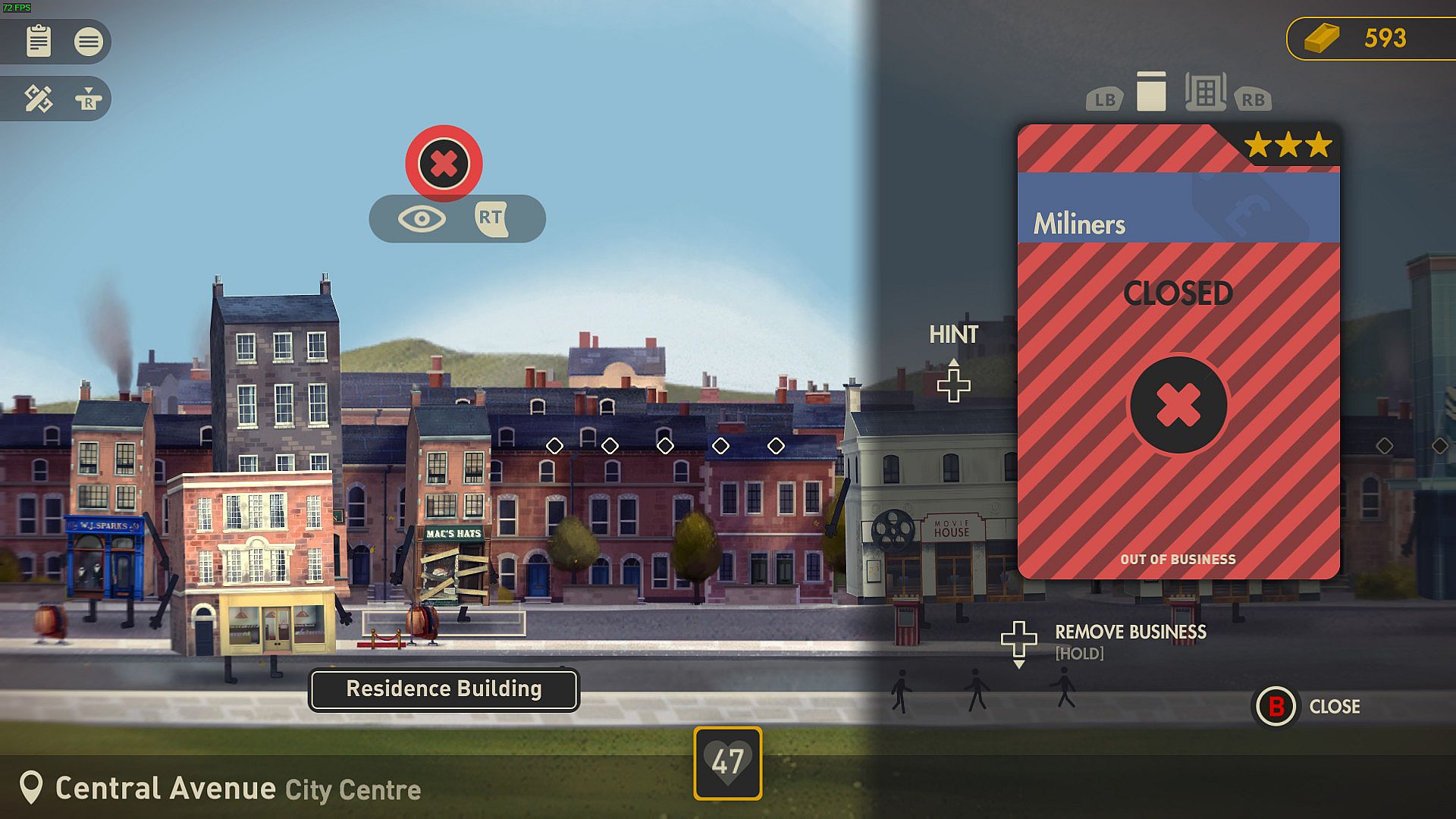
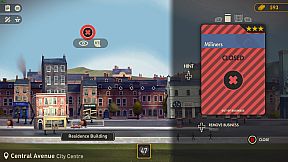
Mechanics emphasize resource management and spatial puzzle solving rather than freeform building. Players monitor individual building states to prevent self-demolition, often requiring precise adjustments when bonuses fall out of range. This creates a steady rhythm of observation, placement, and refinement as the city grows from modest beginnings into a more connected metropolitan area.
Game Modes
The game operates as a single-player experience focused on sequential neighborhood progression. There are no separate competitive or cooperative modes, with all activity tied to the main campaign structure that advances through story-driven objectives and district expansions.
Progression follows a linear path across distinct areas, each introducing fresh buildings and business options while building on prior layout challenges. This format keeps the emphasis on puzzle resolution and character interactions without branching paths or alternative play styles.
Story and Setting
The narrative follows a group of longtime buildings facing urban renewal pressures, beginning with the unexpected demolition of one member. As The Halfway Hotel intervenes with odd jobs that grow into larger revitalization efforts, themes of adaptation and community emerge through conversations with structures that hold personal histories and fears about the future.
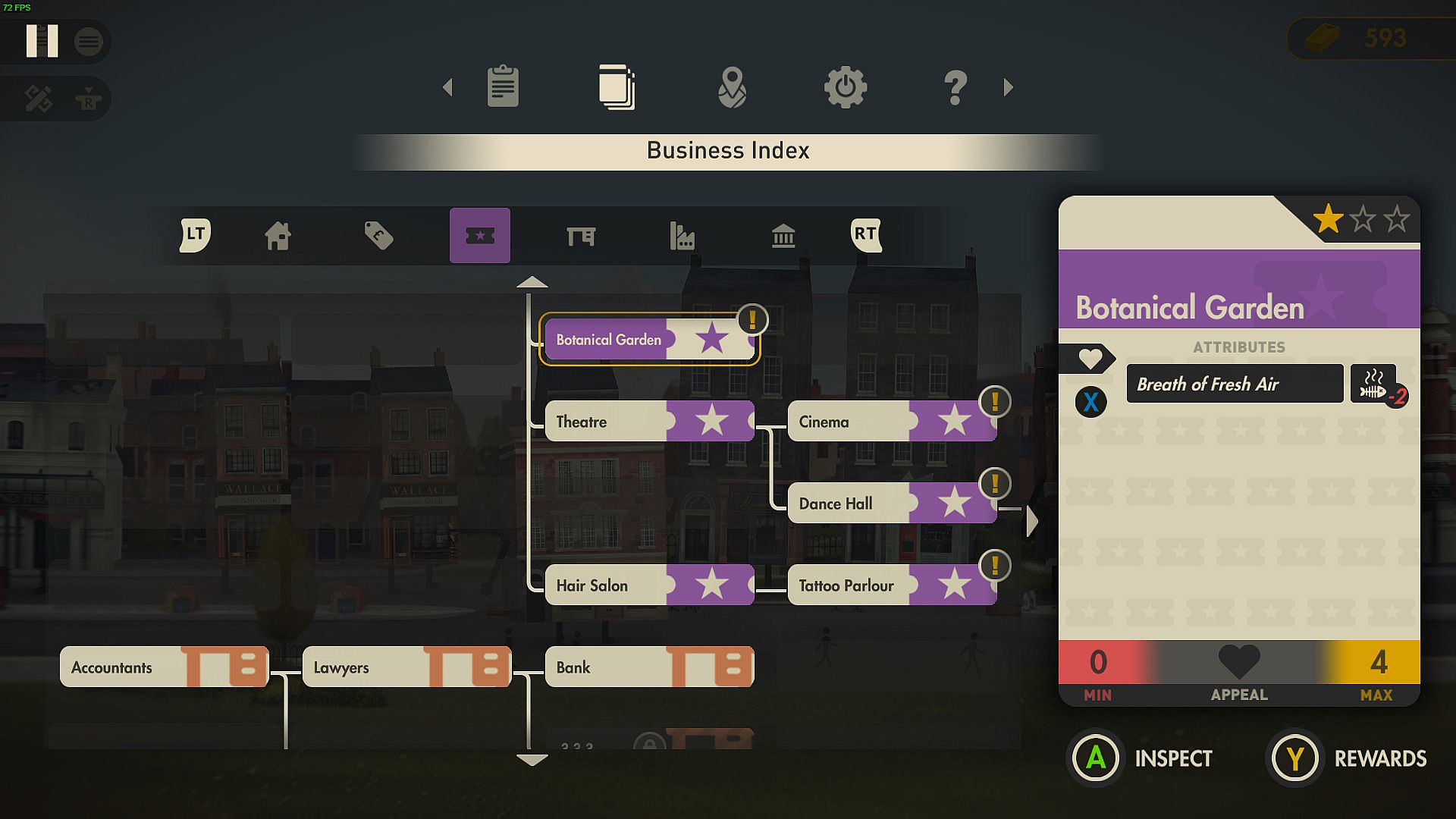
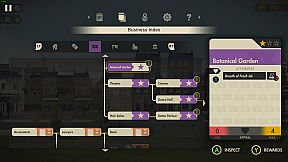
Business assignments reflect historical shifts, allowing players to equip buildings with roles from textile mills and banks to modern amenities. This integration of story and mechanics highlights how placement decisions affect both practical success and the emotional states of the buildings involved.
Is It Worth Playing?
Reception on Steam stands at mixed with 54 percent positive from 50 reviews, reflecting appreciation for the charming visuals, sound design, and witty building personalities alongside criticism of controls and puzzle difficulty. The game suits those who enjoy deliberate spatial puzzles and narrative-driven management over open-ended city builders.
Its 2021 release brought no subsequent seasons or major updates, leaving the experience in its original form. Players drawn to unique indie concepts with personality and resource constraints may find satisfaction in its focused approach, while those seeking forgiving mechanics or extensive replay options could encounter frustration from the lack of undo functions and precise requirements.