


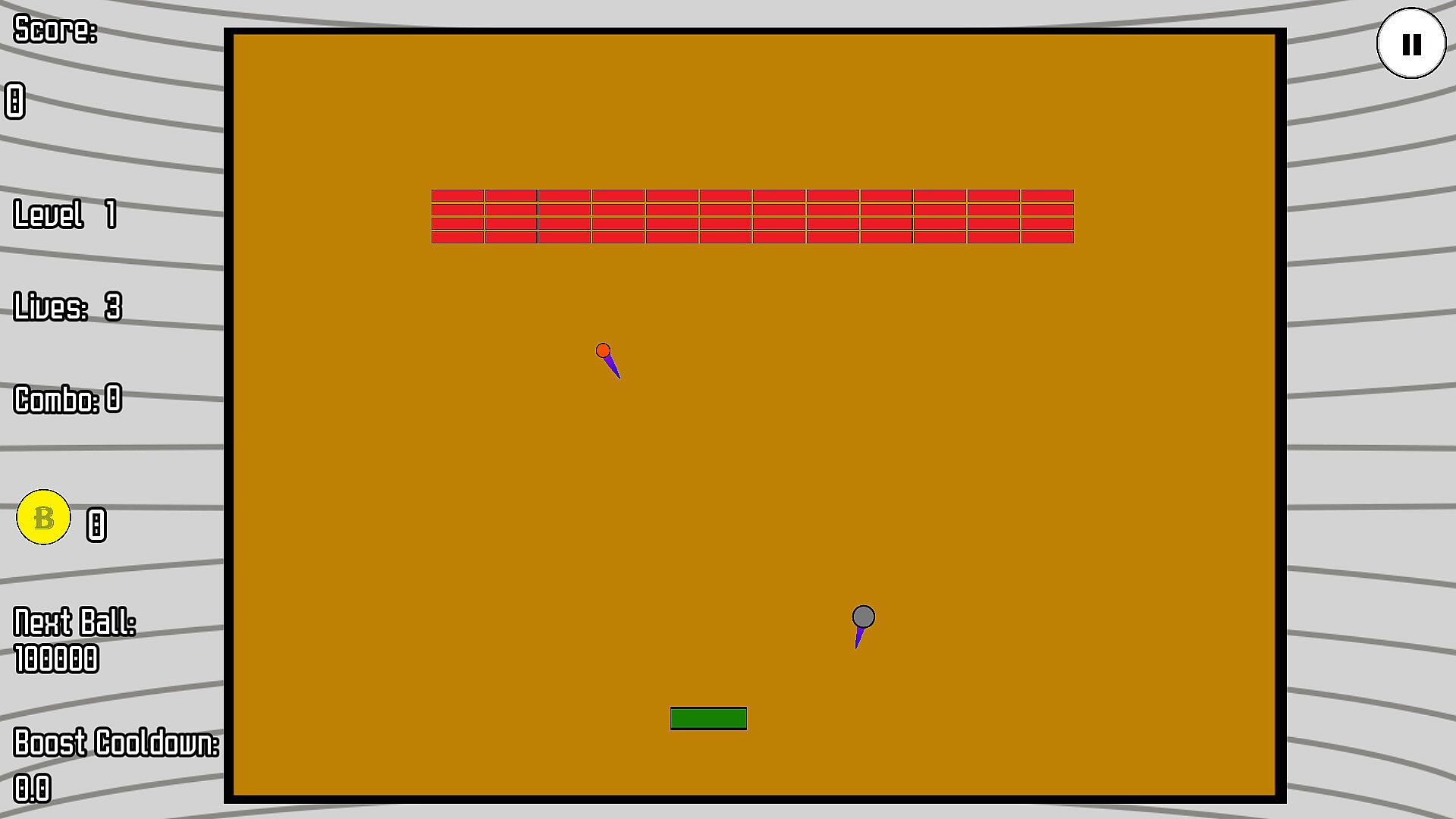
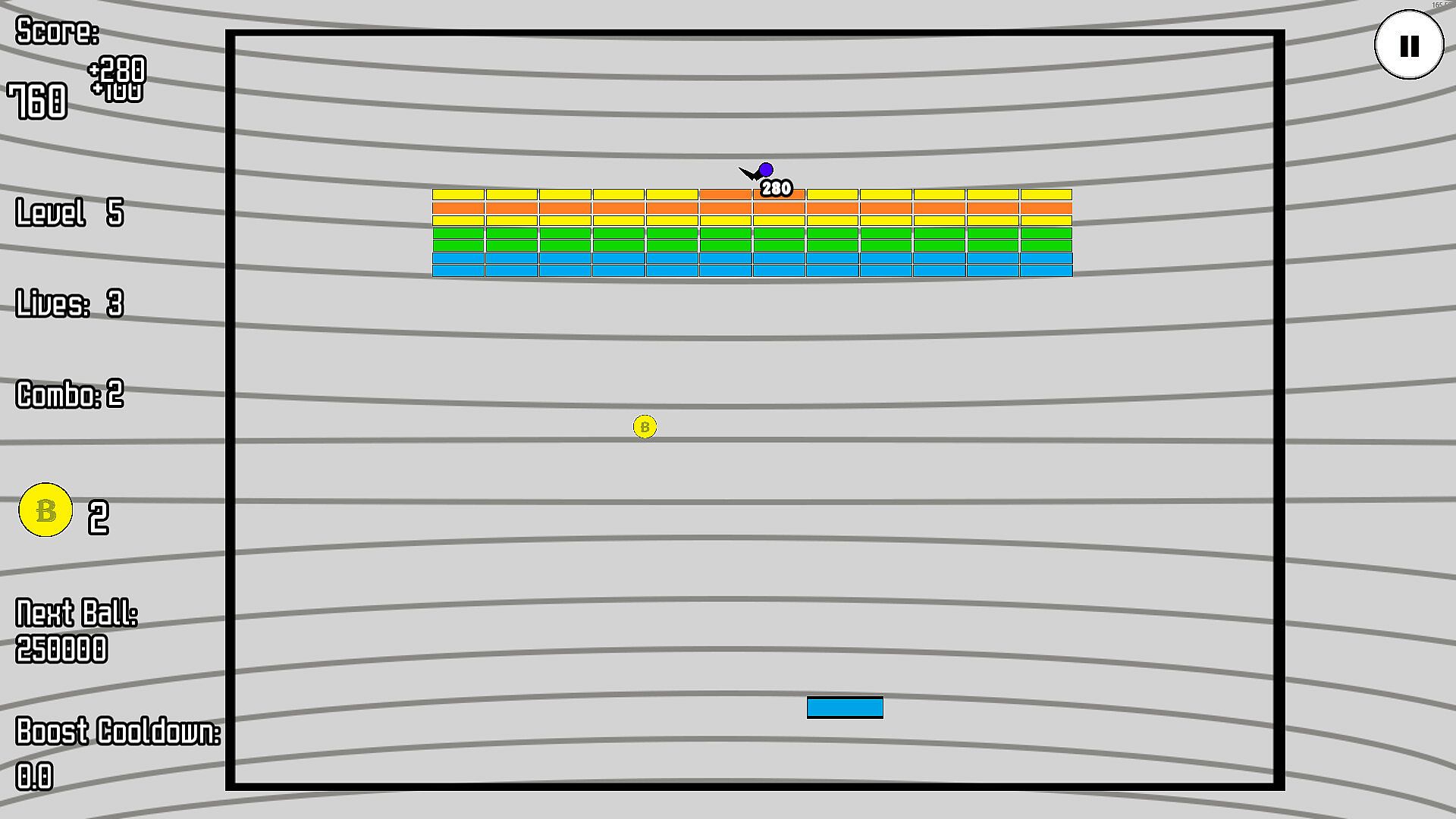
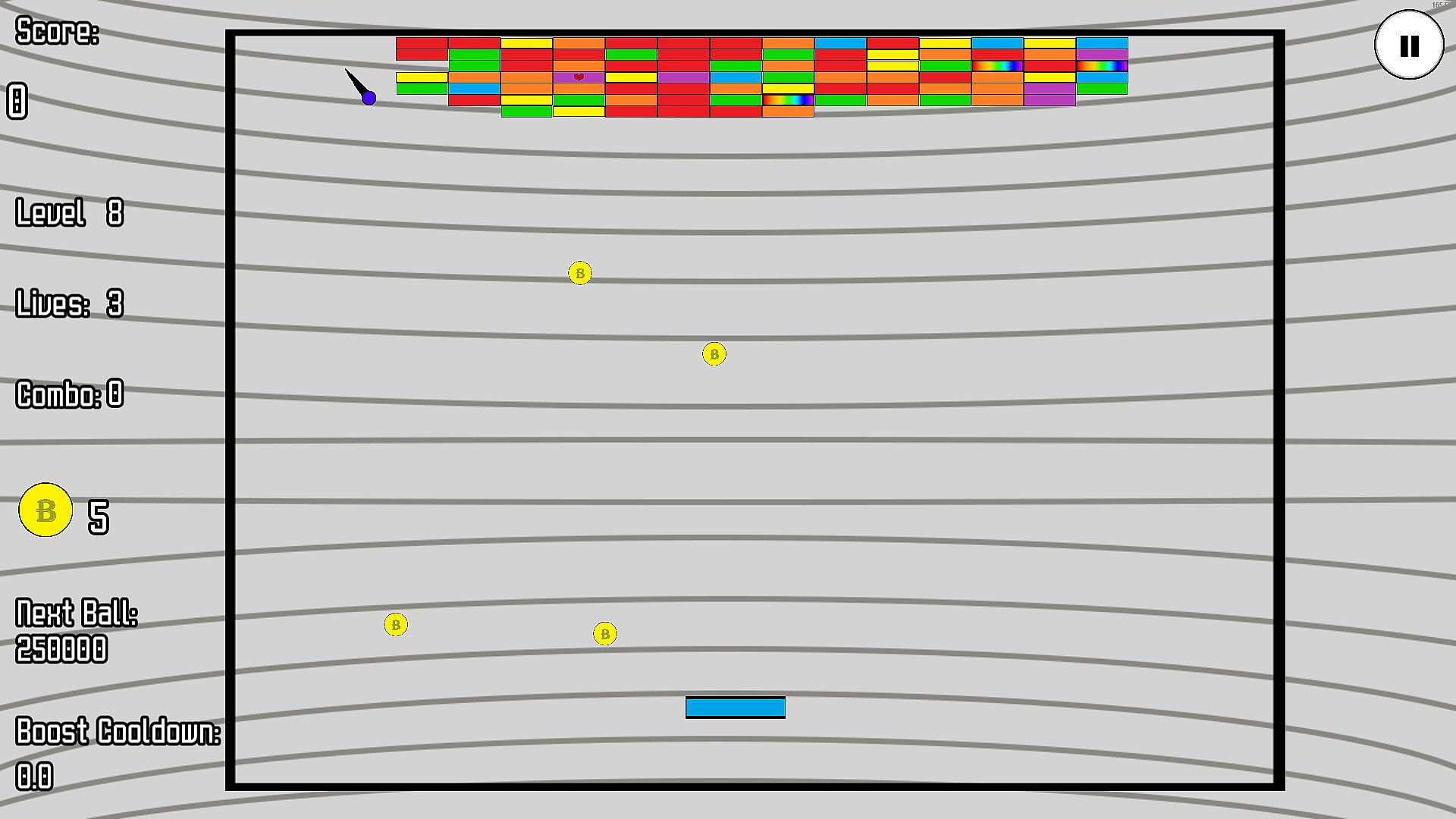
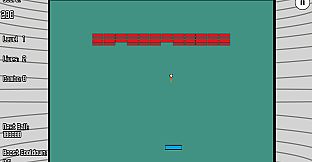
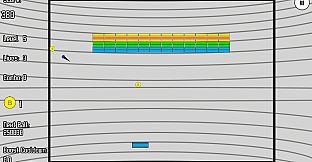
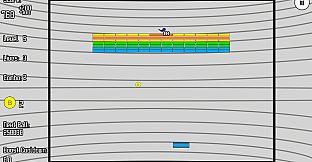
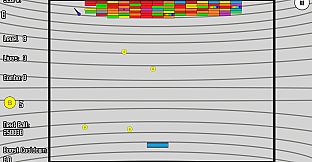
Brikkle is an indie casual game built around classic arcade brick-breaking mechanics with a risk-reward progression system. Players guide a paddle to keep a ball in play, clearing bricks level by level on PC. The core loop centers on surviving as long as possible while collecting upgrades that boost scoring potential and endurance, only to lose everything upon a single game over. This structure creates tension around every decision, as progress feels earned yet fragile.
Gameplay
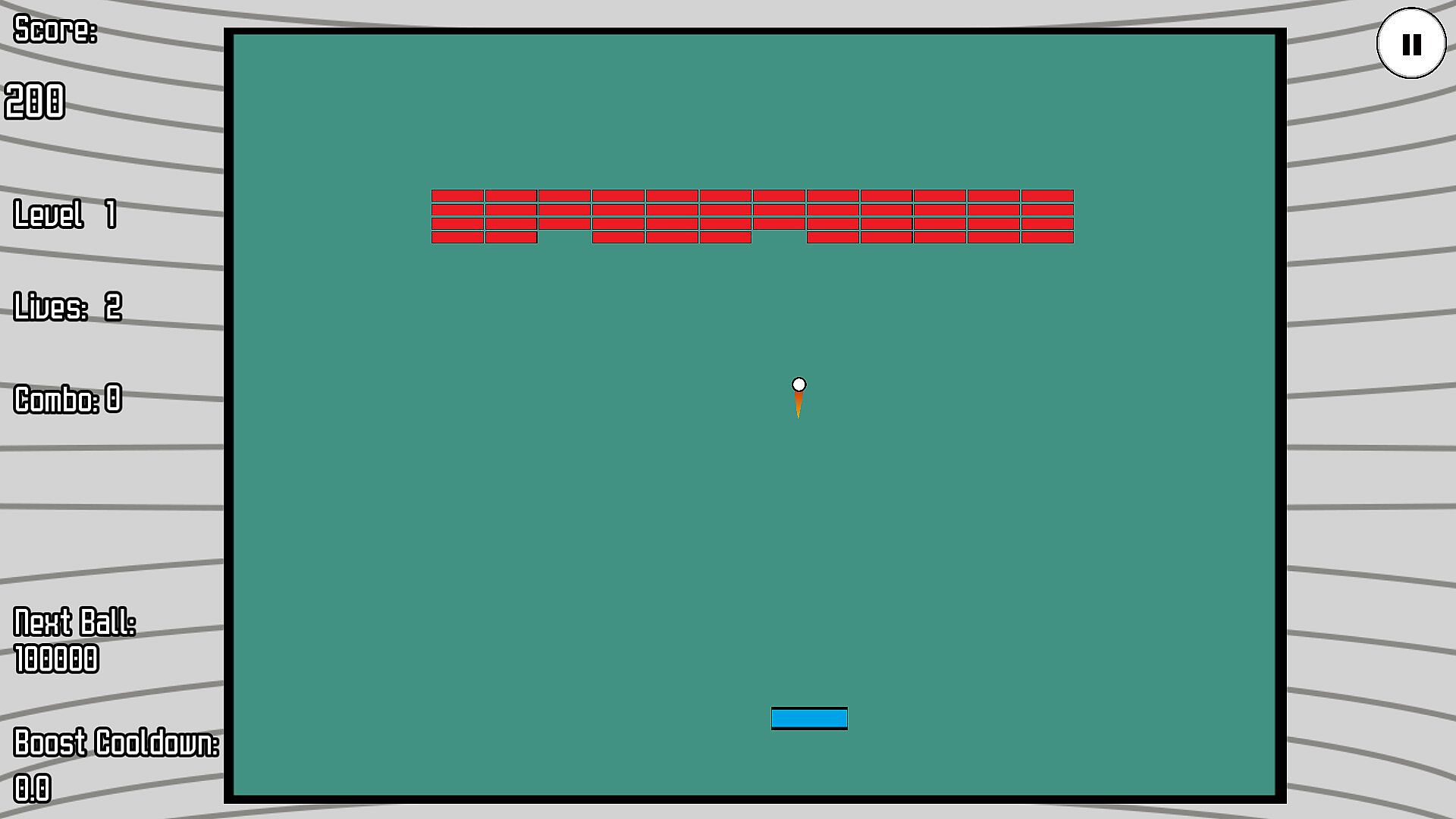
The fundamental experience revolves around precise paddle control and ball trajectory management. Each level presents a field of bricks that must be cleared through repeated bounces. Upgrades appear at the end of successful levels and provide permanent boosts for the current run, such as improved ball speed, paddle size, or scoring multipliers. These enhancements stack across multiple stages, allowing runs to reach greater distances and higher totals. The catch lies in the permanent loss of all collected upgrades after any failure, forcing players to restart from the beginning with a clean slate. This design encourages careful play and experimentation with different upgrade paths rather than reckless aggression.
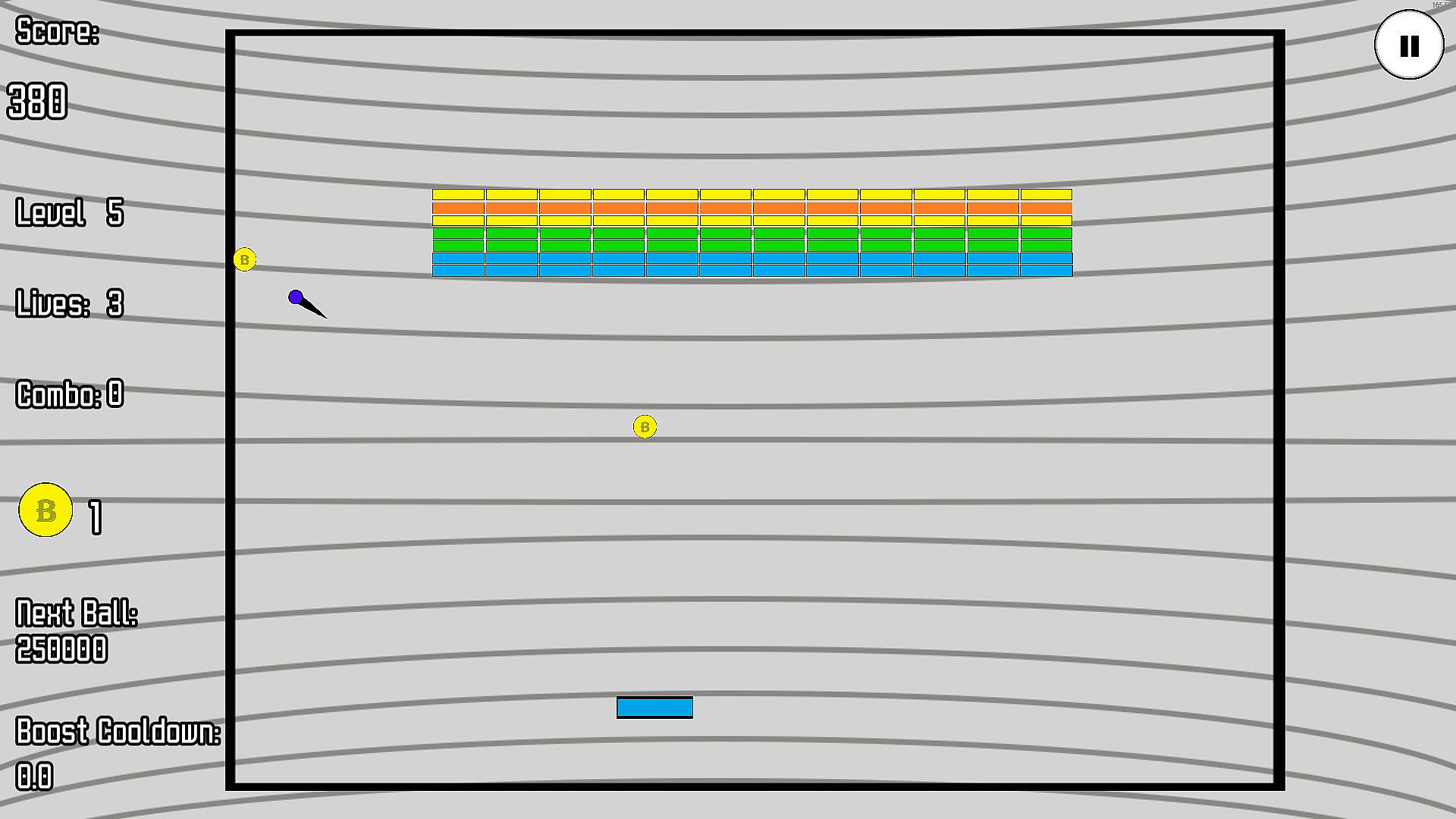
Additional layers include collectible elements that appear during levels and contribute to scoring or resource gains. Achievements track various milestones, such as reaching specific level counts or achieving high totals, and reward cosmetic options like new paddle colors and skins. The single-player focus keeps attention on personal improvement and leaderboard competition rather than external opponents.
Game Modes
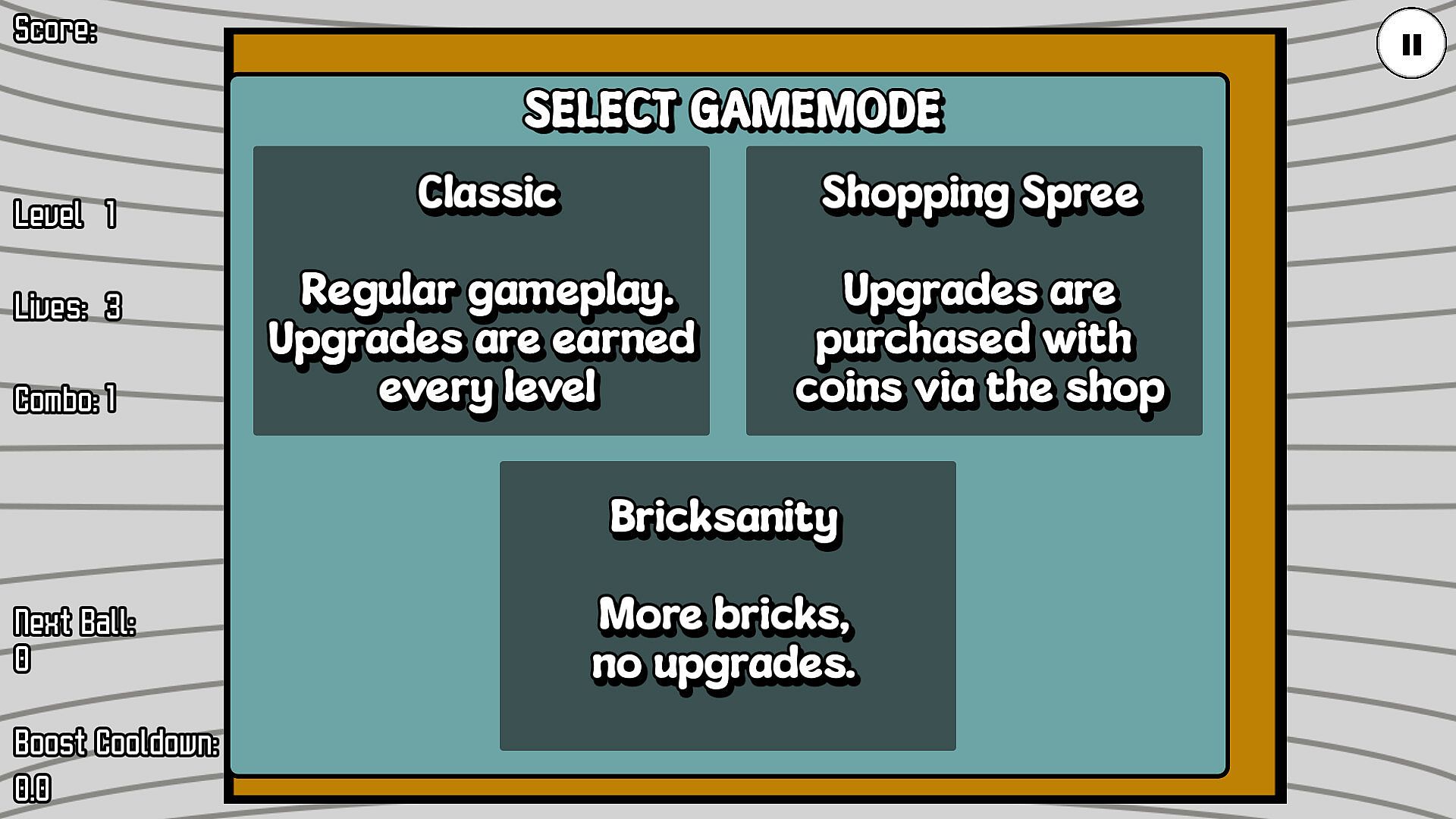
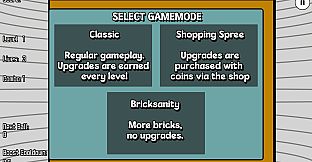
Three distinct modes alter how upgrades are acquired and how runs unfold. Classic mode presents players with a choice between two random upgrades after each cleared level, emphasizing quick decisions and adaptation to whatever options appear. The goal remains pushing for the longest survival and highest score possible under these constraints.
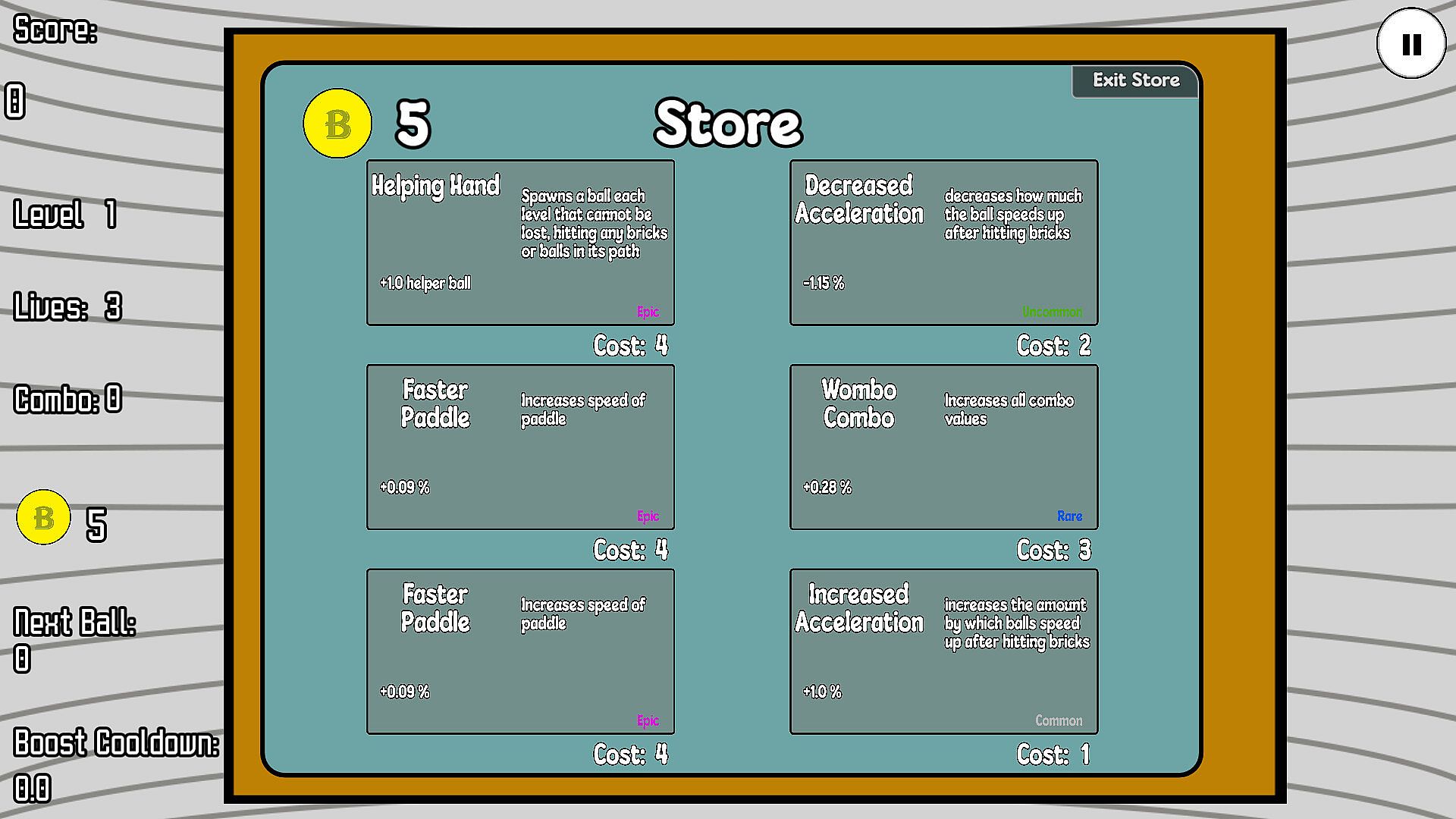
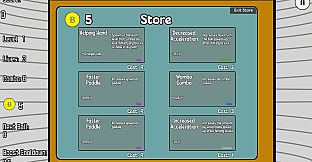
Shopping Spree mode shifts the upgrade process into a shop interface where earned coins purchase specific enhancements. Every level guarantees at least one coin, with additional coins hidden within the brick layouts for players who explore or clear thoroughly. This creates a more deliberate economy, where resource management influences which upgrades become available over time.
Bricksanity mode removes upgrades entirely and instead ramps up difficulty through guaranteed spawns of stronger bricks after level eight. Runs here test raw skill and consistency without the safety net of power progression, making high scores harder to achieve but potentially more satisfying for those who master the base mechanics.
- Leaderboard placement serves as the shared end goal across all modes.
- Achievements unlock cosmetics that carry over between sessions and modes.
Progression and Features
Long-term engagement comes from repeated runs aimed at personal bests and leaderboard entries. The upgrade system rewards pattern recognition, as certain combinations prove more effective for surviving later, denser brick arrangements. Cosmetic unlocks through achievements provide visual variety without altering core gameplay balance. The game remains fully playable in its current form, with all listed modes and features present from the start of Early Access.
Is It Worth Playing?
Brikkle suits players who enjoy high-score arcade challenges with built-in risk, similar to roguelike elements in a simple package. Those drawn to precise paddle control and the satisfaction of chaining successful levels will find the upgrade tension engaging. The three modes offer meaningful variety without overwhelming complexity, allowing different approaches to the same core loop. As an upcoming Early Access title releasing on July 31, 2026, it invites direct feedback to refine balance, and the developer plans to incorporate community input through the full release targeted for 2027. With no completed runs or external validation available yet, interest depends on preference for unforgiving arcade scoring systems over polished narratives or multiplayer features. The low system requirements and single-player focus make it accessible for short sessions focused on improvement.