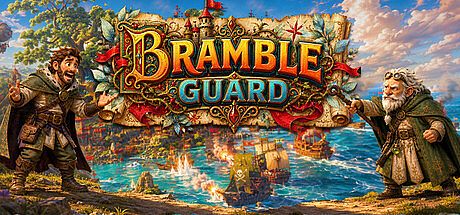


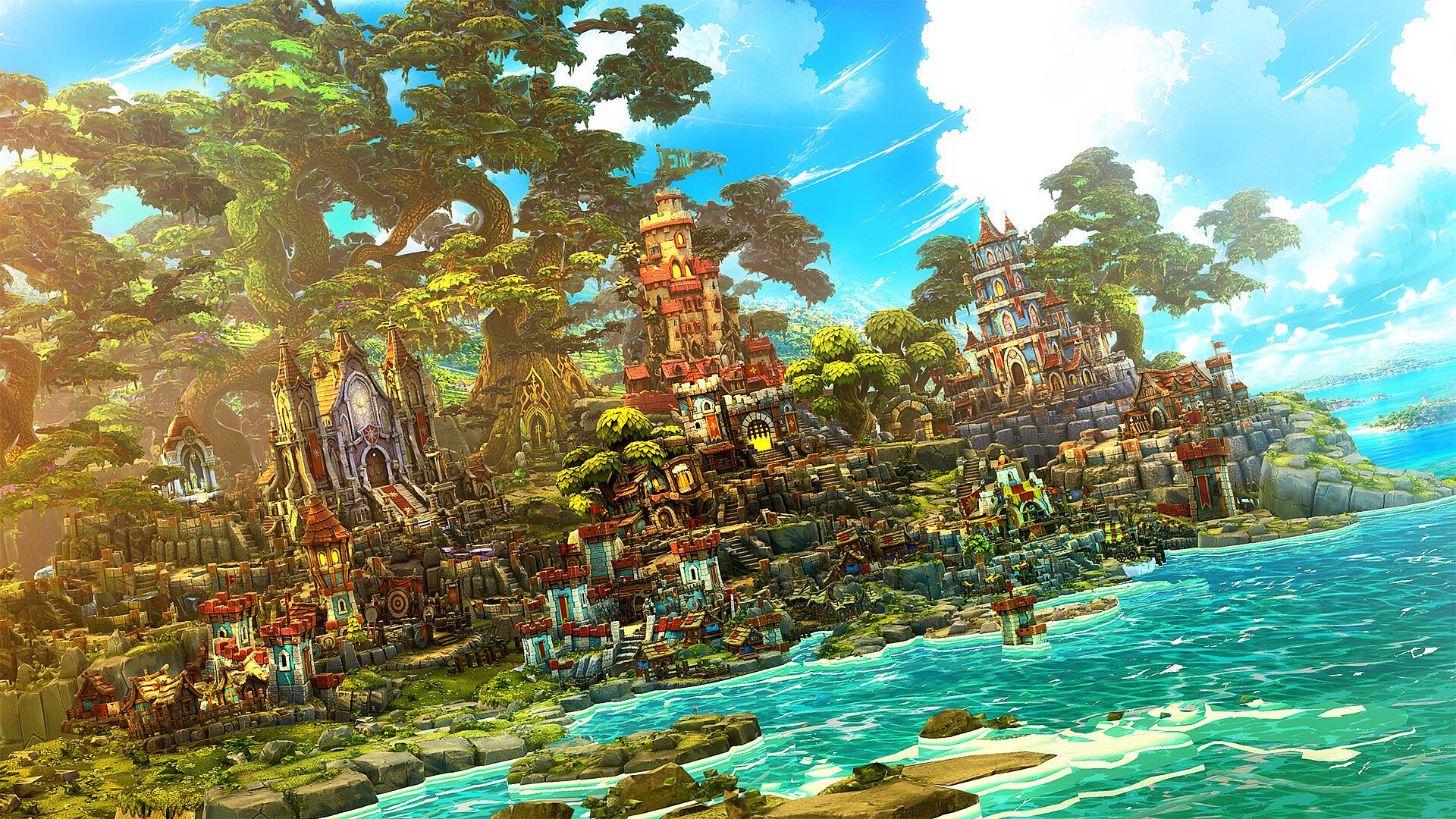
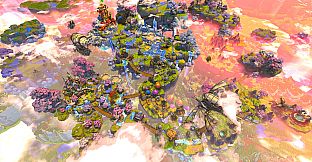
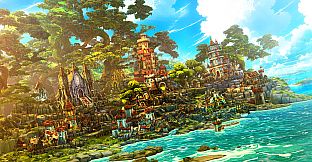
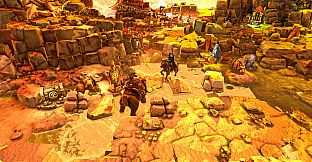
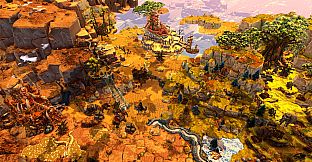
Bramble Guard is a single player fantasy strategy defense game that blends elements of strategy, indie development, RPG progression, and adventure exploration on PC. Players uncover dangerous maps, manage castles, and engage in tactical battles where decisions on the overworld directly influence combat options and long term survival.
Gameplay
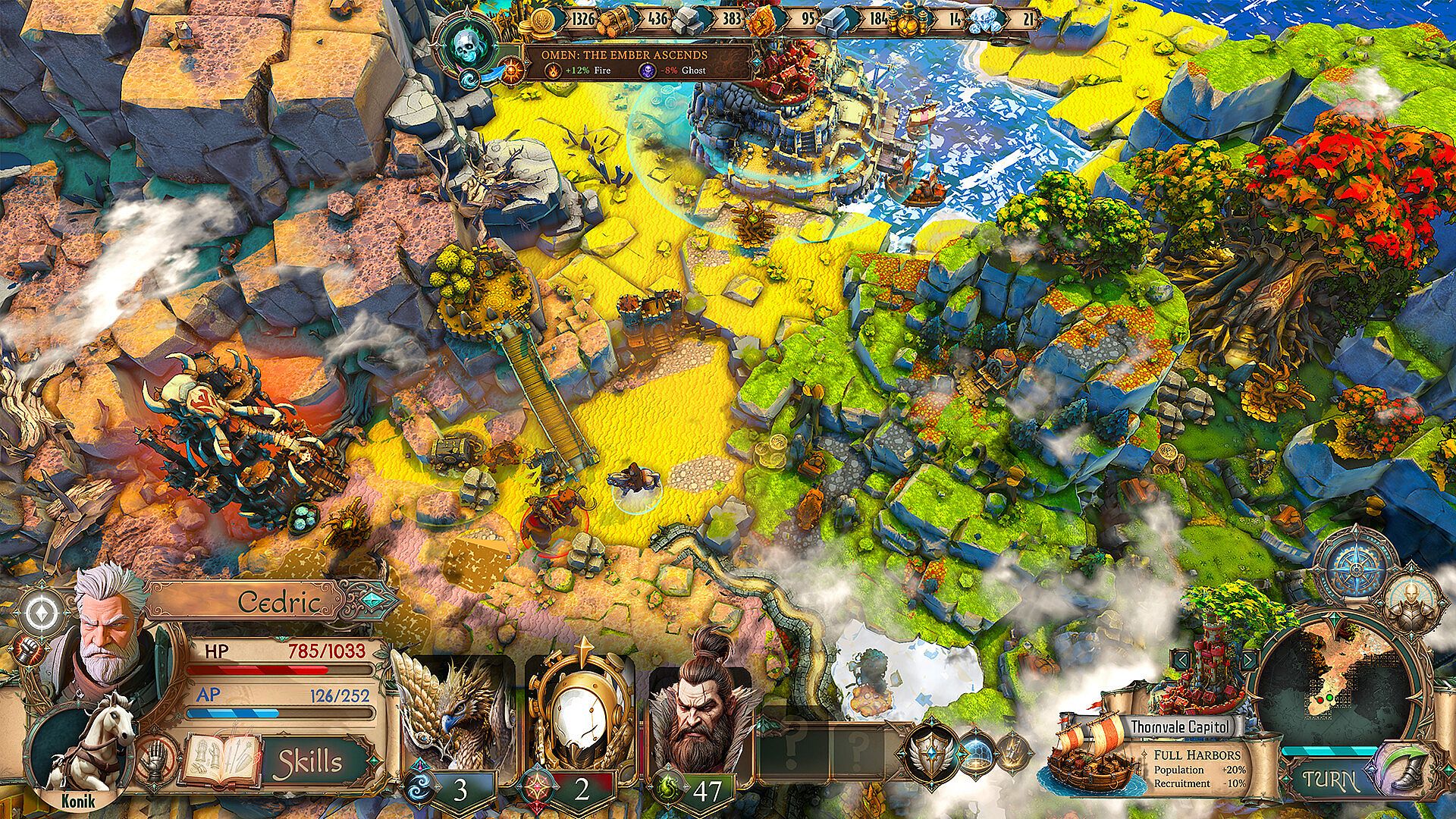
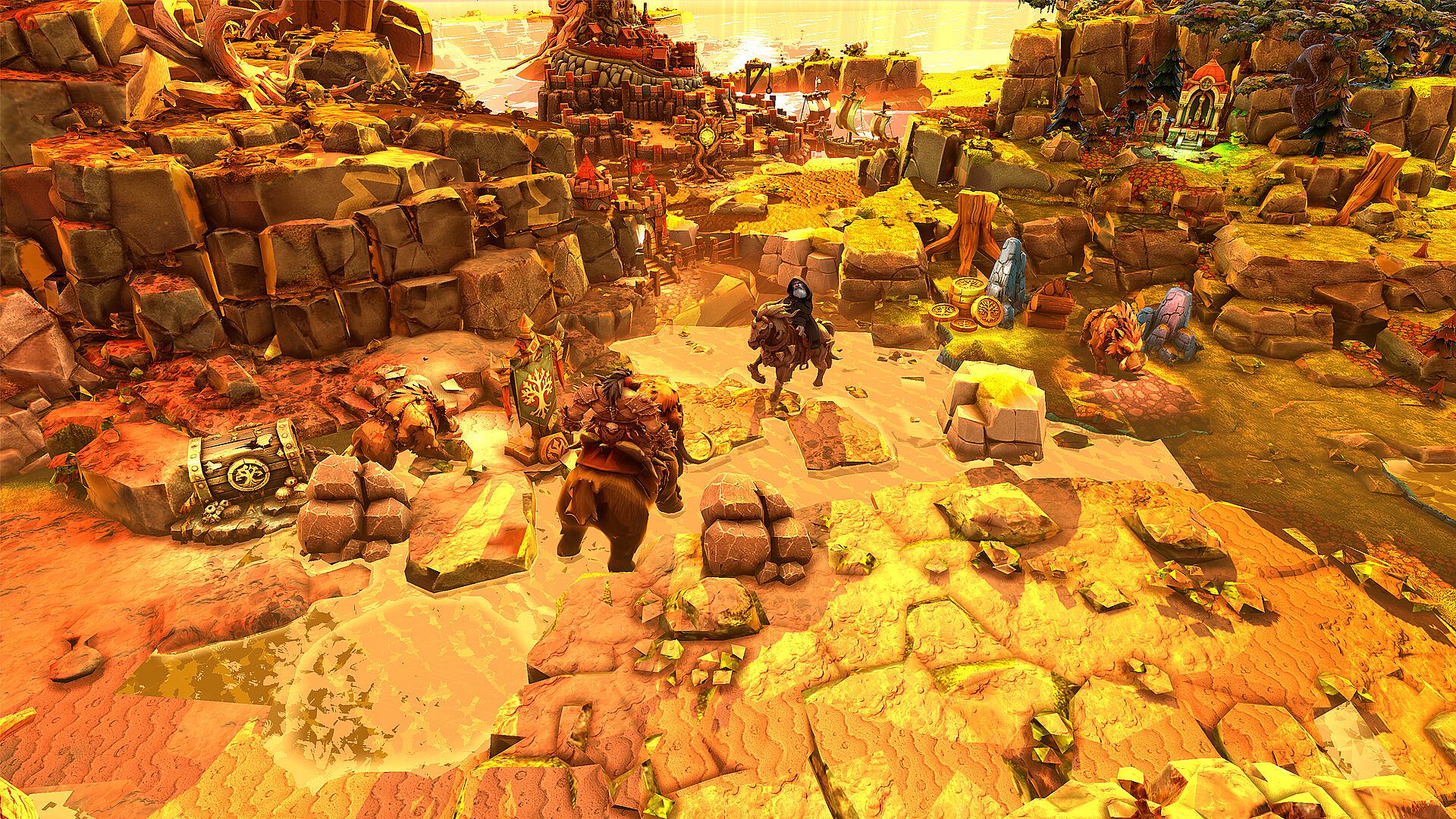
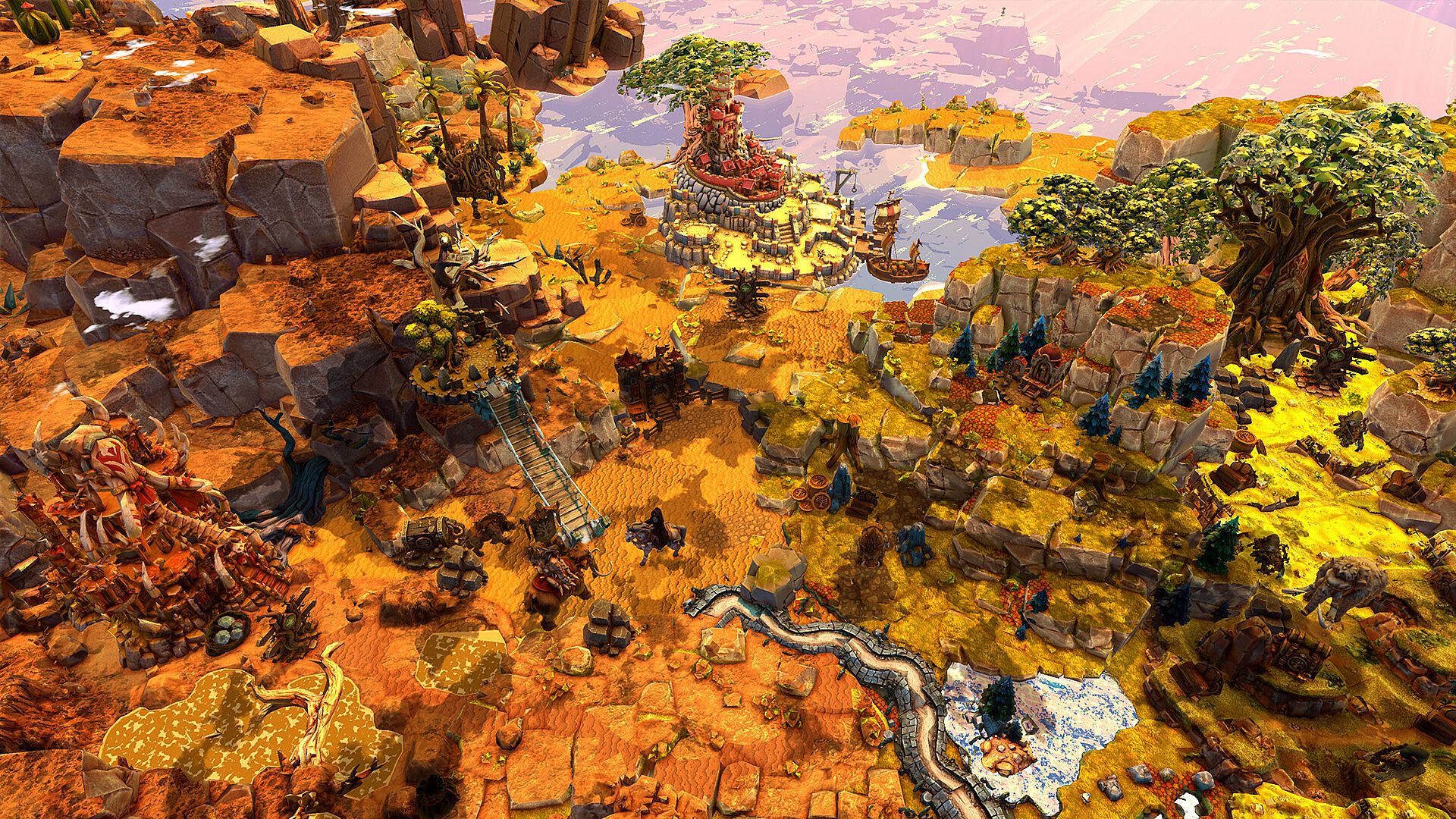
The core loop centers on guiding heroes and their bound forces across branching roads while lifting fog, claiming mines, opening gates, and locating shrines. Each discovery on the map alters available builds, upgrades, and risks for subsequent encounters. Towers function as deployment points rather than static turrets, sending knights to hold positions, archers to strike from range, spearmen to create space, and monks to sustain units. Defenders move physically in visible lanes, allowing the front line to shift as units block advances, fall back, recover, and reengage.
Between fights, resource management and positioning matter. Heroes lead armies that appear on the field only when present, and claimed sites provide ongoing support. Limited movement forces careful choices about which threats to address with supplies each day. The world features distinct regions shaped by castles, races, factions, and lingering old powers, with encounters revealing who remains and how corruption has altered the landscape.
Game Modes
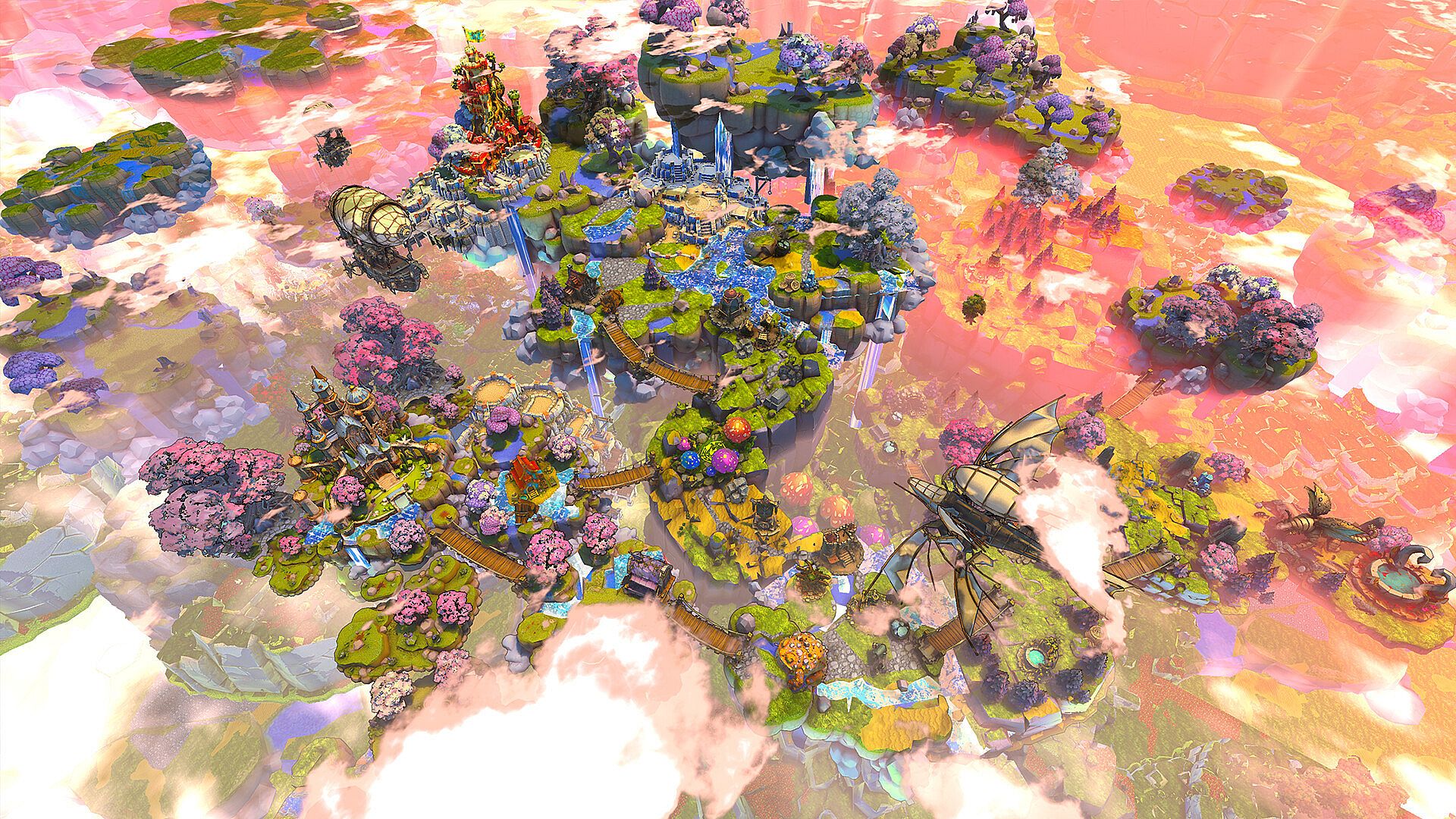
Encounters vary to avoid repetition. Standard tower defense holds a lane against waves, while inverted scenarios apply pressure from unexpected directions. Direct tactical clashes emphasize hero abilities, formations, upgrades, and battle gold over additional towers. Multiple campaign maps replace a single fixed board, requiring players to travel through regions, meet factions through story moments, and secure routes for future expeditions.
Progress carries forward. Salvage from victories, opened roads, strengthened positions, hero growth, and castle developments change what later maps permit. This creates a persistent layer where a successful expedition reduces the difficulty of the next one.
Story and World
The setting draws from a mournful storybook fantasy. Ten memory trees once existed, nine burned, leaving the Heartwood as the final refuge of an ancient order. Corruption spreads from grief rather than outright malice, with the tone shifting gradually from bright readability to creeping sorrow. A deeply interrupting king adds moments of levity amid tired wisdom and beautiful fantasy visuals.
Exploration reveals factions, guardians, settlements, and enemies tied to broken orders and old borders. The map layer supports this narrative through decisions that feel wiser in hindsight, reinforcing the theme of fragile refuge against spreading threats.
Technical Features
Active three dimensional tower defense battles place real defenders into lanes rather than relying on automated firing. Full controller support and Steam Deck verification ensure accessibility across setups. Menus and subtitles appear in ten languages, though voice over remains English only.
System requirements target modern hardware, with minimum specifications including Windows 10 or 11, an Intel Core i5 equivalent processor, and an RTX 3050 level graphics card. Recommended specs scale up to higher end components for smoother performance.
Is It Worth Playing?
Bramble Guard suits players who enjoy single player strategy games that combine overworld exploration with varied defensive encounters. The persistent progress system rewards thoughtful map decisions and resource allocation, while unit deployment mechanics add physical presence to battles beyond simple damage output. As an upcoming title with no released version yet, its appeal rests on the described blend of castle management, hero led forces, and encounter variety that extends past standard tower defense.
Those drawn to indie strategy titles with RPG elements and a somber fantasy tone will find the mechanics align closely with the core promise of uncovering maps and defending a last refuge. Controller support and multi language options broaden accessibility for different play styles and preferences.