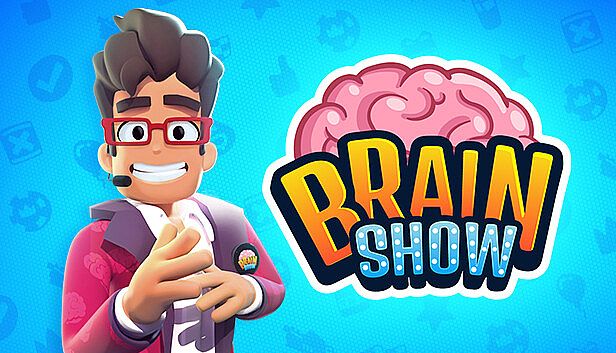



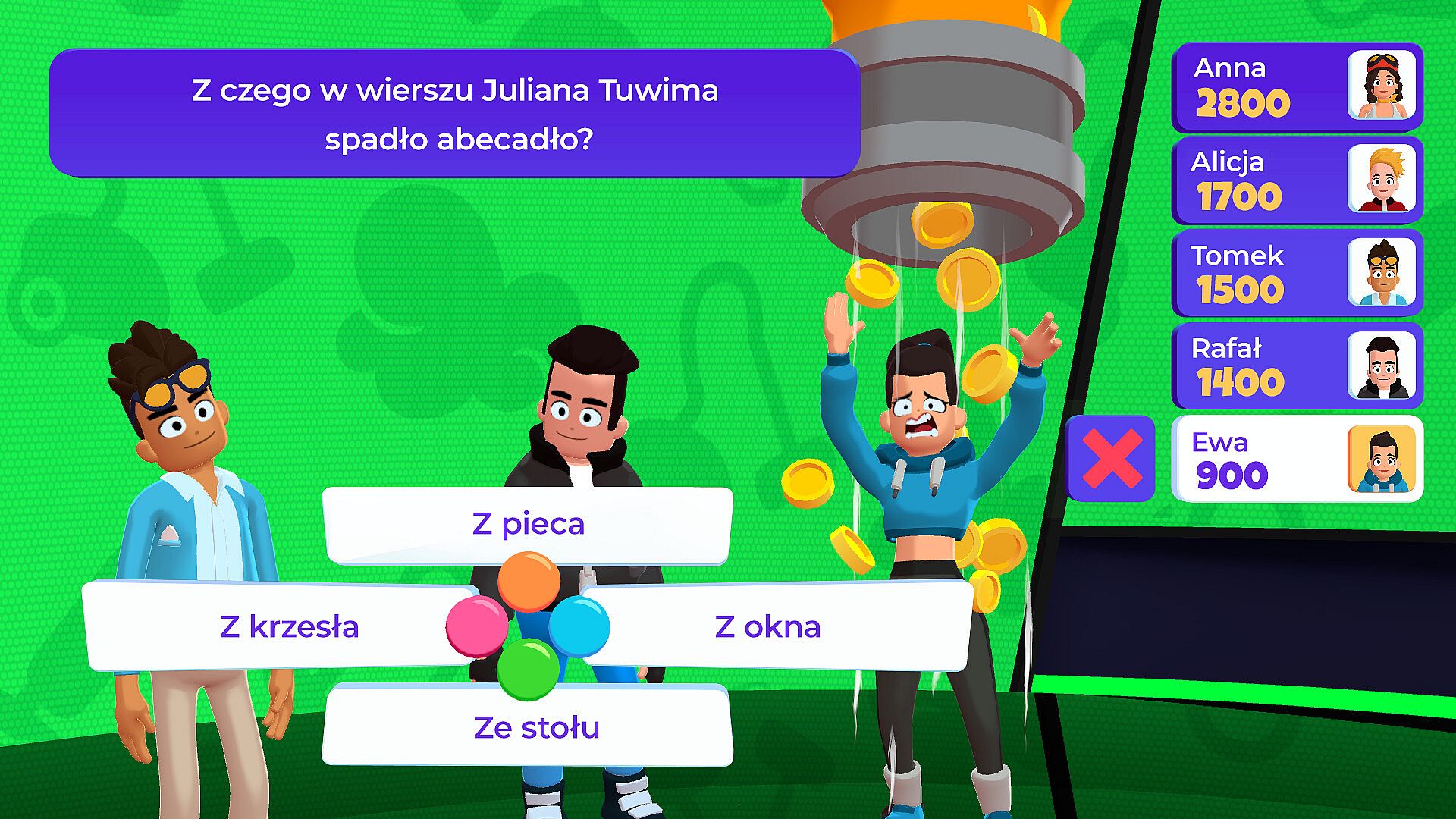
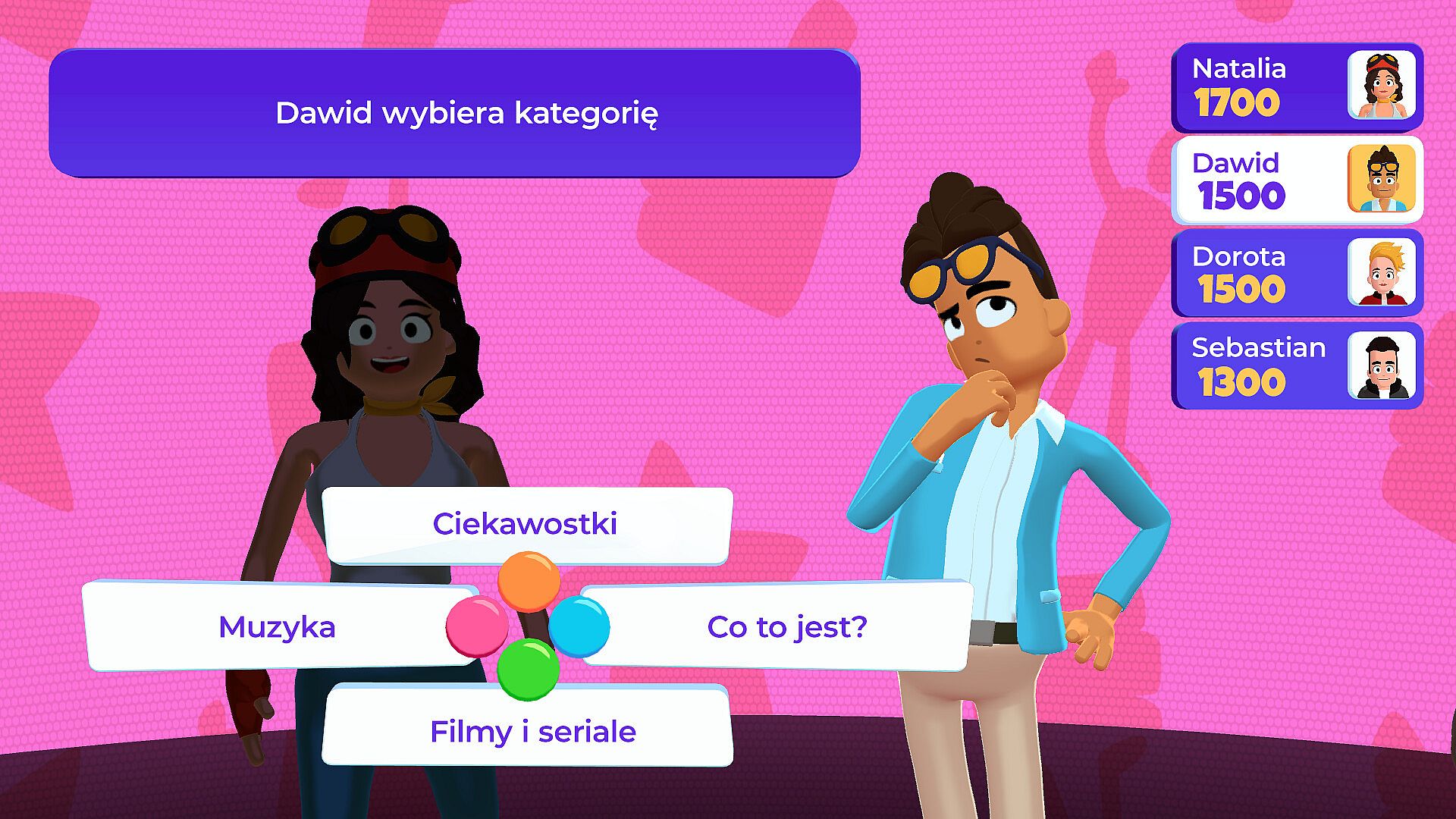
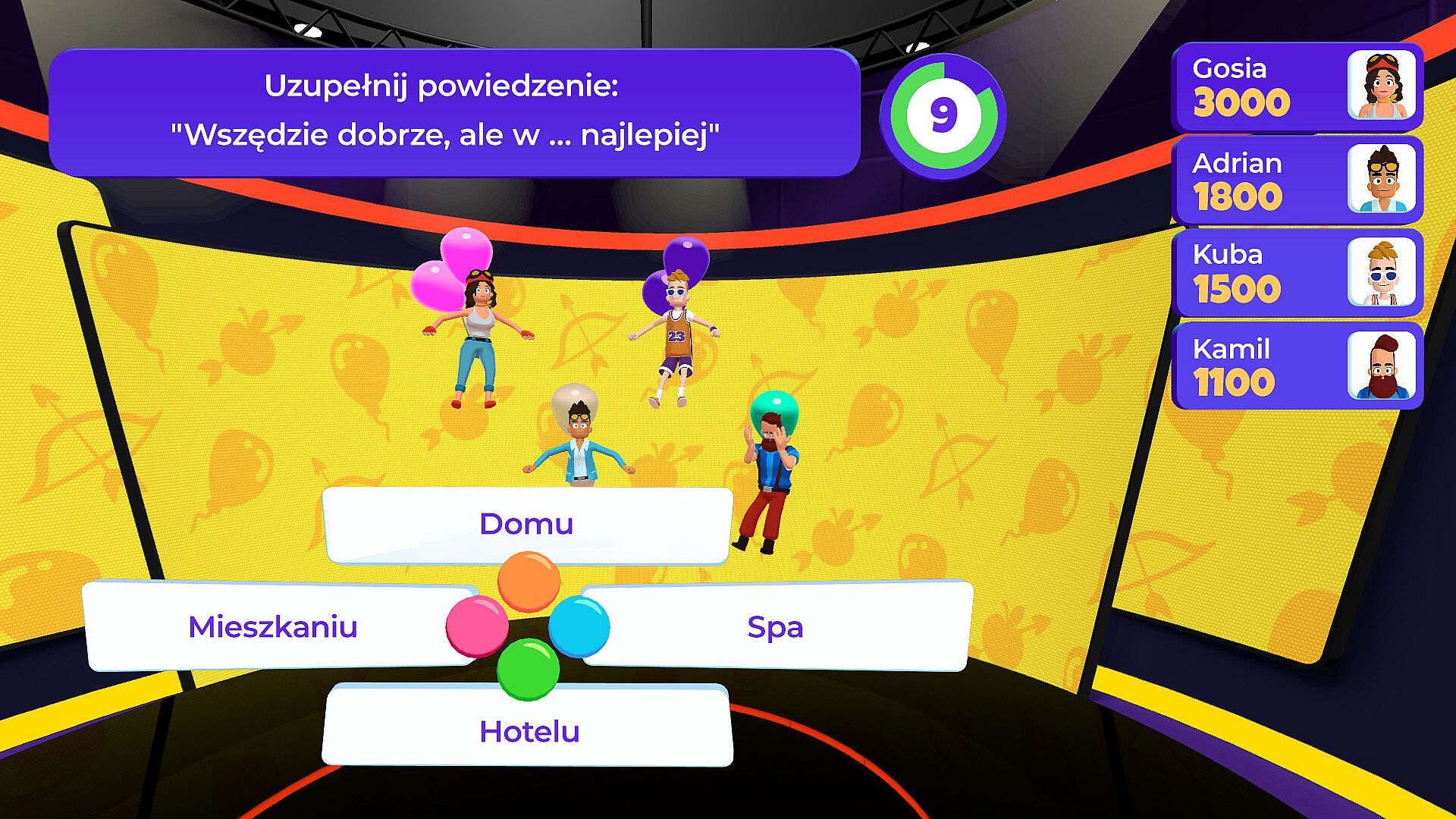
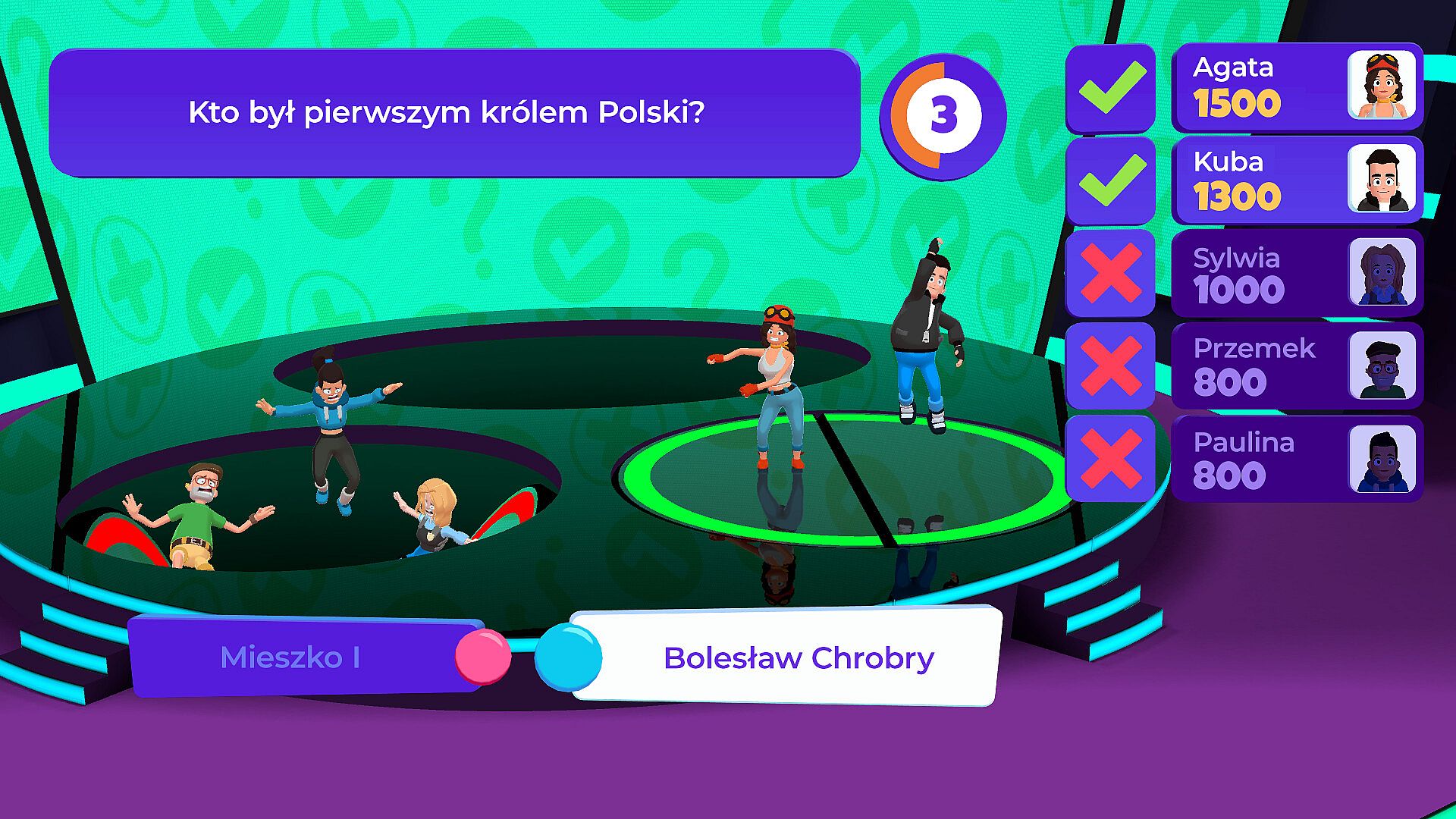
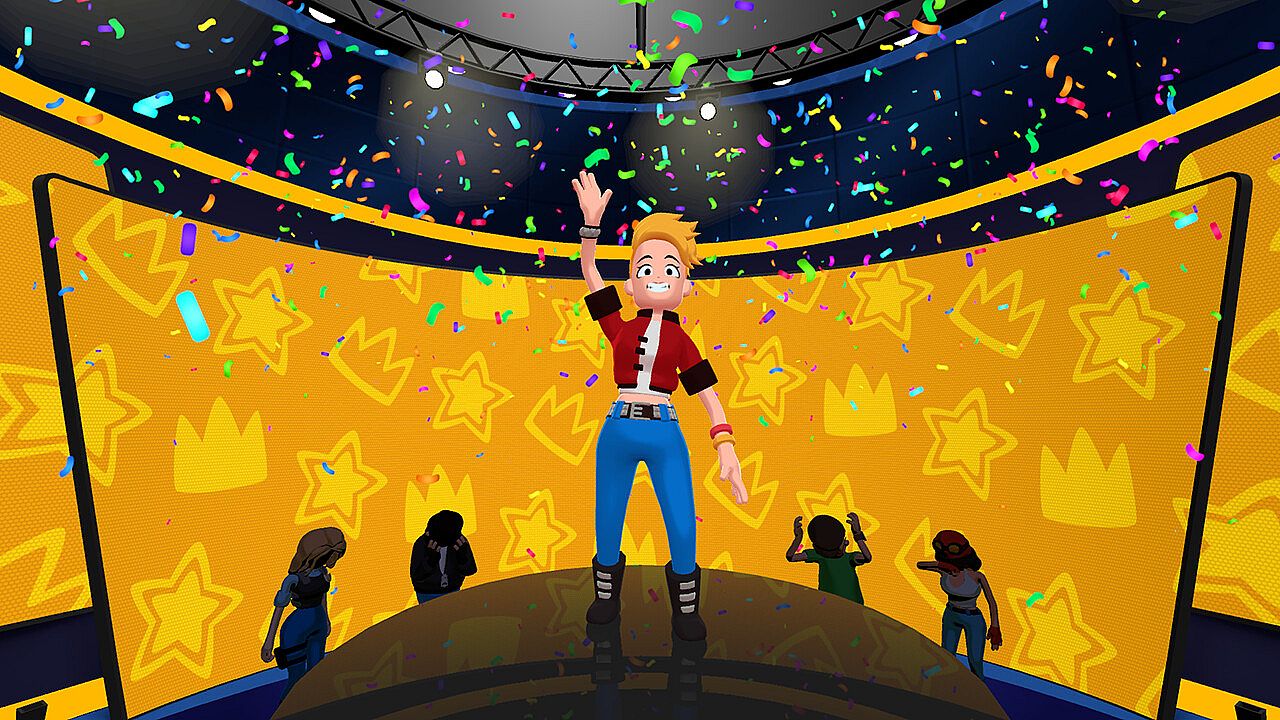

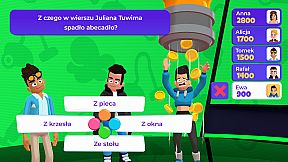
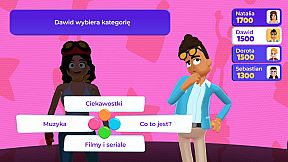
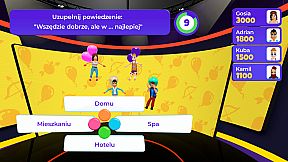
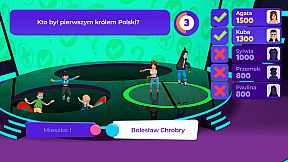
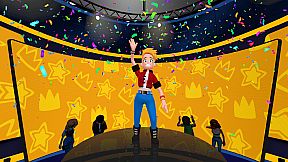
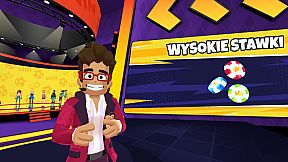
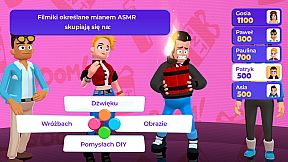
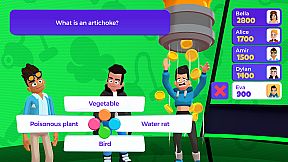

Brain Show: Party Game is a casual indie quiz title built around competitive trivia and lighthearted sabotage. Players gather on a cartoon game show stage to answer questions, rack up points, and undermine rivals through unpredictable challenges. The experience centers on quick rounds of knowledge testing mixed with direct player interaction, making it suitable for groups looking for short, repeatable sessions on PC.
Gameplay
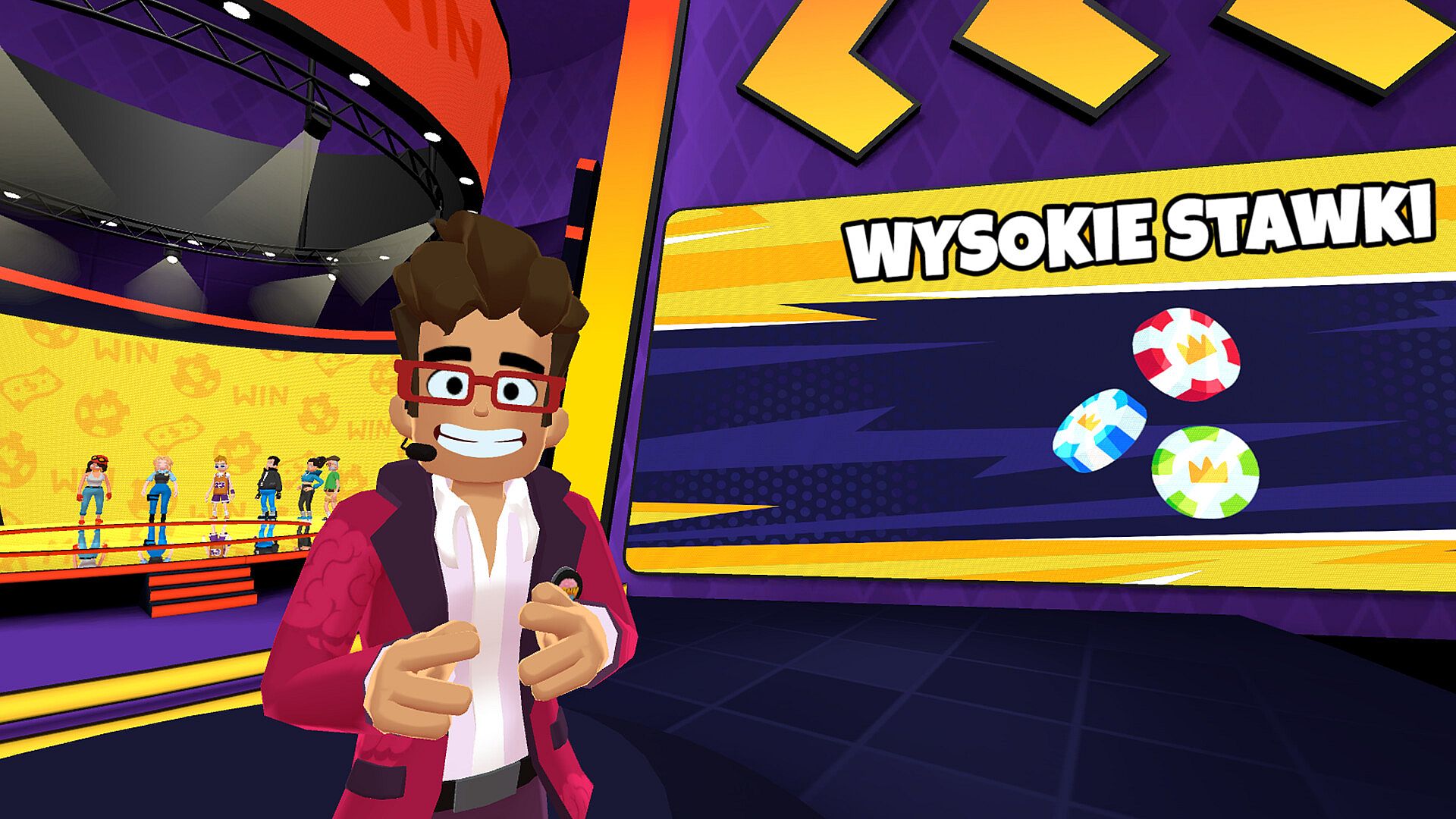
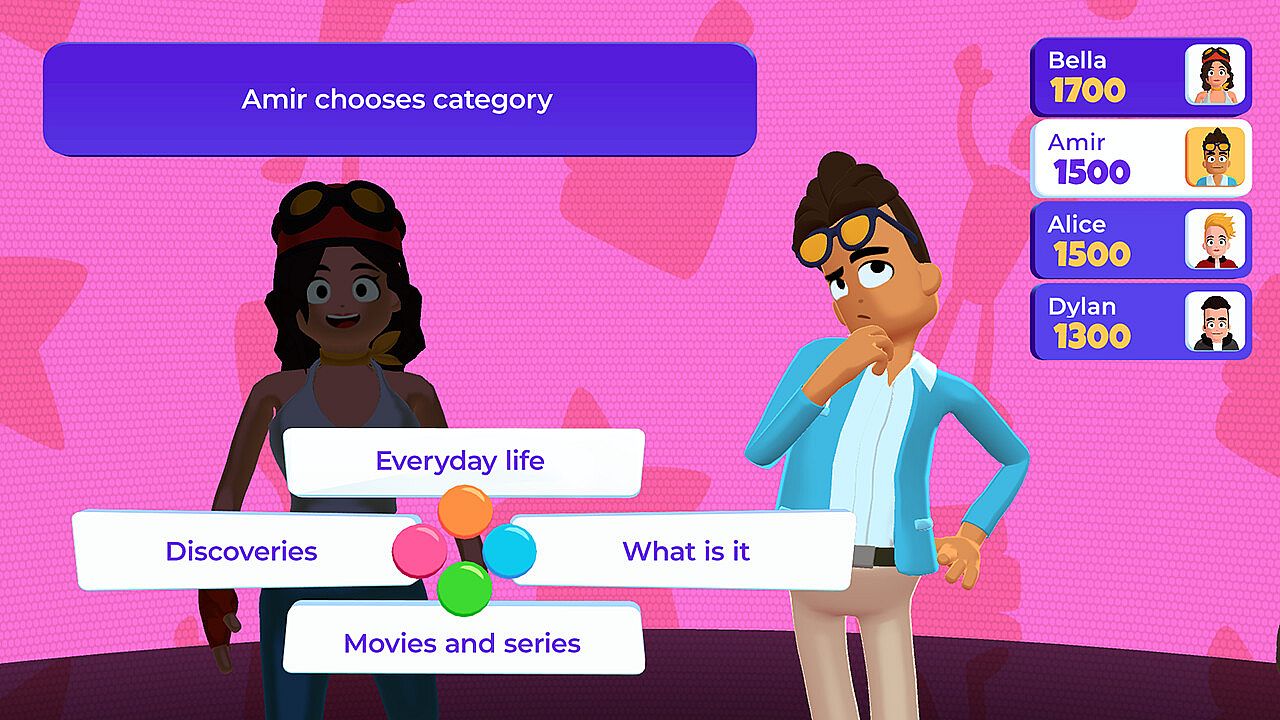
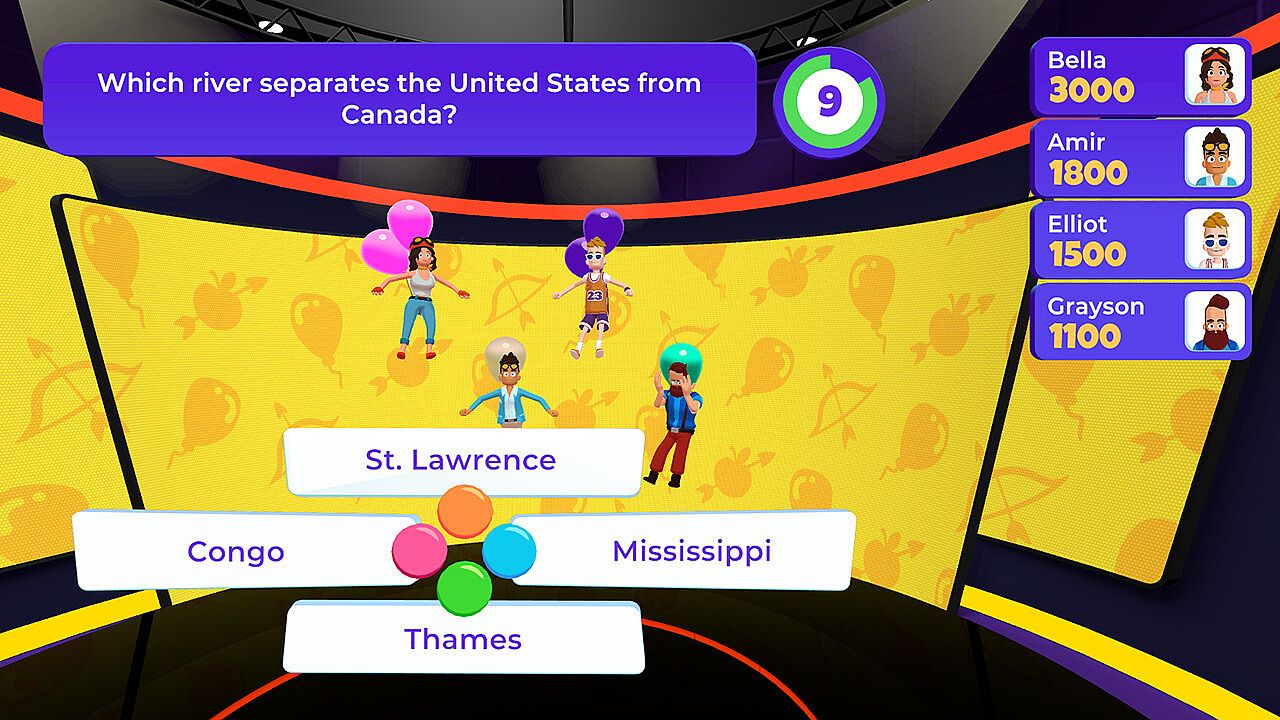
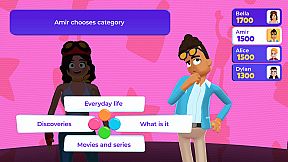
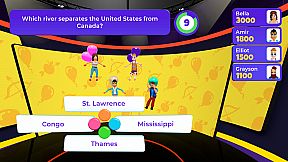
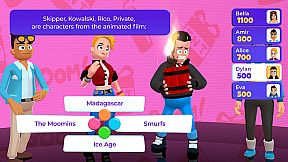
Each match begins with avatar selection from a fixed set of cartoon characters and name choices. A single host delivers commentary throughout, reacting to correct answers, mistakes, and eliminations with a mix of encouragement and playful jabs. Questions draw from a large pool spanning dozens of topics, with one player often selecting the category for the current round. Answers are entered via controller, keyboard, or shared input devices, and the system supports multiple participants without requiring prior experience.
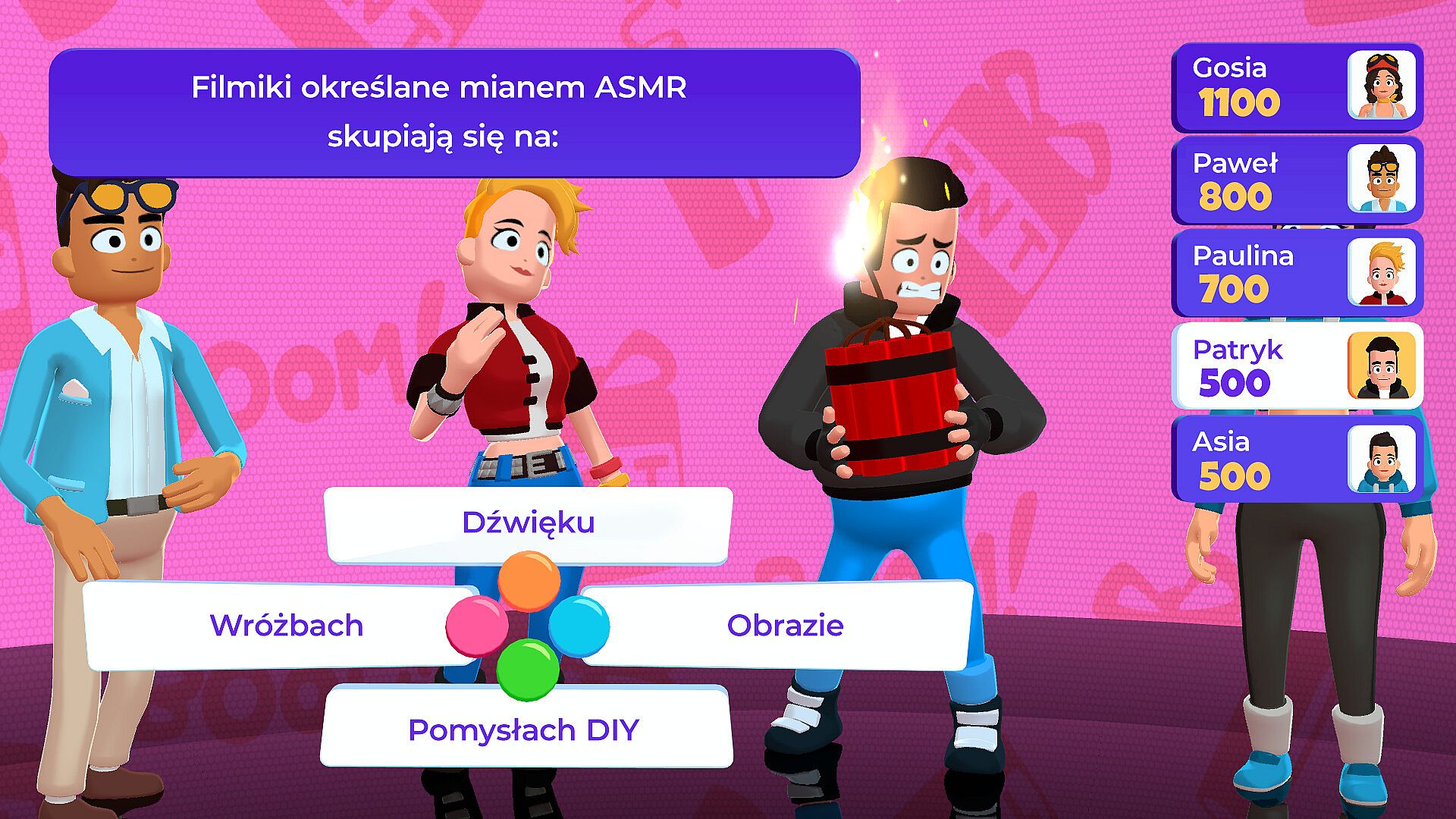
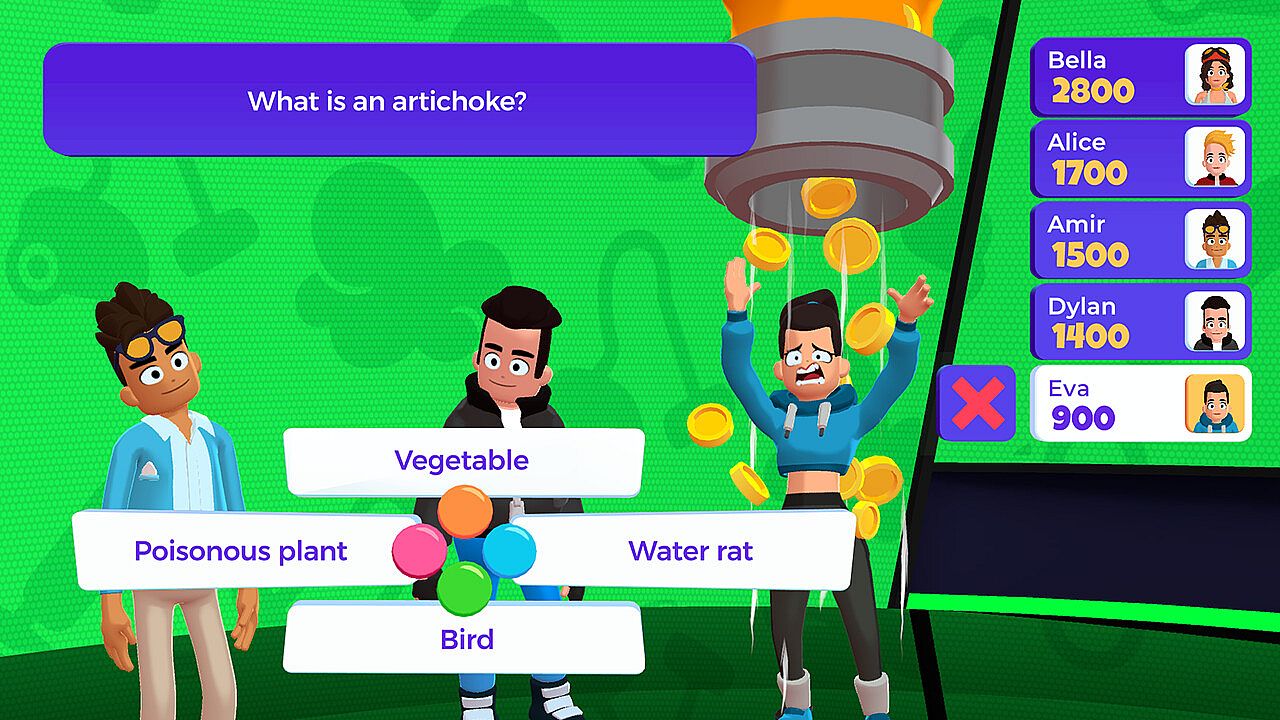
Points accumulate across rounds, but many challenges introduce direct competition. Players might steal from others, force choices, or trigger chain reactions that affect the entire group. The host provides ongoing narration that keeps the pace lively without lengthy interruptions. Accessibility comes from simple button prompts and forgiving timing in most segments, allowing mixed-skill groups to participate immediately.
Game Modes
Two primary options structure play sessions. The standard mode runs through six rounds: the first five pull randomly from a pool of varied competition types, while the sixth serves as a decisive finale. Quick mode shortens the format to a single round or jumps straight into the closing challenge for faster play.
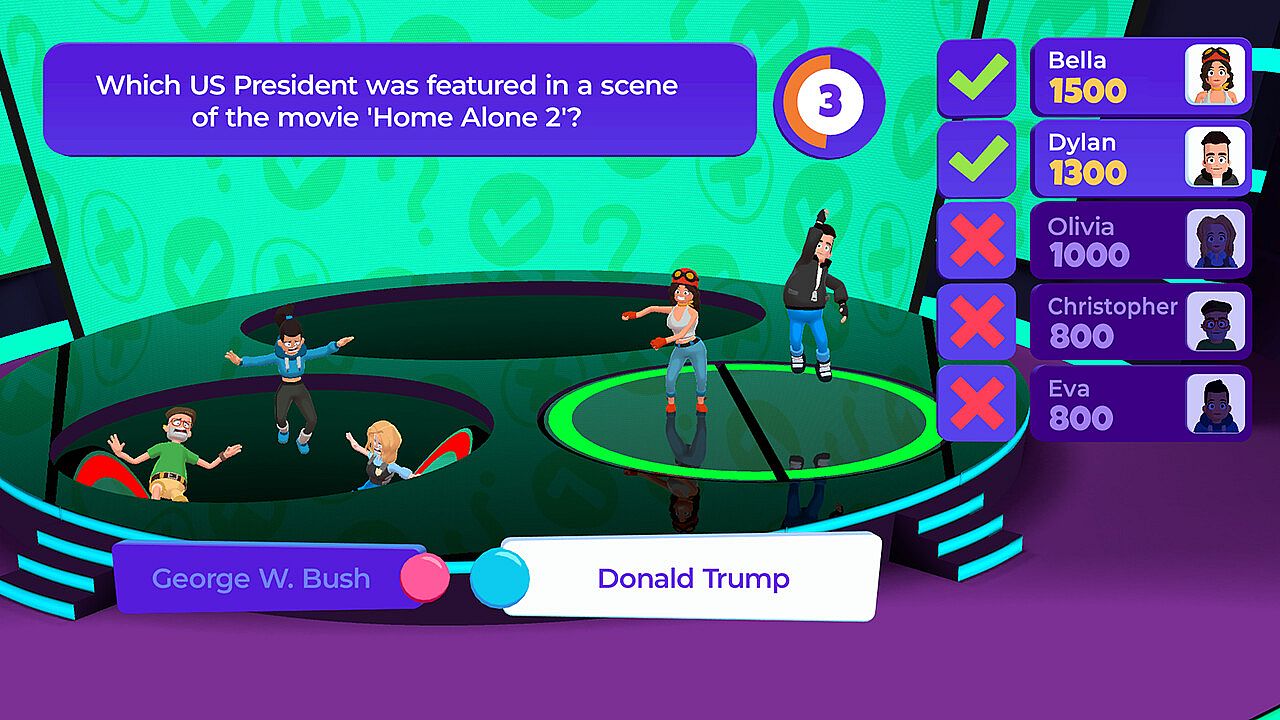
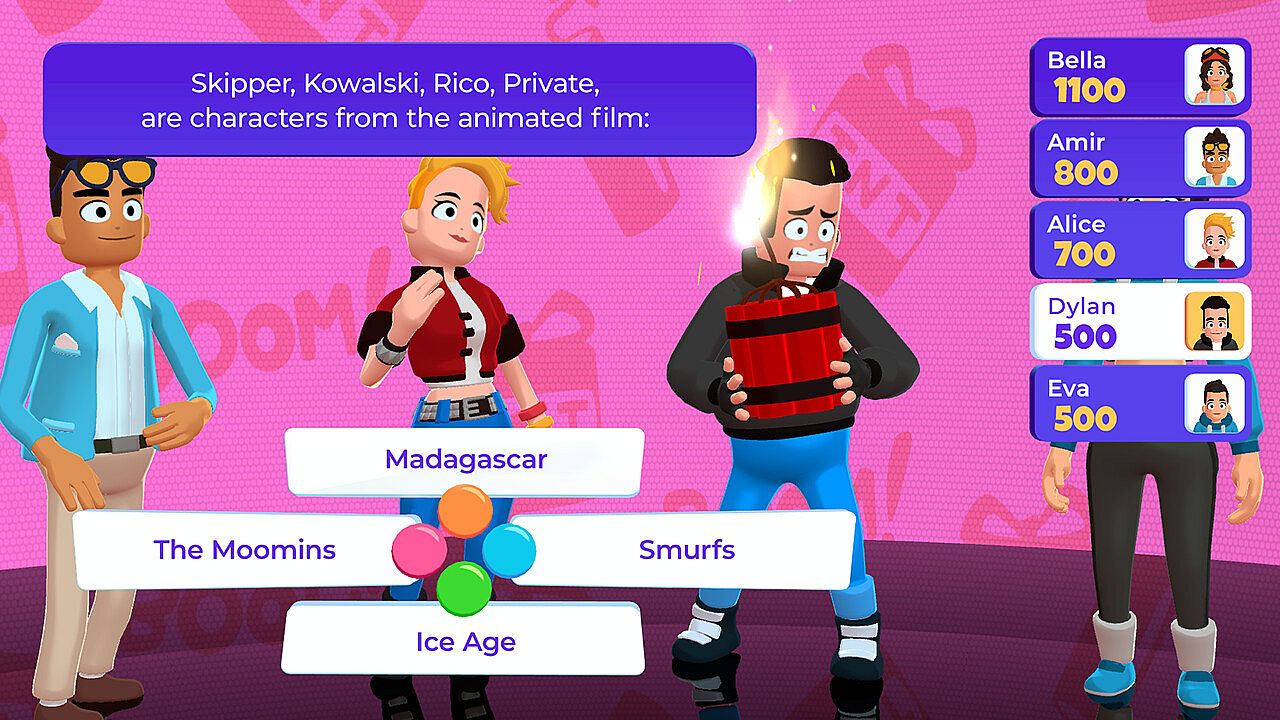
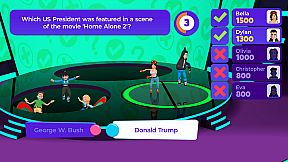
Round variety includes straightforward scoring based on speed or accuracy, point-stealing mechanics, elimination sequences, betting rounds where participants wager on outcomes, and specialized formats like maintaining answer streaks or passing volatile elements between players. The finale converts accumulated points into health values, turning subsequent questions into opportunities to reduce opponents' remaining lives until one player remains.
Multiplayer and Accessibility
Support extends to eight participants in one session through local split-screen or online connections. Only the host requires ownership of the game for remote play sessions, while additional players connect via their own devices or shared hardware. Controls emphasize ease of use, with options for keyboard, controller, or simplified inputs that accommodate newcomers or those less familiar with games.
Matches typically last around twenty minutes in the full format, scaling naturally with group size. The presentation uses bright visuals and upbeat audio cues that reinforce the television game show atmosphere without overwhelming the core trivia focus.
Is It Worth Playing?
Brain Show: Party Game earns a Mostly Positive reception from players who value its blend of trivia and competitive twists. Reviews highlight the round variety and humorous host as strengths for social gatherings, while noting occasional issues with question phrasing or multiplayer stability. The title suits groups seeking light competition and quick entertainment rather than deep single-player progression or ongoing updates.
It performs best with three or more participants who enjoy both knowledge tests and direct player interference. Those preferring purely cooperative or solo quiz formats may find the sabotage elements less appealing. Current player counts remain modest, but the core loop delivers consistent short sessions for parties or family events on PC.