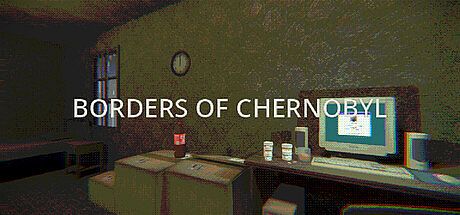


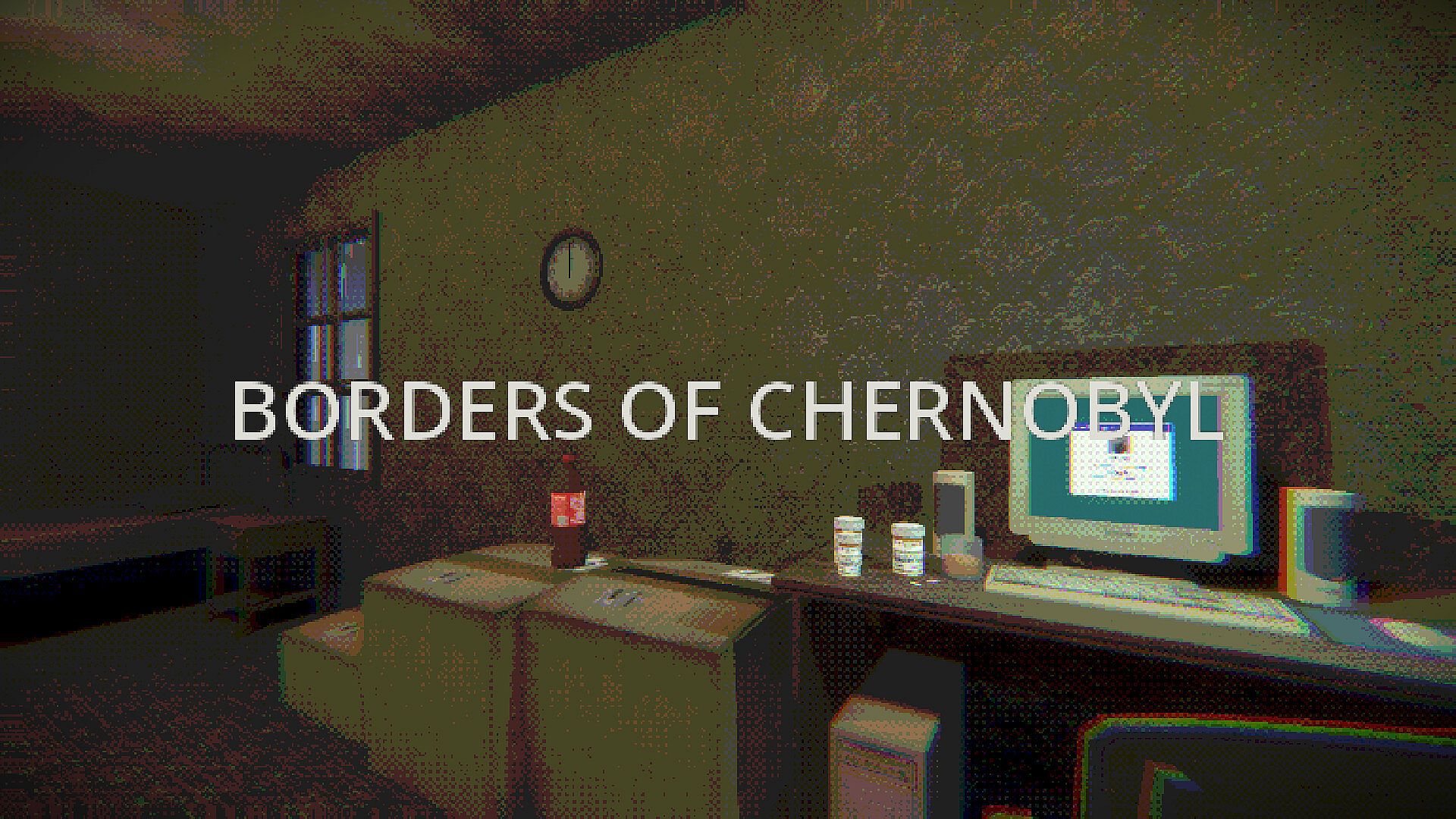
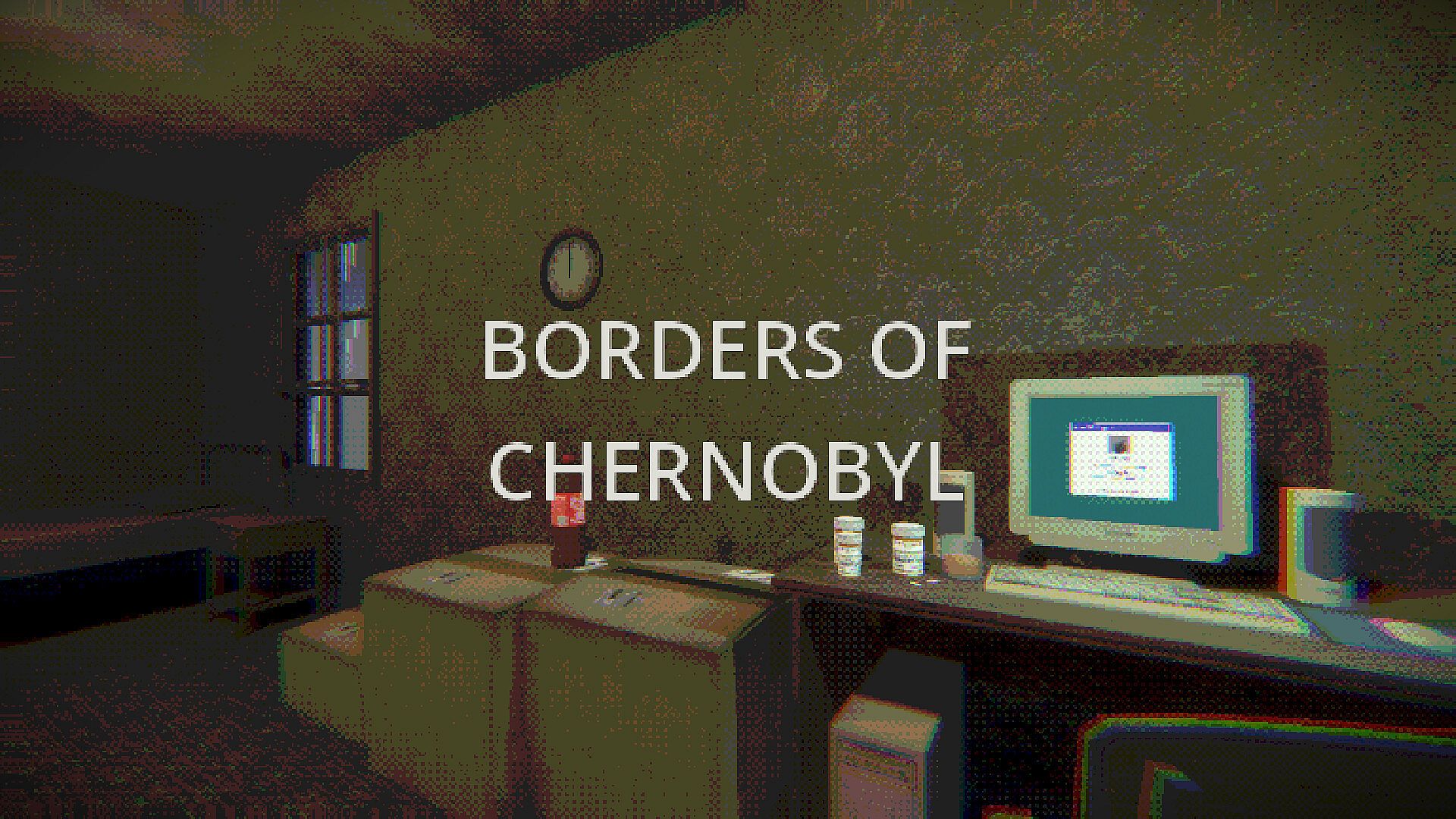
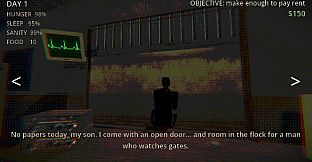
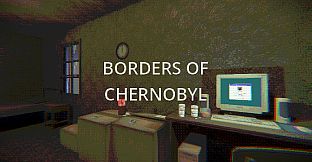
Borders of Chernobyl is an indie casual horror game for PC in which players take on the role of a border officer named Sam at a checkpoint in an alternate timeline where the Chernobyl reactor avoided its historical meltdown. The government instead pursues a covert program of releasing radioactive chemicals into local water and food supplies, leading to subtle but growing signs of contamination among travelers. The experience centers on document inspection combined with personal survival management during off hours.
Gameplay
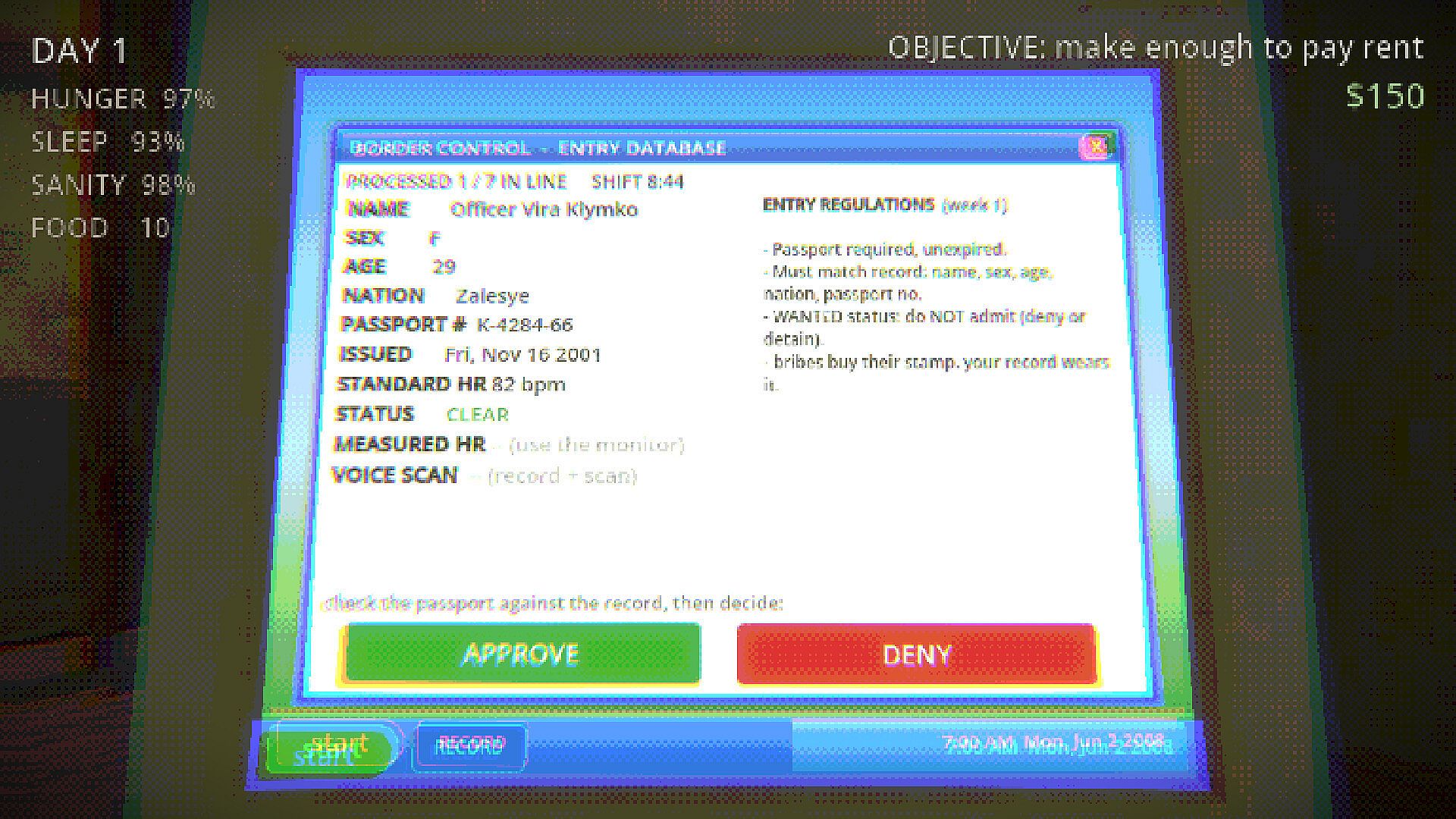
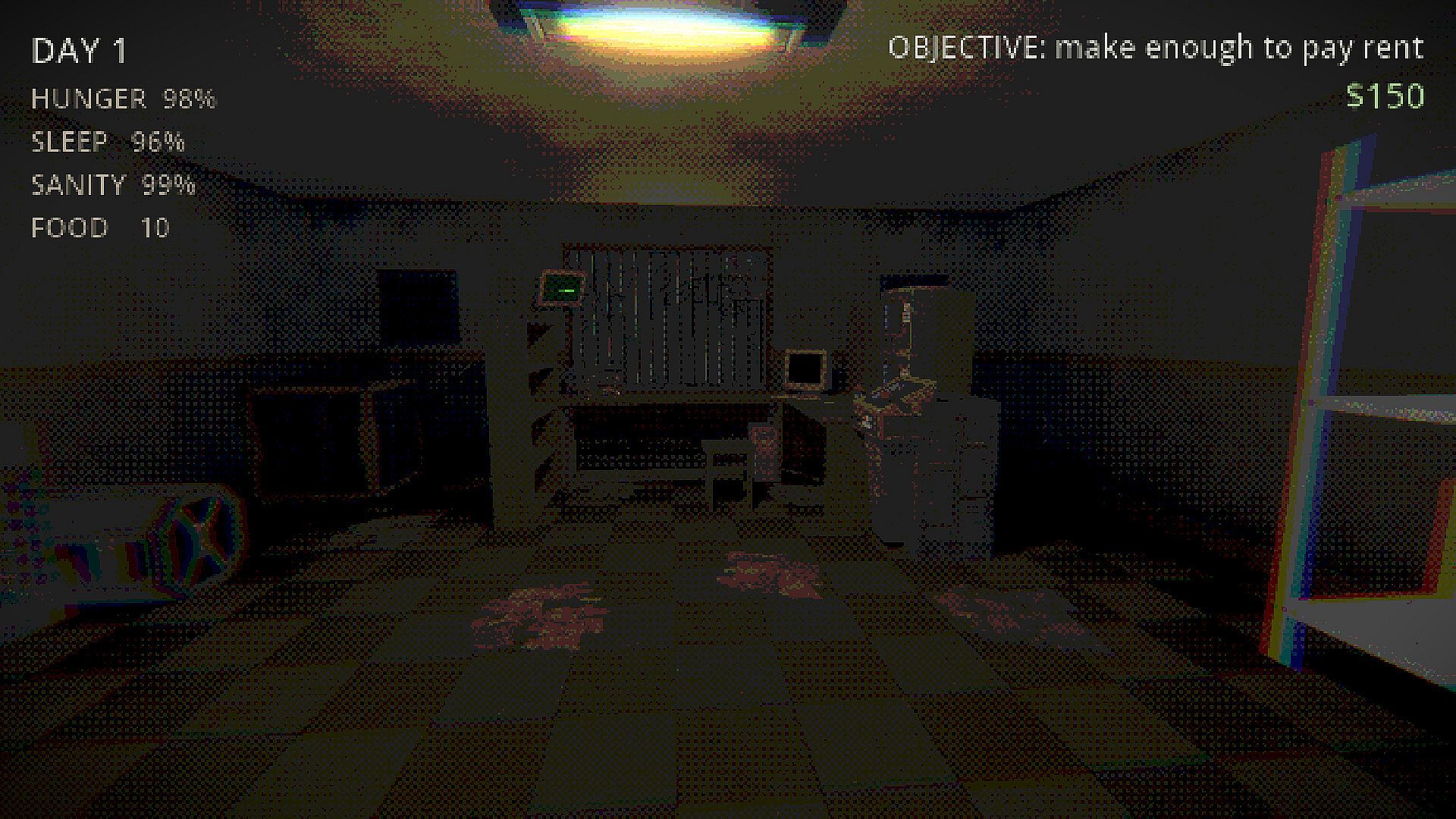
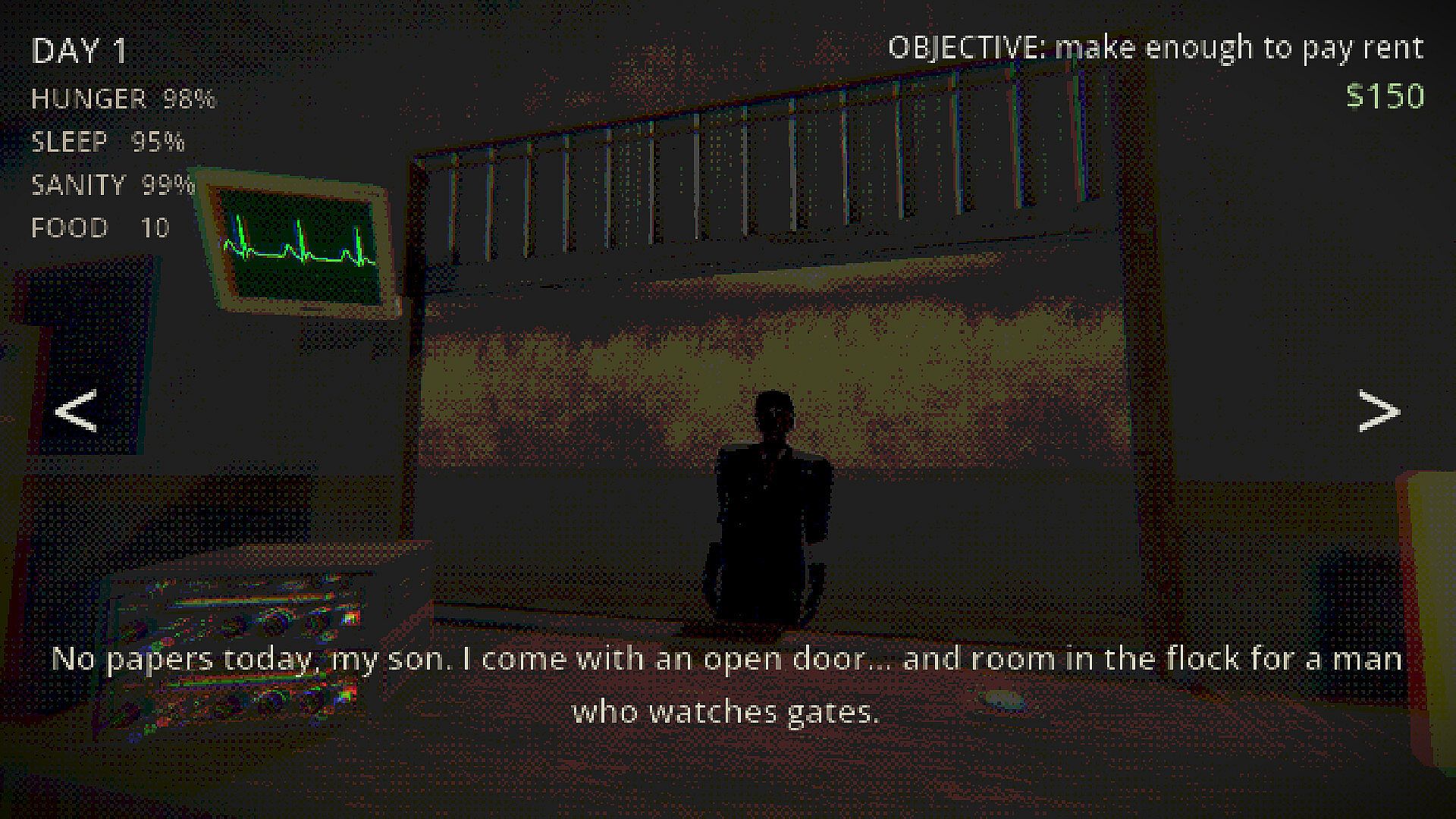
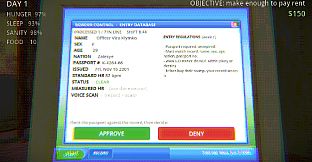
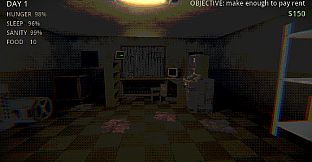
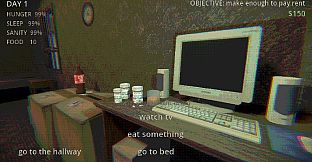
The core loop places players inside a checkpoint booth where they examine passports and official travel documents for validity. Decisions involve granting entry to those with proper papers or denying access to anyone presenting fraudulent or incomplete identification. Attention must also turn to visual cues that suggest travelers may carry contamination, as some appear altered in ways that hint at non-human traits emerging from prolonged exposure. Shifts end with a return to a deteriorating apartment that serves as the only compensation for the work, where basic needs require active attention to maintain effectiveness on subsequent days.
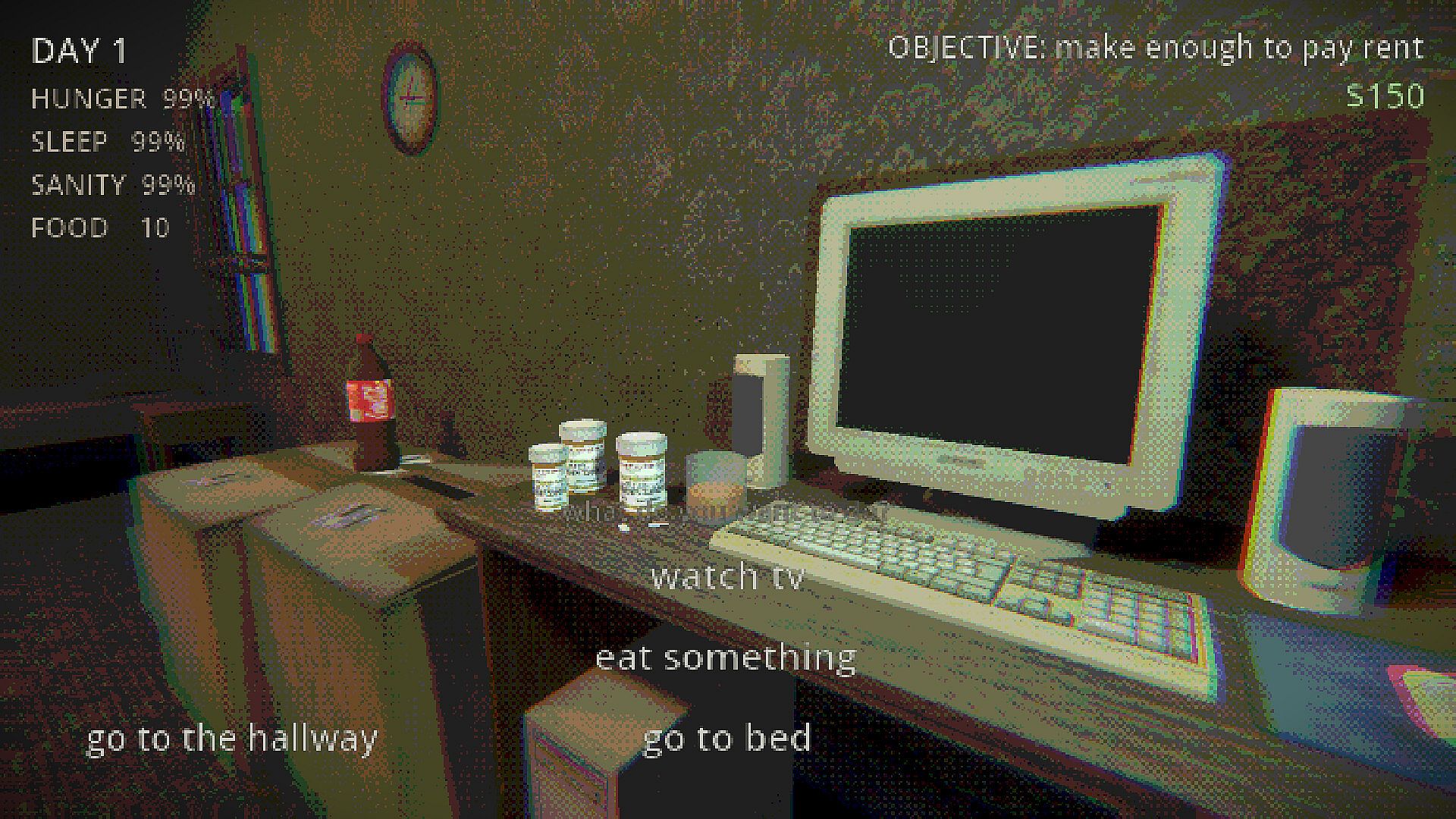
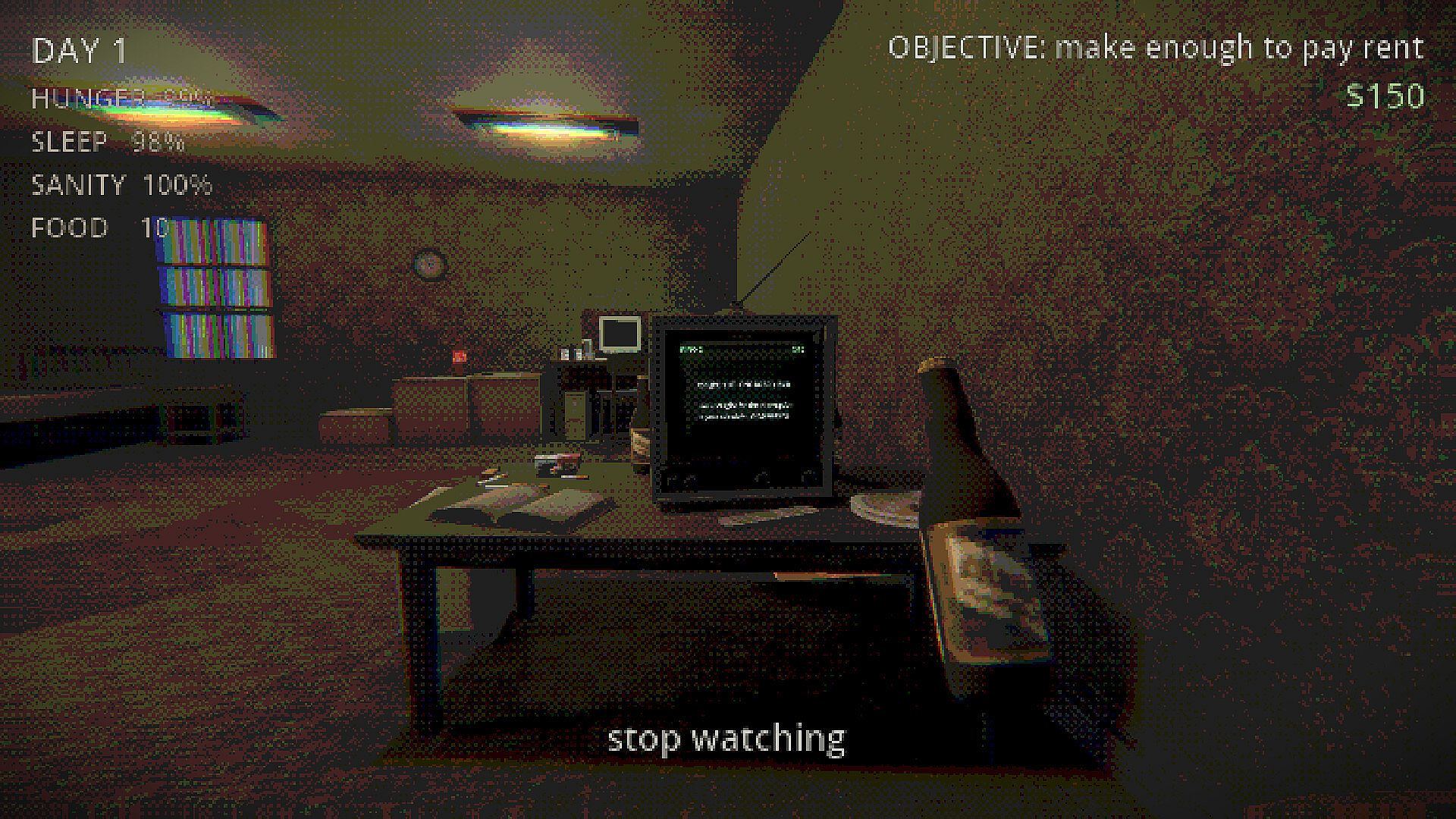
Resource management forms a key part of staying functional. Hunger levels need regular attention through available food options, while sleep schedules must be balanced against the demands of the job to avoid fatigue. Sanity represents another critical factor that can degrade from the psychological strain of the role and the surrounding environment, influencing overall performance if left unchecked. These systems create a steady rhythm of inspection work followed by personal upkeep in a setting marked by quiet dread rather than overt action.
Game Modes
The game operates as a single continuous experience focused on sequential shifts at the border checkpoint. Each shift builds on the previous through accumulating effects from document checks and the ongoing management of personal conditions between them. There are no separate competitive or cooperative modes, keeping the focus on the solitary routine of verification and survival within the established rules of the checkpoint.
Progression occurs naturally as players refine their ability to spot inconsistencies in paperwork while simultaneously balancing the three main personal stats. The structure emphasizes repetition with increasing tension, as the effects of the broader contamination begin to influence the types of individuals arriving at the gate.
Setting and Atmosphere
The alternate history premise keeps the reactor intact yet introduces a layer of institutional secrecy around chemical releases that affect the population. This backdrop frames the daily work at the checkpoint as the front line against spreading anomalies. The environment stays grounded in routine procedures rather than large-scale exploration, with the horror emerging from the slow realization that some travelers no longer fit expected human patterns.
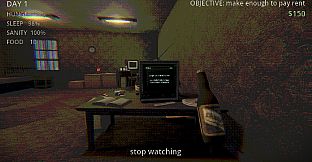
Sound and visual details reinforce the isolation of the booth and the rundown apartment. Subtle changes in traveler behavior and appearance provide the main source of unease, encouraging careful observation without relying on jump scares or combat.
Is It Worth Playing?
Borders of Chernobyl suits players who enjoy deliberate, inspection-based gameplay paired with light resource management in a horror context. The indie casual approach delivers a focused loop that rewards attention to detail during document reviews and consistent upkeep of hunger, sleep, and sanity. Those drawn to atmospheric singleplayer experiences with psychological elements may find the steady shift structure engaging, especially if they appreciate games built around observation and quiet decision making rather than fast action.
The title remains available on PC through standard digital storefronts. Its straightforward mechanics and contained scope make it accessible for shorter sessions, though the cumulative pressure from repeated shifts adds depth for those who continue across multiple in-game days. Players seeking intense survival horror or expansive open worlds will likely find the experience too restrained, while fans of checkpoint simulators or management titles with a dark twist could appreciate its specific blend of tasks.