






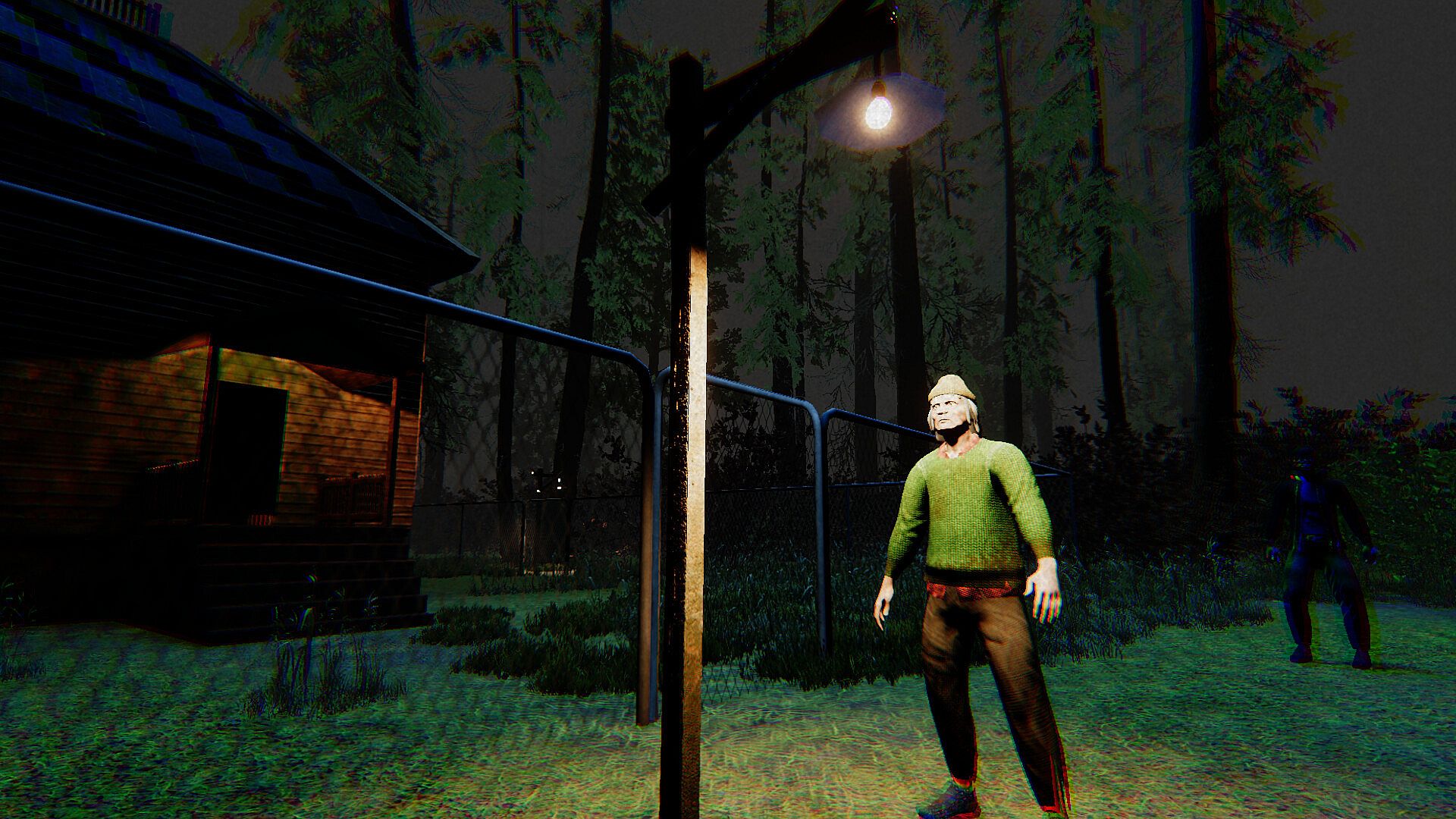
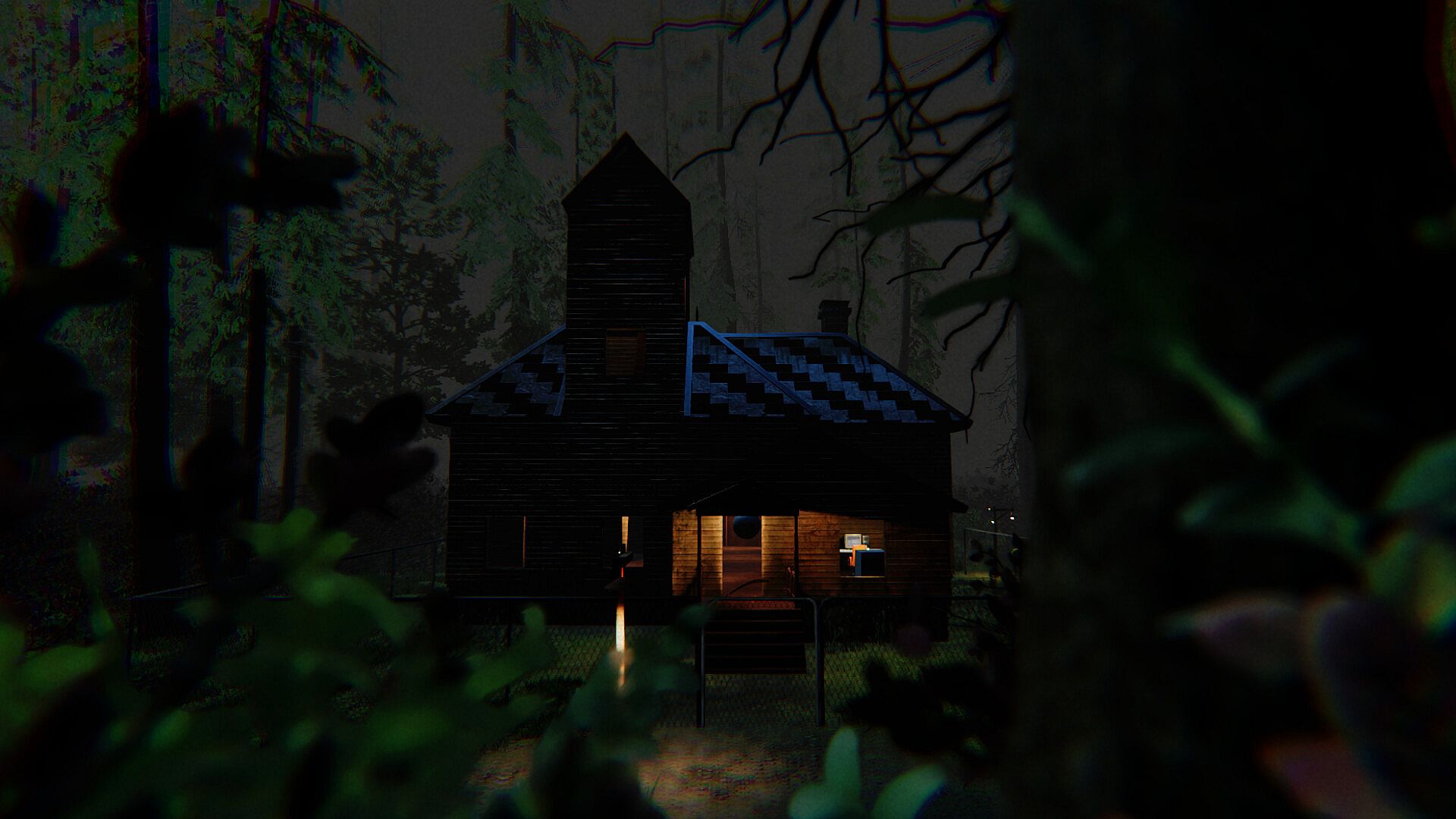
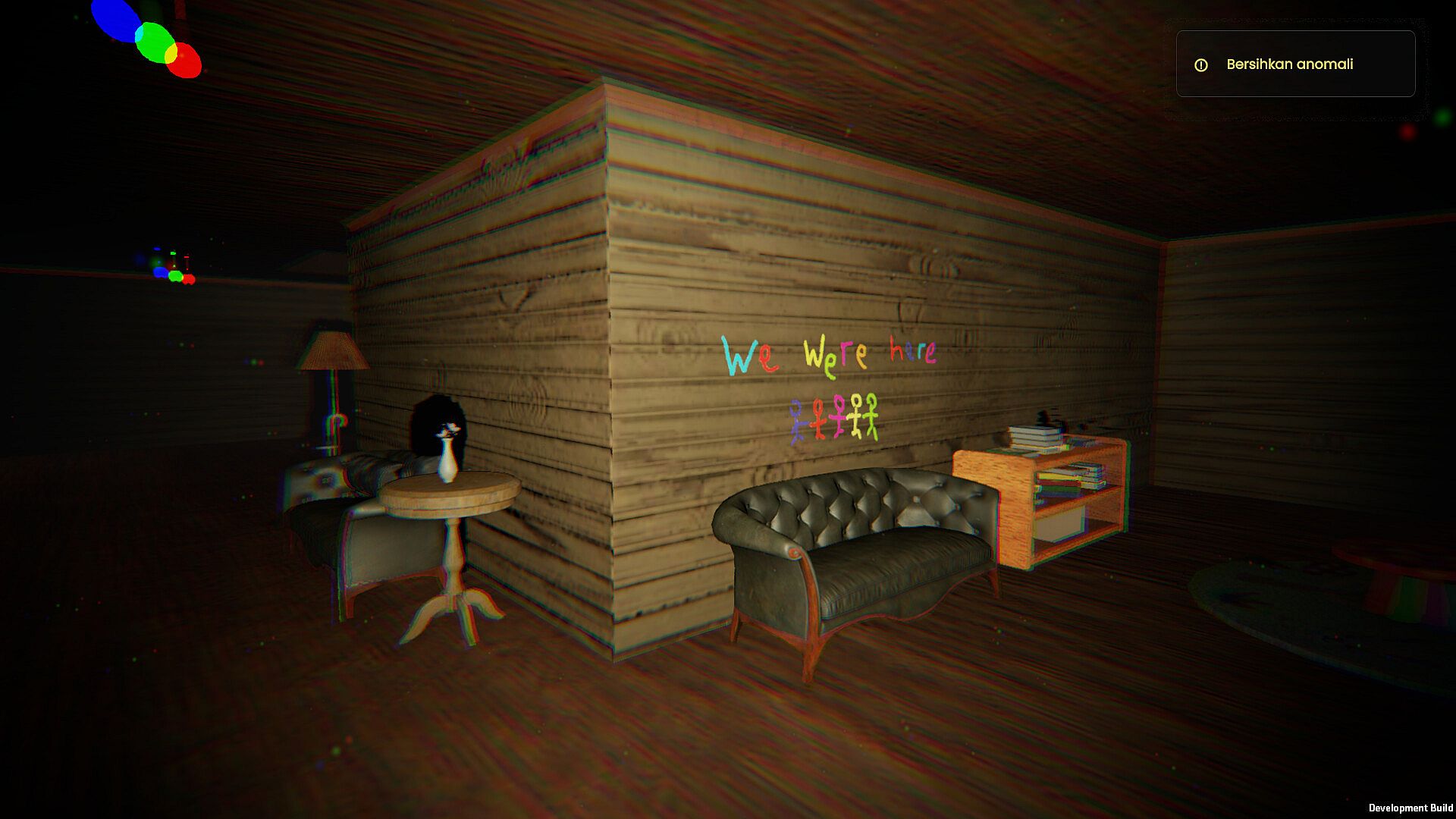
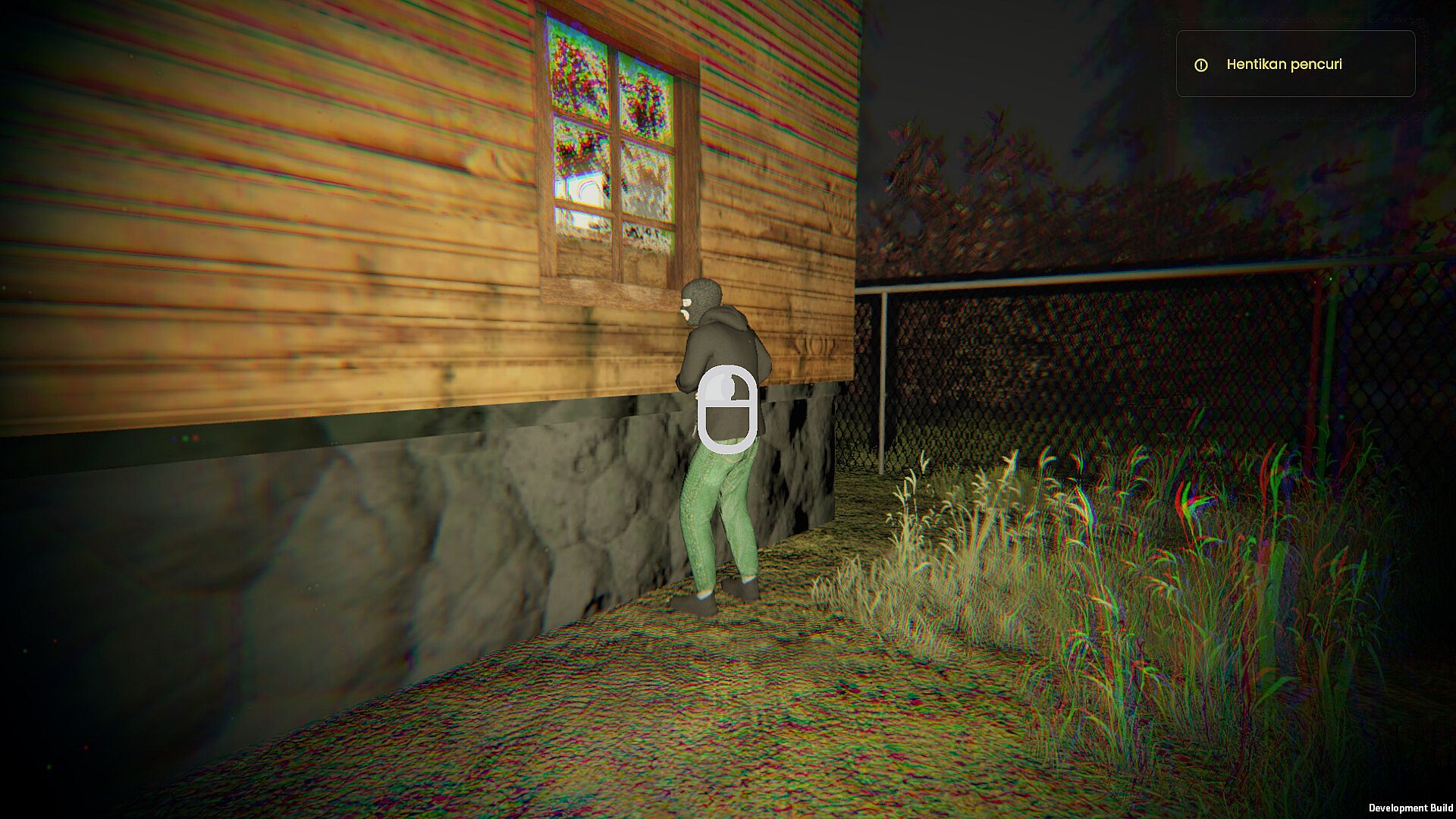
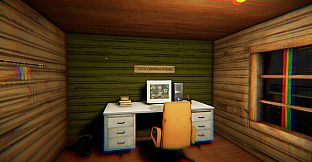
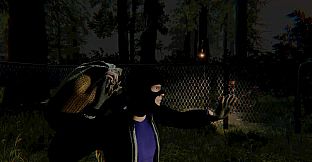
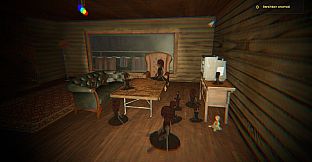
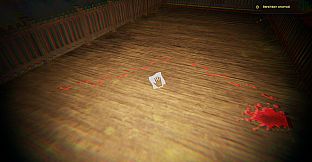
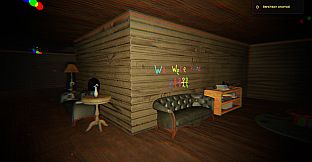
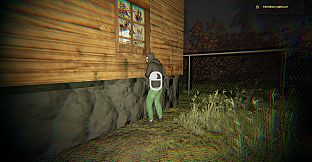
Boarding House: Night Shift is an indie simulation game on PC that places players in the role of a night-shift caretaker tasked with overseeing an isolated property. The premise begins with what appears to be routine duties but shifts rapidly into a survival scenario once midnight arrives and unexplained phenomena emerge throughout the building.
Gameplay
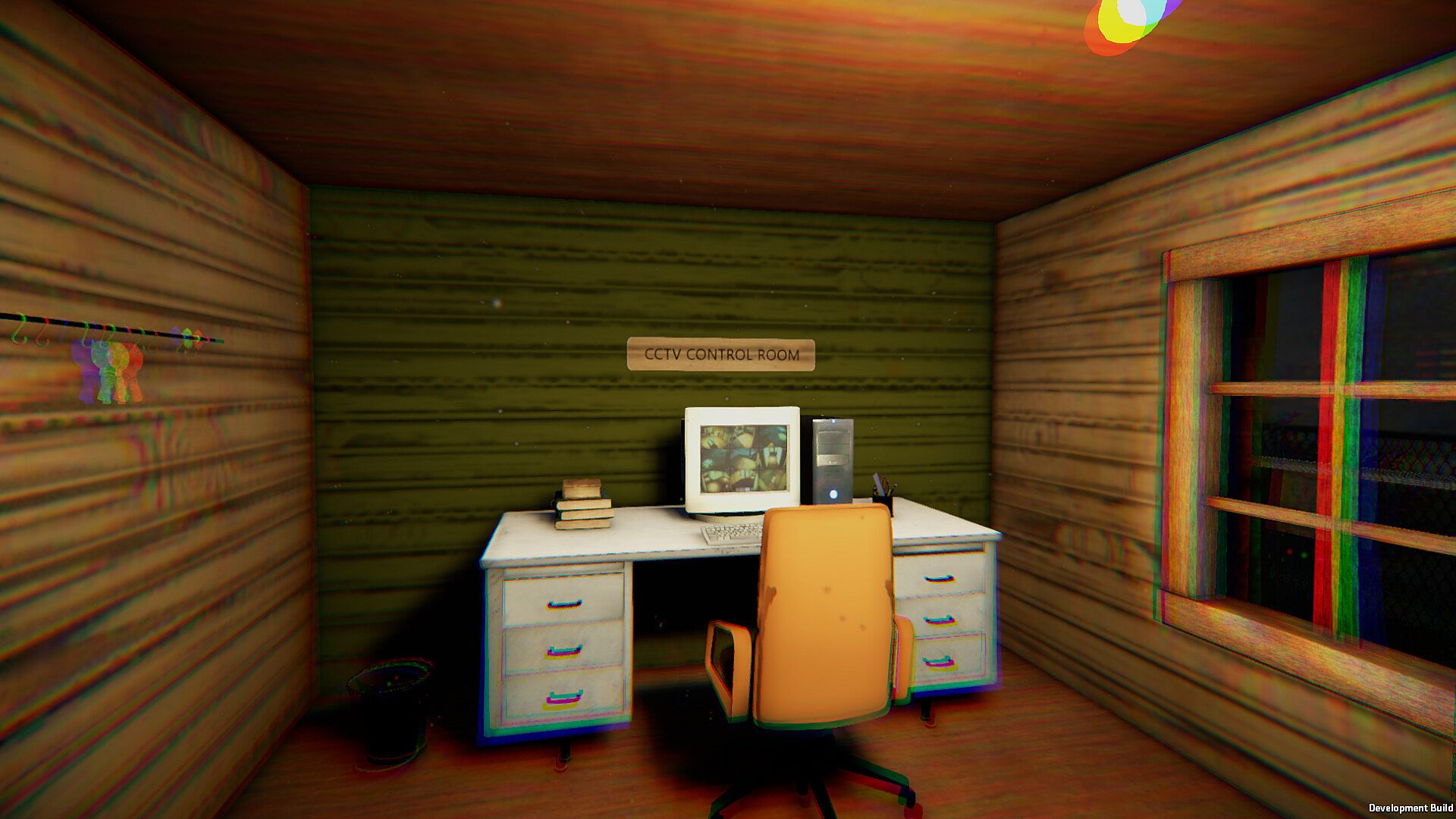
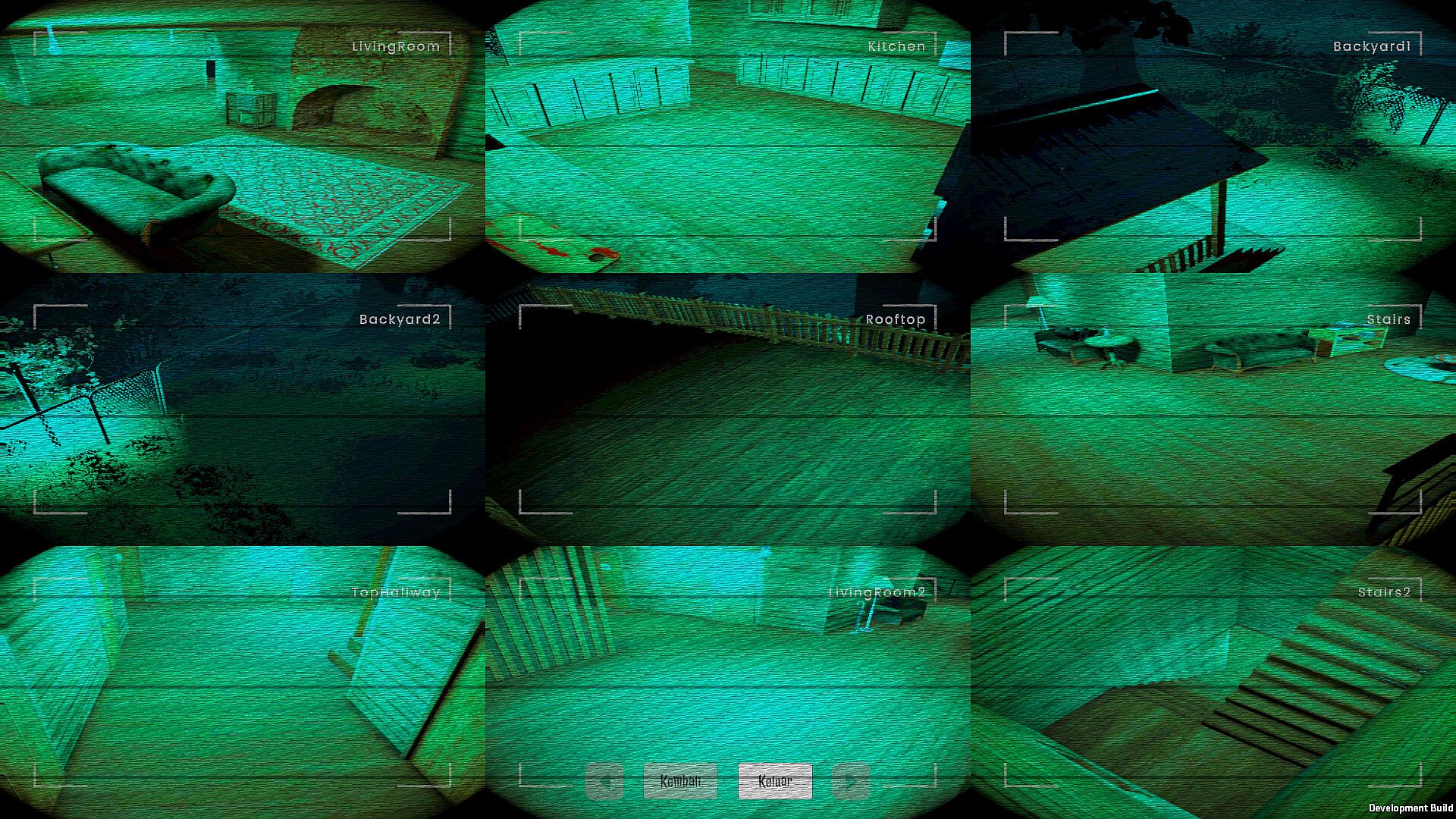
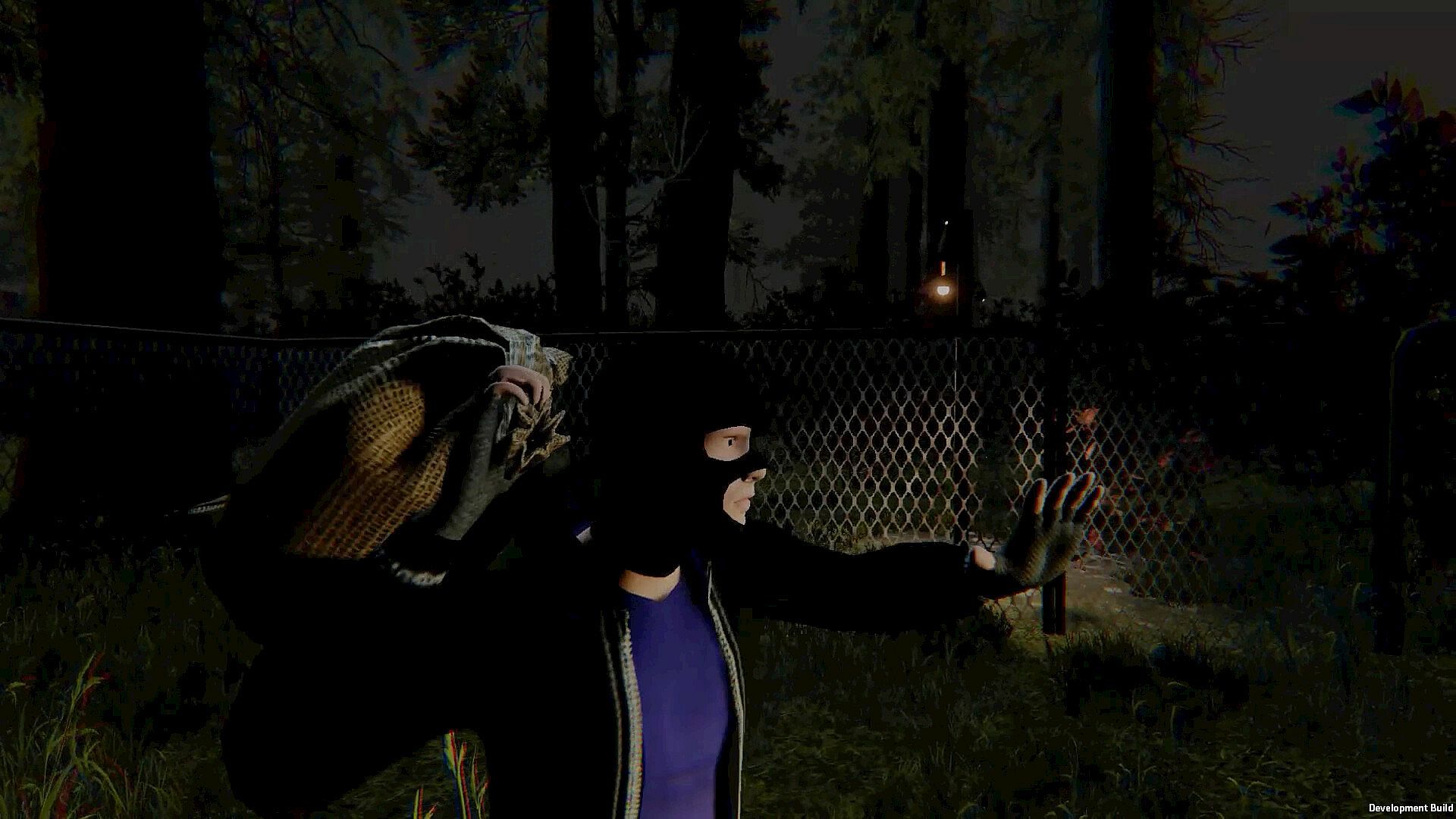
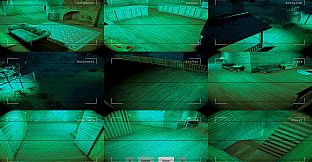
The core loop revolves around maintaining control over the boarding house during the overnight hours. Players move through the corridors and rooms while keeping an eye on security camera feeds to detect approaching threats. Limited tools must be allocated carefully to repel entities that become active after dark, forcing constant decisions about when to intervene and when to conserve resources.
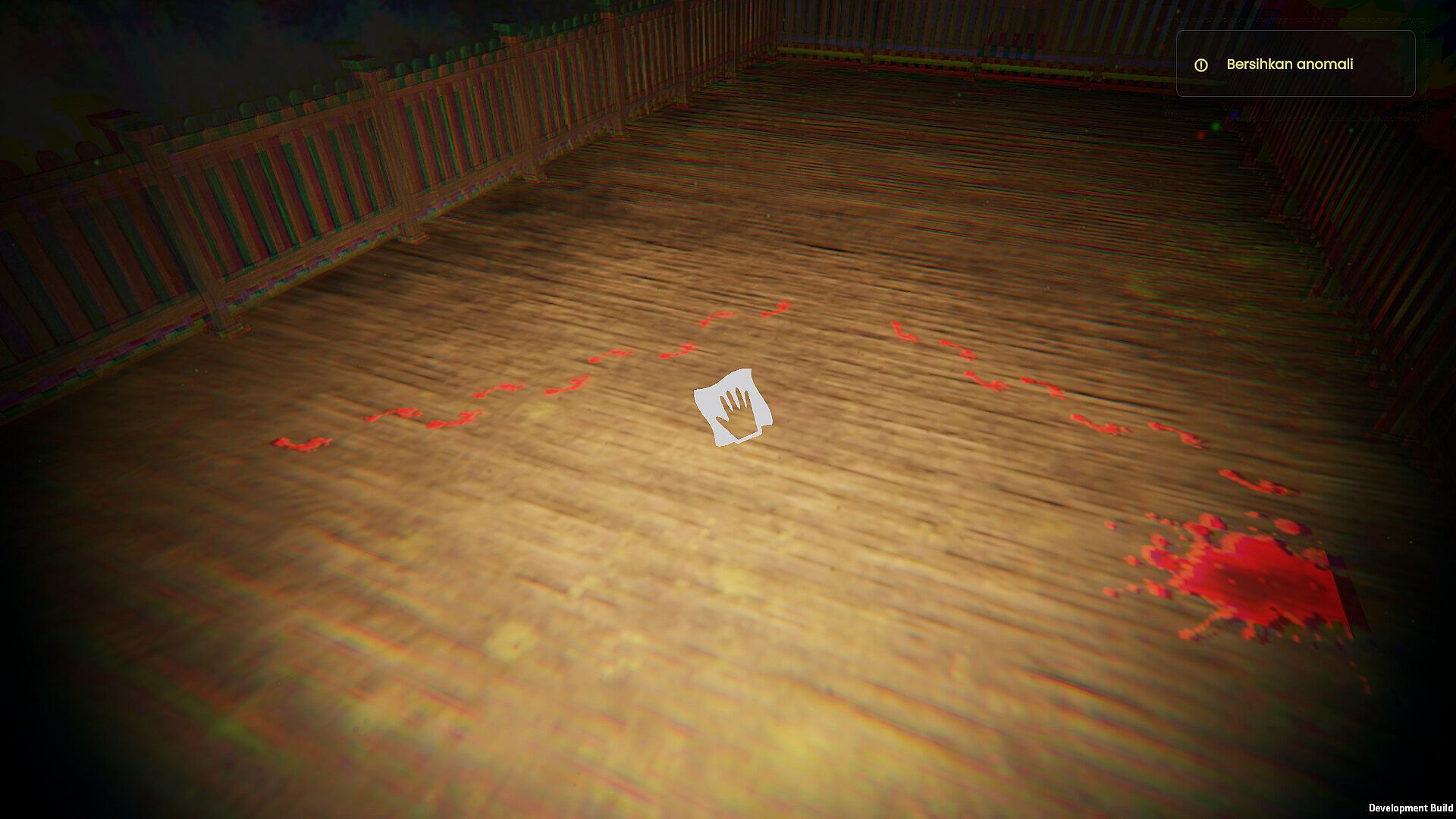
Exploration forms a key part of the experience. Every section of the house holds potential clues about past events, and gathering these fragments gradually reveals the property's troubled background. This process requires vigilance because the same spaces that contain useful information also serve as pathways for hostile presences. Resource management extends beyond tools to include monitoring camera systems and deciding how much time to spend investigating versus securing key areas.
The atmosphere builds through realistic environmental details and subtle audio cues that signal changes in the house's state. Tension arises from the need to balance immediate survival needs against the longer-term goal of understanding the unfolding events before dawn breaks.
Game Modes
Boarding House: Night Shift presents a single-player survival scenario without separate modes or variations. The entire session centers on one continuous night shift, where success depends on lasting until morning while piecing together the house's history. This structure keeps the focus narrow and consistent, with no branching campaigns or competitive elements.
Atmosphere and Setting
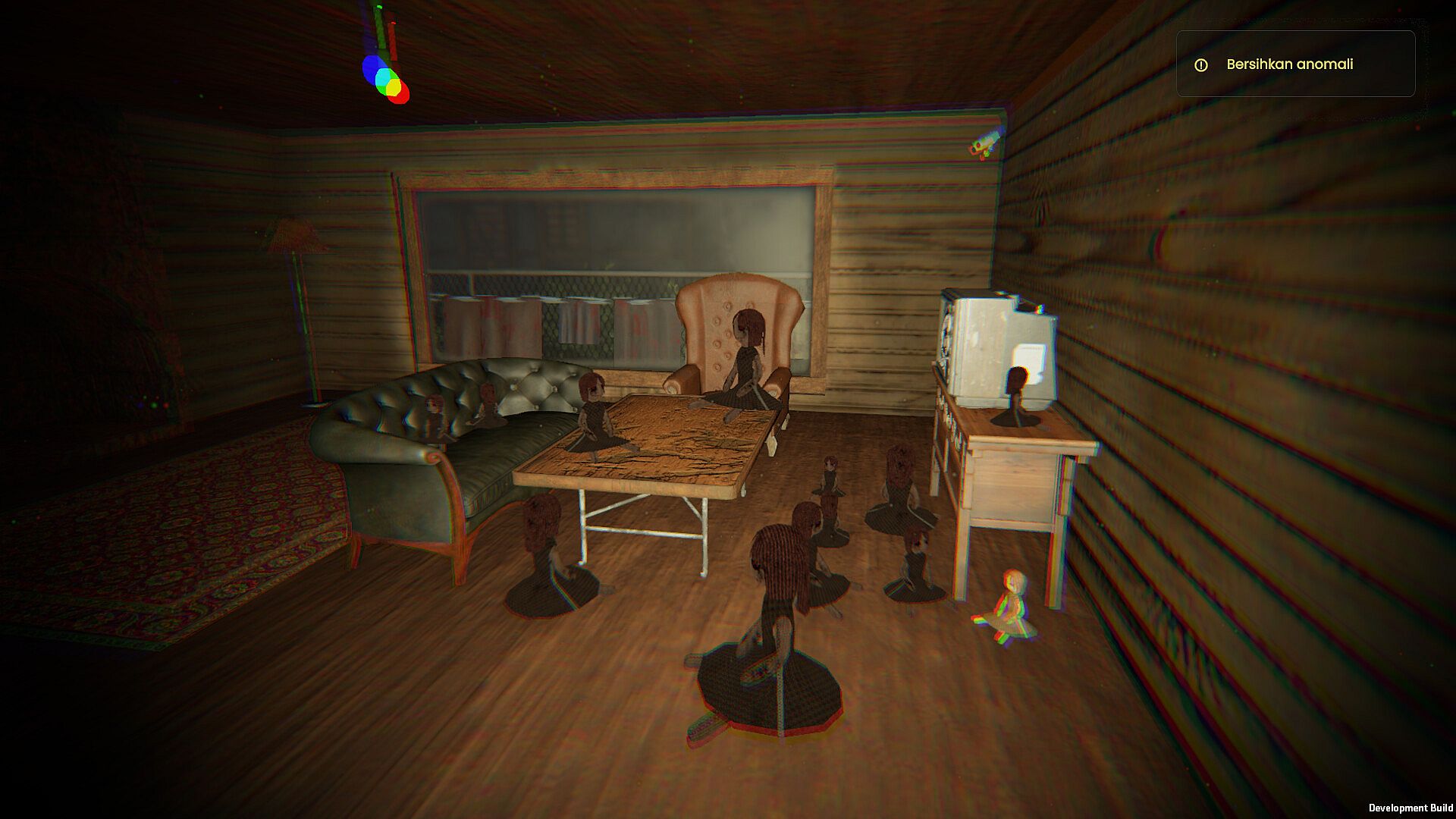
The boarding house itself functions as the primary antagonist through its claustrophobic layout and shifting conditions. Urban legend influences appear in the way entities interact with the environment, creating situations where familiar spaces turn threatening. Sound design emphasizes isolation, with distant whispers and creaks that players must interpret in real time to avoid being caught off guard.
Realistic interiors reinforce the simulation aspects, making routine tasks like camera checks feel grounded even as supernatural elements intrude. The setting avoids overt fantasy, instead leaning on psychological pressure that grows as the night progresses and more clues surface.
Is It Worth Playing?
Boarding House: Night Shift suits players who prefer deliberate pacing and careful planning over fast action. The combination of camera monitoring, tool usage, and clue collection creates a loop that rewards attention to detail and measured risk assessment. Those drawn to atmospheric horror simulations will find the claustrophobic environment and gradual revelation of the house's past engaging throughout a play session.
The game targets a niche audience interested in survival mechanics that emphasize preparation and observation rather than combat. Its focused single-night structure makes it accessible for shorter sessions while still offering depth through repeated attempts to uncover additional secrets. Players who enjoy managing limited resources under mounting pressure will likely appreciate the challenge of reaching dawn intact.











