


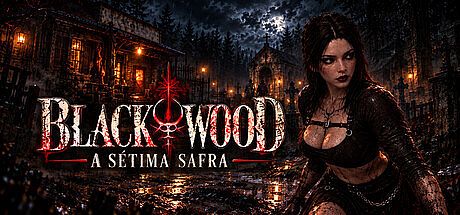


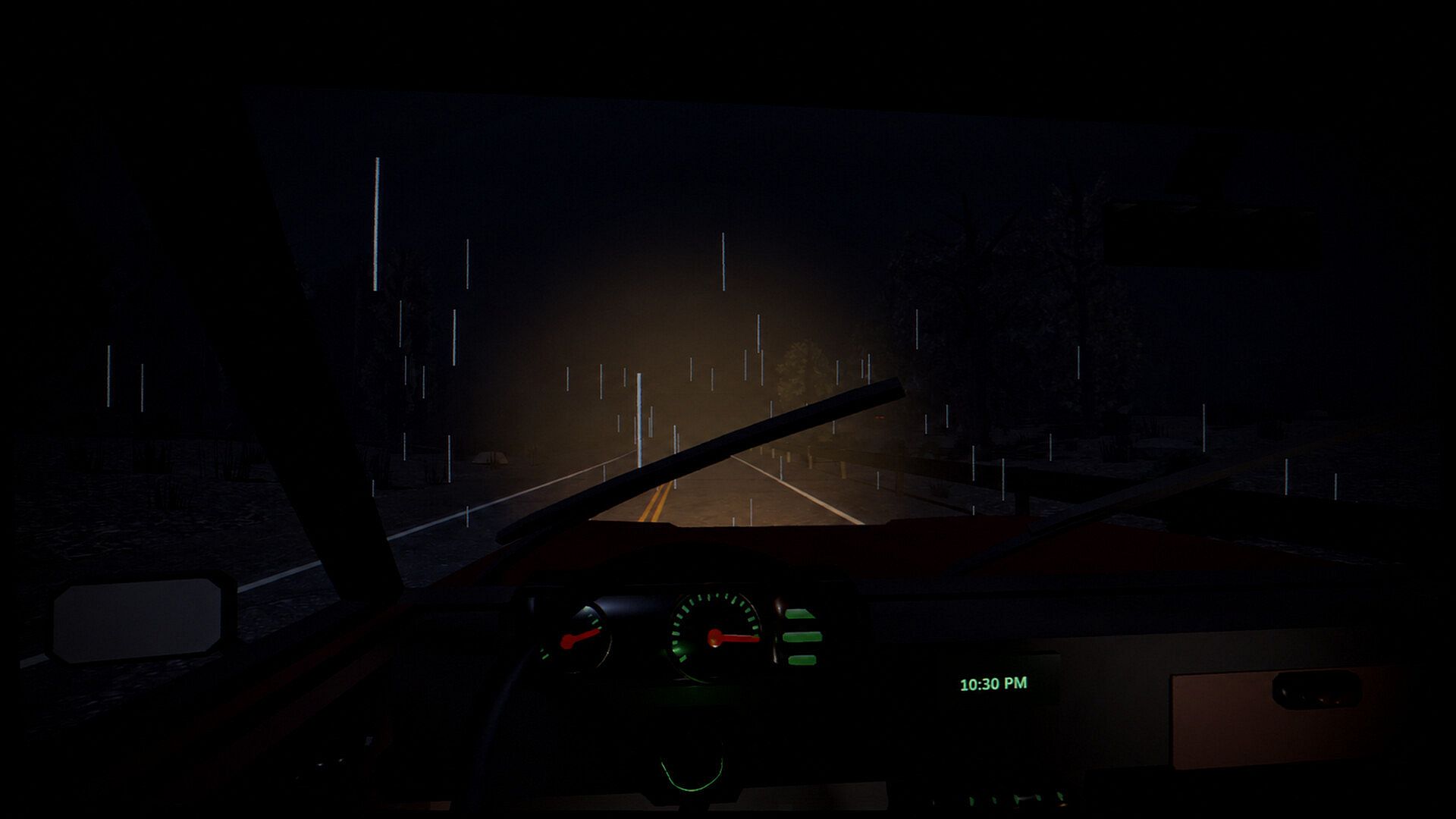
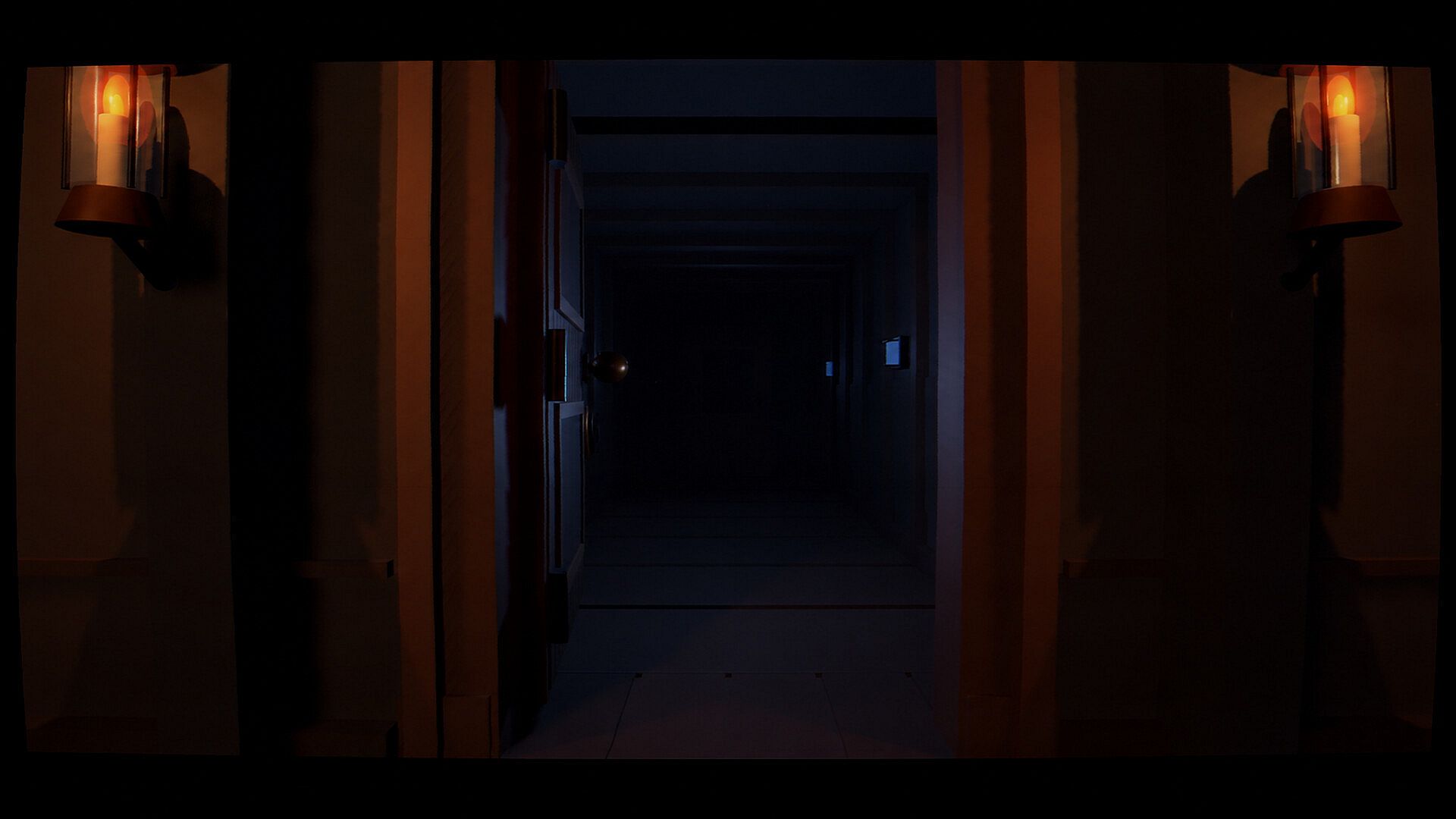
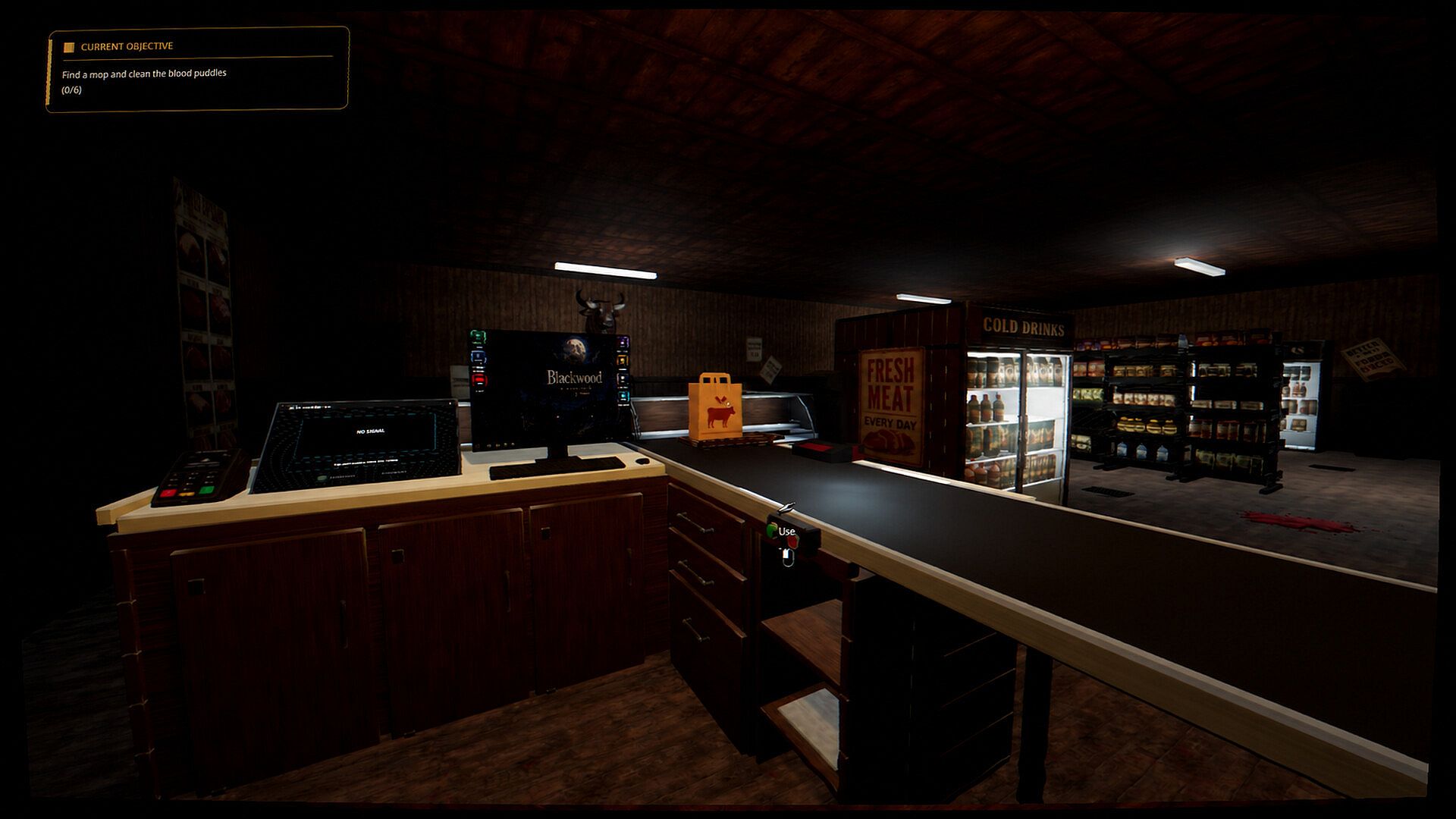
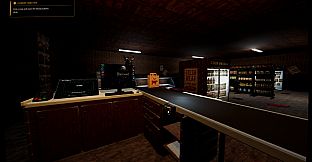
Blackwood: A Sétima Safra stands out as a first-person psychological horror title that merges simulation elements with adventure and narrative depth. Players step into the role of Lorena, who inherits her uncle Olavo's butcher shop in the remote town of Blackwood and sets out to revive the struggling business while confronting layers of mystery tied to the surrounding forest and local history.
Gameplay
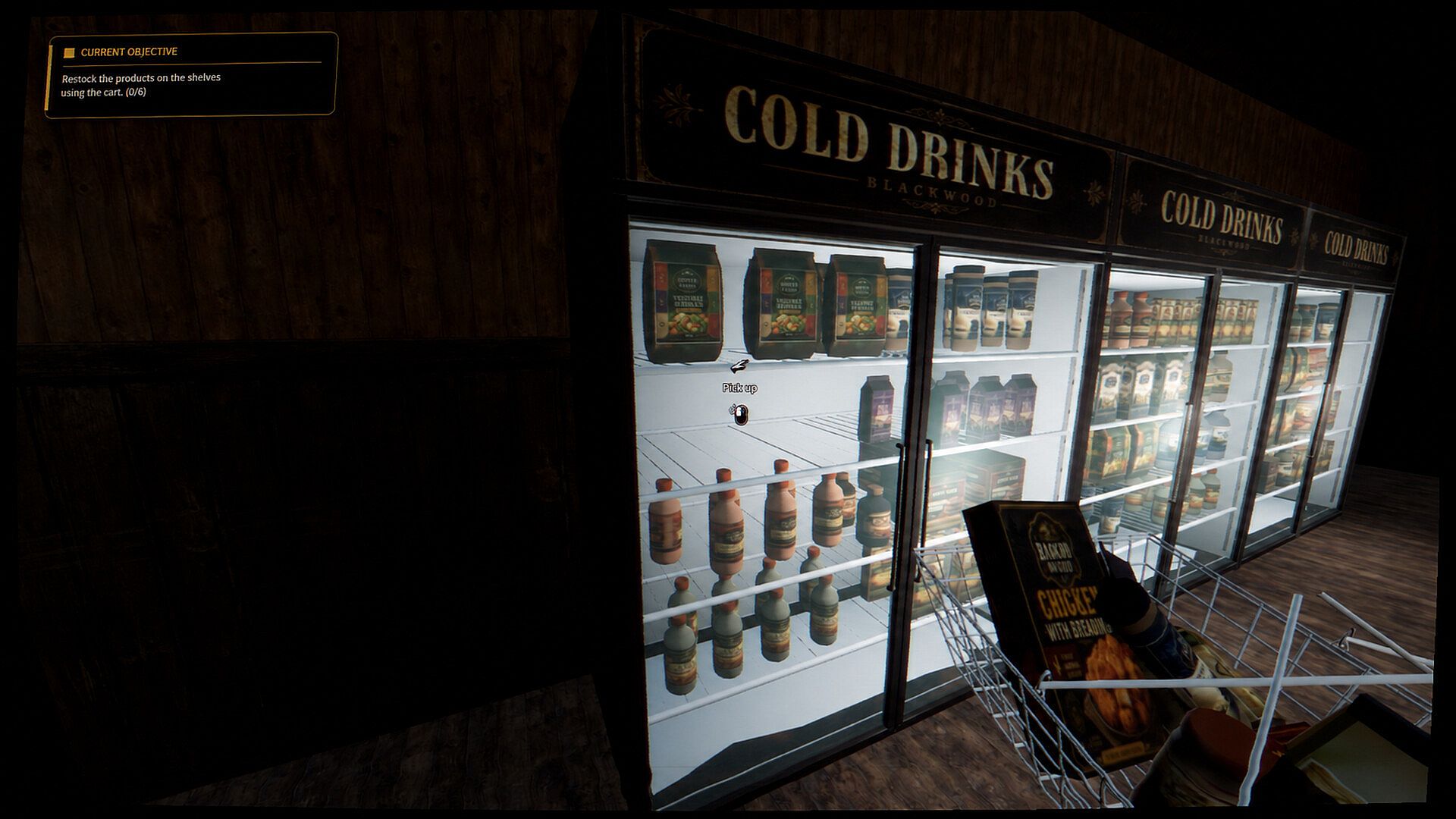
The core loop centers on managing the butcher shop during the day. This involves serving customers, preparing cuts of meat, restocking display cases, weighing products accurately, handling the register, and maintaining inventory to keep operations steady. These routine tasks form the foundation of each day and gradually intersect with unsettling developments that blur the line between ordinary work and something far more disturbing.
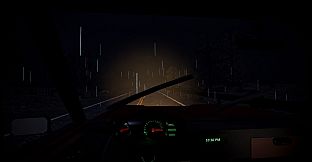
Exploration takes players outside the shop into the forest and other locations around Blackwood. Searching these areas yields documents and clues that piece together events from the region's past, including details about Olavo and previous visitors. The investigation deepens as more questions surface, encouraging careful observation and connection of disparate pieces of information.
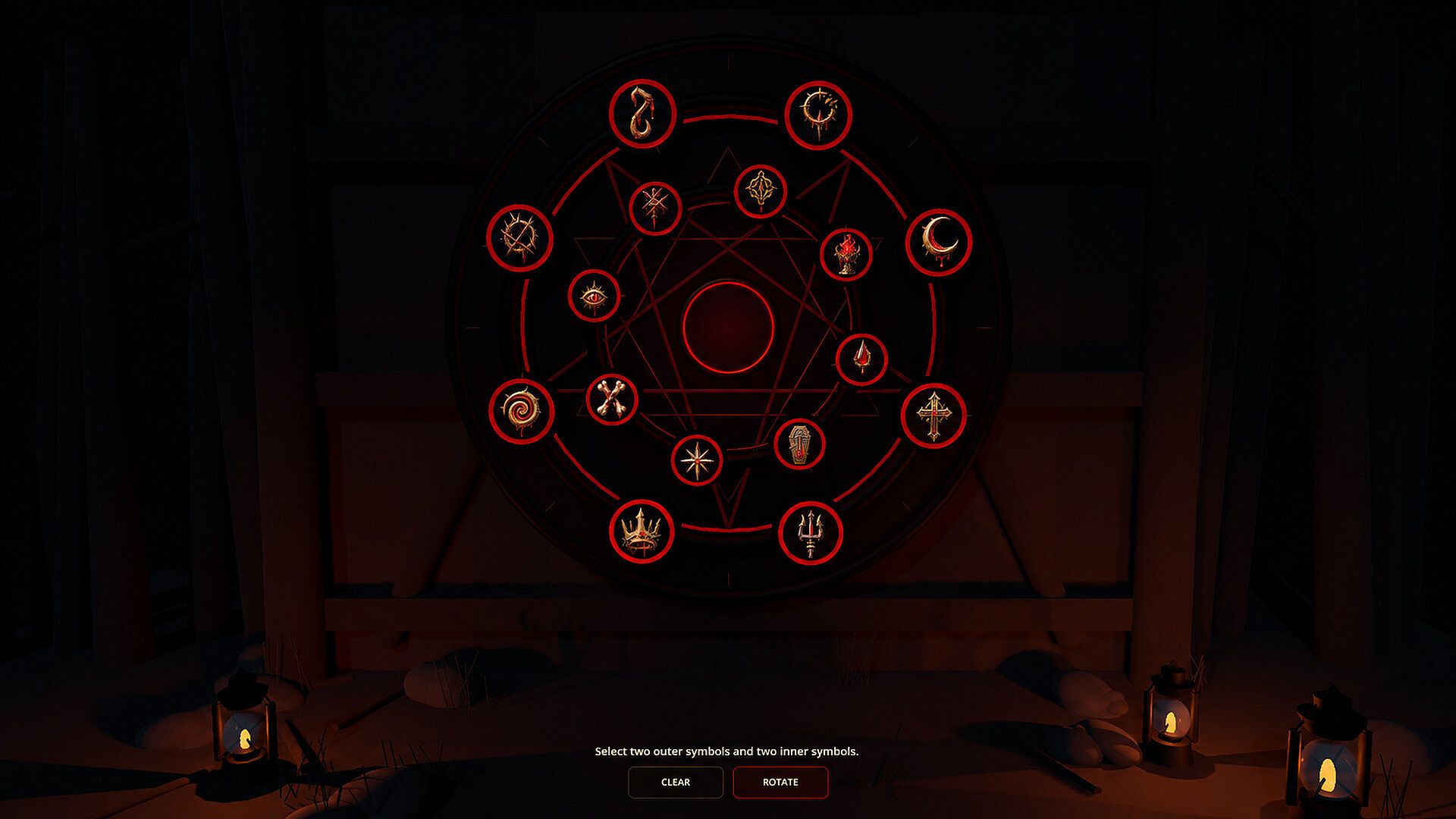
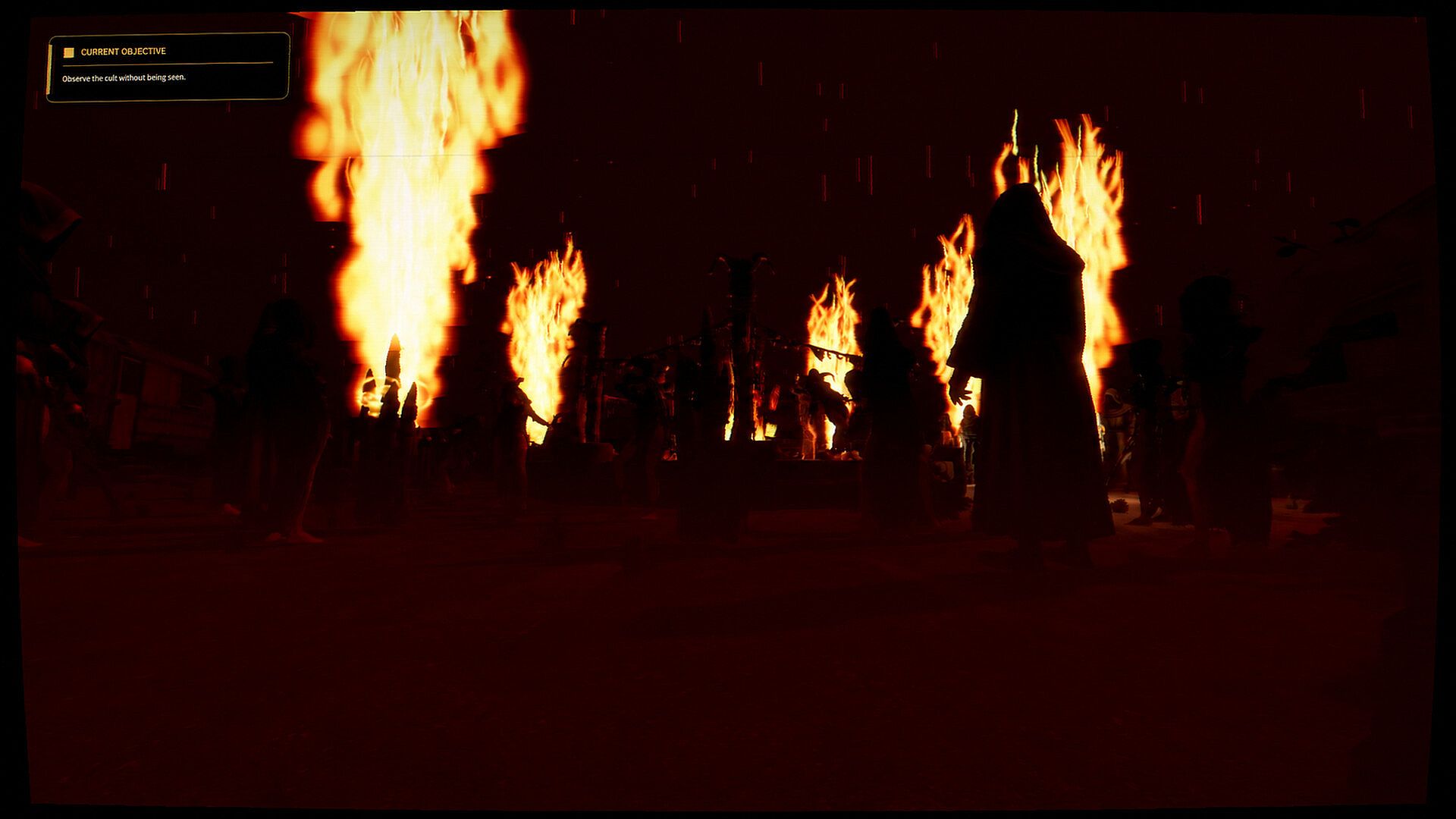
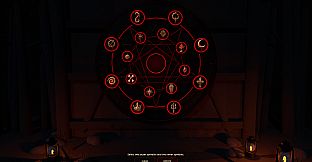
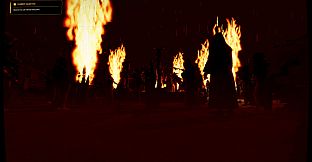
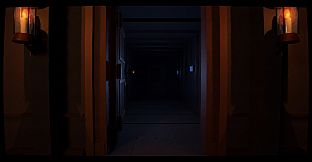
Horror elements emerge through apparitions, references to cults, and supernatural occurrences that disrupt normal activities. These intrusions make everyday duties feel unpredictable, forcing Lorena to navigate situations where reality becomes difficult to discern. The first-person perspective heightens the tension during these moments of uncertainty.
Game Modes
The experience unfolds as a single-player narrative adventure without separate competitive or cooperative modes. Progress follows a story-driven structure where daily shop management alternates with periods of exploration and decision-making. This integrated approach keeps the focus on Lorena's personal journey rather than branching into unrelated activities or multiplayer sessions.
Narrative Choices and Consequences
Decisions made throughout the story influence relationships, the clues uncovered, and the direction of future events. Some choices produce effects that appear only after several days have passed, while others open entirely different paths. This system rewards thoughtful consideration of options, as outcomes can shift based on prior actions and create varied experiences across multiple playthroughs.
The blend of simulation and horror means that choices often arise during both routine shop interactions and tense investigative moments. Players must weigh immediate needs against longer-term implications, adding weight to each selection without requiring external guidance or tutorials beyond what the game presents.
Is It Worth Playing?
Blackwood: A Sétima Safra appeals most to those who enjoy psychological horror combined with hands-on simulation and branching stories. The emphasis on managing a small business while uncovering hidden truths offers a distinctive rhythm that alternates between grounded tasks and escalating unease. Fans of titles that prioritize atmosphere, clue-gathering, and meaningful decisions will find the described systems align closely with that preference.
Because the game remains in development and has not yet launched, its final polish and full scope remain to be seen. The core concept of a butcher shop serving as both livelihood and entry point into older mysteries provides a solid foundation for players drawn to indie experiences that mix everyday routines with supernatural dread. Those seeking straightforward action or large-scale multiplayer features may find the focused single-player structure less suited to their tastes.












