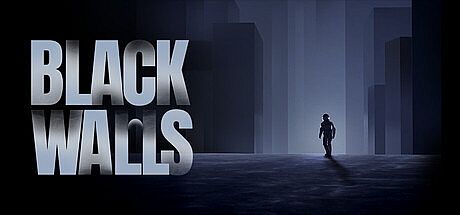


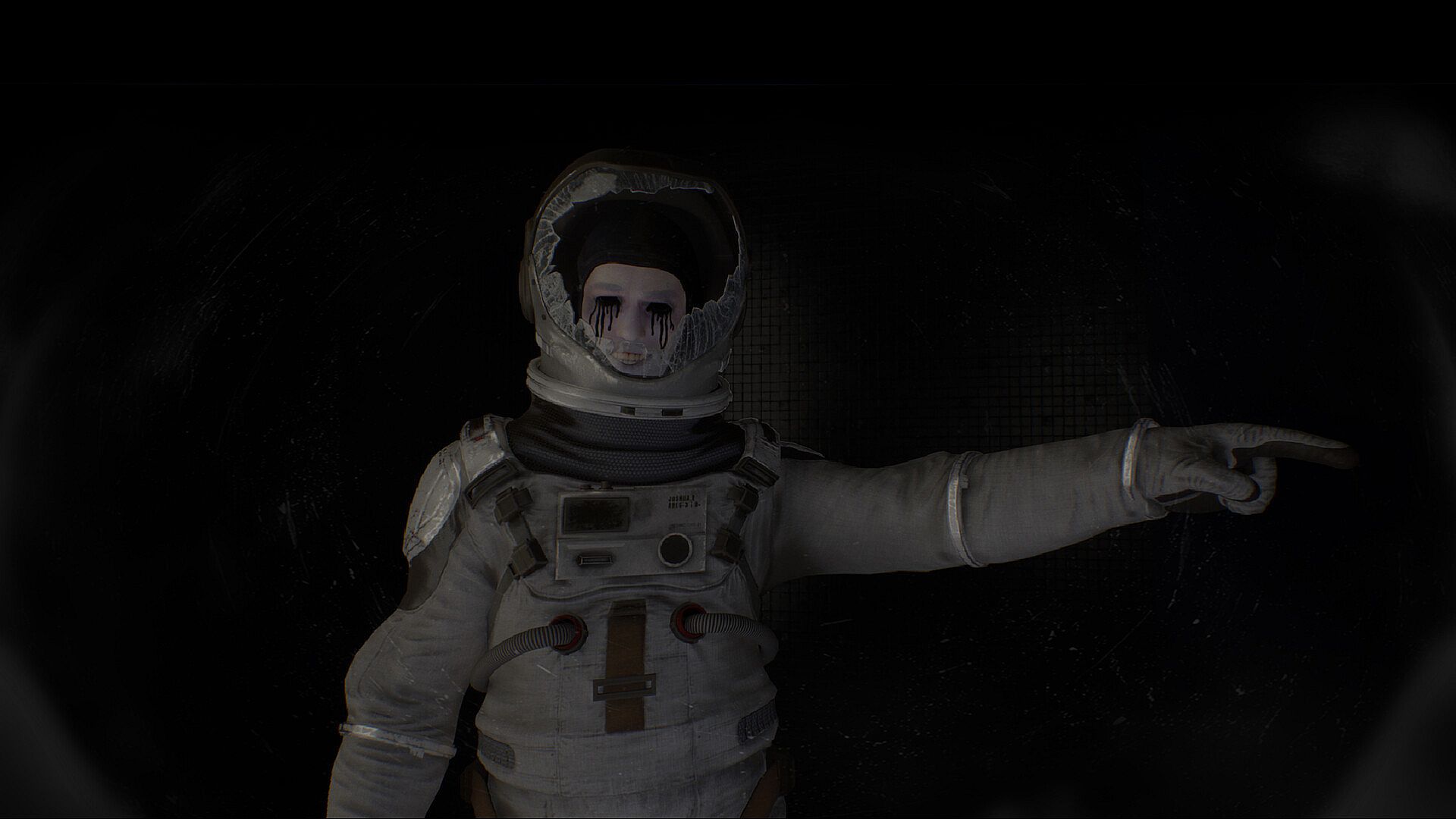
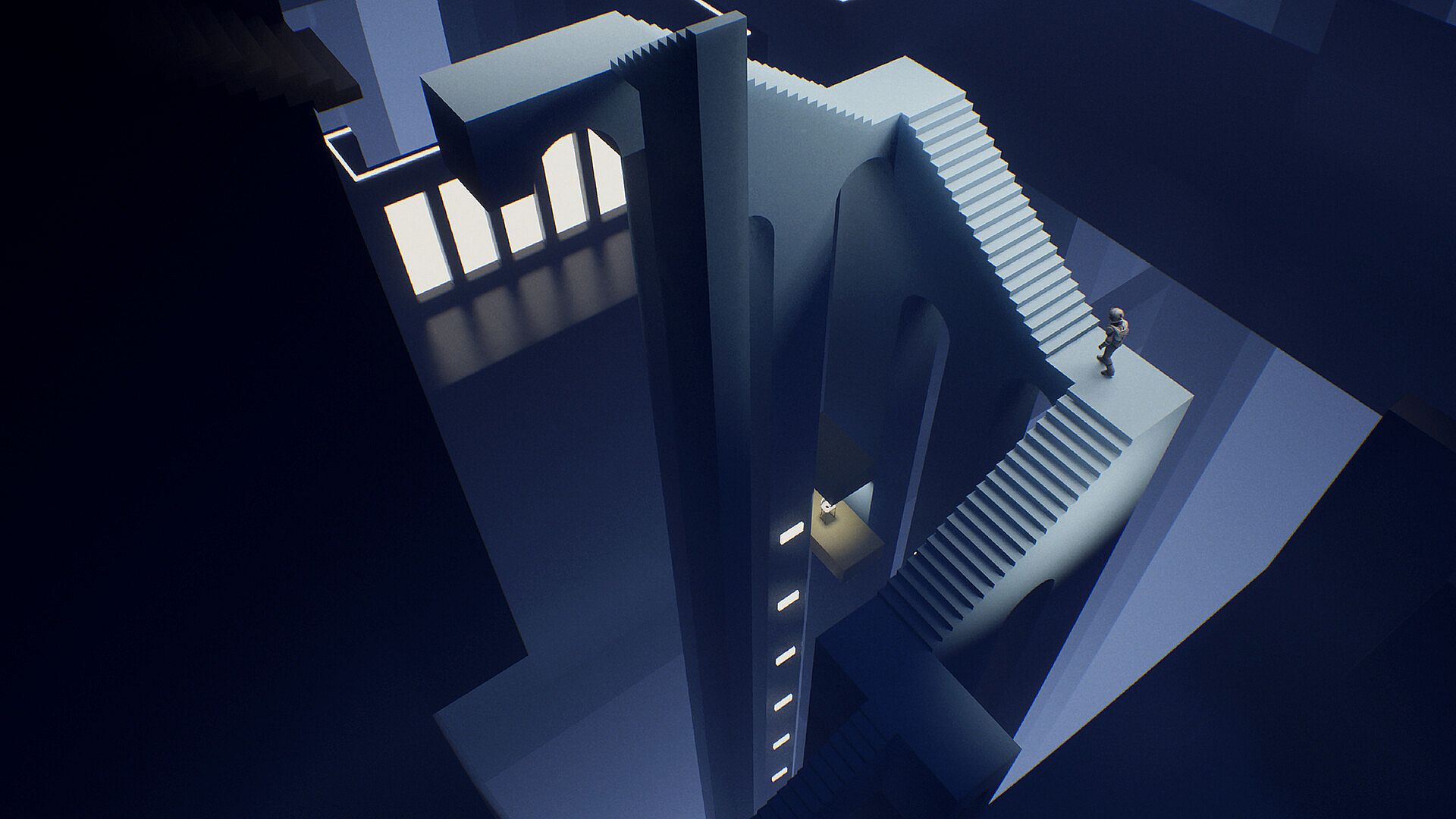
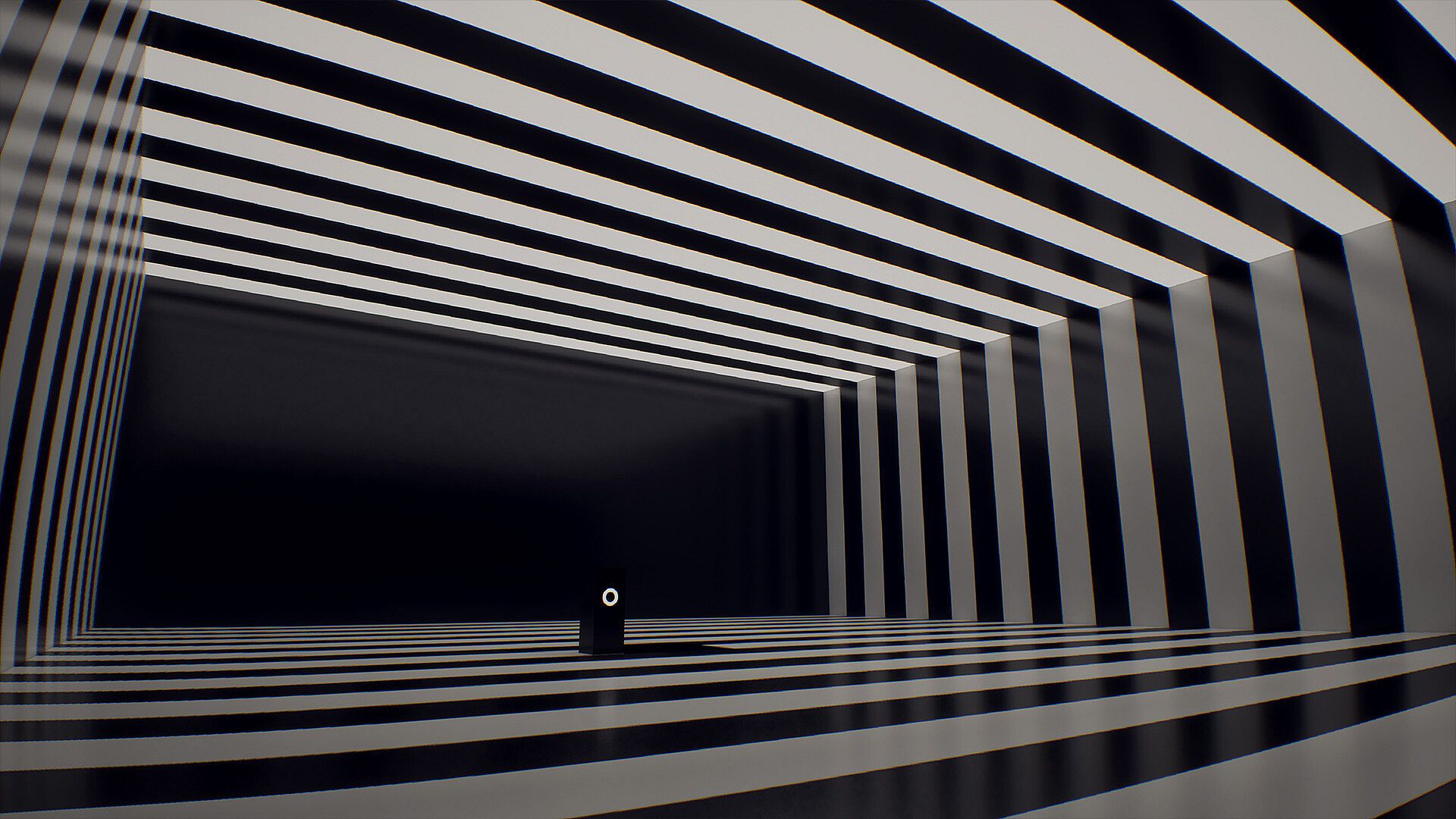
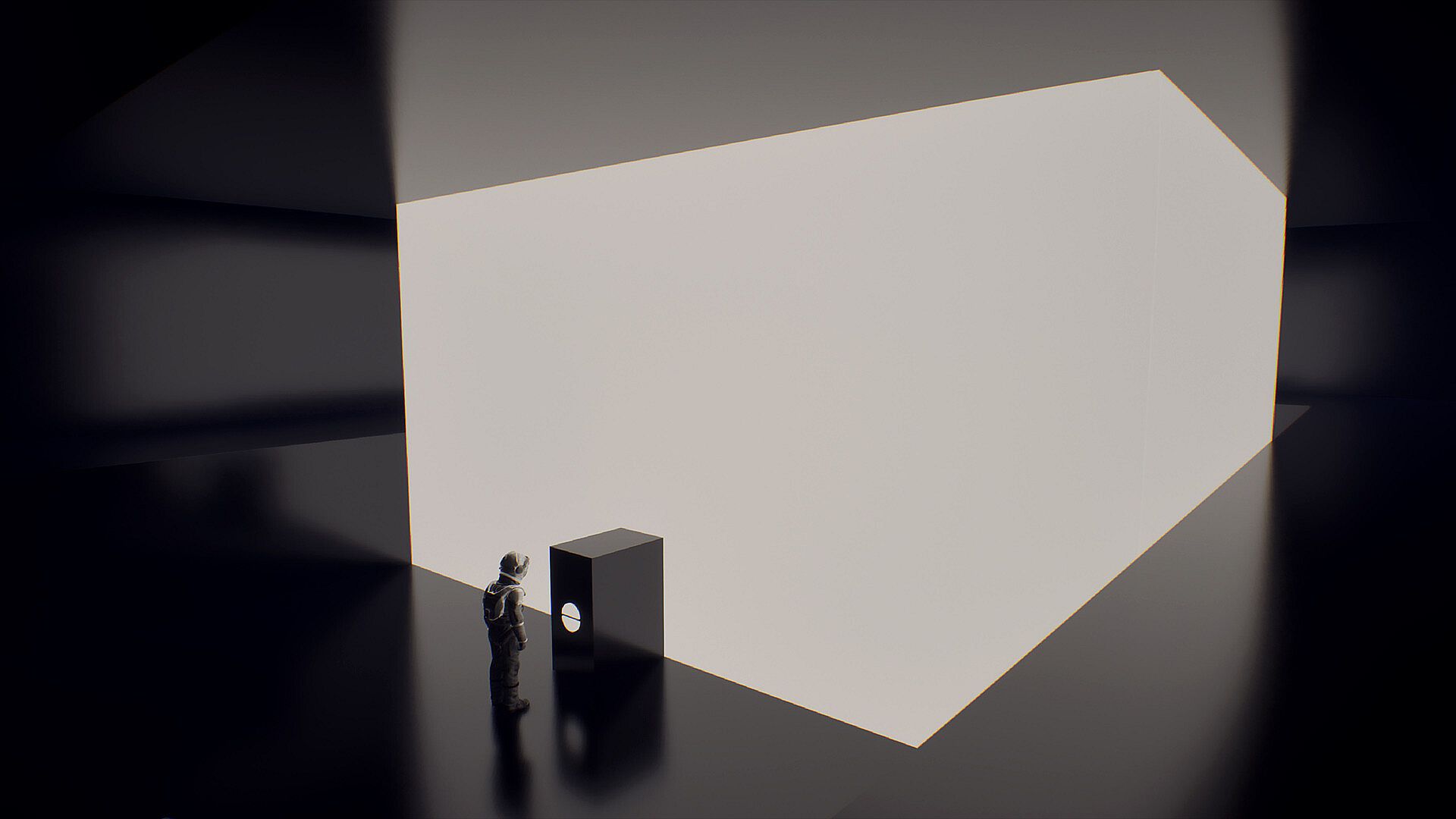
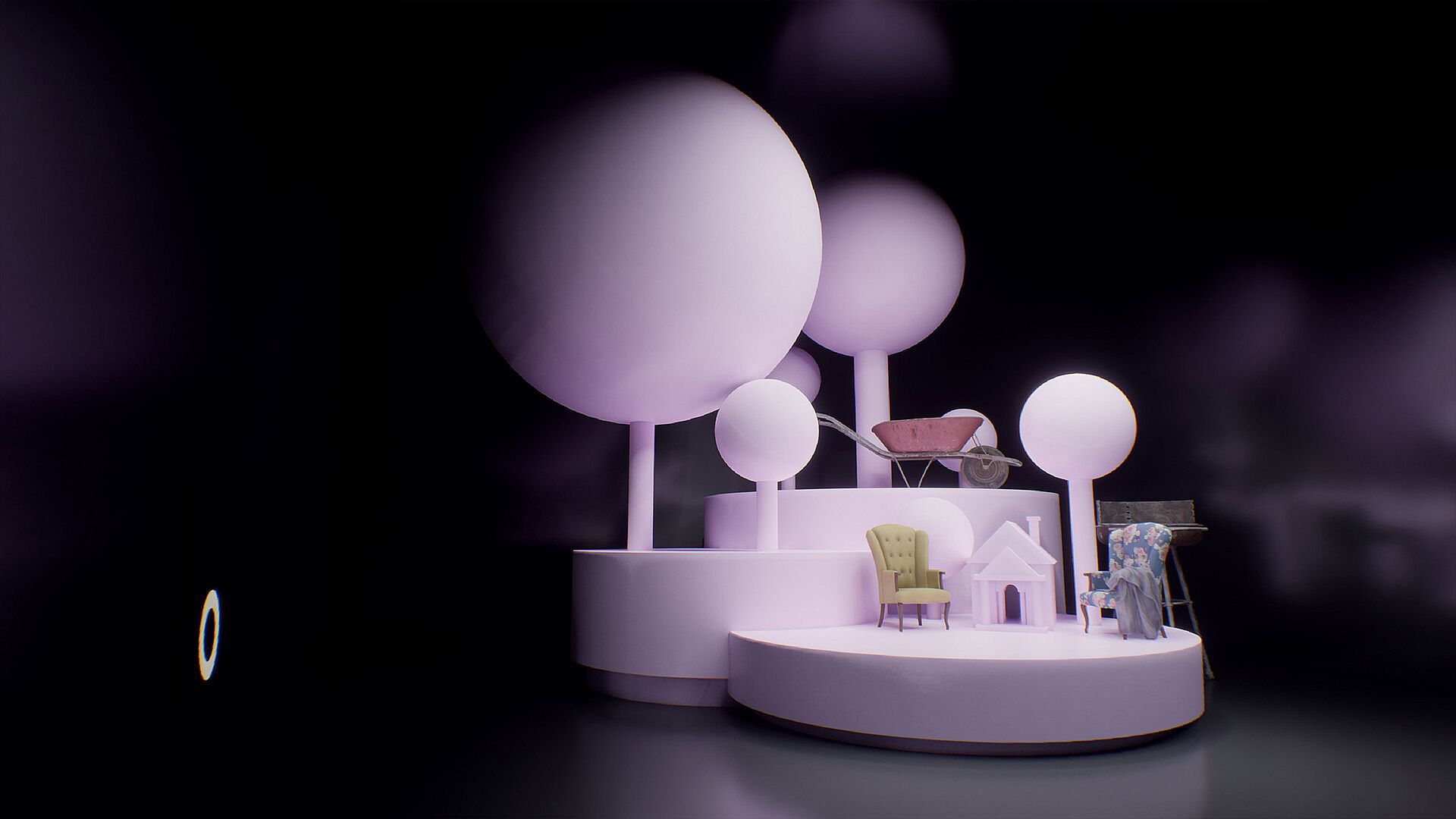
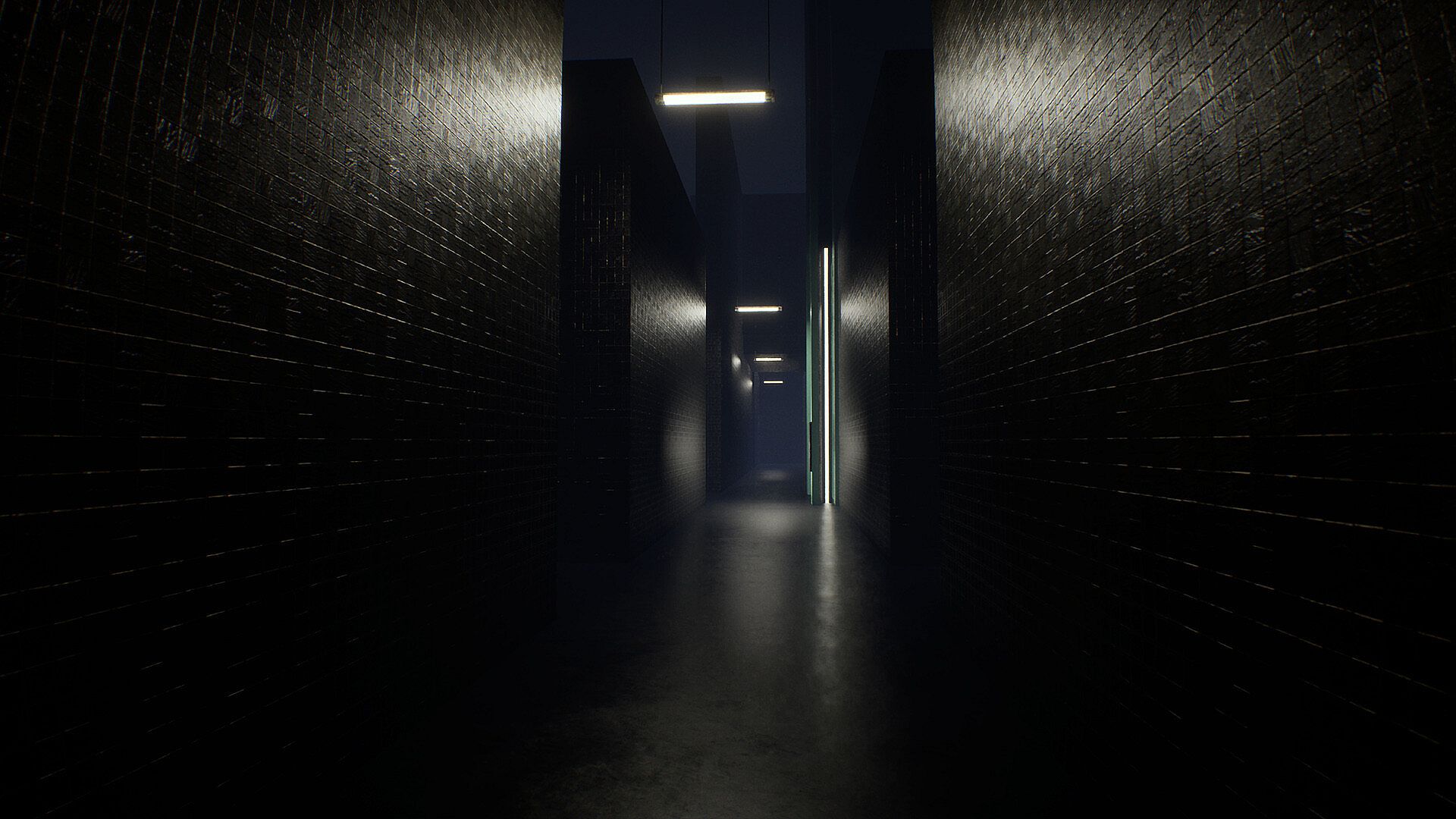
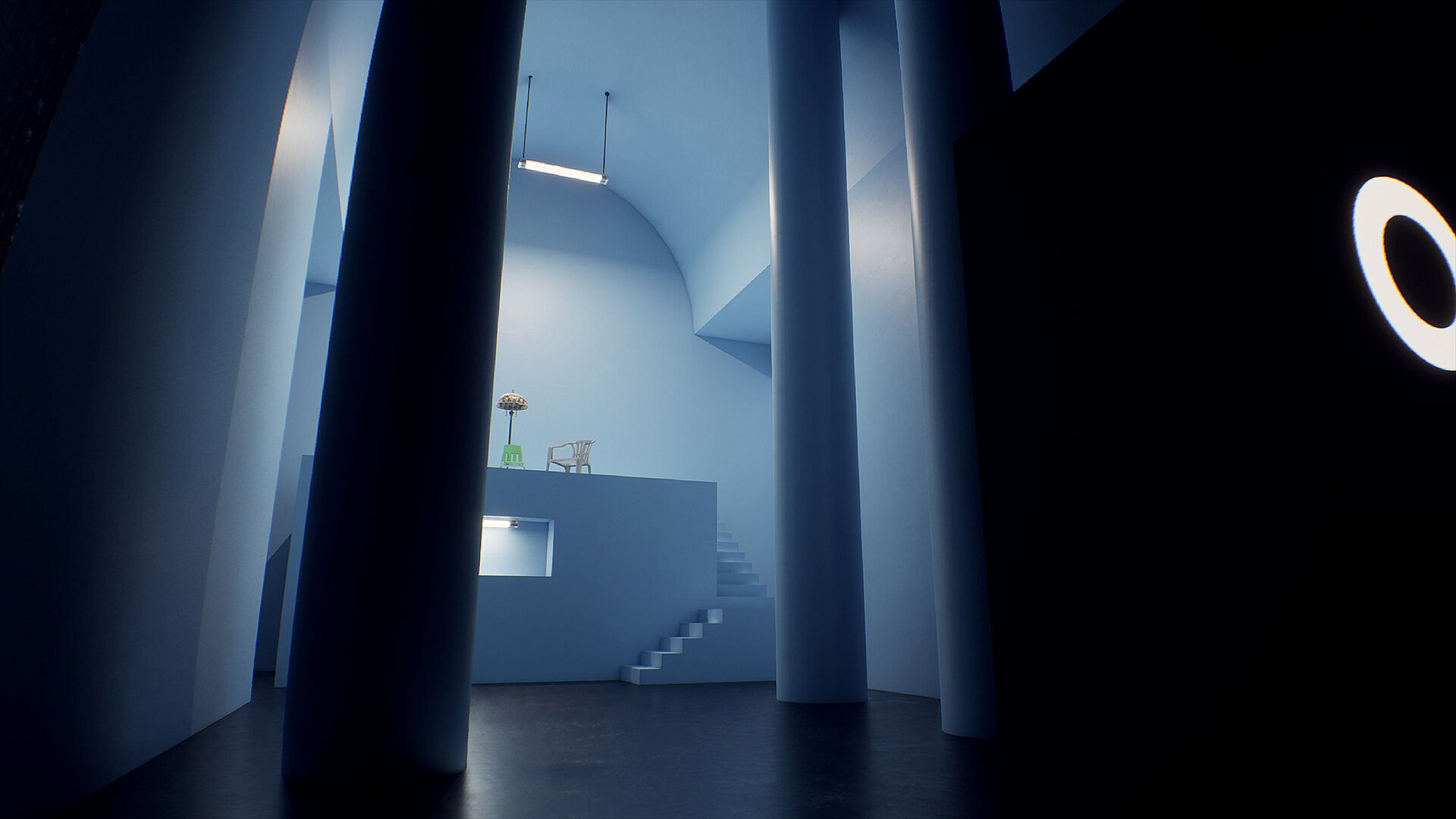
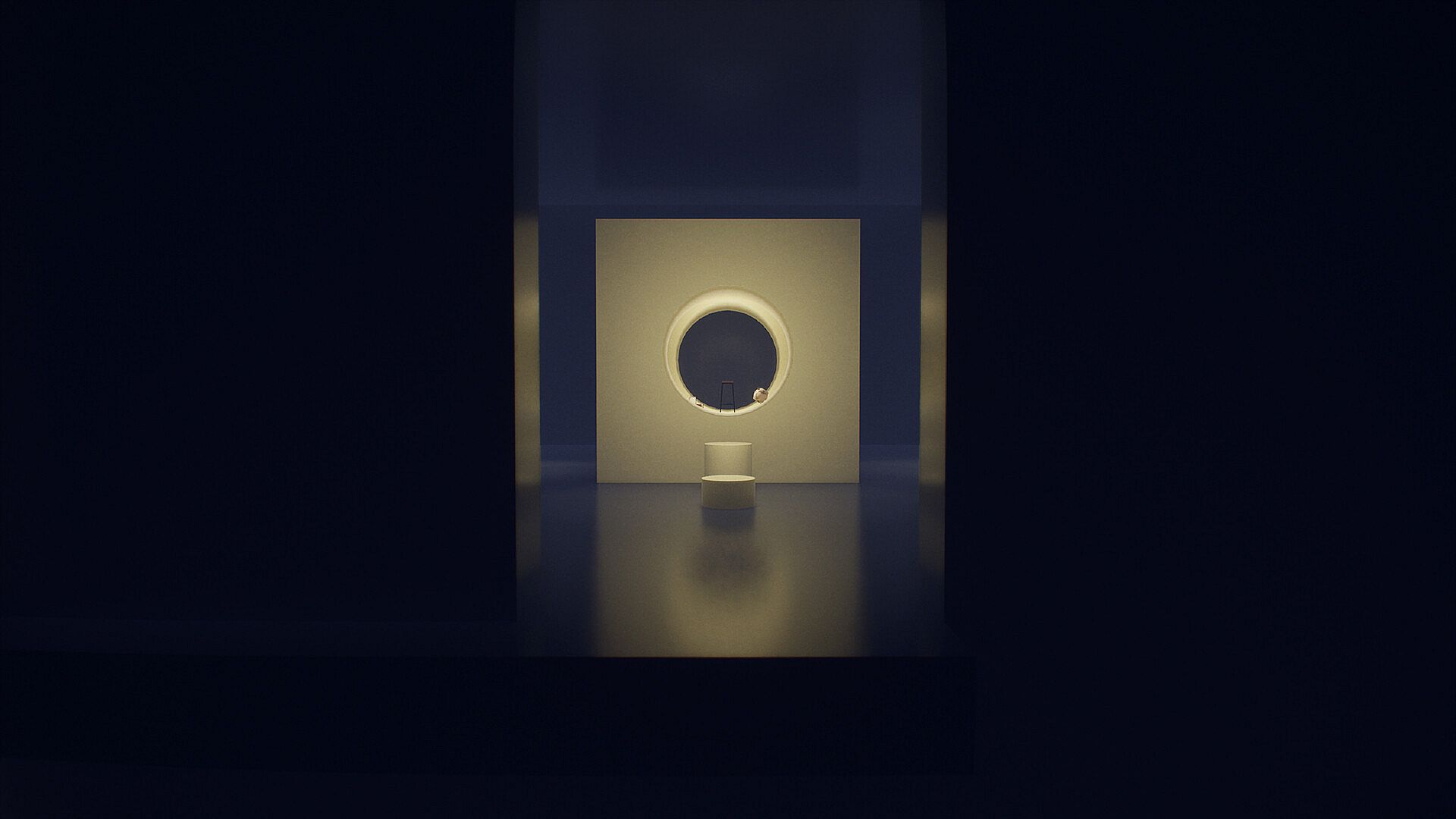
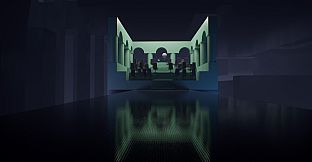
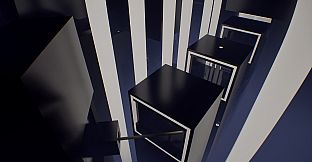
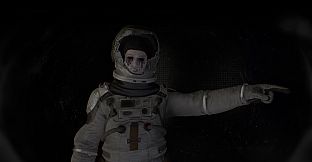
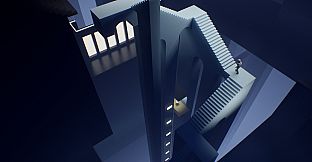
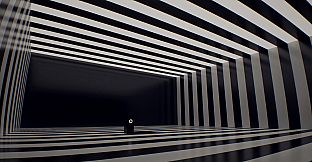
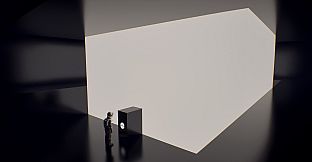

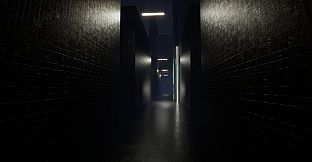
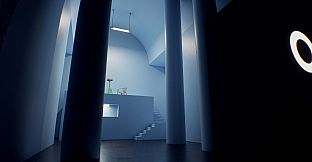
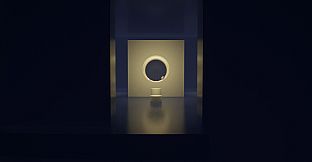
Black Walls is a first-person adventure game centered on psychological horror and spatial exploration. Players control an isolated astronaut navigating a vast monochrome maze built from impossible geometry and shifting perspectives. The experience emphasizes careful observation over action, with light and shadow serving as the primary tools for uncovering paths and understanding the environment.
Gameplay
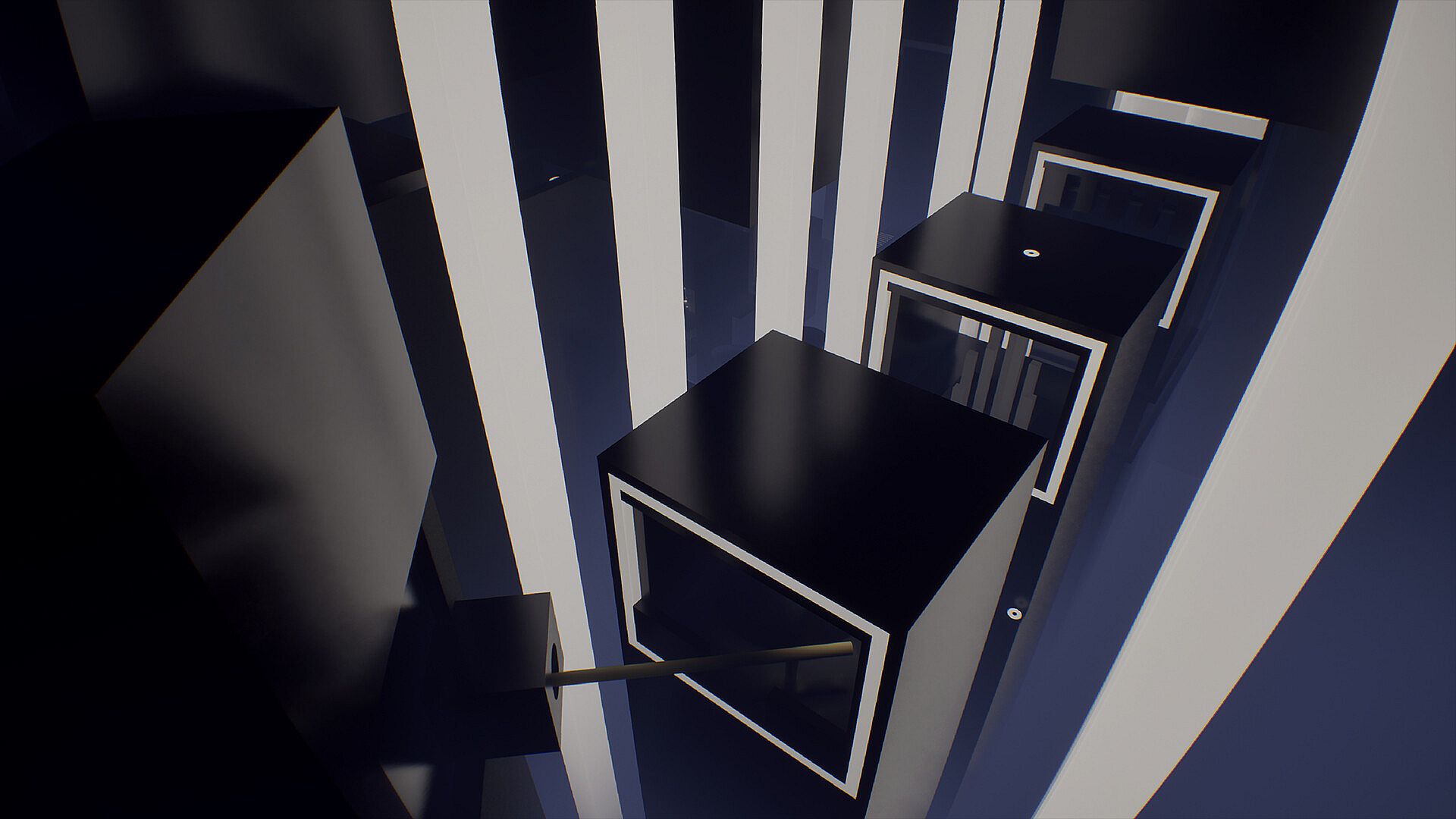
The core loop revolves around studying how light alters visibility within the maze. Players move at their own pace through monochrome spaces where darkness conceals routes that become apparent only under specific lighting conditions. Minimal interface elements direct attention to spatial sound cues and environmental details, creating a constant sense of presence without traditional guidance systems.
Objects scattered throughout the maze require interpretation. Each discovery prompts decisions that influence the available paths and eventual outcomes. The design avoids combat or time pressure in its base form, instead rewarding repeated examination of the same areas from new angles. Brutal geometry ensures that directions remain unreliable, forcing players to build mental maps based on subtle changes in light and structure.
Game Modes
Two distinct modes alter the tension level. Chill Mode removes any hostile presence, allowing uninterrupted focus on atmosphere, direction-finding, and discovery. Horror Mode introduces an unpredictable threat that can manifest in varying locations and times, shifting the experience toward survival horror without altering the underlying maze layout or observation mechanics.
Both modes retain the same core systems of light manipulation and object interpretation. Players select the mode at the start and can experience the full range of endings shaped by their choices in either setting.
Atmosphere and Environmental Design
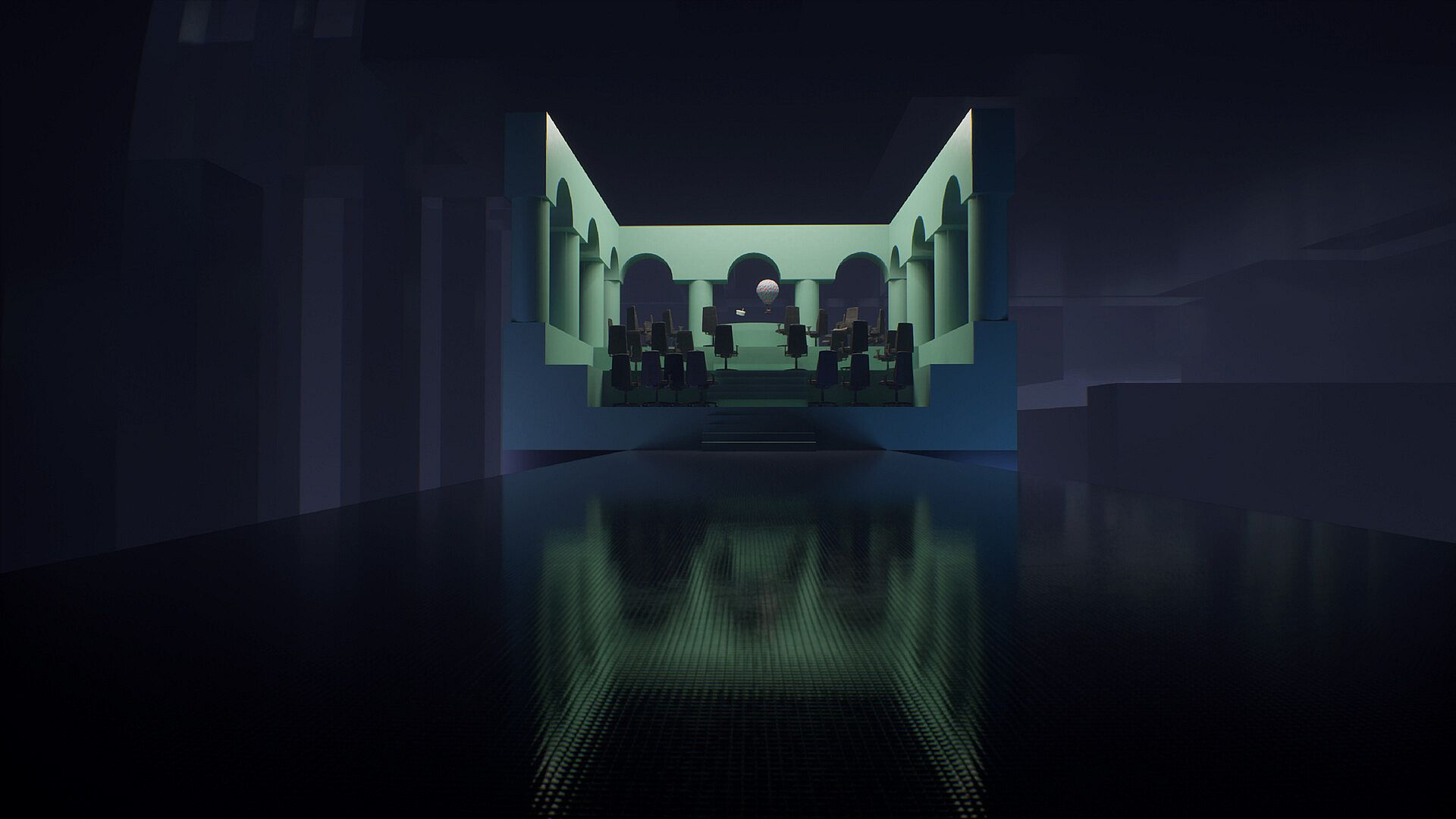
The maze consists entirely of monochrome environments where some sections evoke calm while others generate unease through subtle distortions. Architecture itself conveys the narrative, using symbols and spatial arrangements rather than spoken dialogue or text logs. Spatial audio reinforces isolation, with sounds that shift based on position and light sources.
Impossible geometry prevents any reliable sense of inside versus outside or consistent orientation. This setup encourages players to notice details that might otherwise go overlooked, such as how shadows align with hidden passages or how certain objects change meaning depending on context.
Narrative Approach
Story emerges through environmental storytelling and player decisions. Architecture, symbols, and the consequences of interpreting discovered items replace direct exposition. Multiple endings arise from these choices, rewarding careful attention to the maze's details over linear progression.
The game maintains a consistent focus on unease and presence. Themes of isolation and existential elements appear through the astronaut's situation and the maze's shifting nature, without relying on cutscenes or external narration.
Is It Worth Playing?
Black Walls suits players who prefer deliberate, observation-driven exploration in atmospheric single-player experiences. Those drawn to liminal spaces and psychological tension will find the emphasis on light, shadow, and spatial reasoning engaging across both available modes. The absence of combat or external threats in Chill Mode broadens accessibility for those seeking meditative discovery, while Horror Mode adds variability for repeated playthroughs aimed at different endings.
With its release date still to be announced and no player reviews available yet, the game appeals most to fans of non-traditional horror that prioritizes environmental reading over action. System requirements remain modest on PC, supporting a wide range of hardware for those interested in its unique approach to maze navigation and choice-based outcomes.