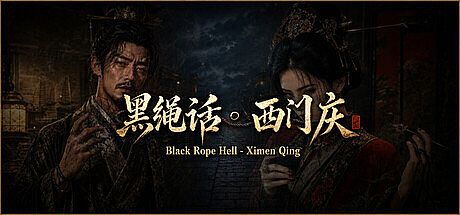


Black Rope Hell - Ximen Qing is an indie adventure game that blends live-action footage with branching narrative choices. Set in a dark interpretation of characters from classic Chinese literature, the title places players in the role of Ximen Qing after his death, navigating a hellish cycle of consequences tied to his past actions. The experience centers on single-player exploration and decision-making within a stylized Ming-era setting, where every selection shapes relationships, deaths, and rebirths without predefined moral labels.
Gameplay
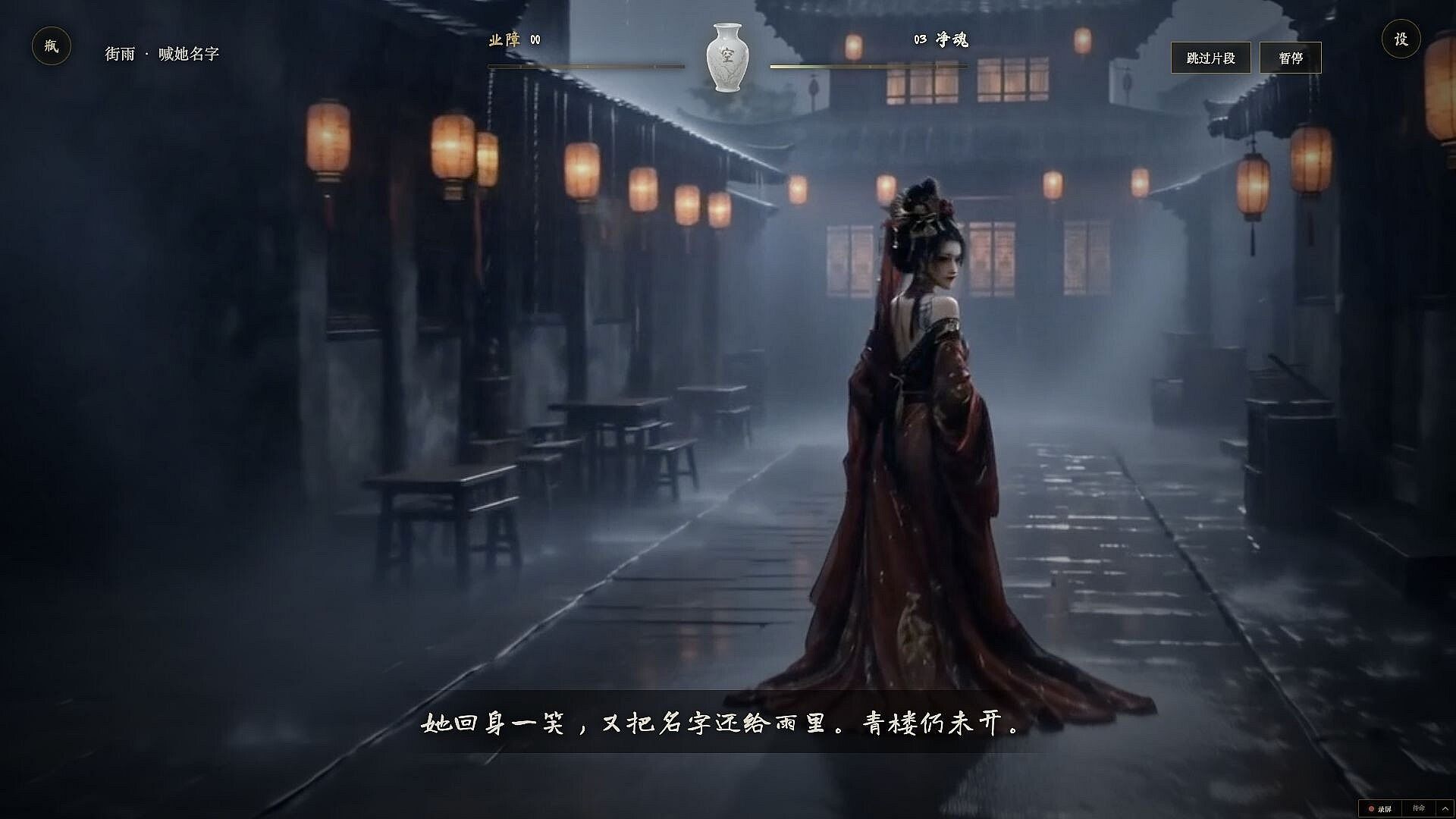
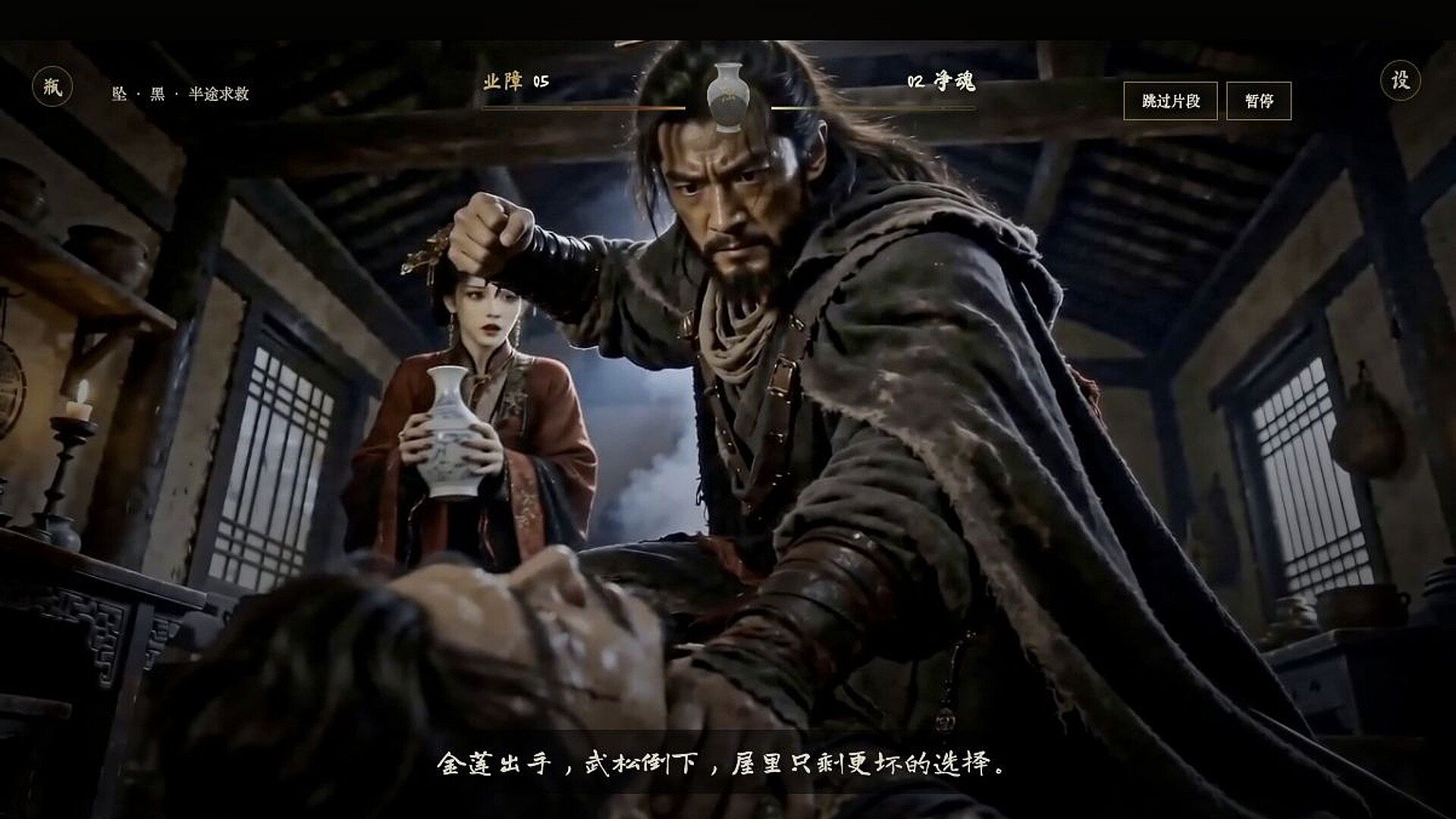
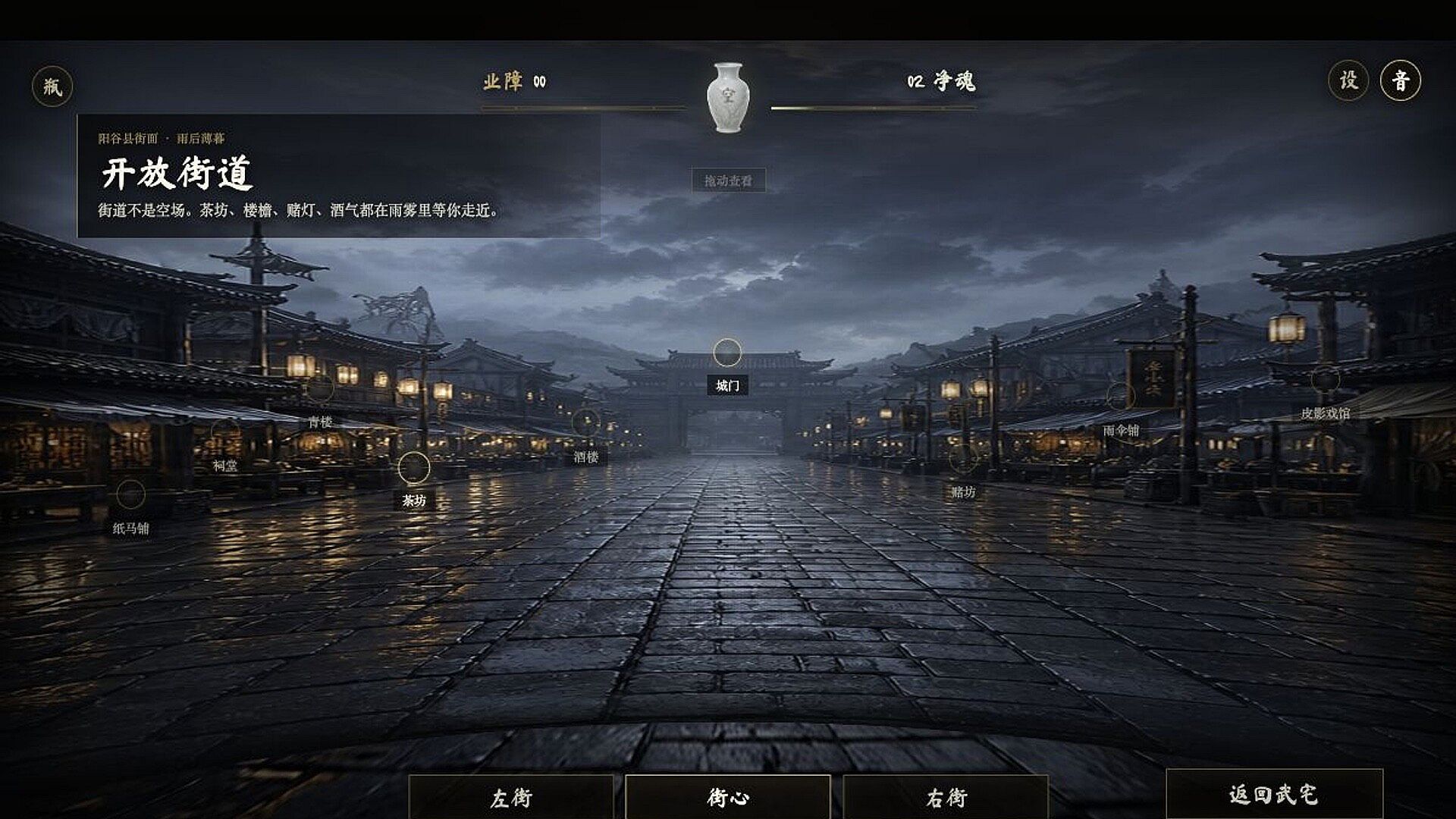
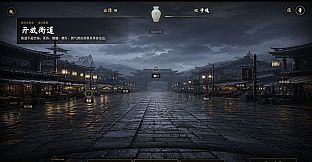
The core loop involves watching cinematic live-action sequences and intervening at pivotal moments with choices that alter the story path. These decisions track two internal states called业障 and 净魂, which influence how characters respond and how events unfold across multiple playthroughs of the same section. Exploration takes place in the night streets of Yanggu, where locations such as tea houses, umbrella shops, ancestral halls, taverns, and incense stalls hold clues to past events.
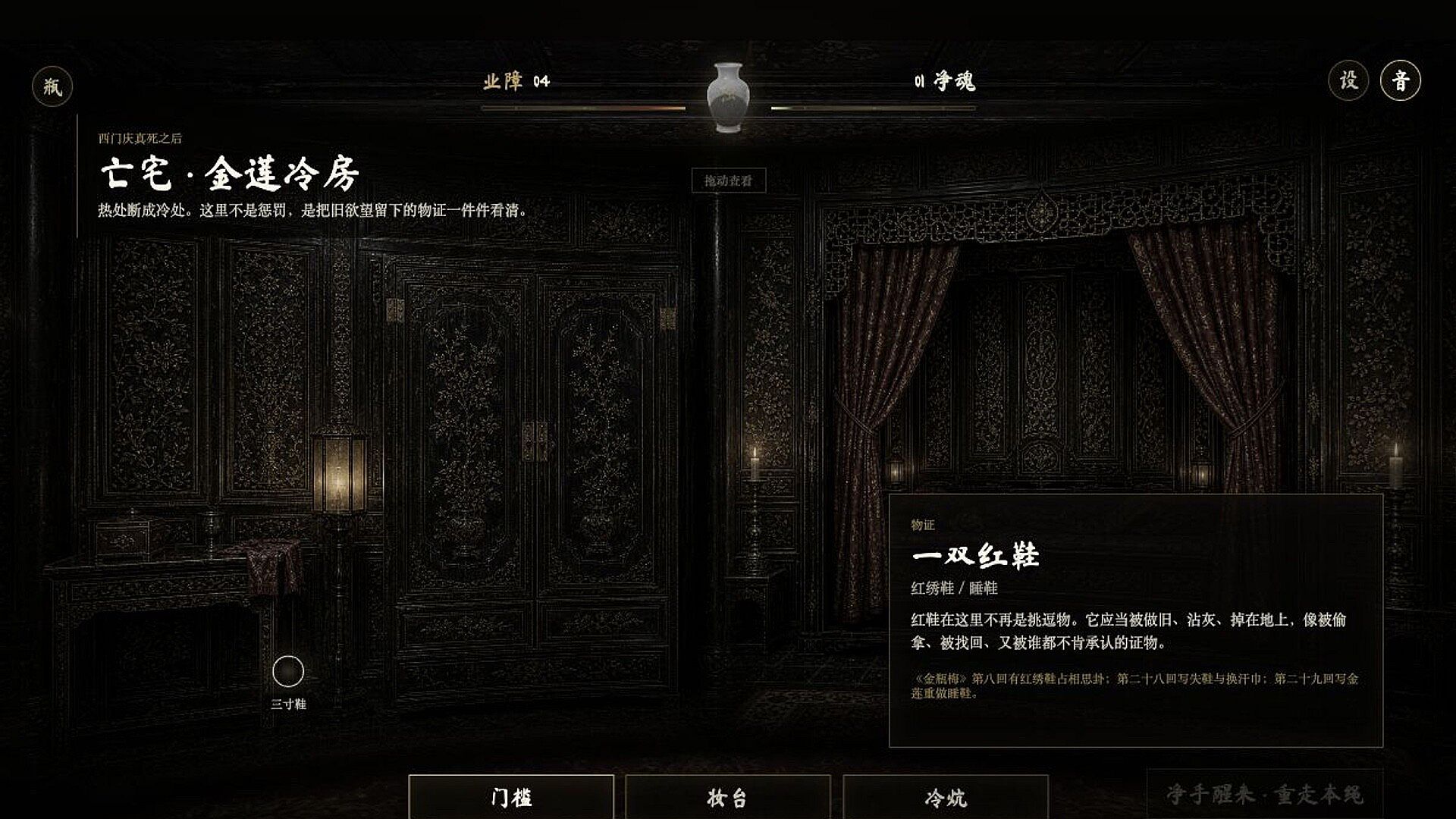
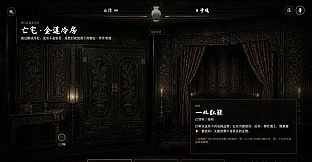
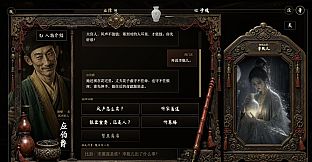
Death sends the player into a ghost residence filled with object memories that can be unlocked to repair narrative fractures before returning to the main rope. Collecting fragments of souls gradually awakens a trapped spirit and reveals responses tied to old debts and affections. Repeated runs of a chapter introduce variations because prior choices shift character conditions and surface new hidden details, turning each loop into a fresh investigation rather than a direct repeat.
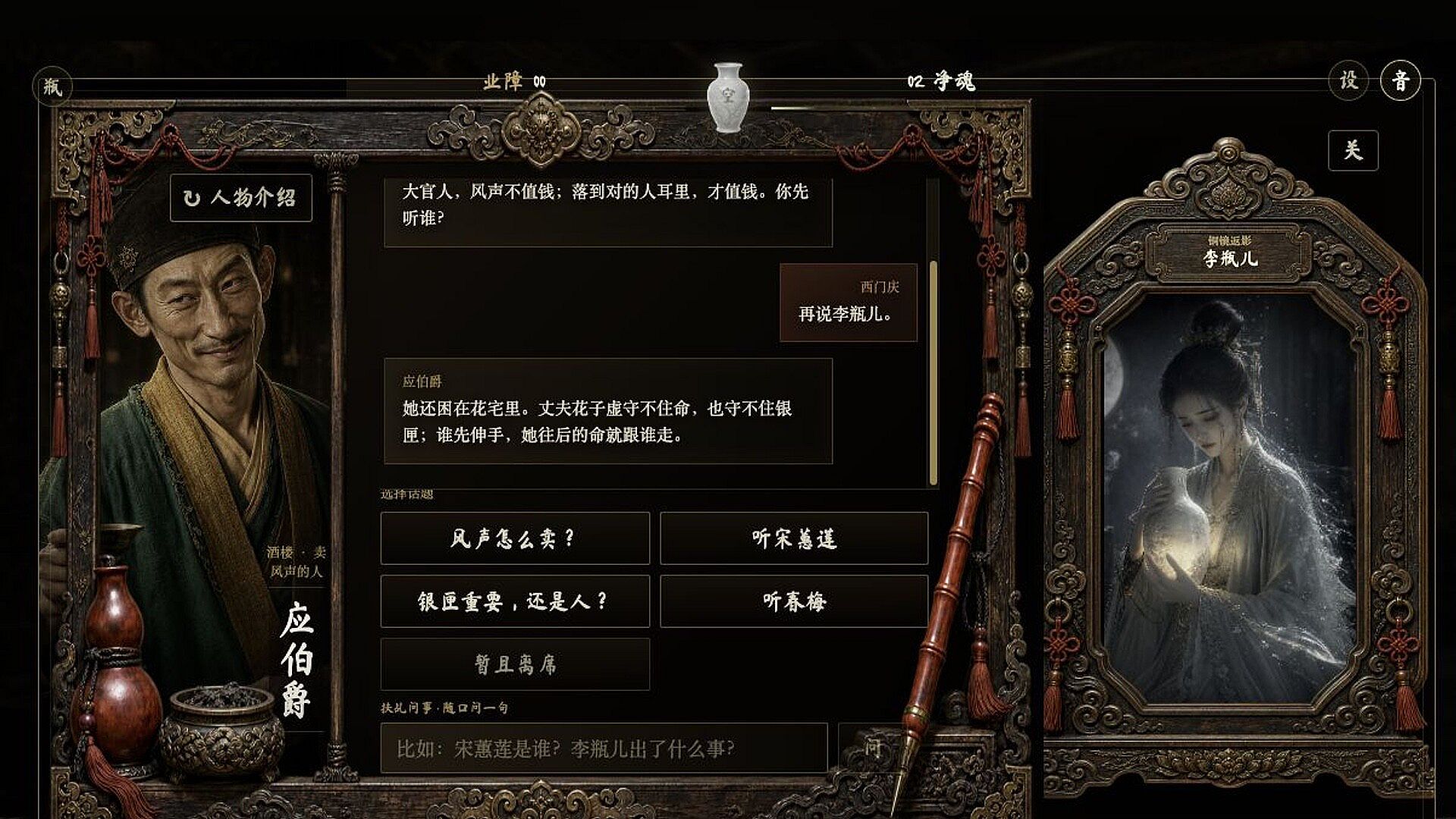
Visual and audio design draws from period elements like rain, candlelight, aged wood, porcelain, and the central black rope motif. Dialogue, ambient sounds, object echoes, and a calligraphy-style interface reinforce the sense that actions leave permanent marks on the record of events.
Game Modes
The game operates entirely in single-player format with no multiplayer components. Its structure revolves around a complete cycle within the first chapter, allowing players to enter an established scenario, make selections, face immediate and delayed outcomes, explore the district, and engage with soul memories before reaching a point that hints at further progression. This format encourages multiple traversals of the same material because accumulated changes in character states and available clues create distinct encounters on subsequent attempts.
Progression relies on the interplay between业障 and 净魂 values rather than traditional scoring systems. Choices carry no early indicators of right or wrong, so a seemingly helpful action might disrupt another character's life while a withdrawal could shift responsibility elsewhere. The demo currently available focuses on delivering this full loop for the opening chapter, providing a self-contained experience that demonstrates the mechanics of consequence, rebirth, and incremental soul collection.
Narrative Structure and Themes
The story begins with the entangled history involving Pan Jinlian, Wu Dalang, Wu Song, and Wang Po. A glance through a window, a rope on a table, a packet of medicine passed along, or the decision to witness a murder can redirect the entire sequence. Outcomes range from entrapment in seductive situations to violent ends or encounters with spirits that should no longer walk the streets. The central objective involves locating and responding to the spirit of Li Ping'er held in a separate vessel, using collected fragments to elicit her reflections on past connections.
Themes emphasize personal accountability without explicit judgment. Players confront the ripple effects of observation, indulgence, deception, and hesitation. The dark tone incorporates stylized horror, implied intimacy, poisoning, murder, and supernatural retribution, all presented through mature content suitable for adult audiences.
Is It Worth Playing?
This title suits players who enjoy choice-driven narrative adventures that reward repeated engagement through evolving story states rather than linear progression. The single-player format and focus on consequence tracking create a contemplative experience centered on moral ambiguity and personal reckoning. With the demo offering the complete first-chapter cycle, interested players can test the live-action integration, exploration elements, and rebirth mechanics before the full release.
Reception data remains unavailable because the game has not yet launched. Its appeal lies in the detailed recreation of period atmosphere combined with systems that make each run feel distinct through altered character dynamics and newly accessible memories. Those drawn to dark, literature-inspired interactive stories with emphasis on consequence and soul collection will find the described mechanics align closely with that preference.