













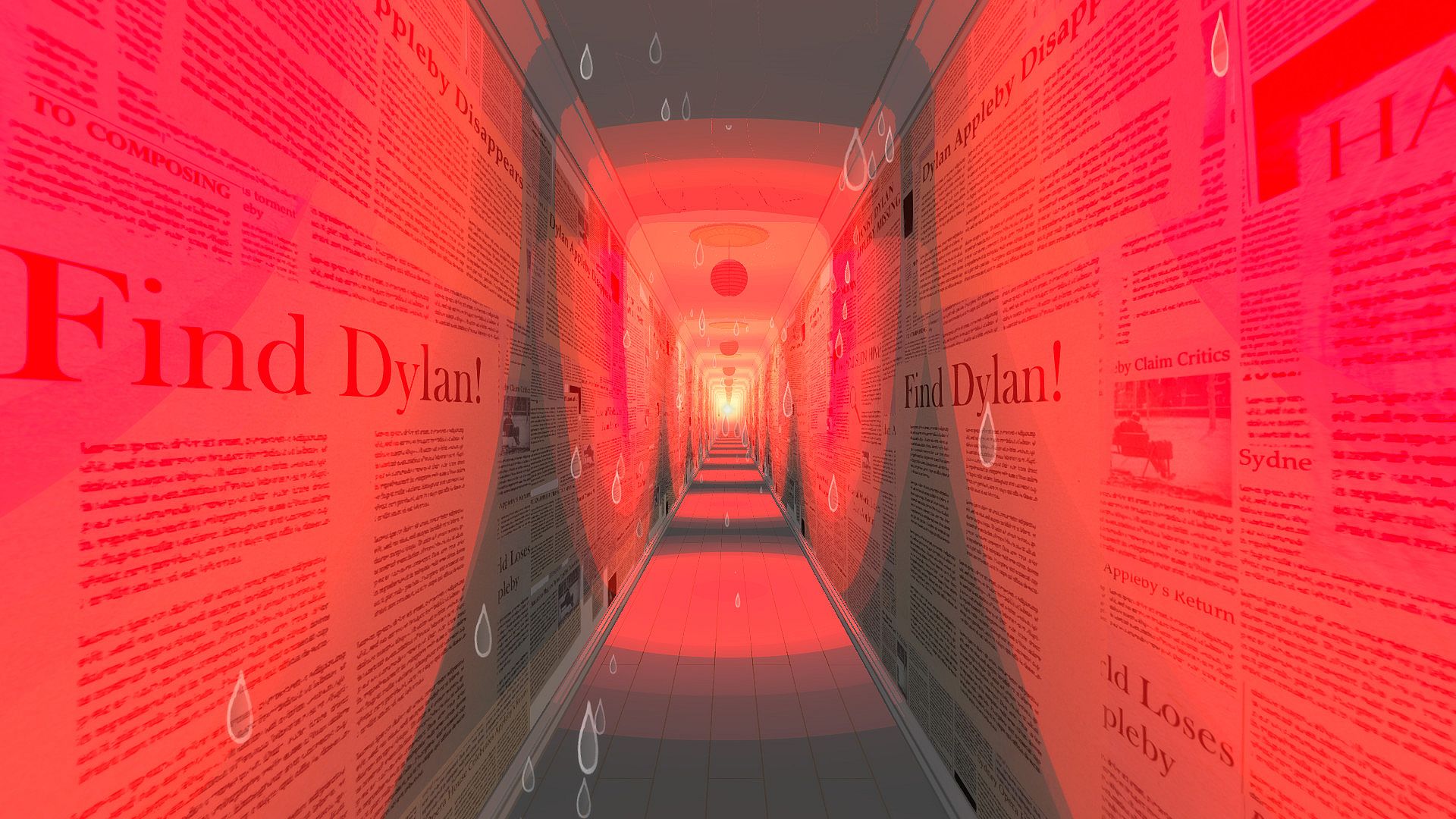
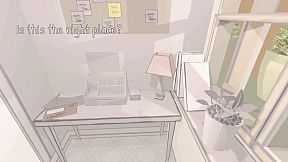

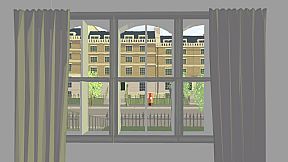

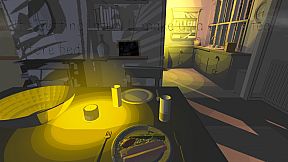

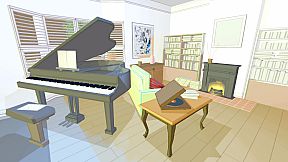
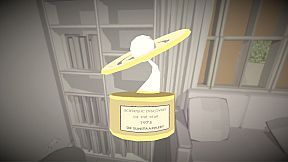
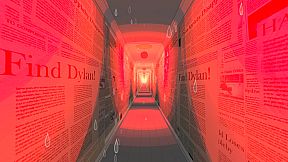
Before I Forget is a first-person narrative adventure game that places players in the role of Sunita, a woman experiencing early onset dementia. Set entirely within her home, the experience unfolds as a quiet exploration of memory, identity, and the fragments of a life shaped by love and loss. Developed by the small studio 3-Fold Games, this indie title blends casual pacing with deep emotional storytelling, inviting players to piece together Sunita's past through everyday objects and fleeting recollections rather than traditional objectives or challenges.
Gameplay
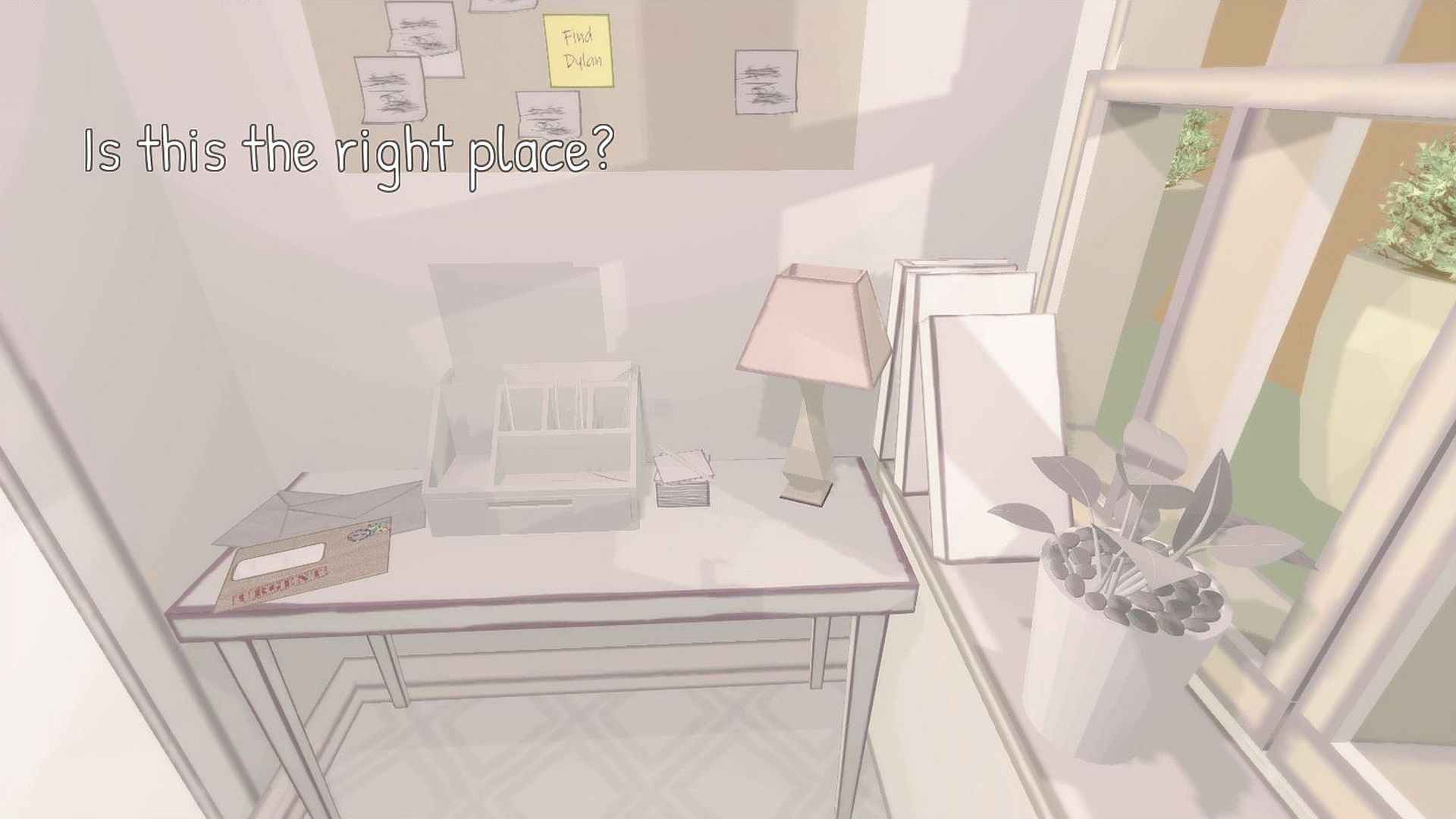
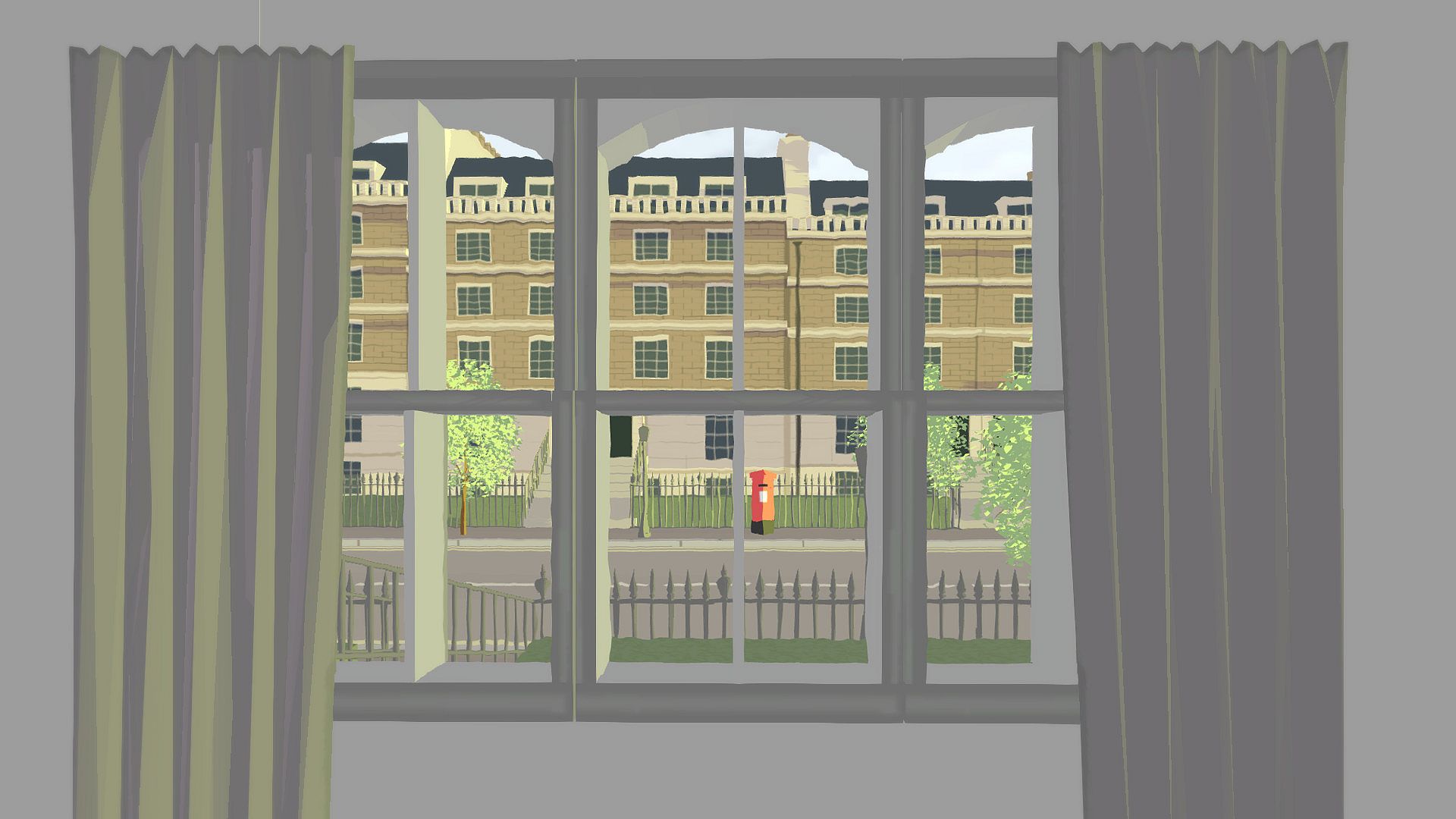
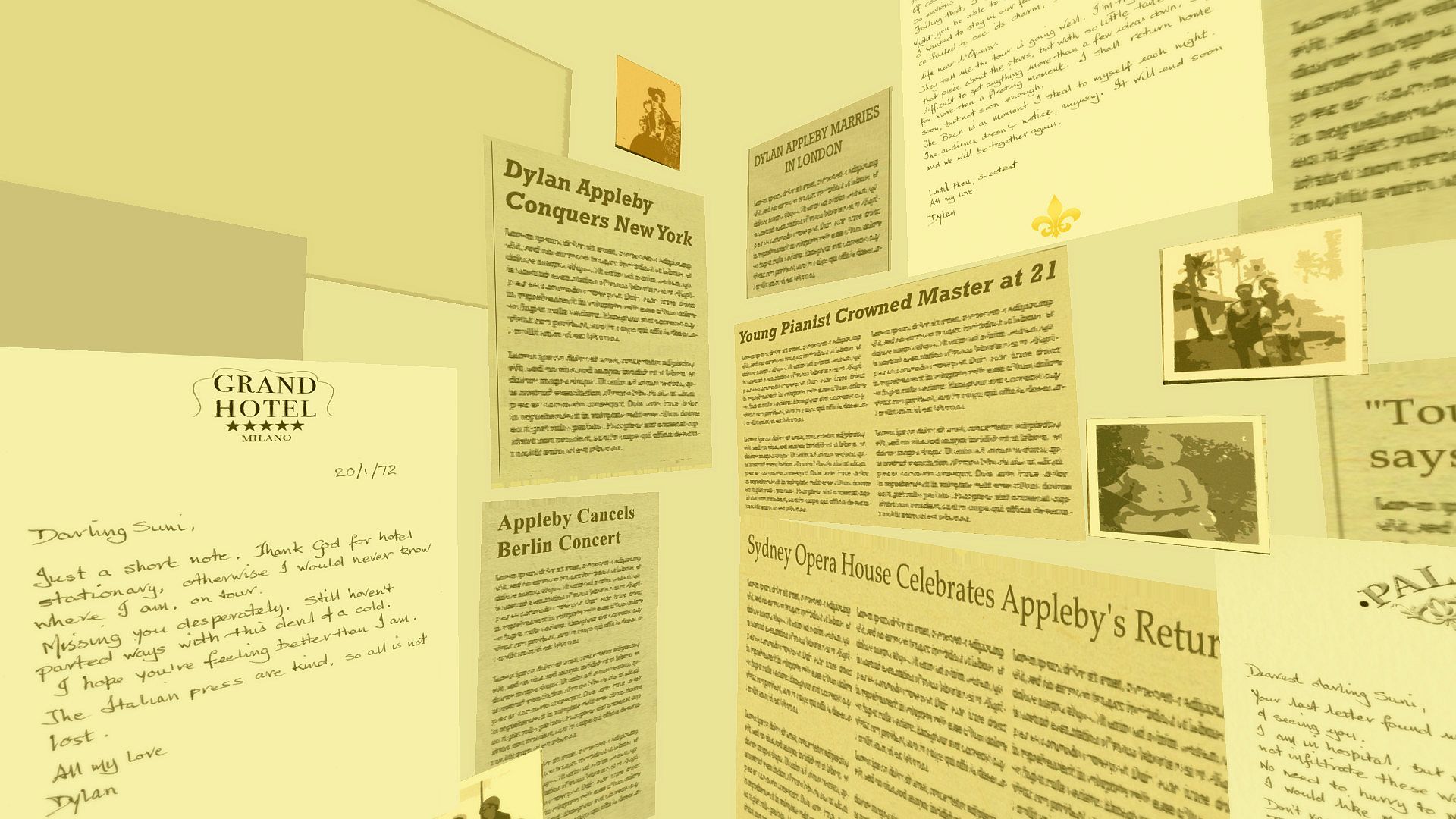
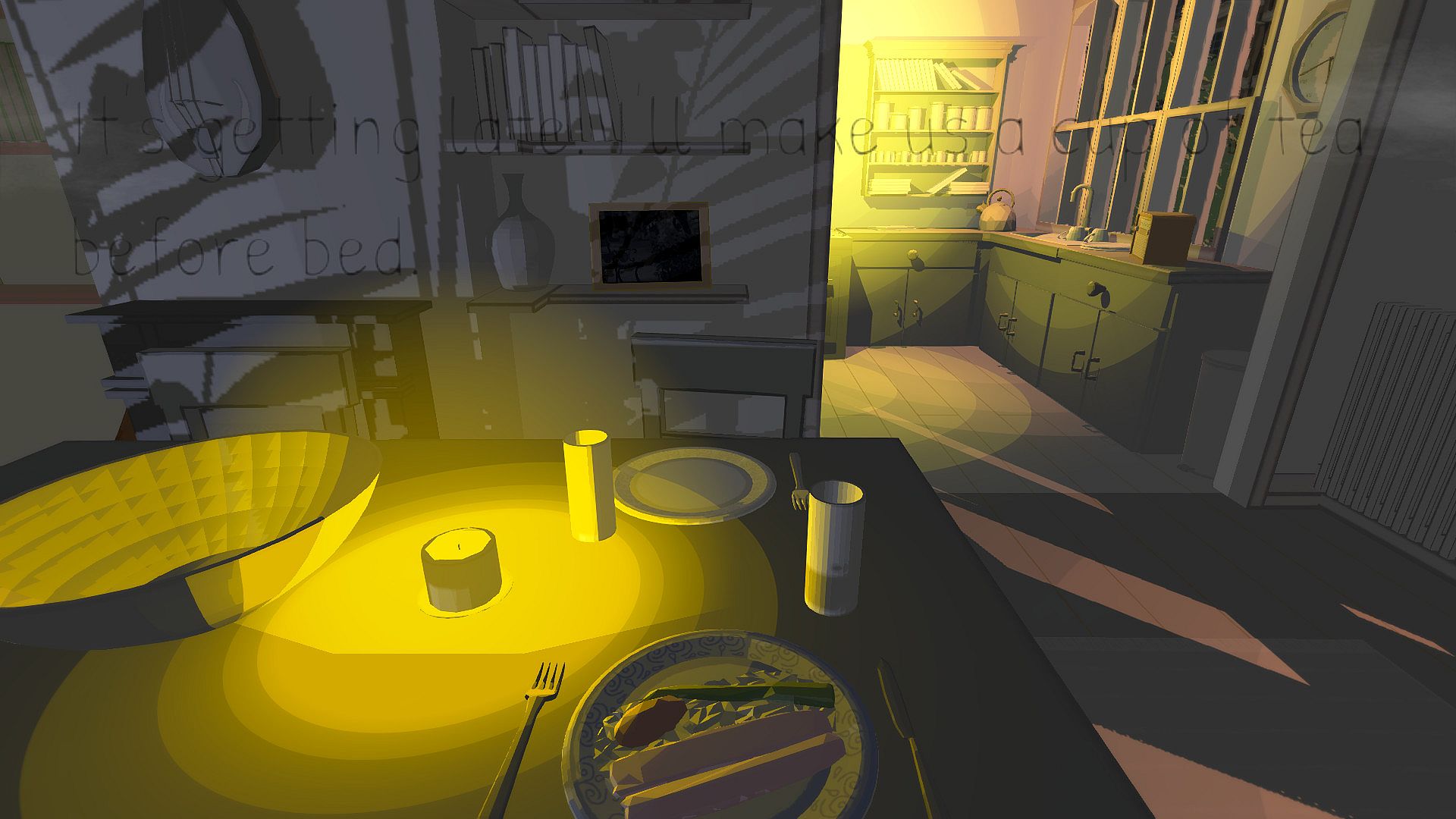
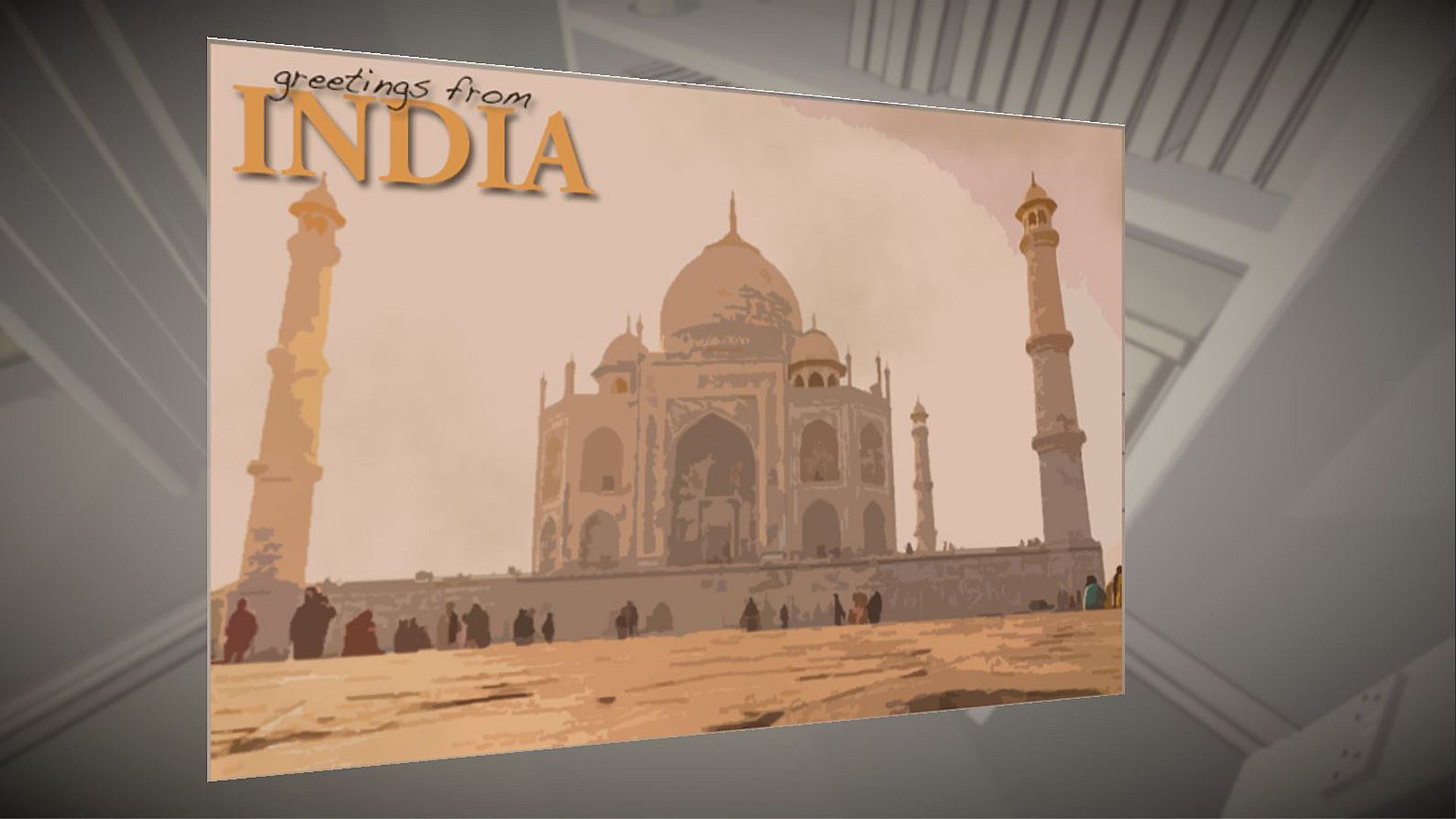
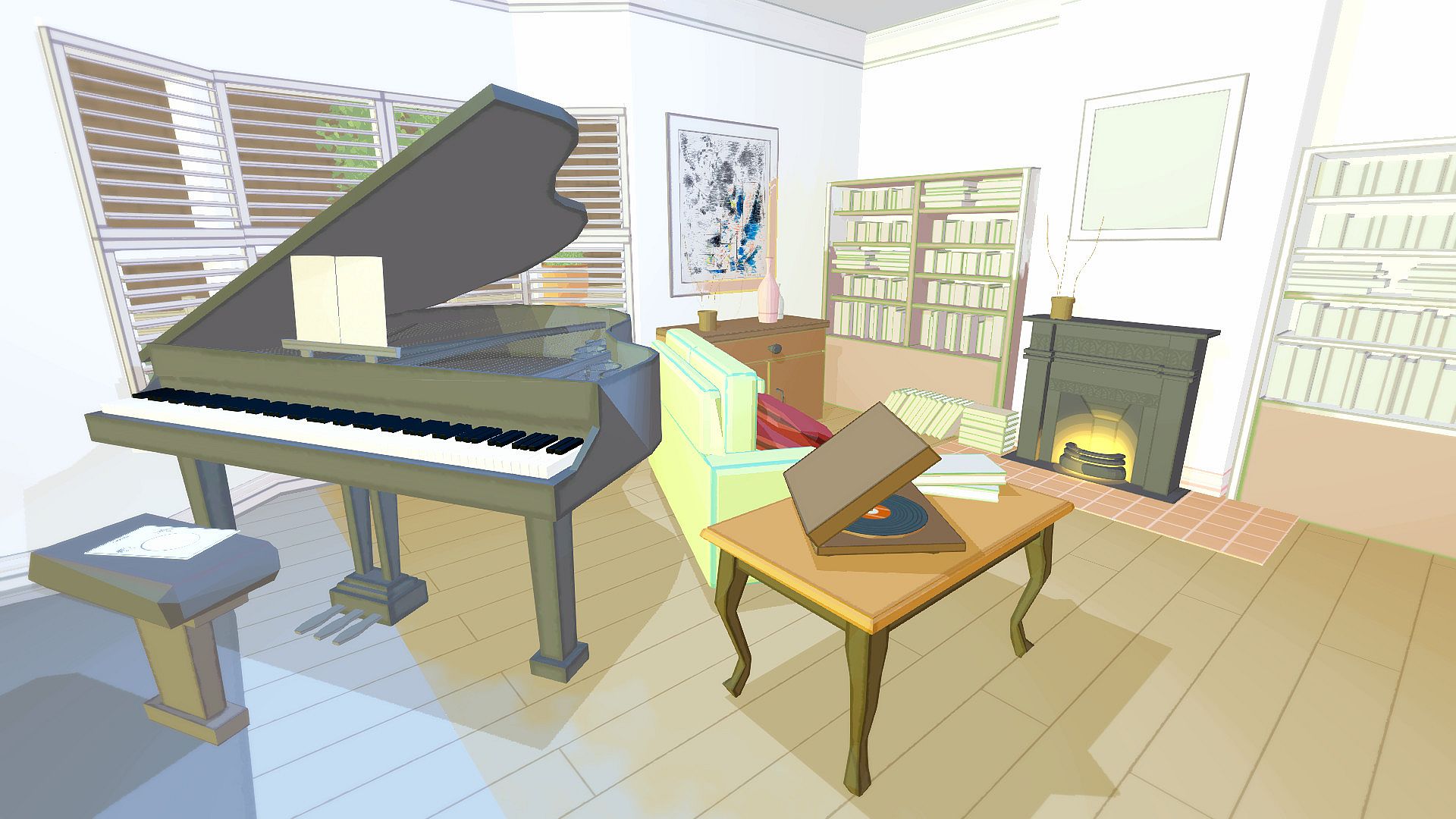
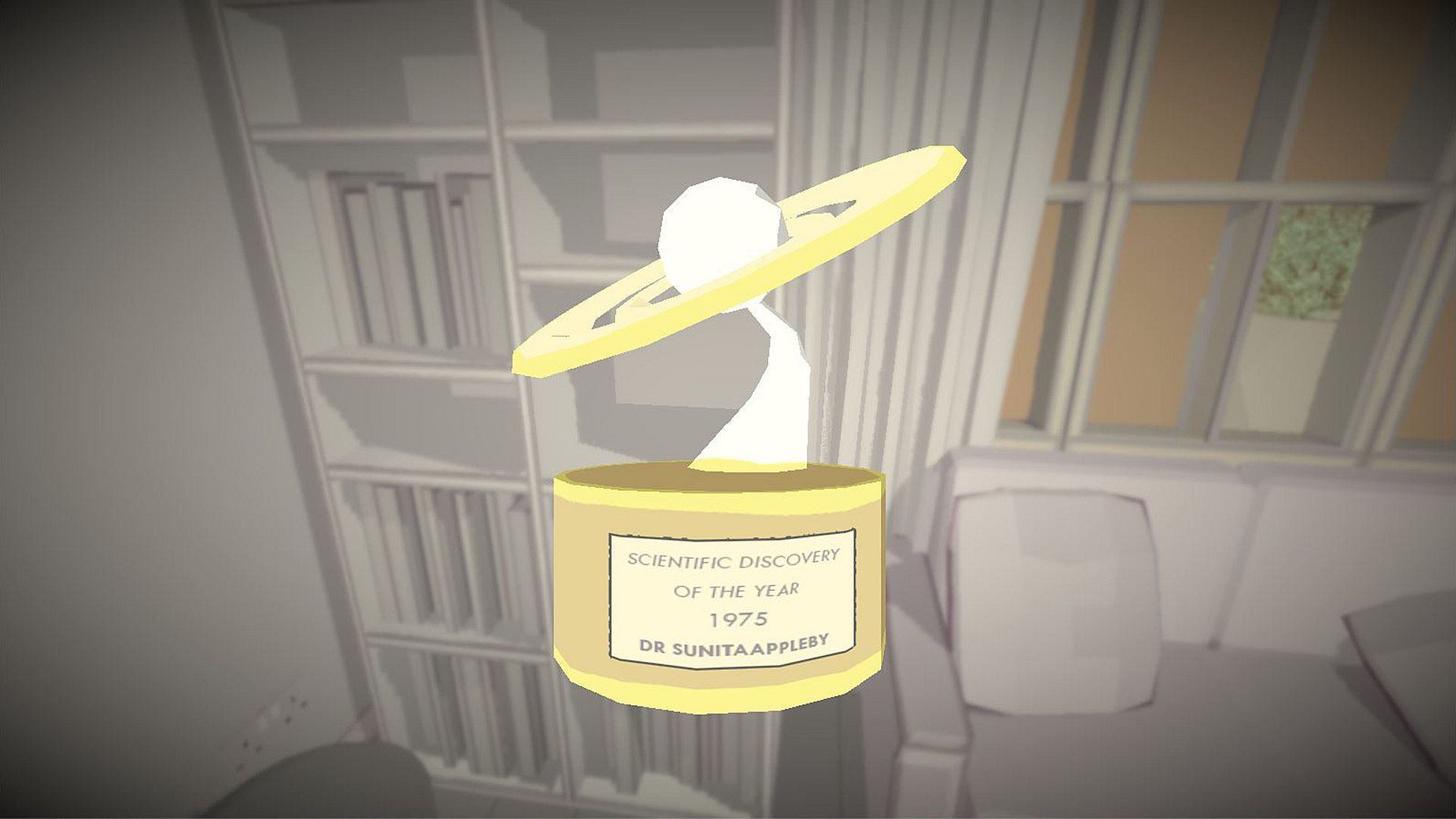
The core loop centers on moving through a single house and interacting with items that trigger brief, jumbled memories. Players examine postcards, notes, photographs, and other personal effects scattered across rooms, each one offering a momentary glimpse into Sunita's history. Movement feels deliberate and unhurried, with no timers, combat, or resource management to distract from the act of discovery. The environment itself communicates much of the narrative through visual details like a tattered calendar or the quality of light in different spaces, encouraging careful observation over rapid progression.
Progression relies on collecting and connecting these memory fragments to form a clearer picture of Sunita's relationships and experiences. There are no skill trees, upgrades, or branching choices that alter outcomes. Instead, the design emphasizes presence and reflection, with the player's role limited to wandering, looking, and listening. This structure keeps the focus on emotional resonance rather than mechanical complexity, making each session feel intimate and contained.
Game Modes
Before I Forget offers a single-player narrative experience with no separate modes or multiplayer components. The entire game unfolds in one continuous session within Sunita's house, designed to be completed from start to finish without interruption. A developers' commentary option can be toggled from the loading screen, layering interviews and insights from the creators over the same exploration without changing the core sequence of events or adding new content branches.
This unified approach means players encounter the story in the same order each time, with variations coming only from personal interpretation of the memory fragments rather than mechanical differences. The absence of additional modes reinforces the game's emphasis on a focused, personal journey rather than replayability through varied rulesets or competitive elements.
Story and Themes
The narrative examines dementia through Sunita's perspective, showing how memories fade and reorder themselves in real time. Objects serve as anchors to the past, revealing details about her Indian heritage, relationships, and the life she has lived. Voice performances bring these recollections to life, with distinct actors portraying Sunita and the people from her memories, adding emotional weight to each fragment.
An original piano soundtrack accompanies the exploration, its melodies shifting to match the tone of each memory and the quiet atmosphere of the present-day house. The score avoids overt cues, instead providing a subtle thread that ties fragmented scenes together. This combination of visual, auditory, and interactive elements creates a cohesive portrait of memory's unreliability without relying on exposition or cutscenes.
Is It Worth Playing?
Before I Forget suits players seeking a short, contemplative narrative adventure centered on personal themes rather than action or puzzle-solving. Its one-hour length makes it accessible for a single sitting, and the detailed house environment rewards close attention to small details. The inclusion of voice work and an original score enhances the emotional impact for those drawn to story-focused indie games.
Reception highlights its sensitive handling of dementia and the strength of its atmospheric presentation, with many appreciating the respectful approach to underrepresented perspectives in gaming. Those who value quiet exploration and emotional storytelling will find it rewarding, while players expecting mechanical depth or extended playtime may find the scope limited. The developers' commentary adds another layer for anyone interested in the creative process behind such a personal project. Overall, it stands as a thoughtful, self-contained experience best approached with an open mind toward its themes of memory and connection.