


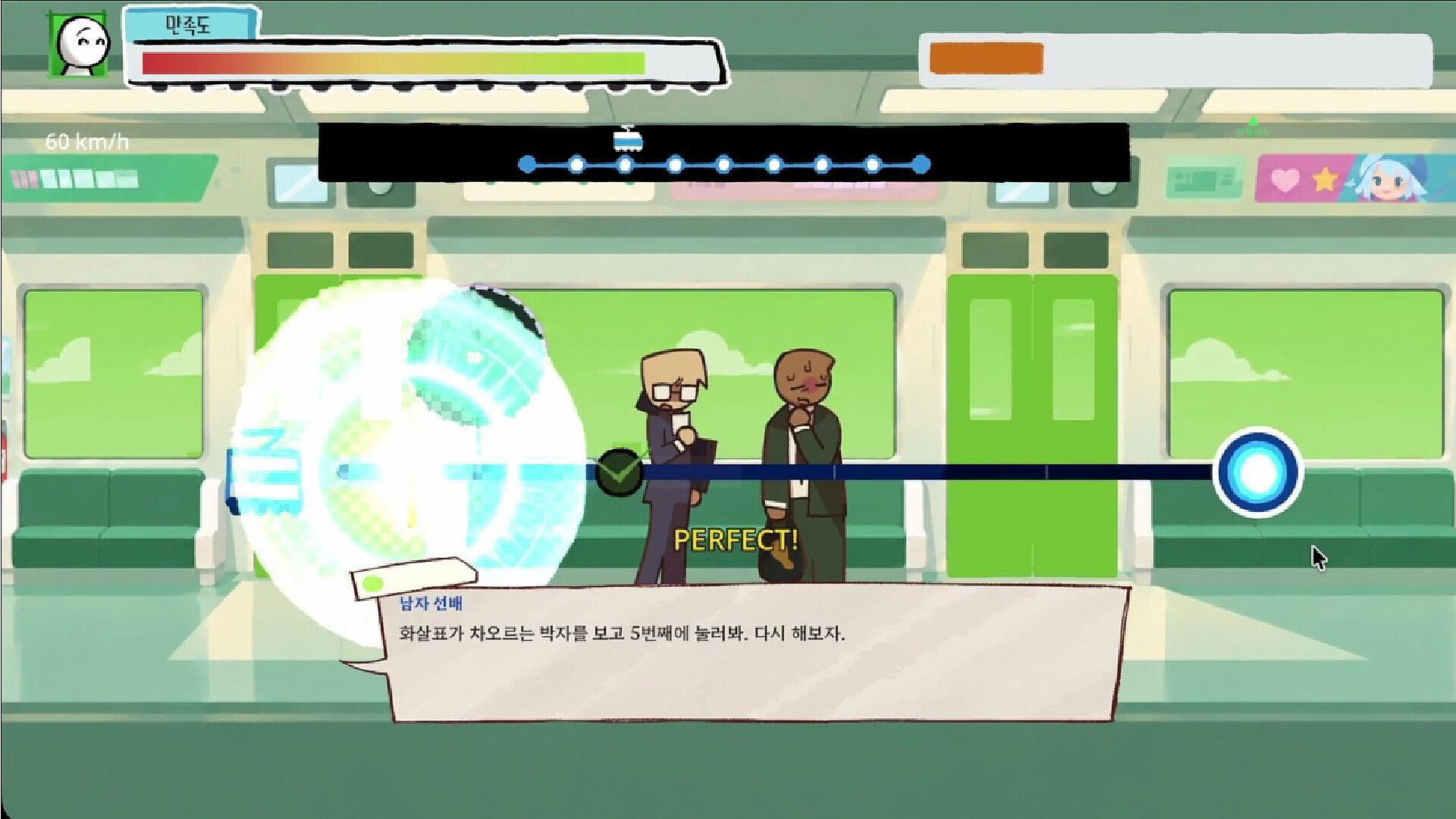






Beat Metro is an indie rhythm game developed for PC that centers on matching the distinct beats created by subway passengers during a typical commute. Players engage with directional key inputs timed to visual cues, uncovering brief narratives embedded in everyday travel scenes.
Gameplay
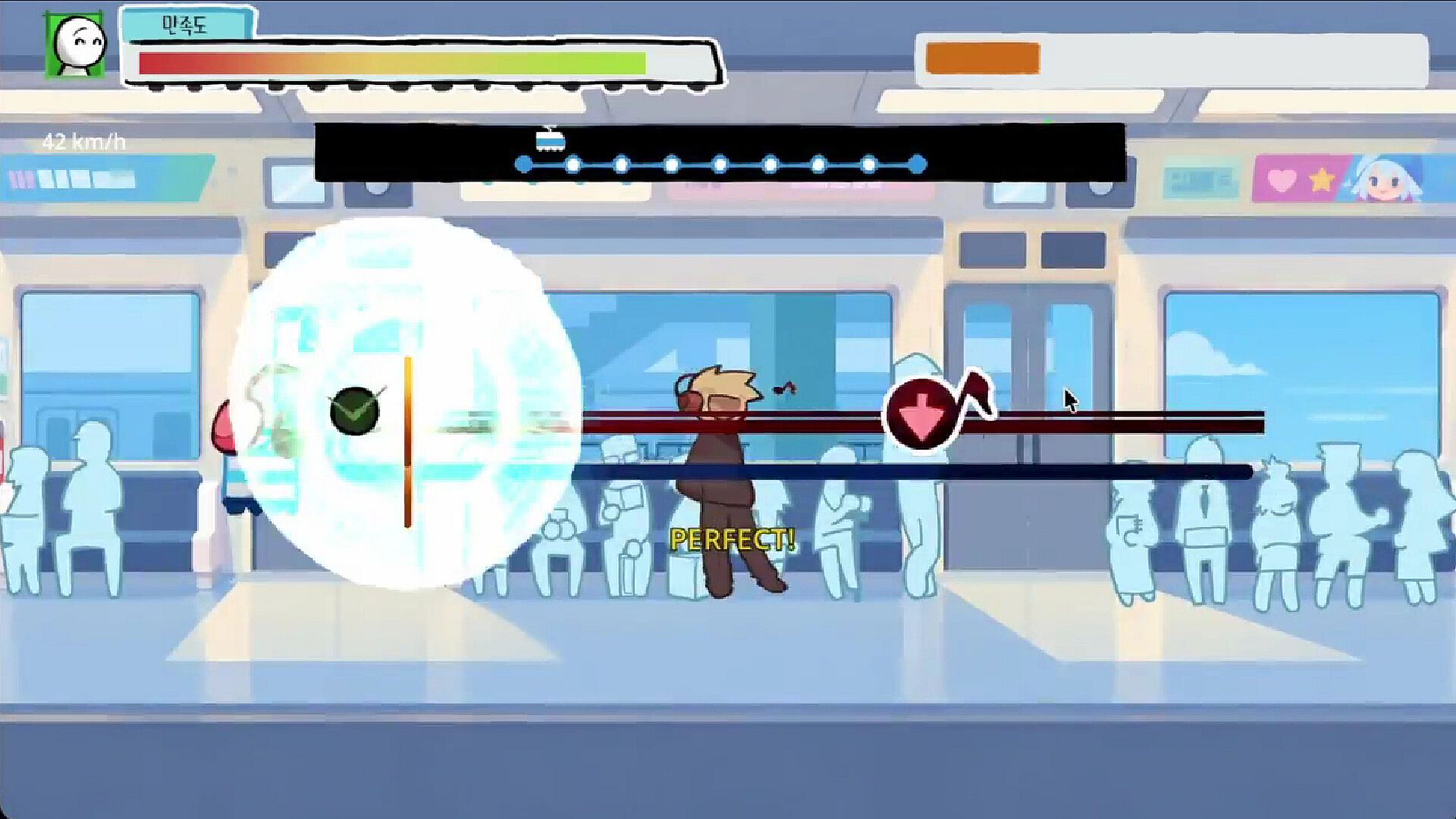
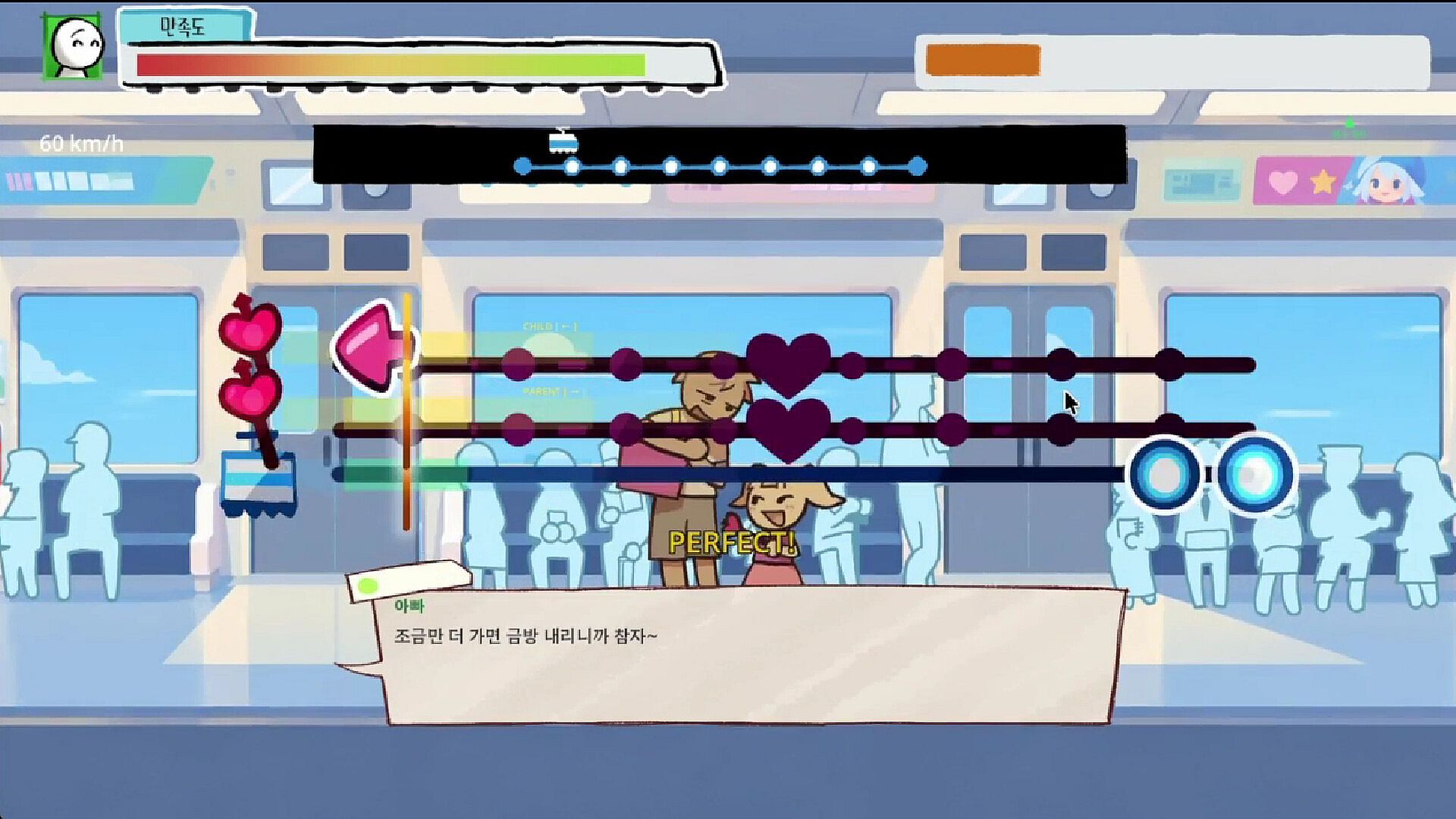
The core loop revolves around observing passengers and replicating their individual rhythms through precise timing. Each encounter presents unique visual patterns that guide the sequence of directional presses required to stay in sync. These interactions unfold against the backdrop of a standard subway ride, where ordinary moments gain depth through the rhythm matching process.
Visual cues appear in real time as passengers board or move through the car, prompting players to align inputs with the emerging beat. Different passengers introduce varying patterns and situations, requiring adaptation to maintain accuracy. The experience emphasizes focus on these fleeting commuter interactions rather than complex systems or external objectives.
Success depends on reading the cues accurately and responding at the right moments, with each passenger offering a fresh rhythm to follow. This creates a steady progression through multiple encounters that build a sense of the commute's hidden details.
Game Modes
Beat Metro operates as a single-player rhythm experience where the primary activity involves progressing through a series of passenger encounters. There are no separate competitive or cooperative modes confirmed; instead, the gameplay centers on sequential interactions that vary based on the rhythms and situations presented by each individual.
Players move from one passenger to the next, adapting to new patterns without branching paths or alternative formats. The structure supports repeated playthroughs by highlighting how different rhythms emerge in the same commute setting, allowing focus on timing precision and observation of small unfolding moments.
Story and Atmosphere
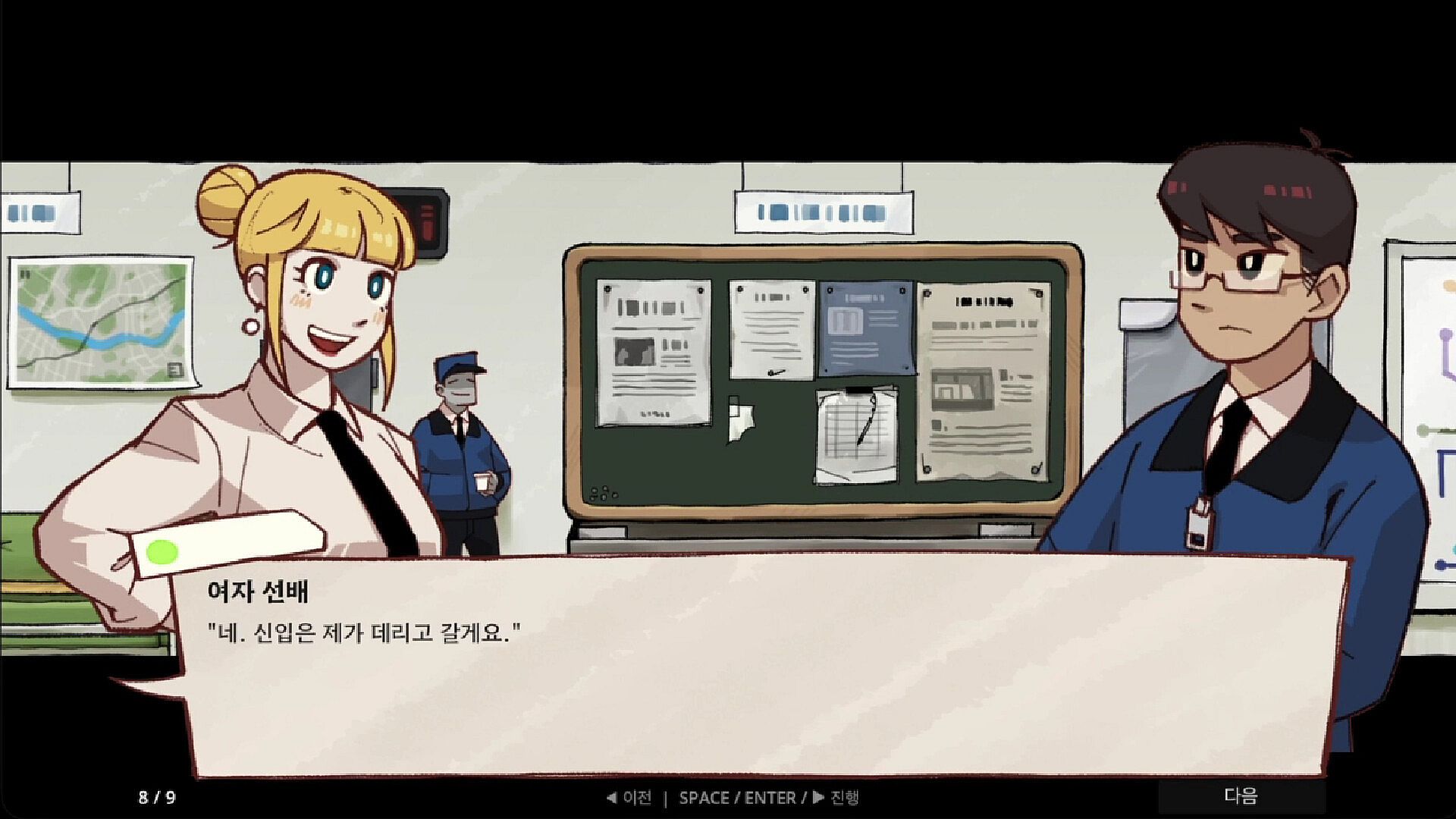
The narrative elements remain understated and tied directly to the subway environment. Each passenger contributes fragments of everyday life through their rhythm, revealing small stories that reflect ordinary commutes without elaborate plots or external conflicts. This approach keeps the focus on the rhythm mechanics while adding context to the encounters.
Atmosphere draws from the familiar subway setting, where visual and audio elements support the timing challenges. The game avoids high-stakes scenarios, instead emphasizing the quiet variety found in routine travel and the personal rhythms that define individual passengers.
Is It Worth Playing?
Beat Metro suits players who appreciate rhythm games that integrate simple directional timing with observational elements from daily life. Its single-player format and emphasis on passenger-specific beats offer a focused alternative to more intense or competitive rhythm titles. With a planned release in Q4 2026 and no user reviews available yet, the game appeals most to those interested in indie experiences built around precise input matching and subtle commuter narratives. Fans of rhythm mechanics that reward attention to pattern variety in a contained setting will find the core loop engaging once it launches.