




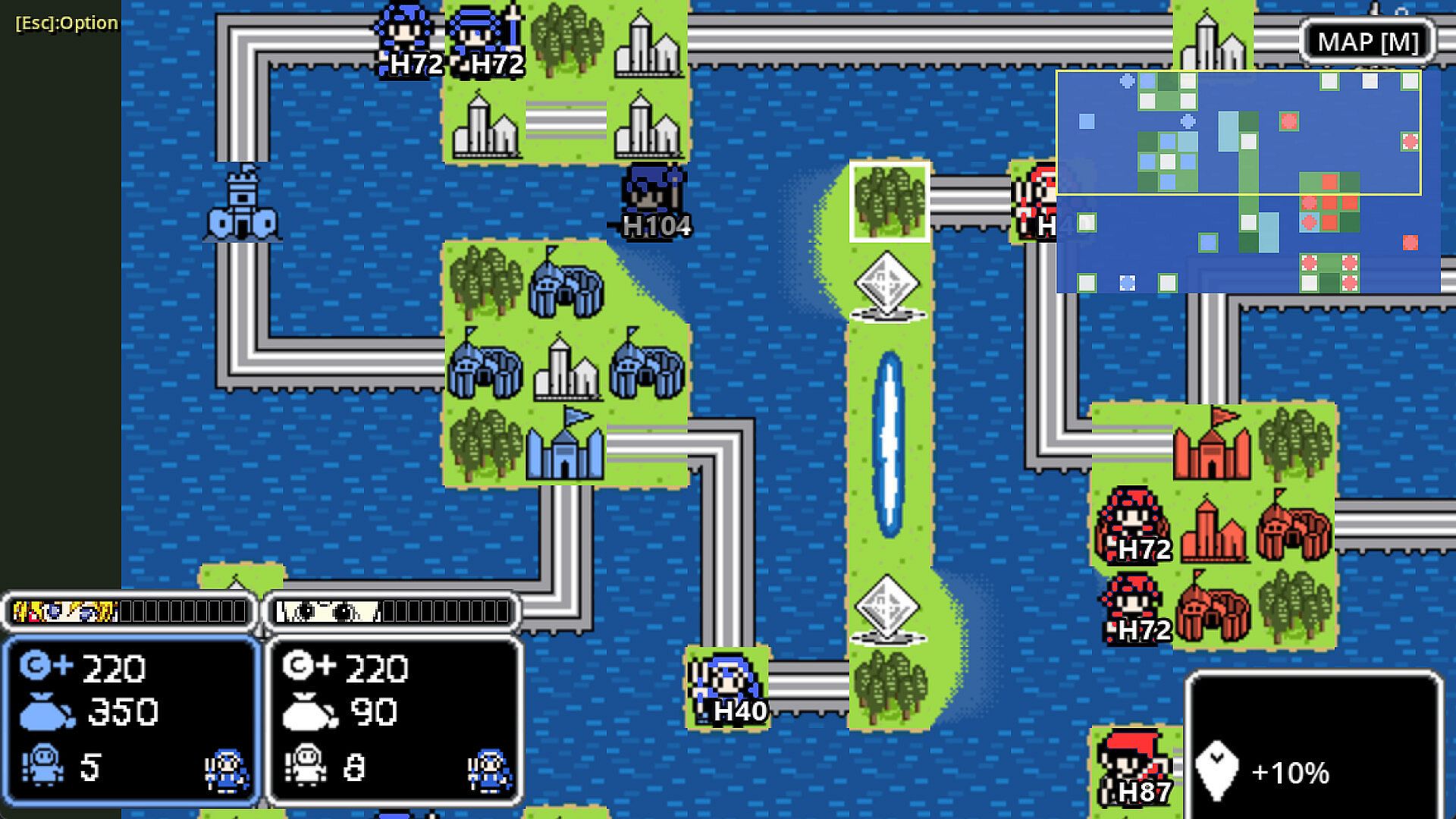
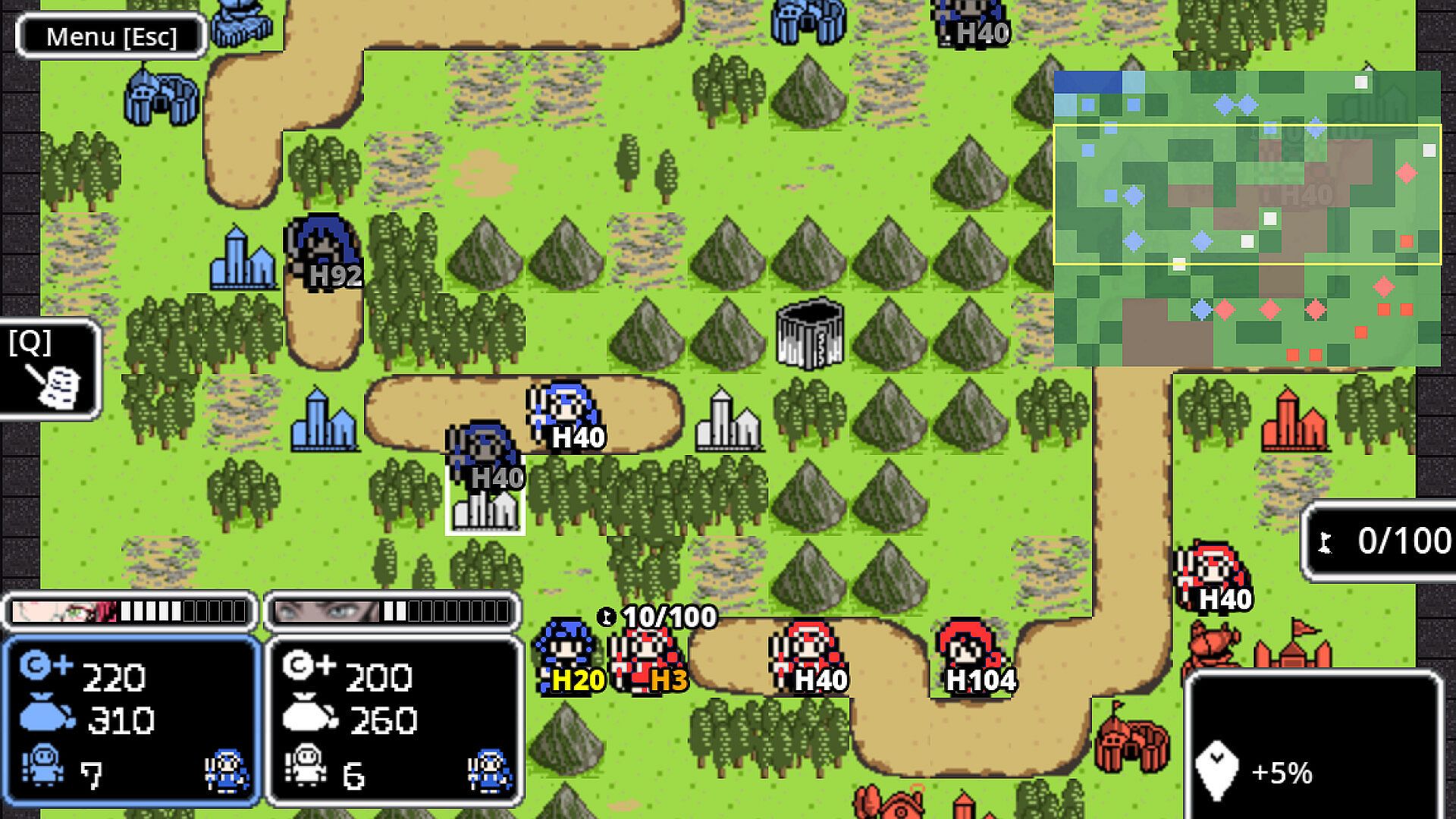
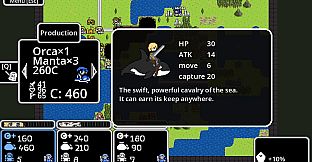
Banana Kingdom is a retro-inspired strategy simulation game for PC that emphasizes straightforward rules paired with layered decision making. Players manage factions in turn-based conflicts where capturing bases, producing units, and meeting specific victory goals determine the outcome. The design removes heavy numerical complexity while preserving meaningful choices in resource allocation and positioning.
Gameplay
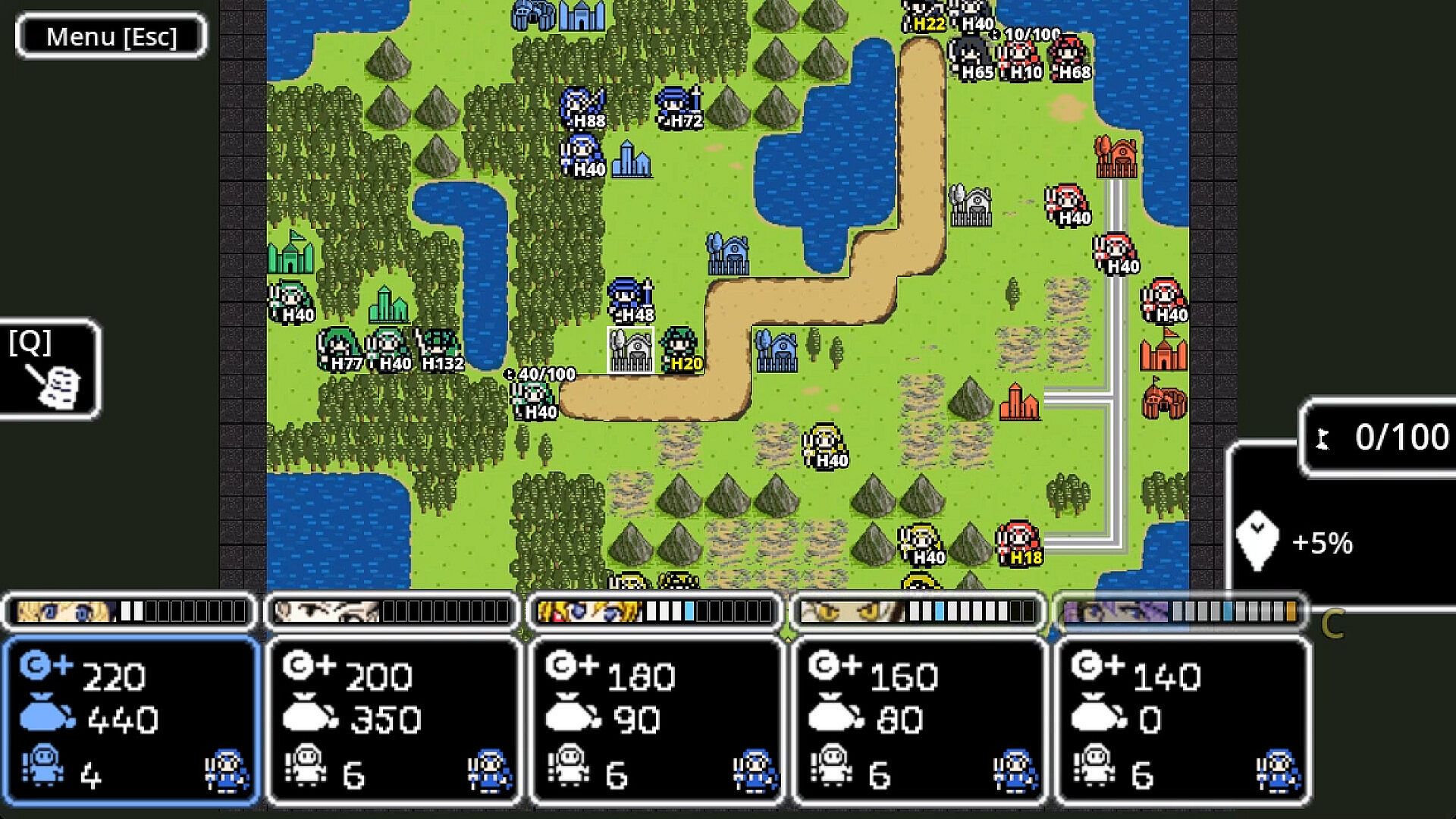
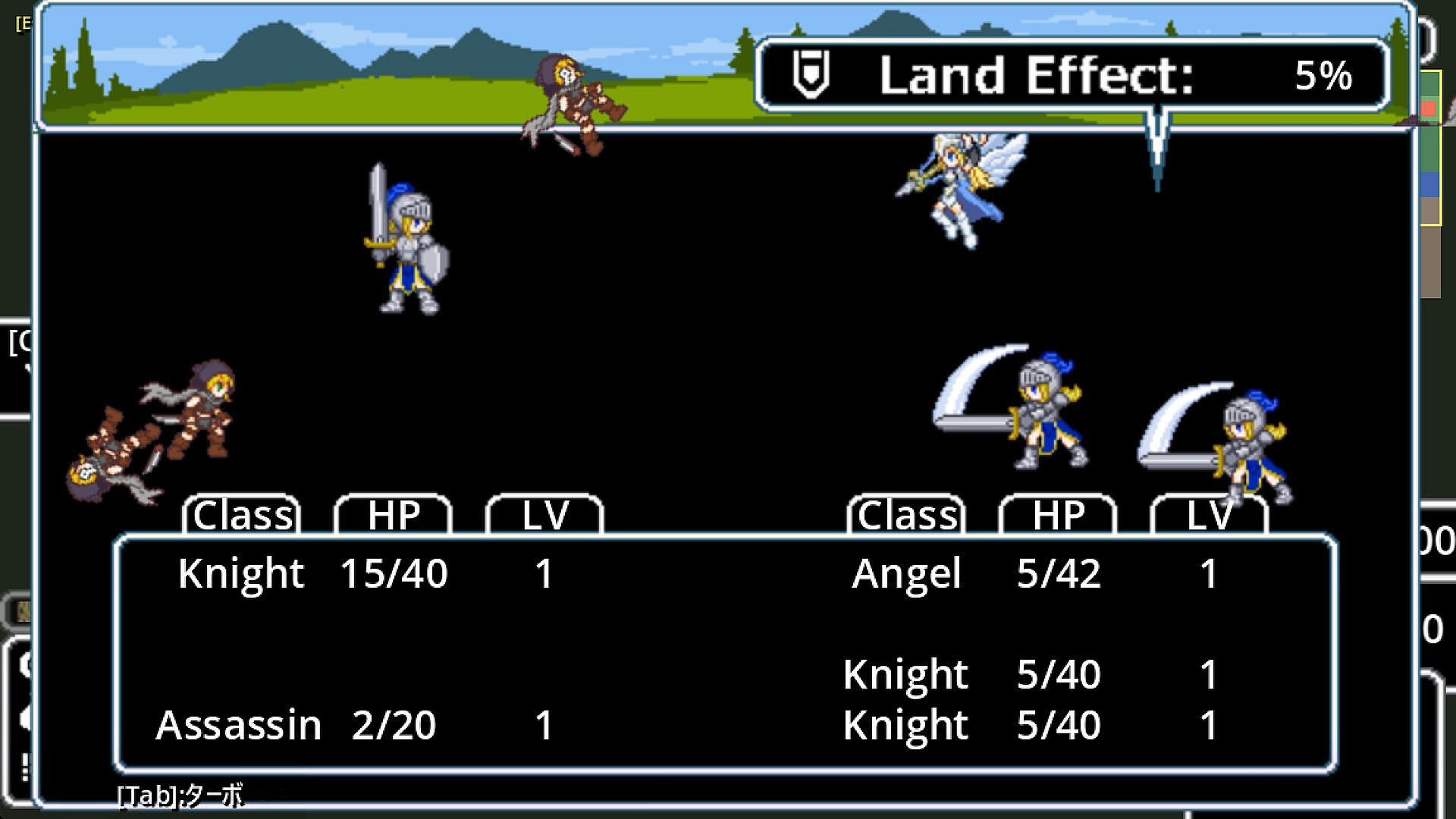
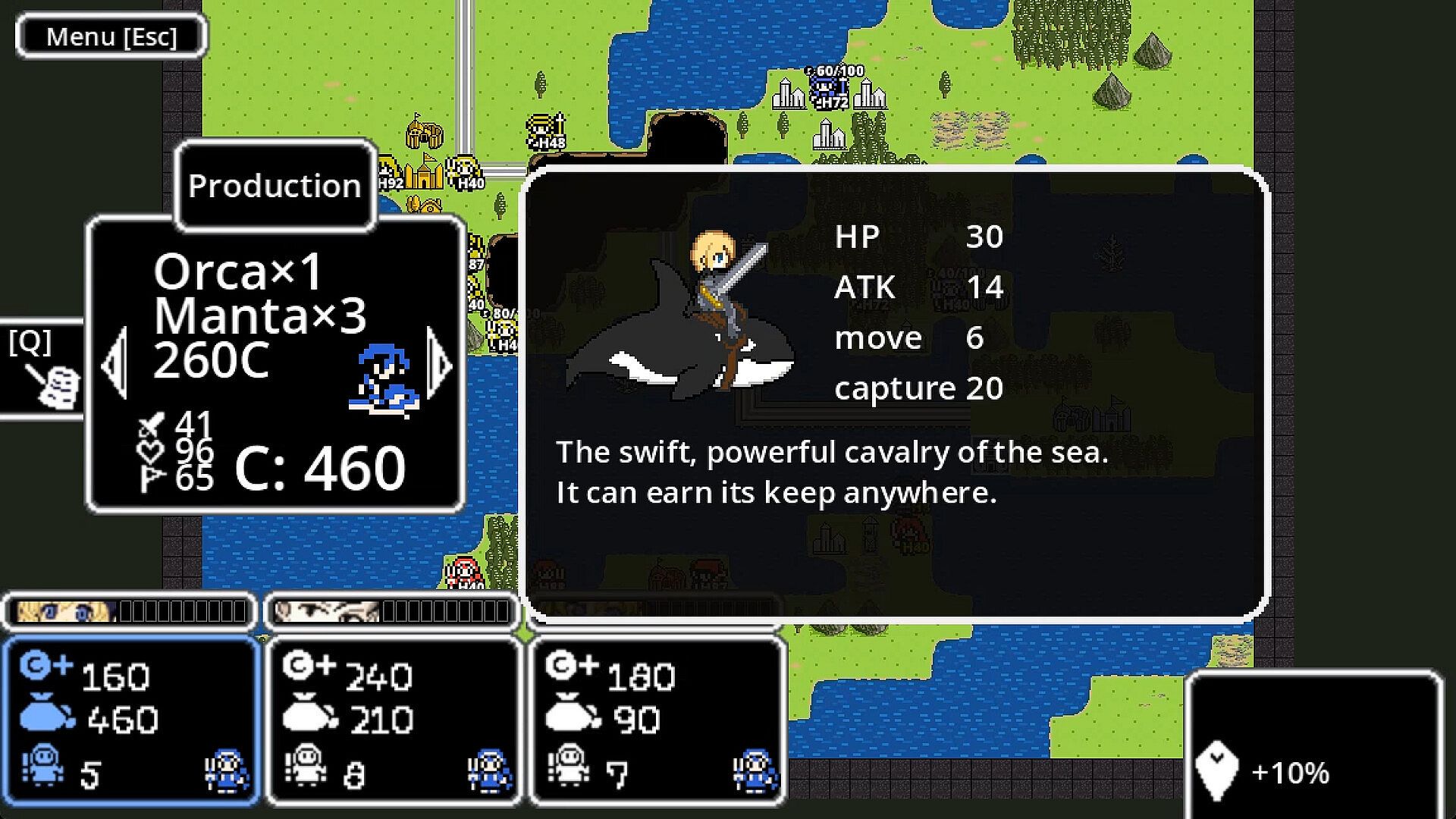
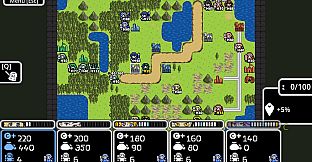
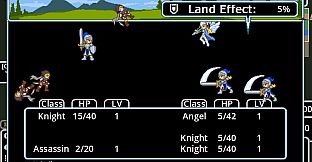
Each turn revolves around producing units from facilities, moving them across the map, and expanding control over key locations. Units consist of teams of four crew members, allowing combinations such as pure infantry groups or mixed compositions with knights and fighters. Defeating opponents levels up surviving units and improves their capabilities. Capital earned from bases funds both unit production and facility upgrades, creating a core tension between immediate military output and long-term infrastructure strength.
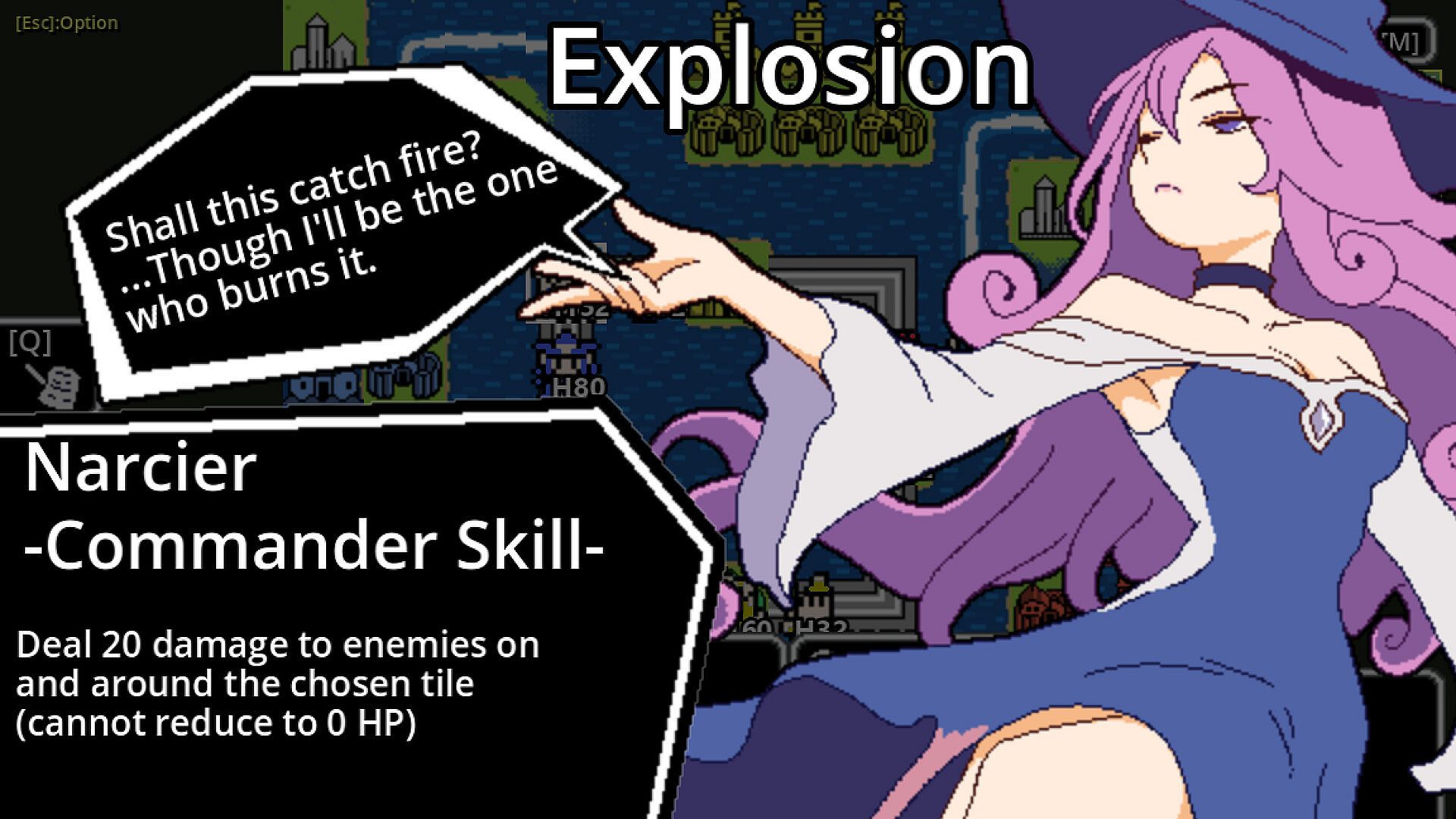
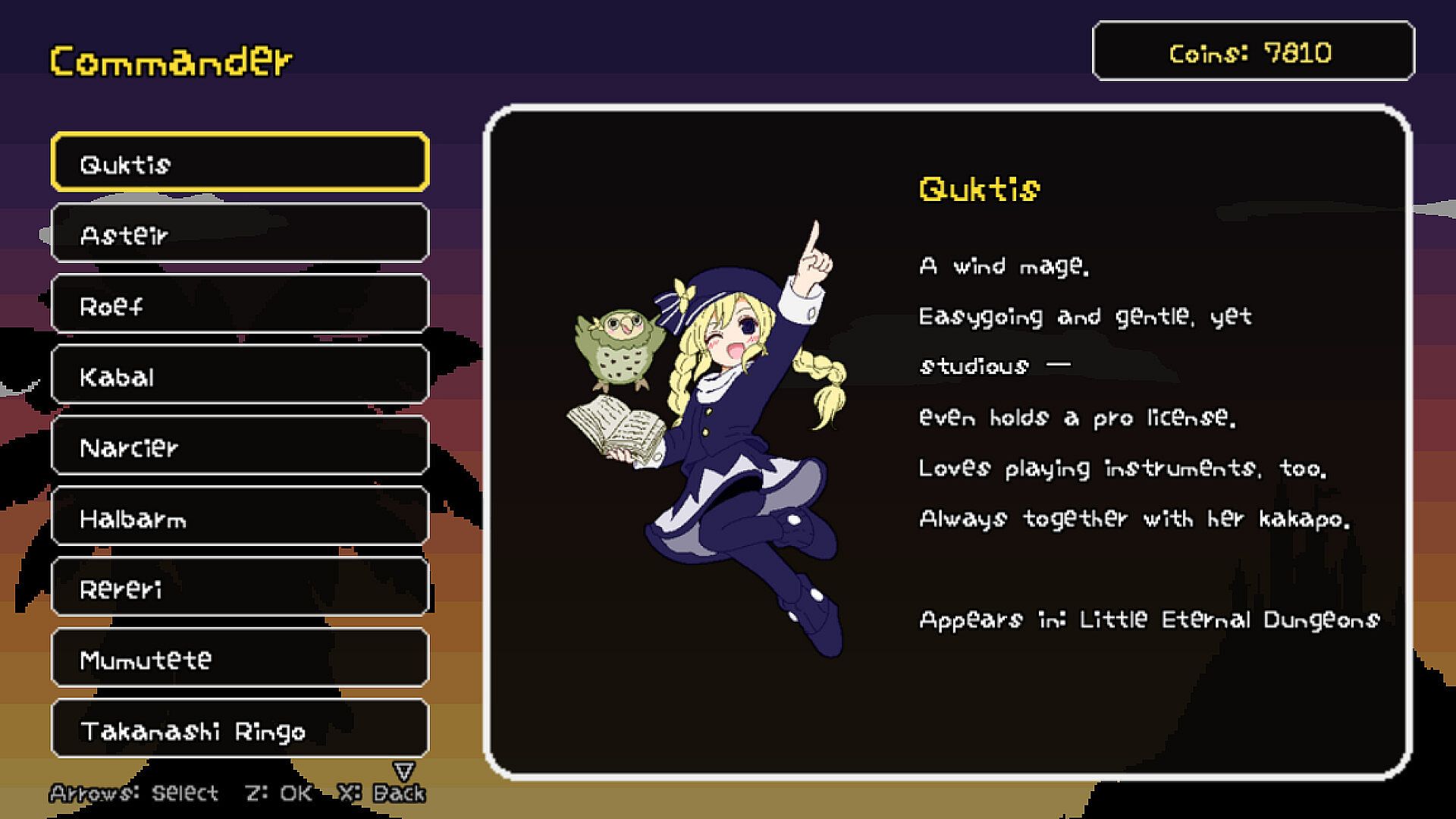
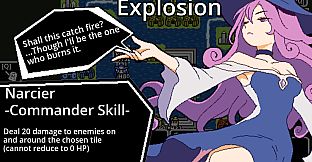
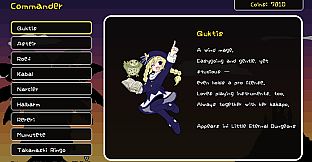
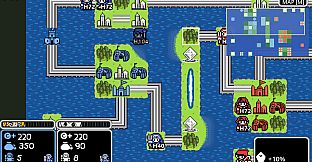
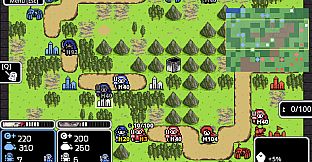
Commanders act as player avatars with unique skills that activate once a gauge fills, providing powerful battlefield effects. Bases and facilities serve as the foundation of strategy, yielding resources each turn while offering specialized functions like healing, scouting, or unit replenishment. Terrain and positioning matter heavily, with certain facilities granting movement advantages or defensive bonuses that reward careful planning over random chance.
Game Modes
The primary experience takes the form of battles involving up to five factions in a battle royale structure. Victory conditions vary by map and include total annihilation of enemy units, capturing an opposing castle, securing the Golden Banana, defeating the Banana King, or transporting the Statue of the Banana God back to a home castle. Maps support fog-of-war options that limit visibility and require scouting tools for effective play.
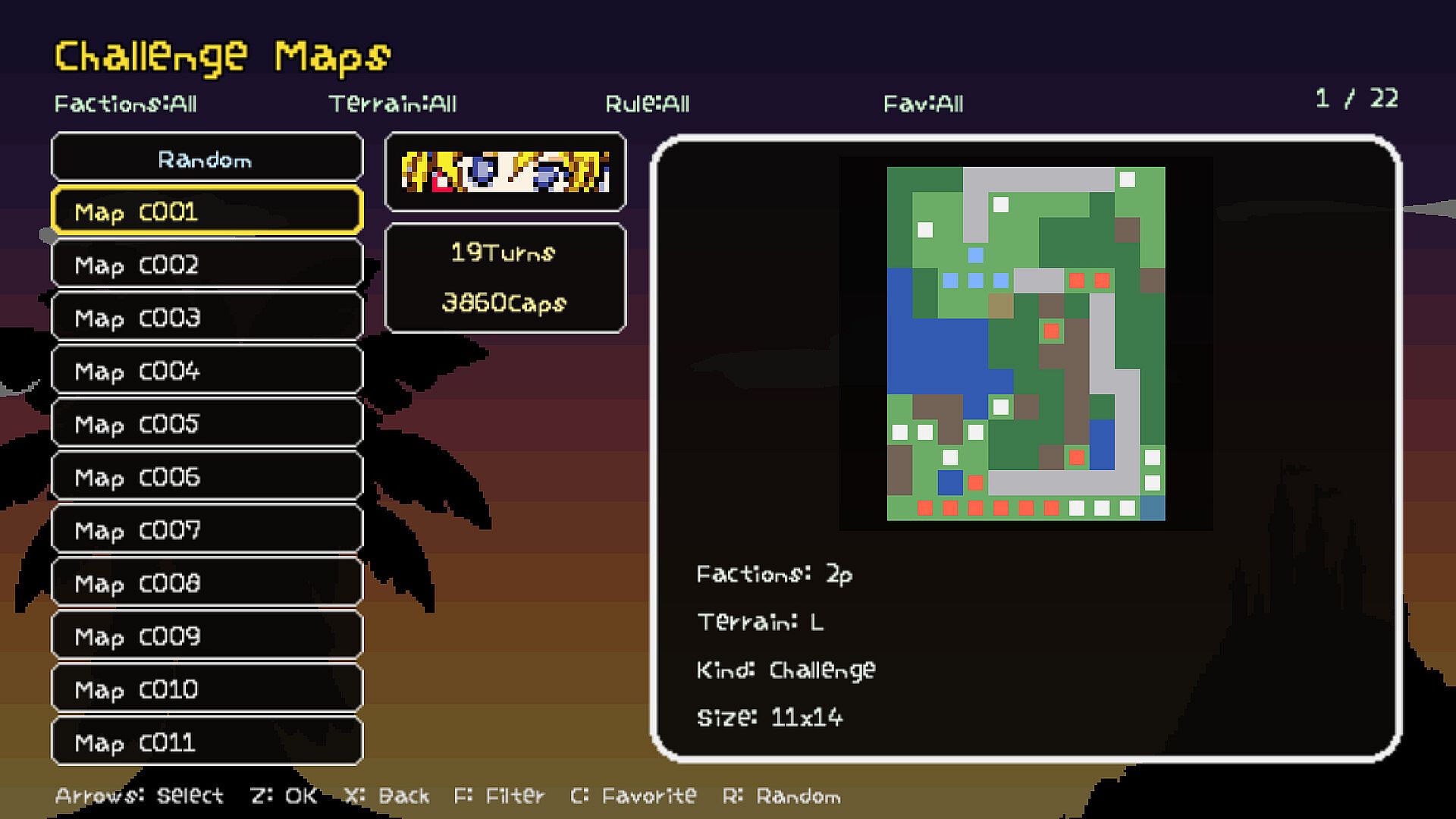
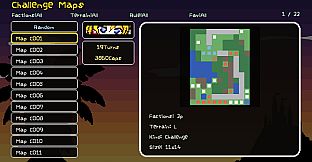
Single-player campaigns against AI opponents form the core loop, while shared or split-screen support enables local multiplayer matches. The system encourages repeated play through nearly one thousand pre-built maps plus user-created content that can be shared as files.
Map Editor and Community Features
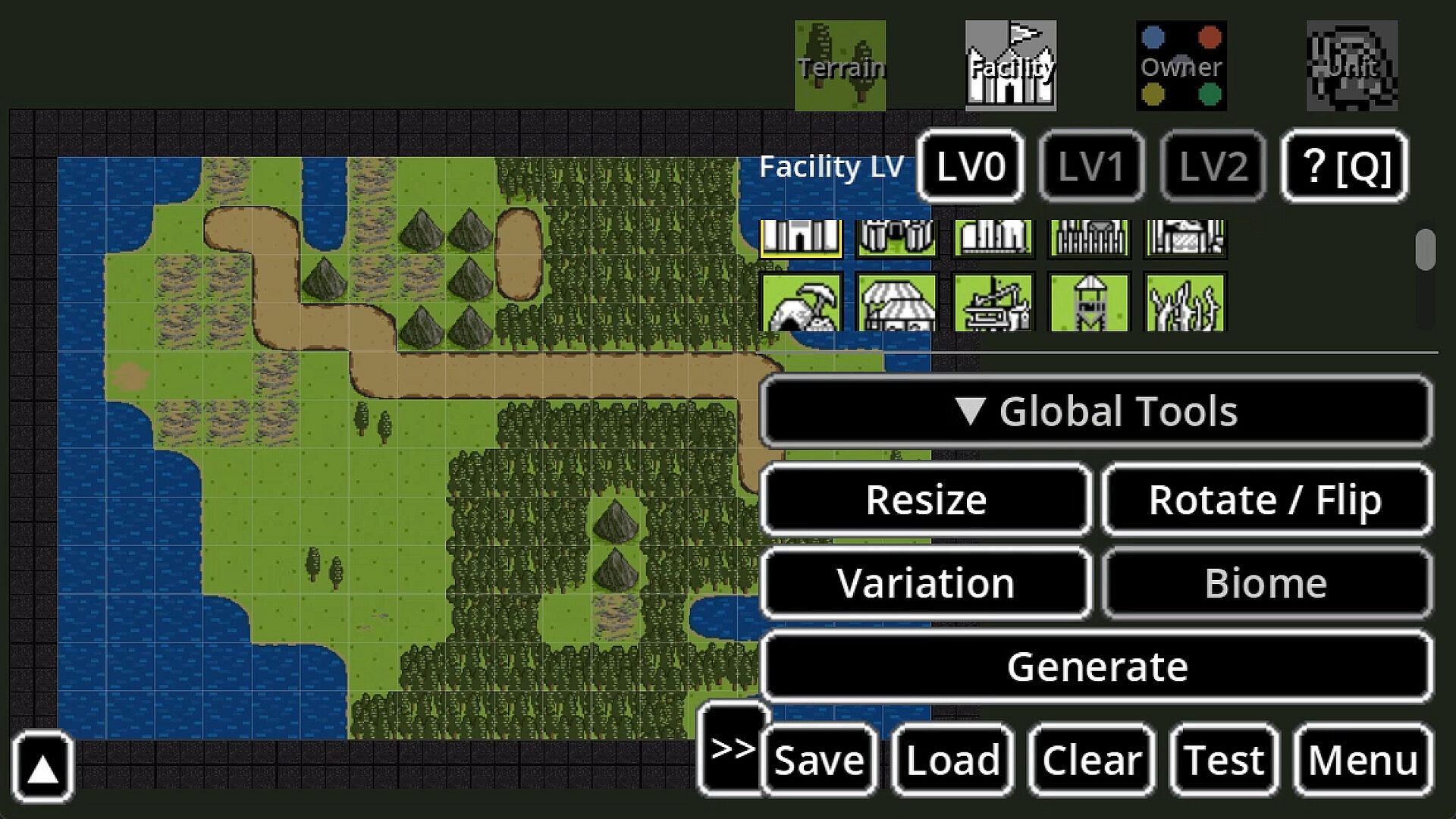
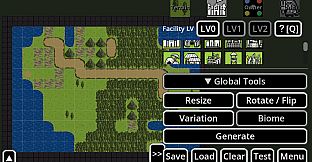
A built-in map editor allows creation of custom stages with tools for rectangle drawing, mirroring, rotation, and one-click biome generation. Players can place upgraded facilities from the start, design symmetric layouts, or set up linked warp gates with specific tags. Maps created in the demo carry forward to the full release, supporting both capture-focused scenarios and pure annihilation setups.
Colorblind accessibility options ensure broad usability. The editor emphasizes flexibility for different play styles, from defensive strongholds to open territorial struggles.
Units, Bases, and Strategic Depth
Units range from basic militia and knights to specialized roles like scouts for terrain navigation, falconers for anti-air duties, hunters for ranged attacks, and mages for high-damage output. Aquatic and airborne options such as manta troopers, orca troopers, and airships expand options across varied maps. Facilities like forts for production, farms for healing and trooper generation, watchtowers for vision, and unique elements such as dragon eggs or wish crystals add layers to base management.
Upgrading bases improves yields and capabilities, forcing players to weigh spending capital on expansion versus immediate reinforcements. The absence of heavy randomness means outcomes stem directly from positioning, timing, and resource decisions.
Is It Worth Playing?
Banana Kingdom targets players who enjoy turn-based strategy with clear mechanics and high replayability through map variety and the editor. Its focus on judgment over luck suits those seeking competitive local matches or solo campaigns against AI. The game enters Early Access in August 2026 with a playable demo already available, allowing early feedback on balance and features before the full release.
Development plans include additional maps, AI improvements, and crew customization options. With no user reviews available yet due to the pre-release status, prospective players can assess fit through the demo and the developer's emphasis on community input for balance and content. Those drawn to retro-style simulations with deep tactical layers and creative map-building tools will find substantial value in its systems.