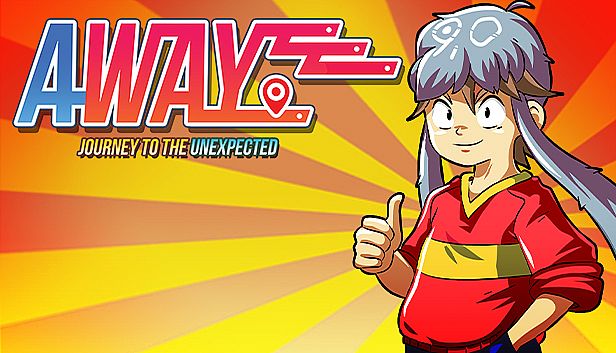















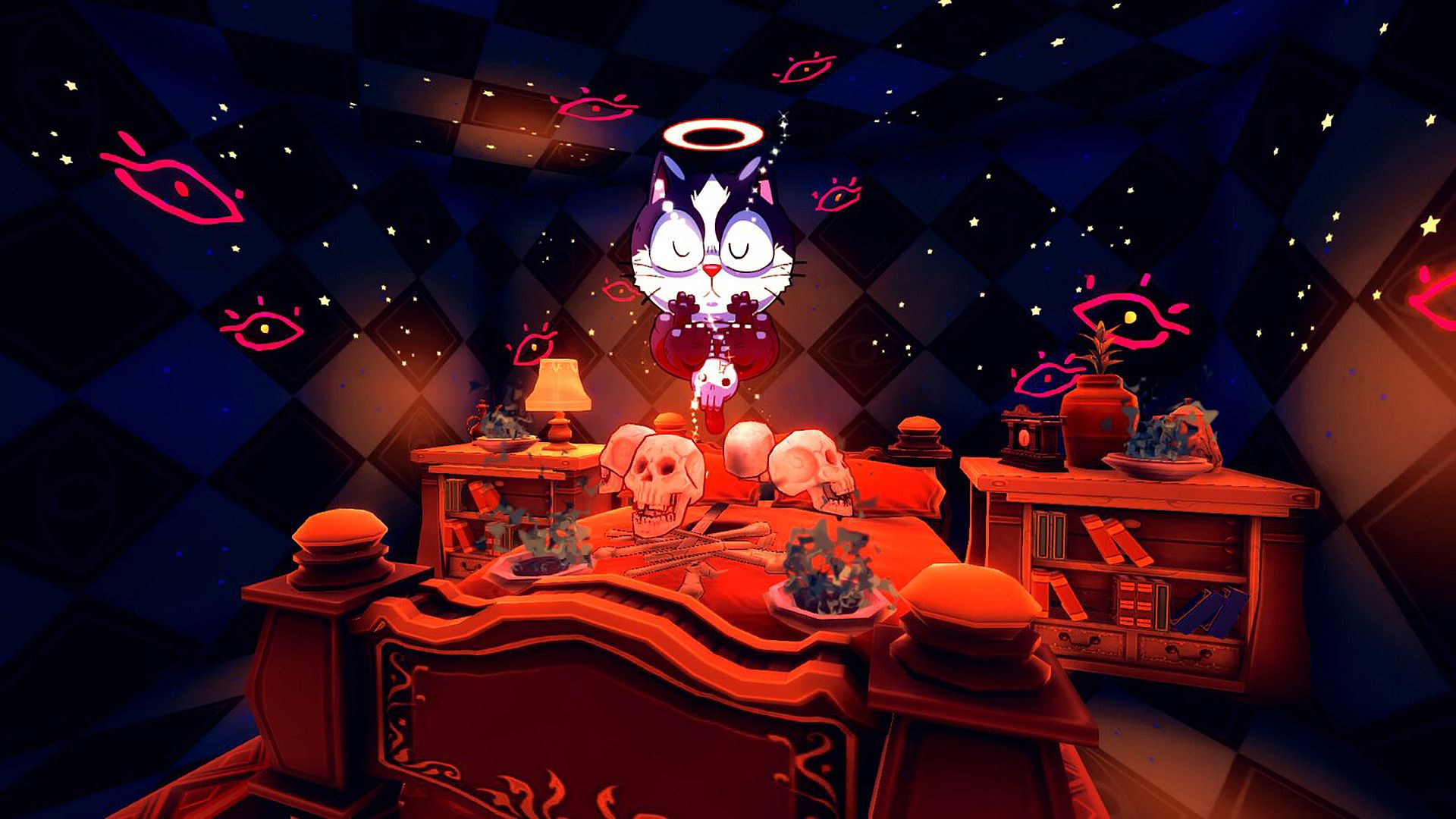
AWAY: Journey to the Unexpected stands as a compact indie adventure title built around a distinctive visual style and light-hearted narrative. Developed by a two-person team, the game places players in a colorful 3D environment filled with 2D anime-inspired characters. The core experience mixes action sequences, dialogue choices, and light roguelite mechanics across a single-player journey that typically lasts three to five hours.
Gameplay
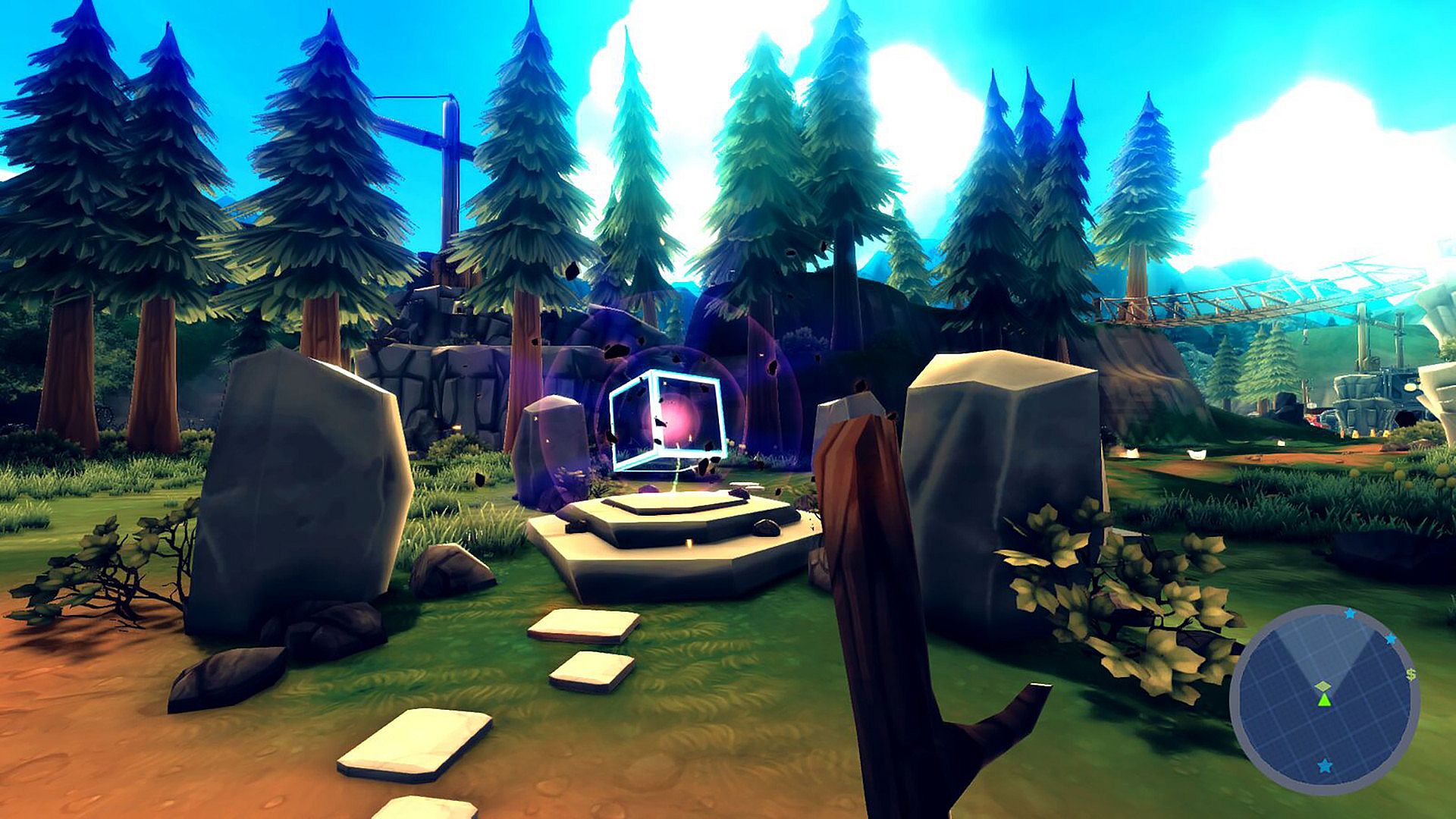
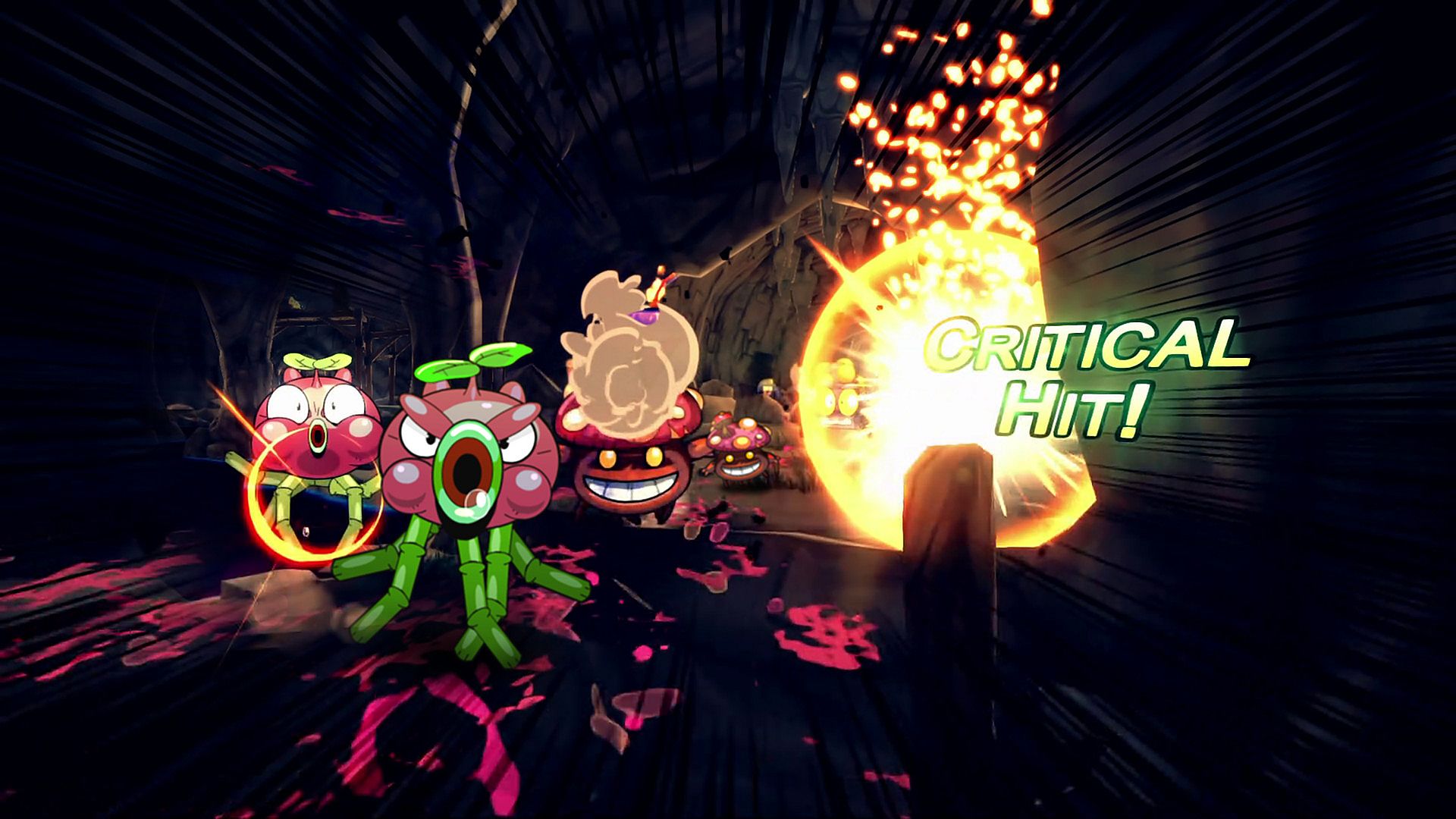
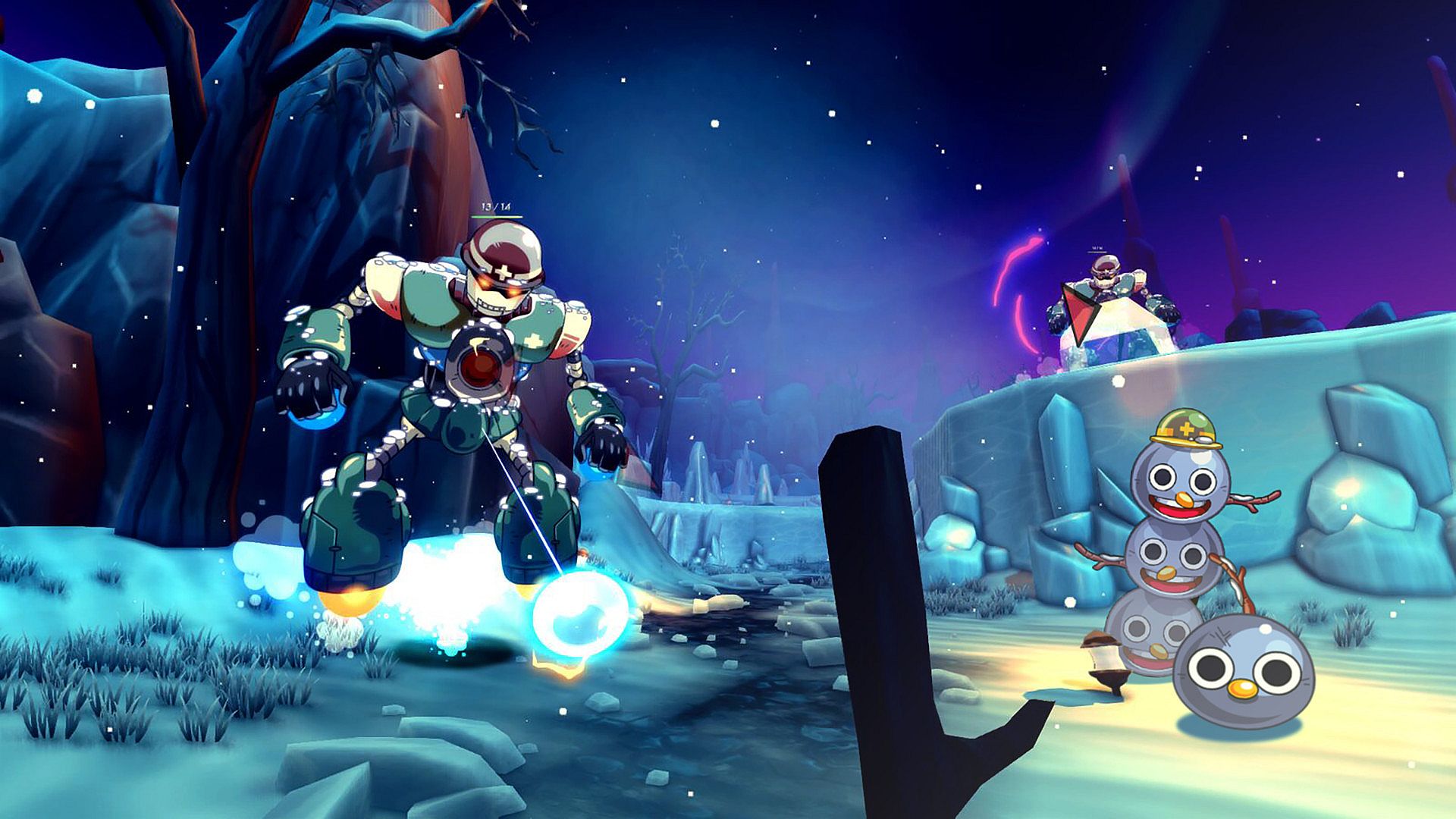
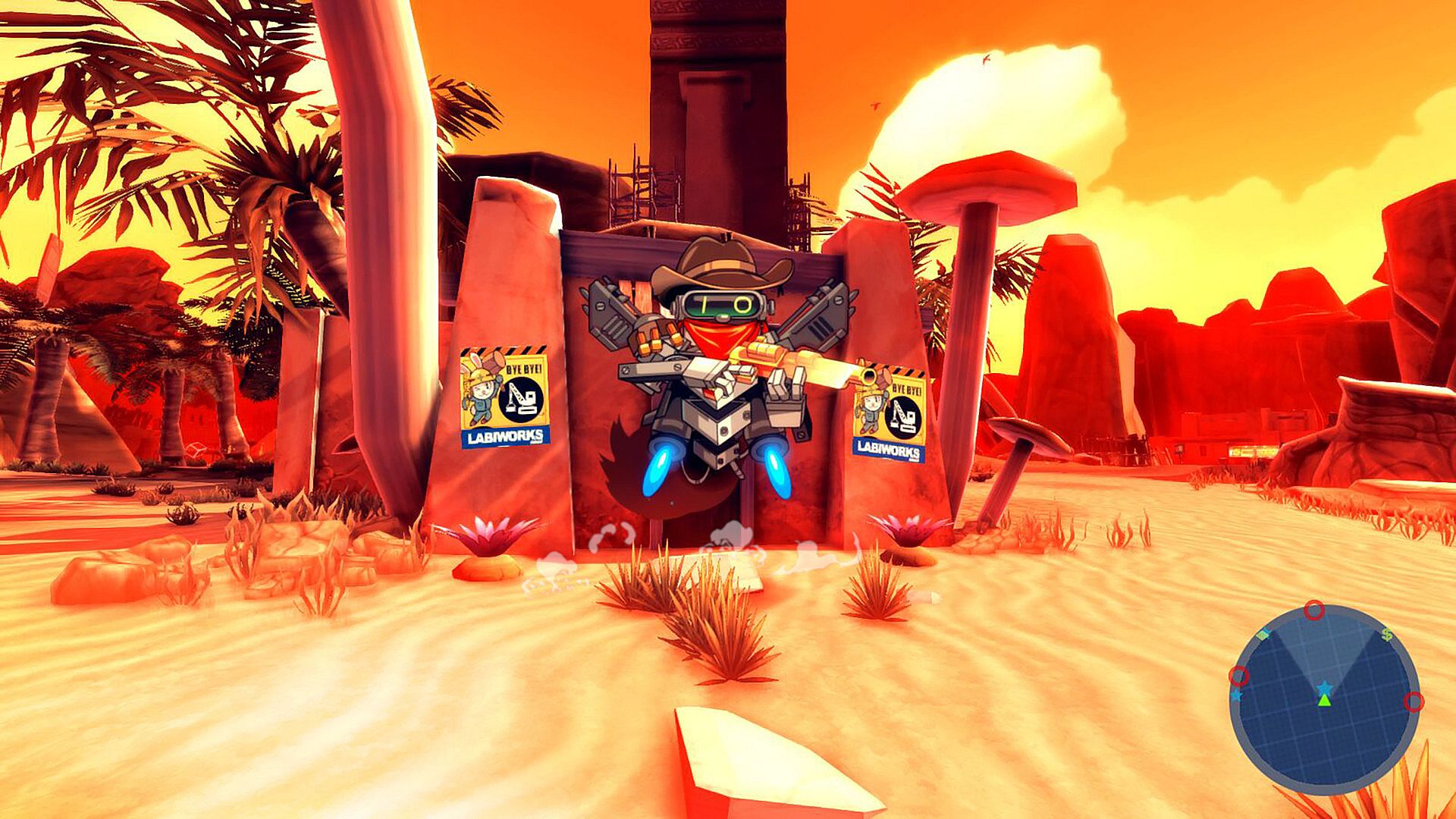
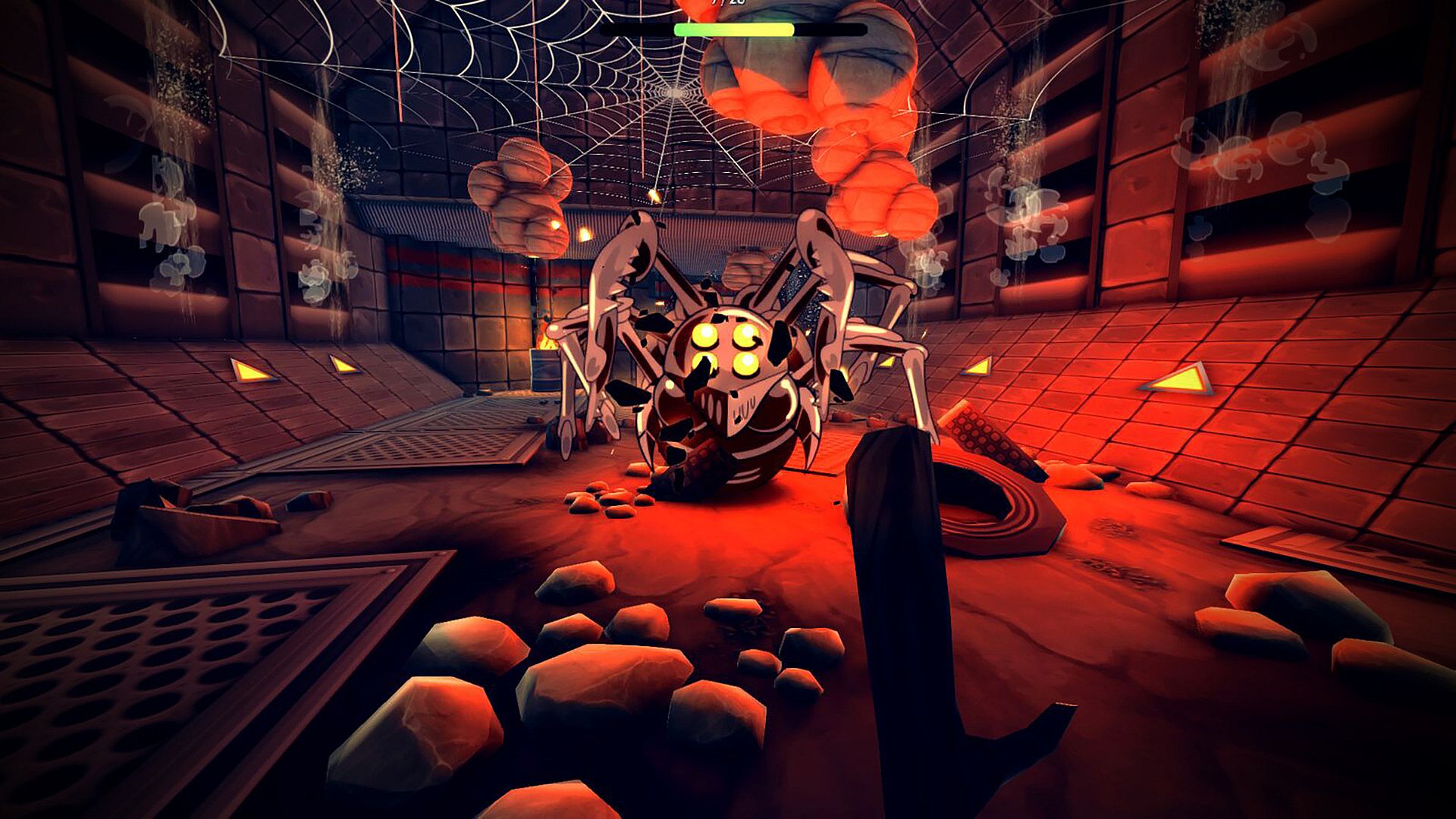
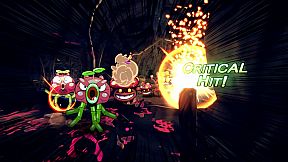
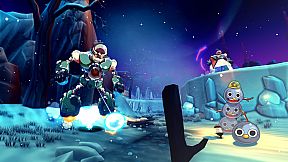
The central loop revolves around exploration and combat in a neighborhood setting where strange events have occurred. Players control a young protagonist armed only with a wooden stick at the start, relying on recruited allies to handle most threats. Up to eight quirky companions join the group, each bringing distinct abilities such as mine-throwing, missile launches, or fireball attacks. Switching to a companion's first-person perspective during use creates varied visual shifts and tactical options.
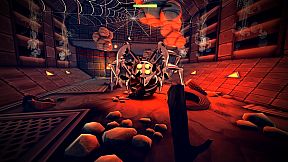
Combat emphasizes positioning and ability management rather than direct confrontation. Allies can become exhausted if overused, forcing players to balance their deployment while navigating platforming sections and environmental obstacles. Dialogue encounters add another layer, allowing negotiation and silly exchanges that influence progression. The roguelite elements introduce some variability in encounters and resource management across repeated attempts at challenging sections, though the overall structure remains linear and story-focused.
Unique mechanics include viewing the world through different character perspectives and collecting allies scattered throughout the environment. The soundtrack features original anime-style tracks that underscore the whimsical tone during both exploration and fights against cute yet aggressive creatures.
Game Modes
The game operates as a single-player experience without separate multiplayer components or distinct named modes. The main journey integrates action, dialogue, and roguelite features into one continuous story about investigating missing parents and local disturbances. Replay value stems from the roguelite aspects, which encourage different ally combinations and approaches on subsequent runs through the same areas.
Progression follows a straightforward path with branching conversations and ability unlocks. No additional modes like endless runs or competitive elements appear in the design, keeping the focus on the short narrative arc and character recruitment.
Story and Setting
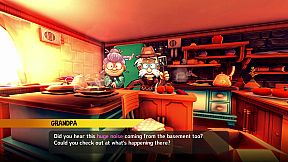
The narrative follows a harmless kid who steps into danger after local signs warn of released evil forces. The setting blends everyday neighborhoods with bizarre events, populated by odd but capable residents. Story beats unfold through interactions with these characters, revealing a light-hearted tale that avoids heavy drama in favor of humorous exchanges and quick resolutions.
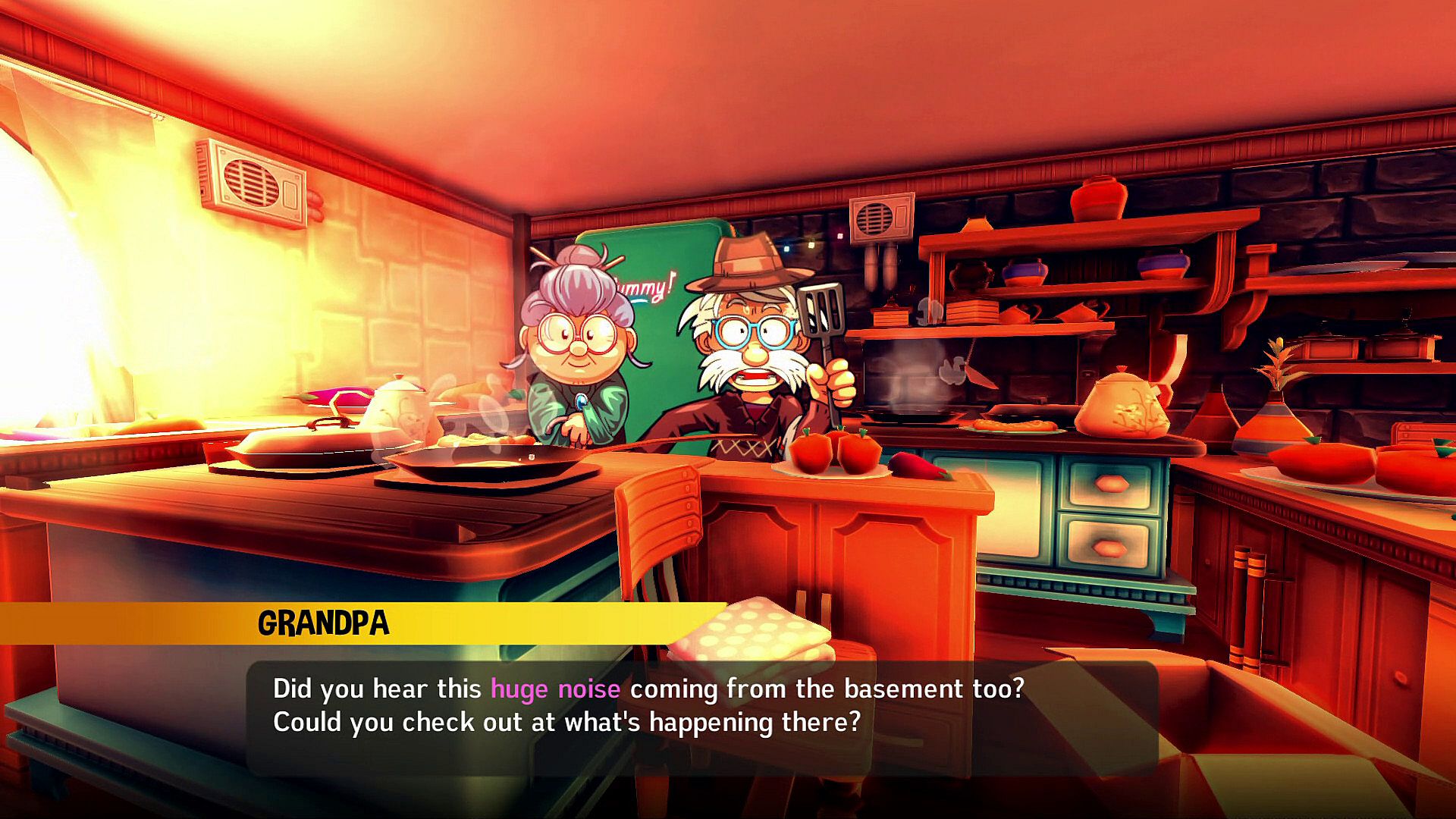
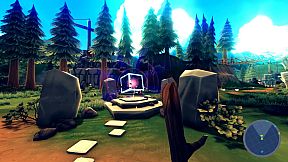
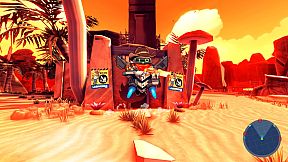
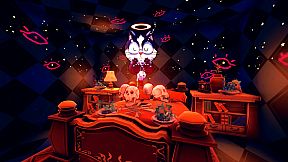
Visual design stands out through its 2D characters moving within fully realized 3D spaces, creating a charming contrast that matches the anime influences. Environmental details and ally backstories add personality without extending the playtime significantly.
Is It Worth Playing?
This title suits players seeking a brief, self-contained adventure with distinctive presentation and straightforward mechanics. The combination of ally recruitment, perspective shifts, and light roguelite touches provides enough variety within its short length to feel complete rather than padded. Those drawn to indie games with anime aesthetics and non-violent starting points will find the progression satisfying as allies expand combat options.
Reception highlights the enjoyable mix of action and personality-driven encounters, though the limited scope means it appeals most to fans of shorter experiences over extended campaigns. The game remains available on PC with no ongoing seasonal content or major post-launch changes reported since its initial release, preserving its original focused design.