



















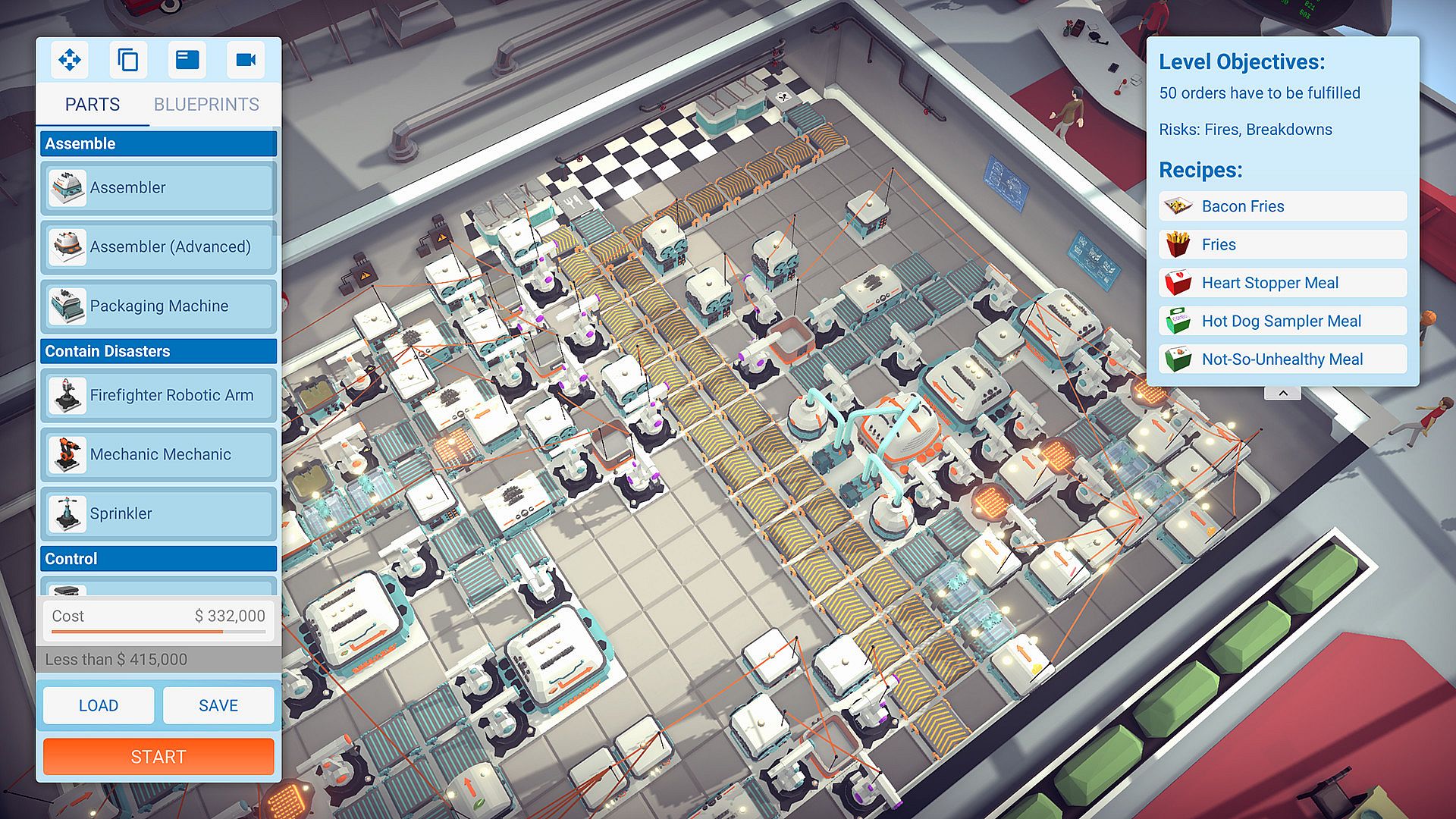
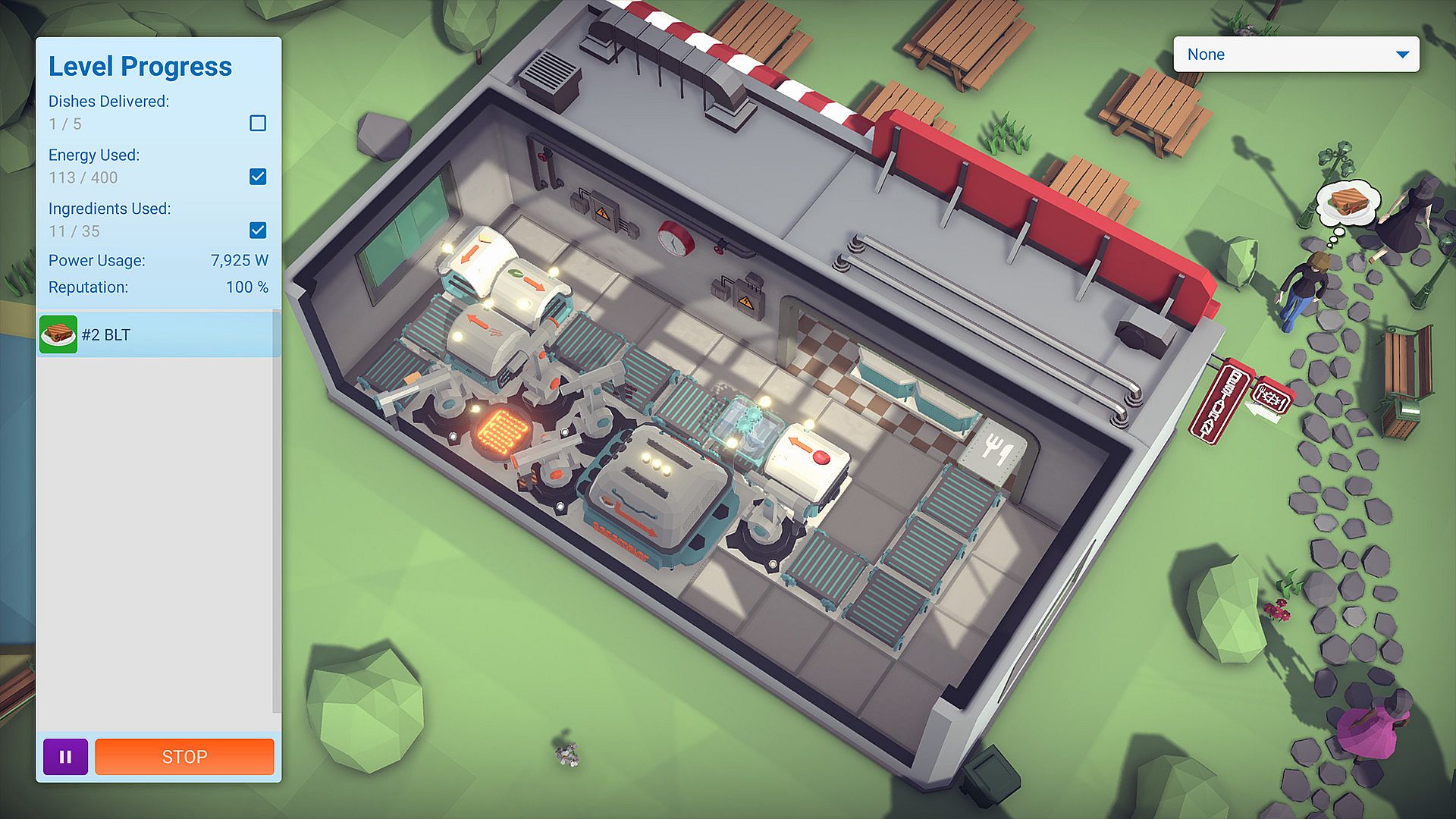

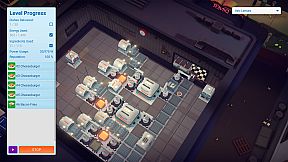
Automachef is an indie simulation game built around resource management and puzzle solving on PC. Players design and automate fast food kitchens by positioning equipment and programming machinery to handle orders without constant intervention. The core loop centers on planning layouts that balance space, ingredient flow, and machine efficiency while solving increasingly complex scenarios.
Gameplay
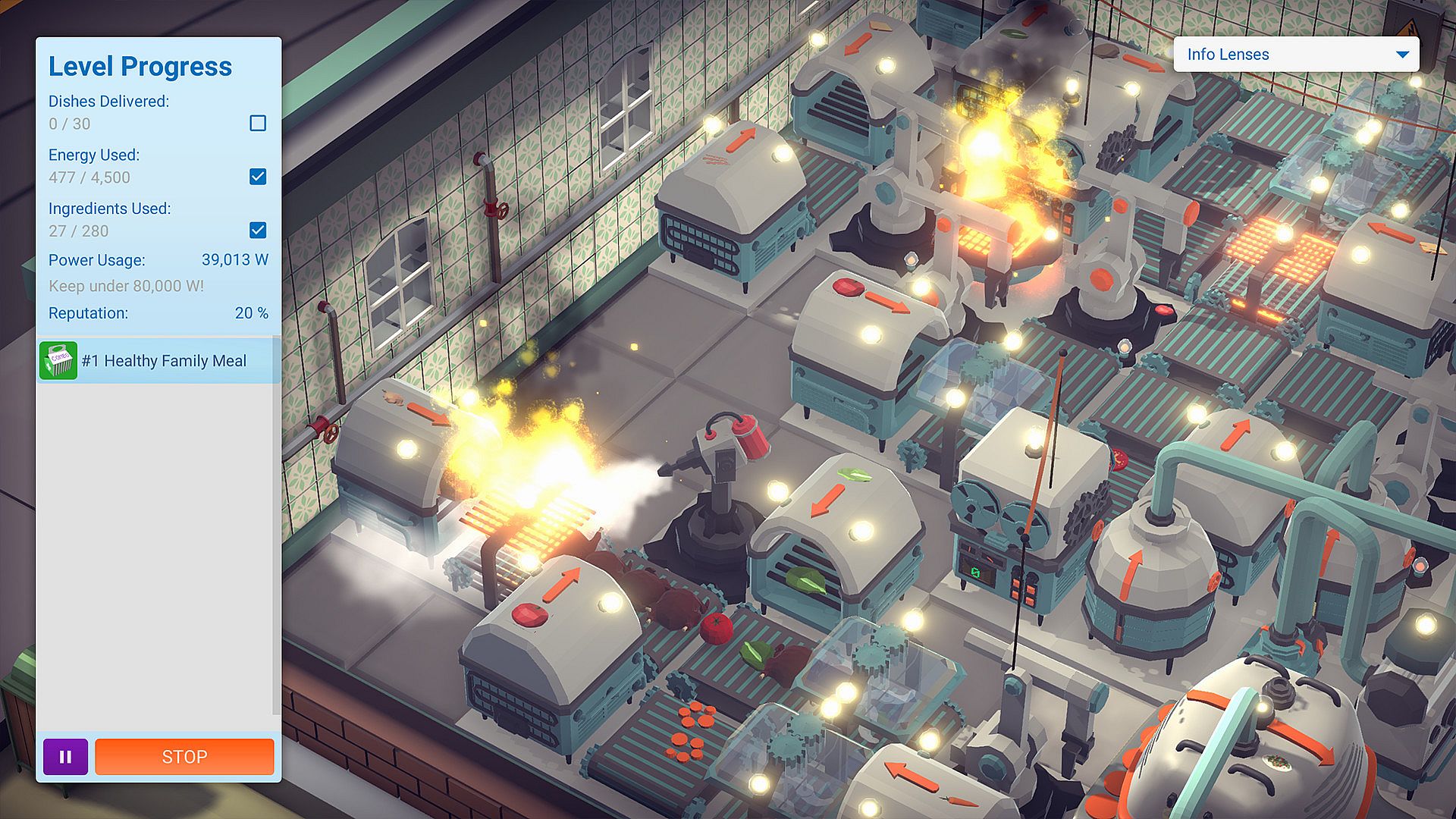
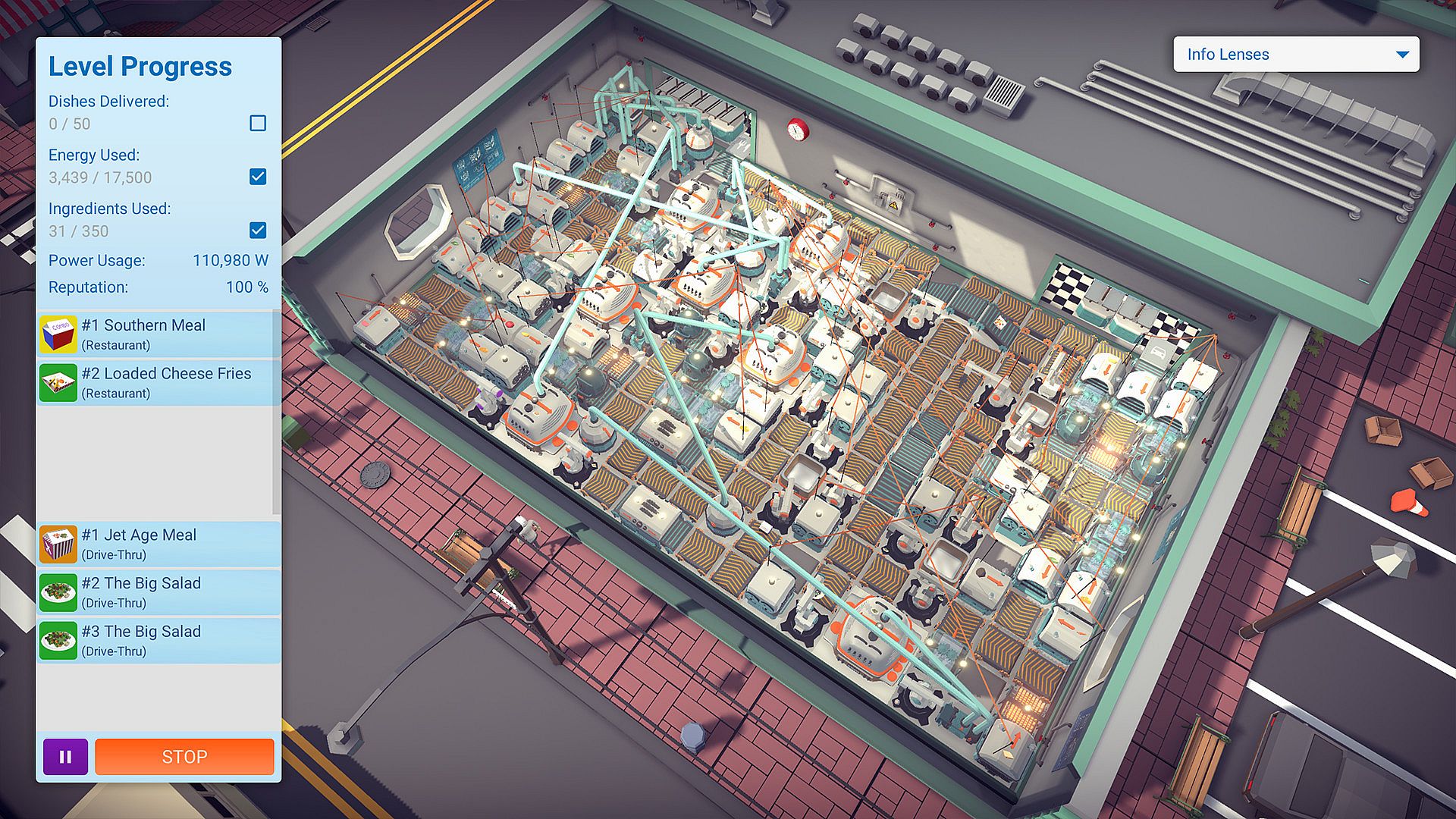
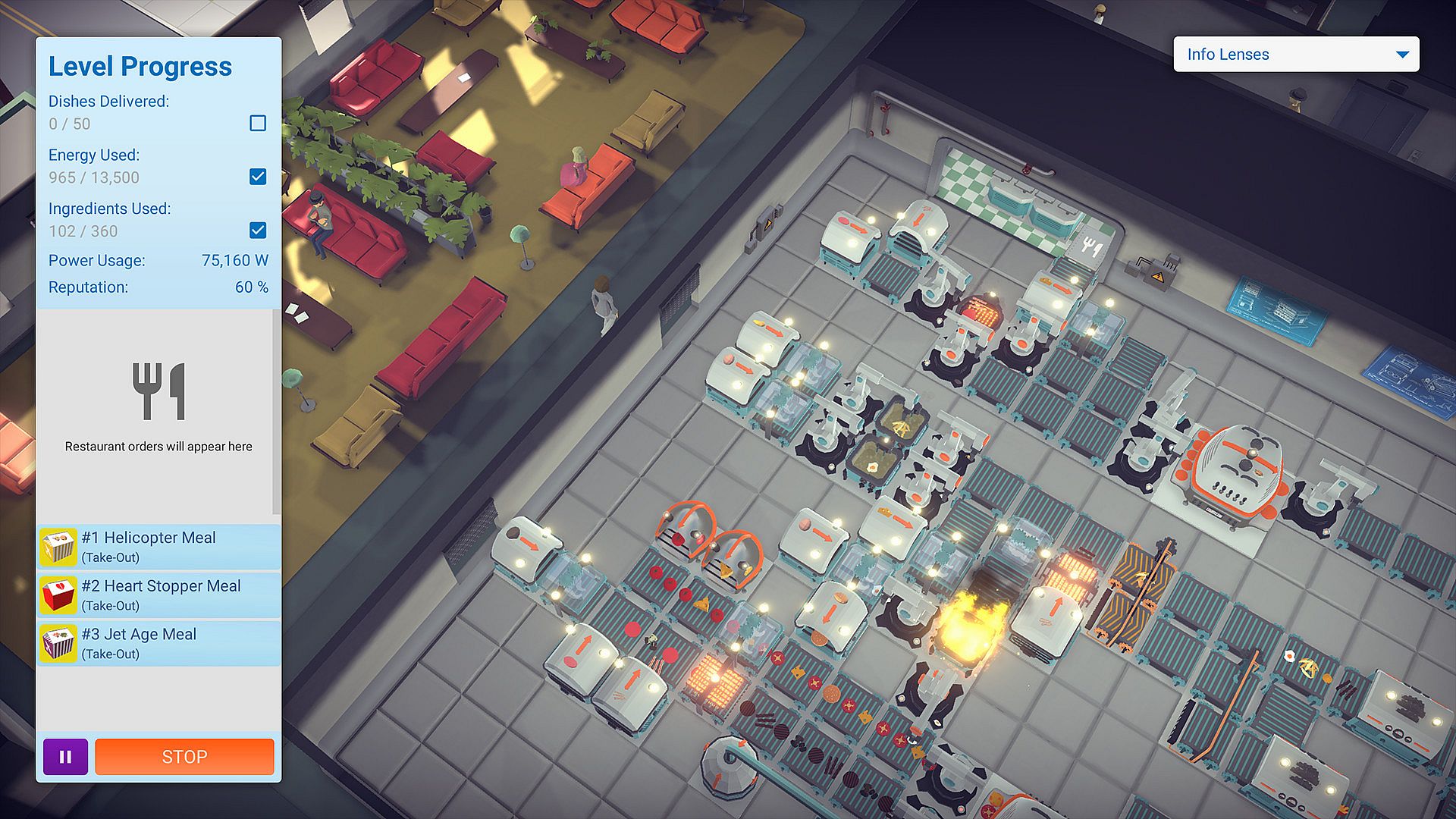
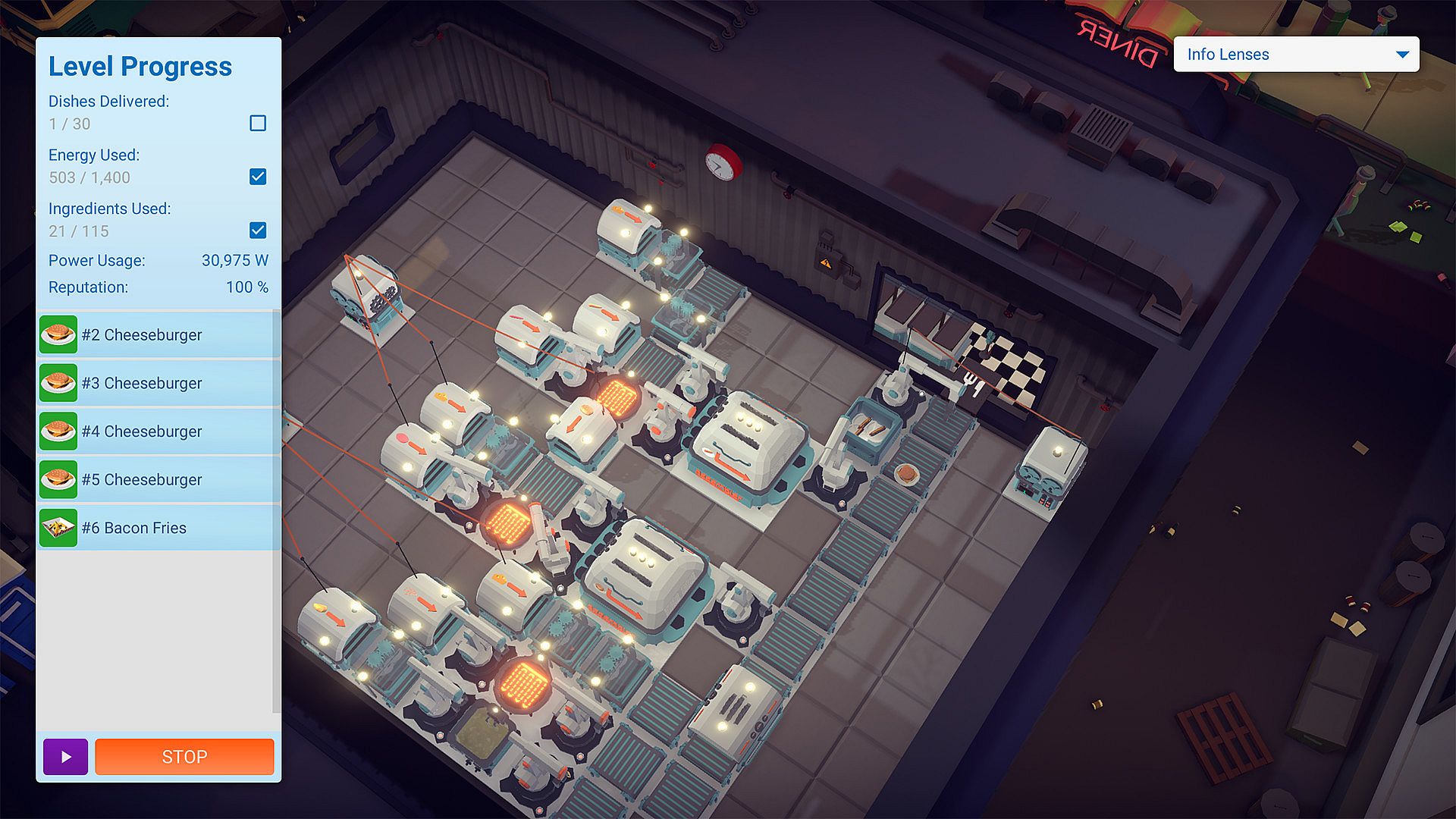
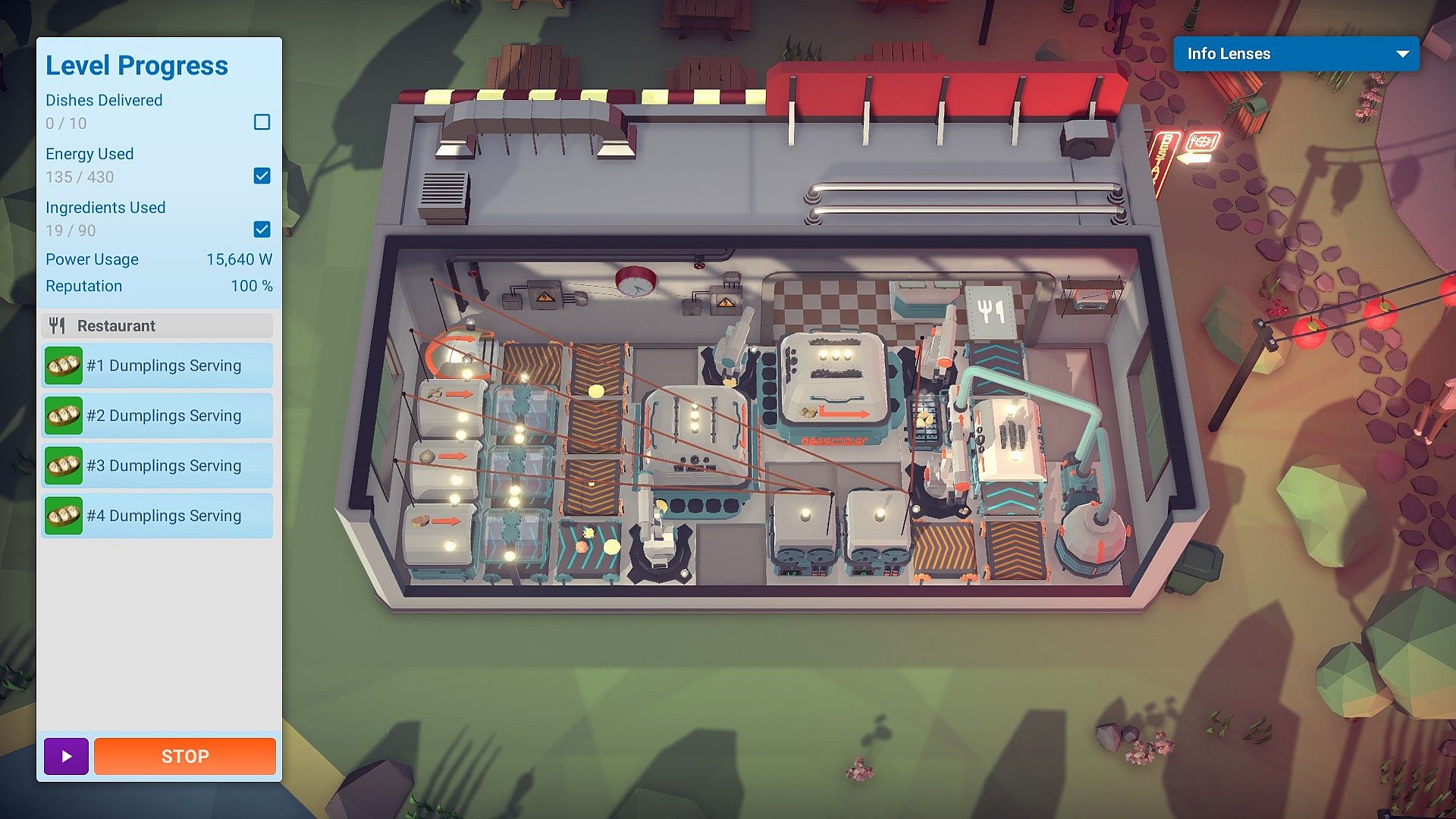
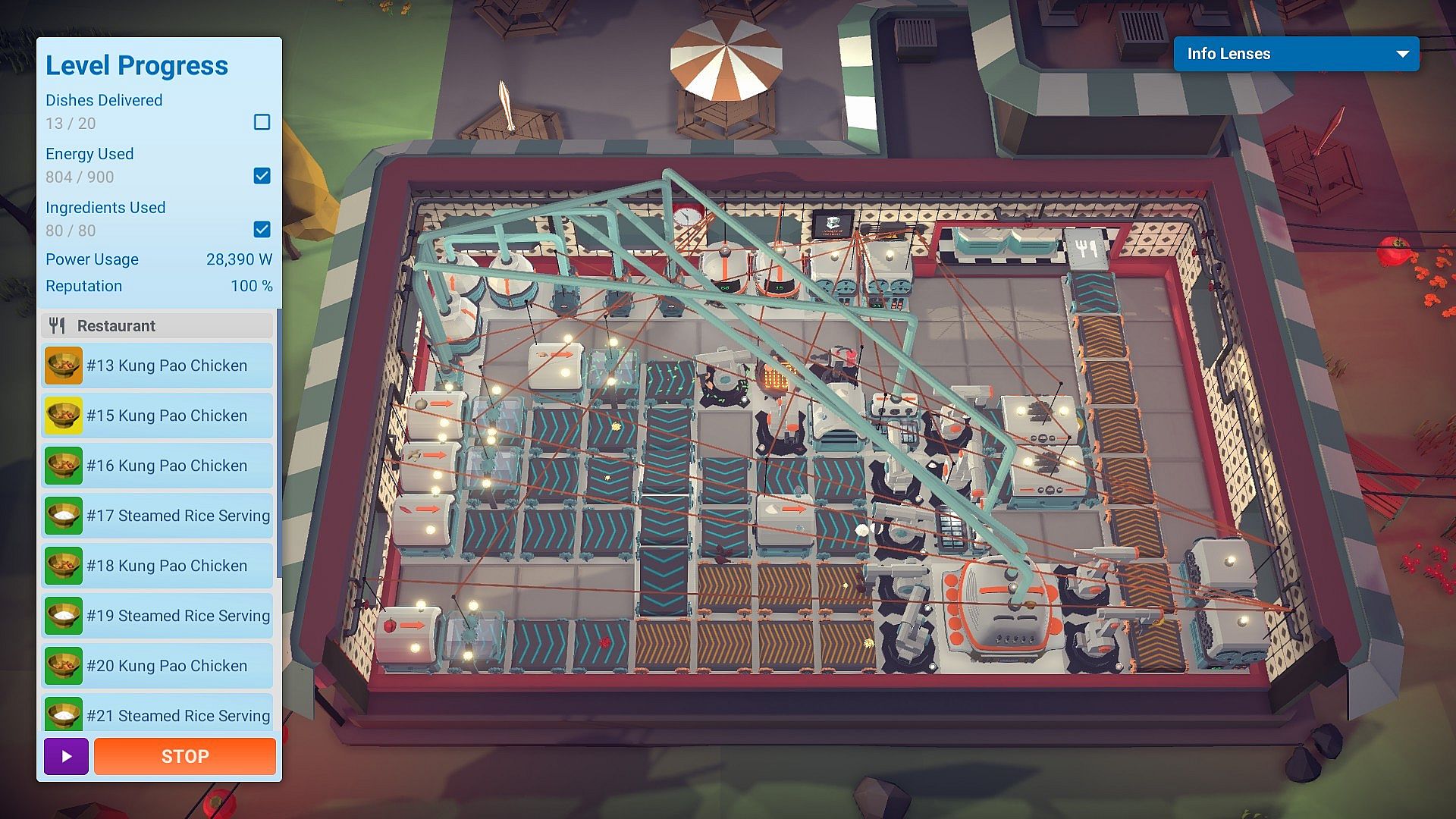
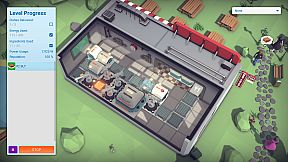
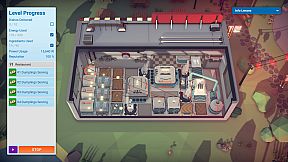
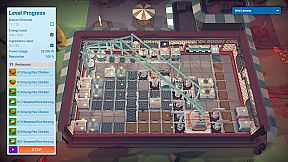
The experience revolves around three core actions: planning kitchen layouts, positioning appliances and delivery paths, and programming the machines to execute recipes. Each level presents spatial constraints and resource demands that require careful arrangement of assemblers, grills, fryers, and conveyors. Machines operate on timers and paths, so players must account for bottlenecks, ingredient shortages, and overflow risks. Puzzles often involve troubleshooting fires, rerouting deliveries, or scaling production to meet demand without wasting space. The simulation runs in real time once programmed, turning the kitchen into an autonomous production line that succeeds or fails based on the initial setup.
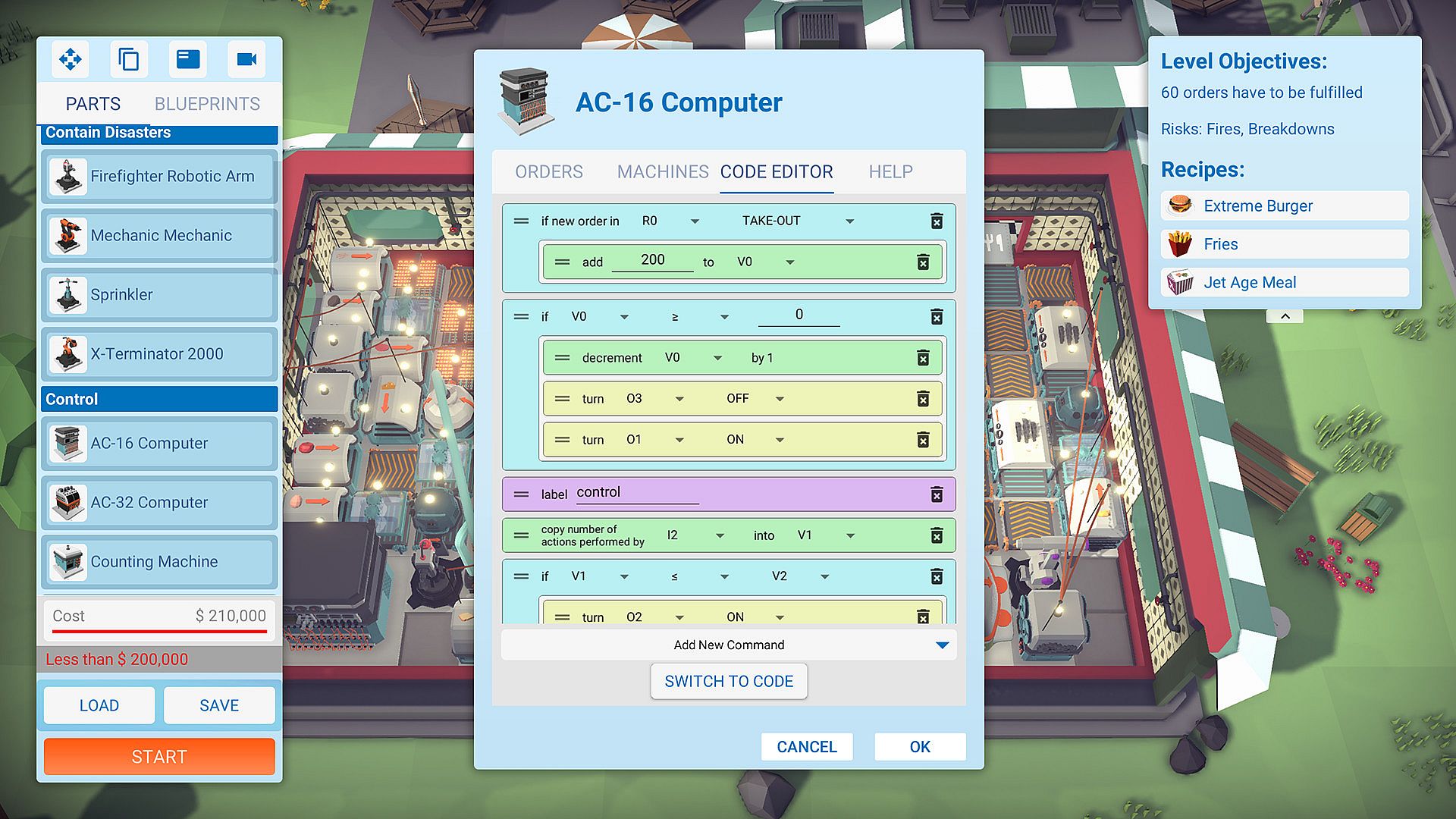
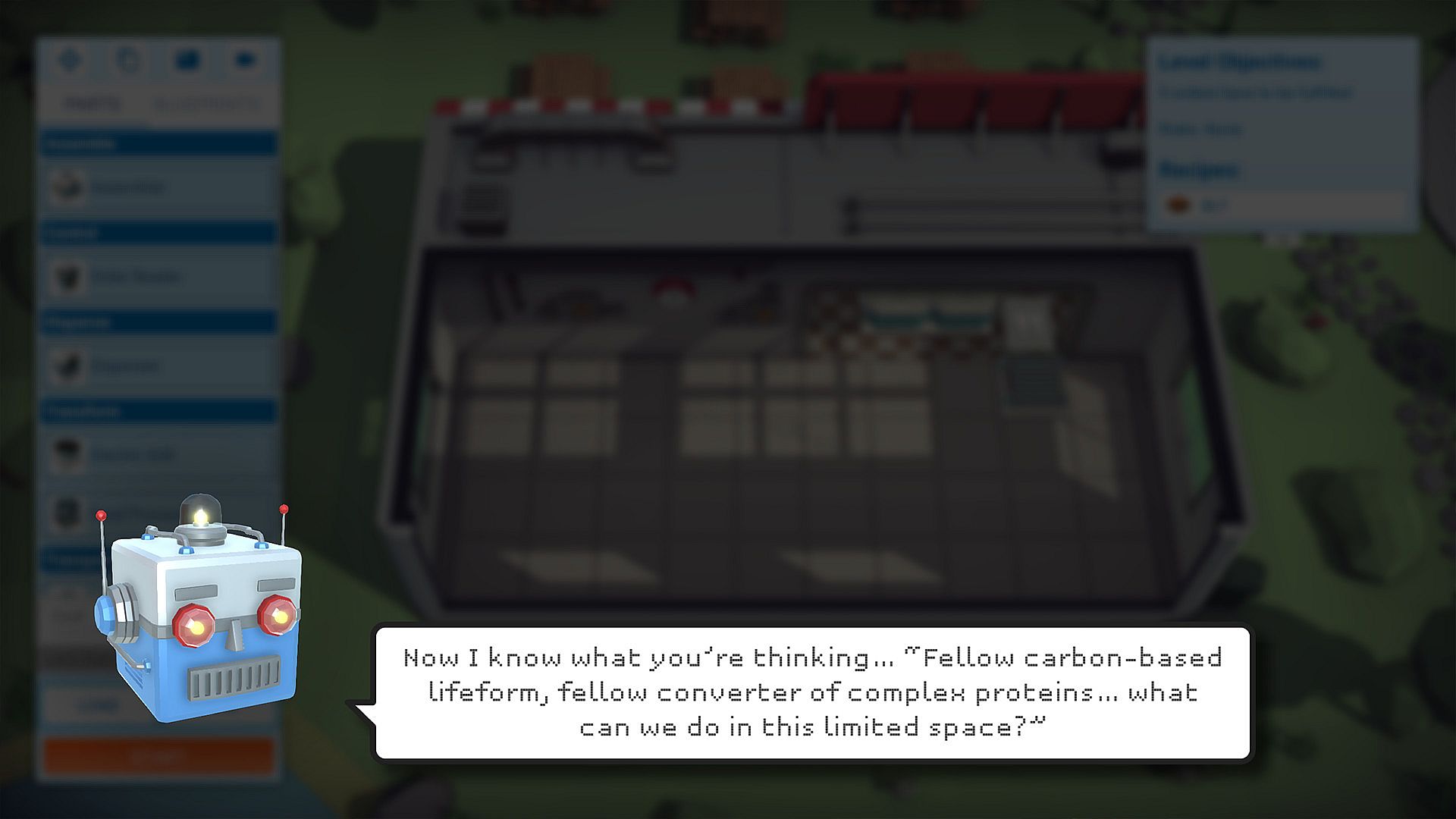
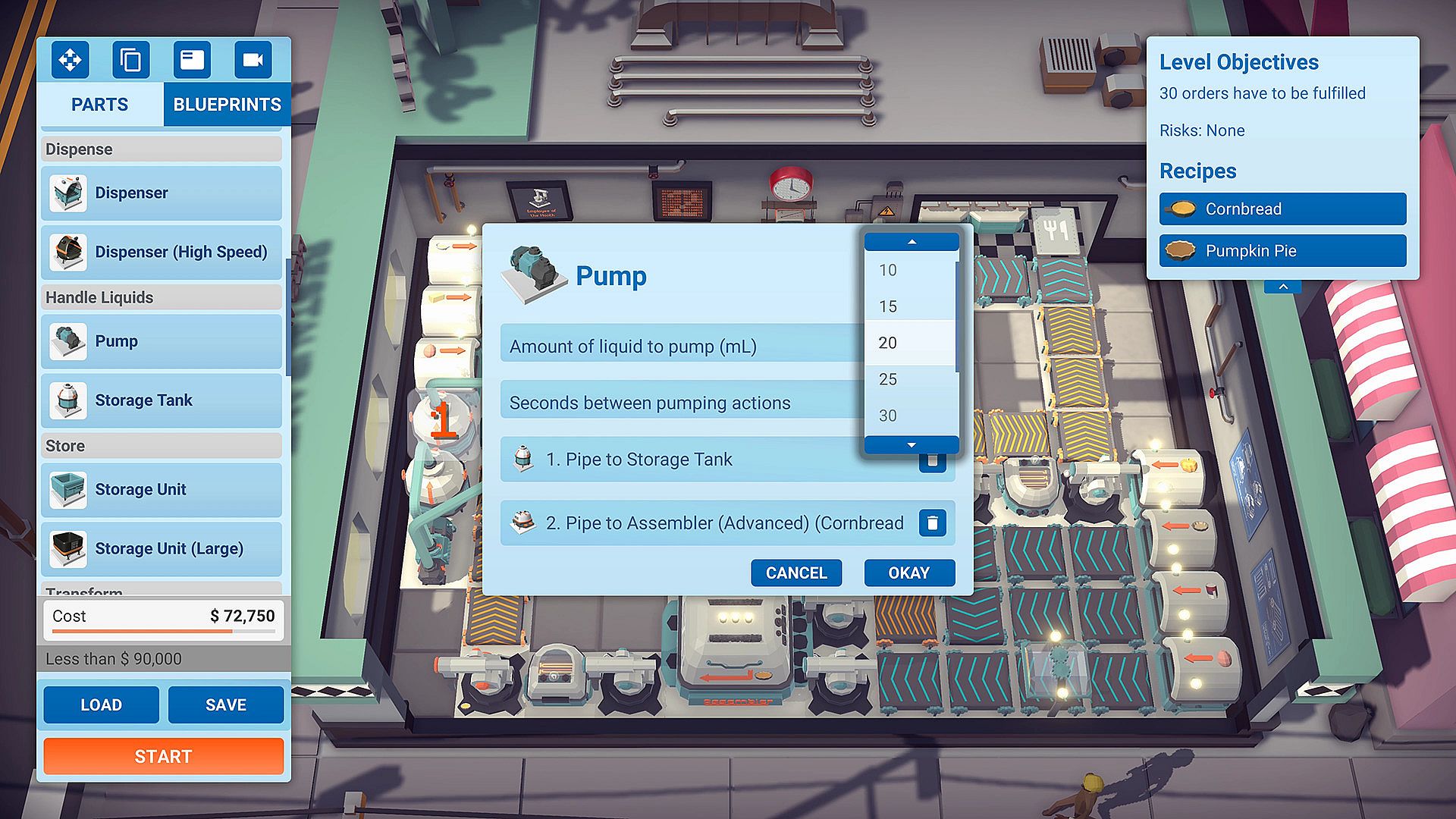
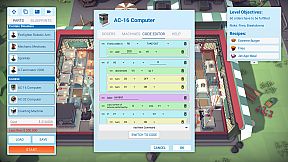
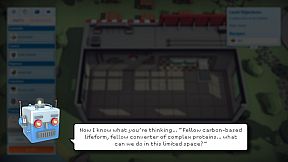
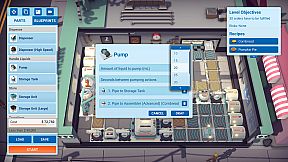
Programming involves assigning tasks to specific machines and setting operational parameters such as speed modes or ingredient priorities. This creates a satisfying feedback loop where small adjustments yield large improvements in throughput. The game emphasizes logical problem solving over fast reflexes, rewarding players who optimize paths and anticipate demand spikes. Quirky narrative elements appear through the protagonist Robert Person, whose commentary adds light humor without interrupting the puzzle focus.
Game Modes
Three distinct modes provide different challenges and replay opportunities. Campaign mode delivers a structured progression through dozens of scenarios that introduce new mechanics and kitchen constraints gradually. Each scenario builds on prior lessons while adding variables like limited space or specific recipe requirements.
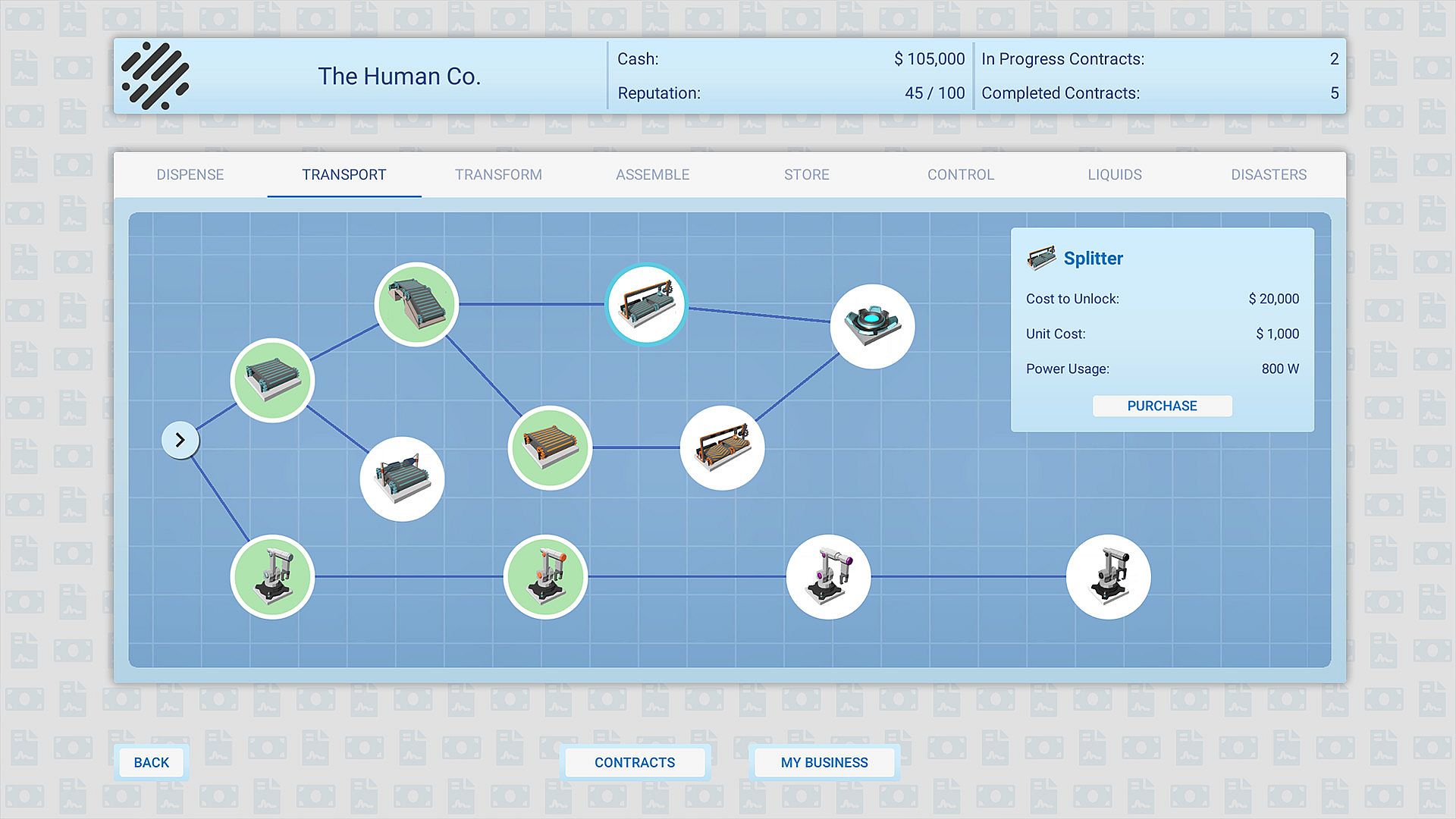
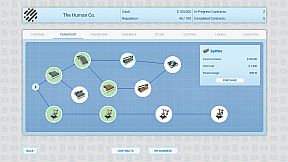
Contracts mode shifts focus to business-oriented objectives, where players complete targeted kitchen builds under varying conditions that simulate client demands. This mode encourages experimentation with different automation strategies across multiple short engagements.
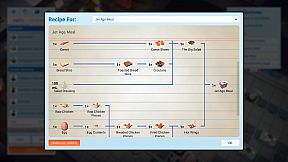
Sandbox mode removes all restrictions, allowing freeform kitchen construction and testing. Players can iterate on designs indefinitely, experiment with custom recipes, or simply observe long-running production lines. The mode supports creative exploration and serves as a testing ground for ideas before applying them elsewhere.
Additional customization comes through mod support, which lets players add new ingredients, recipes, and even full scenario levels created by the community.
Key Mechanics and Systems
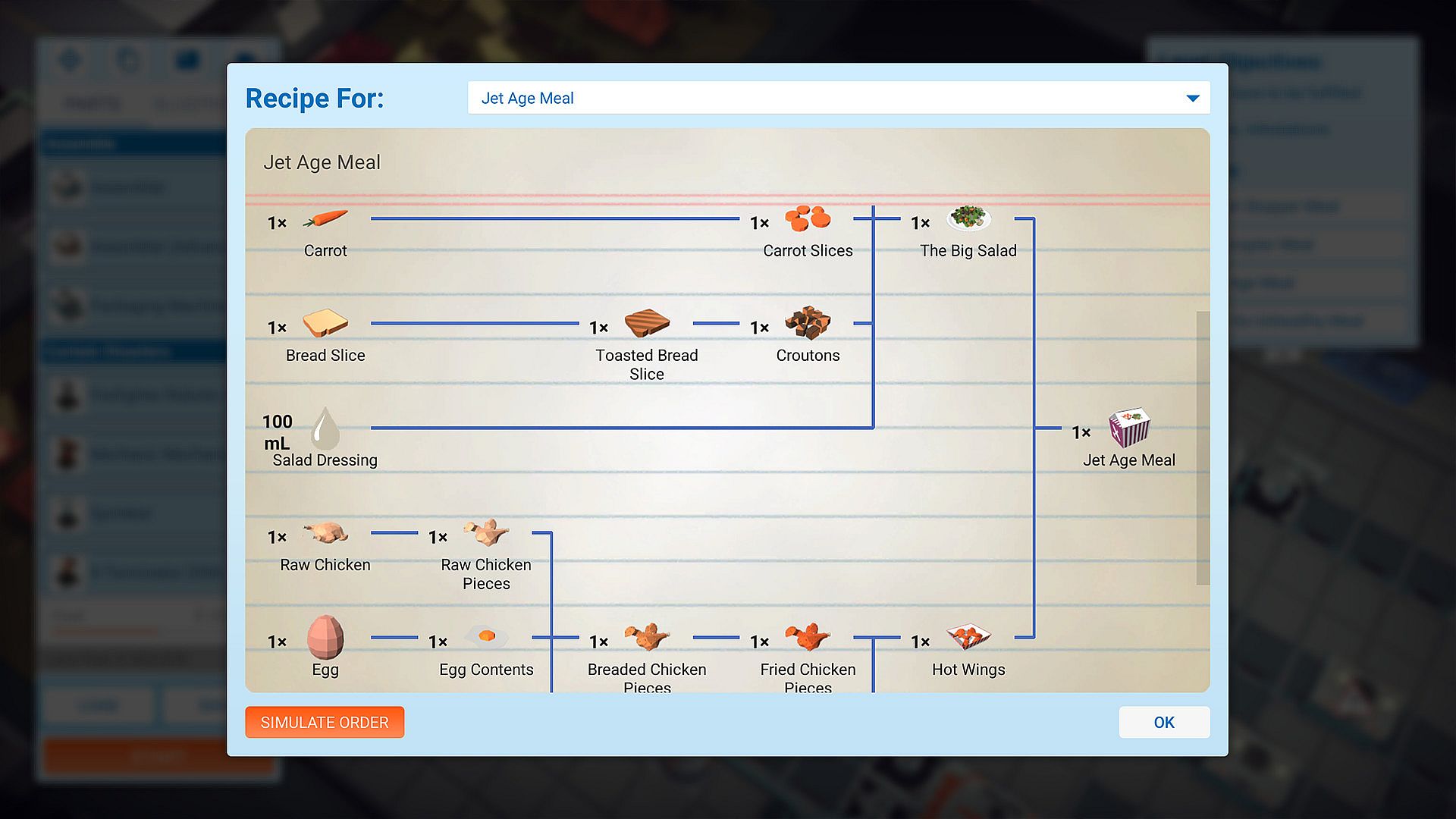
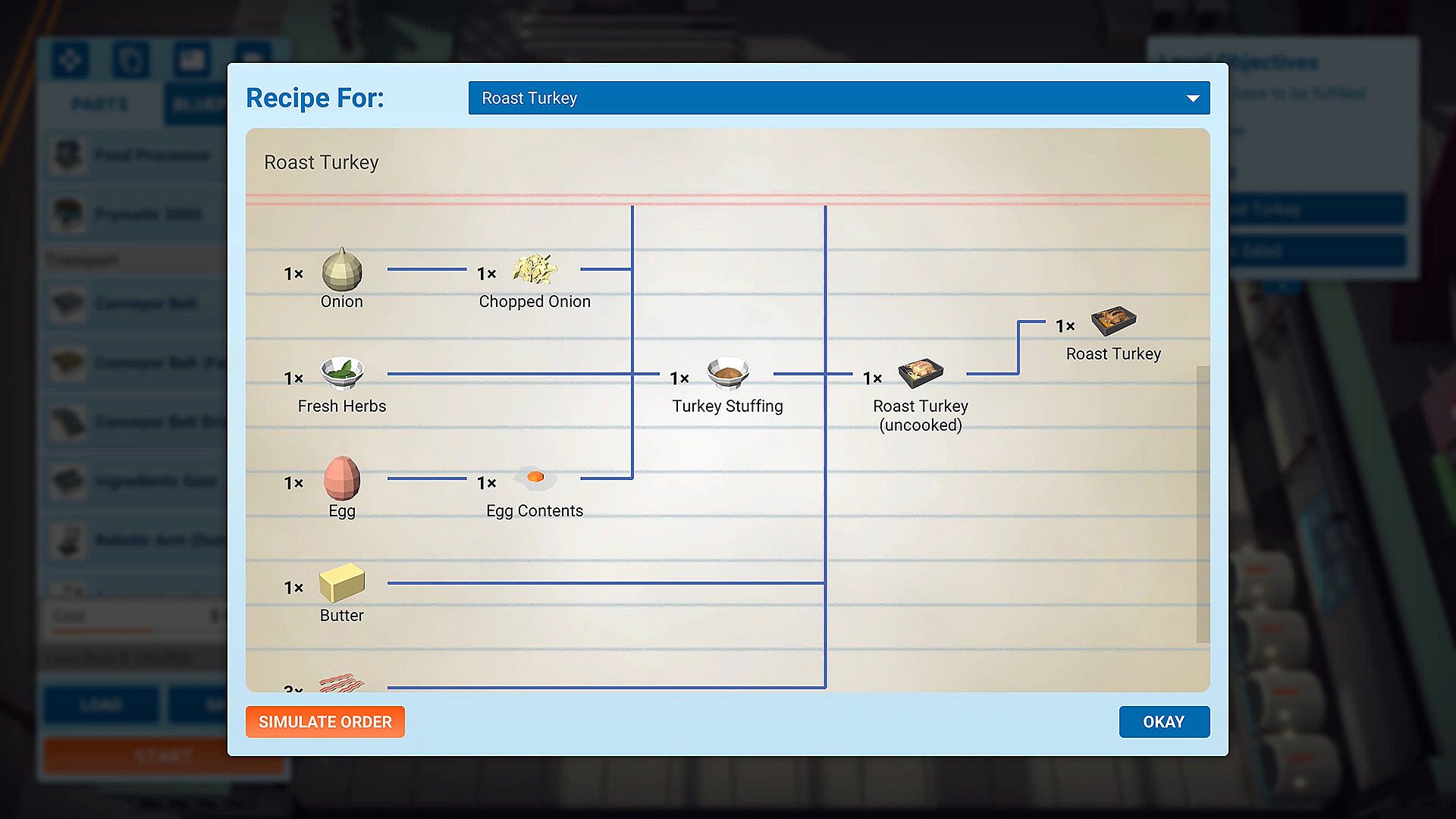
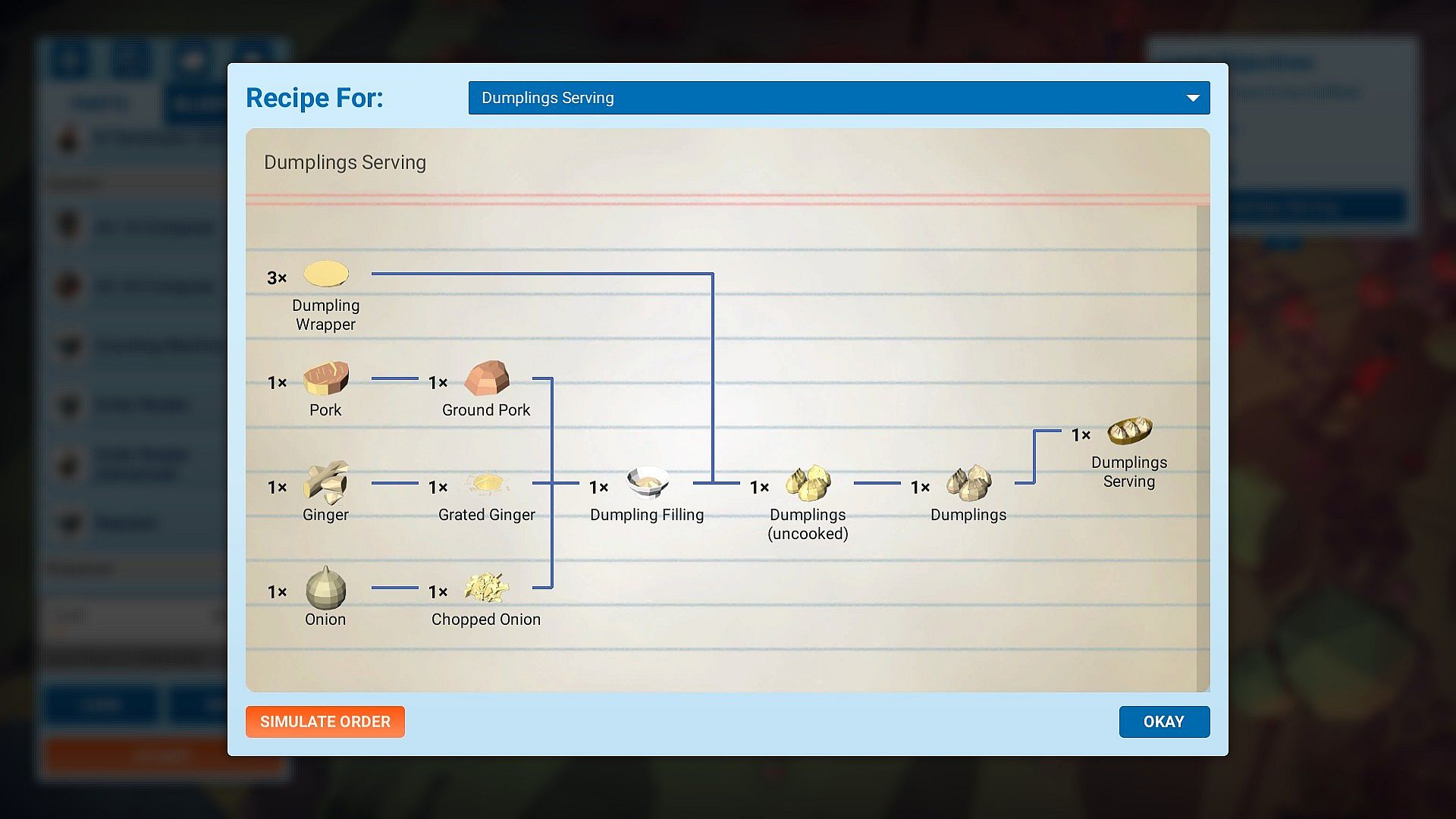
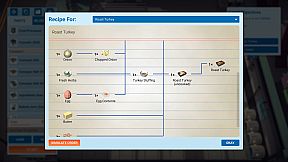
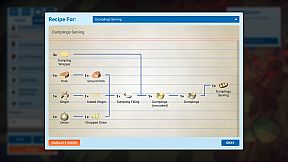
Resource flow forms the backbone of every kitchen. Ingredients must travel from storage to preparation stations via conveyors or direct placement, and machines must receive the correct inputs at the right times. Players manage heat sources, assembly sequences, and output routing to prevent jams or spoilage. Scenario puzzles frequently introduce complications such as power limitations, moving obstacles, or timed events that force redesigns mid-level.
The programming layer adds depth by letting machines handle repetitive tasks autonomously. Players set rules for each device, including which recipes to prioritize or how to handle multiple order types simultaneously. This system rewards foresight in layout design, as poorly positioned machines can create cascading failures even with perfect programming.
Is It Worth Playing?
Automachef suits players who enjoy factory-style automation and spatial puzzles. The campaign provides a clear learning curve that teaches systems without overwhelming newcomers, while contracts and sandbox modes extend playtime for those seeking variety or creative freedom. Recent free updates have added new recipes and content, indicating ongoing support for the title years after release.
Those drawn to logistics simulation games will find the automation loop engaging and the puzzle variety substantial. The absence of multiplayer keeps the focus entirely on single-player problem solving and optimization. If the idea of engineering efficient kitchens appeals more than action or narrative depth, the game delivers consistent challenge across its modes without requiring additional purchases.