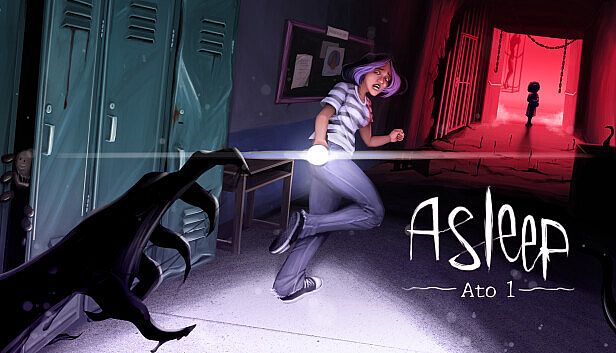










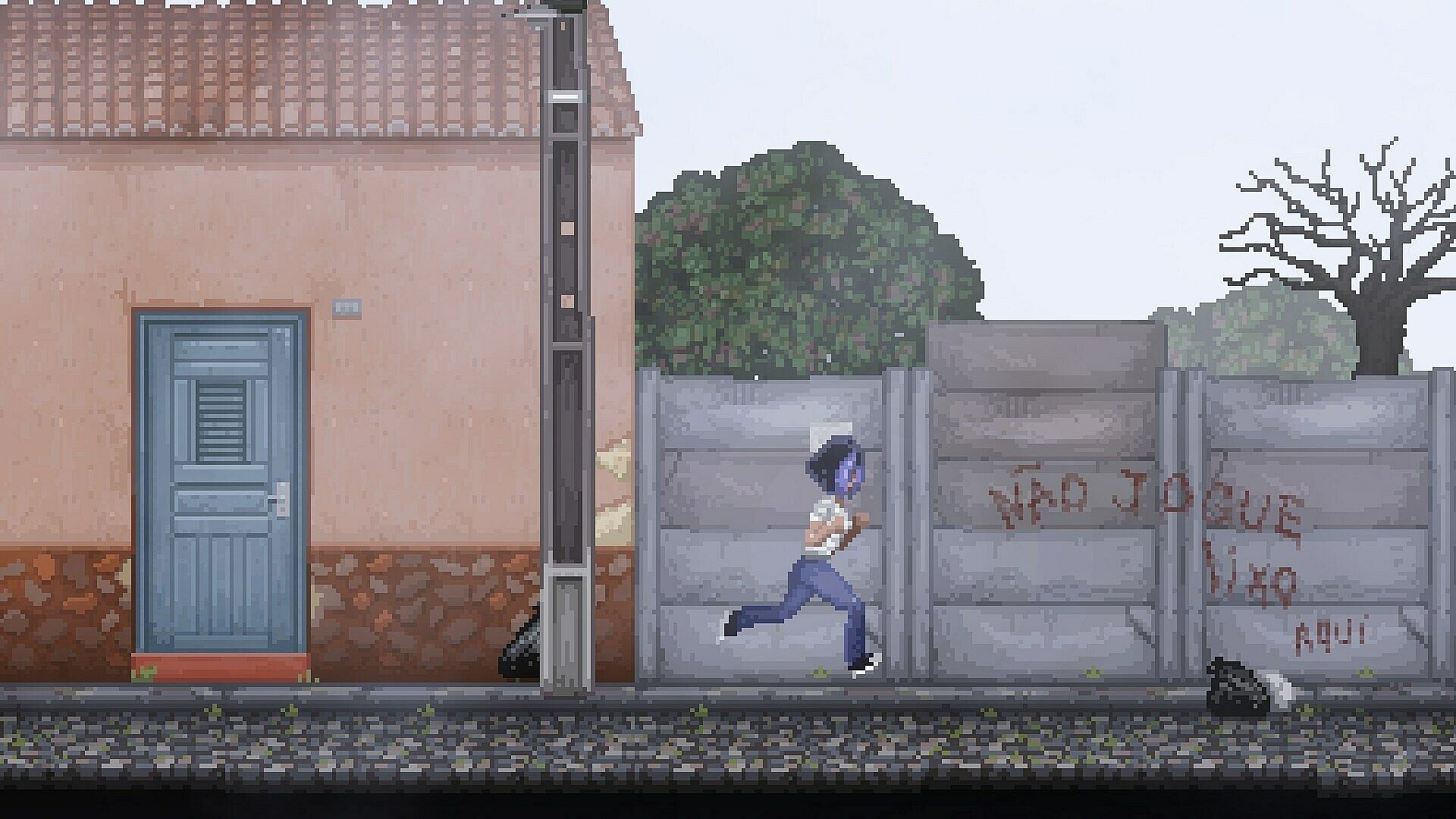
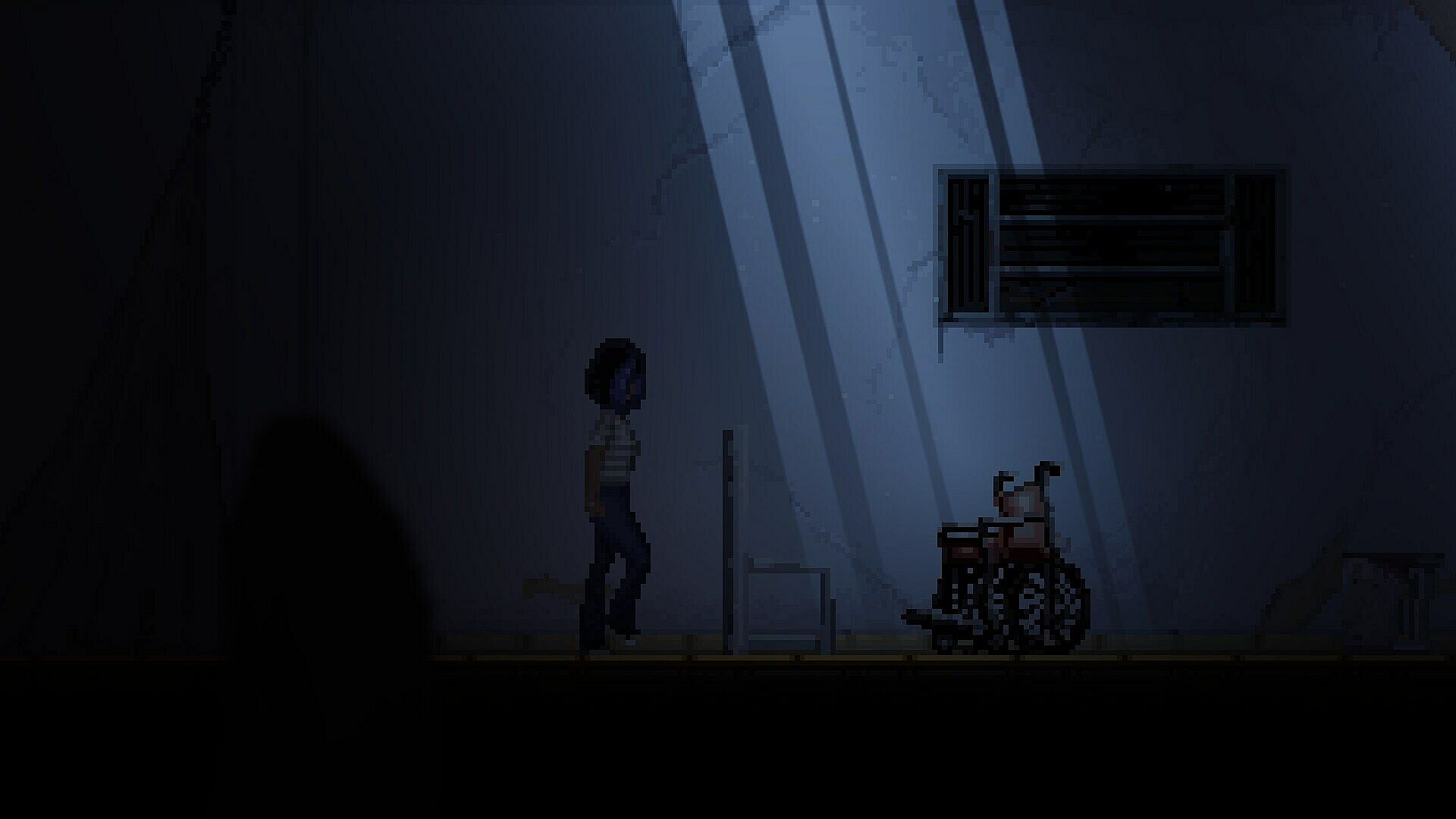
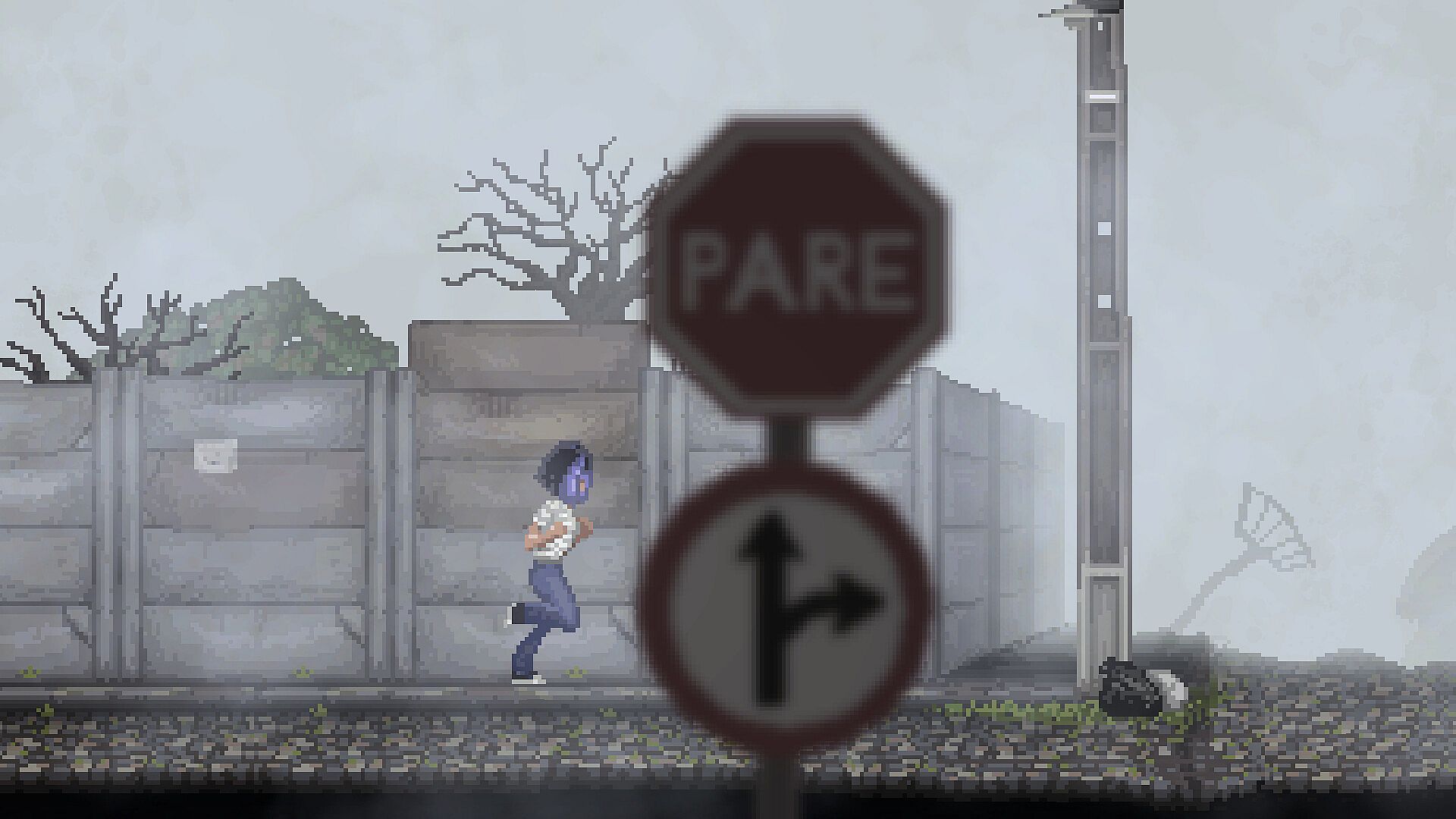
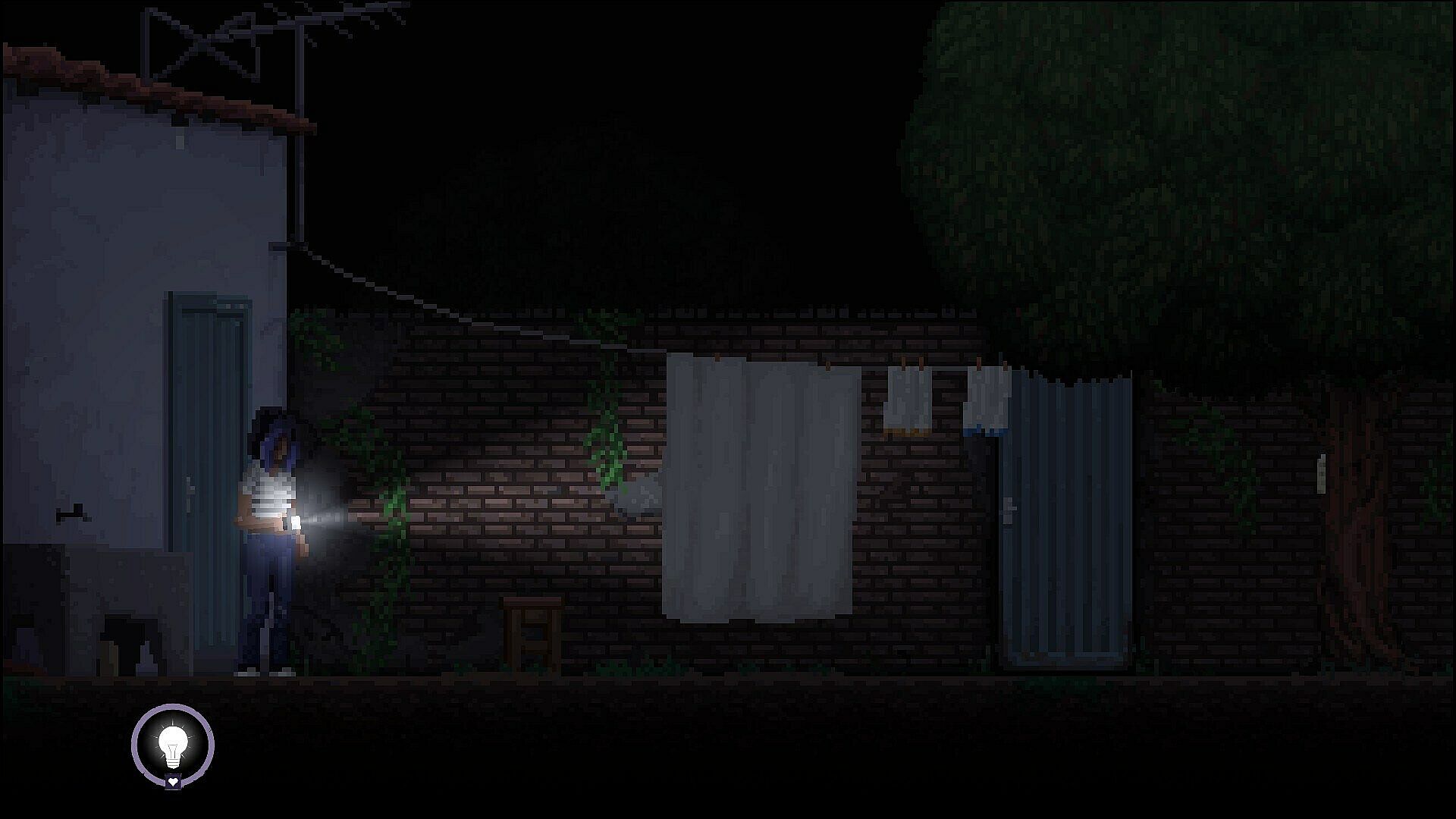
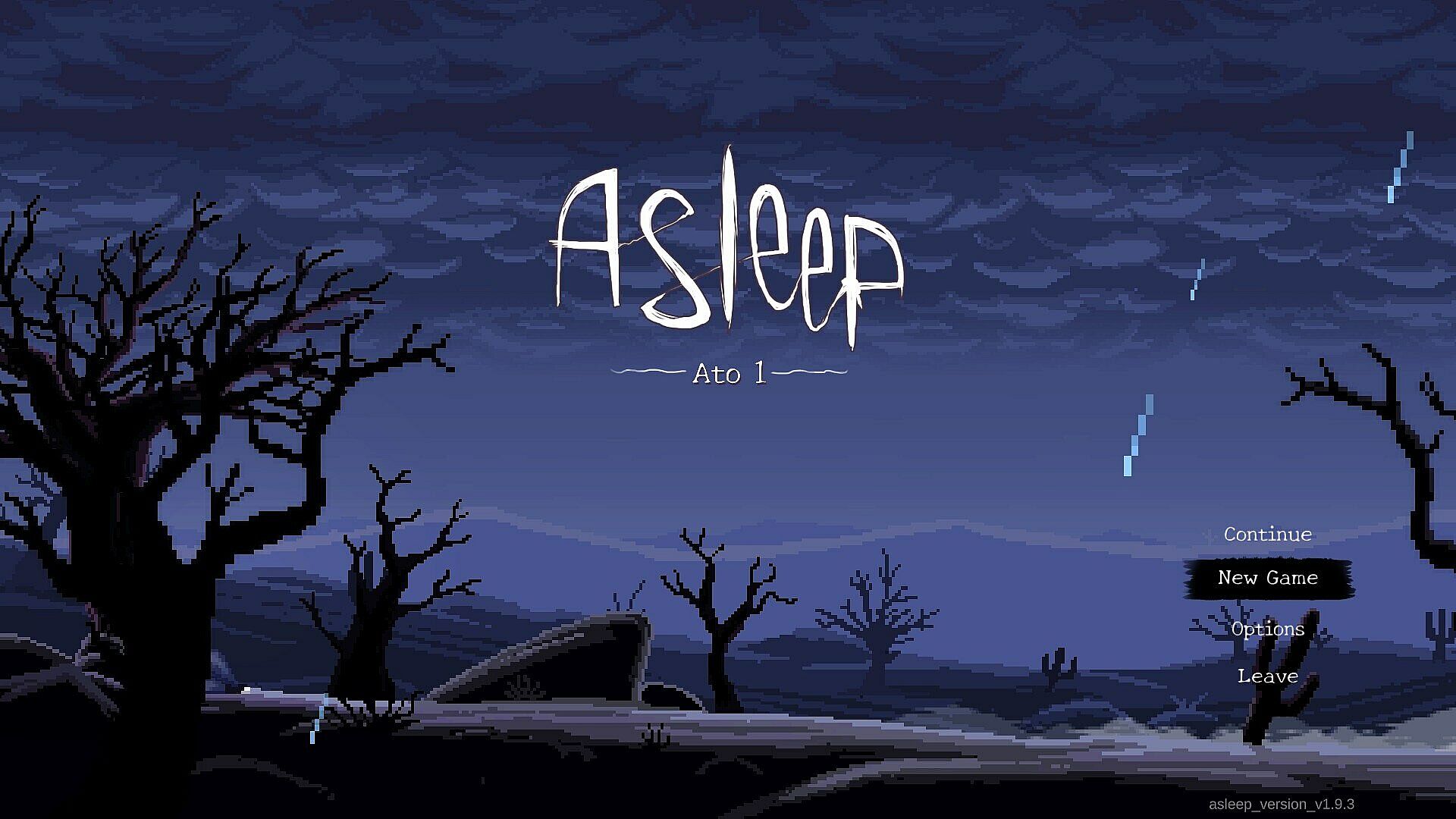

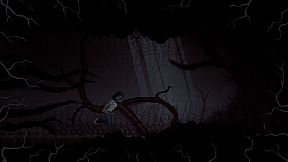
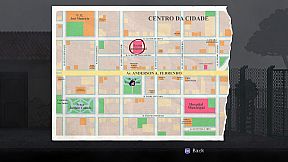
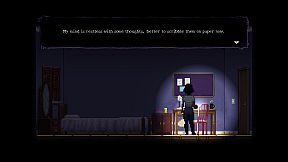
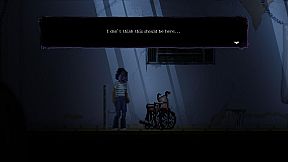
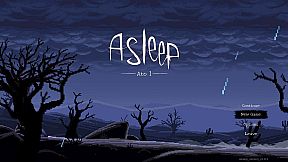
Asleep - Ato 1 stands as a 2D point-and-click psychological horror adventure game developed for PC. Players step into the role of Ana Lúcia, a young woman navigating a disorienting blend of nightmares and a harsh reality set against the backdrop of Brazil's Northeast in the 1990s. The experience emphasizes careful exploration, puzzle solving, and survival against threats that emerge from shadows, all rendered in a distinctive mix of pixel art styles that shift between detailed static scenes and smoother animated sequences.
Gameplay
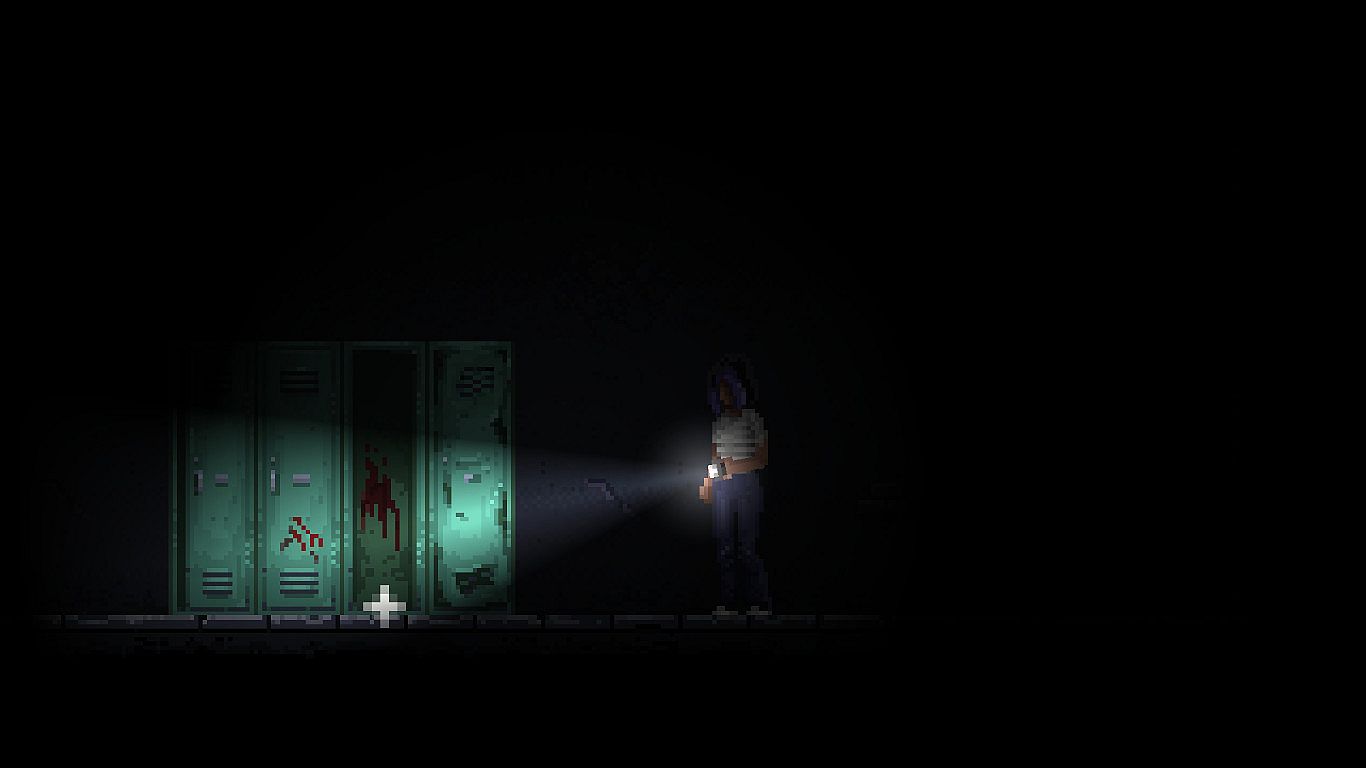
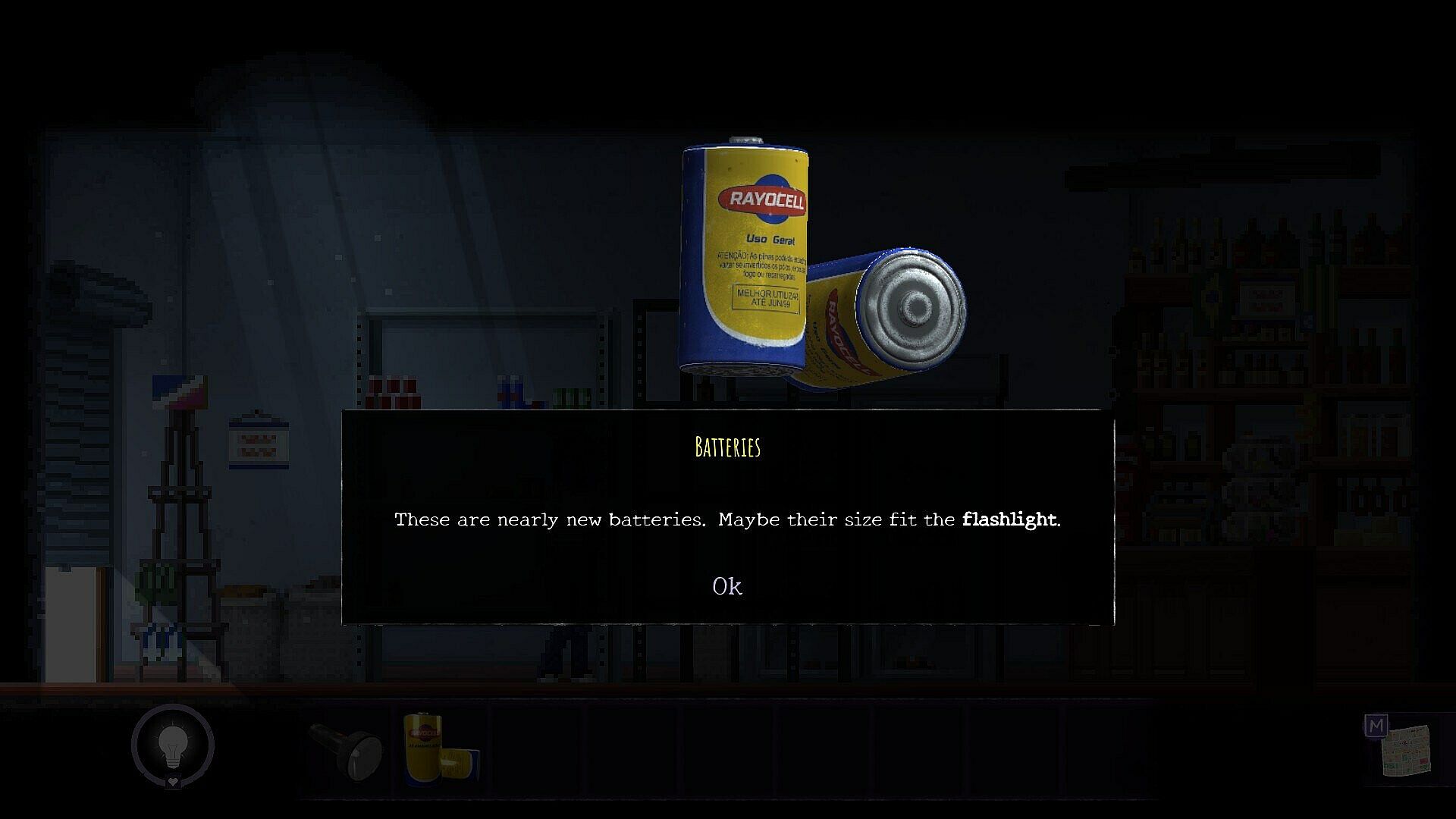
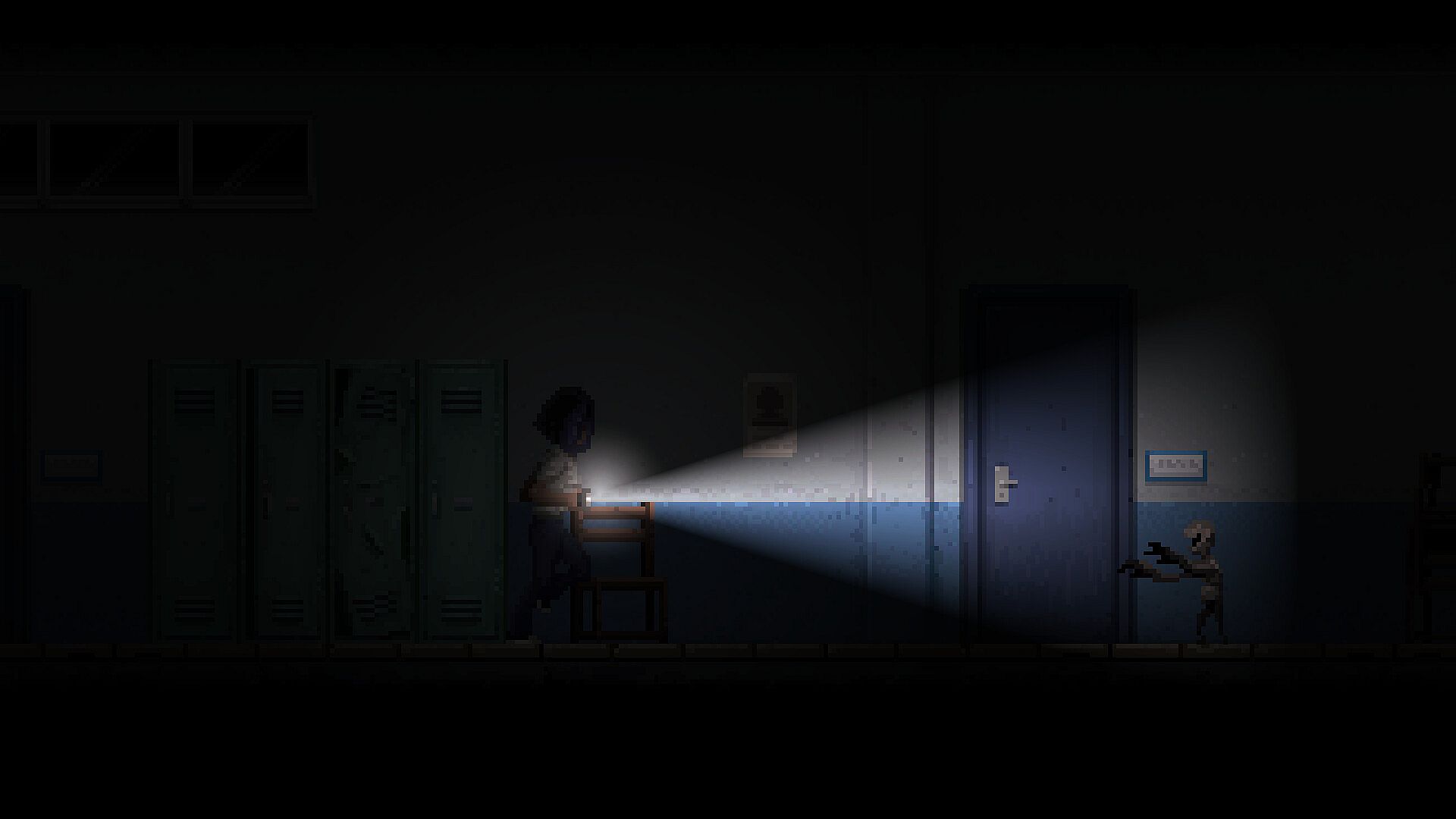
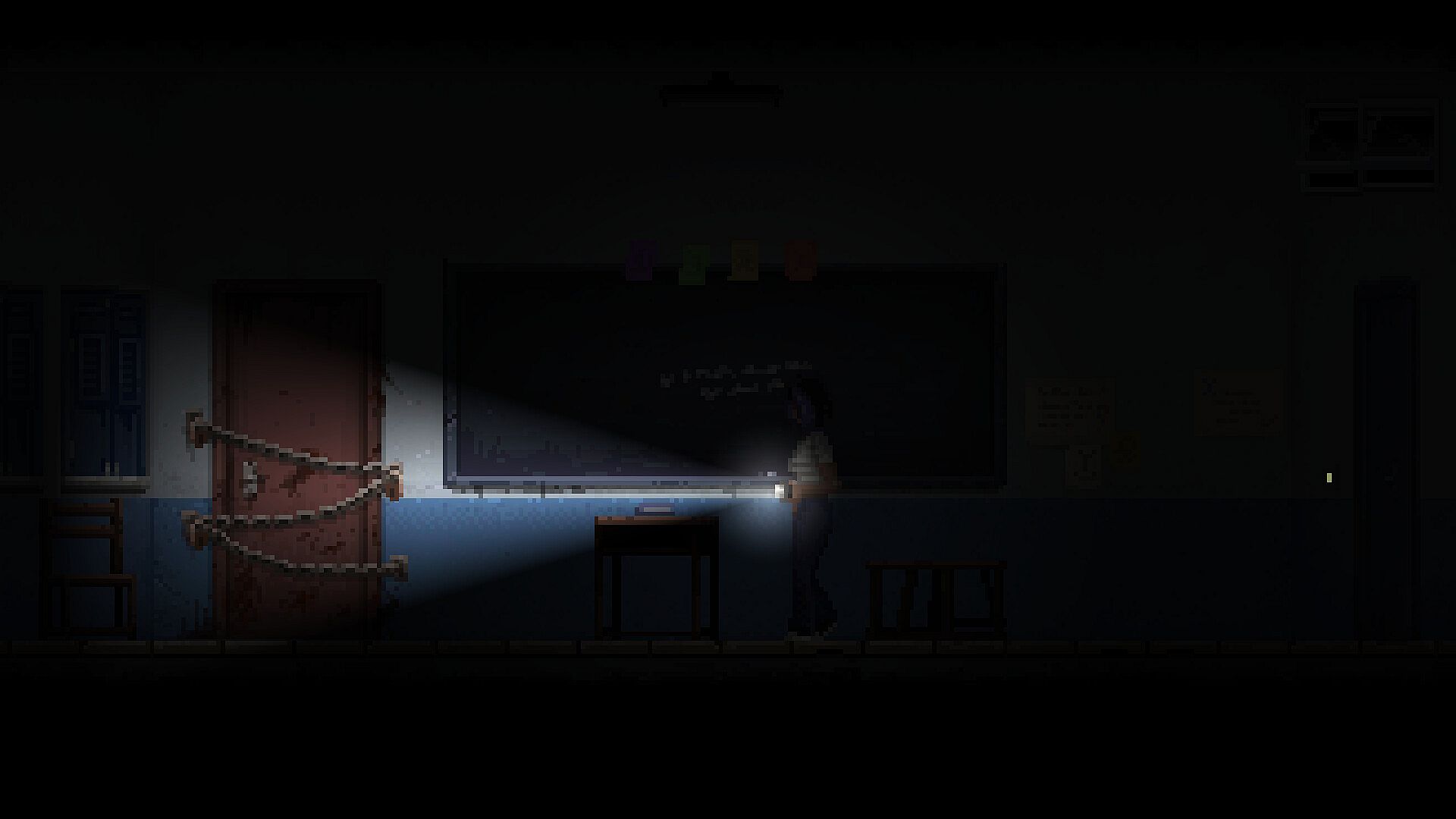
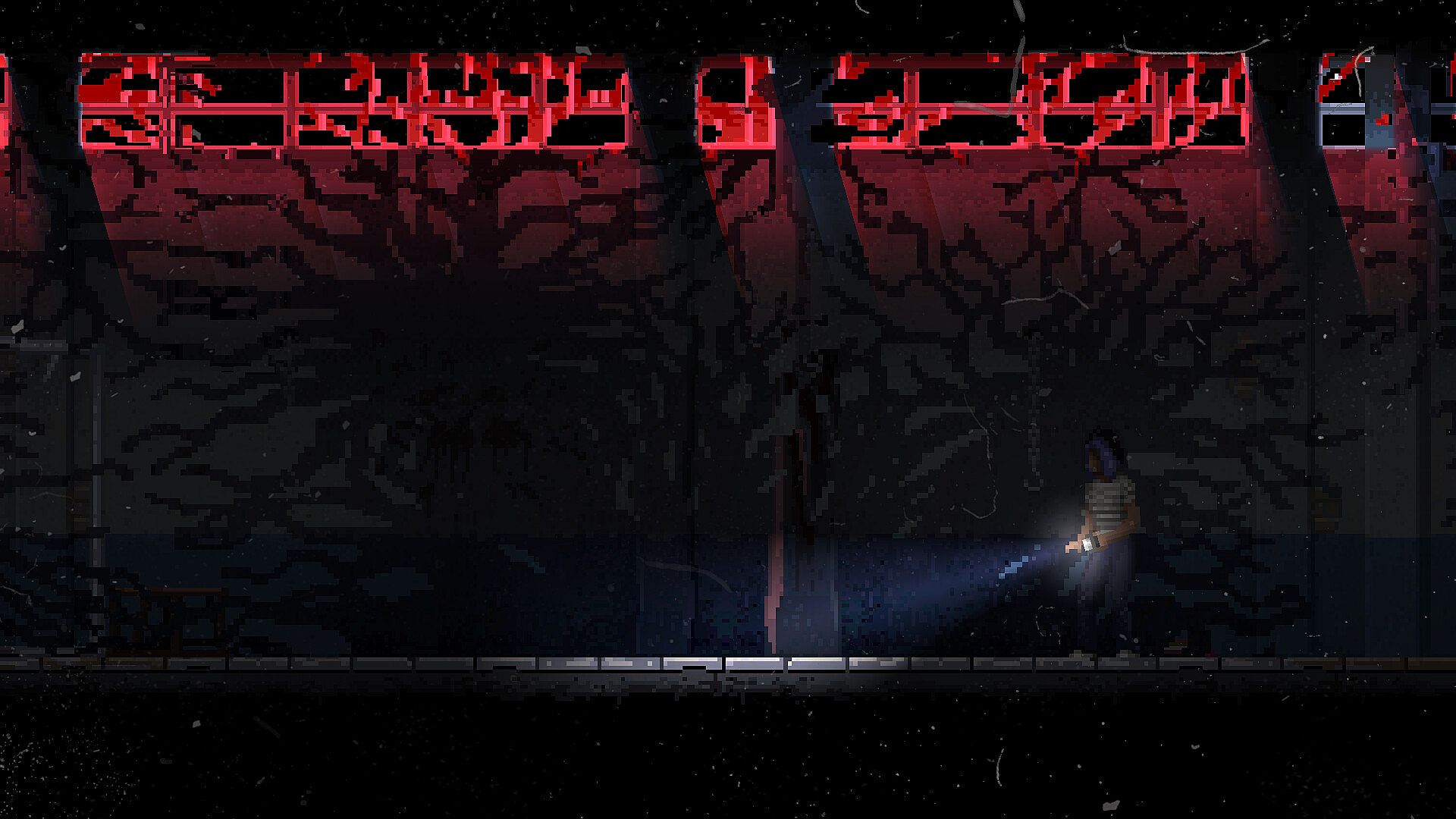
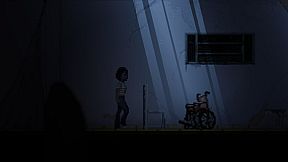
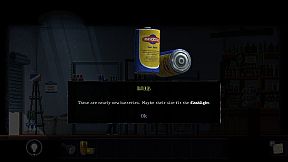
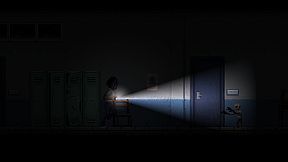
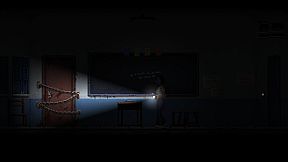
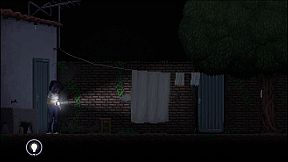
The core loop centers on point-and-click interactions within highly detailed environments. Players guide Ana Lúcia through locations such as empty streets, strange buildings, and shifting dreamlike spaces while managing limited resources. The flashlight serves as the primary tool for survival and discovery. Shining light reveals hidden items, opens new paths, and influences enemy behavior, since different creatures respond in unique ways to illumination. Some threats can be drawn toward the beam while others retreat, forcing players to adapt tactics on the fly.
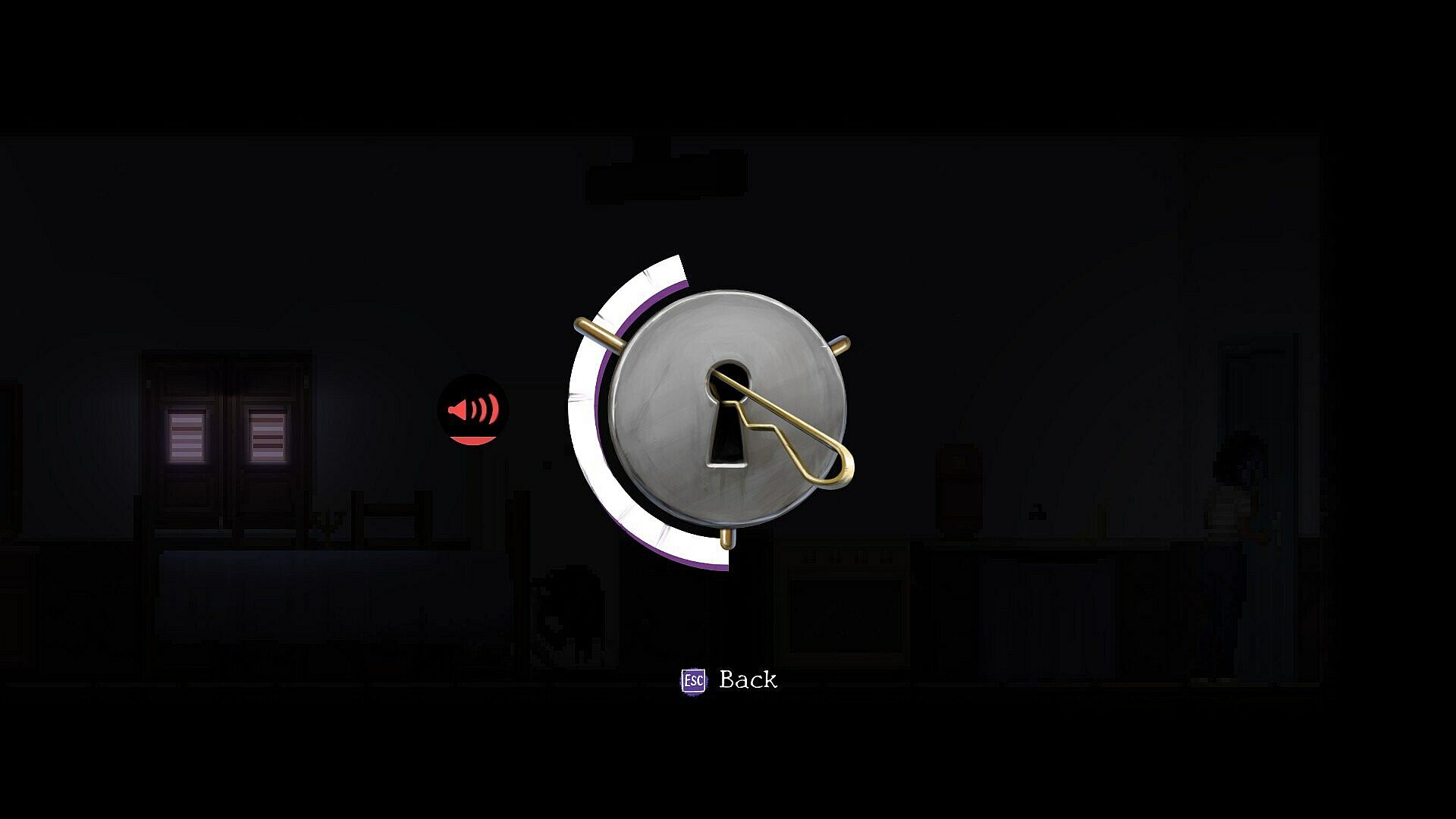
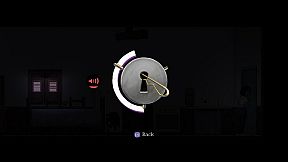
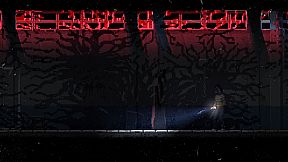
Stealth plays a central role when direct confrontation is not an option. Remaining in darkness for extended periods causes Ana Lúcia's sanity to decline, which heightens anxiety and draws additional dangers. Platforming sections require precise movement to cross gaps or reach elevated areas, often combined with the need to reposition the flashlight quickly. Puzzles range from locating and combining objects to restoring power or unlocking doors, all while avoiding or outmaneuvering pursuing monsters reminiscent of classic survival horror encounters.
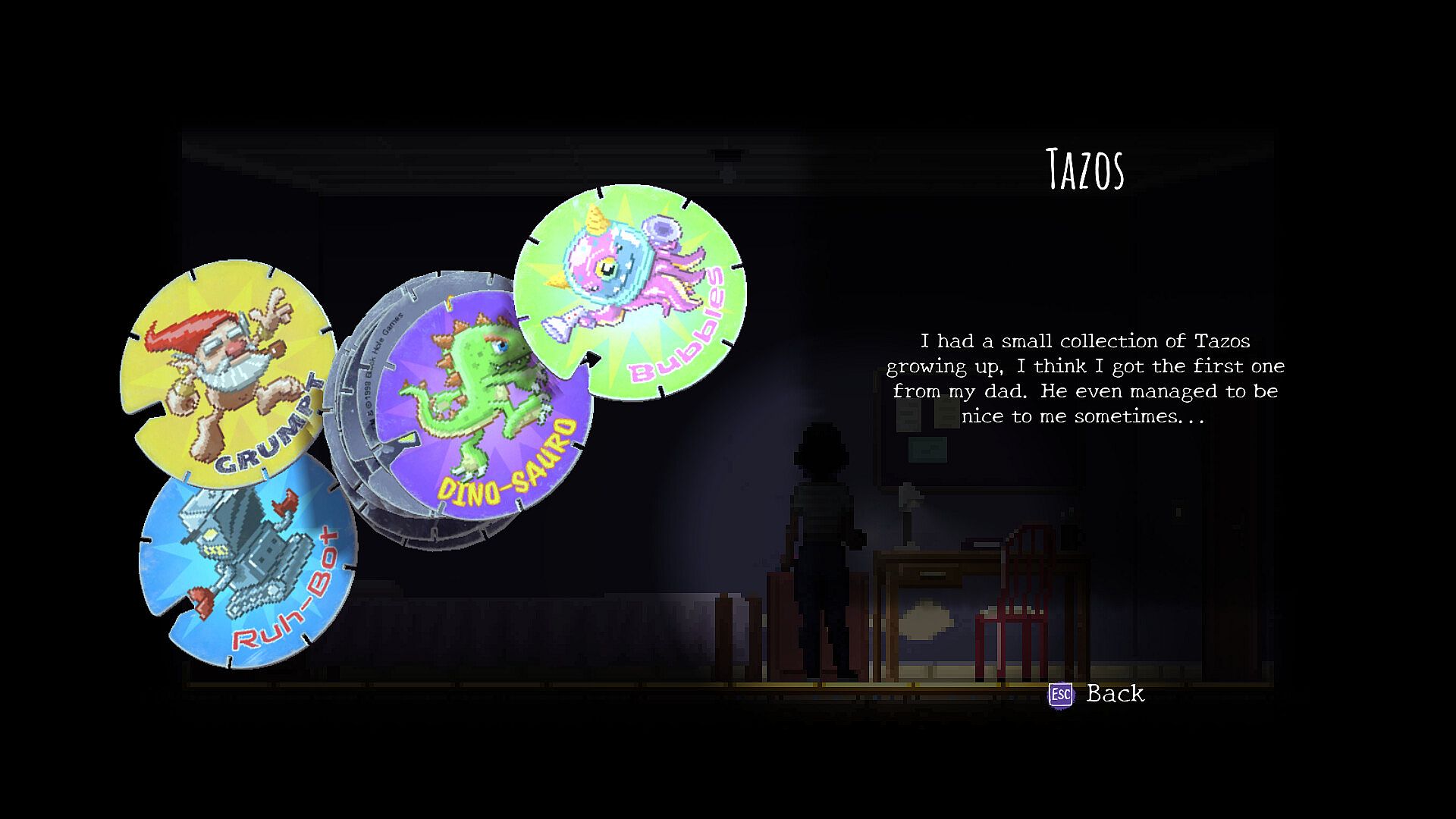
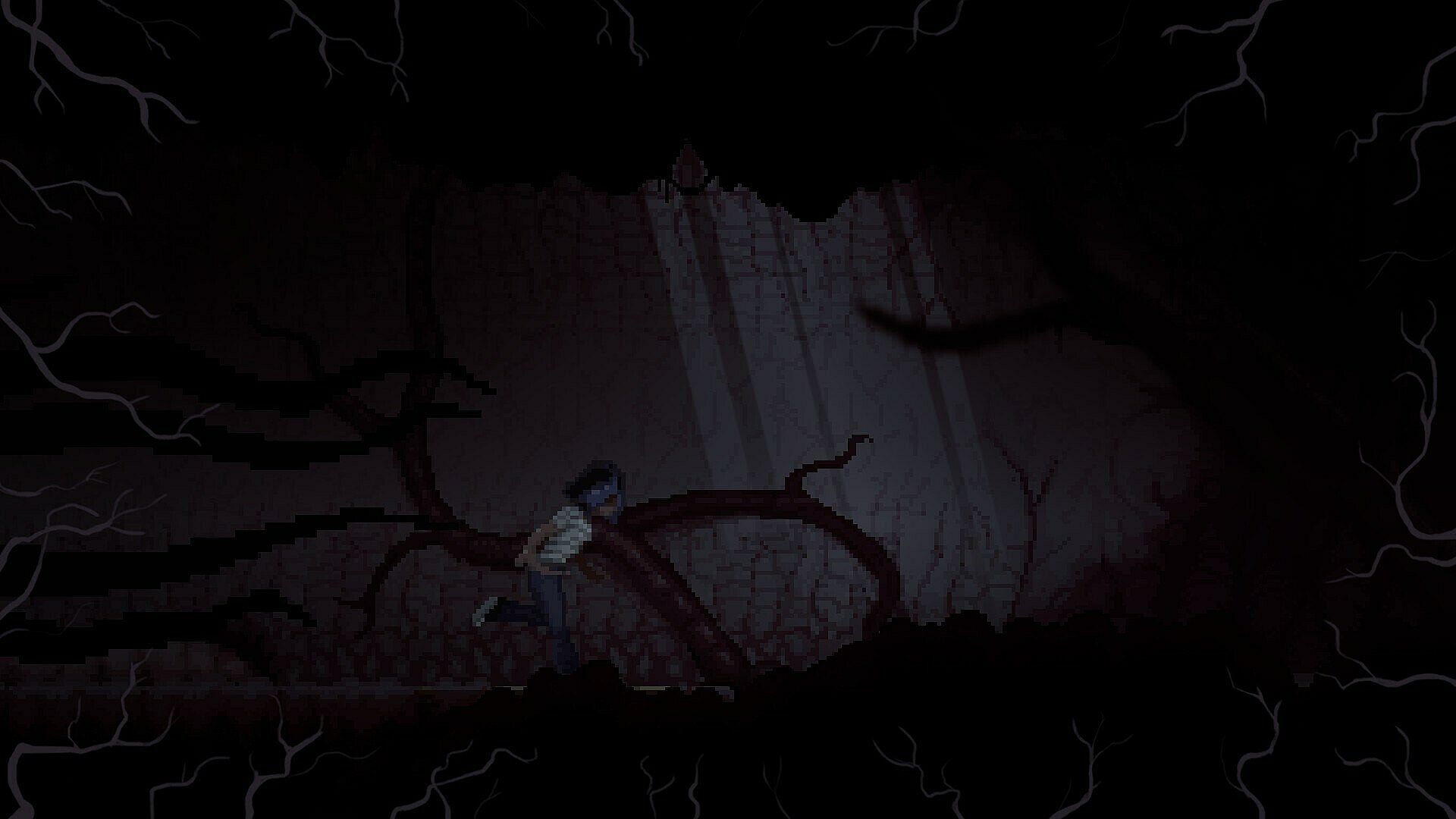
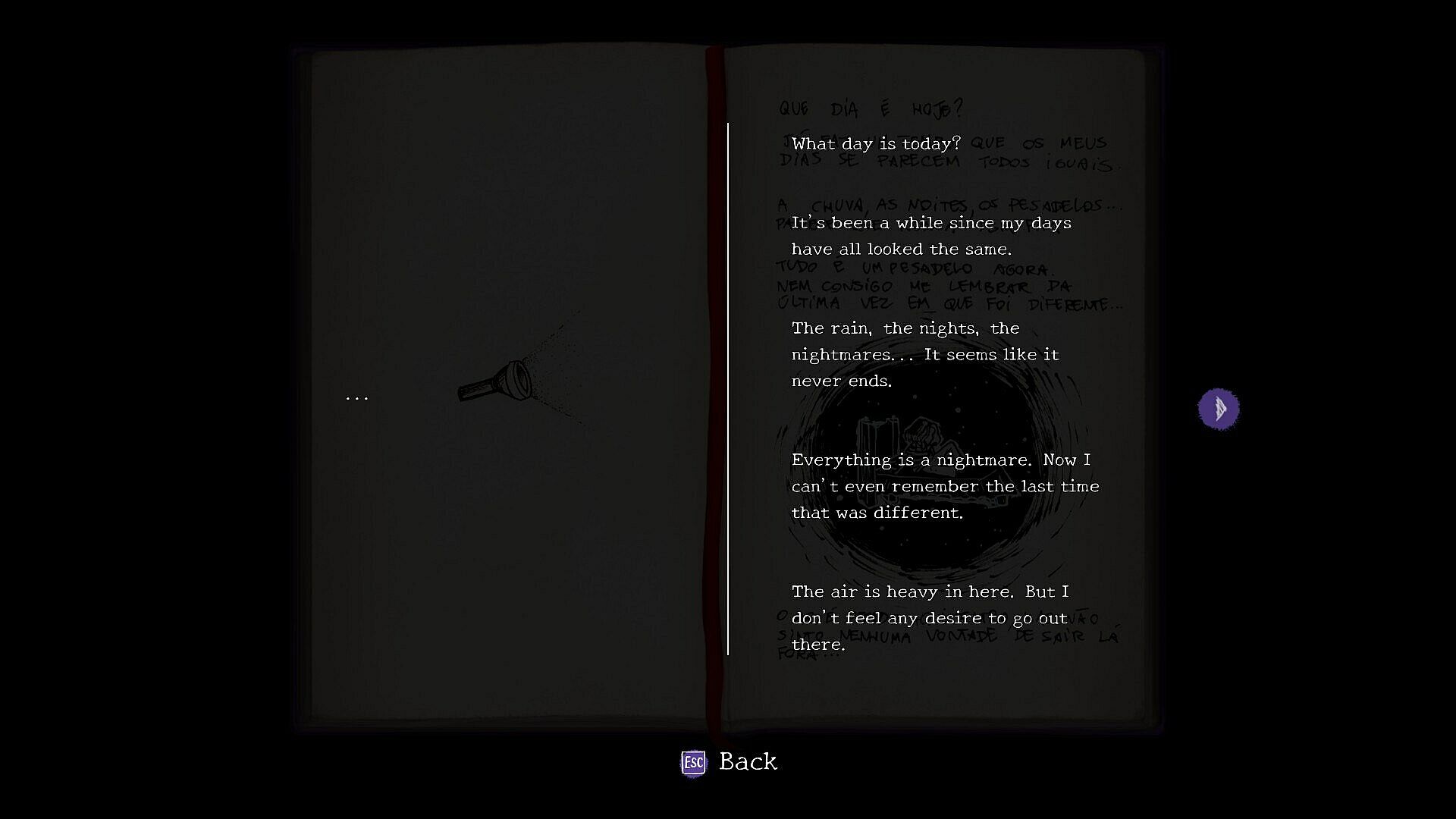
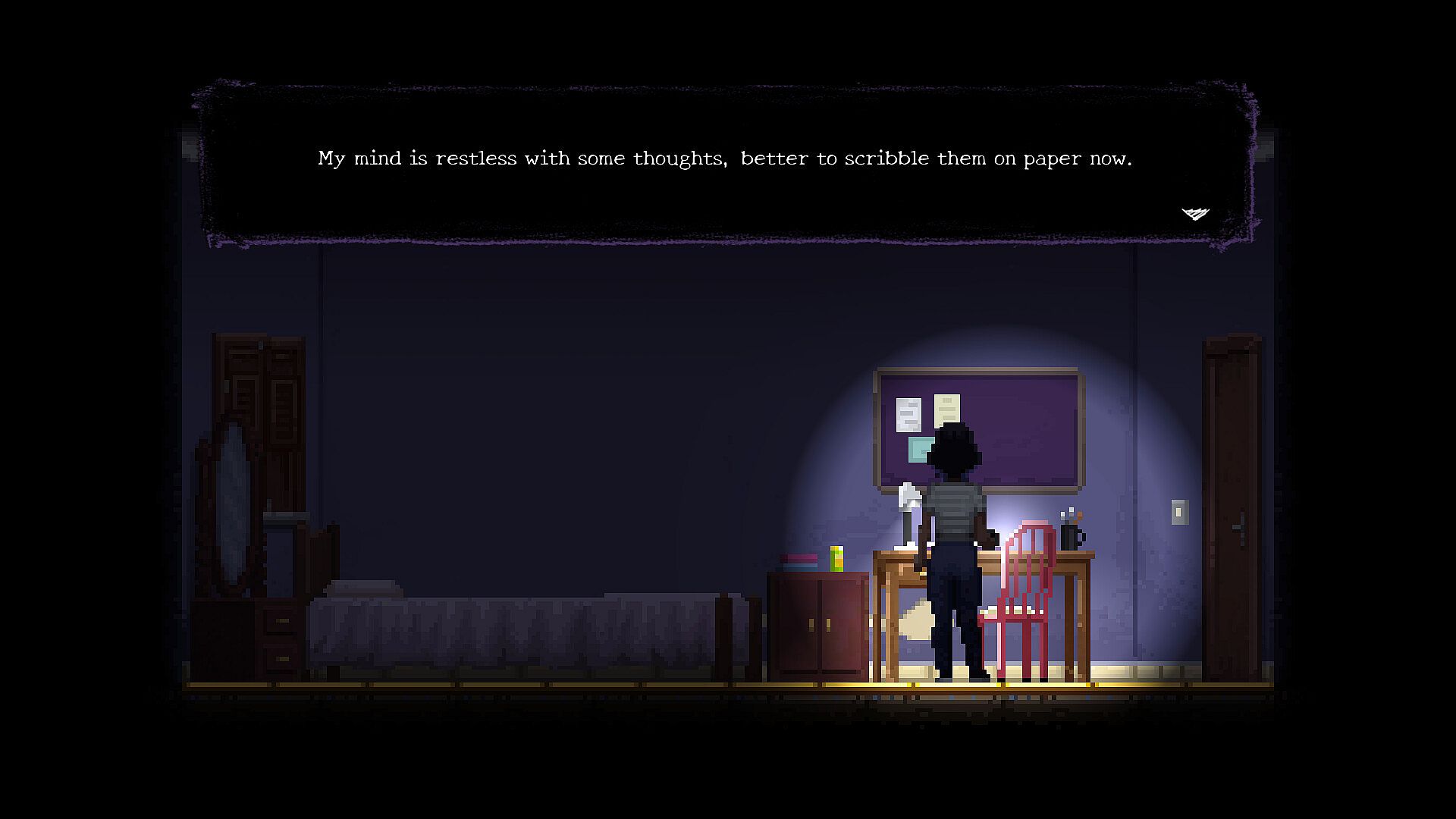
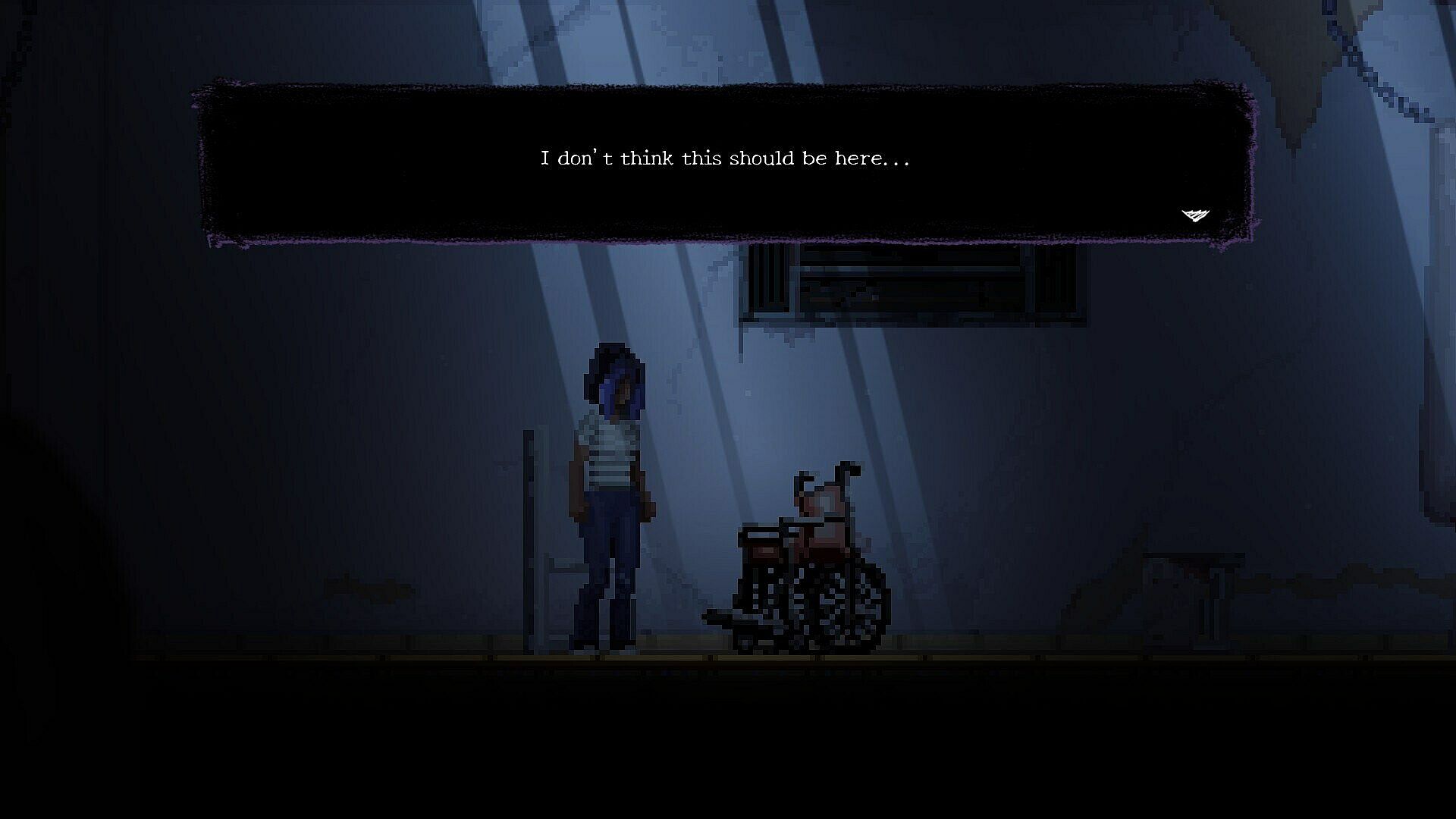
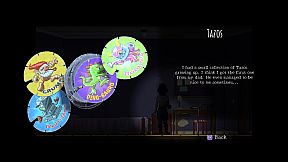
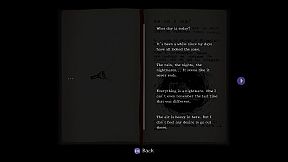
Travel between two parallel versions of the same locations adds another layer. One side presents a relatively familiar setting while the other reveals a darker, more hostile variant filled with additional hazards and clues. Collecting documents, sketchbook entries, and other items gradually pieces together the narrative without relying on heavy exposition. Choices appear at key moments and certain collectibles unlock optional memory sequences that expand on Ana Lúcia's background.
Game Modes
Asleep - Ato 1 operates entirely as a single-player experience with no multiplayer components. The structure follows a chapter-based story progression, with Ato 1 serving as the opening installment in a planned series. Players advance linearly through the narrative while exploring side areas for additional documents and secrets. There are no separate difficulty settings, competitive modes, or cooperative options confirmed in the release. The focus remains on sequential chapter completion, where each section builds on the previous through new locations and escalating threats.
Narrative and Atmosphere
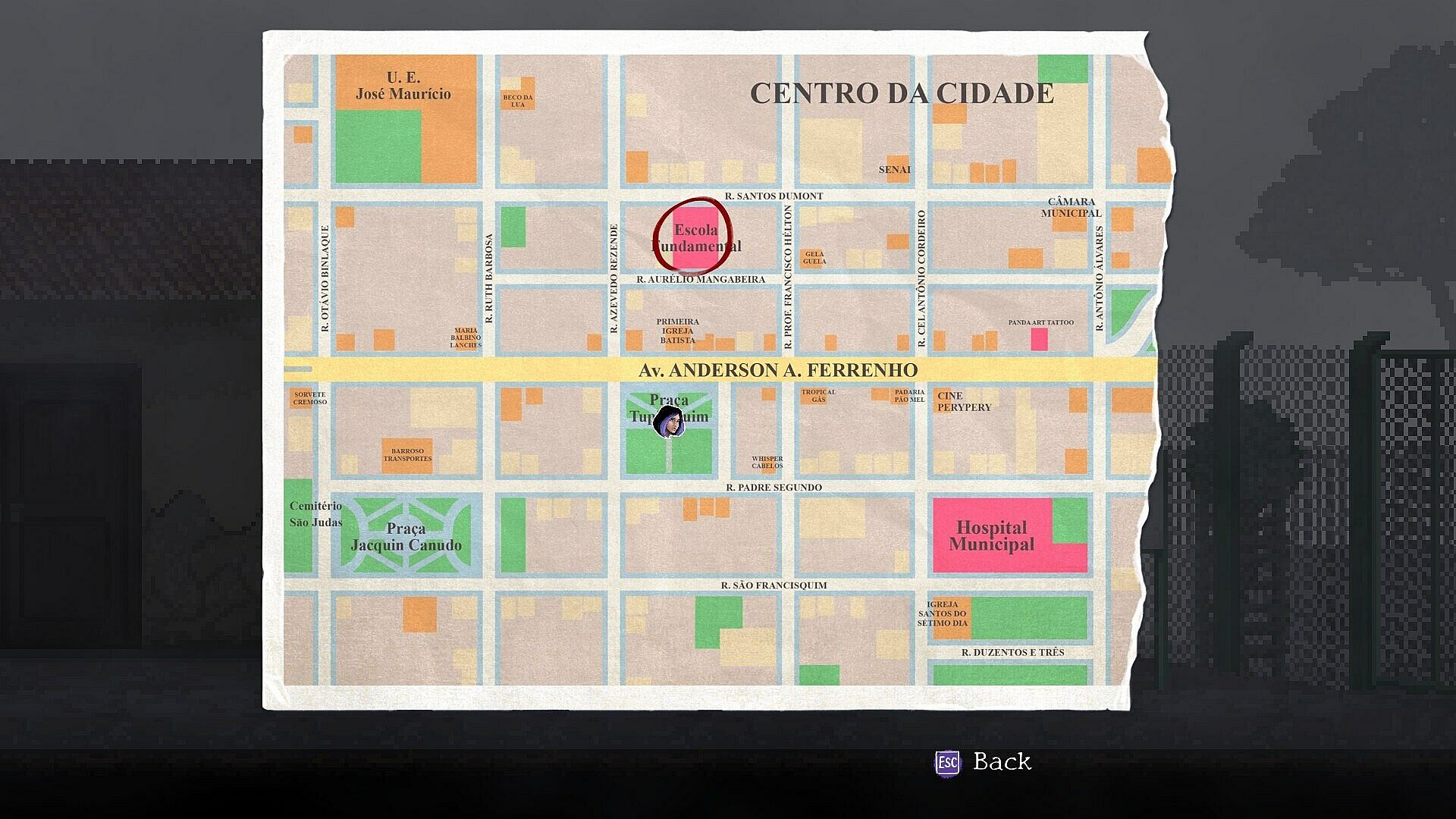
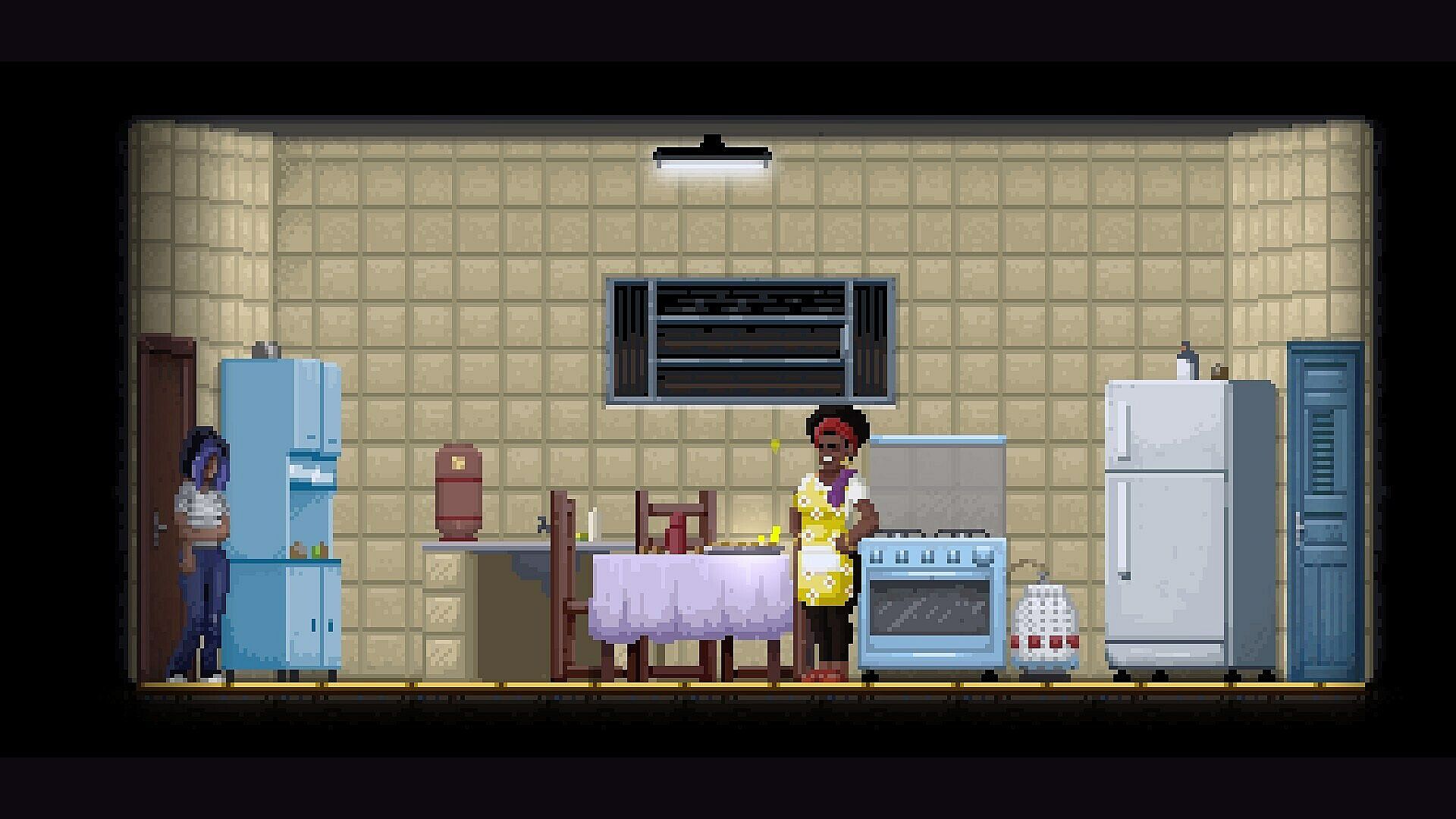
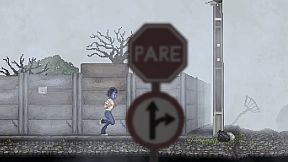
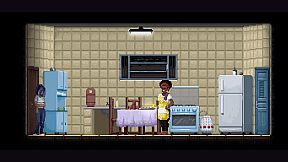
The story unfolds through environmental storytelling and collected clues rather than direct dialogue. Ana Lúcia begins confused and isolated, with the player piecing together events from her sketchbook and scattered notes. The setting draws on 1990s Brazilian Northeast aesthetics, including period-appropriate architecture and cultural details that ground the psychological elements. Sound design and lighting shifts reinforce the sense of unease, particularly when moving between the two universe versions where hostility intensifies.
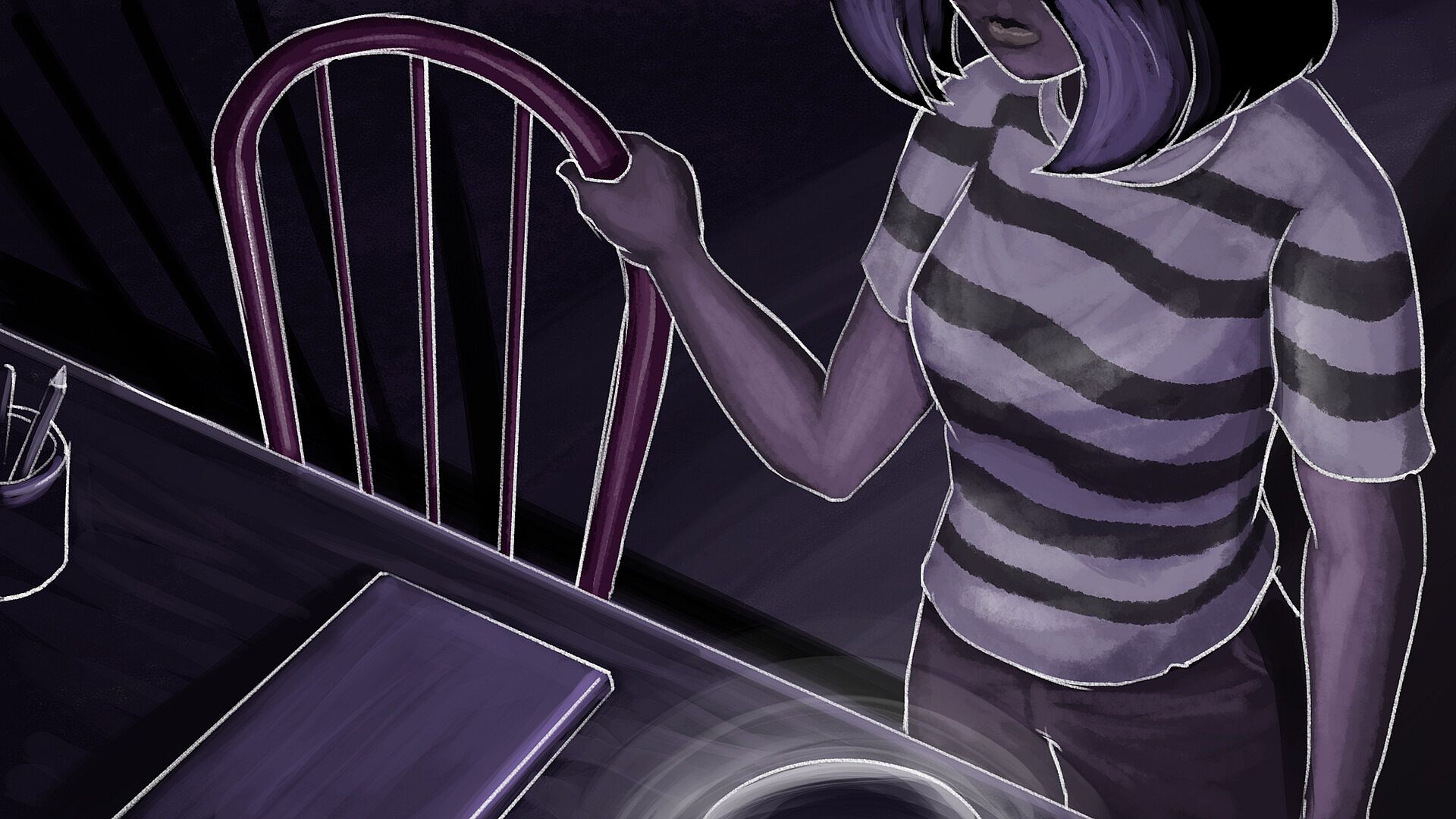
Fluid animations contrast with the pixel art foundation to highlight key moments of tension or discovery. The overall tone stays consistent with psychological horror traditions, emphasizing mental strain and ambiguous reality over outright gore or jump scares.
Is It Worth Playing?
Players who enjoy deliberate pacing, light-based mechanics, and narrative-driven horror will find the title rewarding. The short length suits those seeking a focused experience rather than lengthy campaigns, and the chapter format allows for easy return visits to hunt collectibles. Reception among owners has been strongly favorable, with praise centered on the unique artistic approach, tense flashlight interactions, and coherent storytelling. Those preferring fast action or extensive replay systems may find the deliberate exploration less engaging. The game remains available as a standalone first chapter, with further installments in development that continue the same systems and protagonist.