

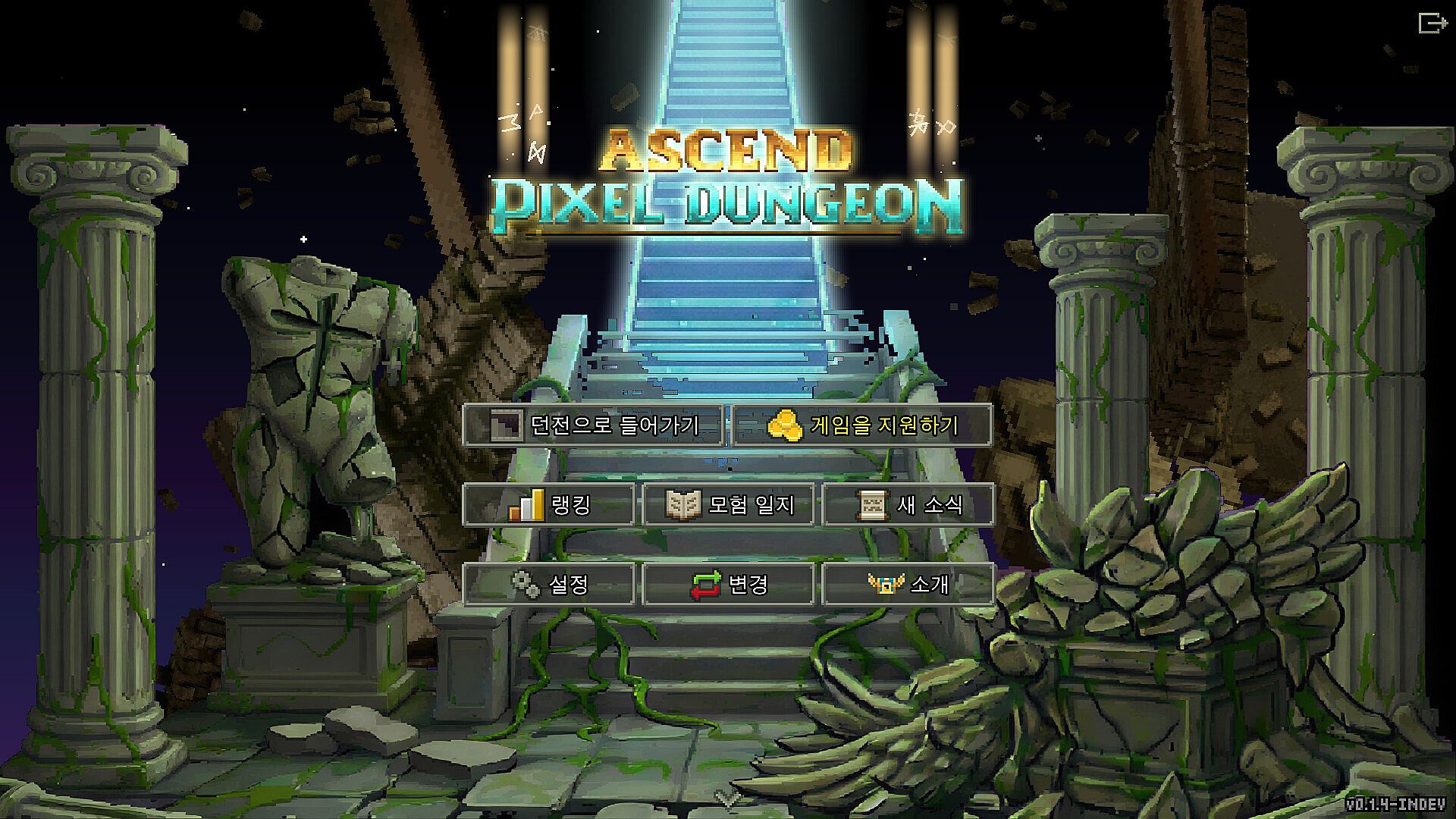
Ascend Pixel Dungeon is an indie turn-based dungeon crawler RPG in early access on PC. Players explore procedurally generated runs where choices in spellbooks, body adaptations, starting biomes, and crafted gear create distinct experiences each time.
Gameplay
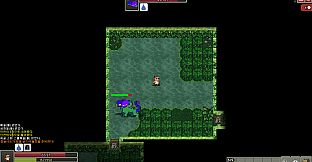
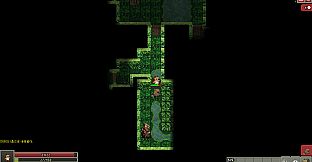
The core loop centers on one-tile movement and actions in a pixel-art environment. Combat and exploration follow familiar turn-based rules, yet progression avoids traditional class trees. Instead, players carry spellbooks that define offensive and utility options, allocating level-up points to strengthen specific books over a run.
Monsters defeated during exploration may drop factors. Absorbing these triggers adaptations that alter fundamental rules, such as vision range, hunger mechanics, equipment restrictions, or combat interactions. These changes reshape how the character interacts with the dungeon environment rather than providing simple numerical increases.
Between chapters, a bonfire serves as a crafting hub. Materials gathered from defeated enemies and chests combine according to recipes to forge weapons and armor. Monsters that appear equipped add another layer, as their gear becomes usable drops that feed into future decisions.
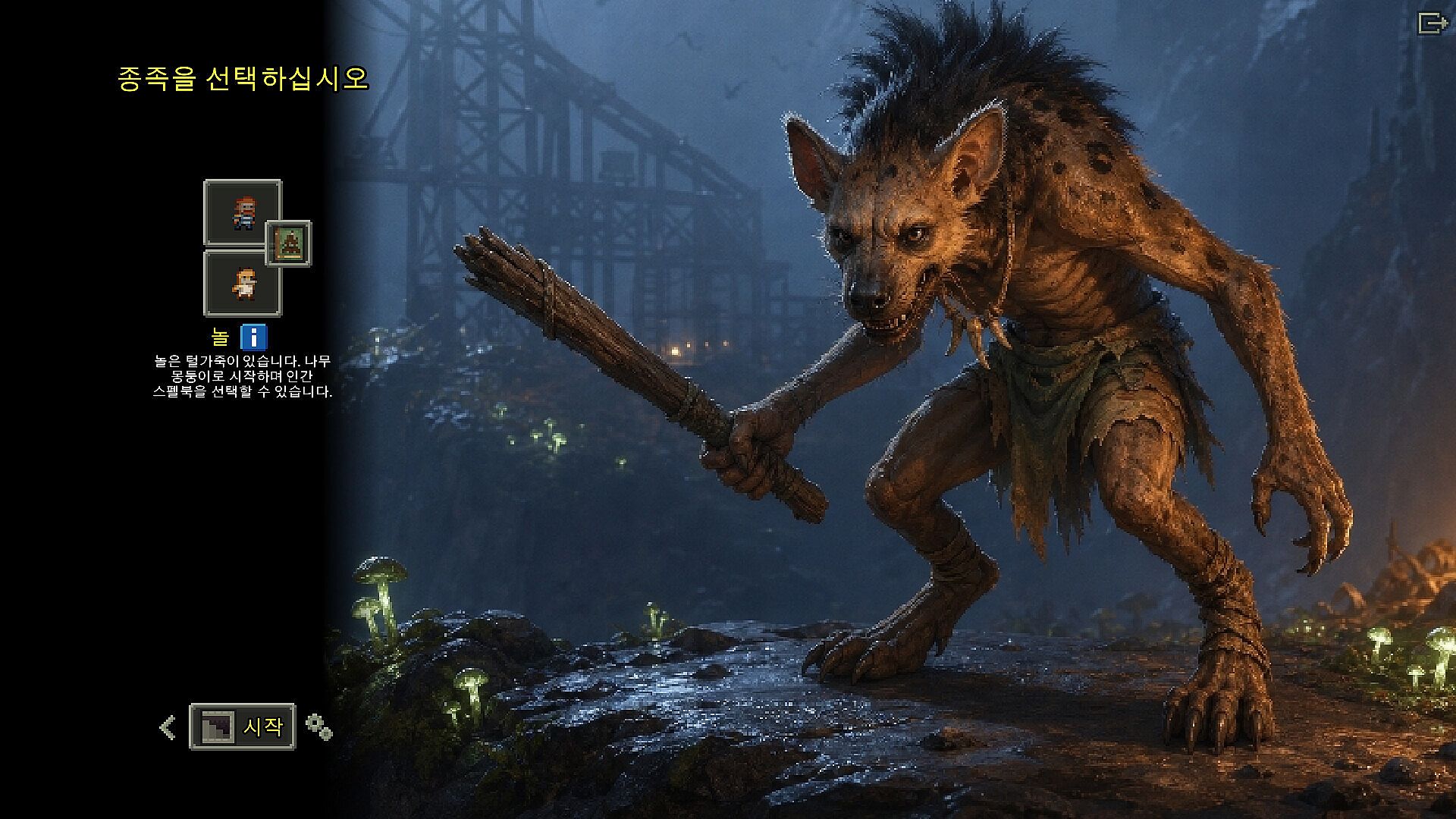
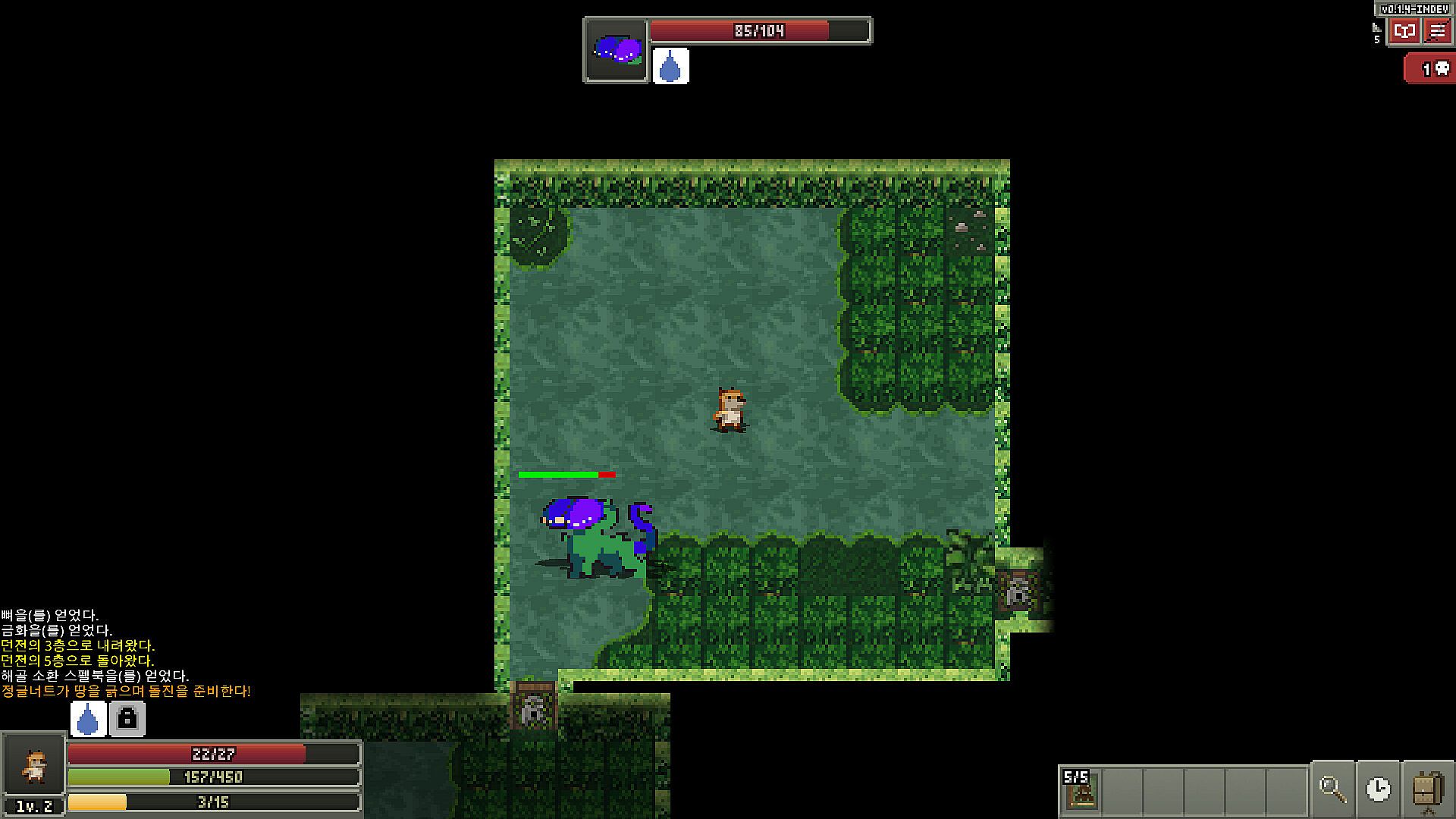
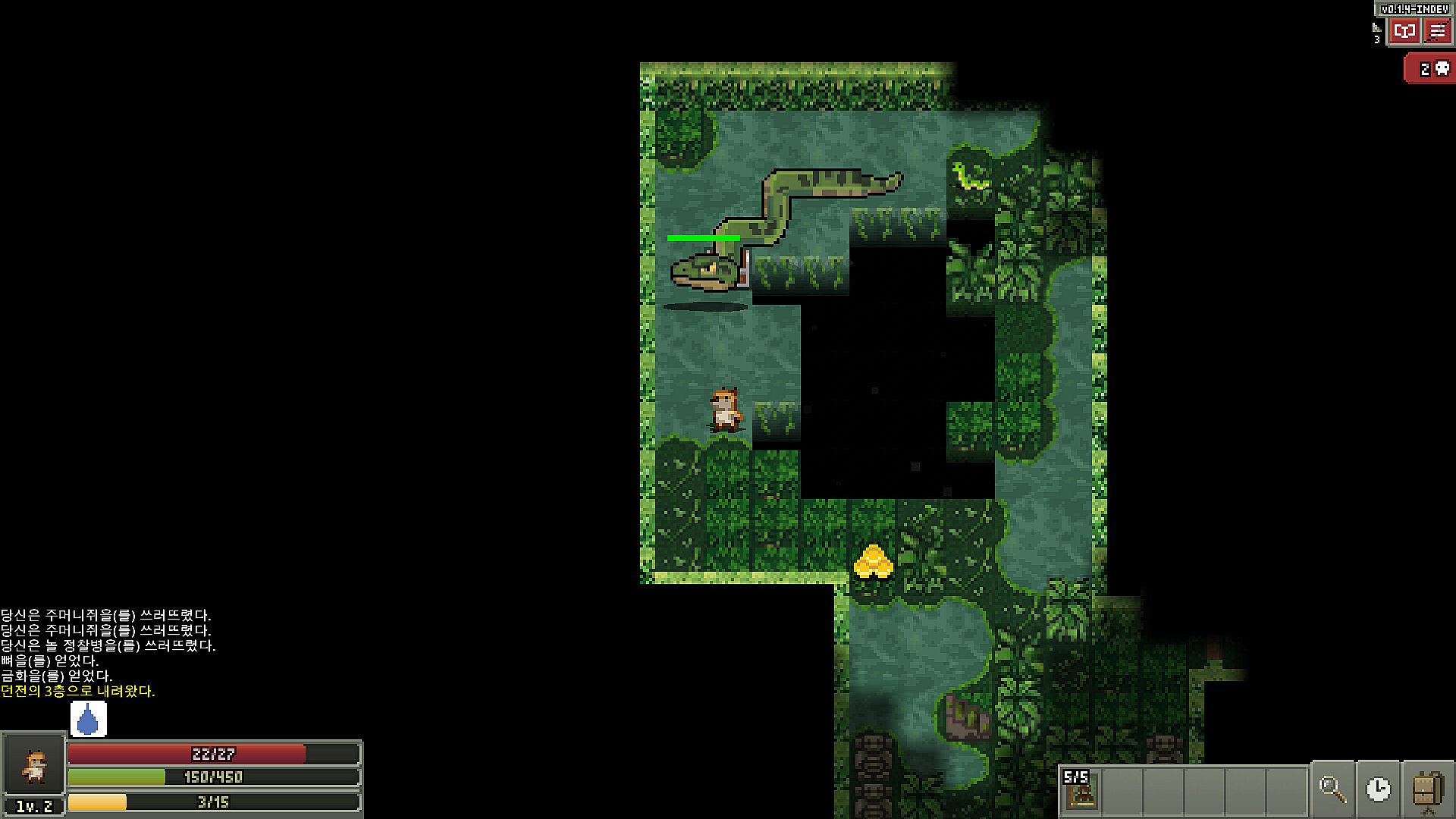
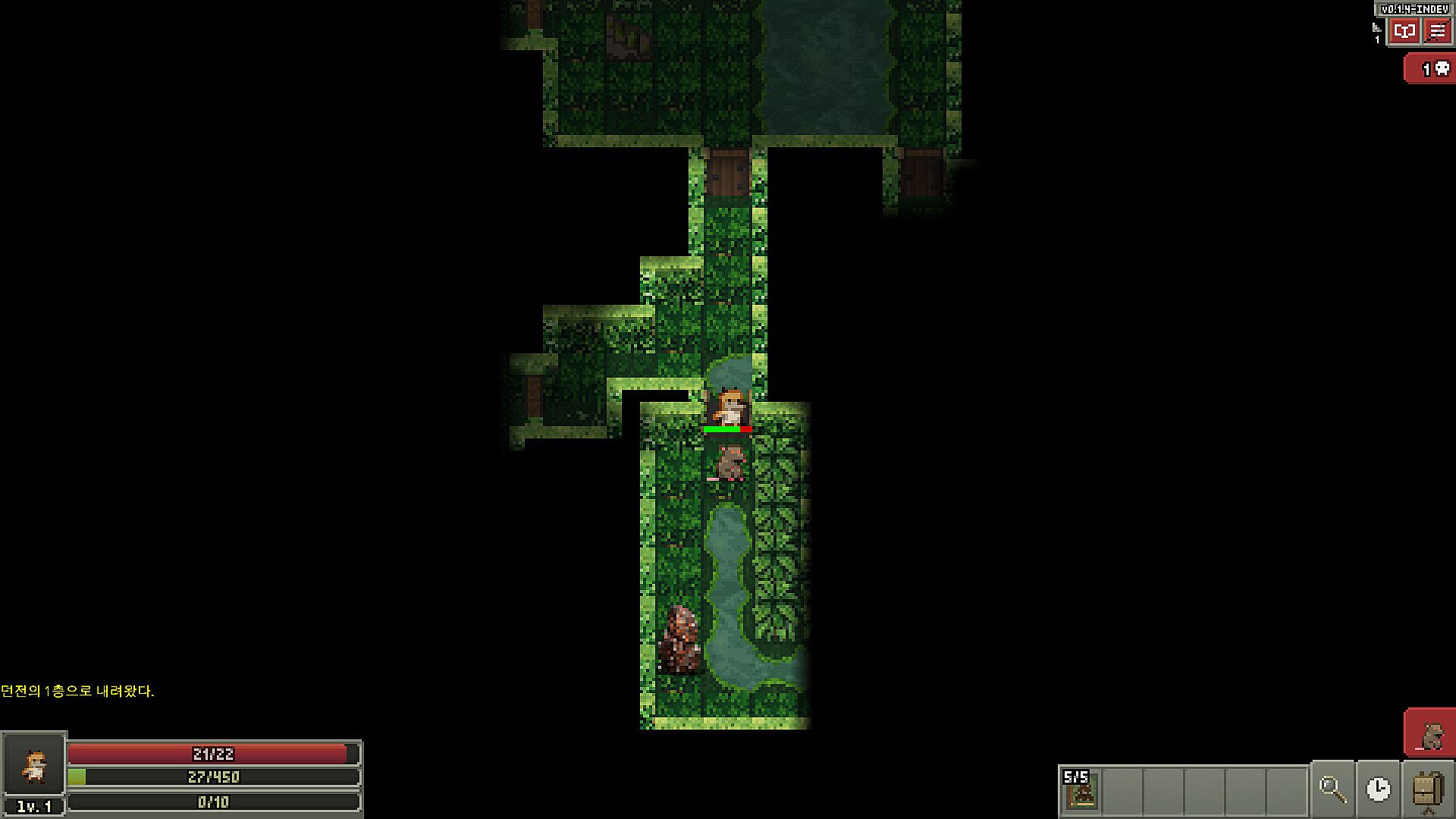
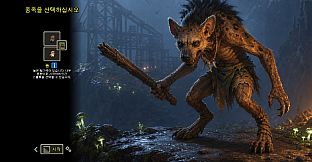
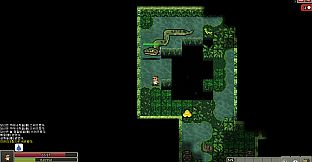
Runs begin with a race selection between human and gnoll, each offering different starting capabilities. The opening biome also varies, with options including sewers or a humid jungle, leading to different enemy compositions and layouts from the first steps.
Game Modes
The game operates as a single-player experience focused on repeated procedural runs. Each attempt branches from the outset through the chosen starting biome, the spellbooks collected, the adaptations absorbed, and the materials forged at campfires. Theme bosses appear at the end of each biome section, offering targeted spellbook rewards that anchor build strategies.
No separate multiplayer or competitive modes exist. Progression emphasizes replayability through divergent paths rather than fixed campaigns or seasonal events. The structure encourages learning core systems once and then experimenting with new combinations of books, body changes, and equipment on subsequent attempts.
Key Mechanics and Progression
Spellbooks form the foundation of combat identity. Players manage an inventory of these items and invest resources to enhance them, creating focused strategies around specific abilities. Adaptations complement this by modifying the survivability and interaction rules of the character body itself.
Procedural generation ensures no two runs follow identical paths. Starting biome selection, random or guaranteed spellbook placements from bosses and chests, and the sequence of factors encountered all contribute to unique layouts and challenges. Equipped monsters increase difficulty in targeted encounters while providing meaningful loot for crafting.
The fork from Shattered Pixel Dungeon preserves familiar controls and tile-based movement while rebuilding growth systems around spellbooks and adaptations. This results in runs that diverge significantly even before the first combat encounter.
Is It Worth Playing?
The game targets players who enjoy roguelike dungeon crawlers with heavy emphasis on build experimentation and procedural variety. Those who appreciate adapting to changing rules through adaptations and crafting decisions will find the systems rewarding. Early access status means the build includes the listed core features but remains subject to balance adjustments and content expansion based on feedback.
With no user reviews available prior to the September 2026 early access launch, reception depends on how the implemented mechanics perform in practice. The single-player focus and emphasis on run-to-run differences suit individuals seeking deep solo engagement rather than social or competitive elements. Players interested in the described spellbook and adaptation systems may find value in testing the early access version to contribute to ongoing development.