






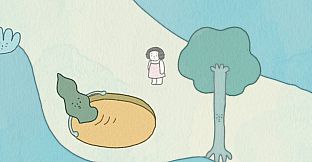

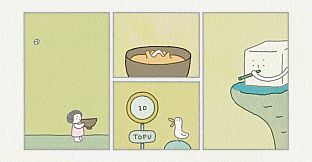

ASAGE stands out as a compact indie casual adventure game built around the quiet ritual of assembling a traditional Japanese breakfast. Set in a tranquil blue-green forest rendered entirely in hand-drawn frames, the experience invites players to gather ingredients through gentle encounters rather than combat or complex navigation. With almost no text or spoken words, the game relies on visual cues and simple interactions to guide progress, making it accessible across languages and appealing to those seeking a brief, meditative session on PC.
Gameplay
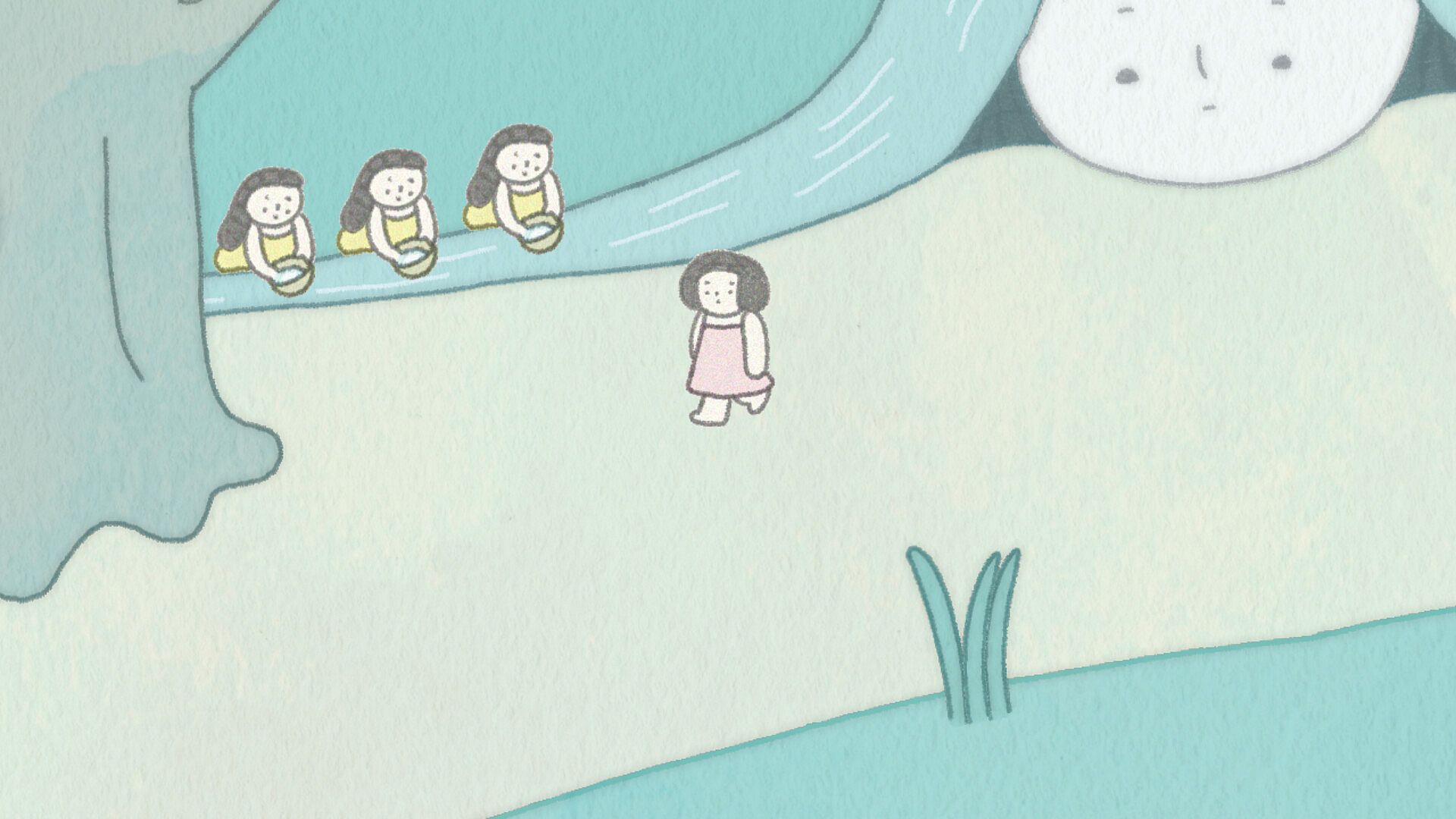
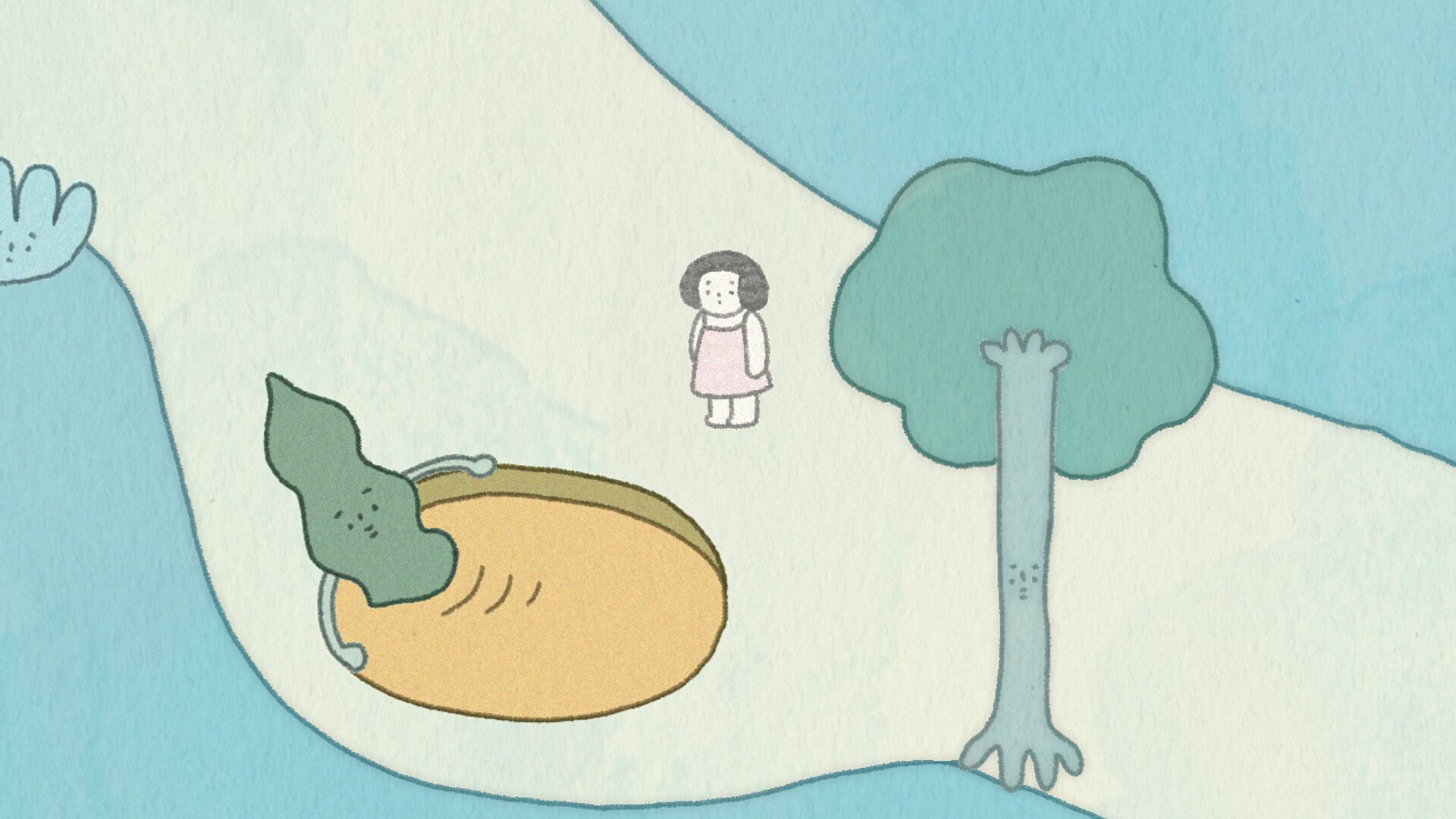
The core loop centers on exploration within a limited world map where the sole action available is praying. This mechanic triggers meetings with the forest's residents, each contributing in their own way to the breakfast preparation. Players collect rice, miso soup components, pickled vegetables, and grilled fish by following these encounters, allowing the story to emerge naturally from the interactions rather than through dialogue trees or objectives lists. The hand-drawn animation brings subtle life to the environment, with frame-by-frame details emphasizing the serene atmosphere and the tactile feel of the tasks involved.
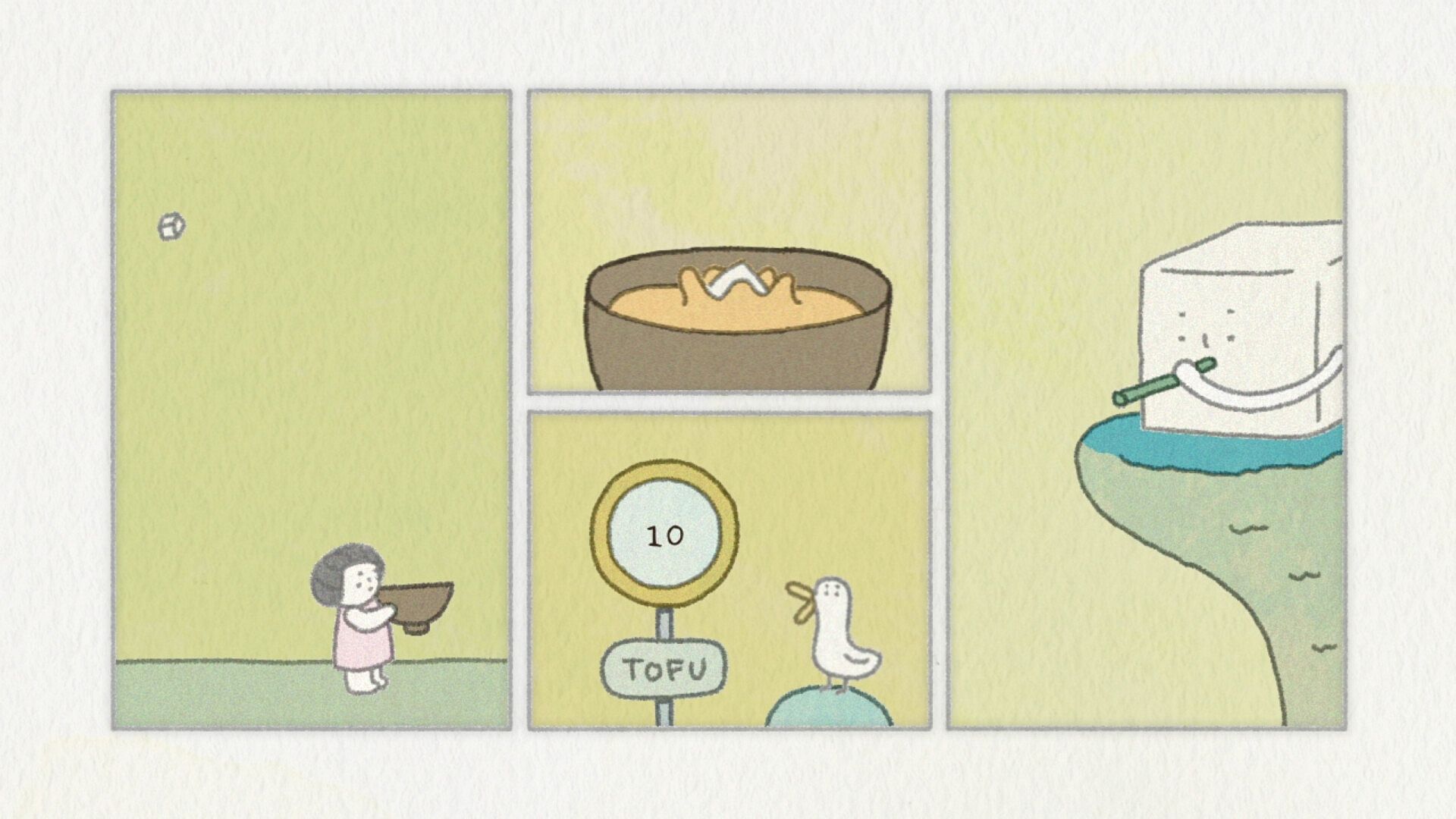
Minigames appear as charming interruptions that break up the exploration. These sequences feel slightly offbeat yet fitting within the overall tone, providing light challenges that tie directly into gathering or preparing the meal elements. Because the entire session lasts only five to ten minutes, every action carries weight without overwhelming the player with repetition or extended grinding.
Game Modes
ASAGE offers a single cohesive experience rather than multiple distinct modes. The focus remains on completing the traditional breakfast in one continuous playthrough, where praying serves as the universal tool for advancing through the forest and unlocking resident assistance. There are no separate competitive, cooperative, or survival variants; instead, the design emphasizes a linear yet open-feeling path that rewards careful observation and repeated short sessions if desired. Visual instructions keep the flow intuitive, allowing players to experiment with the minigames and encounters at their own pace without needing external guidance.
Visual Style and Accessibility
Frame-by-frame hand-drawn animation defines the presentation, creating a gentle, consistent aesthetic that matches the peaceful forest setting. The absence of written text or dialogue shifts emphasis entirely to imagery and environmental storytelling, which broadens appeal for international audiences or anyone preferring minimal reading. This approach keeps the game lightweight while highlighting the cultural elements of the Japanese breakfast through clear, recognizable items like rice bowls and grilled fish.
Is It Worth Playing?
ASAGE suits players who appreciate short, atmospheric adventures and the satisfaction of completing a simple ritual in a calming environment. Its brevity makes it ideal for quick sessions or as a palate cleanser between longer titles, with the praying mechanic and resident meetings providing a unique rhythm that feels fresh within the casual adventure genre. The hand-drawn visuals and language-independent design add replay value for those who enjoy noticing small animation details on subsequent runs. Those seeking deeper systems, extended campaigns, or multiplayer elements may find the scope limited, yet the focused execution delivers exactly what it sets out to achieve without unnecessary padding. The game remains available on PC for anyone drawn to its serene premise and creative constraints.