




Arcane Ligature is a strategy indie game in early access on PC that blends roguelike elements with deckbuilding and spell creation in a dark fantasy setting. Players take on the role of a Witness, a spellcaster navigating a world called the Sleave that is gradually unraveling, where success depends on crafting custom magic rather than relying on preset abilities.
Gameplay
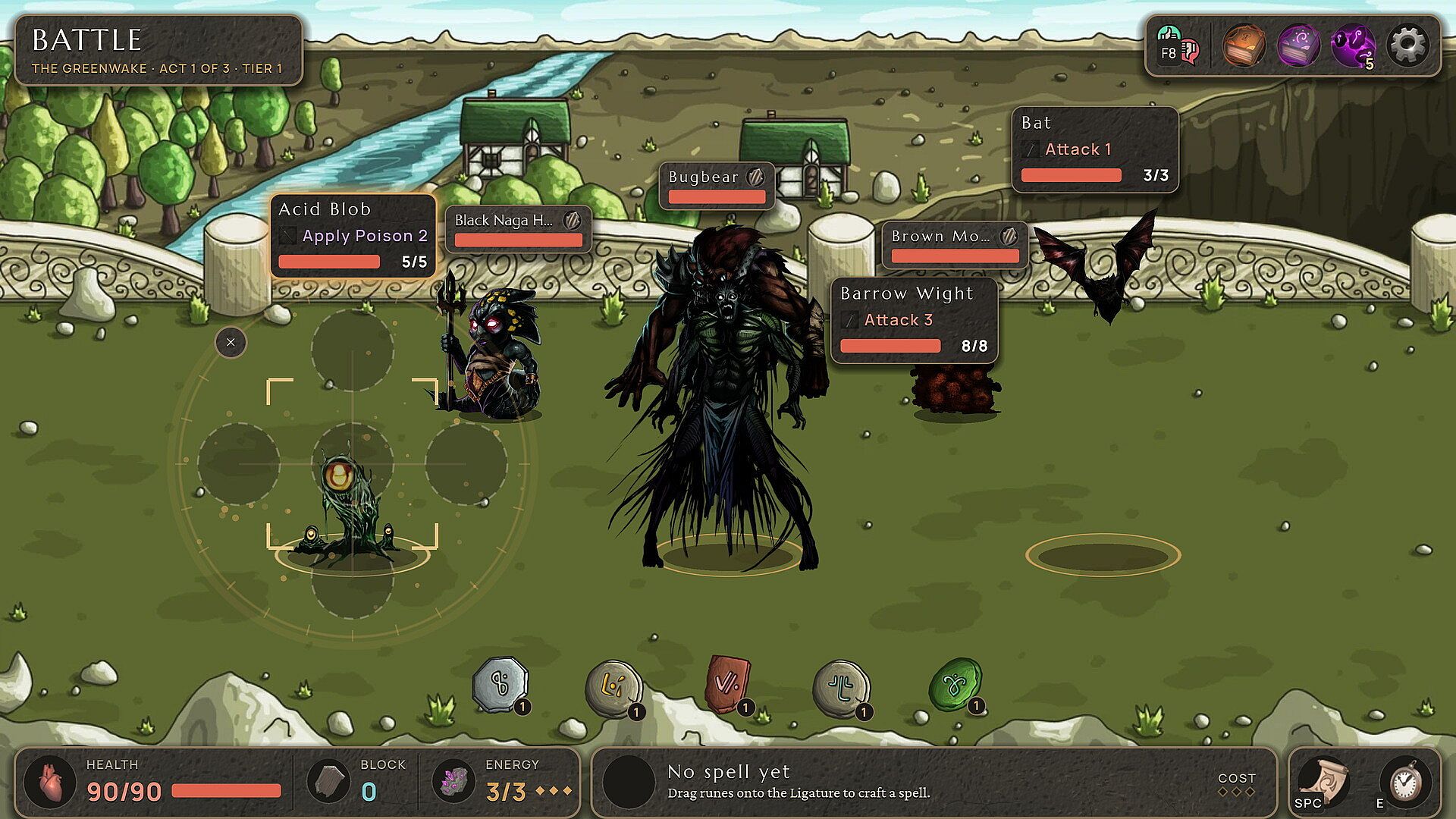
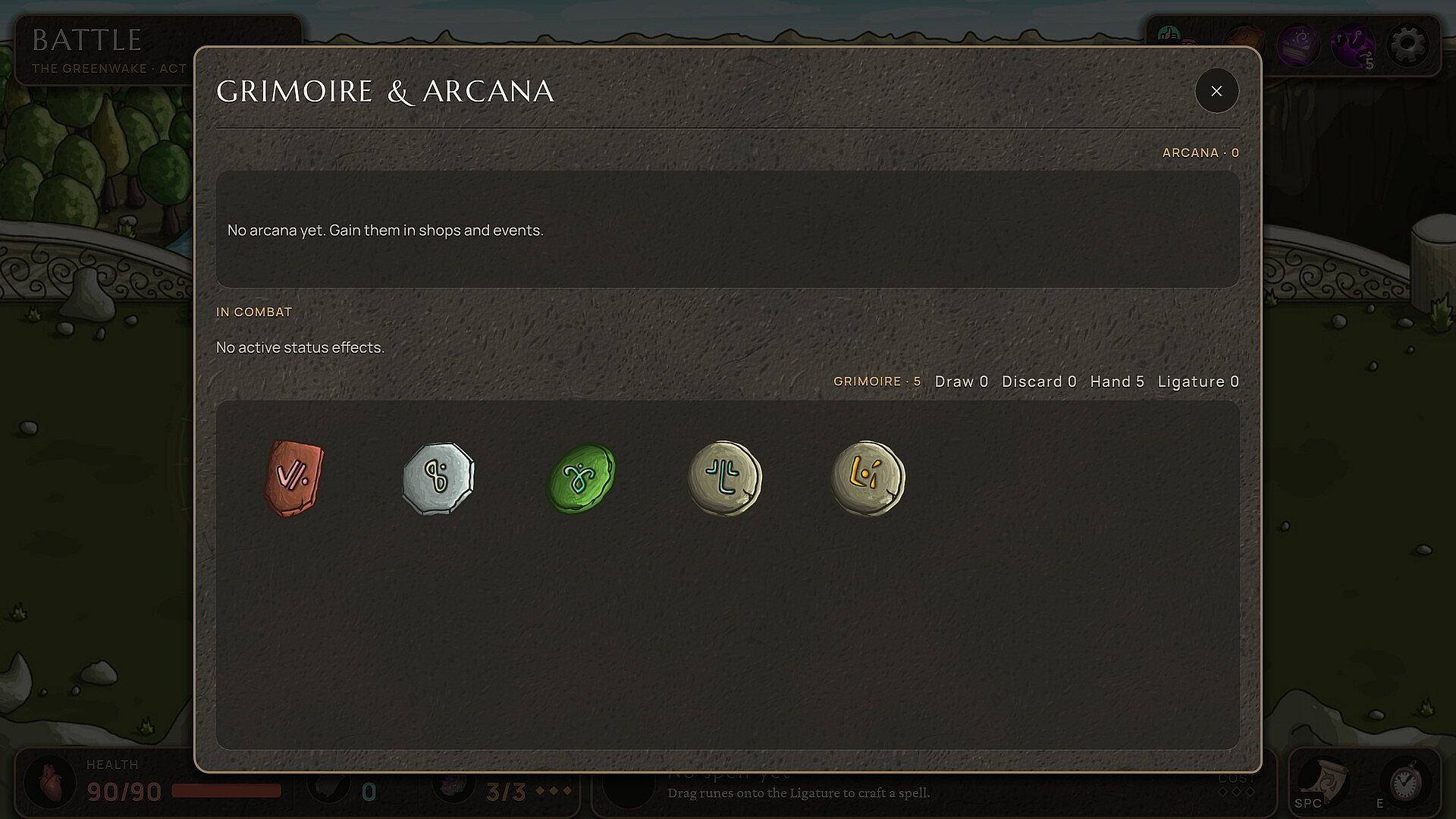
The core loop centers on spellcrafting through rune arrangement. Instead of selecting from fixed cards, players place runes onto the Ligature, a five-position board that determines how elemental runes interact with forms and modifiers. The sequence of placement directly influences the resulting magic, allowing for attacks, summons, defensive buffs, or entirely new effects that emerge from experimentation.
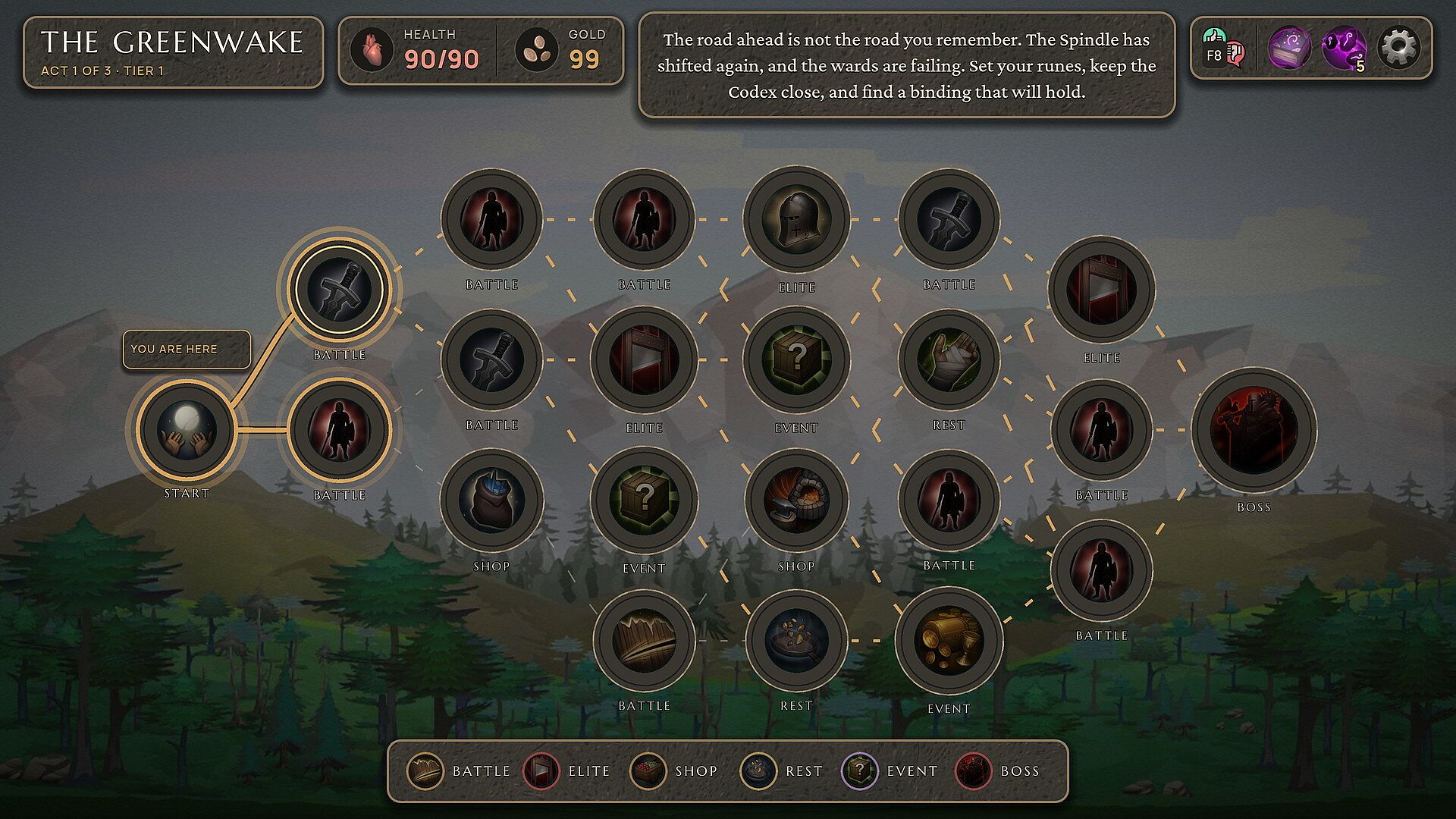
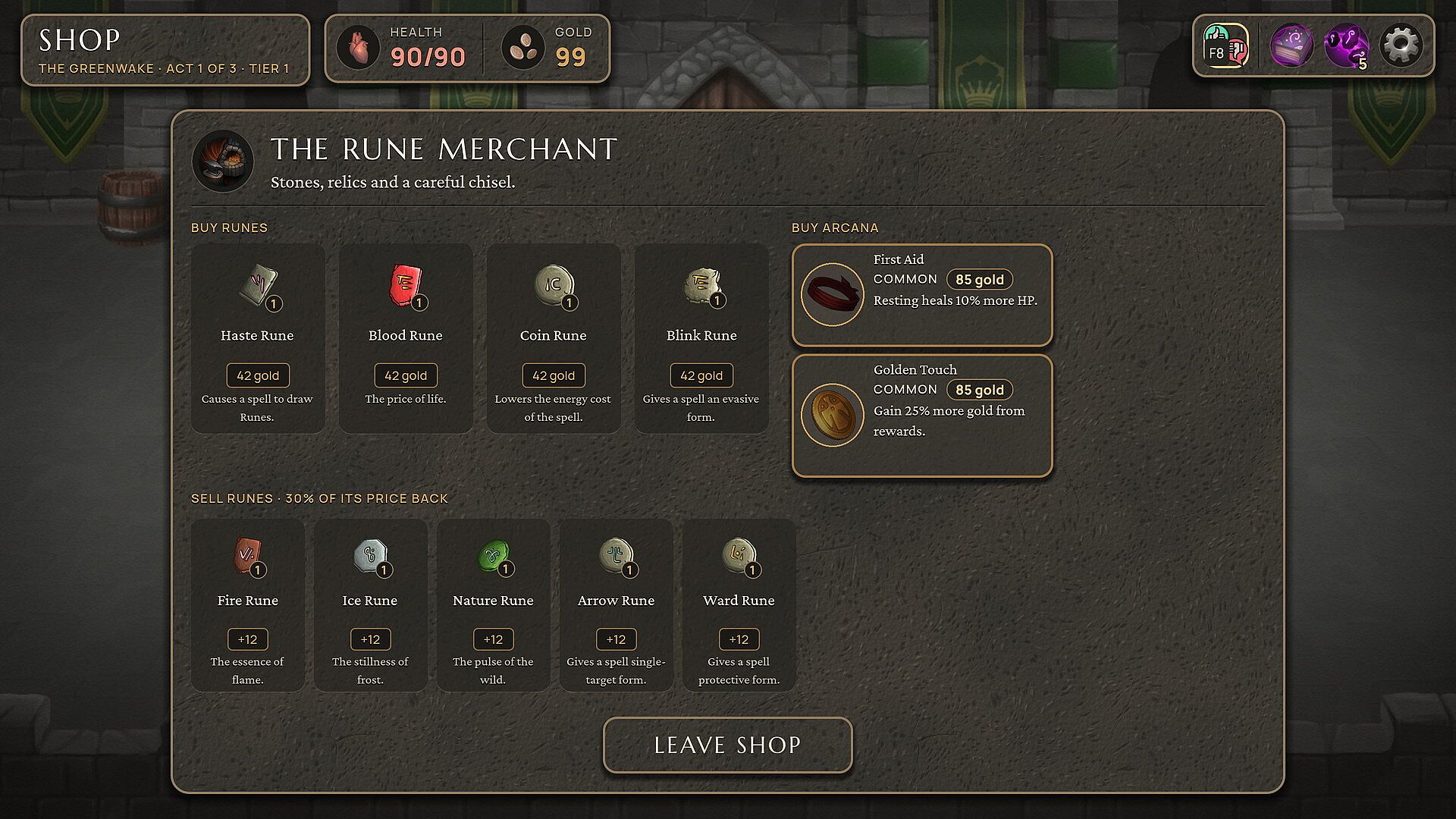
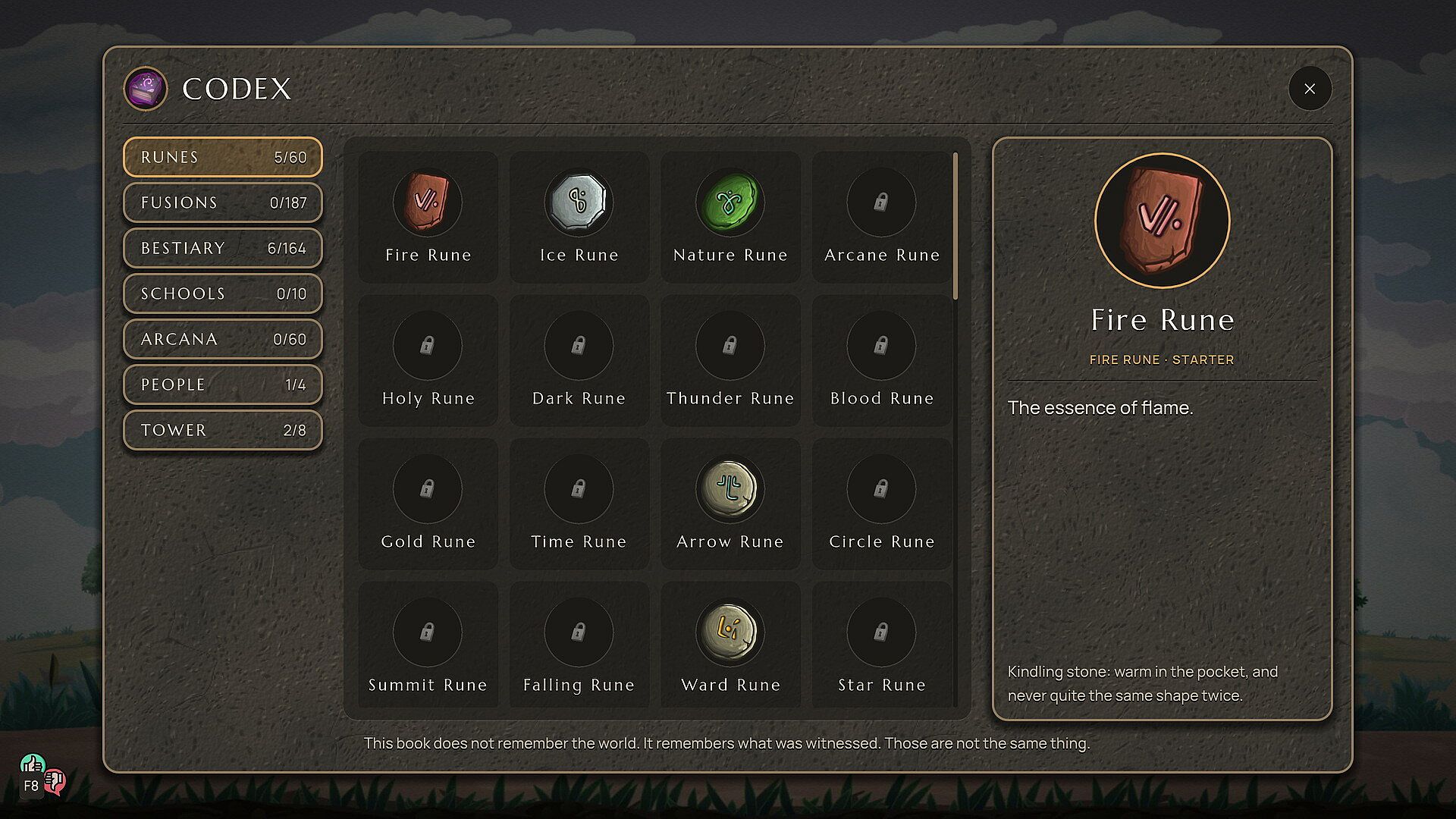
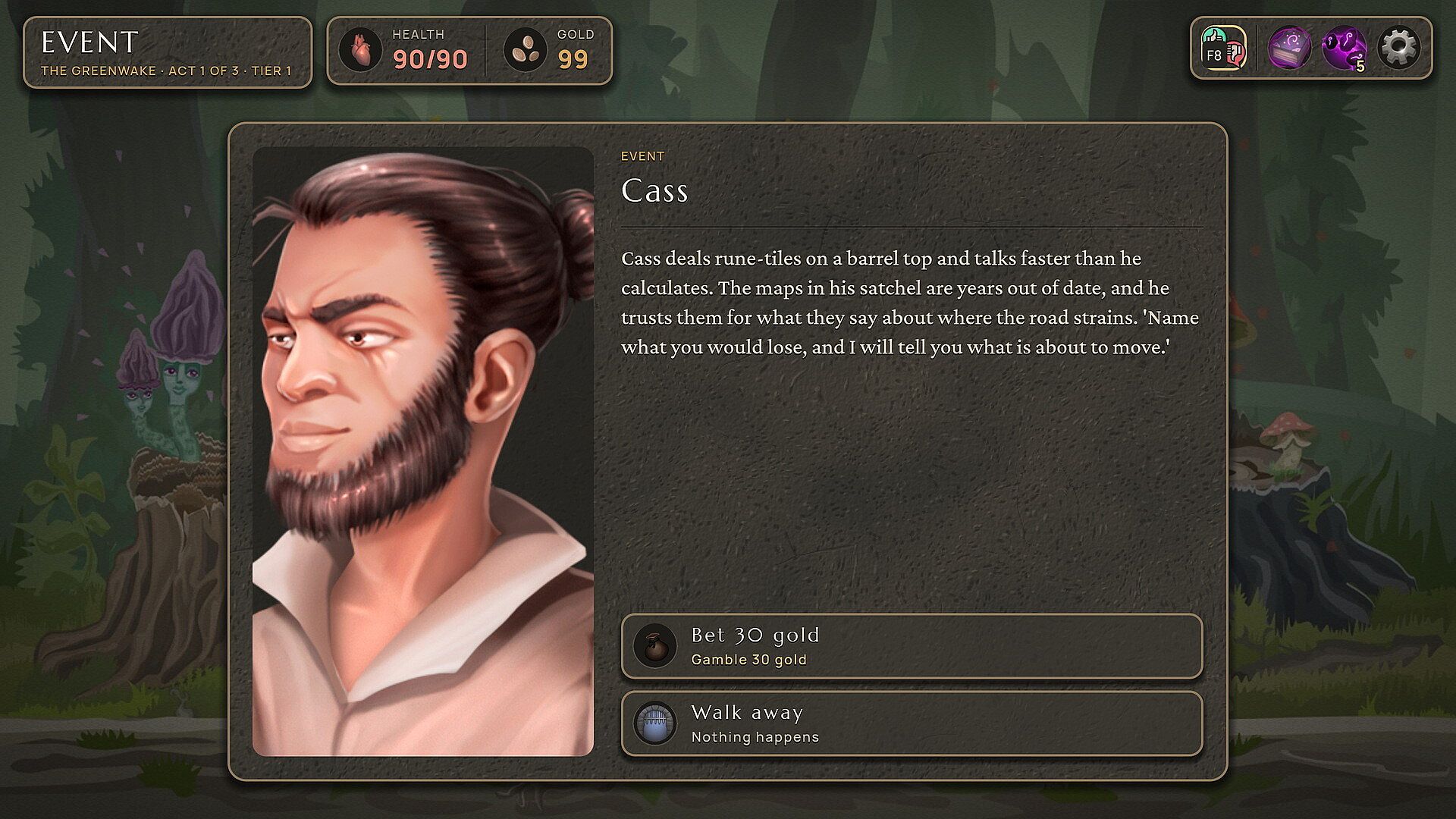
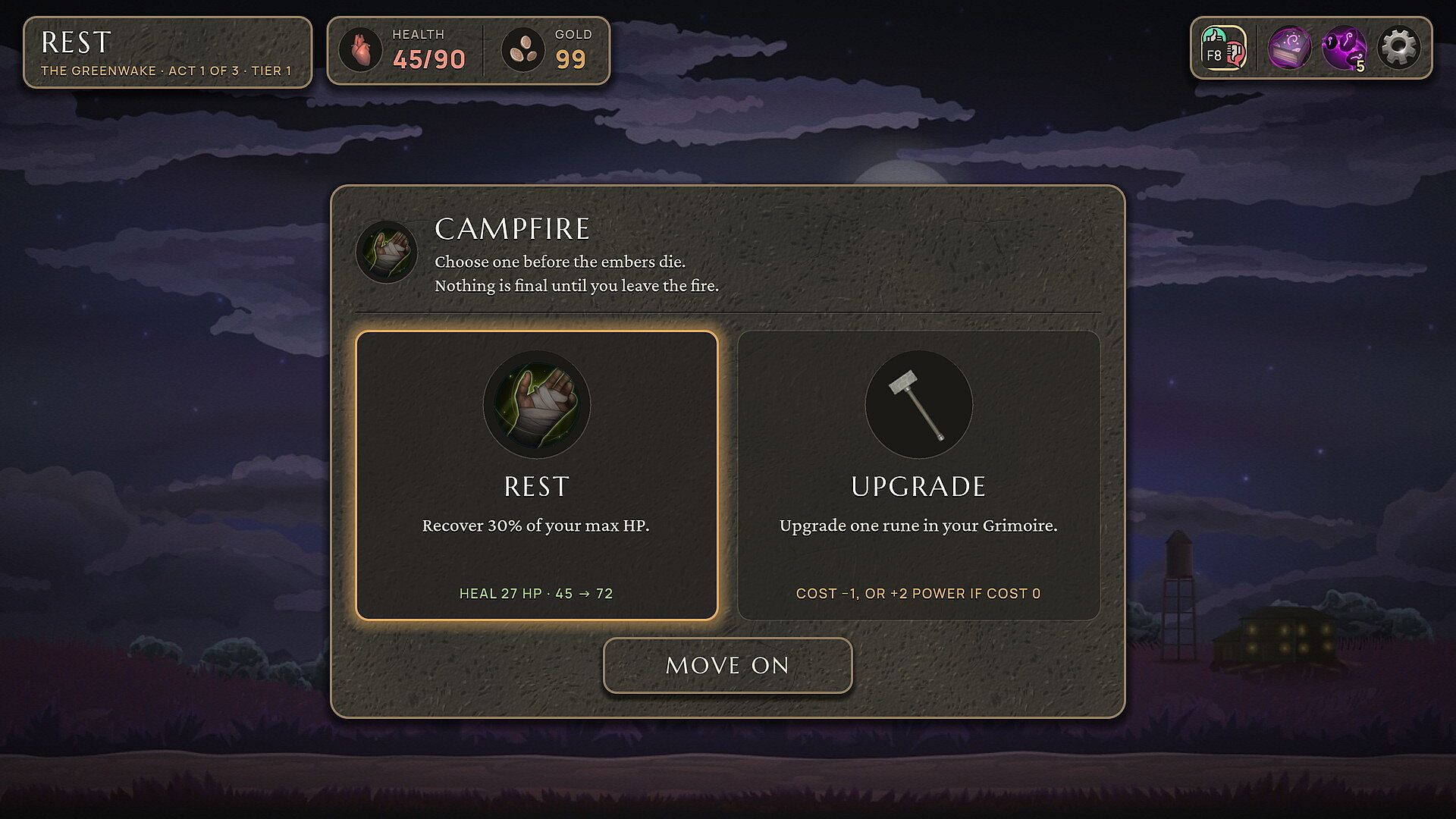
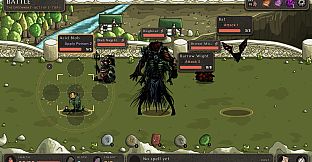
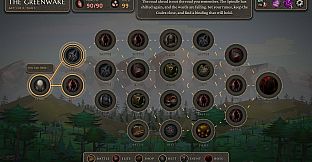
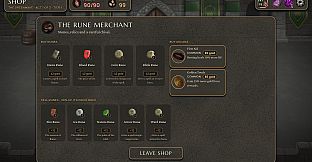
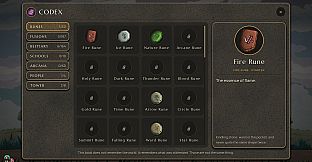
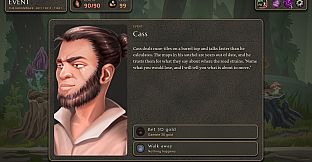
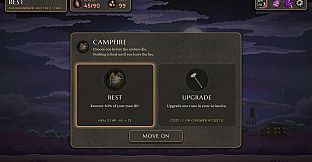
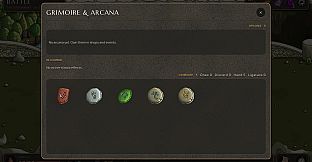
Combat unfolds in turn-based encounters where players must anticipate enemy actions, allocate energy carefully, and deploy the right custom spell at the right moment. Exploration involves navigating a shifting world filled with standard battles, tougher elite fights, random events, shops for acquiring new options, and campsites for recovery. Runes and Arcana expand the available toolkit over time, while relics introduce additional layers to combinations. A Codex tracks discoveries, offering insight into runes, creatures, and the mysteries of the Spindle.
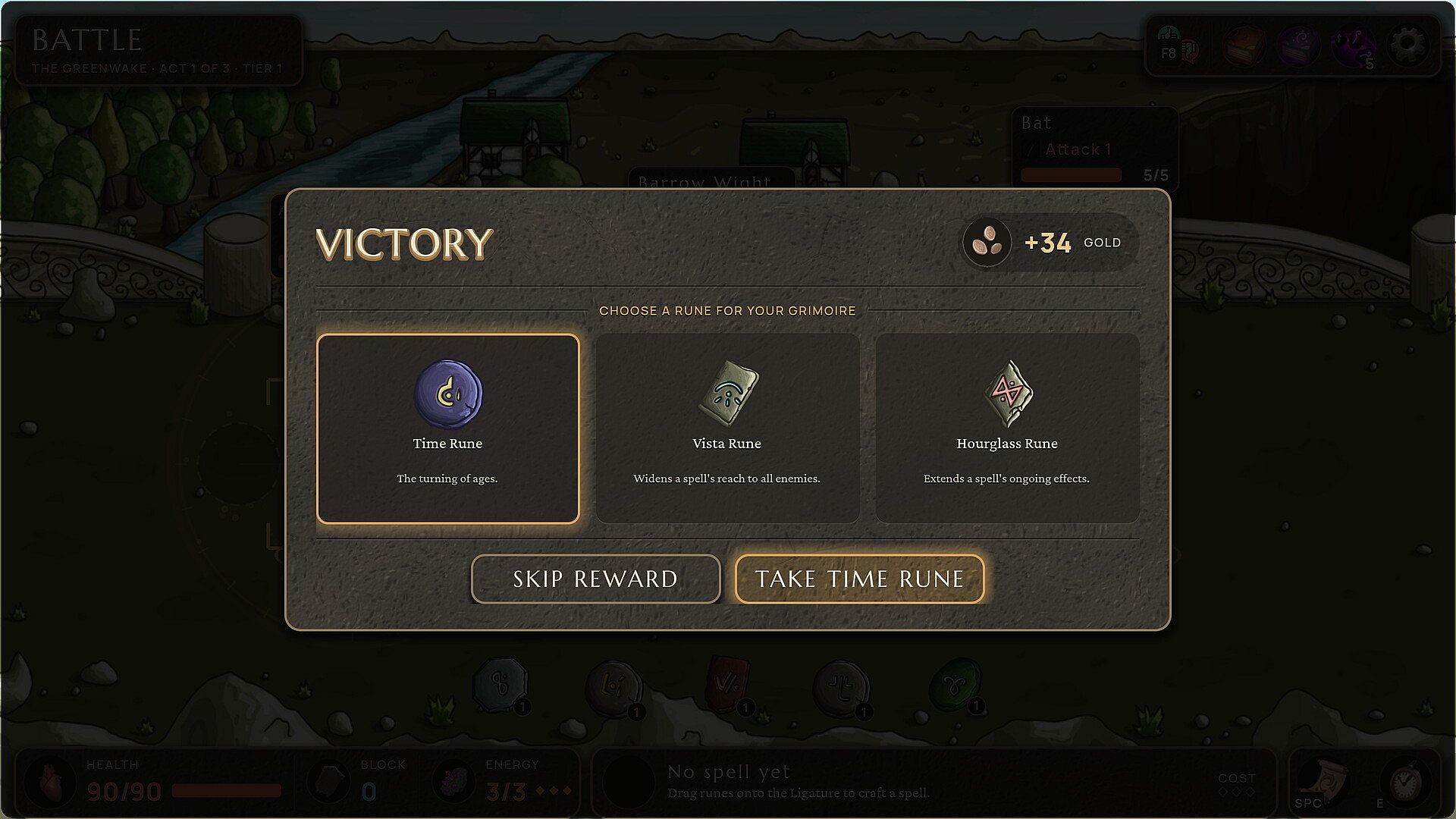
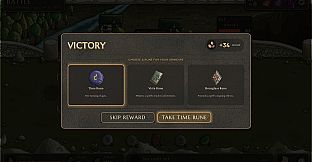
Each attempt through the Spindle presents fresh encounters, rewards, and rune opportunities, forcing constant adaptation. Defeat does not erase progress entirely, as knowledge gained from prior runs informs future strategies and reveals new possibilities.
Game Modes
Arcane Ligature operates as a single-player roguelike experience without separate named modes. The primary structure revolves around repeated runs where players build and refine spell combinations on the fly. Every journey emphasizes experimentation, with variations in enemy encounters, available runes, and event outcomes ensuring no two attempts play out identically.
Progression ties directly to collection and discovery rather than linear campaigns. Players expand their rune library and Arcana through exploration, then test those tools against increasingly challenging adversaries. The focus remains on iterative learning, where feedback from one run shapes the next without resetting accumulated understanding.
Core Mechanics and Progression
Spell creation forms the foundation of strategy. Arranging runes on the five-position Ligature encourages trial and error, as order and pairing produce different outcomes. Elemental runes combine with forms and modifiers to generate effects that go beyond basic attacks, opening paths for creative combat solutions.
Resource management adds depth during encounters. Energy limits spell deployment, while enemy intentions must be read accurately to survive. Collection of runes and relics broadens options, and the Codex serves as a reference for understanding the growing arsenal and the world's lore.
The roguelike structure rewards persistence. Failures provide data on effective combinations and dangerous patterns, allowing players to return with refined approaches. This cycle of experiment, adapt, and retry defines the long-term engagement.
Is It Worth Playing?
Arcane Ligature suits players who enjoy strategic deckbuilders that emphasize personal creativity over pre-built decks. The rune arrangement system on the Ligature delivers a distinctive twist on spell customization, appealing to those who like testing combinations and adapting to procedural challenges in a roguelike framework.
Currently in early access with a demo available, the game invites direct input on rune fusions, combat clarity, and desired features. This stage means the experience continues to evolve based on player observations, making it a fit for those comfortable with ongoing development and willing to contribute feedback.
Overall, the title offers a focused loop of discovery and tactical decision-making for fans of indie strategy games centered on experimentation. Those drawn to dark fantasy settings paired with turn-based combat and variable run outcomes will find the mechanics align closely with that preference. The emphasis on creating rather than selecting spells sets it apart within the genre.










