


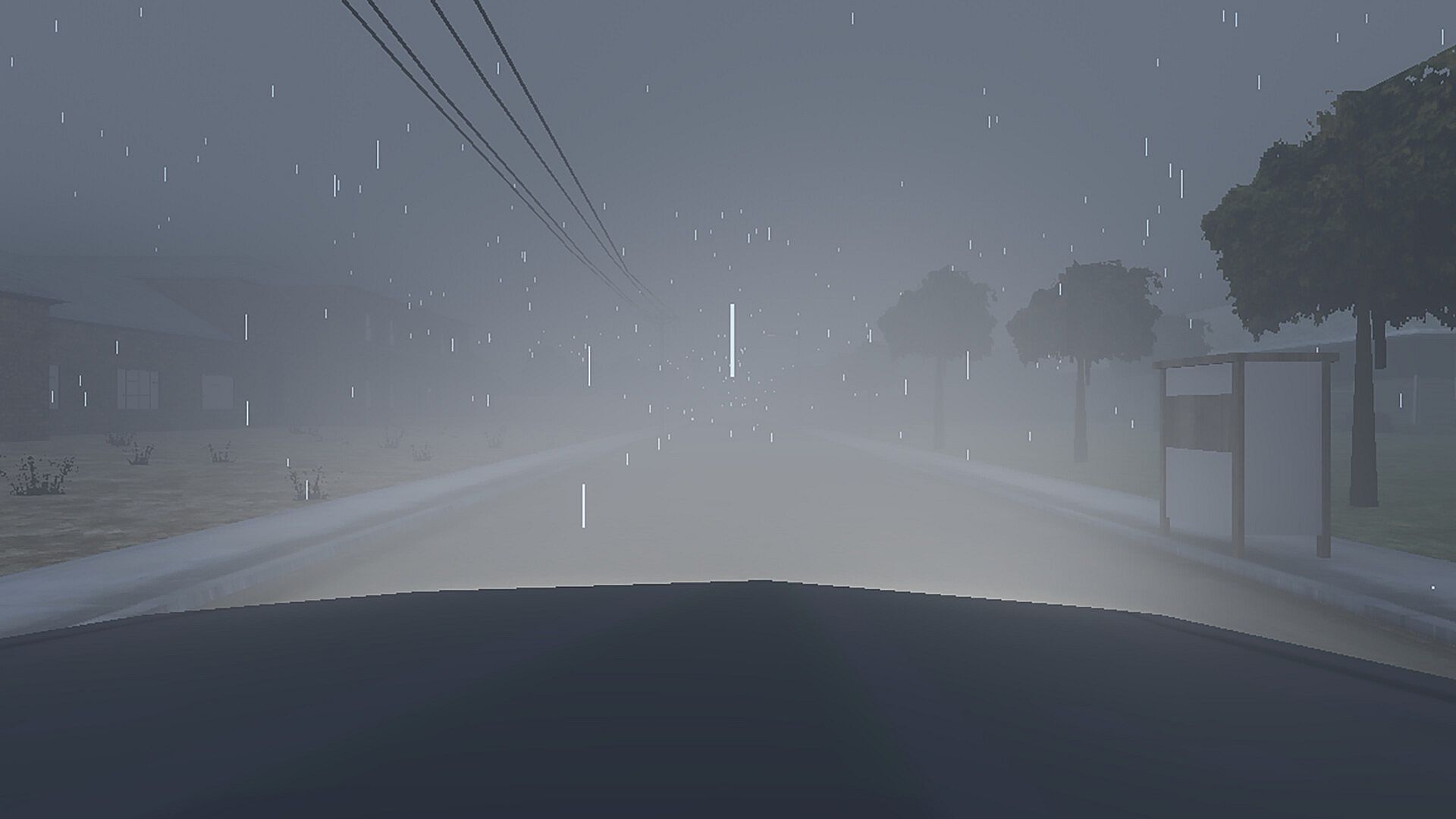
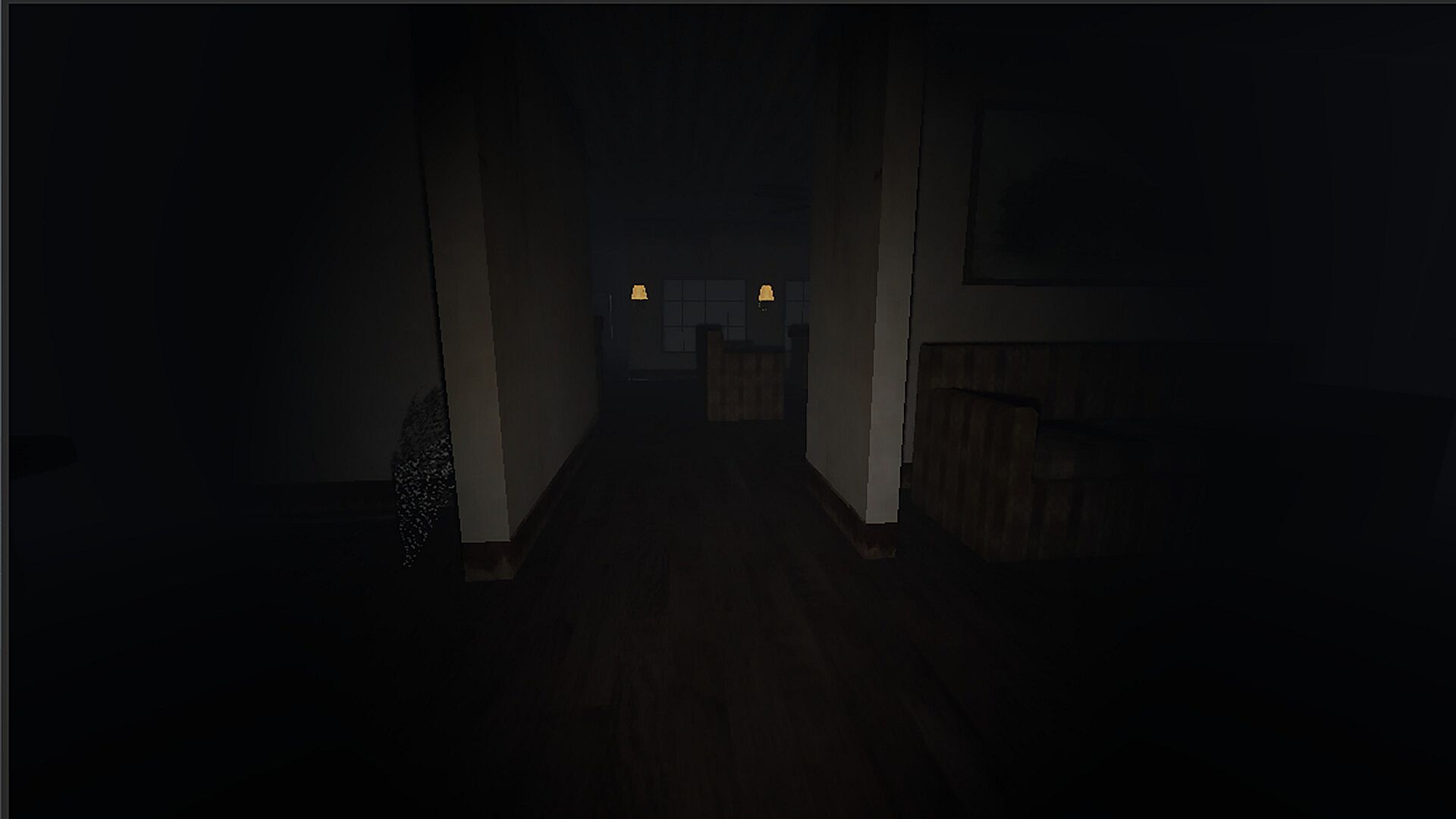
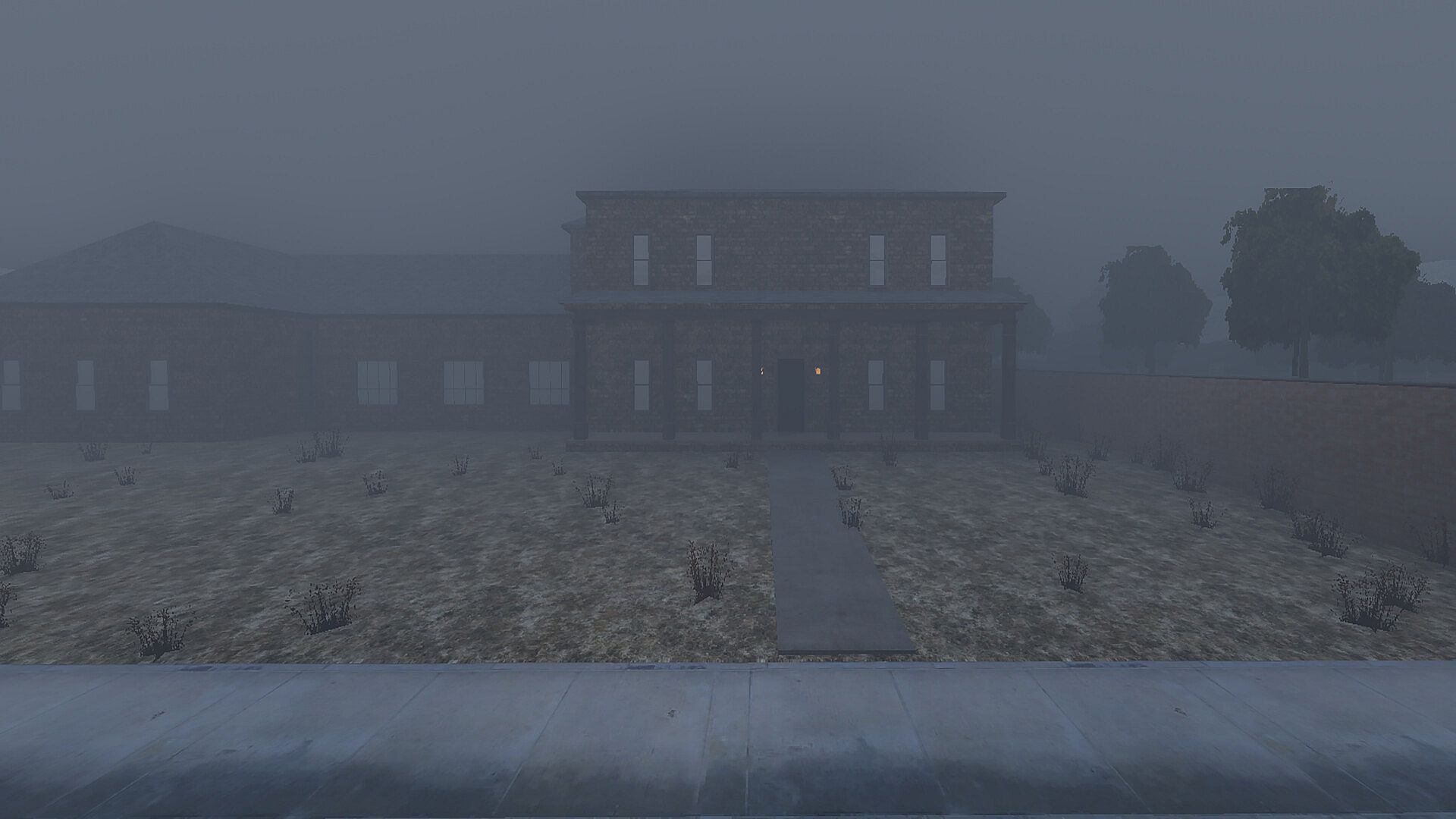
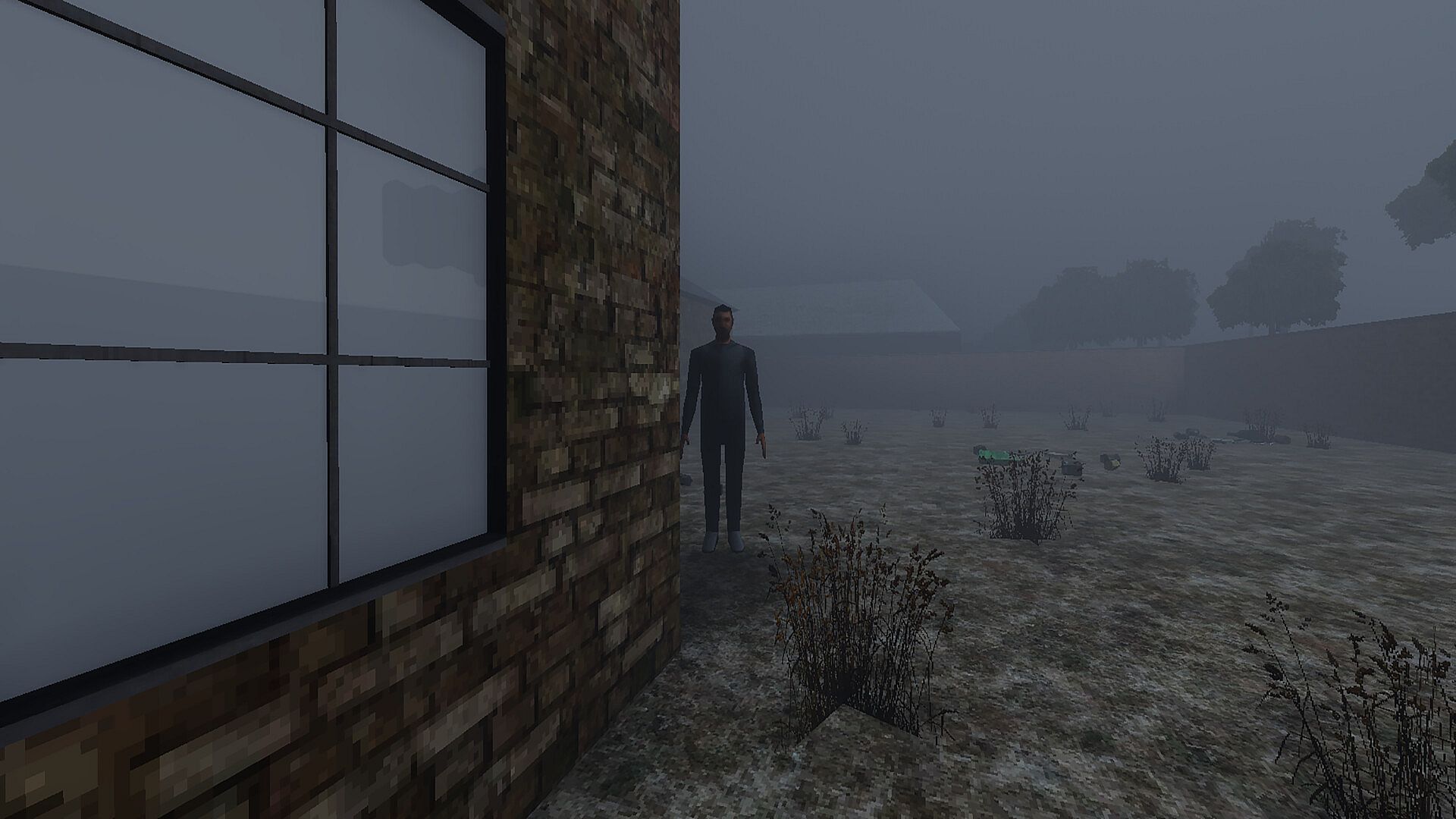
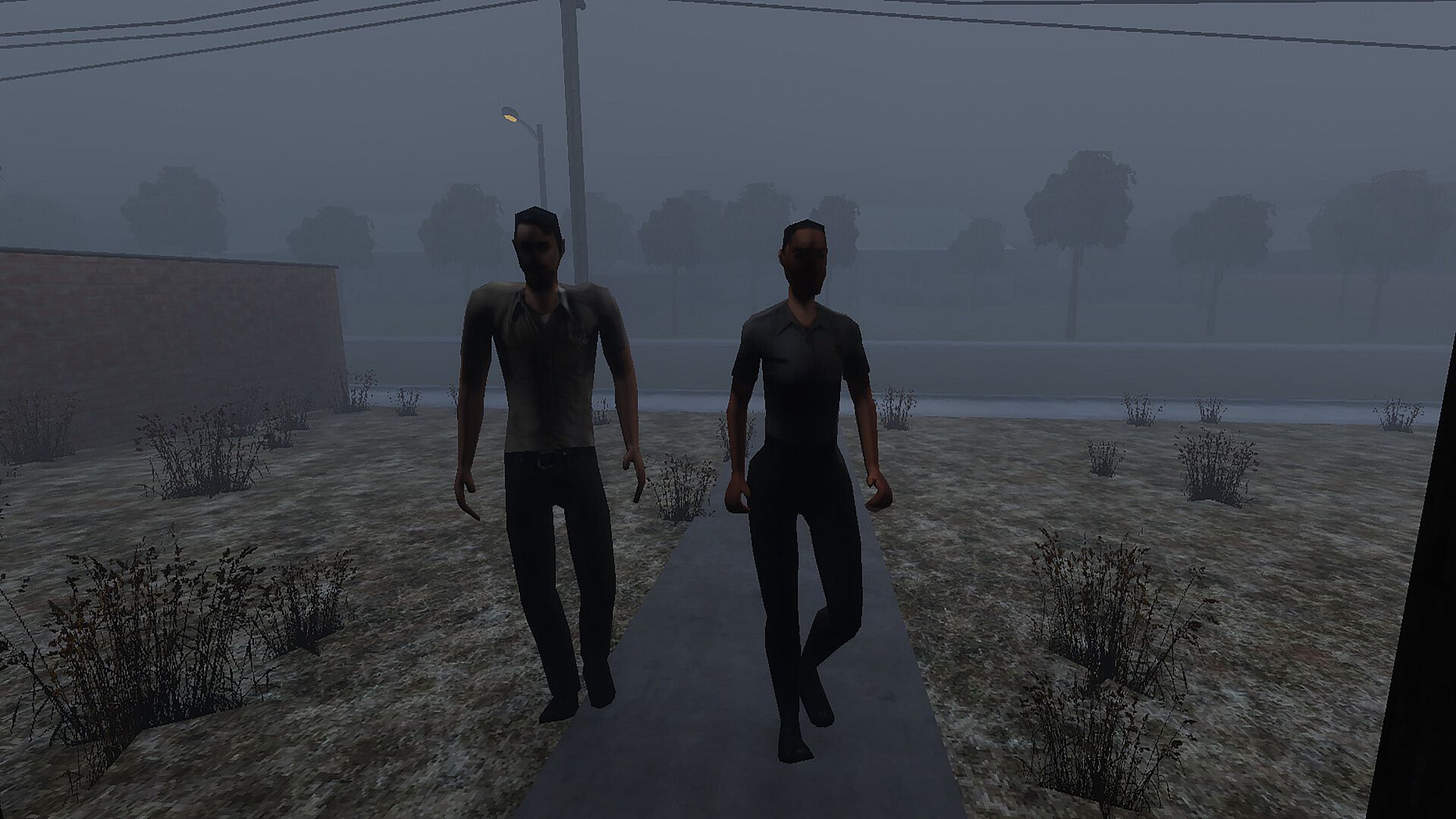

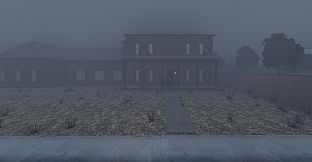
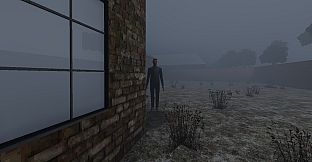
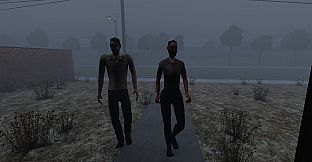
Arachnid is an indie survival horror game built in a PSX-inspired visual style for PC. Players step into a neighborhood house with a reputation that draws stories from everyone nearby. The experience begins with everyday tasks that gradually reveal layers of the building's history while an unseen presence observes every move.
Gameplay
The core loop centers on routine maintenance and exploration inside the house. Tasks like sweeping floors and responding to the door start as simple chores but serve as entry points into uncovering what the structure has hidden over time. Movement feels deliberate, with an emphasis on listening and observing rather than rushing through spaces. The house resists easy revelation, forcing players to linger in shadows and piece together fragments of its past through environmental details and subtle changes in the surroundings.
Tension builds as something tracks the player's location without immediate confrontation. When the entity makes its presence known, direct confrontation proves ineffective. Survival depends on shrinking into smaller spaces, staying silent, and waiting out the threat. This approach shifts the focus from combat to careful positioning and patience, turning ordinary rooms into potential hiding spots. The atmosphere stays grounded in low-poly aesthetics and limited draw distances that heighten uncertainty about what lies just beyond the visible area.
Game Modes
Arachnid operates as a single-player experience with no separate multiplayer or competitive modes. The entire game unfolds through one continuous narrative-driven session that blends exploration, light puzzle elements, and survival decisions. Progression follows the house's reluctant disclosure of its history, with no branching campaigns or alternate scenarios confirmed. All activity stays tied to the central location and the escalating presence within it.
Story and Atmosphere
The narrative emerges organically from the environment rather than through cutscenes or dialogue. Each completed task or discovered detail adds to the sense that the house holds events better left undisturbed. The PSX-style presentation reinforces a retro horror tone, using grainy textures and restricted visibility to create unease. Sound design plays a key role, with creaks, distant noises, and sudden silences signaling shifts in the unseen entity's awareness. By the time events reach their conclusion, external authorities arrive, leaving the player to reconcile what was witnessed against what can be explained.
Is It Worth Playing?
Arachnid suits players who enjoy slow-burn survival horror that prioritizes atmosphere and restraint over action. The emphasis on hiding and waiting rather than fighting sets it apart from faster-paced titles in the genre. With only a small number of user reviews available and a mixed reception so far, the game remains an early release that may appeal most to fans of short, focused indie experiences. Those drawn to PSX aesthetics and stories centered on ordinary settings turning unsettling will find the core loop matches that interest directly. Availability is limited to PC through standard digital storefronts, with no free trial or additional modes reported.