




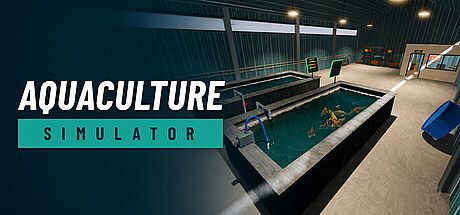


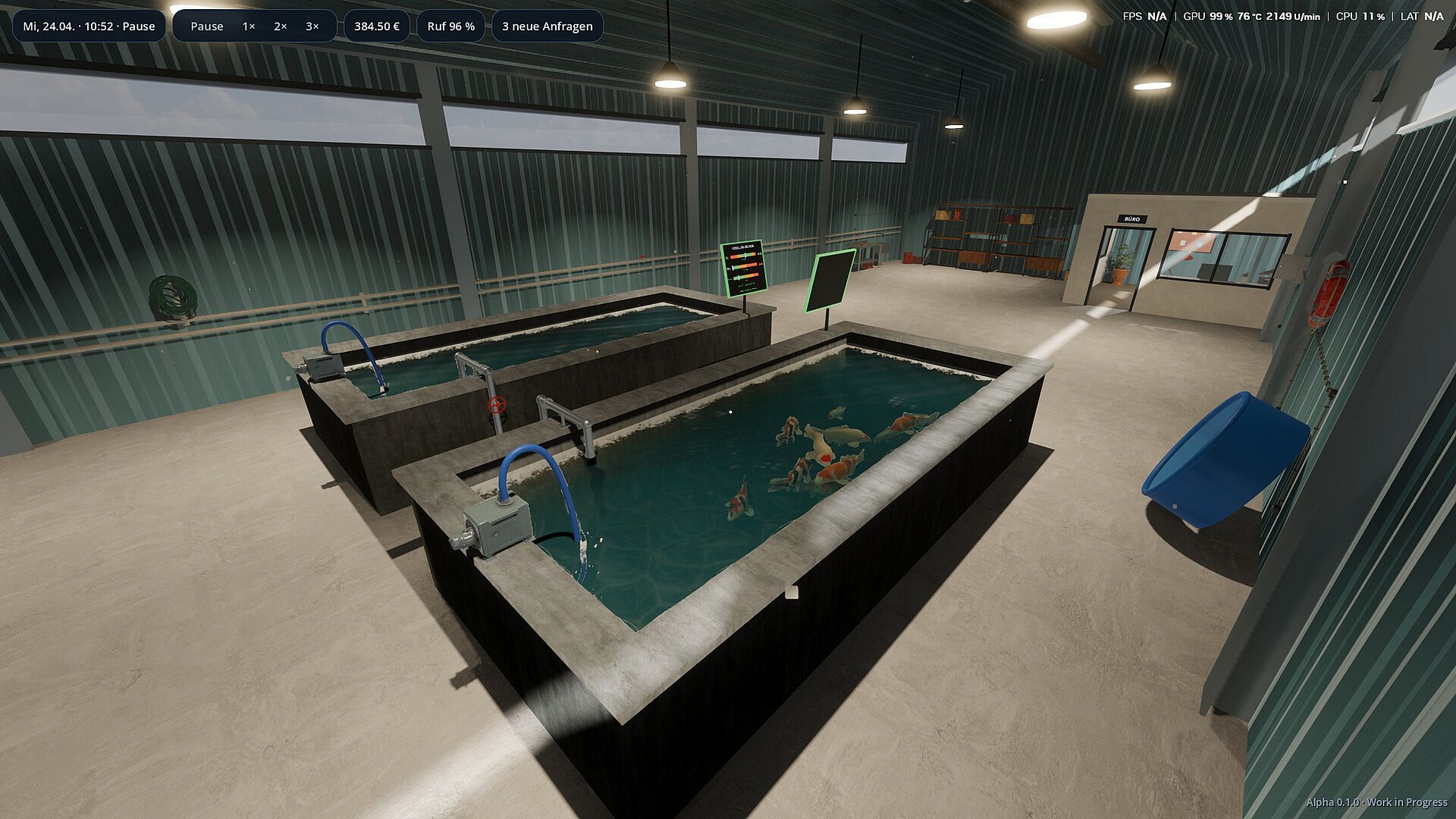
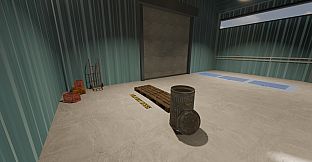
Aquaculture Simulator is a single-player strategy and simulation game focused on managing a shared facility that raises both rainbow trout and koi. The title places players in charge of two distinct economic systems that compete for the same resources, particularly water quality and space. Developed by a solo creator in Germany using Godot 4, the game enters Early Access in 2026 with core systems already functional but open to community input for refinement.
Gameplay
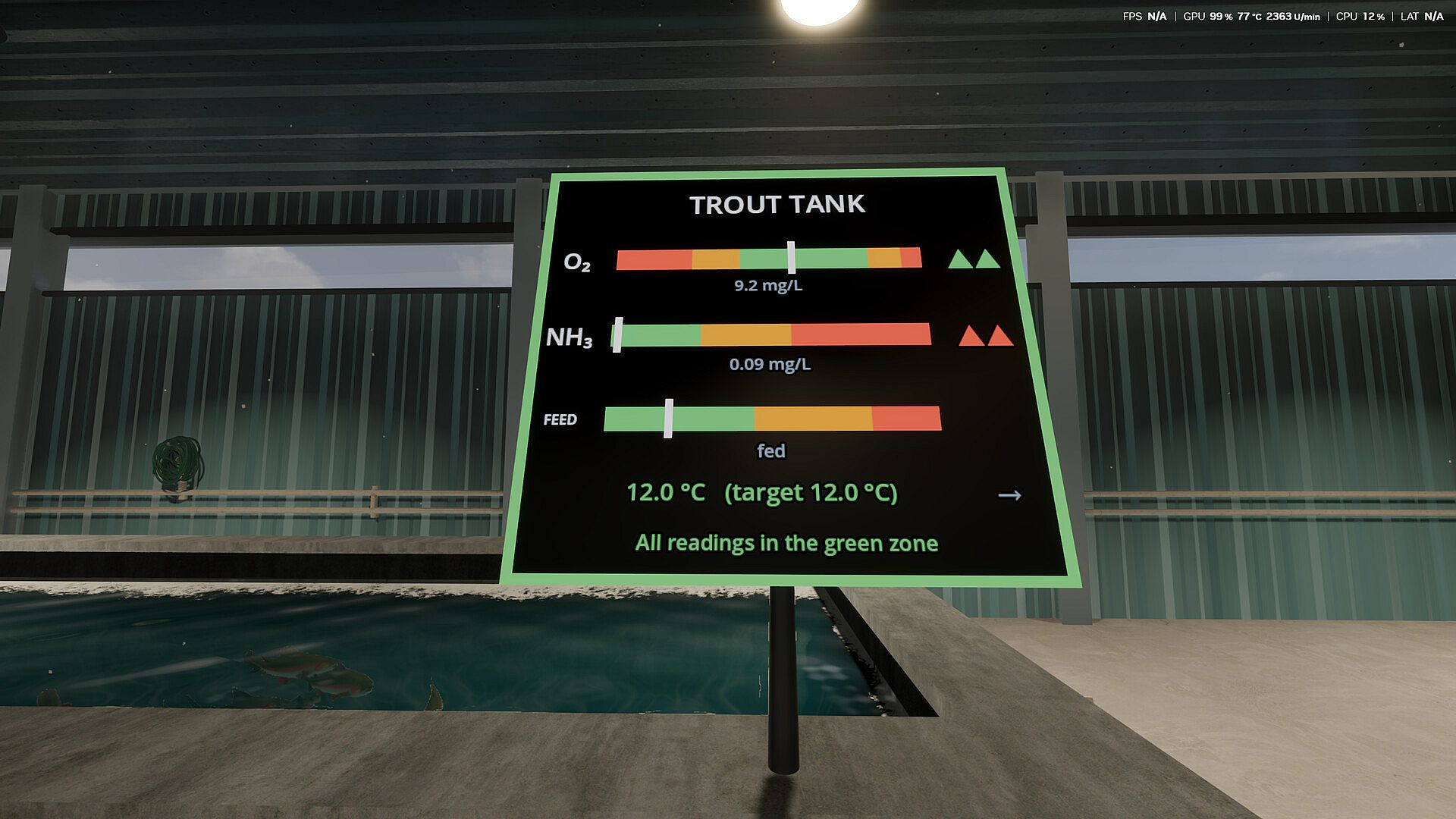
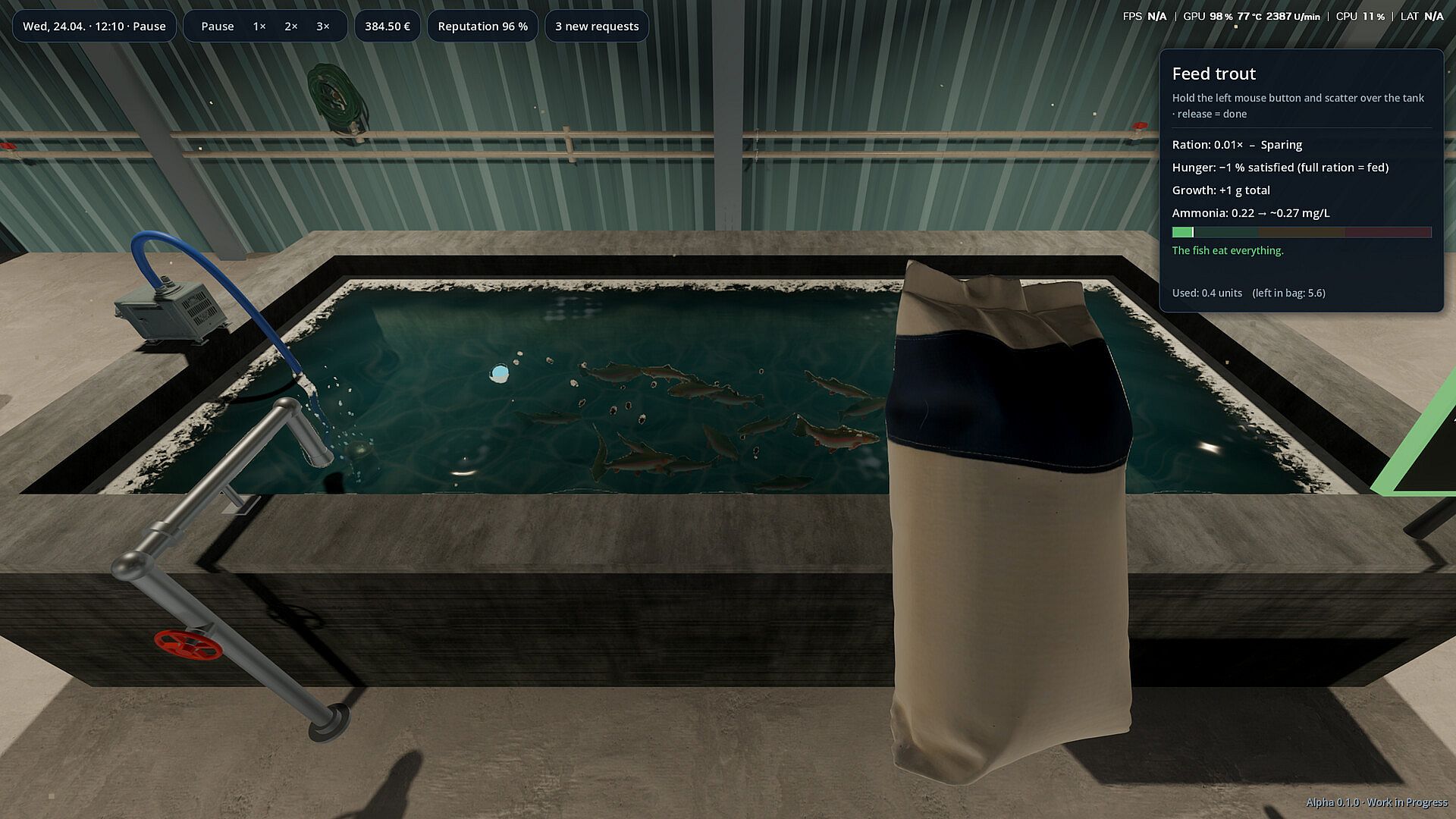
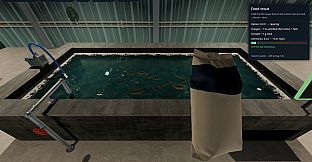
The central loop revolves around balancing volume production with selective breeding decisions. Rainbow trout grow toward a predictable weight target and sell by the kilogram, requiring consistent cold water with high oxygenation levels. Any lapse in aeration or feeding quickly leads to losses, as the species offers little tolerance for errors in water parameters.
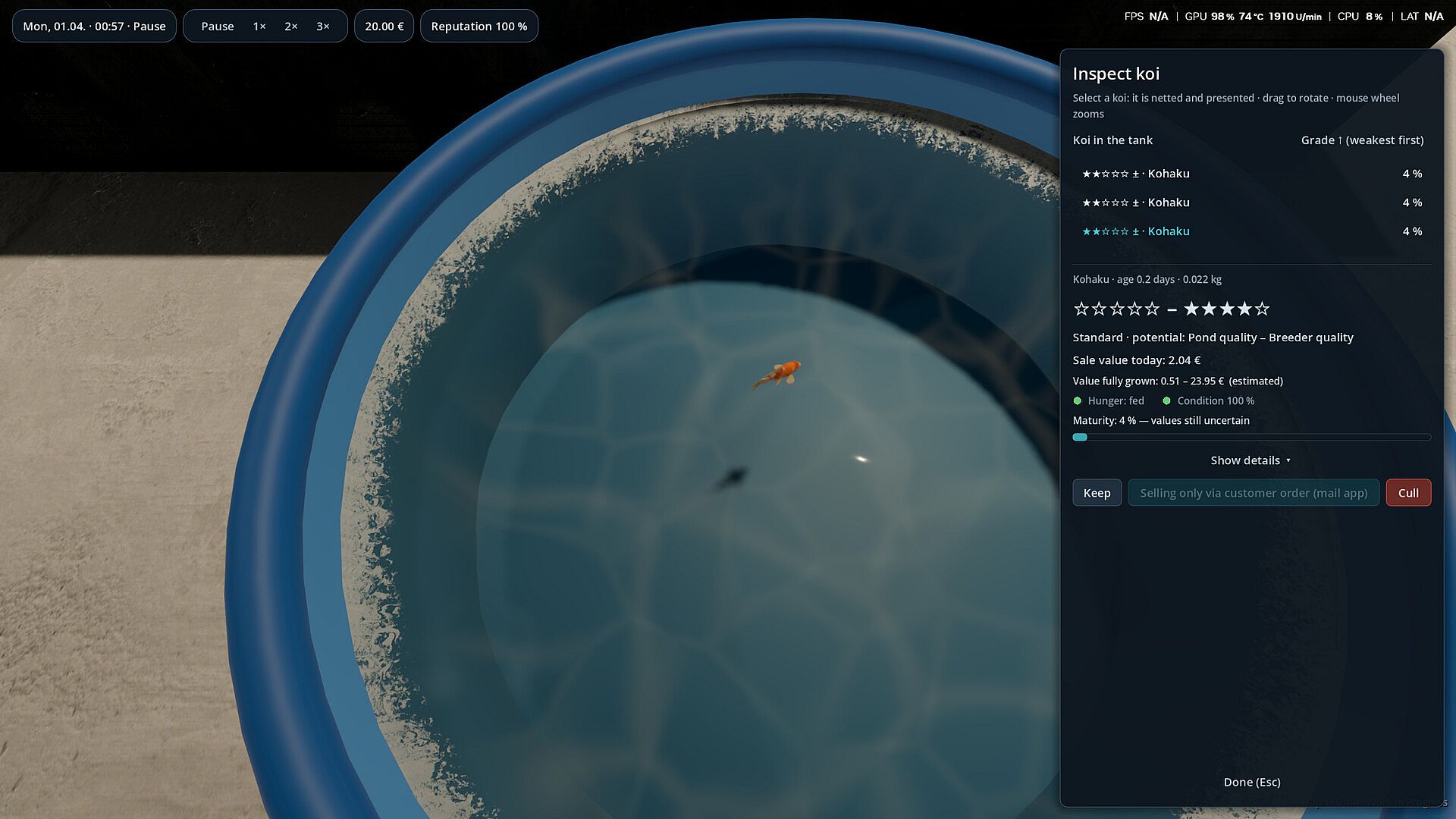
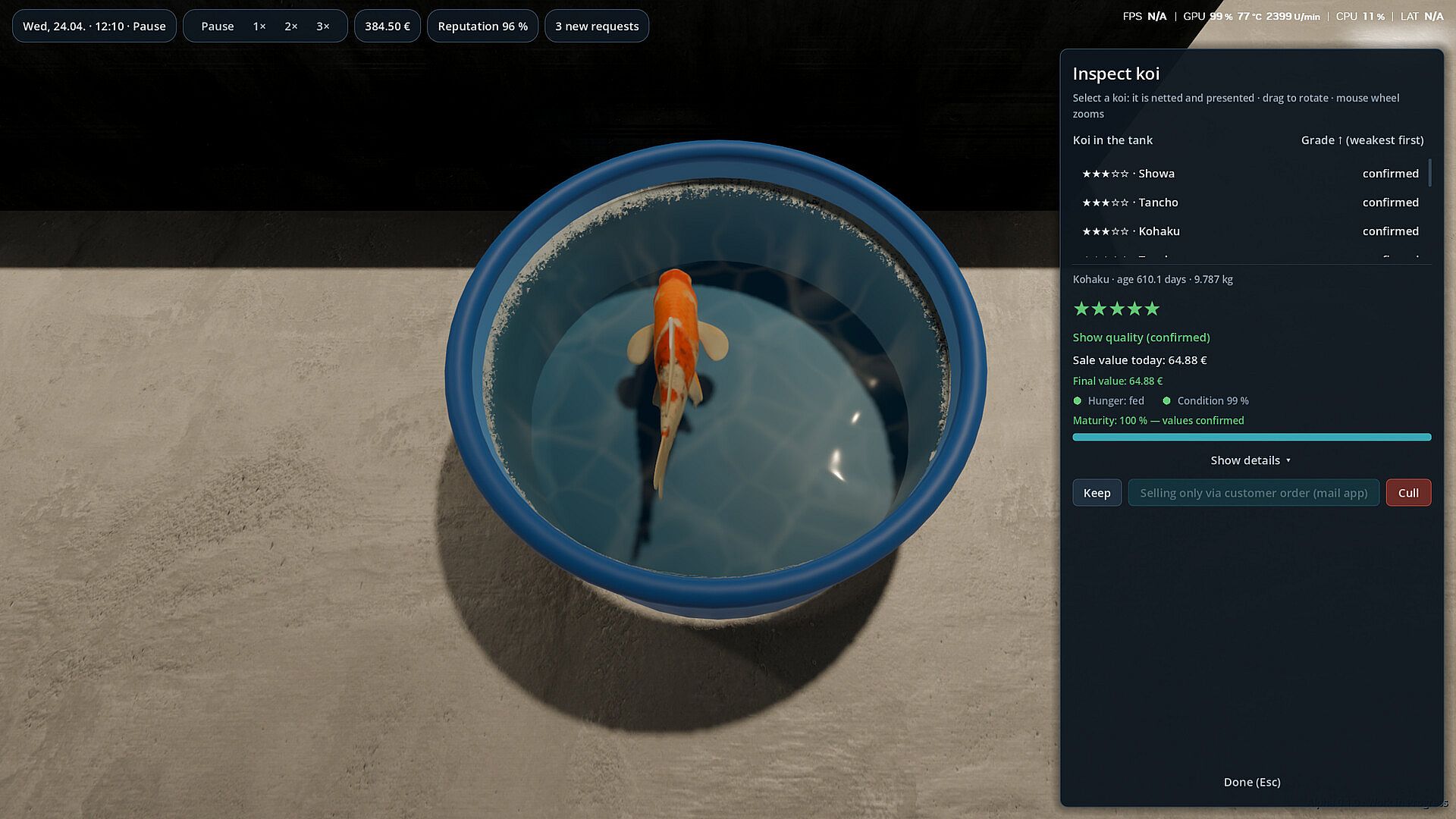
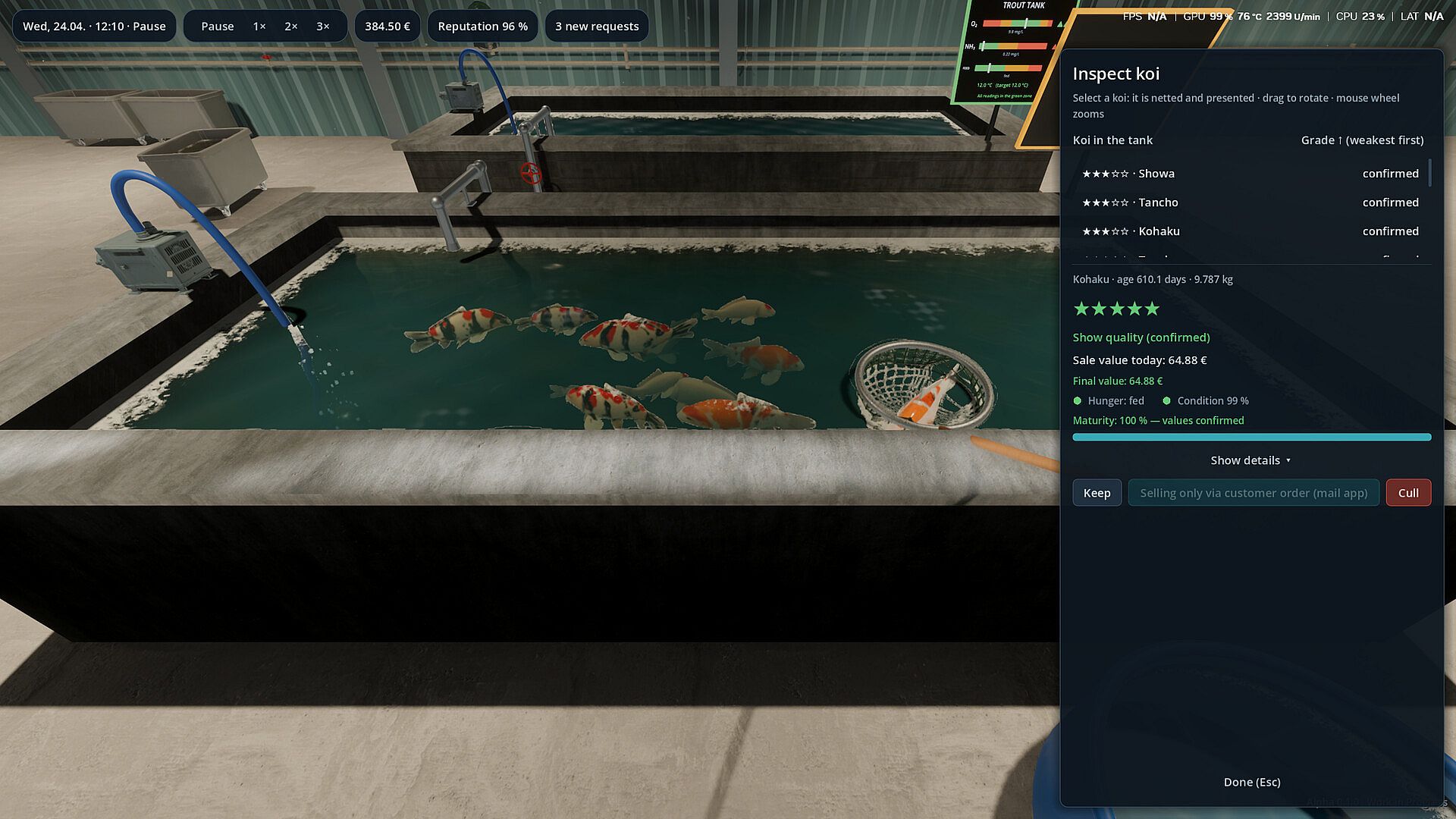
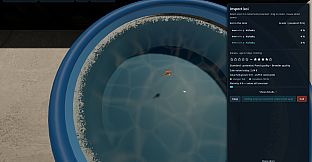
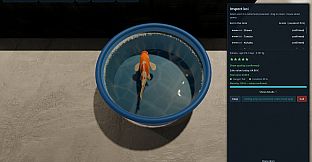
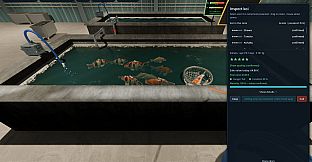
Koi operate on an entirely different principle. Their value depends on visual grading for pattern, color, and body shape rather than mass. Young specimens reveal only a broad range of possible outcomes, from basic pond quality to premium show quality. Players must decide whether to retain each fish for up to two years of daily feeding costs or cull it early, accepting the risk of discarding a high-value individual before its traits fully develop.
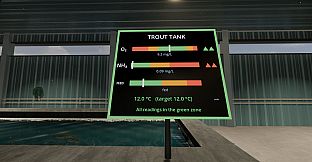
Water chemistry forms the shared constraint across all tanks. Oxygen levels must stay within a narrow safe corridor to avoid suffocation or gas bubble disease. Ammonia rises with overfeeding, forcing regular monitoring and adjustments. Temperature acts as the primary divider between species, with warmer conditions suited to koi and colder ones required for trout. Players track zones labeled safe, stressed, and critical, adjusting aeration, filtration, and feeding accordingly while paying ongoing electricity costs.
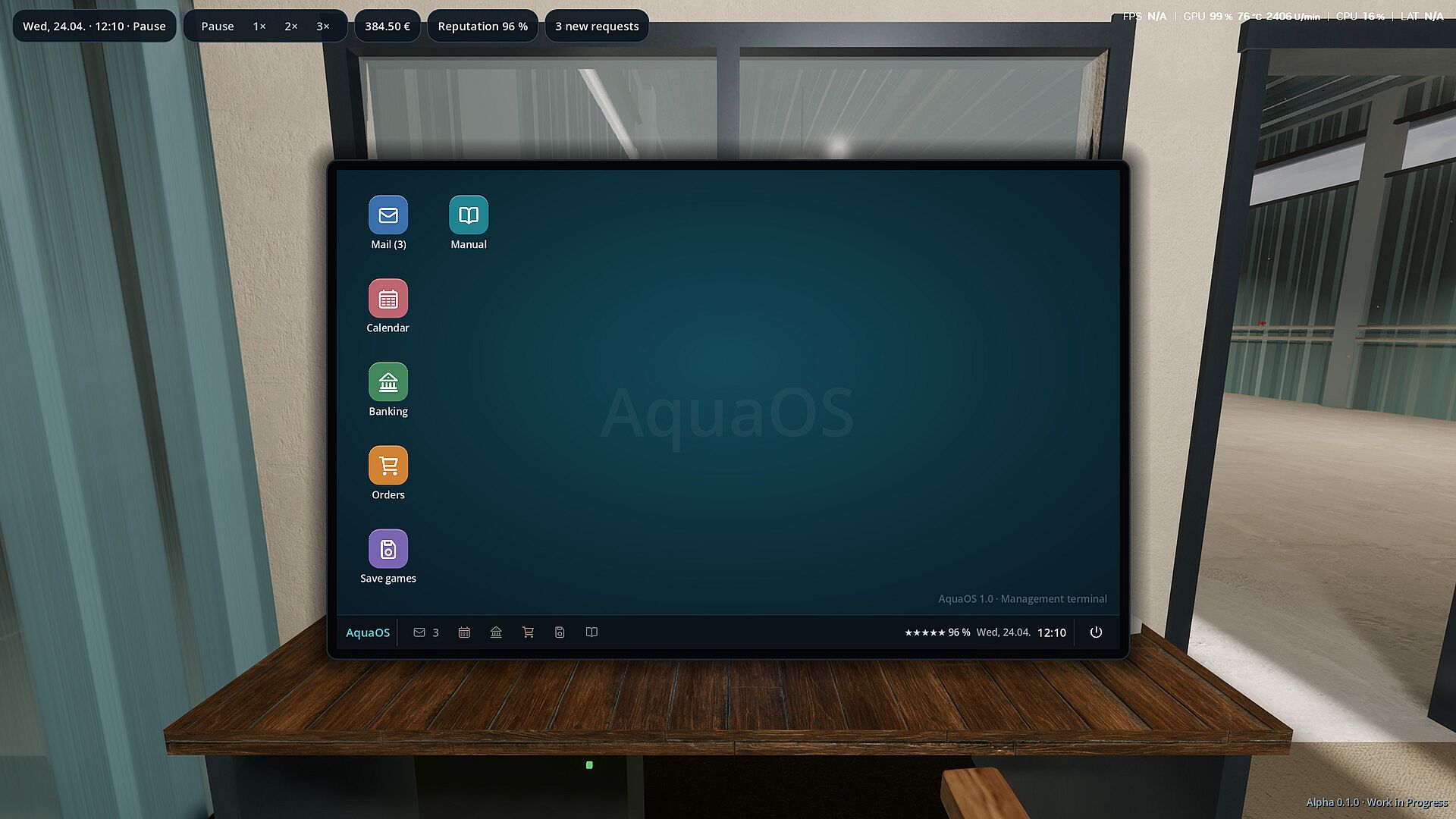
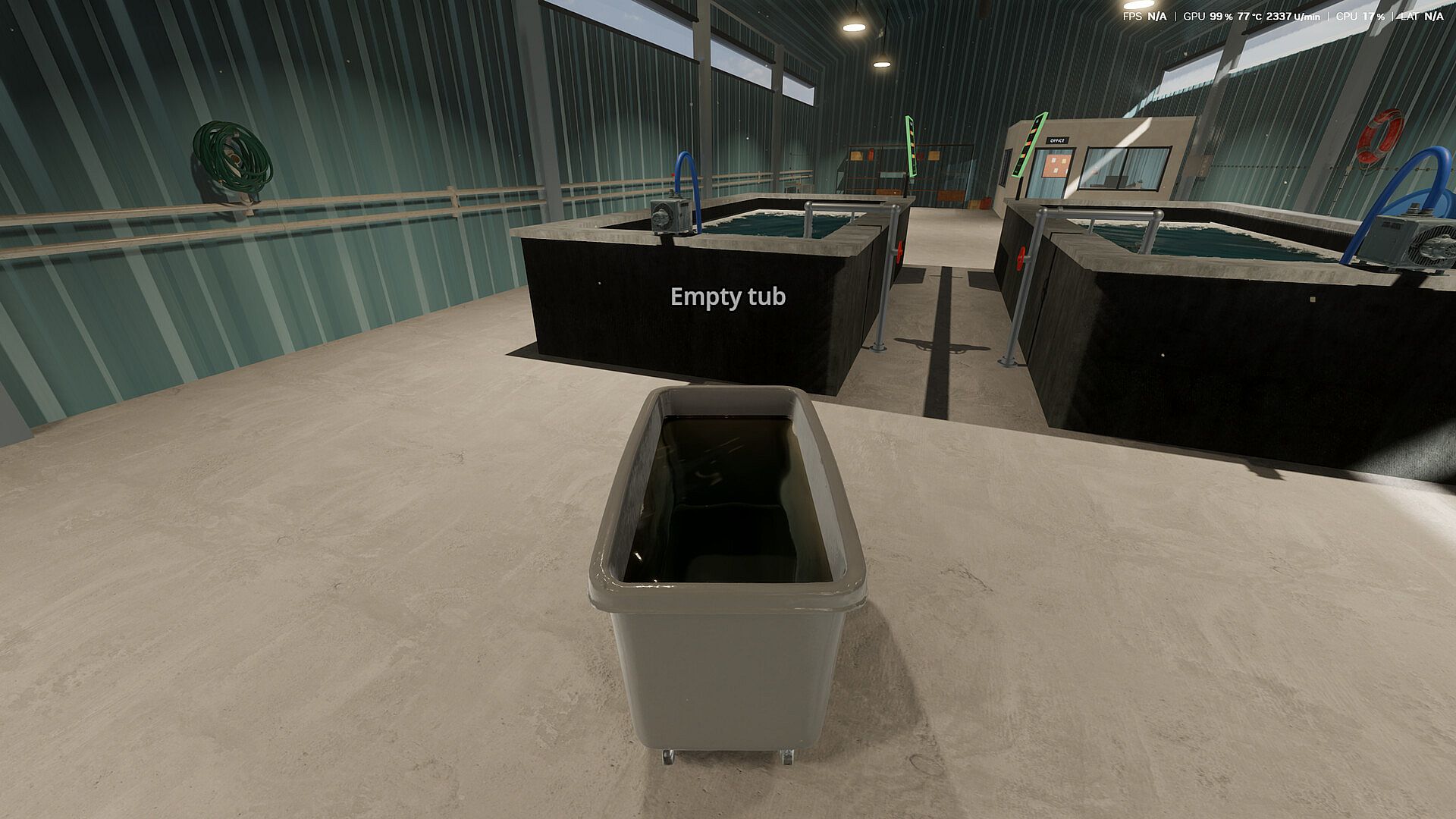
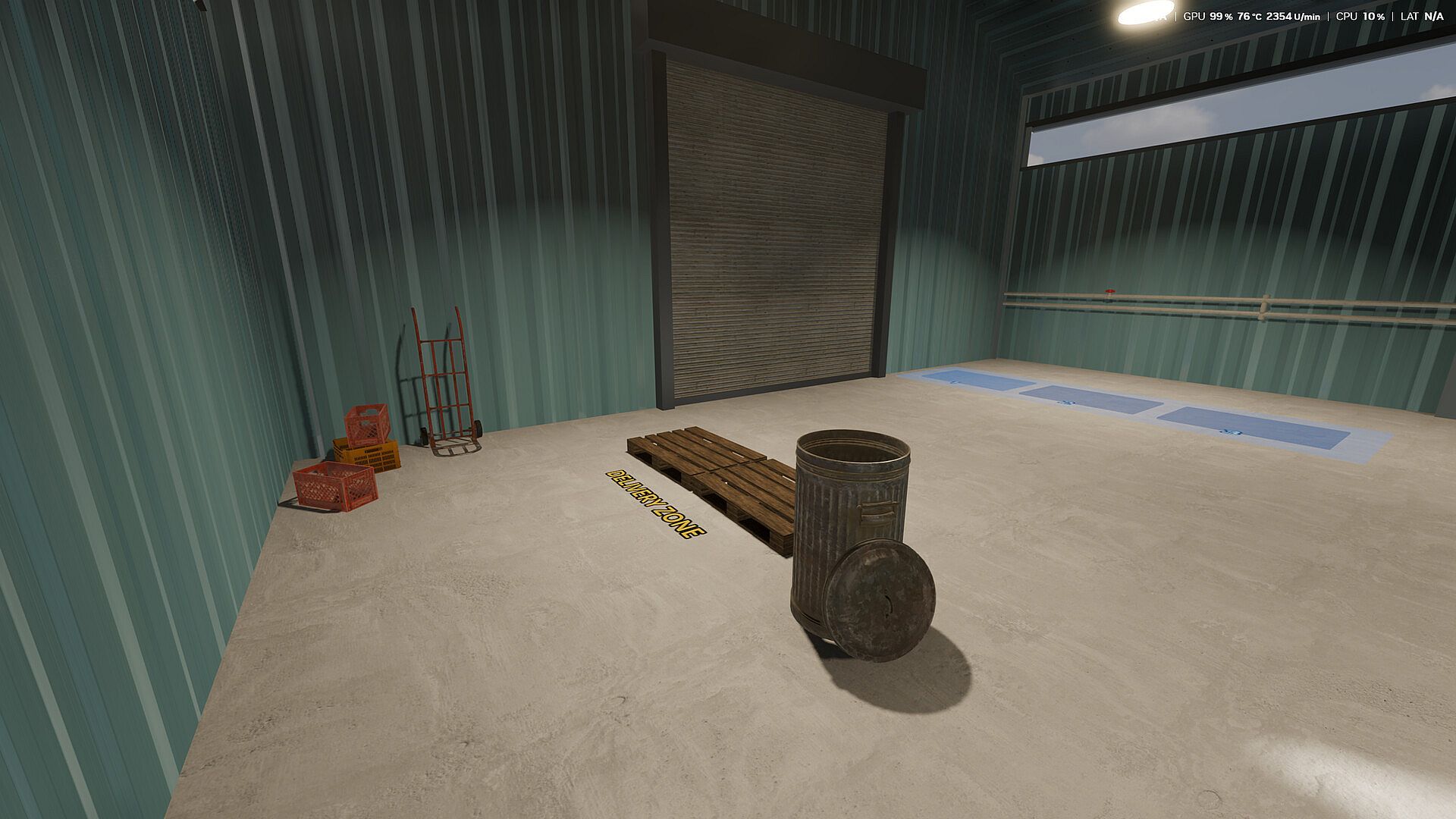
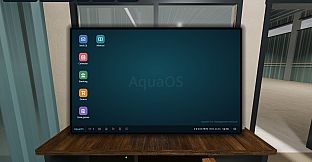
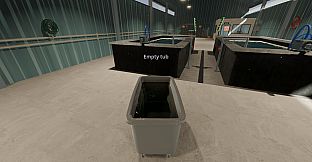
Orders arrive through an in-game computer interface that includes email, calendar, and banking functions. Buyers specify prices and pickup dates. Accepted contracts appear on the schedule, and players must net the correct fish, transfer them to transport tubs, and deliver them on time without missing deadlines or damaging reputation through delays.
Game Modes
The experience centers on a single continuous management mode where players maintain the facility, raise fish across both economies, and fulfill customer contracts. No separate campaign or competitive modes exist at this stage. The loop emphasizes ongoing decision-making around culling, water adjustments, and order acceptance rather than discrete levels or missions.
Progression occurs through accumulated revenue, improved fish quality, and expanded operations within the same facility layout. Breeding koi adds another layer, as players evaluate offspring and refine their stock over multiple generations while managing the parallel trout production line.
Core Systems and Challenges
Fixed costs for electricity, feed, and water changes continue regardless of sales, creating constant pressure to avoid holding low-value fish. The economy rewards precise judgment on koi potential while punishing sentimentality that leads to unnecessary feeding expenses. Delivery timing adds logistical tension, since fish held too long in transport tubs suffer and missed pickups incur both financial and reputation penalties.
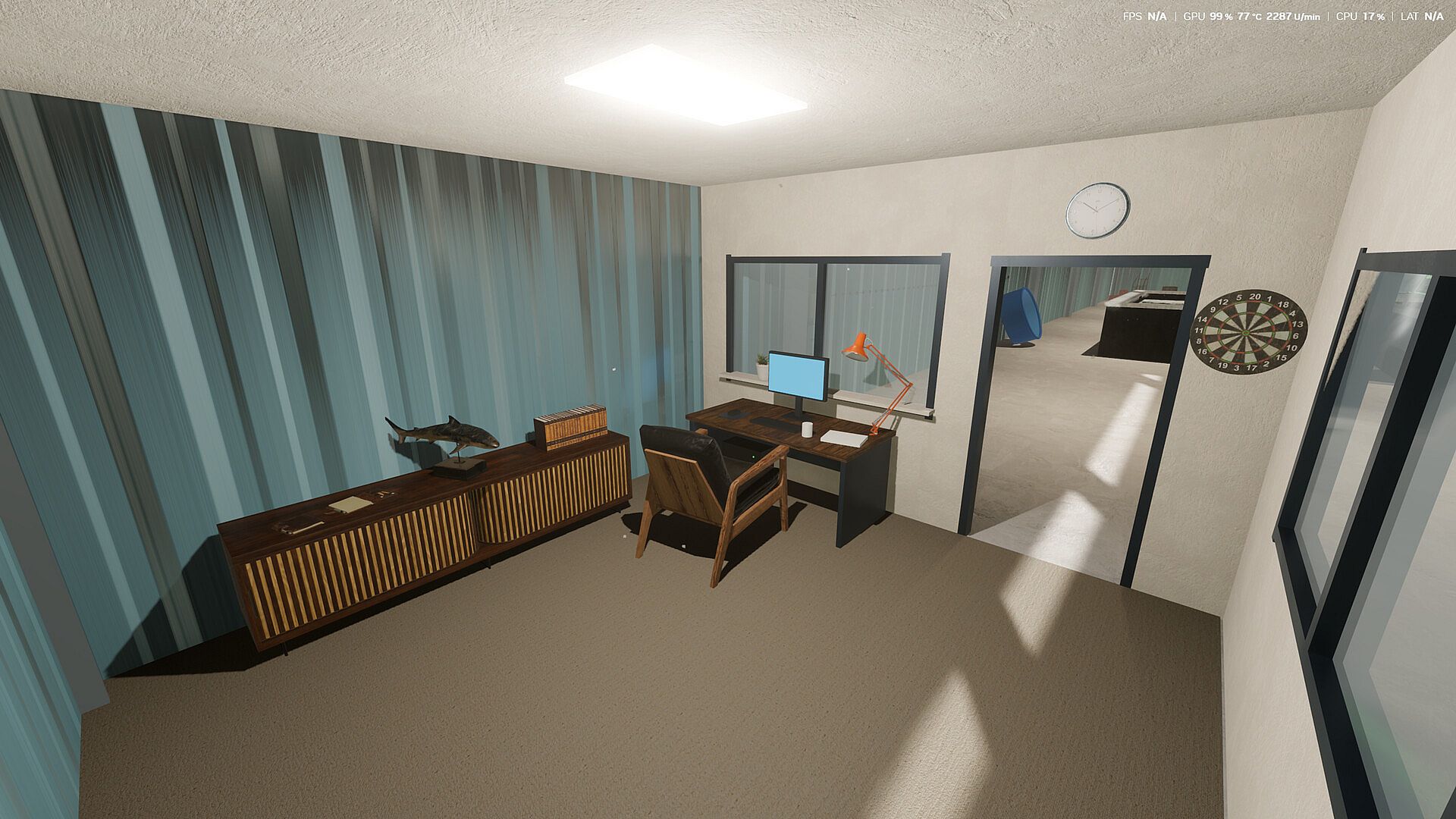
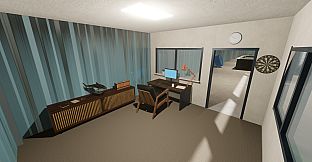
The facility PC serves as the operational hub, allowing players to review incoming orders, track the calendar, and handle banking without leaving the management view. This integration keeps all administrative tasks within the same interface as the physical fish tanks and water controls.
Is It Worth Playing?
Aquaculture Simulator targets players who enjoy detailed resource management and long-term decision consequences in a simulation setting. The dual-economy structure creates meaningful trade-offs between predictable volume sales and high-risk, high-reward selective breeding. Water chemistry and scheduling mechanics add layers of ongoing attention that distinguish the title from simpler farming simulations.
Because the game remains in pre-Early Access planning with no released version yet, reception data is unavailable. The developer has confirmed that the core loop of raising trout, grading koi, managing water, and handling orders is complete and playable, with balance and additional depth planned through community feedback during the Early Access period expected to last approximately six months. Those drawn to solo-developed indie simulations that emphasize systems depth over visual polish or narrative elements may find the approach compelling once it launches.











