





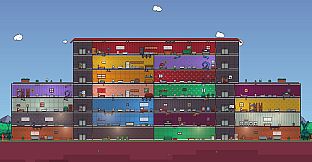
Apartment Empire is a strategy, casual, and simulation game for PC in which players construct and manage an apartment building from the ground up. The experience centers on turning an empty structure with a substantial bank loan into a functional, profitable property filled with tenants who have individual requirements and personalities.
Gameplay
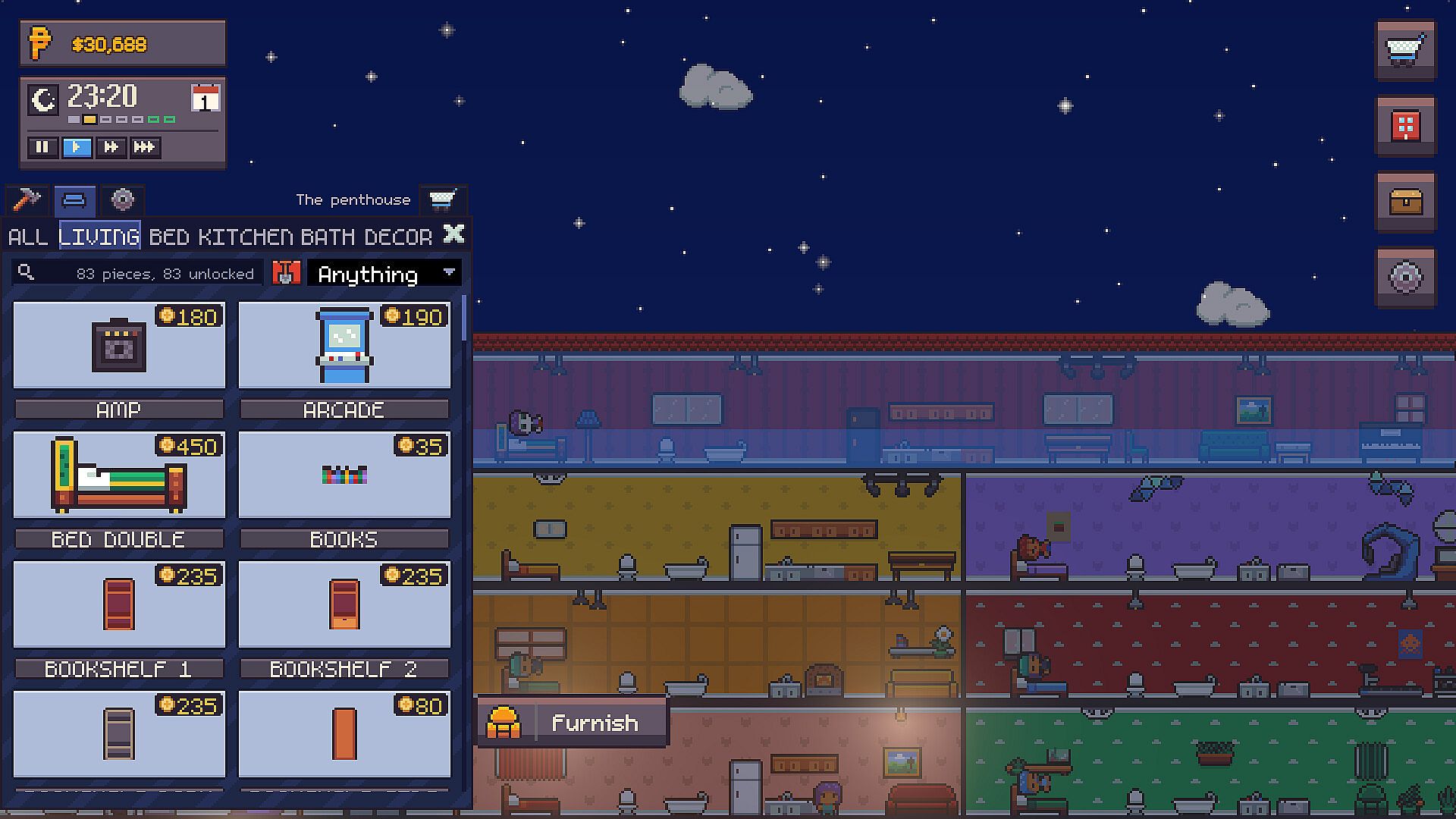
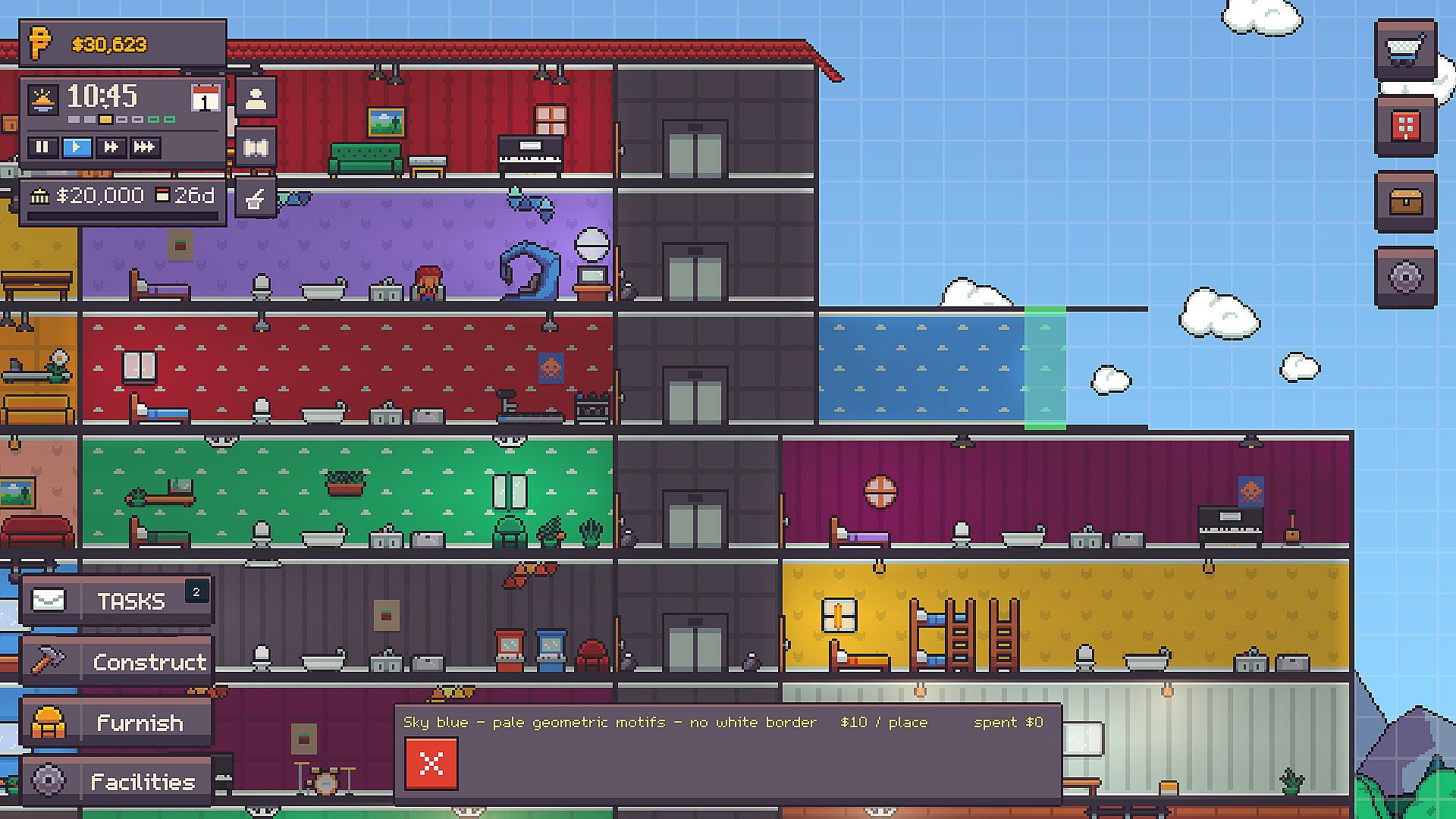
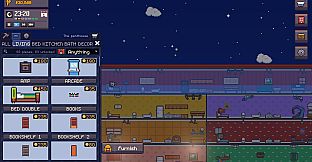
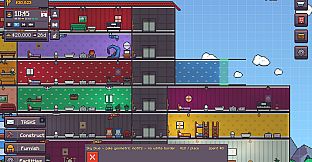
The core loop involves designing floors and rooms by drawing walls, adding stairs, lifts, and other structural elements. Players then furnish each unit using a wide selection of furniture and decorations. The quality of these choices directly influences the rent that can be charged and the type of applicants who show interest. An undo feature allows immediate corrections without financial penalty.
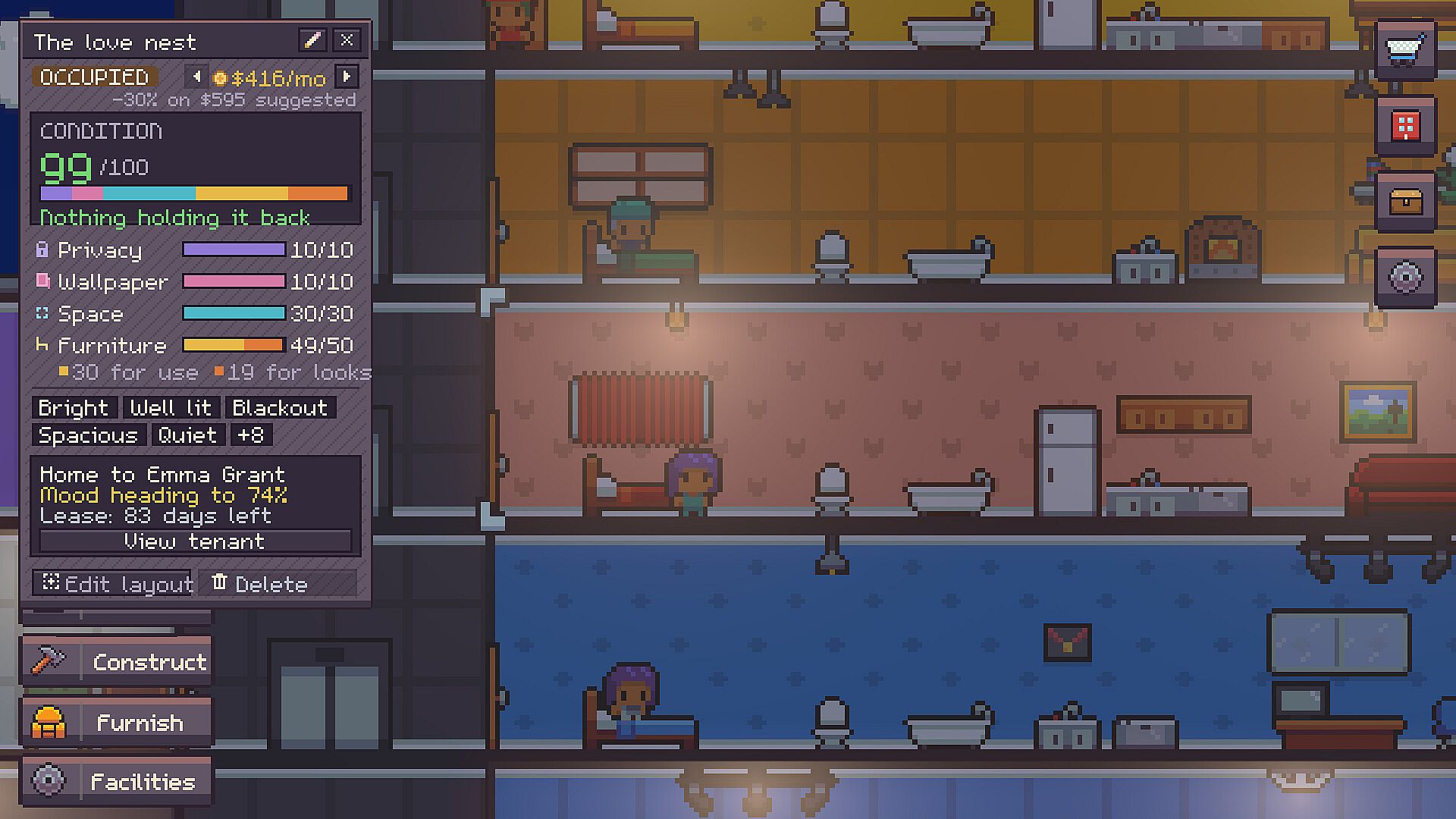
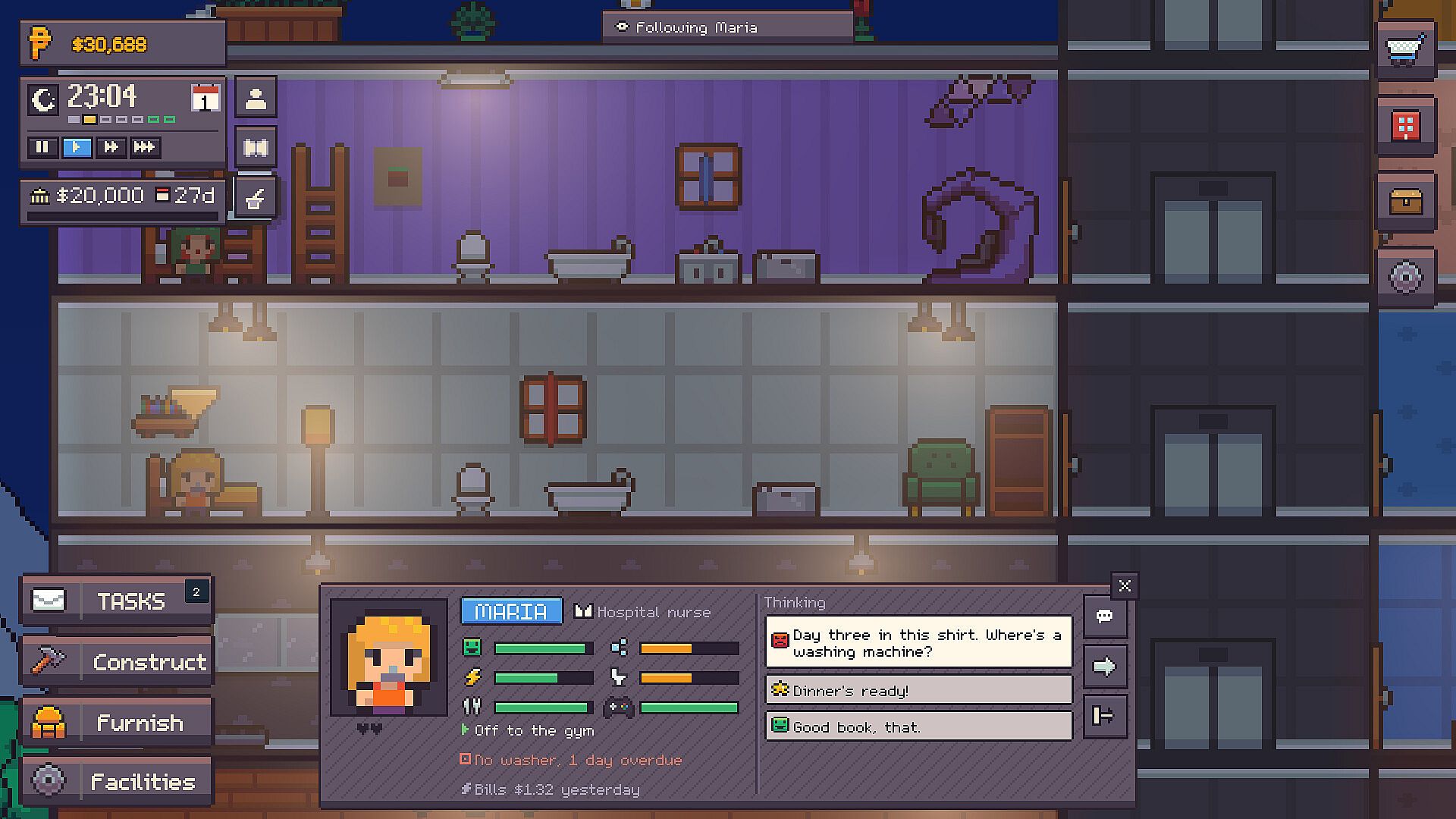
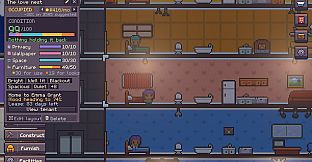
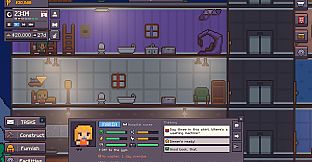
Once units are ready, advertisements attract potential tenants. Each applicant comes with a budget, a list of preferences and deal-breakers, and a compatibility score that indicates how well they will fit the space. Setting the rent requires balancing income against the risk of dissatisfaction. Tenants develop needs over time, express thoughts through dialogue, and react to the building's condition and shared facilities.
Maintenance plays a key role. Hiring cleaners and handymen prevents issues like accumulating waste. Shared spaces such as gyms, laundries, or music rooms can be added to improve overall satisfaction. A day-and-night cycle runs continuously, with options to pause or accelerate time, and the morning rush for lifts provides a visible indicator of how well the layout functions. A persistent loan must be repaid to avoid escalating pressure from the bank.
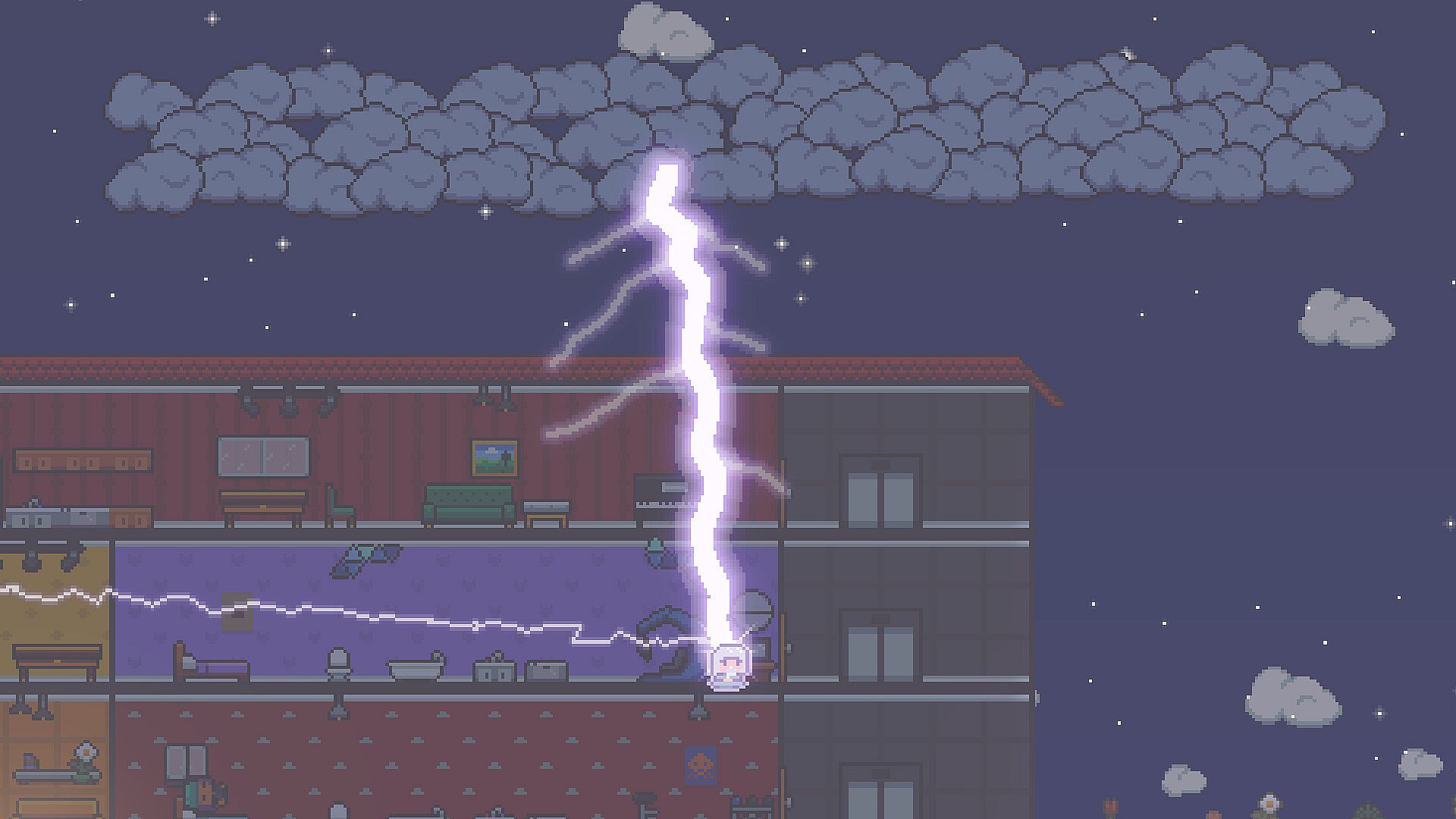
Characters are not interchangeable. Each tenant has a hand-crafted backstory that progresses based on player decisions, leading to story chapters with lasting consequences. Seasonal events, minor disasters, and occasional celebrations add variety to daily management.
Game Modes
Apartment Empire operates as a single-player simulation without separate named modes. The primary experience revolves around ongoing building management, tenant interactions, and story progression within one persistent apartment building. Occasional applications from unusual or non-paying individuals introduce optional risks that can alter the building's atmosphere and events.
Time controls allow players to adjust the pace of the day-night cycle, supporting both relaxed observation and faster progression through longer periods. The system encourages experimentation with layouts and tenant mixes rather than competitive or multiplayer formats.
Tenant Management and Stories
Every resident brings personal likes, dislikes, and non-negotiable requirements that affect their happiness and willingness to stay. A compatibility rating helps match applicants to suitable flats, while rent levels influence who applies and how long they remain content. Ignoring complaints for extended periods can result in tenants leaving.
Stories unfold through interactions and choices. Decisions made during a tenant's stay carry forward into later chapters, shaping outcomes for individual characters. The tenant guide tracks everyone encountered, providing a record of relationships and events. This narrative layer sits alongside the practical demands of rent collection and maintenance.
Visuals and Atmosphere
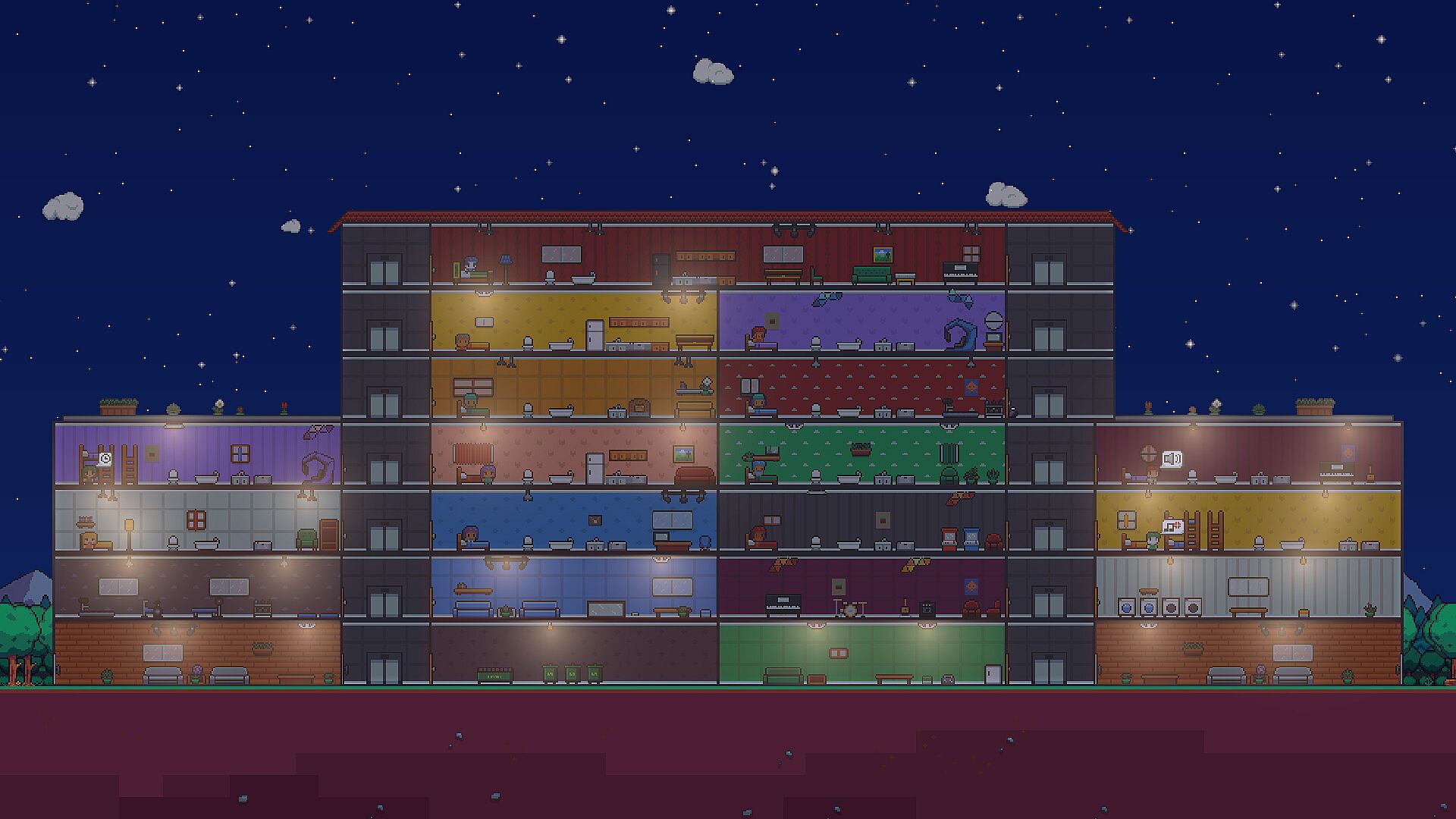
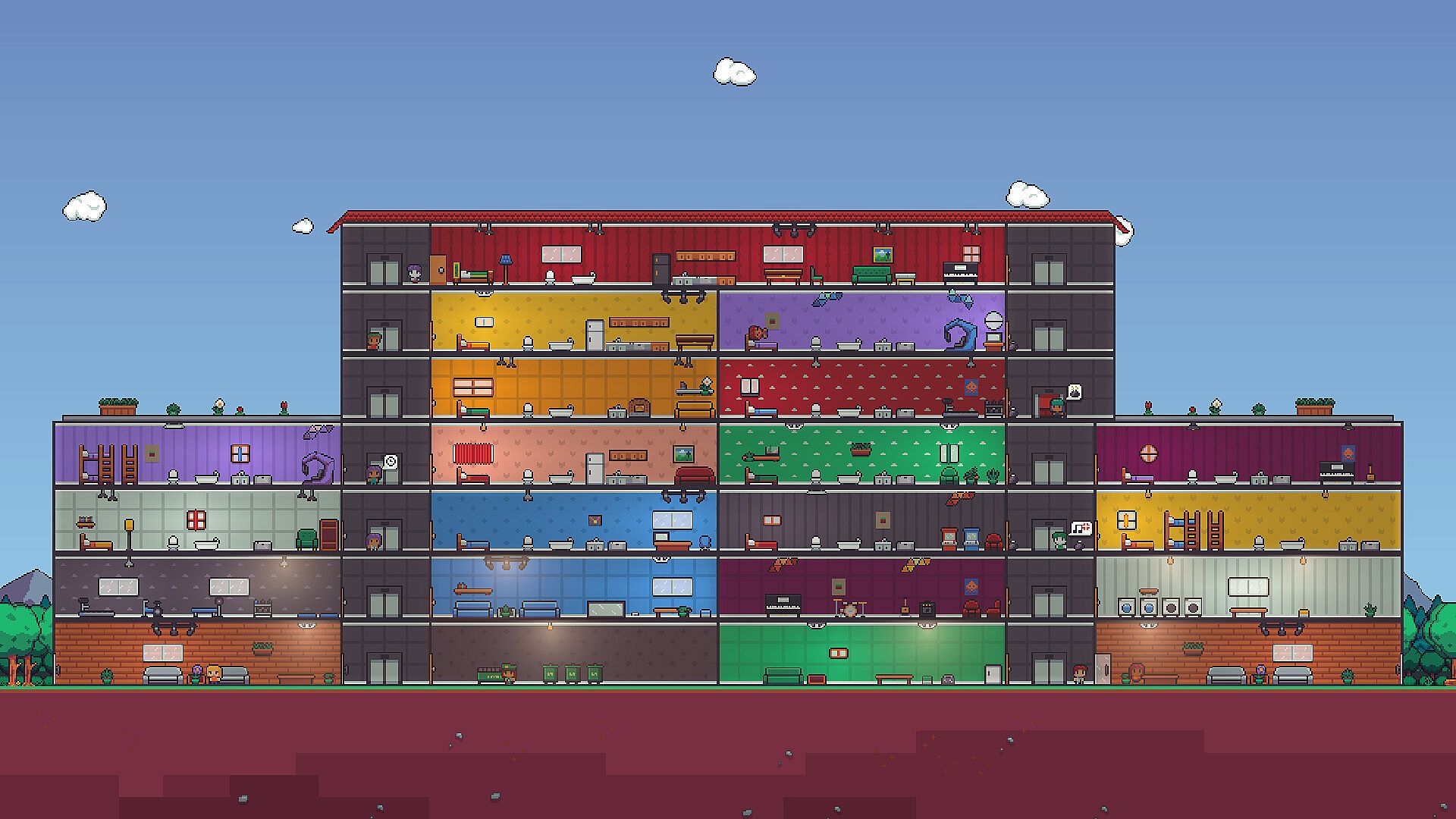
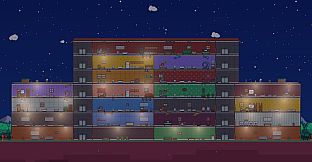
The game uses charming pixel art that extends to small details such as houseplants and lighting changes throughout the day. The building evolves visibly as floors are added, rooms are decorated, and shared facilities appear. Lights turning on at dusk and the movement of tenants through lifts contribute to a living environment that feels responsive to player actions.
Is It Worth Playing?
Apartment Empire suits players who enjoy methodical building, resource management, and character-driven simulation. The combination of freeform construction, tenant personalities, and unfolding stories creates a focused loop centered on one property. Because the game remains in active development, additional tenants, stories, and unusual events continue to expand the experience over time. Those who appreciate casual strategy titles with an emphasis on personalization and ongoing management will find the current systems rewarding, particularly if they value the freedom to redesign spaces and observe the consequences of their choices on a cast of distinct residents.











